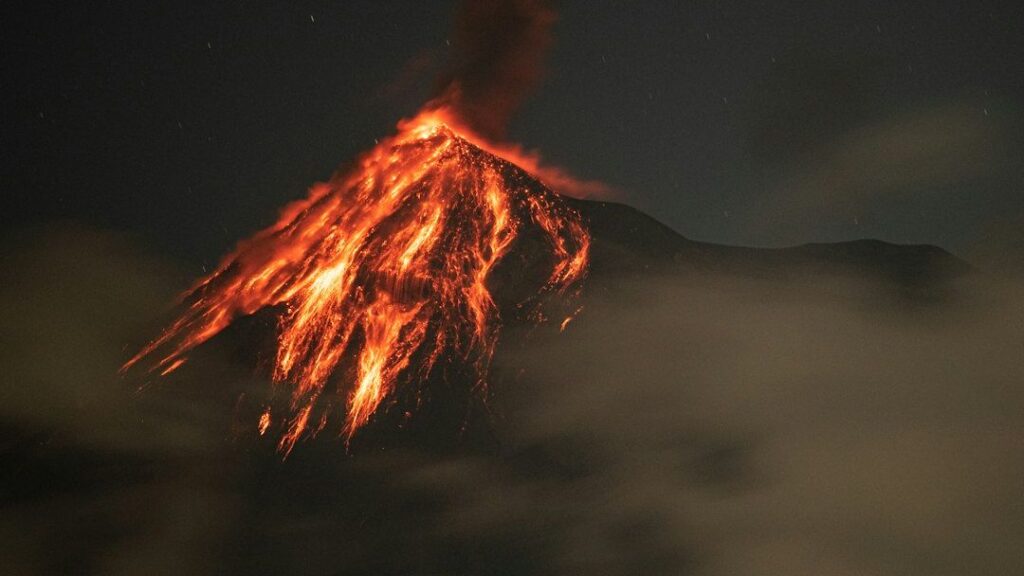
When you think about the age of dinosaurs, your mind probably goes straight to giant creatures stomping through lush prehistoric jungles, ruled by nothing but their own instincts and appetites. But here is something that might genuinely surprise you: the very existence of those giants, and ultimately their downfall, was shaped in no small part by something simmering and exploding beneath their feet. Volcanoes, colossal and relentless, were not just dramatic backdrops. They were active architects of the dinosaur world.
Volcanic activity was a powerful and constant force throughout the Mesozoic Era, shaping the world the dinosaurs inhabited. You might think of eruptions as one-time catastrophes, but the reality was far more complex, far more sustained, and honestly far more fascinating than any Hollywood disaster film could ever capture. Let’s dive in.
The Mesozoic Stage: A World Already on Fire
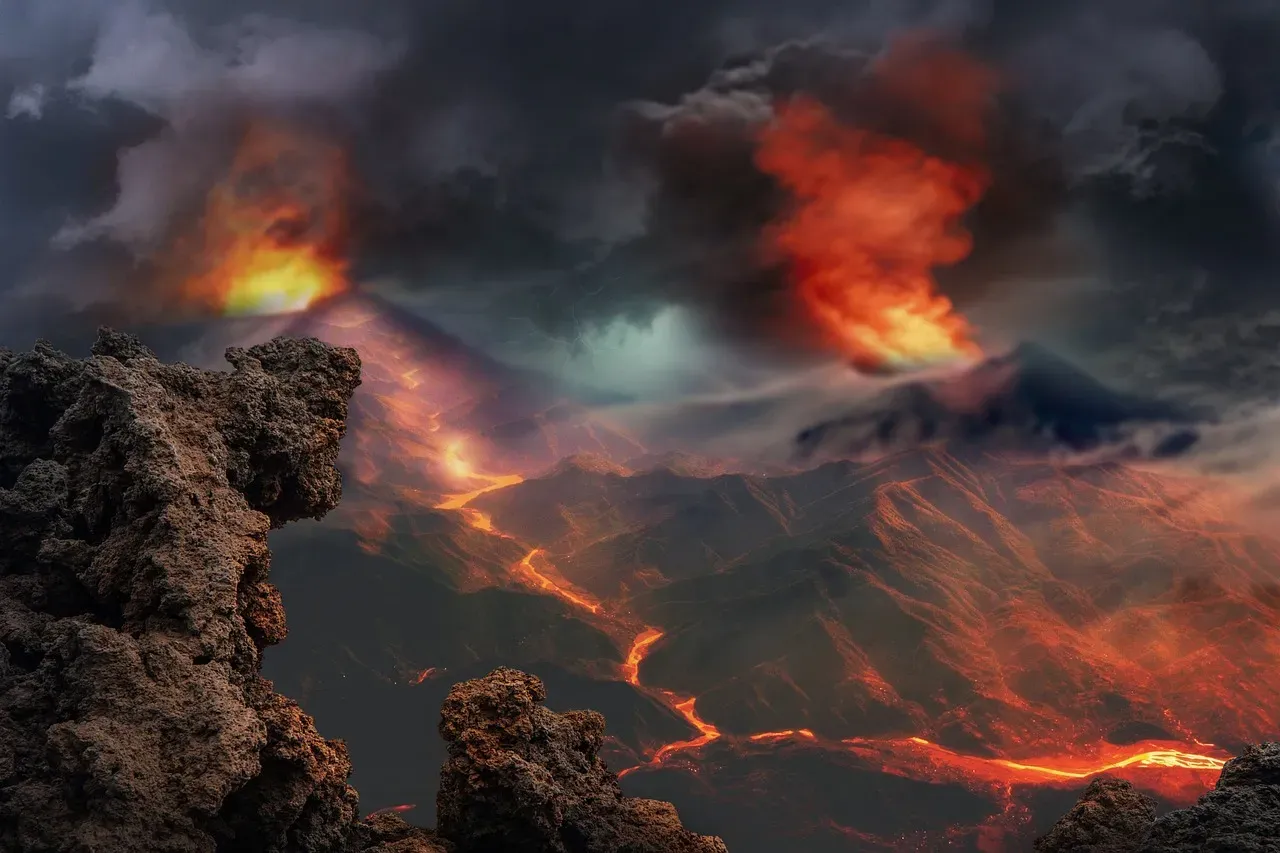
Before you can appreciate what volcanoes did to dinosaurs, you need to understand the world they inhabited. The Mesozoic Era lasted from about 252 to 66 million years ago, comprising the Triassic, Jurassic, and Cretaceous Periods, and was characterized by the dominance of archosaurian reptiles such as the dinosaurs, and by a hot greenhouse climate and the tectonic break-up of Pangaea. Think of it as a planet with the volume turned all the way up.
Two of the largest volcanic events in Earth’s history occurred during the Mesozoic. The Central Atlantic Magmatic Province, a huge volume of basalt, was created at the end of the Triassic during the initial rifting of Pangea, and the surface area of this igneous province originally covered more than 7 million square kilometers, with its rocks found today from Brazil to France. That is not a regional event. That is a planetary transformation, and the dinosaurs had front-row seats.
The Triassic-Jurassic Extinction: Volcanism Clears the Stage
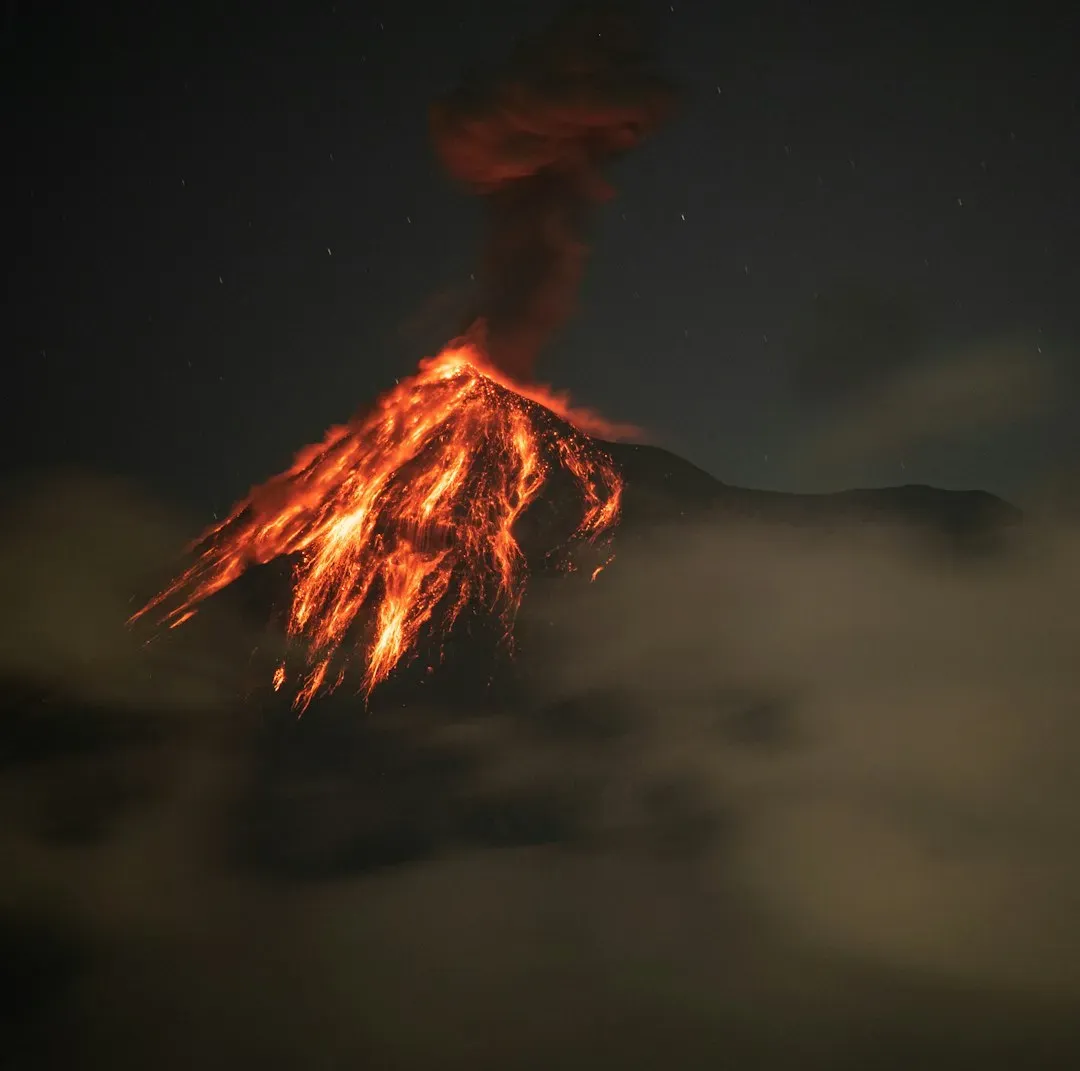
The End Triassic Extinction, which occurred about 201.6 million years ago, stamped out three-quarters of all life on Earth, and has long been thought to be linked to the volcanic eruption of the Central Atlantic Magmatic Province (CAMP), which occurred around the same time. Imagine nearly three quarters of the world’s species wiped away. The slate, violently and thoroughly, was being cleaned.
Studies estimate that the rifting of the supercontinent Pangea, where eastern North America met northwestern Africa, may have released up to 100,000 gigatons of carbon dioxide, which likely strengthened the global greenhouse effect, increasing average air temperatures around the globe by as much as 10 to 15 degrees Celsius and acidifying the oceans. What came next was remarkable: with so many ecological niches suddenly empty, the dinosaurs stepped in and took over almost everything.
How Dinosaurs Survived While Others Perished
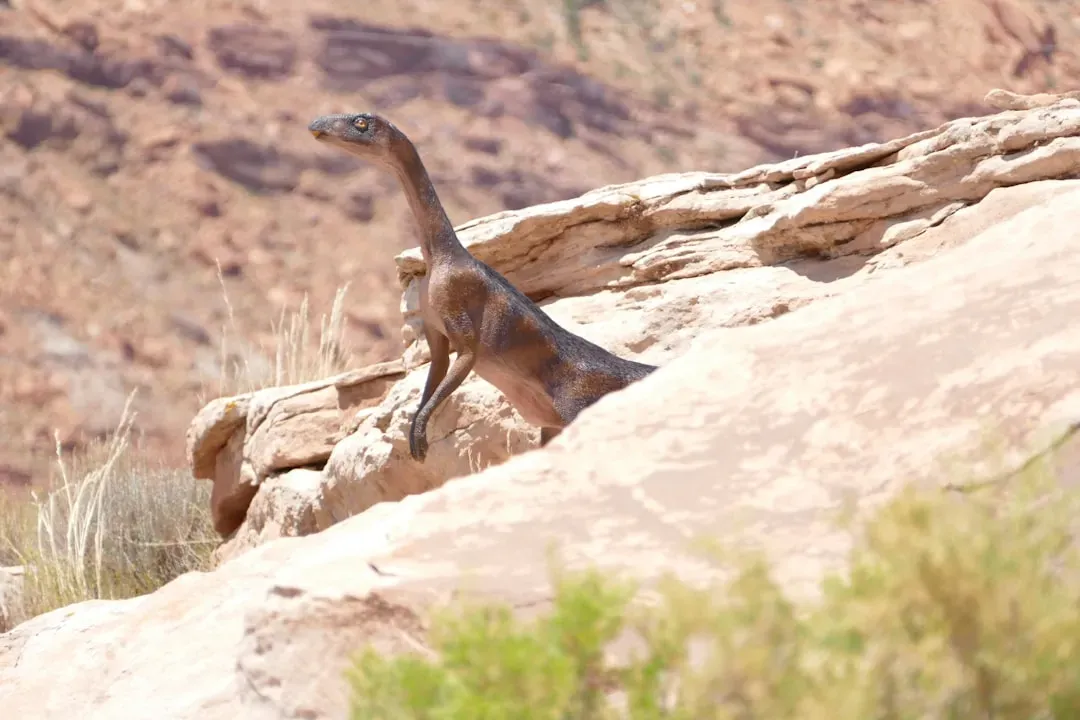
Here’s the thing that scientists still find genuinely puzzling. Among the most significant mysteries of the end-Triassic extinction is why dinosaurs and pterosaurs fared so much better than so many of their reptilian neighbors. At the end of the Triassic, the crocodile-like phytosaurs entirely disappeared, as did many forms of crocodile relatives that were diverse and widespread. Large, flat-headed amphibians called metoposaurs entirely vanished. Dinosaurs and their flying pterosaur relatives, however, seemed unbothered by the changes and did not suffer the same losses.
Paired together, warm body temperatures and insulating coats allowed dinosaurs to better survive the swings between warm and cold climates at the end of the Triassic. Other reptiles that lacked such insulation, such as the many crocodile relatives, were more vulnerable to the shifts and the environmental changes that came with them. It is almost like the volcanoes accidentally ran a selection process, filtering out the less adaptable and leaving the most resilient creatures standing. Honestly, it is equal parts brutal and awe-inspiring.
Volcanic Winters and the Cooling-Warming Rollercoaster
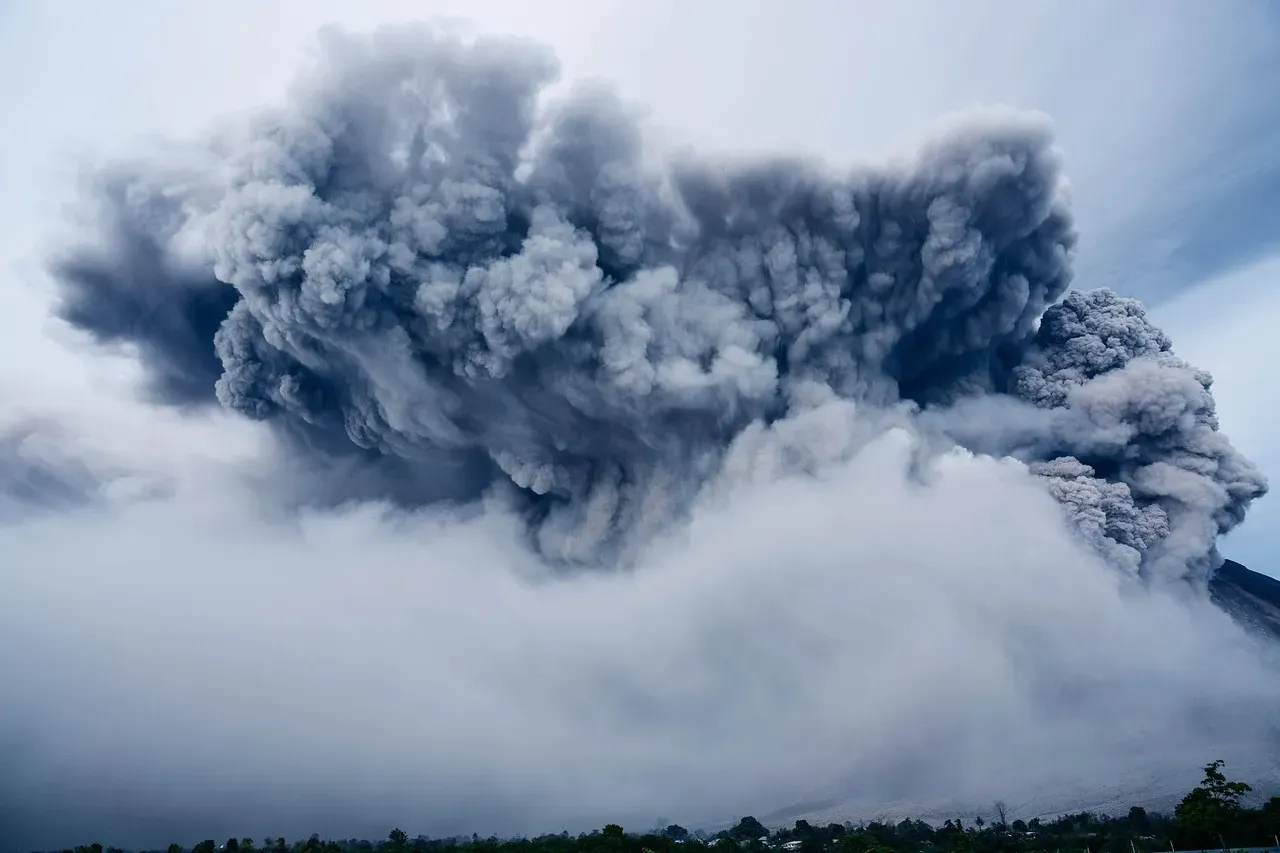
Though volcanism in general leads to global warming, after an initial volcanic eruption, huge amounts of sulfur spew into the air and cause a brief period of global cooling. Such cooling-heating cycles may have occurred hundreds of times over 500,000 years. Picture the climate swinging wildly back and forth like a pendulum, never settling, never giving ecosystems a chance to fully stabilize before the next disruption hit.
Ancient volcanic activity caused global temperatures to swing wildly, first warming by about 3 degrees Celsius over 100,000 years, then plunging by up to 5 degrees Celsius in less than 10,000 years before returning to warmer conditions. These temperature changes occurred roughly 30,000 years before the Cretaceous-Paleogene extinction event 66 million years ago, when about 75 percent of plant and animal species, including all non-avian dinosaurs, vanished from Earth. Those swings were not just uncomfortable. For many species, they were unsurvivable.
The Deccan Traps: Earth’s Slow-Motion Catastrophe
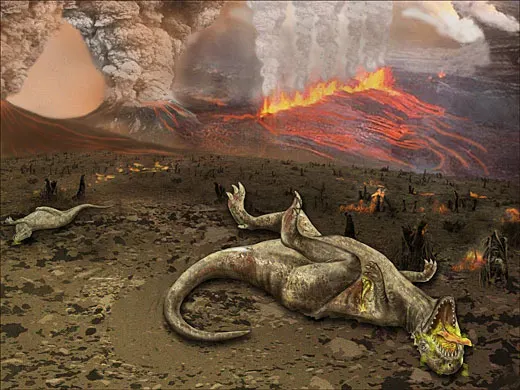
About 66 million years ago, a massive volcano erupted lavas in India that are now called the Deccan Traps, burying much of the subcontinent under more than 11,000 feet of basalt and pouring poisonous gases into the atmosphere. To put that in perspective, that is a layer of hardened lava taller than the highest mountains in many parts of the world, piled up over what is now western India. The sheer scale of it is hard to wrap your head around.
The Deccan Traps eruptions, occurring both before and after the asteroid strike, released huge volumes of CO2, dust, and sulfur into the atmosphere. These emissions could have induced substantial warming or cooling, depending on their composition and duration. Scientists have compared this to a slow poison, steadily weakening ecosystems long before any single catastrophic event could finish them off. One species of microscopic marine organism called foraminifera that flourishes only after environmental disasters appears in the fossil record in large numbers around the time of the Deccan Traps eruptions and continues to thrive for hundreds of thousands of years, indicating that the eruptions may have had widespread ecological effects for a long time.
Volcanic Landmasses and New Dinosaur Habitats
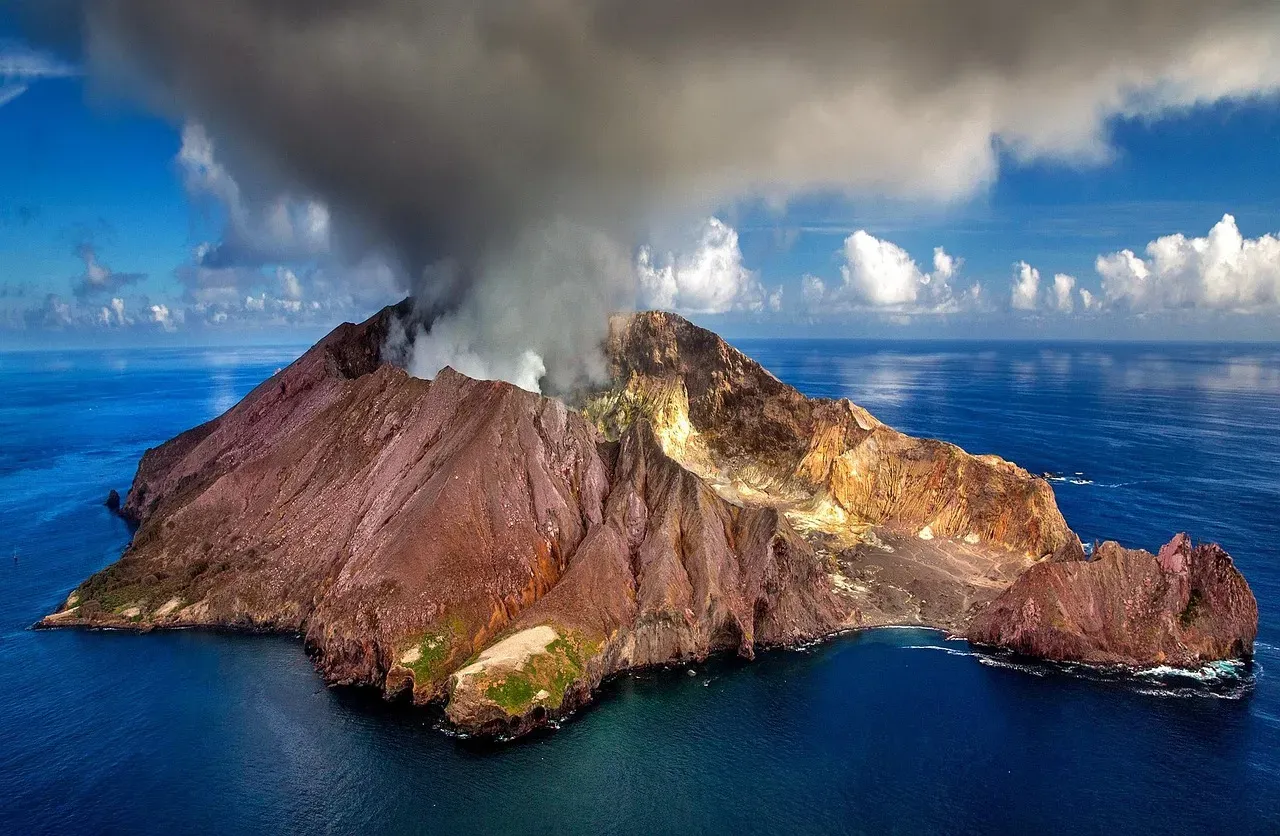
It would be wrong to frame volcanoes purely as destroyers. They were also, in a very real sense, creators. Another way ancient volcanoes shaped the habitats of dinosaurs was by creating islands, mountains, or plateaus. Volcanic eruptions also contributed to continental growth over thousands to millions of years. Generally, the creation of islands or mountains takes several thousand years, whereas continental growth can take millions of years. The formation of landmasses created new habitats, providing dinosaurs with more food and space to thrive.
Volcanic eruptions created natural barriers such as mountains, which helped separate species from predators and competition. Think of it like building new neighborhoods on a sprawling city map. Each new volcanic landform gave different dinosaur lineages room to diverge, specialize, and evolve in their own directions. Climate changes during the period underwrote a vegetation boom that provided some previously omnivorous dinosaur lineages with enough green food to begin specializing on eating plants. The early ancestors of long-necked giants like Apatosaurus began this way. As prey grew bigger, more carnivorous dinosaurs followed the trend and became larger.
The Final Verdict: Volcanoes Set the Table, the Asteroid Flipped It
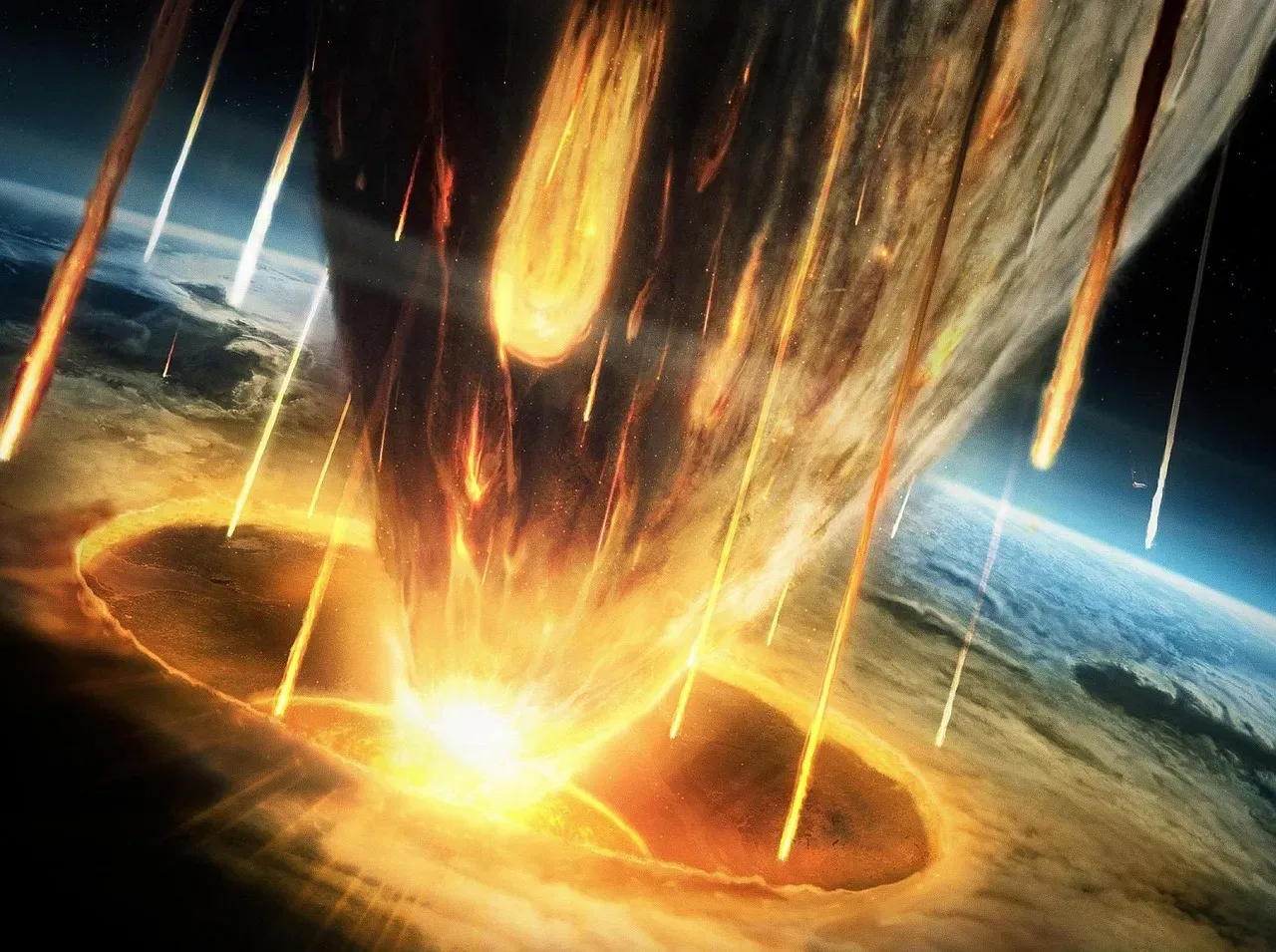
It’s hard to say for sure whether volcanoes alone could have ended the dinosaurs. The current scientific weight of evidence suggests they could not. Although the Deccan Traps eruptions undoubtedly stressed ecosystems and altered climates, their effects had dissipated long before the asteroid arrived. With the volcanic disruptions out of the picture during the critical window, the data strongly point to the meteorite collision as the primary catalyst for the extinction event. This finding helps distinguish between the gradual, prolonged influence of volcanism and the abrupt, globally catastrophic consequences of the asteroid strike.
Still, the debate is far from over, and it is genuinely one of science’s most gripping ongoing arguments. The big question has been whether it was a one-two punch, with volcanic activity weakening the dinosaur-dominated ecosystems before the asteroid delivered the knockout blow, or whether it was the asteroid alone, in a singular knockout punch. A publication in the scientific journal Science Advances by climate scientists from Utrecht University and the University of Manchester provides compelling evidence that while the volcanic eruptions in India had a clear impact on global climate, they likely had little to no effect on the mass extinction of the dinosaurs. The asteroid, it seems, was the closer. Volcanism was the long, grueling setup.
Conclusion: The Earth Wrote the Rules, Dinosaurs Just Played the Game
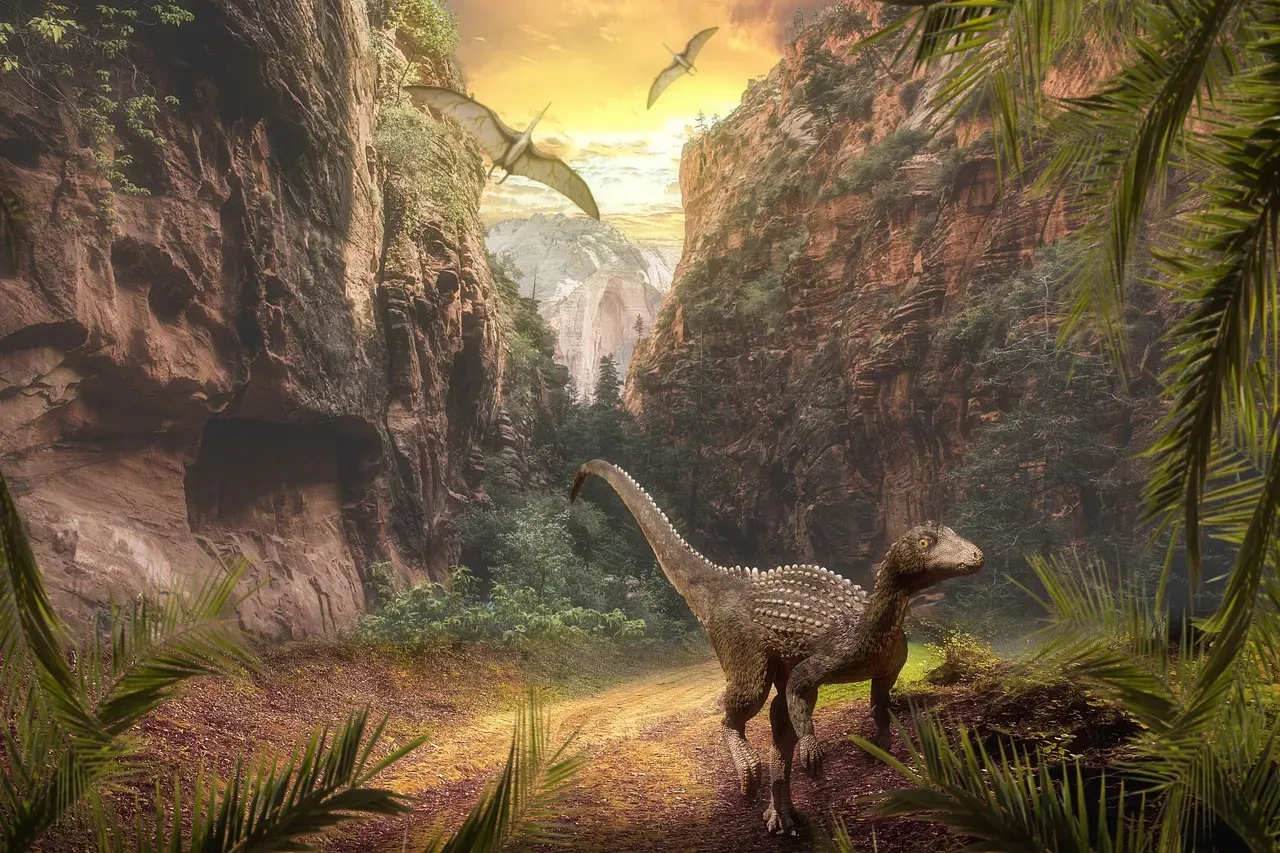
What you take away from all of this is something almost philosophical. Dinosaurs did not simply appear, dominate for 165 million years, and vanish by accident. The massive and sustained ecological disruption at the Triassic-Jurassic led to the extinction of many tetrapod families, presumably dinosaurian competitors, and only afterward did the familiar dinosaur-dominated communities arise, a reign that would last for the next 135 million years. The Triassic-Jurassic mass extinction may have cleared ecological space for the rise of dinosaur dominance much as the K-T mass extinction prepared the way for mammalian ecological ascent.
Volcanoes were the unseen hand throughout all of it: building new lands, reshaping climate, wiping out competitors, weakening ecosystems, and even delivering the geochemical prologue to the final catastrophe. The volcanoes may have prepared a stage of ecological vulnerability, but they did not deliver the final, fatal blow. By the time the asteroid hit, Earth’s systems had largely recovered from the volcanic perturbations. In the end, the dinosaurs were not simply victims of bad luck. They were the product of a turbulent, volcanic Earth, shaped by forces as vast and indifferent as the planet itself.
The next time you look at a photograph of a volcanic landscape, consider this: you might be looking at a scene not entirely unlike the one that quietly, relentlessly, wrote the rules for the most spectacular chapter in the history of life on Earth. What would you have guessed was the real architect of the dinosaur age?