
Picture the last time you held a smooth, oddly shaped rock and wondered if something ancient lay beneath its surface. Fossils do that to people. They stop you cold with a quiet kind of awe, because buried inside every preserved shell, bone, or footprint is a survival drama that unfolded millions of years before you ever took your first breath. These are not just scientific curiosities stacked in museum glass cases. They are records of struggle, ingenuity, and change on a scale that makes the human lifespan feel like little more than a blink.
You might think paleontology is all about dinosaurs and dusty bones, but honestly, the field goes so much deeper. Every fossil category, from single-celled organisms to giant marine reptiles, carries encoded information about how living things bent to the pressures of their world. Let’s dive in and explore what these stone-locked messengers are truly trying to tell you.
What a Fossil Actually Is and Why It Is So Rare
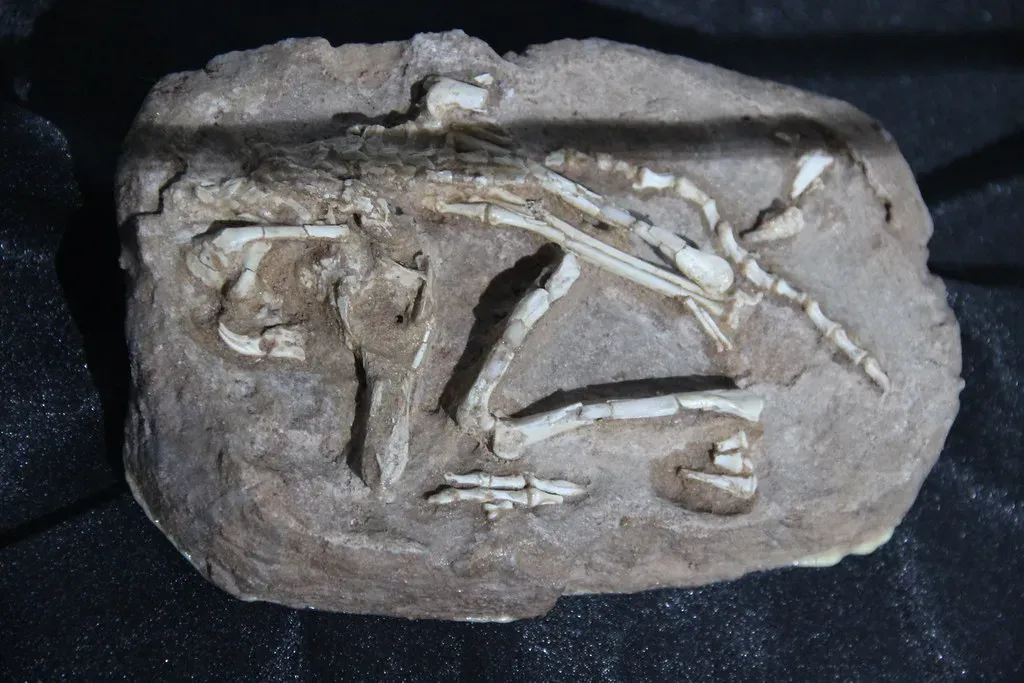
The word “fossil” comes from the Classical Latin fossilis, literally meaning “obtained by digging,” and refers to any preserved remains, impression, or trace of a once-living thing from a past geological age. Examples include bones, shells, exoskeletons, stone imprints of animals or microbes, objects preserved in amber, hair, petrified wood, and even DNA remnants. So when you find yourself looking at a fossil, you are looking at something that beat overwhelming odds just to exist in front of you.
It is actually unlikely that any organism will become a fossil after death, as many factors can damage or destroy both soft and hard tissues before they are buried. The hardest parts of an organism, such as shells or skeletons, are the most likely to survive to be buried and fossilized, though in rare cases soft tissues can be preserved as well. Think of it like nature’s lottery, where the odds of preservation are stacked against most living things. That makes every single fossil you have ever seen feel that much more extraordinary.
The Oldest Voices on Earth: Fossils That Stretch Back Billions of Years
It sounds almost impossible to wrap your head around, but life on Earth has been leaving its mark for an almost incomprehensible span of time. The earliest fossils resemble microorganisms such as bacteria and cyanobacteria, and the oldest of these fossils appear in rocks 3.5 billion years old. You read that correctly. Billions. Not millions.
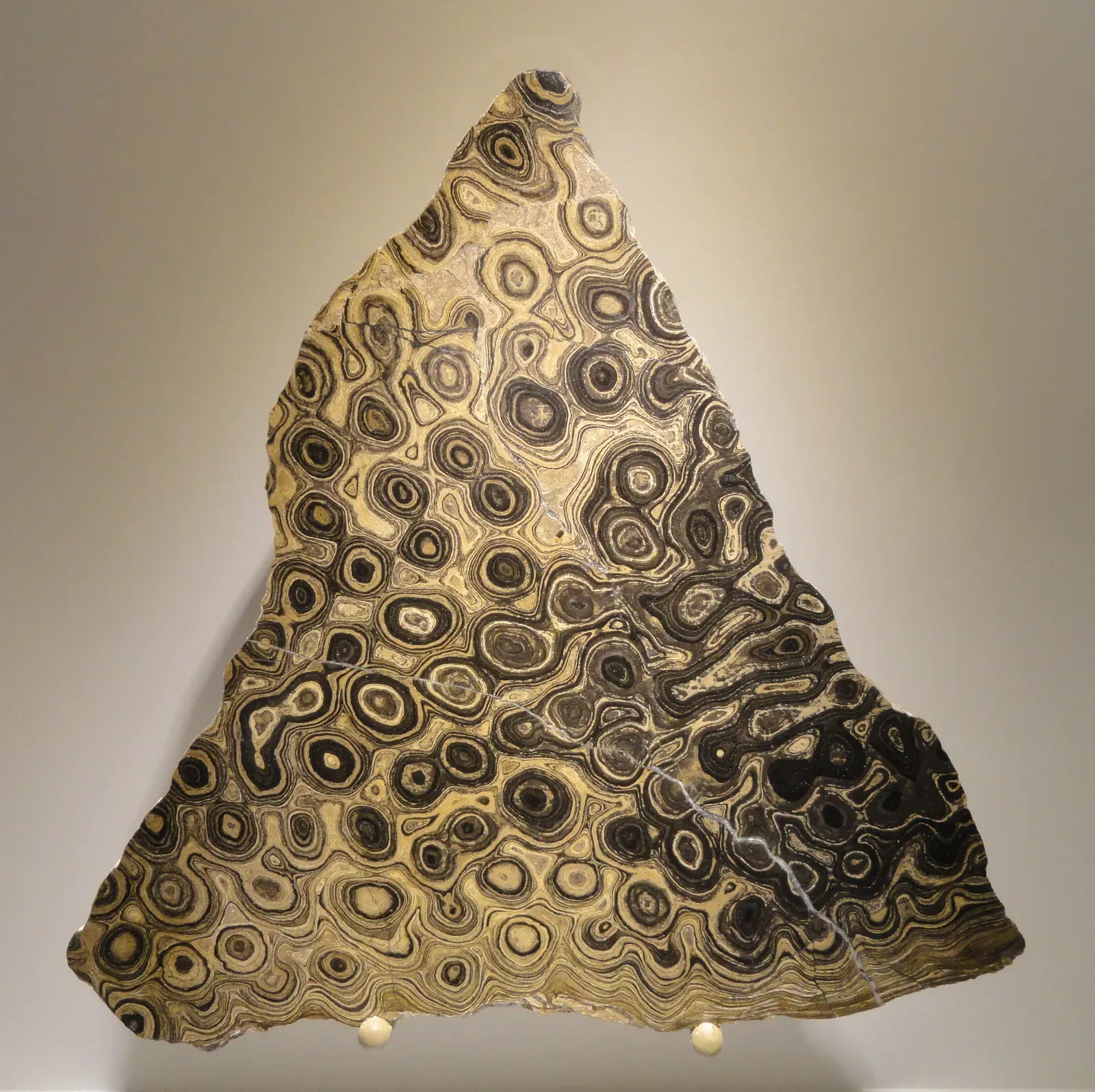
Fossils formed by cyanobacteria are called stromatolites, and the oldest fossils on Earth are stromatolites discovered in western Australia that are 3.5 billion years old. These layered, rocky structures look unremarkable to the untrained eye, yet they represent the earliest whisper of life speaking to you across time. Honestly, that thought alone should give you goosebumps. The oldest known animal fossils, about 700 million years old, come from the so-called Ediacara fauna, small wormlike creatures with soft bodies. Even these delicate, soft-bodied organisms managed to leave behind evidence of their existence, which is nothing short of remarkable.
How Fossils Reveal Ancient Survival Strategies in Breathtaking Detail
Here is the thing most people miss: fossils are not just about what a creature looked like. They tell you how it actually lived. Scientists called paleontologists use a variety of techniques to reveal what an ancient organism looked like, where it lived, what it ate, and how it behaved. That is an astonishing amount of information to pull from a piece of stone, if you think about it.
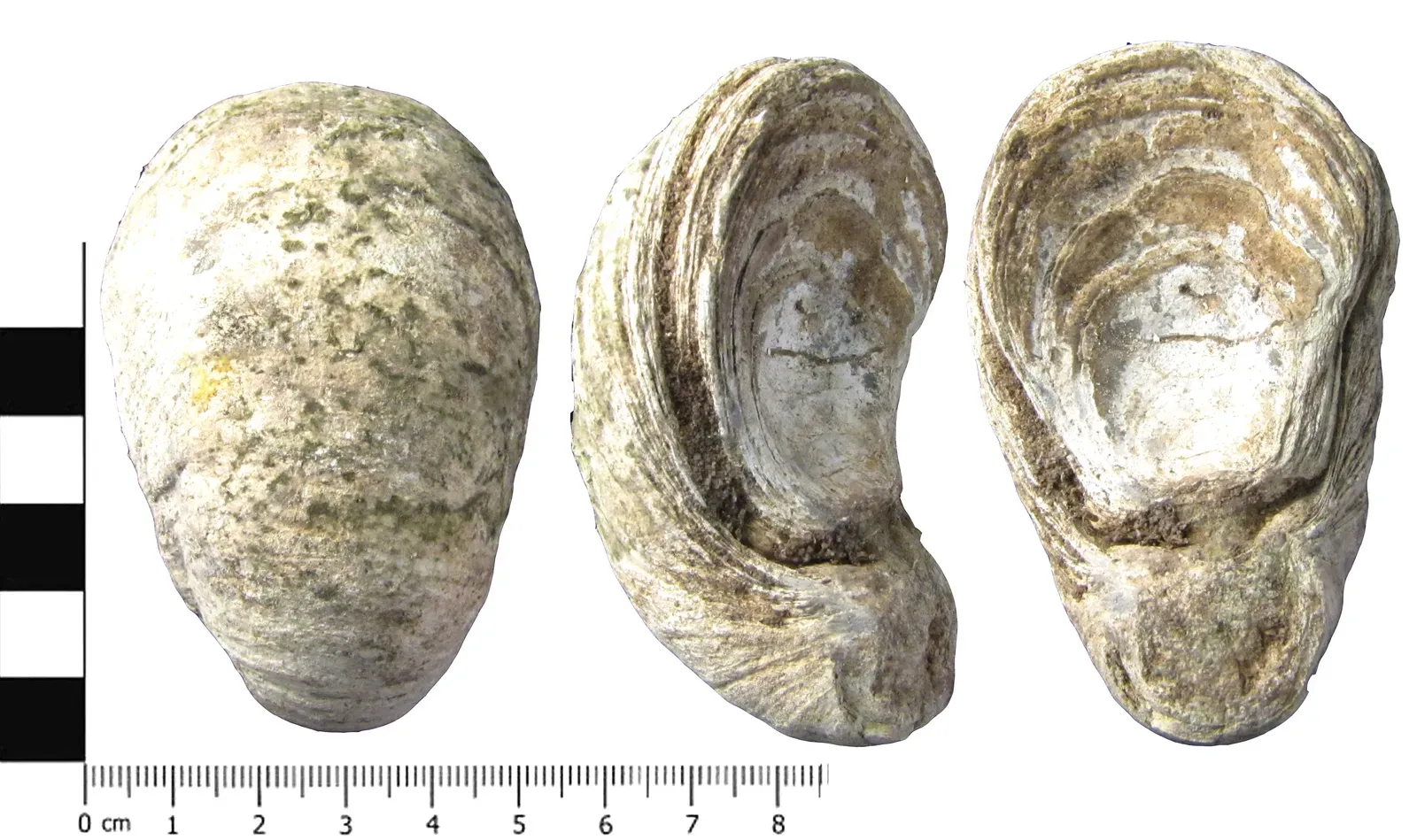
Individual fossils may contain information about an organism’s life and environment. Much like the rings of a tree, each ring on the surface of an oyster shell denotes one year of its life. Studying oyster fossils can help paleontologists discover how long the oyster lived, and in what conditions. If the climate was favorable for the oyster, the oyster probably grew more quickly and the rings would be thicker. If the oyster struggled for survival, the rings would be thinner. You are essentially reading a diary, written in calcium and stone, that belonged to a creature that died millions of years ago.
Tiktaalik and the Daring Leap Onto Land
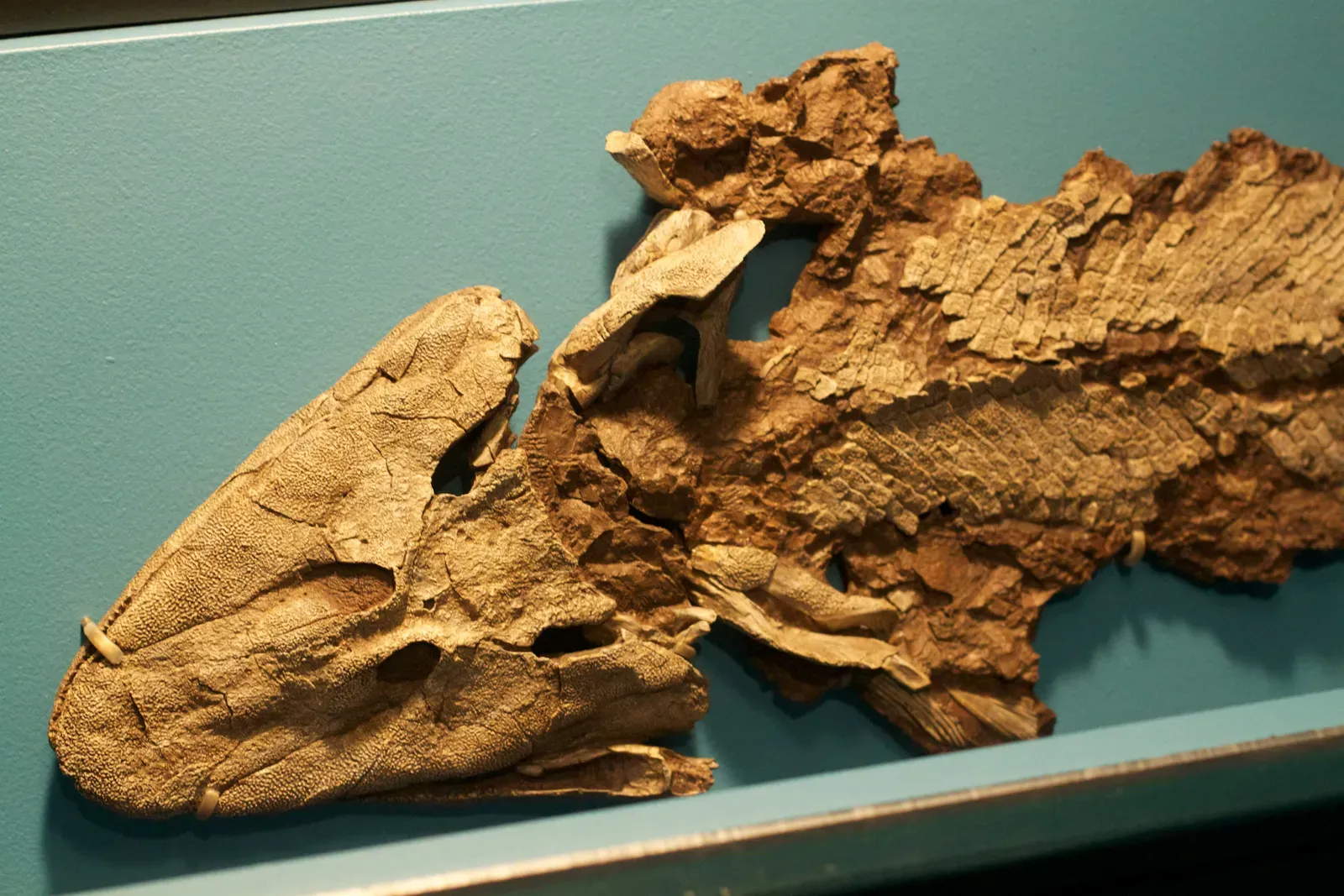
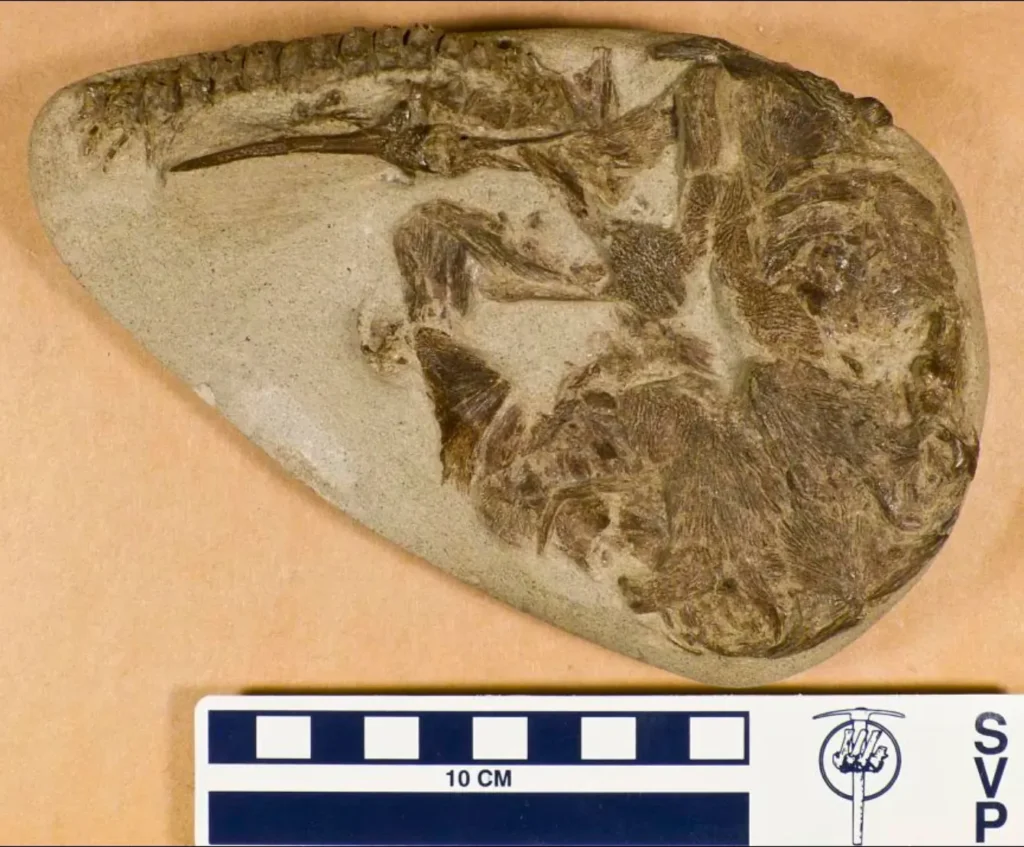
Few fossil stories capture the drama of survival and adaptation quite like Tiktaalik. One of the great large-scale transitions preserved in the fossil record is the initial move of vertebrates onto land during the Devonian period, about 375 million years ago. This transition is recorded by the discovery of fossils like Tiktaalik, which bears features of both fish and four-legged land animals. I think this is one of the most breathtaking evolutionary stories ever unearthed because it captures life at the exact, precise moment of a gamble on a completely new world.
The results of studying this specimen were spectacular: researchers found a fish with gills and scales, but with a flattened head like a crocodile and strong fins that could support the animal’s weight in the shallows. Tiktaalik is a remarkable example of the predictive power of evolutionary theory. Think about what it means that scientists actually predicted where this fossil would be found before it was even discovered. Though the fossil record is incomplete, numerous studies have demonstrated that there is enough information available to give a good understanding of the pattern of diversification of life on Earth, and the record can even predict and fill gaps such as the discovery of Tiktaalik in the Arctic of Canada.
Lucy: The Fossil That Rewrote Human Origins
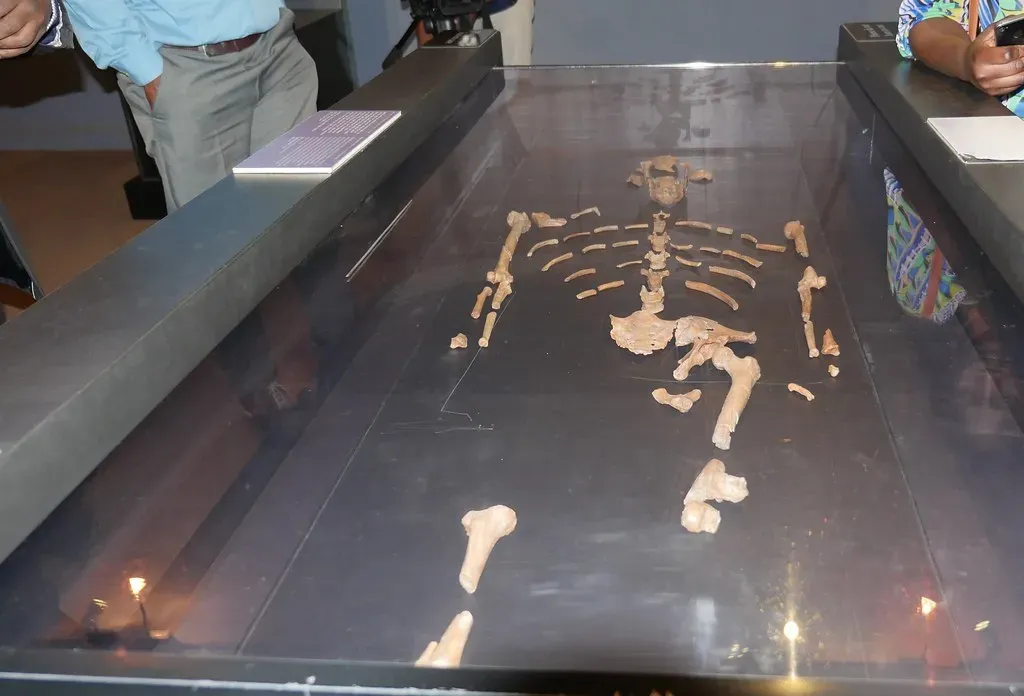
Lucy is the name given to a collection of fossilized bones belonging to an ancient hominid species called Australopithecus afarensis, which lived in East Africa approximately 3.2 million years ago. Lucy was discovered in 1974 by a team of researchers led by paleoanthropologist Donald Johanson in Ethiopia’s Afar Depression. You might assume that one partial skeleton could only tell so much. You would be wrong.
The discovery of Lucy was significant because it was one of the most complete and well-preserved fossils of an early human ancestor ever found. The fossil included almost the entire skeleton of an adult female, including her skull, jaw, teeth, and limb bones. The study of Lucy’s bones has provided valuable insights into the evolution of human ancestors. Meanwhile, newer discoveries are continuously building on Lucy’s story. Fossils from a Moroccan cave have been dated with remarkable accuracy to about 773,000 years ago, and researchers have also assigned a strange 3.4-million-year-old foot to Australopithecus deyiremeda, confirming that Lucy’s species wasn’t alone in ancient Ethiopia. The family tree keeps growing, and it grows more complicated with every dig.
Fossils as Ecological Detectives: Piecing Together Ancient Ecosystems
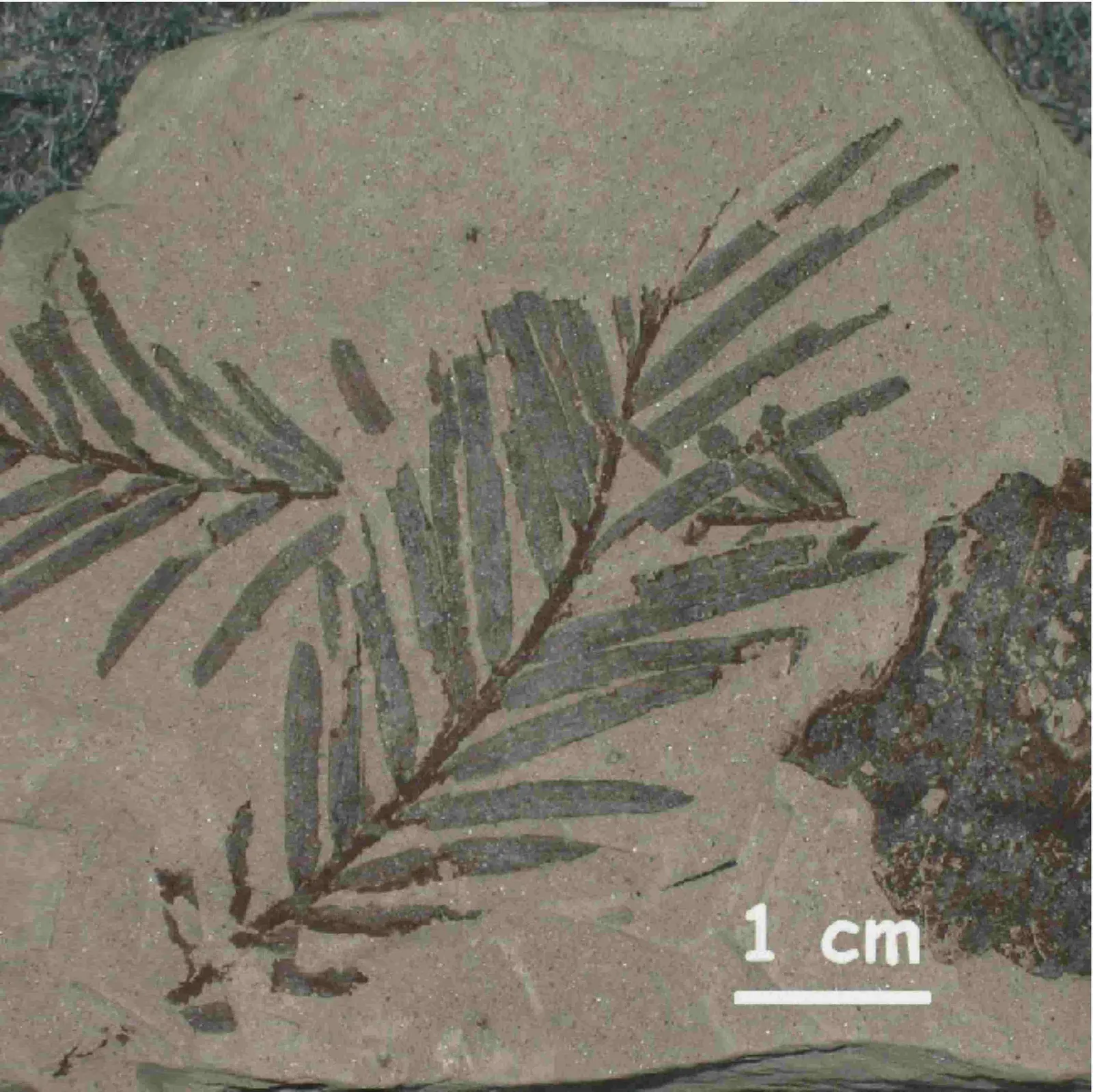
A leaf fossil that is just over 10 million years old shows a distinct pattern of damage that matches the damage to modern leaves caused by the caterpillar of the moth Stigmella heteromelis. The damage patterns are so similar and distinct that, although scientists do not have fossils of the ancient moth itself, they know from the leaf fossil that it must have been present in the environment at the time that plant lived. Based on where this fossil was found, scientists also know that the moth species has a much smaller range today than it did in the past. That is, in a word, incredible.
Less well-known, perhaps, is that fossils can also tell us about our future. By studying the fossil record, you can see how past ecosystems and species adapted to different conditions, helping us anticipate potential upcoming changes in biodiversity and ecosystem dynamics. So you are not simply looking backward when you study fossils. You are, in a very real sense, looking forward too. Researchers have uncovered thousands of preserved metabolic molecules inside fossilized bones millions of years old, and the findings reveal animals’ diets, diseases, and even their surrounding climate, including evidence of warmer, wetter environments. One fossil even showed signs of a parasite still known today.
The Horse, the Therapsid, and Evolution’s Most Surprising Shape-Shifts
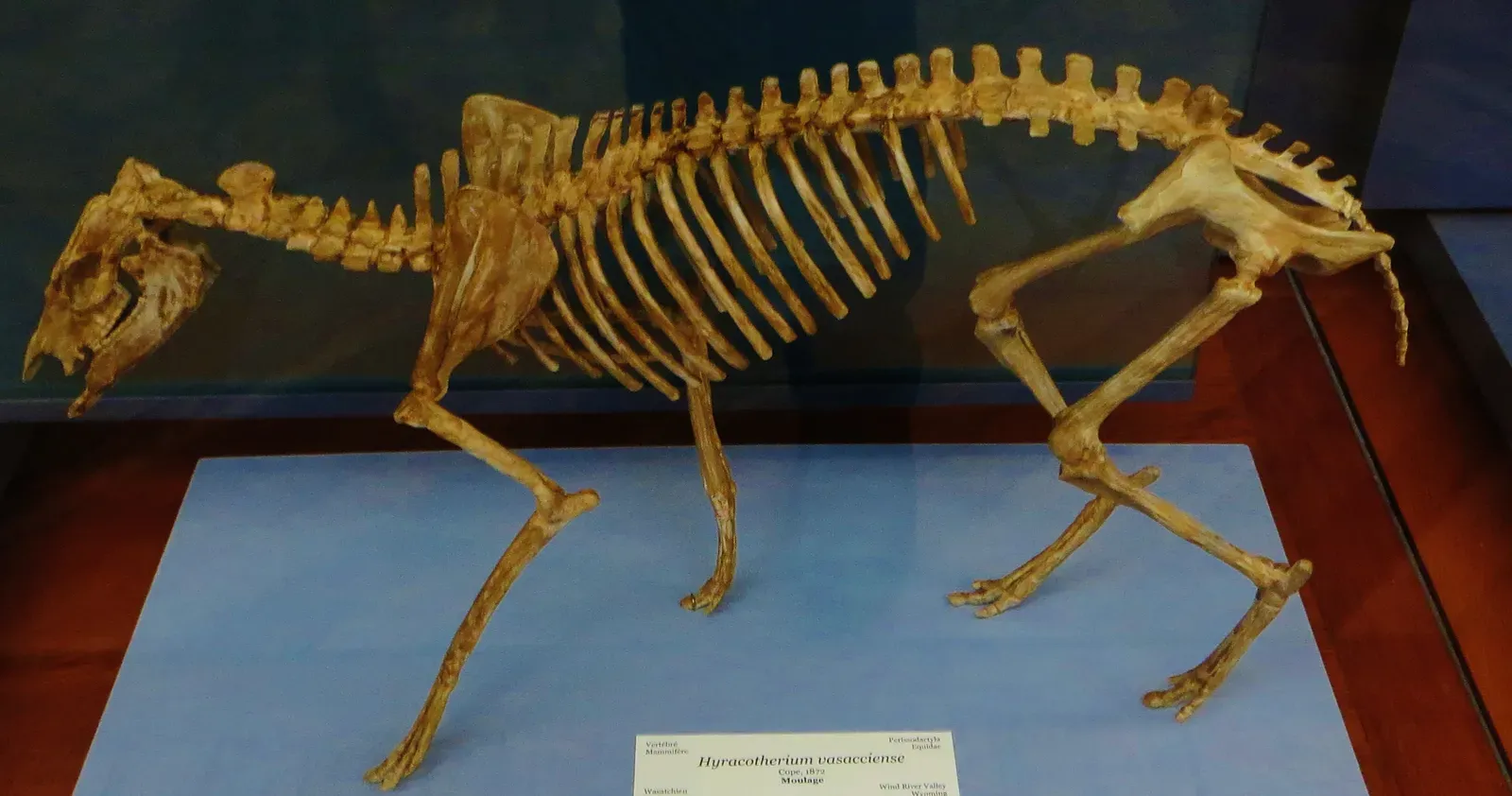
Let’s be real: most people assume evolution is slow, boring, and incremental. The fossil record has a few surprises ready to challenge that assumption. The horse can be traced to an animal the size of a dog having several toes on each foot and teeth appropriate for browsing. This animal, called the dawn horse or Hyracotherium, lived more than 50 million years ago, while the most recent form, the modern horse, is much larger, is one-toed, and has teeth appropriate for grazing. The same creature, separated by tens of millions of years, looks like two entirely different animals.
The lower jaw of reptiles contains several bones, but that of mammals only one. The other bones in the reptile jaw unmistakably evolved into bones now found in the mammalian ear. At first, such a transition would seem unlikely, as it is hard to imagine what function such bones could have had during their intermediate stages. Yet paleontologists discovered two transitional forms of mammal-like reptiles, called therapsids, that had a double jaw joint. In other words, the very bones you use to hear music today were once part of the jaw of a reptile-like ancestor chewing its food. Nature, it turns out, is the ultimate recycler.
Living Fossils, Frozen Time, and the Species That Refused to Change
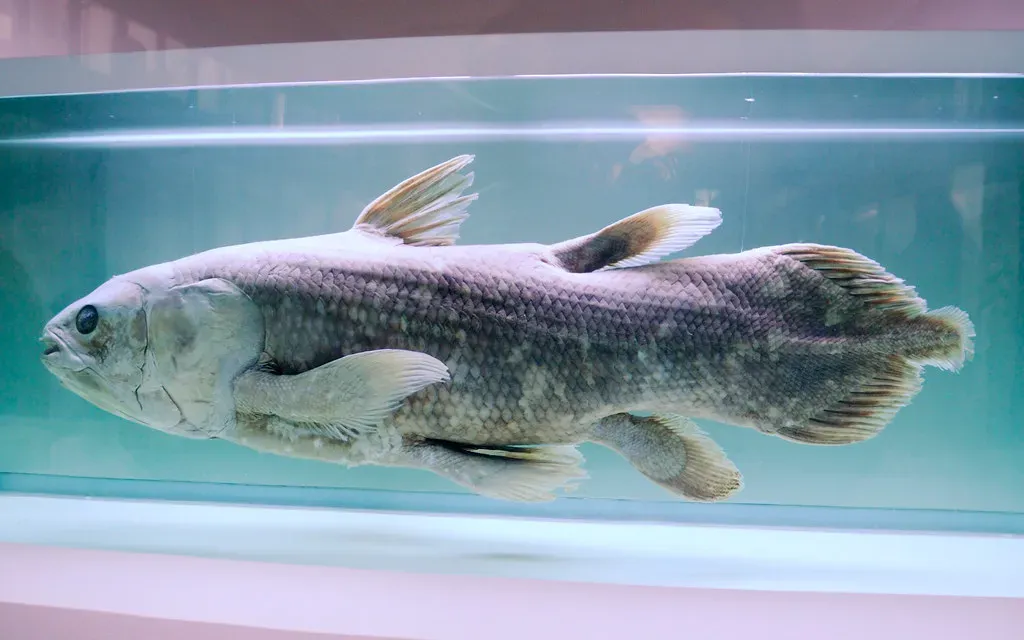
Some creatures apparently looked at the pressure of adaptation and essentially said “no thanks.” Coelacanths are a group of fish that were thought to have gone extinct 66 million years ago, at the end of the Cretaceous period, along with the dinosaurs. However, in 1938, a living coelacanth was discovered off the coast of South Africa, and subsequent expeditions have found populations in other areas of the Indian Ocean. Coelacanths are considered “living fossils” because they have many features similar to their ancient ancestors, such as a lobe-shaped tail and paired fins with bony, jointed structures. You almost have to admire the audacity of a creature that simply decided not to evolve.
When researchers from Flinders University in Adelaide, Australia, identified the fossilized tracks of a reptile-like amniote from the Carboniferous Period, about 350 million years ago, they realized they had found the oldest evidence in the world of reptile-like animals walking on land. The report of this discovery, published in the journal Nature in May 2025, pushes this group’s evolution back by 35 to 40 million years earlier than the records in the Northern Hemisphere. It is a stunning reminder that the timeline of life keeps getting rewritten every time someone uncovers something buried beneath the Earth’s surface.
Conclusion: You Are Reading a Story Written in Stone
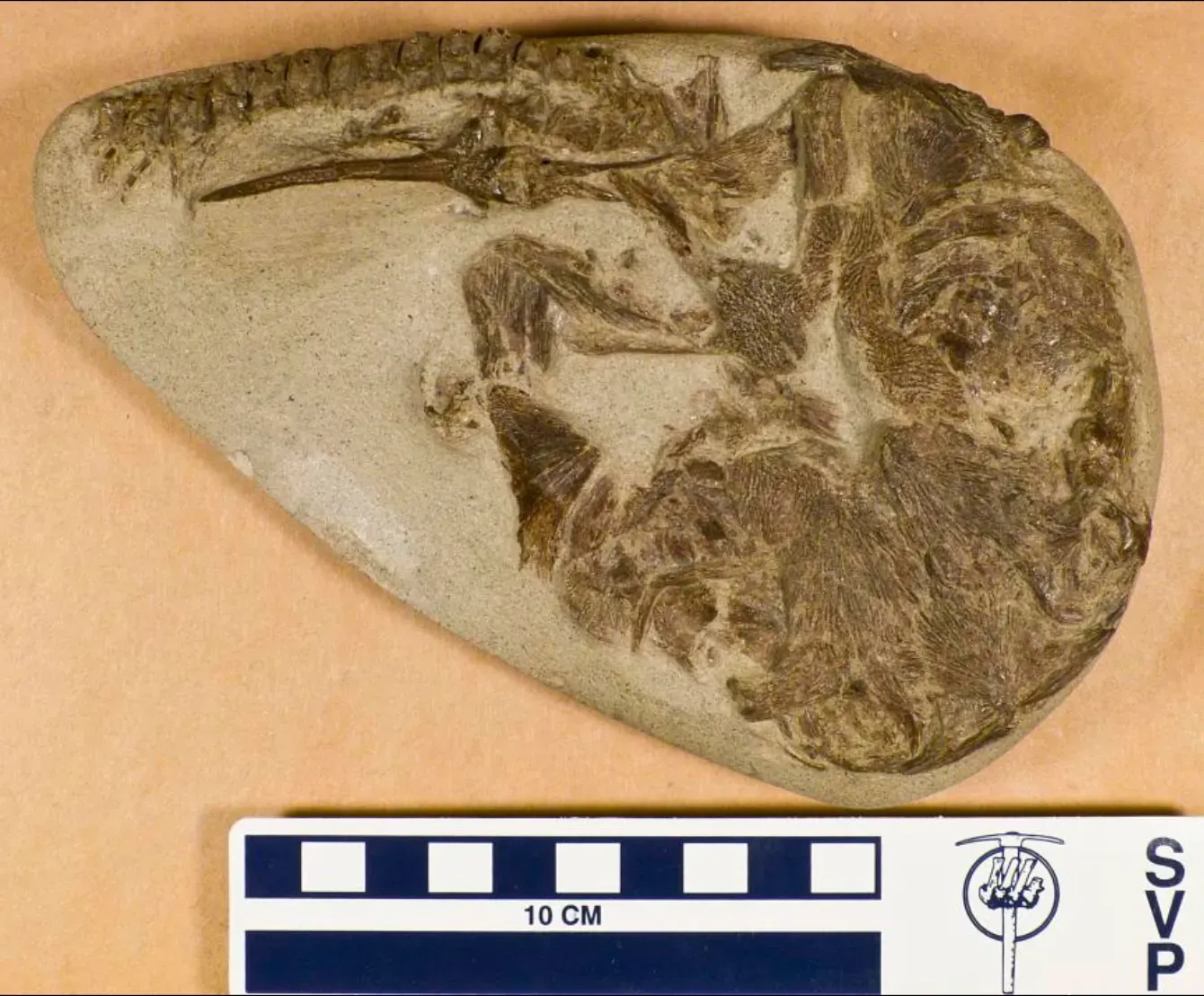
Fossils offer a window into Earth’s history and the evolution of life, documenting the past and providing clues about extinct species, vanished environments, and the processes that shaped our planet. Every crack, every impression, every mineralized bone is a sentence in a story written over billions of years. You are part of that story too, whether you realize it or not.
The fact that you can hold a trilobite shell in your hand and feel connected to an ocean that no longer exists, on a coastline long swallowed by continents, is one of the most quietly profound things about being alive in 2026. Sometimes the beauty and wonder of fossils get lost in arguments about evolution. When you step back, you can appreciate that every new fossil is a gift, a small piece of the vast, complex puzzle that is the history of life on our planet. So the next time you see a fossil, don’t just see a rock. See the survival story inside it. What does the creature trapped in that stone make you wonder about your own place in life’s long, breathtaking journey?