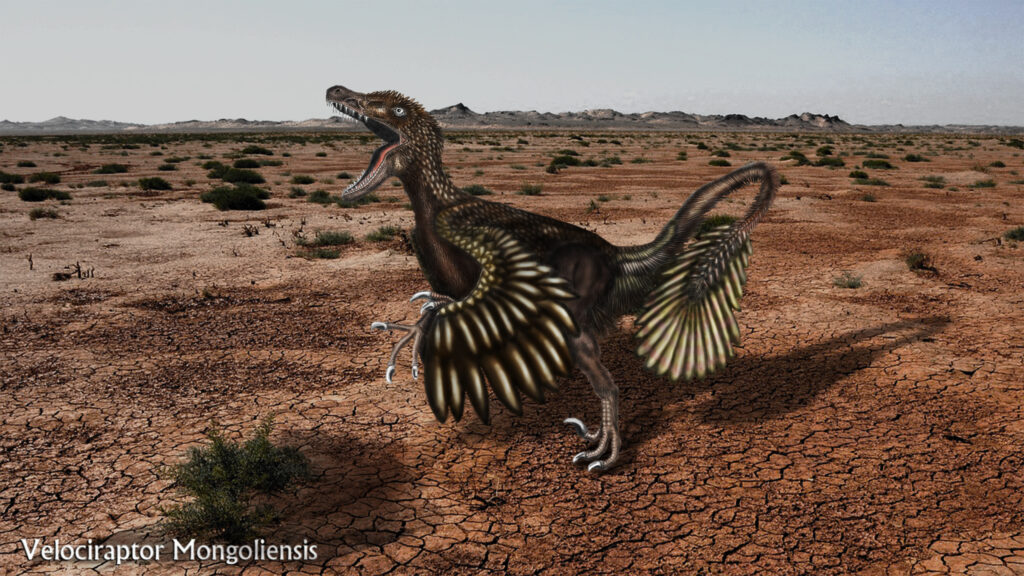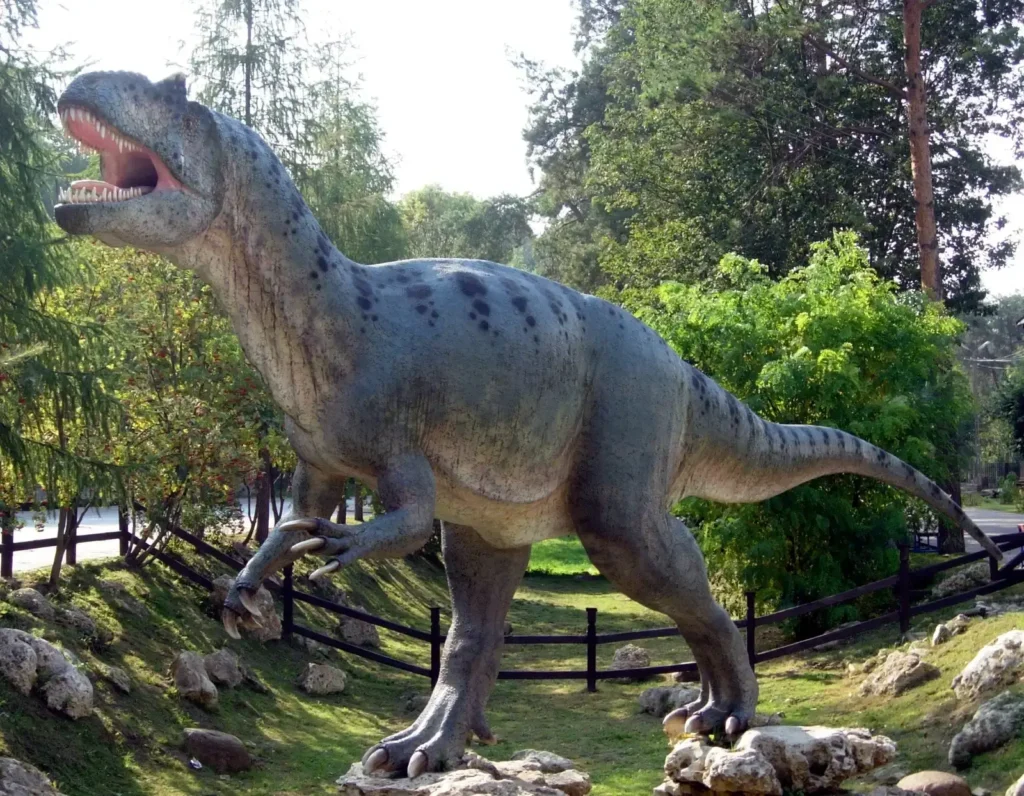
We tend to picture dinosaurs as naturally invincible giants – massive, fearsome, and built to win from the start. Yet the real story is far more nuanced, more surprising, and honestly a little humbling. Dominance over Earth’s landscapes wasn’t something that dinosaurs simply inherited by birthright. It was won, shaped by forces most people rarely talk about: atmospheric chemistry, breathing mechanics, social intelligence, and a series of catastrophic accidents that cleared the field for certain lineages to thrive.
You’d be forgiven for assuming that size and teeth explained everything. Dominance requires considering factors beyond simple size or ferocity, and there is much more to explore when you look at various interpretations of dinosaur dominance. The answer goes far deeper, reaching into ancient volcanic events, the invisible architecture of bones, and behaviors that rival those of modern social animals. Let’s dive in.
The World Before Dinosaurs Ruled: A Stage Set by Catastrophe
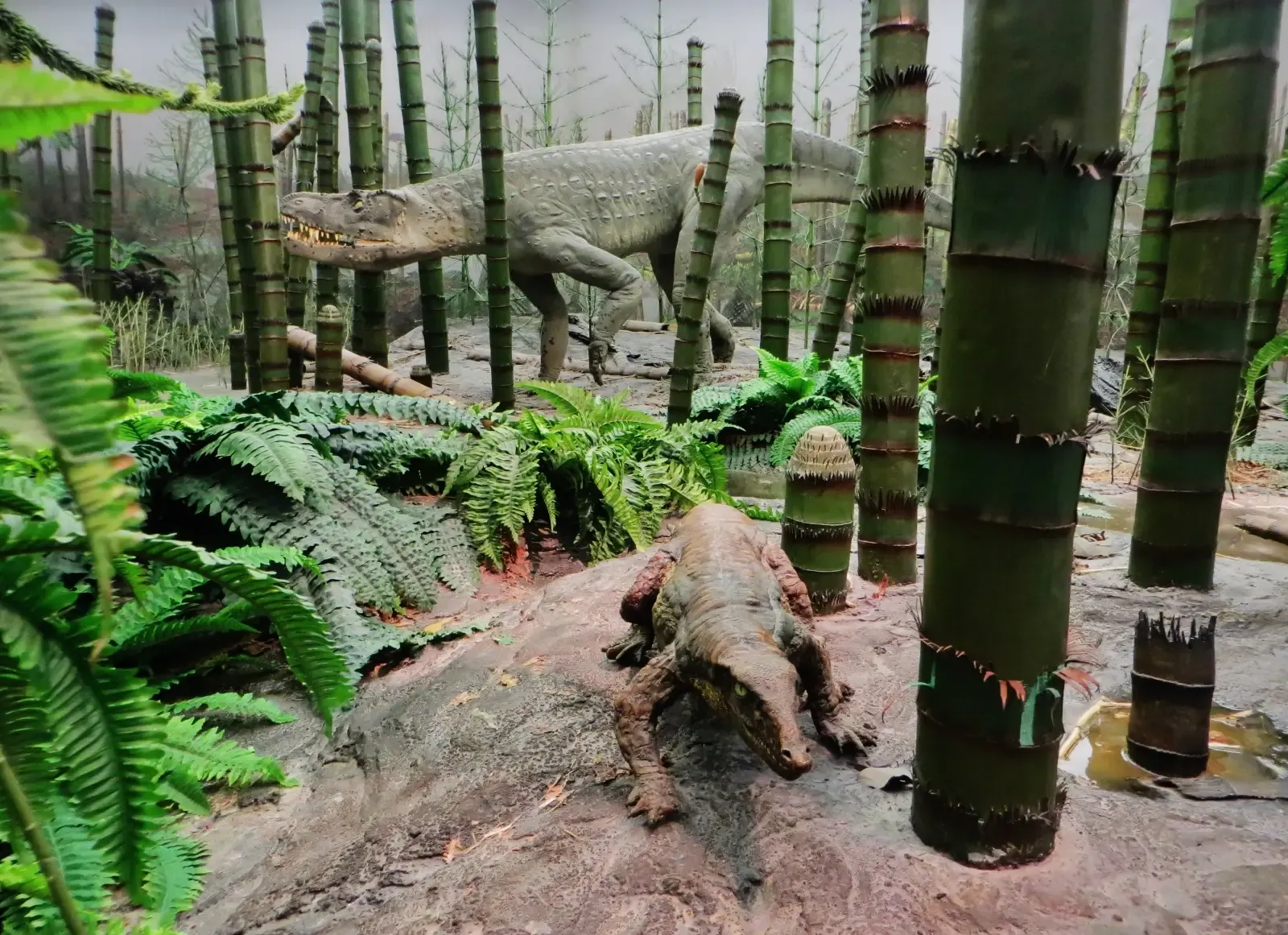
Here’s a fact that might genuinely surprise you: for much of the Triassic period, dinosaurs were not in charge. During most, if not all, of the Triassic period, dinosaurs weren’t the dominant species. They weren’t the most diverse animals, nor were they the most abundant. They were not at the top of the food chain. Think of them less like kings and more like bit players waiting in the wings.
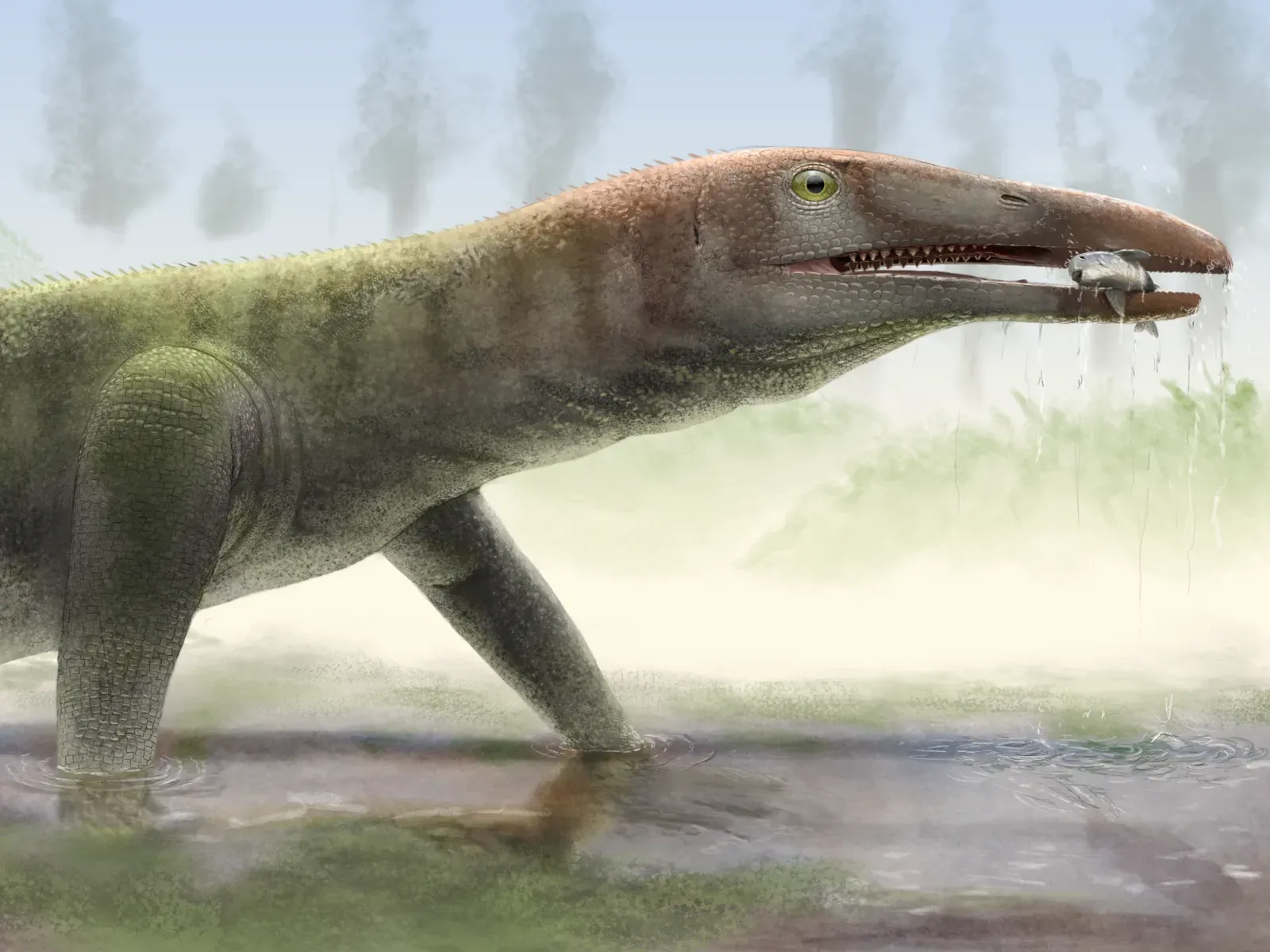
In the rivers and lakes, dominance belonged to giant salamanders, which were enormous amphibians that would have preyed on any dinosaurs that ventured too close to the waterline. On land, the dominant animals were the pseudosuchians, huge crocodile-like beasts. The world dinosaurs were born into was one where they had to keep their heads down. That changed only through catastrophe.
The Great Permian Wipeout: The Accidental Door-Opener
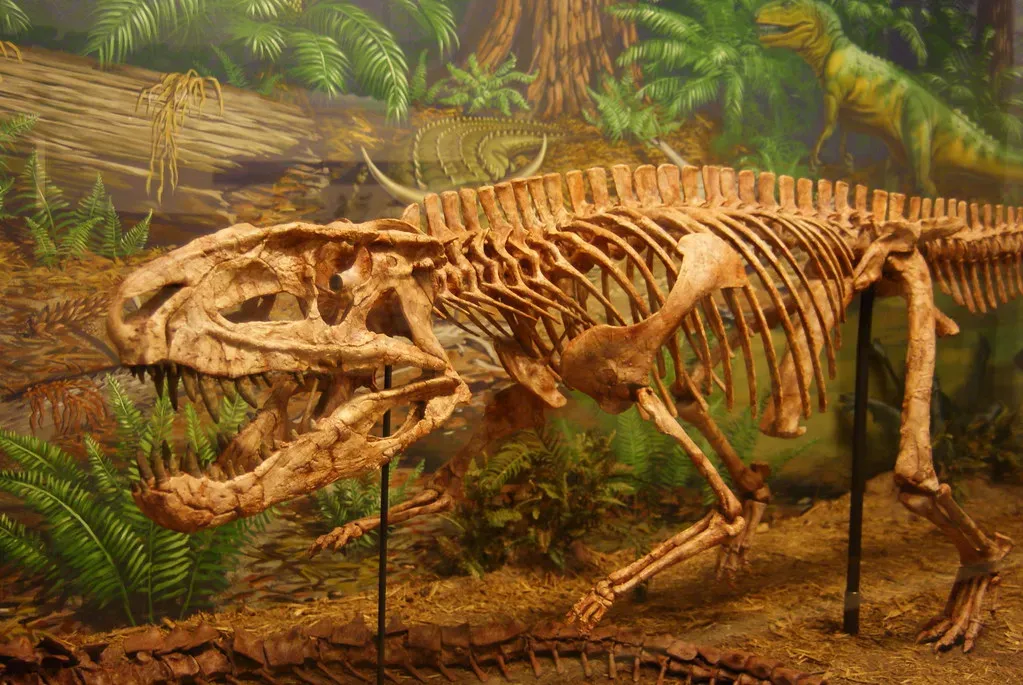
At the end of the Permian period about 250 million years ago, rampant global warming and drastic drops in the atmosphere’s oxygen content wiped out almost 90% of the planet’s species. That is not a typo. Nearly nine out of every ten species on Earth vanished. It’s almost impossible to comprehend, like resetting life’s hard drive completely.
The predecessors of dinosaurs rose from the ashes of Earth’s worst extinction. Prior to 251 million years ago, the dominant, large animals on land were the therapsids, early forerunners to mammals. These shrew- to hippo-size creatures came in a variety of forms, from tubby, tusked herbivores to agile, saber-toothed predators. When they were largely erased, the pathway to dominance suddenly lay open. The early dinosaur relatives – the archosauromorphs – took full advantage of that vacuum and filled it rapidly.
Volcanic Fury at the End of the Triassic: The Second Pivotal Blow
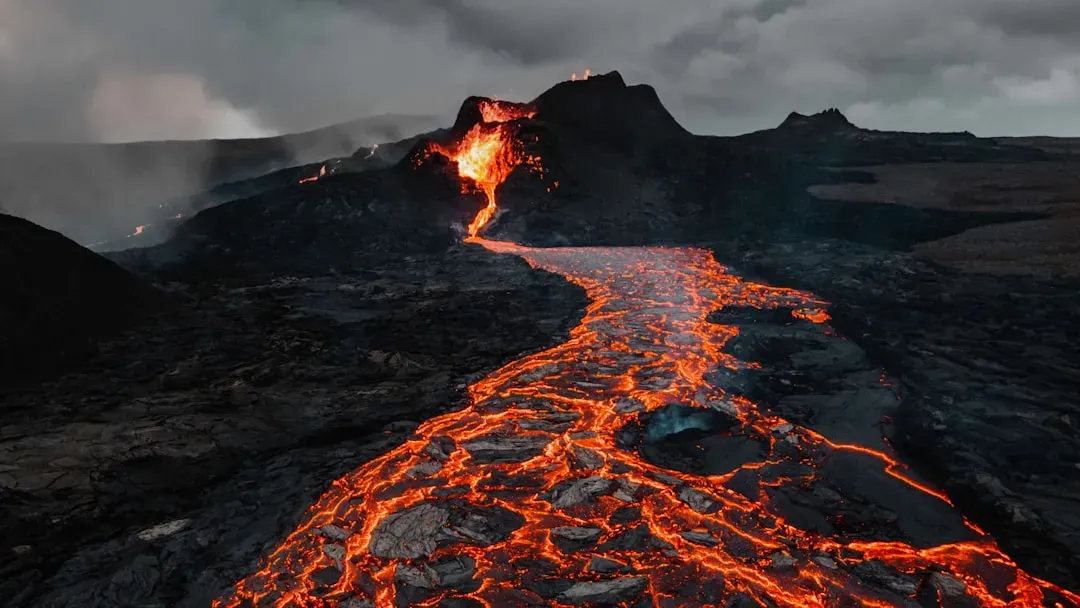
Widespread volcanism and a spike in atmospheric carbon dioxide wiped out half of all plant species, and extinguished early crocodile relatives that had competed with the earliest dinosaurs. This second catastrophe was, in many ways, dinosaurs’ second stroke of luck. It eliminated the competition that had been keeping them in check for tens of millions of years.
Researchers found strong support that massive, widespread volcanic eruptions led to a spike in atmospheric carbon dioxide and other greenhouse gases that wiped out half of plant species and marked the end of the Triassic, one of the five great mass extinctions of Earth history. The team also established through the fossil record that the abrupt rise in atmospheric gases decimated crurotarsans, which had competed vigorously with the earliest dinosaurs during the Triassic. Thanks to the climatic catastrophe, those early, small dinosaurs were freed from their main competitors to become the dominant force in the animal world. You might call it the world’s most violent opening of a door.
Extraordinary Lungs: The Hidden Biological Superweapon
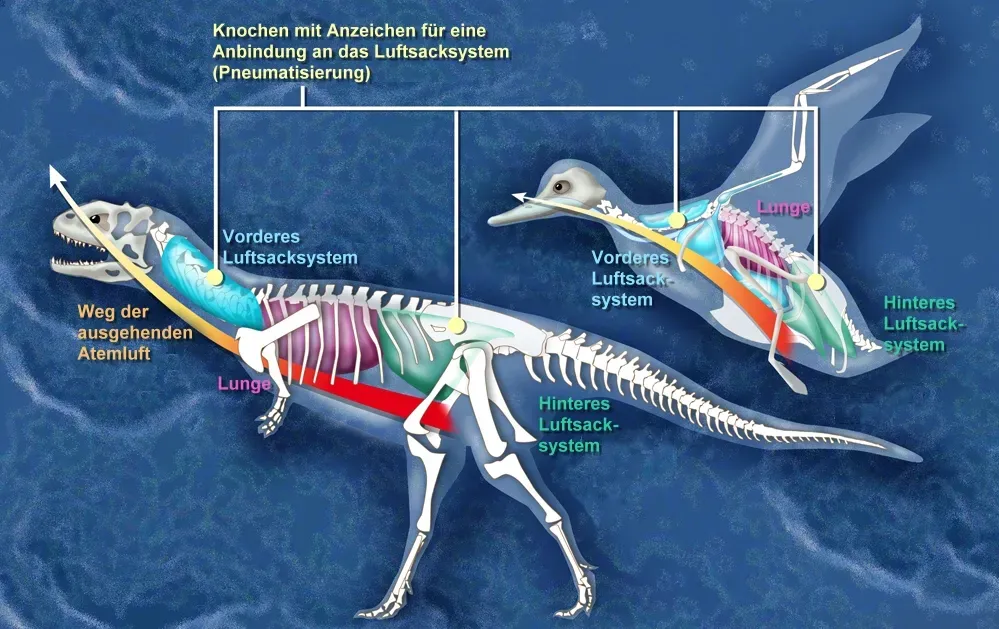
I think this is one of the most underappreciated secrets behind dinosaur success, and it has nothing to do with claws or teeth. It’s about how they breathed. Today, our atmosphere contains approximately 21 percent oxygen. During the Middle Triassic through to the Early Jurassic, a time that saw the evolution and radiation of the dinosaurs, the atmospheric oxygen percentage of our planet fell to around 15 to 17 percent. With less oxygen in the air, a group of vertebrates with more efficient lungs would have had a definite evolutionary advantage over other terrestrial animals.
All of this suggests dinosaurs had the same kind of efficient respiratory organs as birds. These superlungs may help explain why dinosaurs were able to dominate and spread, despite the rarified air of the Mesozoic. Back then, the air was only 10 to 15 percent oxygen, compared with 20 percent today. Imagine trying to compete athletically against someone who gets a quarter more oxygen with every single breath. That was the dinosaurs’ advantage over every other animal sharing their world.
Air Sacs and Hollow Bones: Engineering Brilliance Millions of Years in the Making
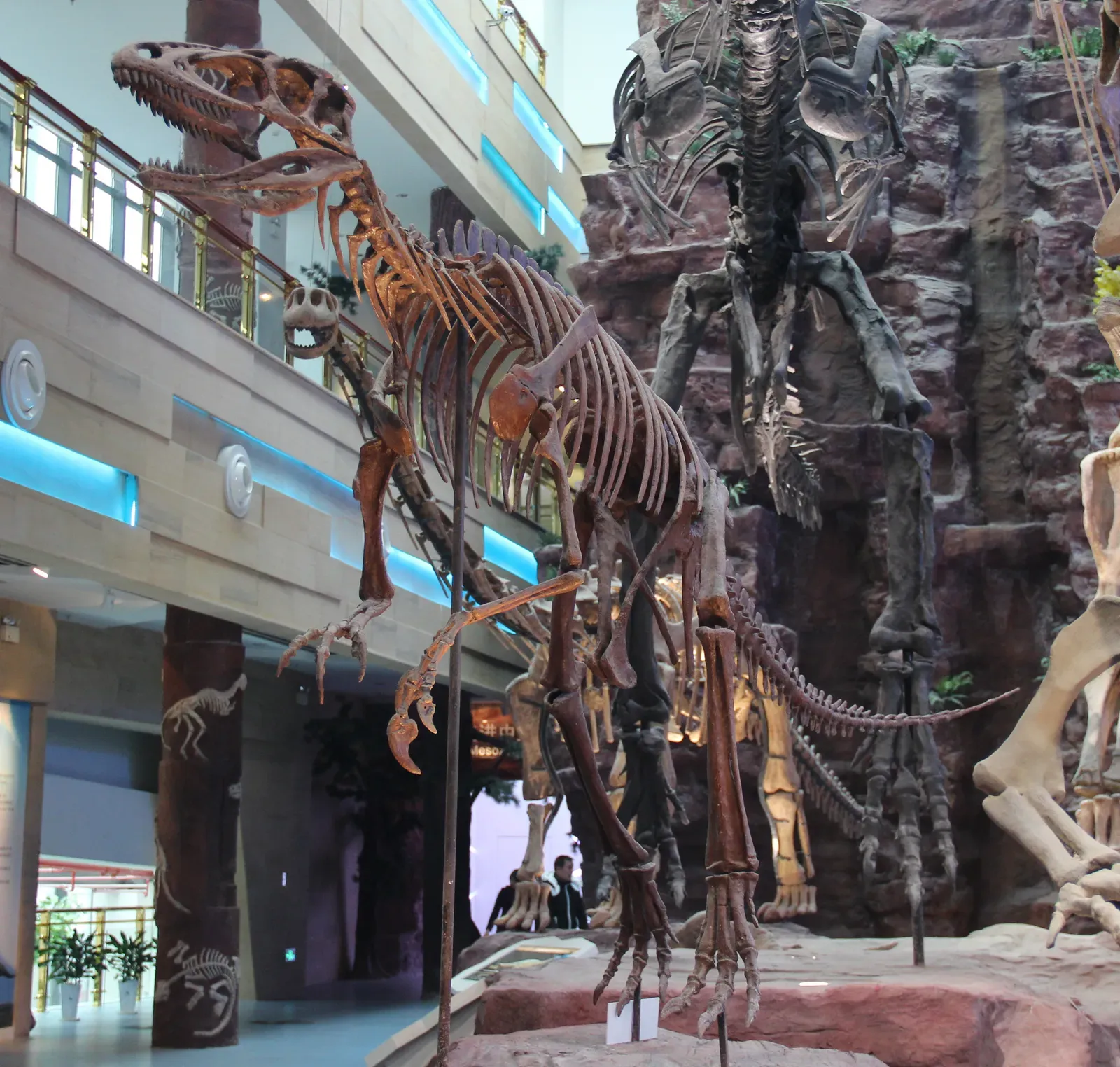
The respiratory system of dinosaurs was complex and fascinating, and one important component was the presence of air sacs. Similar to modern birds, dinosaurs had air sacs that allowed for efficient unidirectional airflow. These air sacs were connected to their lungs, creating a unique respiratory system that supported their large size and activity levels. Think of it like a one-way valve system constantly flushing fresh air through the body, rather than the back-and-forth exchange that mammals use.
The correlation between pneumatic features and growth rates in dinosaur fossils further supports this connection – species with more extensive air sac systems typically show faster growth, indicating higher metabolism. By maximizing oxygen extraction through their specialized lungs, dinosaurs could fuel rapid growth, sustained activity, and potentially thermal regulation strategies that weren’t possible for other reptiles of their era, giving them significant ecological advantages. In other words, you get faster growth, more energy, and greater physical capability – all from a breathing upgrade. It’s remarkable.
Body Size Explosion: Filling the Ecological Space Before Anyone Else Could
After the Permian extinction, the archosauromorphs grew faster than the therapsids and effectively shut out the mammal precursors. The archosauromorphs filled up the ecological space so quickly that the therapsids were forced to stay small and use what was left over. Timing, in evolution as in life, is nearly everything. Getting big first meant claiming the best territories, the richest food sources, and the most favorable ecological roles.
Not all of the archosauromorphs were large – over time, they diversified into a variety of body sizes throughout the Triassic and Jurassic, from the relatively tiny feathered dinosaur Anchiornis to Apatosaurus and Diplodocus, some of the biggest creatures to ever walk the planet. A key to evolving into such a wide range of sizes may be in specialized features such as air pockets inside dinosaur bones that reduced the weight of their skeletons and opened up a wider range of possible sizes. Lightweight but enormous – that’s the kind of engineering that lets you scale almost without limits.
The Role of Locomotion: How the Way They Walked Changed Everything
Here’s the thing – you don’t typically think of walking style as a world-conquering advantage. Yet it genuinely was. Dinosaurs were part of a group known as the Avemetatarsalia that evolved alongside a group of related reptiles, the Pseudosuchia, which includes the ancestors of modern crocodiles. The two groups appeared during the Triassic, in the wake of the Permian mass extinction 252 million years ago.
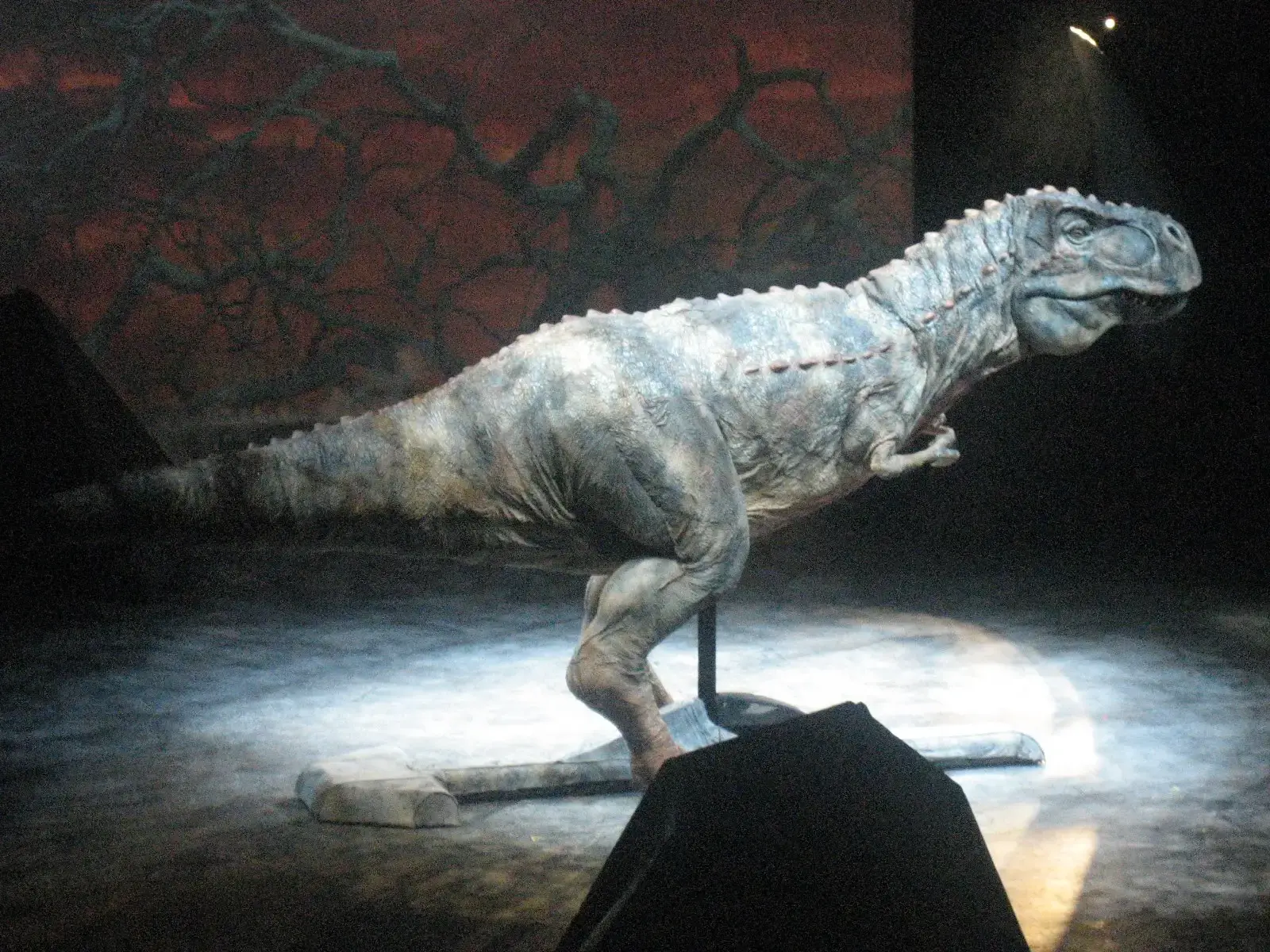
When they first appeared, pseudosuchians were the more diverse group. Some pseudosuchians walked on their hindlegs, but the majority retained a crawling habit. Dinosaurs were initially bipedal and could run, rather than just lumber along like their ancestors. That upright, bipedal stance freed the forelimbs for other functions, enabled faster movement, and allowed dinosaurs to exploit terrain and prey that their sprawling competitors simply could not chase. It’s the difference between a sprinter and someone moving on all fours – the energy cost alone is vastly different.
Social Behavior and Parental Care: The Invisible Survival Network
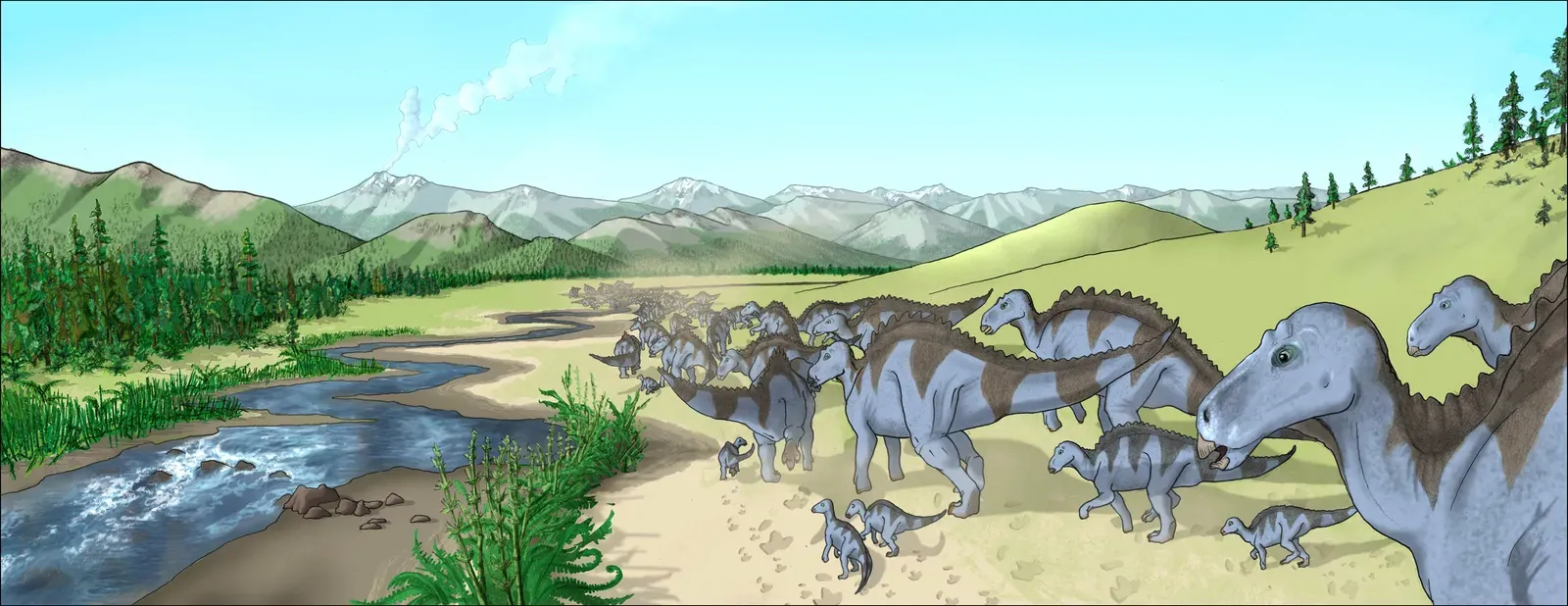
Let’s be real – most people still picture dinosaurs as solitary, lumbering beasts. Science tells a very different story. Far from being solitary, cold-blooded reptiles, many dinosaurs appear to have lived in complex social groups that provided protection, enhanced reproductive success, and supported the care of young. This kind of social sophistication would have offered enormous survival dividends, especially for species raising vulnerable young.
Researchers from MIT, Argentina, and South Africa detail their discovery of an exceptionally preserved group of early dinosaurs that shows signs of complex herd behavior as early as 193 million years ago – 40 million years earlier than other records of dinosaur herding. These social structures allowed dinosaurs to benefit from collective defense against predators, enhanced foraging efficiency, and improved reproductive success. Herding wasn’t just safety in numbers – it was a full ecosystem strategy that amplified survival at every stage of life.
Ecological Niche Filling and Adaptive Radiation: The Art of Being Everywhere
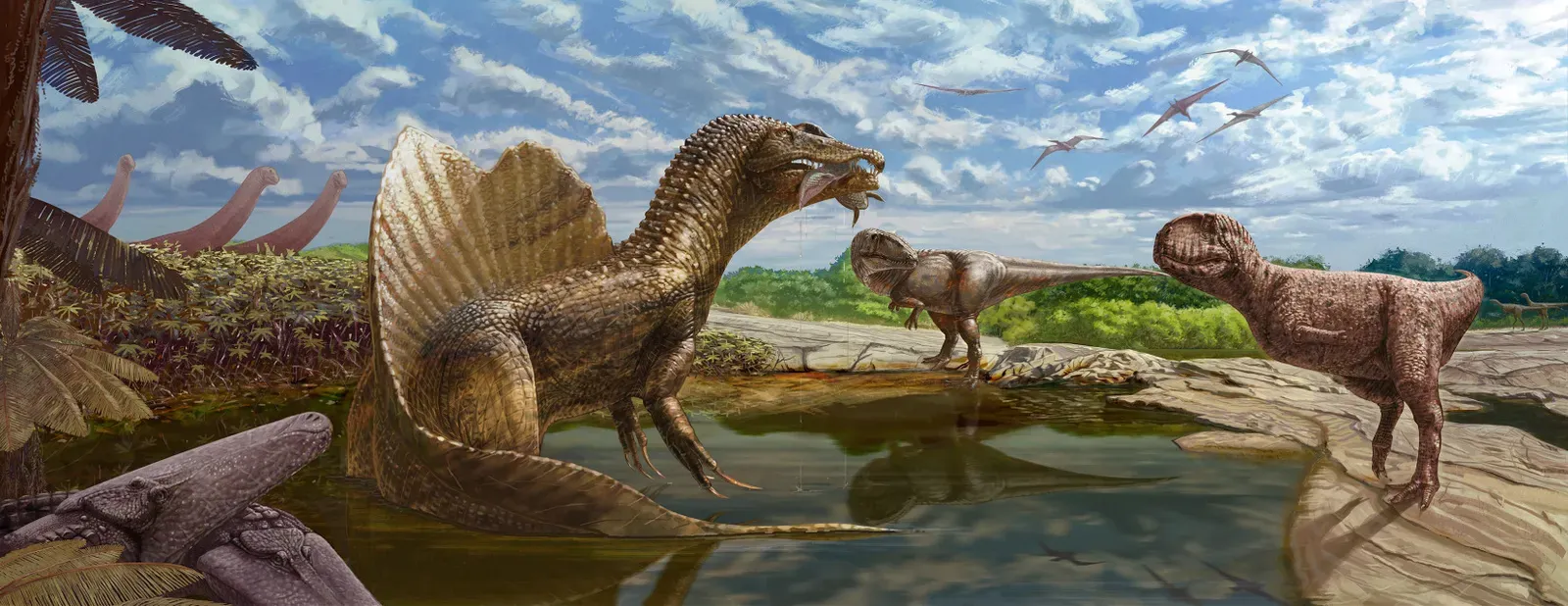
Dinosaur success extends beyond individual species exhibiting physical prowess or sheer numbers. The entire group of dinosaurs, excluding birds, dominated terrestrial ecosystems for approximately 160 million years, from the Triassic to the end of the Cretaceous period. This long reign speaks to their overall evolutionary success and resilience. That is not the record of lucky creatures – that is the signature of beings deeply woven into the fabric of every ecosystem they entered.
Dinosaurs achieved this prolonged dominance through various evolutionary strategies, including adaptive radiation to fill many ecological niches. Many dinosaur groups developed complex social structures, such as herd living and communal nesting, which contributed to their survival. Evidence suggests some dinosaurs exhibited parental care, protecting and nurturing their young, a behavior that enhances offspring survival. Specialized adaptations also played a significant role, from the unique dental batteries of hadrosaurs and ceratopsians for efficient plant processing to adaptations for speed and water conservation. It is, in a word, extraordinary – a perfect storm of biology, timing, and environmental luck that no other group of animals has ever replicated on quite the same scale.
Conclusion
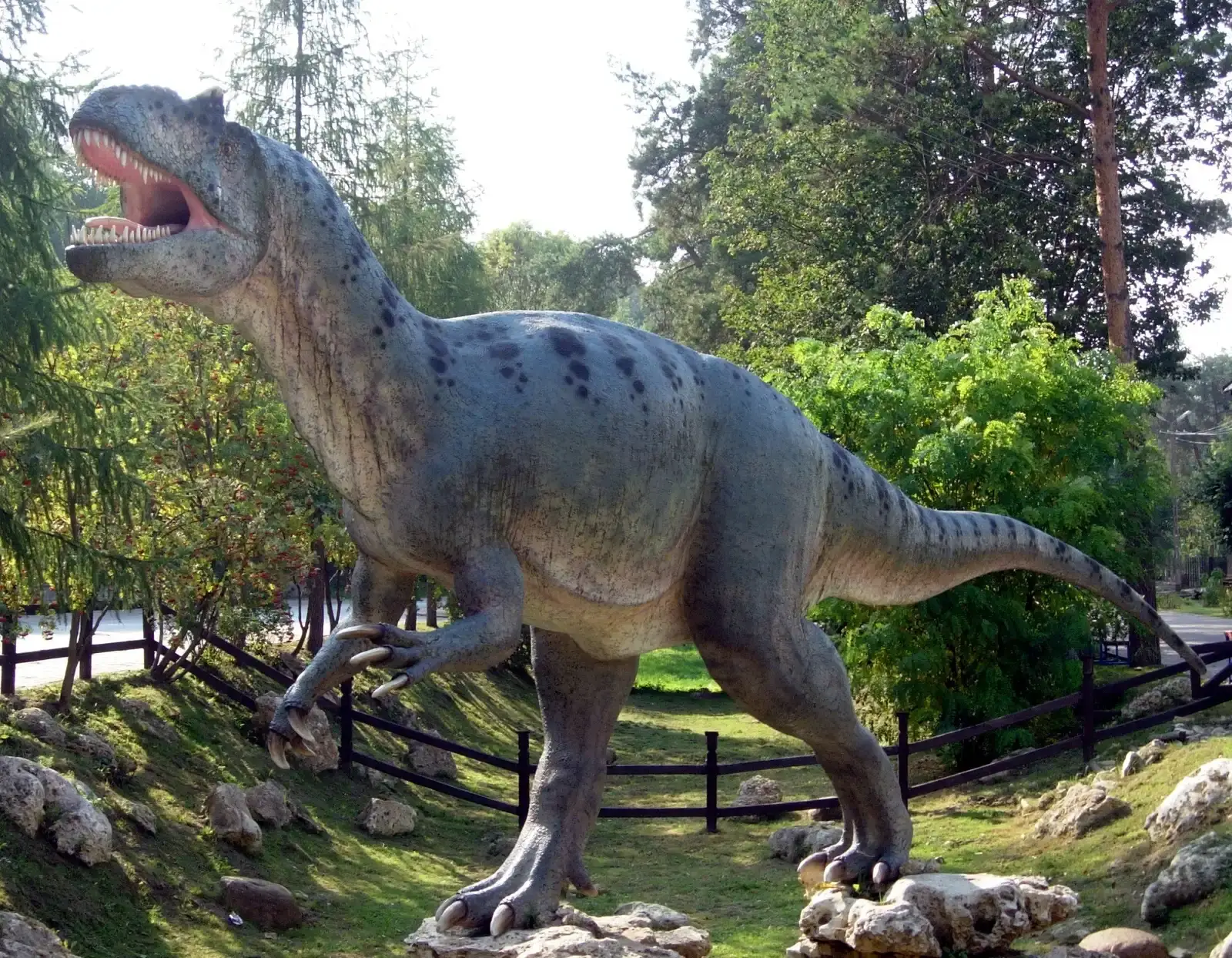
The dominance of certain dinosaur species was never a foregone conclusion. It was the product of volcanic catastrophes clearing the competition, oxygen-poor atmospheres favoring superior breathing systems, bipedal locomotion unlocking new possibilities, and social behaviors that gave communities a resilience no lone predator could match. None of these factors alone would have been enough. Together, they created the most successful group of land animals in the history of life on Earth.
What makes this story so fascinating is that dinosaurs weren’t born dominant. They became dominant – shaped by pressures, accidents, and biological innovations that we are still uncovering today. Because of the great number of new discoveries about dinosaurs in recent years, the present time has been referred to as the Second Golden Age of Dinosaur Studies, and certain questions continue to stimulate both scientific and public interest: what factors made dinosaurs such highly successful animals for more than 100 million years? The more we discover, the more you realize that the answer is still being written. What factor surprised you most?