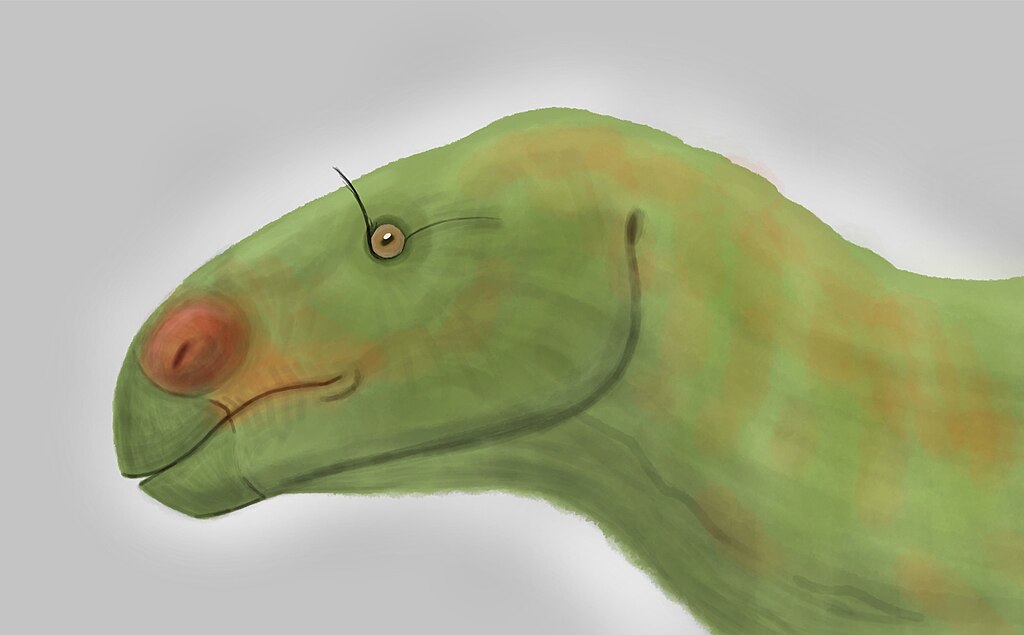
You’ve probably heard of the Tyrannosaurus Rex described as the ultimate symbol of raw power and unstoppable determination. But here’s the thing: the T-Rex actually went extinct. Nature, it turns out, keeps producing creatures that match and sometimes even surpass that legendary toughness in ways that would genuinely make your jaw drop. Some crawl through desert sand. Some survive the vacuum of outer space. Others simply refuse to die even when venom is coursing through their veins.
The animal kingdom is full of survivors that make you rethink what “tough” really means. These are not just physically strong animals. They adapt to harsh environments, withstand extreme climates, and navigate challenging landscapes, with a remarkable ability to bounce back from hardships, injuries, or even natural disasters. What follows is an honest, fascinating look at eleven animals that carry the spirit of the T-Rex alive today. Be ready to be surprised.
1. The Tardigrade: The Microscopic Titan of Survival
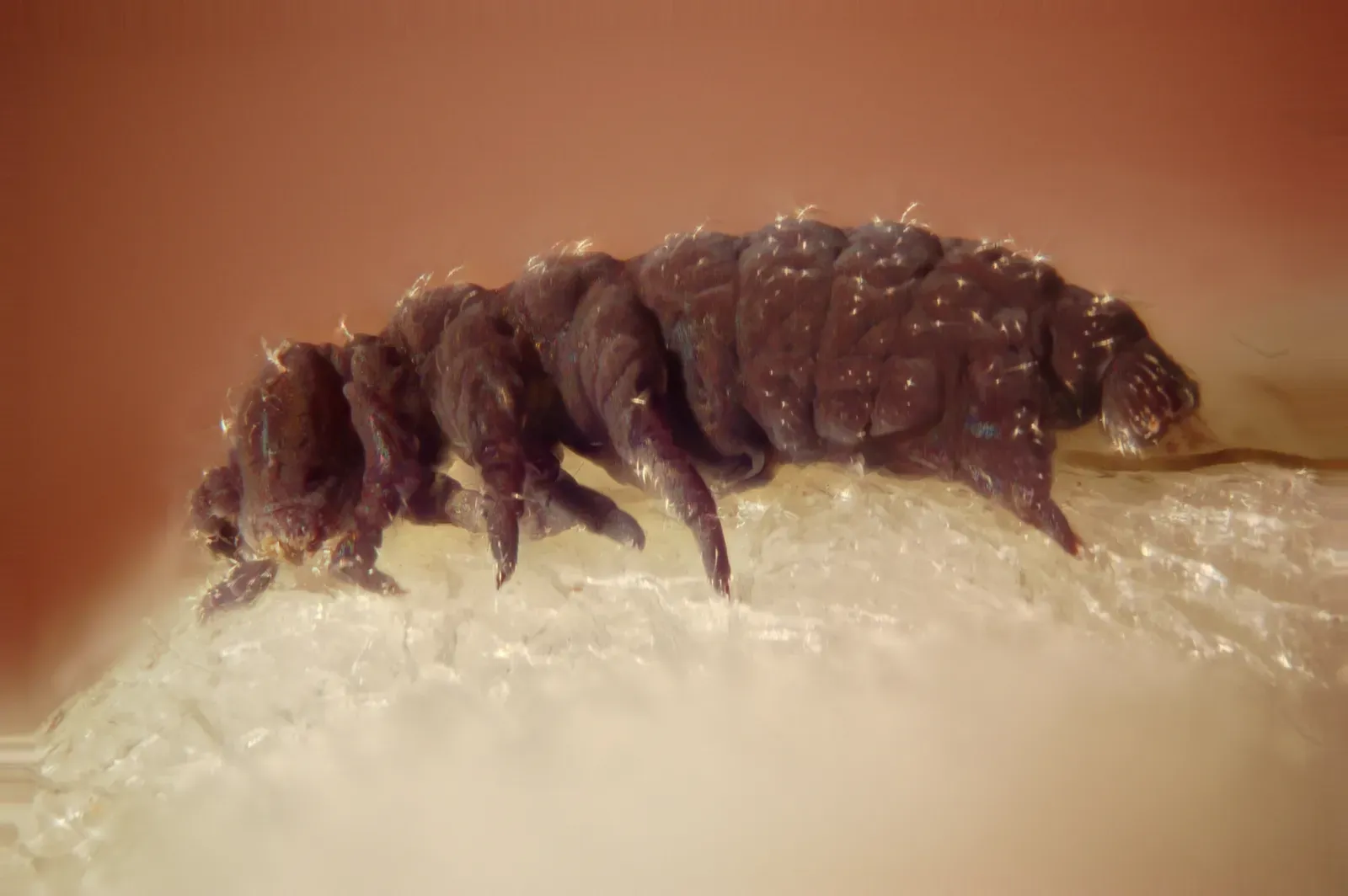
Let’s be real, nothing on this list is quite as shocking as the tardigrade. It is microscopic, barely visible to the human eye, and yet it is widely considered the most indestructible animal on the planet. Though tardigrades are microscopic, these eight-legged “water bears” can survive extreme conditions ranging from total drought to the frigid depths of outer space. Think of them like a biological Swiss Army knife, equipped for every catastrophe nature can throw at them.
These microorganisms have survived all five mass extinctions and have been on Earth for an estimated 600 million years. That is not a typo. Every major extinction event that ever wiped the floor with countless species, including the dinosaurs, and the tardigrade just kept on living. One of the major findings from scientific experiments is the role of a protein called Dsup, short for “damage suppressor,” which prevents the DNA breakage that usually occurs when an organism is faced with radiation or desiccation. You being told that these creatures are essentially carrying around their own biological repair kit should blow your mind a little.
2. The Saltwater Crocodile: Armor Plated and Ancient
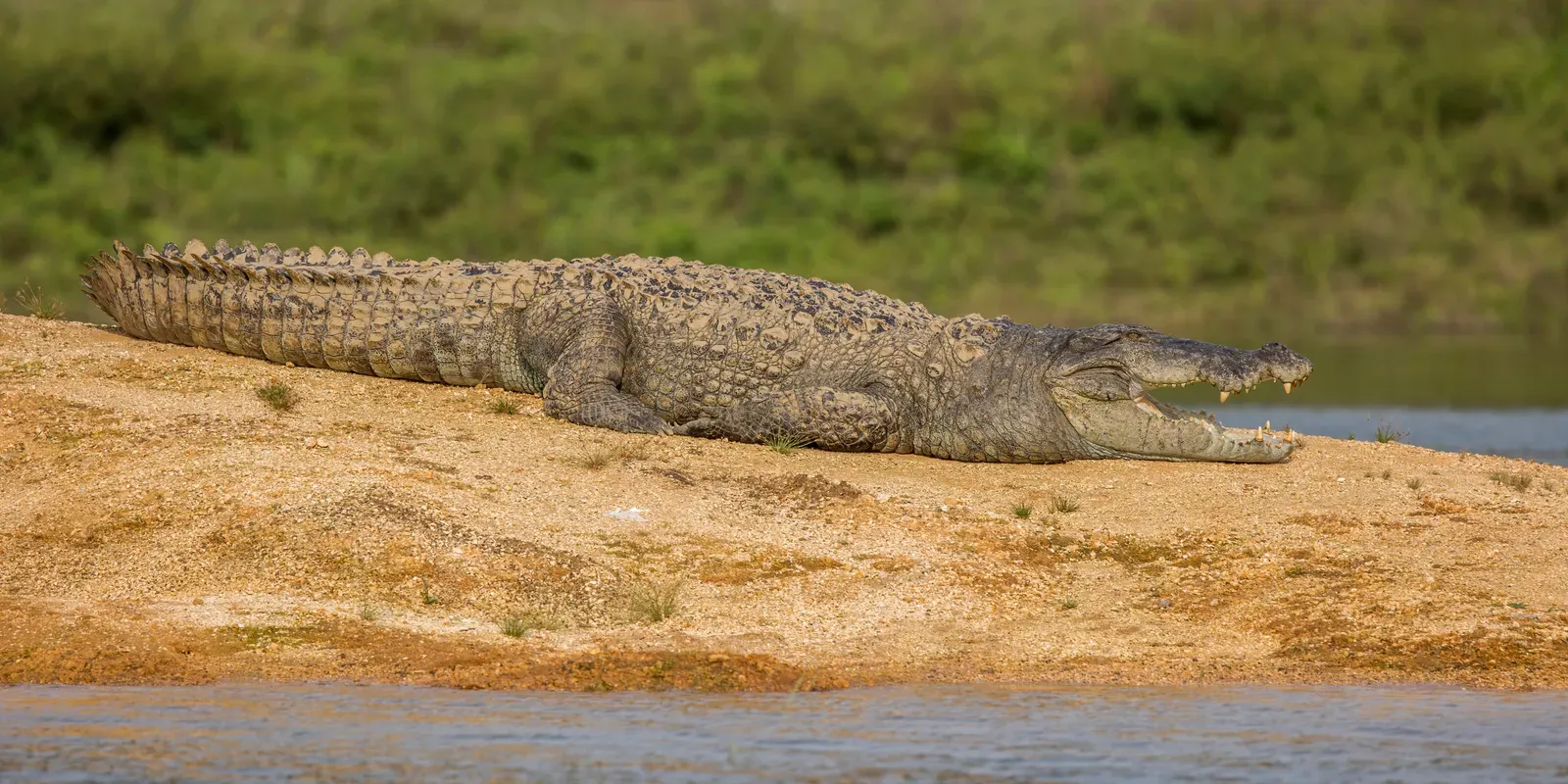
The saltwater crocodile, also known as the estuarine crocodile or saltie, is the largest of all living reptiles, with males able to exceed 6 meters in length and a tonne in weight, widely touted as producing the strongest bite-force of any animal. When you see one in the water, you are essentially looking at a creature that has barely changed its design in millions of years. Evolution looked at the crocodile and apparently decided it needed no improvements.
Saltwater crocodiles are the largest living reptiles on Earth and are considered one of the most dangerous predators in their habitats. These crocodiles are incredibly tough, with a powerful bite that can crush the bones of their prey with ease. They are highly adaptable, thriving in both saltwater and freshwater environments, from coastal regions to rivers and swamps. Saltwater crocodiles are known for their longevity, often living for over 70 years. Add to that the fact that crocodiles can survive without food for several months, sometimes unbelievably for up to a year, with their secret lying in their low metabolism and ability to stockpile energy. That is the definition of playing the long game.
3. The Honey Badger: The World’s Most Fearless Animal
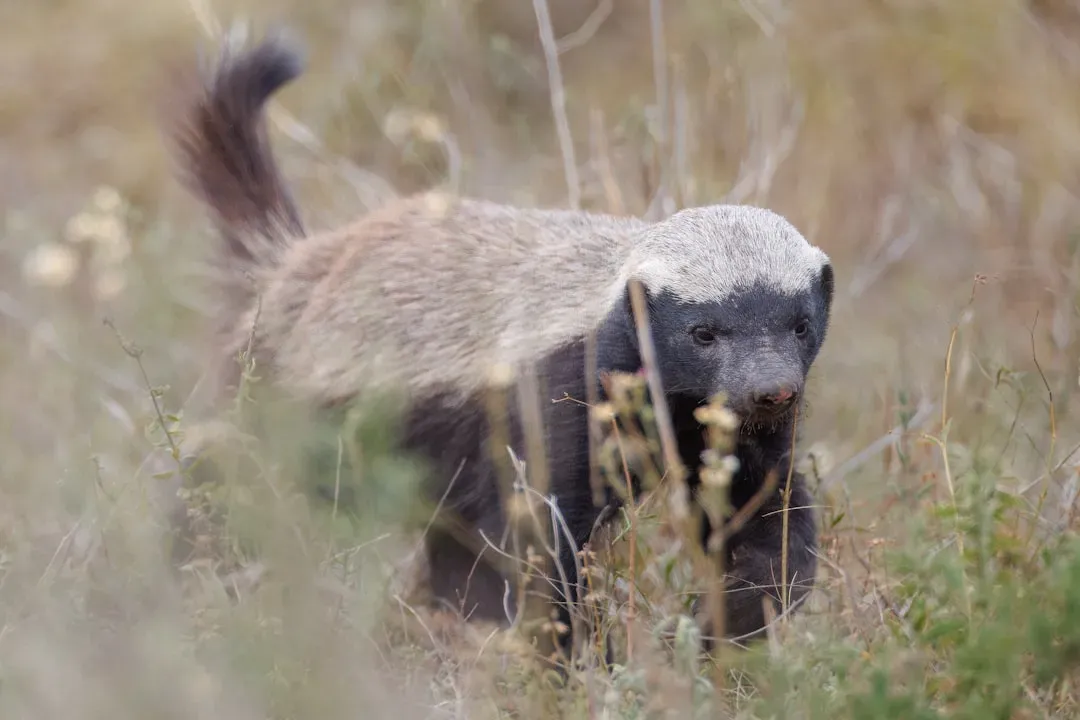
Honestly, the honey badger might be the most entertaining resilient animal on this list. Few animals have earned as much respect, and fear, as the honey badger. Known across the animal kingdom as one of the most fearless creatures on Earth, this small but mighty mammal has a reputation for taking on predators many times its size, from venomous snakes to lions. It has even earned the official Guinness World Record title of the world’s most fearless animal. That’s not just opinion, that’s a documented fact.
One of the honey badger’s most astonishing traits is its thick, loose skin. It is so tough that it can resist bee stings, porcupine quills, snake fangs, and even dog bites. The honey badger’s hair is coarse and thick, providing an extra layer of protection against bee stings and snake fangs. This elasticity allows the animal to twist and bite back even when grabbed by a predator, an incredible survival mechanism. Here’s the kicker though: if the venom dose from a snake is too high, they might pass out temporarily, only to wake up and finish their meal. That is next-level audacity.
4. The Cockroach: The Survivor That Outlasted the Bomb
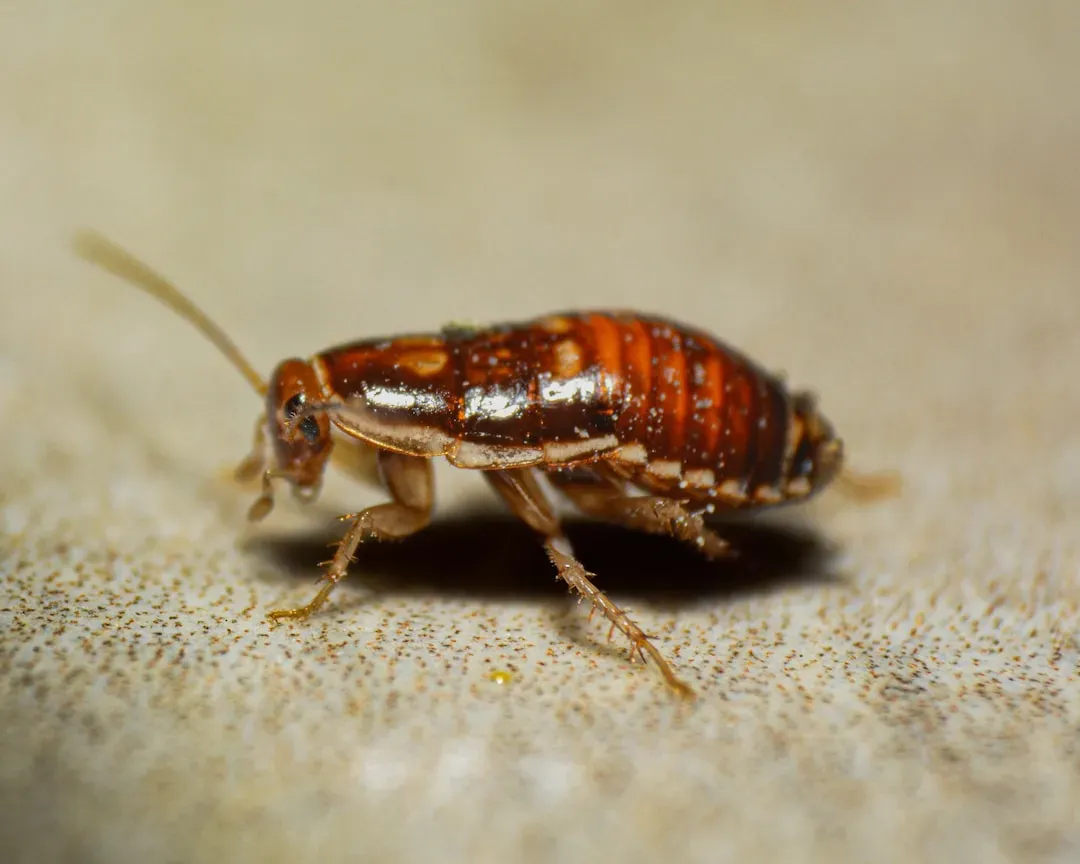
You have probably heard the urban legend that cockroaches would survive a nuclear war. After the atomic bombs were dropped on Hiroshima and Nagasaki, scientists found that cockroaches had survived much of the blast, which gave rise to the myth that cockroaches are the only thing that can survive nuclear war. This has since proved to be a myth. Still, the truth is impressive enough without the exaggeration. They can handle up to ten times the radiation that humans can, which is still impressive compared to other vertebrates.
Cockroaches are evasive creatures, which is why it can be difficult to kill them when they are pests. They can hide in small crevices much smaller than you would expect, are nocturnal, and can survive without air for at least 30 minutes. They also reproduce very quickly and are skilled at protecting their eggs from invaders. Think about it this way: the cockroach is essentially the ultimate prepper of the animal world, already equipped for disasters you have not even thought of yet.
5. The Emperor Penguin: Endurance in the Coldest Place on Earth
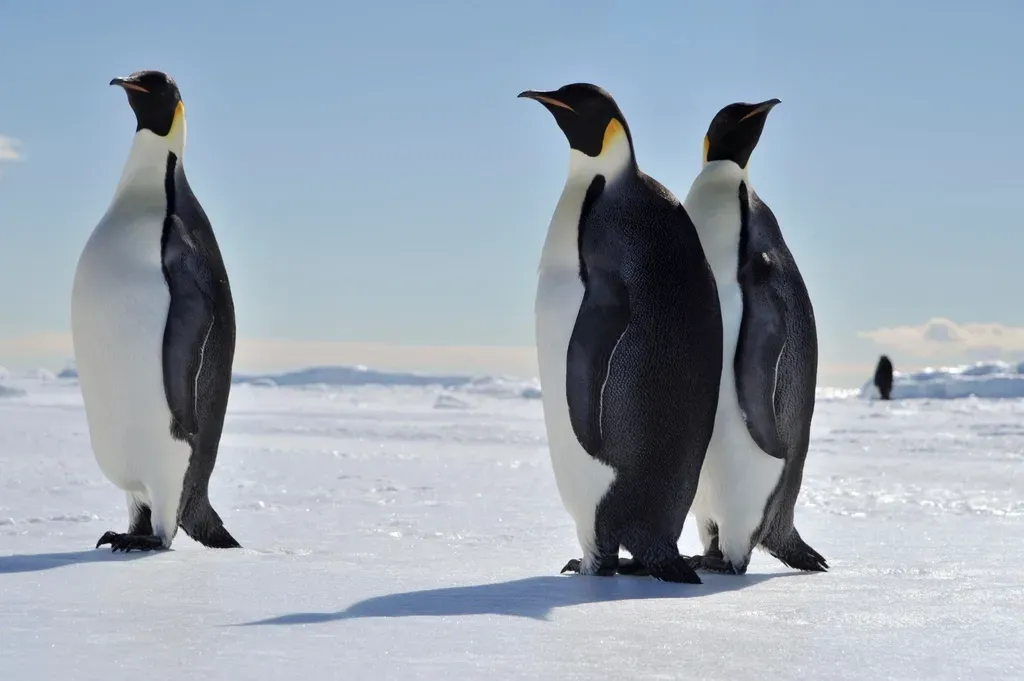
Here is an animal that does not just survive a tough environment. It chooses to breed in it. Emperor penguins are iconic symbols of endurance in one of the harshest climates on Earth, Antarctica. These birds are uniquely adapted to survive the continent’s brutal winters, where temperatures can plunge to -60°C (-76°F). Most other animals flee or hibernate when conditions become that extreme. Emperor penguins build a nursery in it.
Emperor penguins endure long periods without food during the breeding season, as the males incubate the eggs on their feet, huddling together for warmth against the relentless cold. Their remarkable ability to store fat allows them to survive these extended fasts, while their tightly packed feathers provide insulation against freezing temperatures. The emperor penguin’s resilience and cooperative behavior are key to their survival in an environment where few other animals can live. It is hard not to admire a creature that stares down the worst winter imaginable with nothing but body fat and teamwork.
6. The Sea Turtle: 100 Million Years of Survival
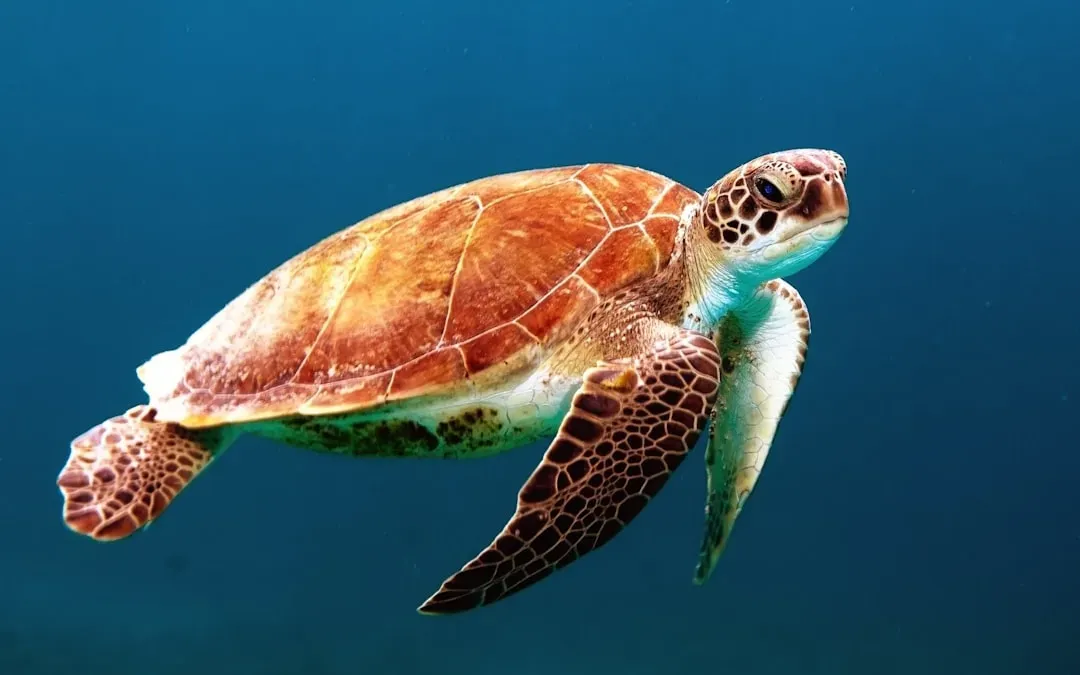
Despite dealing with many predators, climate change, and natural disasters, sea turtles have endured for over 100 million years. Sea turtles are a symbol of resilience as their lives from hatchling to adulthood can be full of perilous dangers. To put that in perspective, sea turtles were already ancient when the T-Rex itself walked the earth. They outlived the asteroid that killed the dinosaurs and kept right on swimming.
Turtles are revered for their ability to endure and navigate difficult circumstances with patience and persistence. Known for their slow and steady pace, turtles are symbols of resilience because they embody the philosophy of “slow and steady wins the race,” carrying their homes on their backs, which provides them with a unique sense of protection as they move through life’s challenges. They continue to thrive, having to face numerous threats including poaching, habitat loss, and pollution. Still here. Still swimming. That is a T-Rex energy if I have ever seen it.
7. The Camel: The Desert’s Unstoppable Engineer
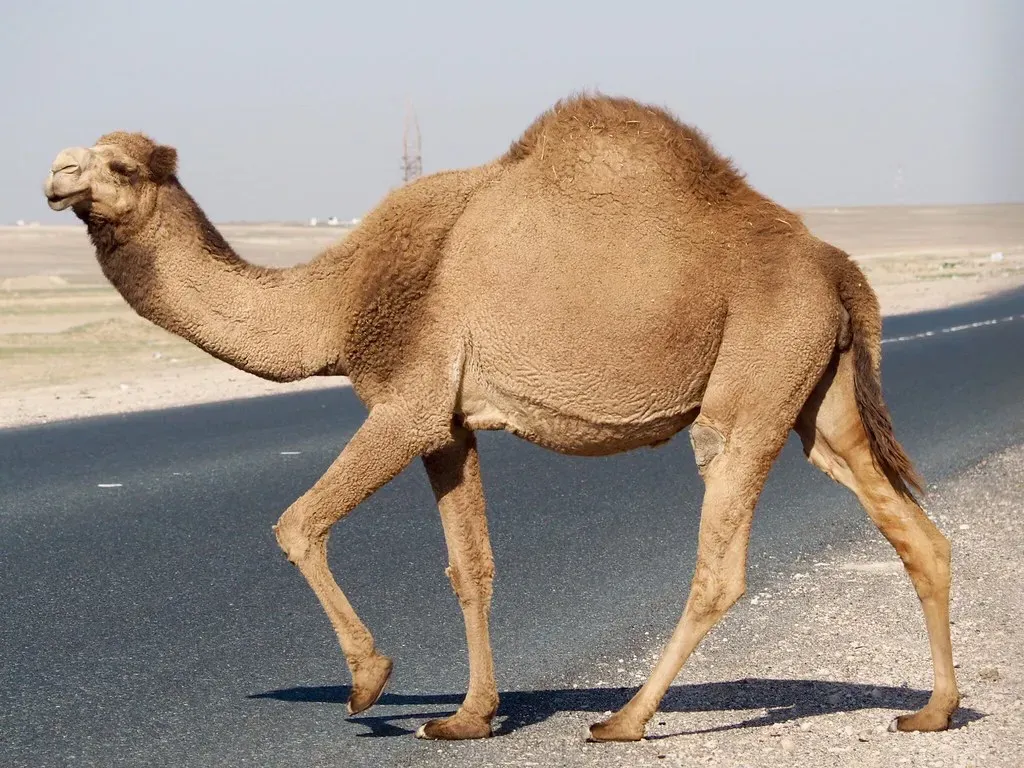
Camels are christened “the ships of the desert” because their adaptations make them some of the few animals that can survive in extreme desert climates. The hump on their backs is filled with fat that allows them to regulate their body temperatures under the extreme heat and cold that characterize deserts, and the fat is also an energy store that the camel converts to energy, allowing it to survive for long hours without food. Imagine carrying your own emergency fuel tank on your back at all times. That is the camel’s entire strategy, and it works brilliantly.
They also minimize their excretion by not sweating and releasing dry feces and syrupy urine. Their water conservation adaptation allows them to go without drinking for a long time. The camel also uses its nose as a dehumidifier, which extracts water vapor from the air it exhales, and then reabsorbs the extracted water. Their physiology allows them to survive for weeks without water, losing up to roughly a quarter of their body weight through dehydration without suffering harm. No other large mammal on Earth pulls off this kind of biological water-saving trick.
8. The Elephant: Emotional Toughness Meets Raw Power
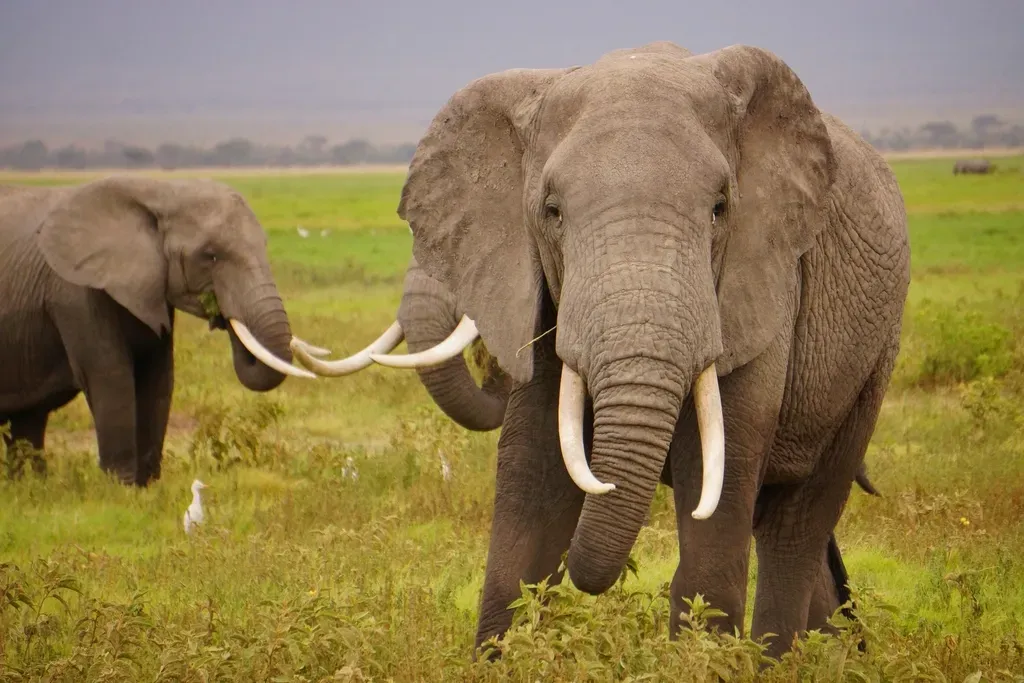
Resilience is not always just about physical toughness. Sometimes it is about the will to keep moving forward even when the world has taken something from you. The elephant, an iconic symbol of strength and wisdom, represents resilience in the animal kingdom. These gentle giants possess a remarkable capacity to endure and overcome adversity. Elephants face poaching, habitat destruction, and the loss of herd members, yet they press on with a social intelligence that rivals any species on the planet.
Elephants thrive in spite of the numerous obstacles they face, such as habitat loss and poaching of their tusks for ivory. What makes them truly remarkable is how they survive as a unit. Elephants live in matriarchal herds led by a dominant female who takes charge of protecting and guiding the group. These herds are tight-knit, and when danger is detected, the adults will form a protective circle around the calves, shielding them from harm. It is collective armor, invisible but almost unbreakable. Think of it as nature’s version of a fortress that moves.
9. The Crow: Resilience Through Pure Intelligence
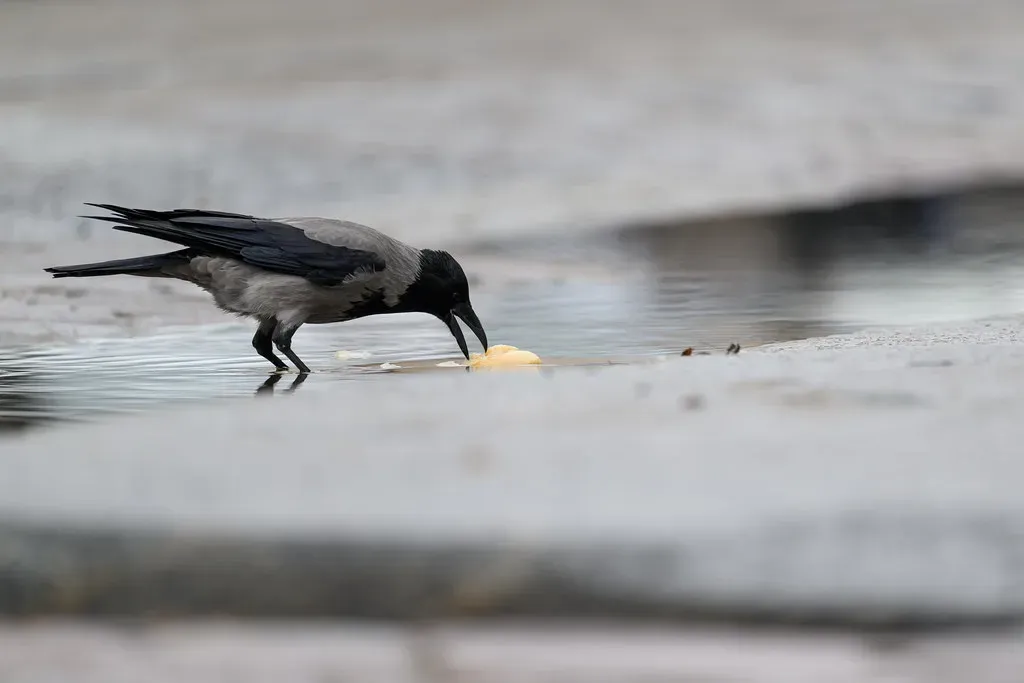
You might not immediately picture a crow alongside the T-Rex in terms of raw toughness. But resilience takes many forms, and in the crow’s case, it comes through brainpower so extraordinary it regularly stuns researchers. Crows are extremely intelligent birds known for their problem-solving skills and ability to adapt to various environments. They can use tools, recognize human faces, and even understand concepts like water displacement. That last one, by the way, is a cognitive skill that most children master only around age seven.
Crows are found worldwide in various habitats, from remote forests to dense urban areas. They are among the most adaptable birds, thriving in almost any environment. Here is what I think makes crows so fascinating: they did not grow thicker skin or develop venom resistance to survive. They simply outsmarted their environment. In a world where brute force often gets the spotlight, the crow represents a different but equally powerful form of resilience. Adaptation through pure wit.
10. The Polar Bear: Arctic Dominance and Unstoppable Strength
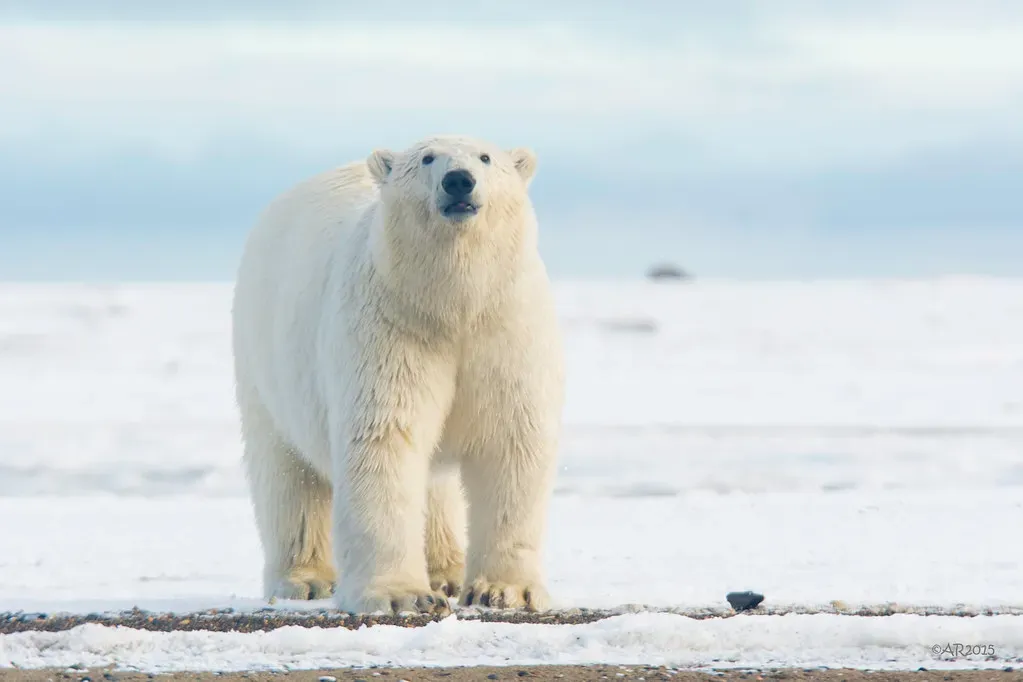
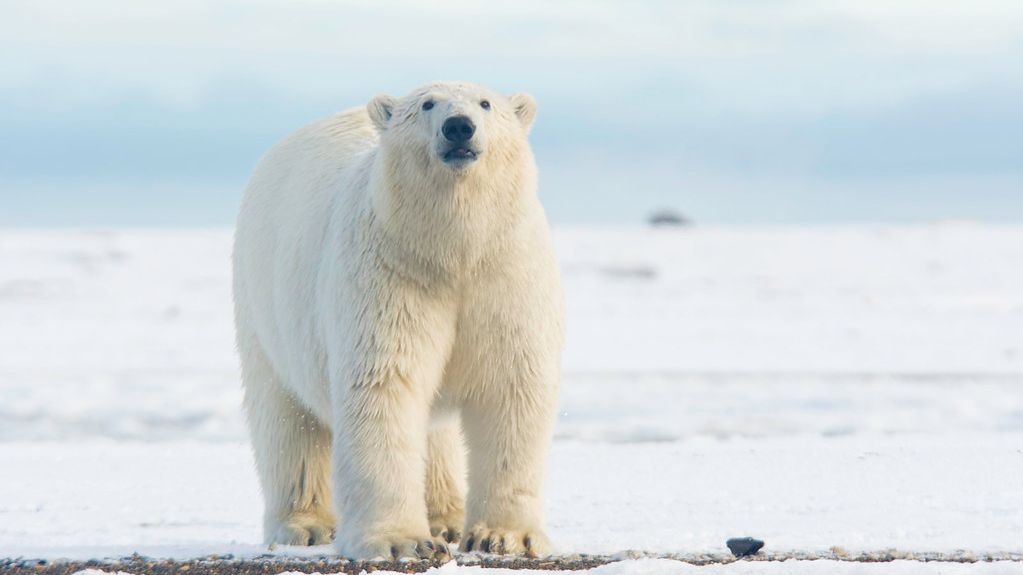
Polar bears are formidable predators and the largest land carnivores on Earth, perfectly adapted to the harsh conditions of the Arctic. These bears are incredibly strong swimmers, capable of covering vast distances in icy waters in search of food. Their thick layer of blubber and dense fur provide insulation against the freezing temperatures, allowing them to survive in an environment where few other creatures can live. Picture swimming for hours in waters that would kill an unprotected human in minutes. That is Tuesday for a polar bear.
Polar bears primarily hunt seals on the ice, relying on their powerful sense of smell to detect prey from miles away. Despite the challenges posed by climate change, which is rapidly reducing their sea ice habitat, polar bears continue to demonstrate resilience in one of the most extreme environments on Earth. It is hard not to draw a parallel here: the T-Rex thrived as the apex predator of its era. The polar bear is doing the same today in one of the most punishing environments on the planet, against the odds, and still on top.
11. The Immortal Jellyfish: Nature’s Ultimate Comeback Artist
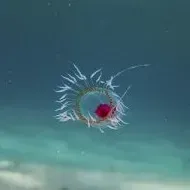
Save the most mind-bending for last, because this one genuinely sounds like science fiction. Jellyfish have been swimming in our oceans for around 700 million years. To put that into perspective, that is twice as old as the earliest bony fish and insects and three times the age of the first dinosaurs. This makes them the oldest multiorgan animal on Earth. That alone earns them a permanent spot on any list about resilience. But the turritopsis dohrnii jellyfish, known as the “Immortal Jellyfish,” takes things several extraordinary steps further.
These jellyfish have the ability to technically live forever, hence their name “The Immortal Jellyfish.” When faced with physical damage, old age, or starvation, this species can actually reverse its biological clock, reverting to an earlier life stage and starting over entirely. Imagine if a human, at 80 years old, could simply turn back into a toddler. That is essentially what this jellyfish does. It is not just surviving. It is refusing to accept the concept of death on nature’s terms. Honestly, compared to that, a T-Rex seems a little overrated.
Conclusion: Nature Never Stopped Building Legends
The T-Rex captivates us because it represents absolute, fearless dominance. Yet as you have seen, nature kept that energy very much alive, distributing it across eleven creatures in completely different forms. Raw power, microscopic invincibility, emotional toughness, biological immortality, sheer audacity, each of these animals carries that unstoppable spirit in its own remarkable way.
Resilience is the ability to recover from setbacks, adapt to challenges, and continue moving forward despite adversity, a quality that enables individuals and species to thrive even in the face of hardship. In the animal kingdom, numerous species embody resilience, each exhibiting remarkable strength, perseverance, and adaptability. What genuinely surprises me is how different these survival strategies are from one another. There is no single blueprint for being indestructible.
Next time you feel like the odds are stacked against you, think about a tardigrade bouncing back after being frozen for three decades, or a honey badger waking up from a cobra bite to finish its dinner. Nature’s greatest survivors do not ask for easier conditions. They simply refuse to give up under hard ones. Which of these animals surprised you the most? Drop your thoughts in the comments below.