
South Africa – The Department of Forestry, Fisheries and the Environment unveiled draft export quotas that would permit trophy hunting of elephants, black rhinos, and leopards for the first time since 2021.
150 Elephants in the Crosshairs: Breaking Down the Quotas
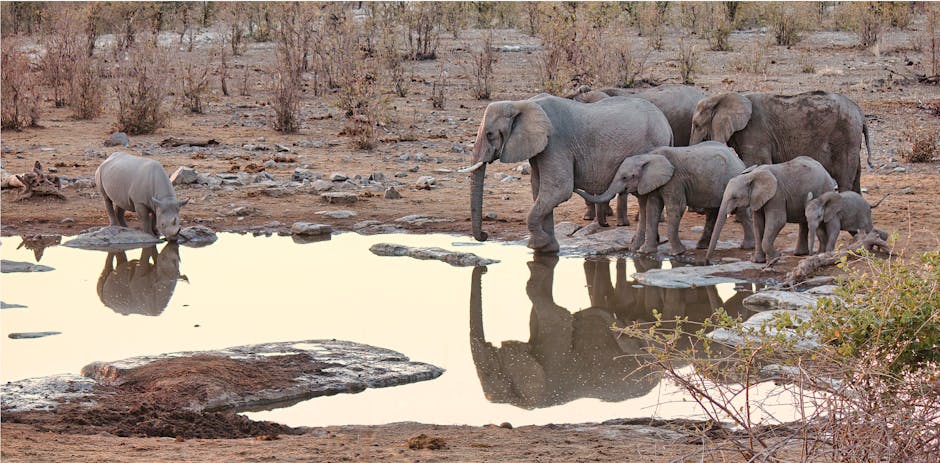
150 Elephants in the Crosshairs: Breaking Down the Quotas (Image Credits: Pexels)
The proposal sets specific annual limits for 2026 and 2027, targeting iconic species on private reserves near protected areas like Kruger National Park. Officials justified the numbers based on population data and growth trends, though critics questioned the methodology.
Elephants lead the quotas with allowance for 150 trophies, equivalent to 300 tusks, from a national herd exceeding 43,500 animals that grows more than 5% yearly. Black rhinos, critically endangered globally with South Africa hosting about 2,000 of the 6,700 remaining, face a cap of 12 trophies annually – a figure that surpasses typical CITES guidelines of 0.5% of the population. Leopards would see 11 trophies restricted to designated zones in provinces including KwaZulu-Natal and Limpopo, with hunters required to target animals aged seven years or older.
- Elephants: 150 trophies (300 tusks) per year
- Black rhinos: 12 trophies per year
- Leopards: 11 trophies from specific zones
Public comments remain open until March 6, providing a narrow window for input before final approval.
From Suspension to Revival: A Ministerial Turnaround
The quotas emerged after previous Minister Dion George halted exports in September 2025 amid legal challenges from animal protection groups. Those disputes centered on inadequate consultation and due process, stalling the practice for years and costing the industry billions in lost revenue, according to proponents.
New Minister Willie Aucamp reversed course in February 2026, publishing the draft in the government gazette. This shift reignited tensions in a nation that manages substantial shares of these species, balancing wildlife stewardship with economic pressures.
Conservation Fears Clash with Economic Realities
Opponents, including the Wildlife Animal Protection Forum of South Africa, warned that black rhino quotas exceed safe limits and lack transparent scientific backing. They highlighted ongoing poaching threats and potential harm to genetic diversity from removing prime males. For elephants, studies noted disruptions to herd structures when older bulls with large tusks fall to hunters, even if hunts occur on private land where animals roam freely across borders.
Hunting advocates countered that regulated offtake sustains populations treated as renewable resources. The sector generates R44 billion yearly and sustains 95,000 jobs, with foreign hunters injecting significant funds into rural economies. They argued the pause already inflicted greater damage through forgone conservation funding.
Navigating the Divide
The debate underscores broader fault lines in South African wildlife policy, from data reliability on leopard ages to the ethics of monetizing endangered icons. Groups like Born Free and Humane Society International urged rejection, citing reputational risks amid global scrutiny.
| Species | South Africa Population | Proposed Annual Quota |
|---|---|---|
| Elephants | >43,500 | 150 |
| Black Rhinos | ~2,000 | 12 |
| Leopards | Varies by zone | 11 |
As consultations close, the decision will shape the future of these species and the hunting economy.
Key Takeaways:
- Quotas target private reserves but affect transboundary populations.
- Black rhino allowance raises CITES compliance questions.
- Public input deadline: March 6, 2026.
South Africa’s bold move tests the balance between preservation and profit, with stakes high for both wildlife and livelihoods. What do you think about these quotas? Tell us in the comments.