
Cincinnati – Keepers at the Cincinnati Zoo & Botanical Garden have stepped into pivotal roles worldwide, leading conservation efforts that bolster endangered species from urban outskirts to isolated habitats.
Desperate Climbs Inspire Salamander Safeguards
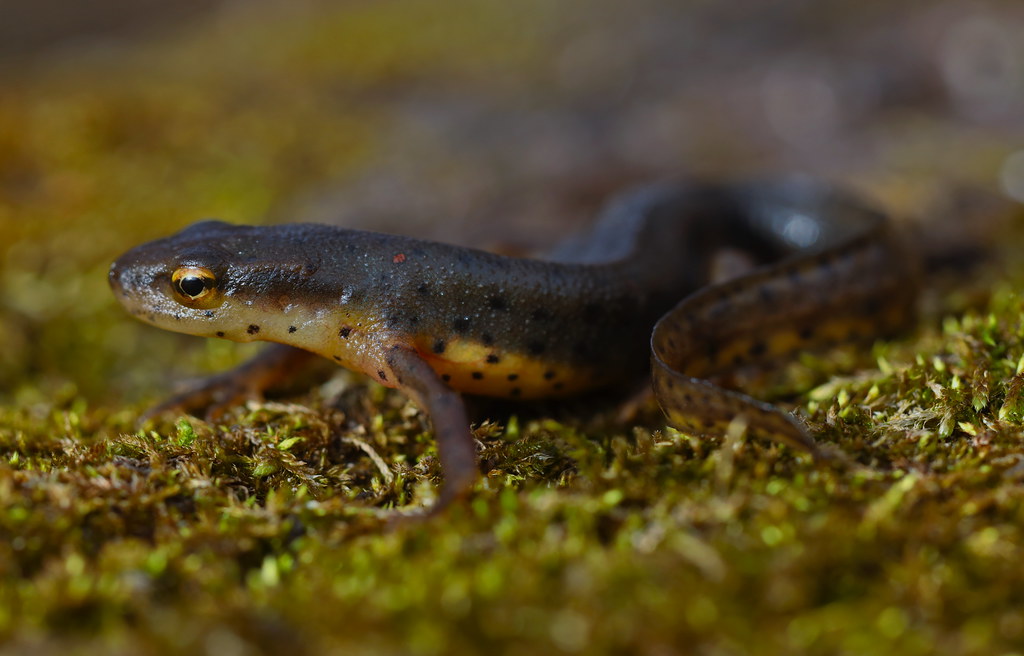
Desperate Climbs Inspire Salamander Safeguards (Image Credits: Flickr)
Observers documented a poignant struggle among Japanese giant salamanders, where at least nine individuals repeatedly attempted to scale a sheer 90-degree concrete wall along their native river habitat. Exhausted, the creatures eventually washed back downstream, highlighting the urgent barriers to migration. Keeper Karissa Bilbo coordinates the response as zoo liaison, overseeing the installation of dual-use passageways and custom nesting structures crafted from safe materials.
Potential collaboration with the zoo’s CREW team and students aims to refine these designs. An AI model trained on survey photos will track individual salamanders, enhancing monitoring without disturbance. These measures promise improved survival rates and habitat utilization in the coming months.
Birds on the Brink: From Raptors to Kingfishers
Efforts to revive Guam kingfishers, known as sihek, achieved a milestone with the first wild breeding attempts in 36 years on Palmyra Atoll. Released young formed pairs that nested three times in spring 2025, though initial hatches failed as expected for novices. Keeper Kimberly A. Klosterman funds nest boxes and equipment to refine strategies for 2026, countering brown tree snake threats on Guam.
Locally, Ellie Hahn upgrades raptor rehabilitation facilities in the Greater Cincinnati area through a partnership with RAPTOR Inc. Repairs to 13 outdated cameras will enable better observation of injured birds, targeting release rates above 60 percent. Cody Sowers enhances Pacific Flyway aquatic bird care with new hospital pools and disinfection systems, aiding over 100 species recovering from injuries.
- Raptors: Camera system overhaul for precise monitoring.
- Sihek: Breeding support for population growth.
- Aquatic birds: Upgraded rehab pools for faster recovery.
Mammals and Mollusks: Tackling Trade, Plague, and Habitat Loss
Black-footed ferrets in South Dakota’s Conata Basin receive plague mitigation from Keeper Mike Cisneros, who supplies treated baits and burrow dust to protect vital prairie dog colonies. This stabilizes the ecosystem essential for ferret survival in a key reintroduction site. Meanwhile, Donna Griffen partners on sheepnose mussel research in the Ohio River, modeling habitats and engaging students to define protection zones.
In Laos, Klosterman again leads, funding secure enclosures for wildlife rescued from illegal trade, including gibbons, pangolins, and small cats. Cameras enable stress-free monitoring in forest settings. Dawn Strasser’s work in Brazil’s Pampas grasslands reduces conflicts for cats like Geoffroy’s and ocelots by repairing livestock pens and promoting pet vaccinations.
Key Takeaways
- Zoo keepers secure grants and liaise with partners to deliver on-the-ground impact.
- Projects blend technology, habitat restoration, and community education for lasting change.
- From AI tracking to plague control, innovation drives species recovery.
These initiatives underscore the reach of dedicated professionals turning zoo expertise into worldwide wins. As threats persist, such targeted actions offer hope for biodiversity. What project stands out to you? Tell us in the comments.
Details drawn from the Cincinnati Zoo announcement.