
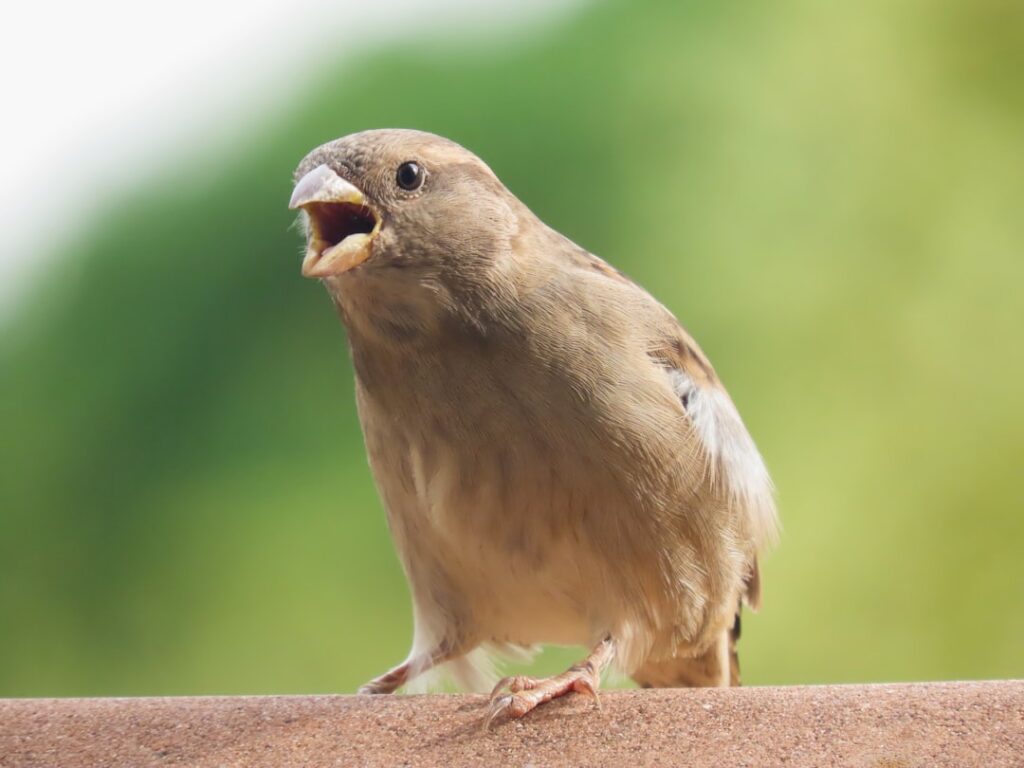
A sweeping international analysis revealed how human-generated noise profoundly disrupts bird behaviors and breeding success across diverse habitats.
Birds Turn Aggressive Amid Urban Racket
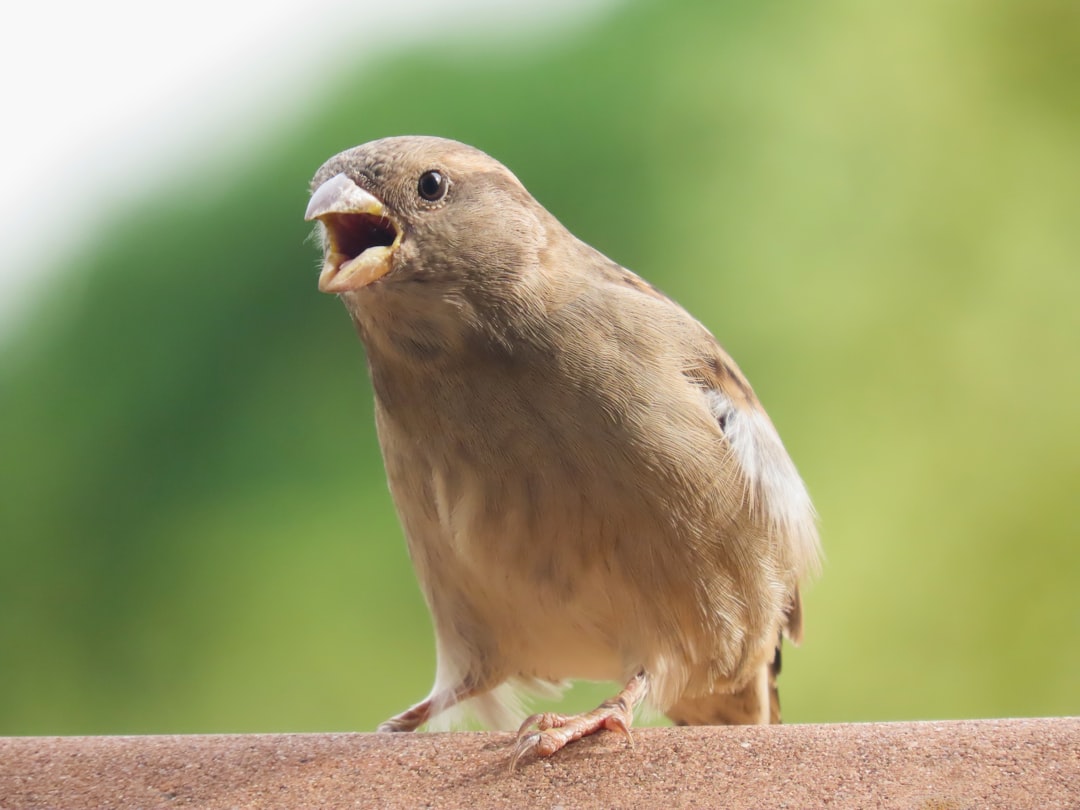
Birds Turn Aggressive Amid Urban Racket (Image Credits: Unsplash)
Exposure to artificial noise prompted birds to ramp up aggression, a behavioral shift that researchers linked to disrupted habitats worldwide. The global review, which drew from 160 studies spanning six continents, documented nearly 1,000 measurements across 12 key bird traits.
Foraging activity also intensified under noisy conditions, as birds scrambled to adapt to the constant din from human sources. Communication efforts increased too, with individuals vocalizing more loudly or frequently to cut through the interference. These changes highlighted noise’s role in forcing birds into heightened states of alertness and conflict.
Breeding Success Suffers Under Noise Assault
Reproduction rates dropped significantly in noise-polluted areas, threatening population stability for many species. The study pinpointed human-made sounds as a pervasive stressor that altered physiological processes essential for nesting and chick-rearing. Birds struggled to maintain pair bonds and territory defense amid the acoustic chaos.
Conservationists noted that such declines could ripple through ecosystems, as fewer fledglings emerged from affected nests. The findings underscored the need for targeted interventions in urbanizing landscapes where noise levels continue to rise unchecked.
Which Birds Face the Greatest Risk?
Certain nesting habits amplified vulnerability to noise pollution. Species that built nests near the ground or in open areas experienced stronger negative effects, as sounds traveled more freely in those environments.
Birds in deciduous forests, where trees shed leaves seasonally, proved particularly susceptible due to reduced natural sound barriers. In contrast, cavity-nesting birds like the American bushtit endured less disruption, their enclosed nests offering some acoustic shielding.
| Nesting Trait | Impact Level |
|---|---|
| Ground-level nests | High |
| Open spaces | High |
| Deciduous forests | High |
| Cavity nests | Low |
Widespread Effects Demand Action
The analysis extended to North America, where human noise altered behaviors for breeding birds continent-wide. Detailed results appeared in the Proceedings of the Royal Society B, emphasizing trait-specific vulnerabilities. Another report highlighted impacts on all North American breeding birds at The Wildlife Society.
Researchers aimed to guide mitigation strategies, such as erecting noise barriers or promoting quieter urban designs. These steps could protect at-risk species and preserve avian diversity.
Noise pollution’s subtle yet powerful influence on birds serves as a wake-up call for balancing human expansion with wildlife needs. What steps can communities take to quiet their surroundings? Share your thoughts in the comments.
Key Takeaways
- Noise boosts aggression, communication, and foraging while curbing reproduction.
- Ground-nesters and open-habitat birds suffer most.
- Cavity-nesters like the American bushtit show greater resilience.