
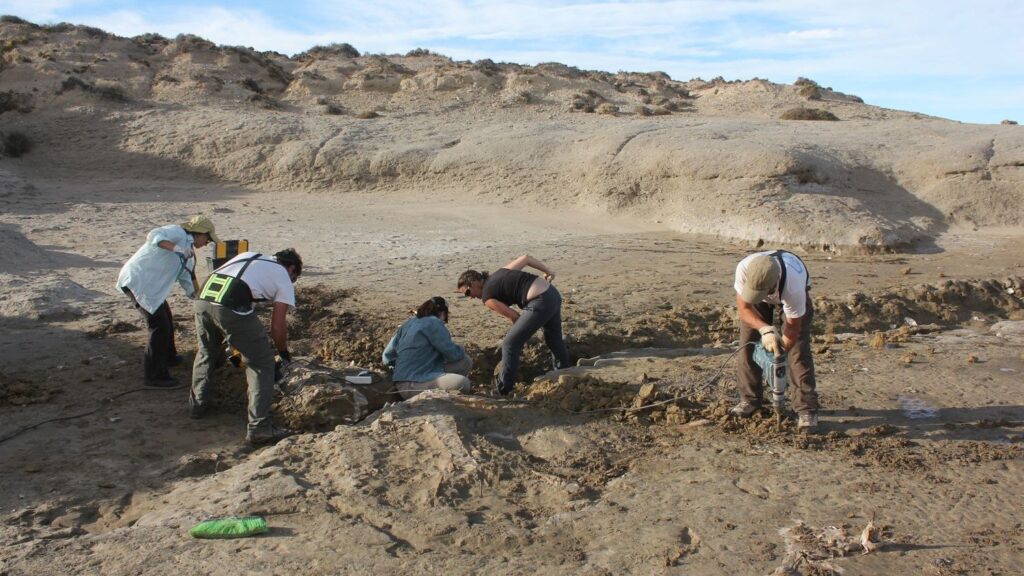
Think about this for a moment. Somewhere out there right now, a paleontologist is brushing dust off a rock and holding something in their hands that will completely shatter what you thought you knew about life on Earth. It happens more often than you’d expect. A fragment of bone, a faint imprint in ancient stone, a chemical signature buried inside a 500-million-year-old layer of sediment – and suddenly, the textbooks need editing again.
The history of our planet is not a settled story. It never has been. Every new fossil find is more like a plot twist than a footnote, nudging or sometimes outright flipping what scientists once considered established fact. From the very first animals to walk upright to predators no one knew existed, the fossil record keeps revealing surprises with breathtaking regularity. So buckle up, because Earth’s deep past is far stranger, far older, and far more alive than you probably imagined. Let’s dive in.
The Ancient Sponge That Claimed the Throne of Life’s Origins
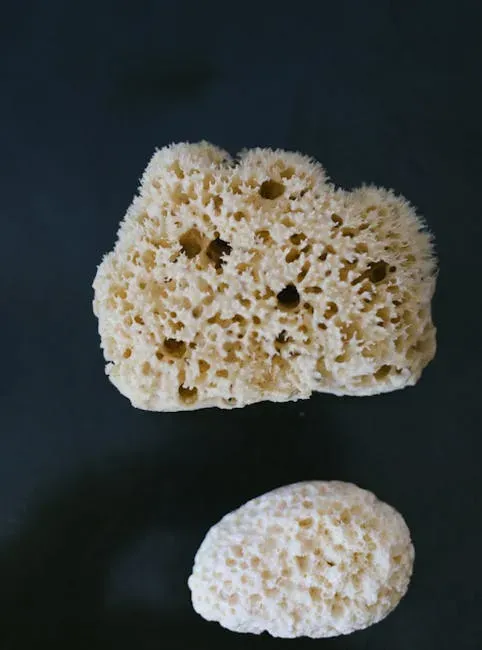
You might have learned in school that the history of complex animal life began with the Cambrian explosion, roughly 540 million years ago. Here’s the thing – that picture is now looking a lot more complicated. Scientists at MIT have found compelling chemical evidence that Earth’s earliest animals were likely ancient sea sponges, hidden inside rocks over 541 million years old where rare molecular traces were preserved. That pushes the animal kingdom further back than even the Cambrian timeline.
Fossils are the preserved remains of ancient life forms that provide important clues about the history of life on Earth, and the study of fossils known as paleontology has revealed a wealth of information about the evolution of plants, animals, and other organisms – from ancient human ancestors to long-extinct species – helping scientists piece together the story of our planet’s past. In this case, chemical fossils are doing a job that bones and shells simply cannot – they’re whispering secrets from before skeletons even existed. Honestly, that’s one of the most mind-bending things you’ll read today.
A 555-Million-Year-Old Fossil Rewrites the Cambrian Story
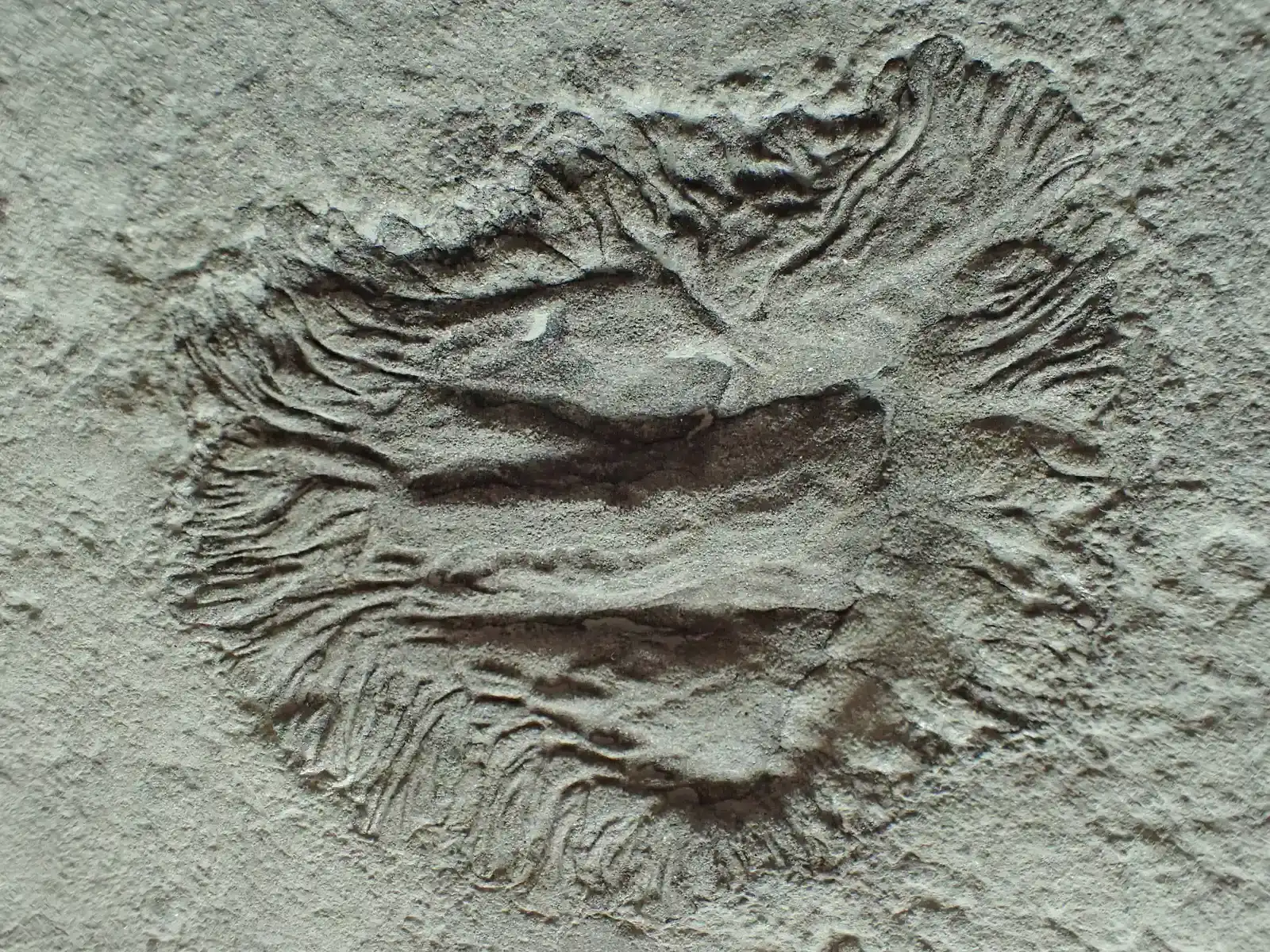
If you thought life just “appeared” in the Cambrian explosion like some prehistoric magic trick, science has some serious news for you. Scientists have unearthed an extraordinary fossil dating back 555 million years, in what may be the most detailed glimpse yet into a time long before the famous Cambrian explosion. This creature, known as Uncus dzaugisi, changes what you understood about the deep roots of complex life.
For decades, scientists grappled with the absence of Precambrian Ecdysozoan fossils – molecular studies suggested these organisms existed during this period, yet concrete fossil evidence remained elusive. The discovery of Uncus dzaugisi changes that narrative, as its well-preserved form confirms the presence of Ecdysozoans in the Precambrian, predating the Cambrian explosion by millions of years. Think of it like finding out the opening act of a concert started an hour earlier than anyone realized – and the opening act turns out to be just as important as the headliner.
Walking Upright: The Seven-Million-Year Secret
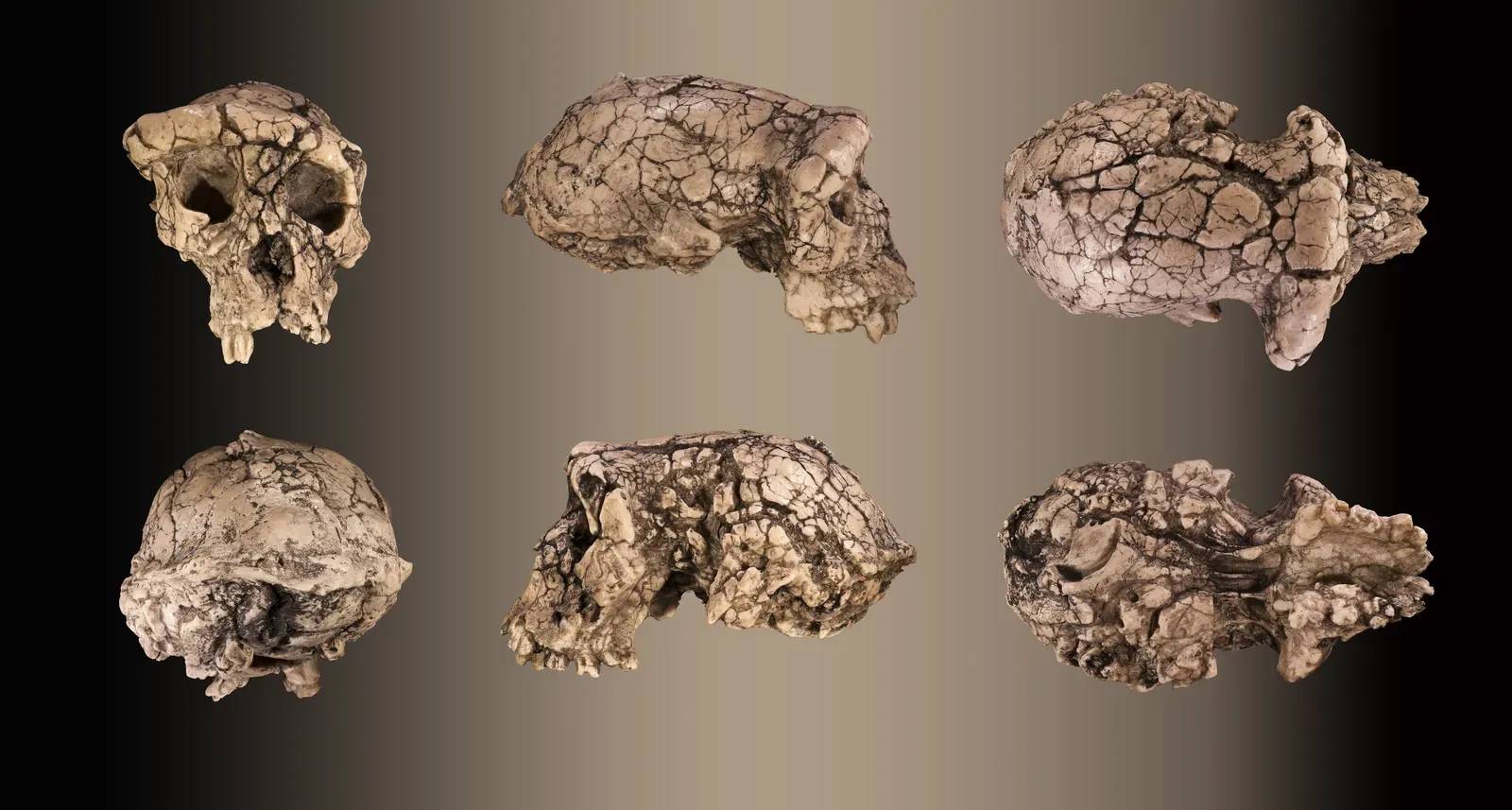
Here’s a question that has haunted paleoanthropologists for decades: when did humans first stand up and walk? Scientists may have cracked the case of whether a seven-million-year-old fossil could walk upright, with a new study finding strong anatomical evidence that Sahelanthropus tchadensis was bipedal, including a ligament attachment seen only in human ancestors – and despite its ape-like appearance and small brain, its leg and hip structure suggest it moved confidently on two legs, placing bipedalism near the very root of the human family tree.
Using advanced 3D imaging along with other analytical techniques, the research team identified a femoral tubercle in Sahelanthropus – a small but important structure that serves as the attachment point for the iliofemoral ligament, the strongest ligament in the human body and a critical component for standing and walking upright, with the analysis also confirming several other anatomical traits associated with bipedal movement. It must be said though: the debate is not entirely closed. Even after this latest publication, there are still credible authorities who doubt that Sahelanthropus was an upright-walking ancestor of humans. Science, unlike our textbooks, loves to argue.
The Mammoth’s Last Biological Secrets, Frozen in Time
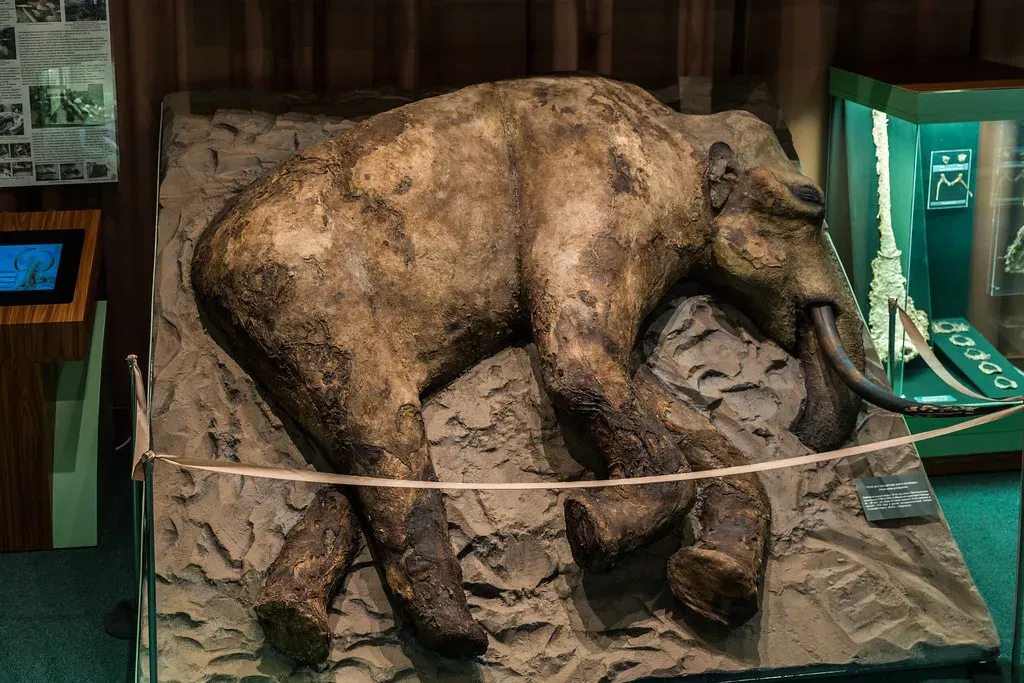
You probably know that scientists have extracted DNA from ancient creatures before. But RNA? That was supposed to be completely impossible. RNA breaks down so fast that researchers had essentially written it off for prehistoric samples. RNA molecules have been successfully extracted and sequenced from 40,000-year-old woolly mammoth tissue, marking the oldest RNA ever recovered – achieved by researchers from Stockholm University for the first time ever, from mammoth tissue preserved in the Siberian permafrost for nearly 40,000 years.
The findings show that RNA, including microRNAs, can persist far longer than previously believed, enabling direct analysis of gene activity and regulation in extinct species – and the study published in the journal Cell shows that not only DNA and proteins, but also RNA, can be preserved for very long periods of time, providing new insights into the biology of species that have long since become extinct. What makes this especially fascinating is what it means for the future. This means that it will be possible to sequence RNA viruses, such as influenza and coronaviruses, preserved in Ice Age remains. The implications go way beyond mammoths.
Nanotyrannus: The Dinosaur Debate That Wouldn’t Die
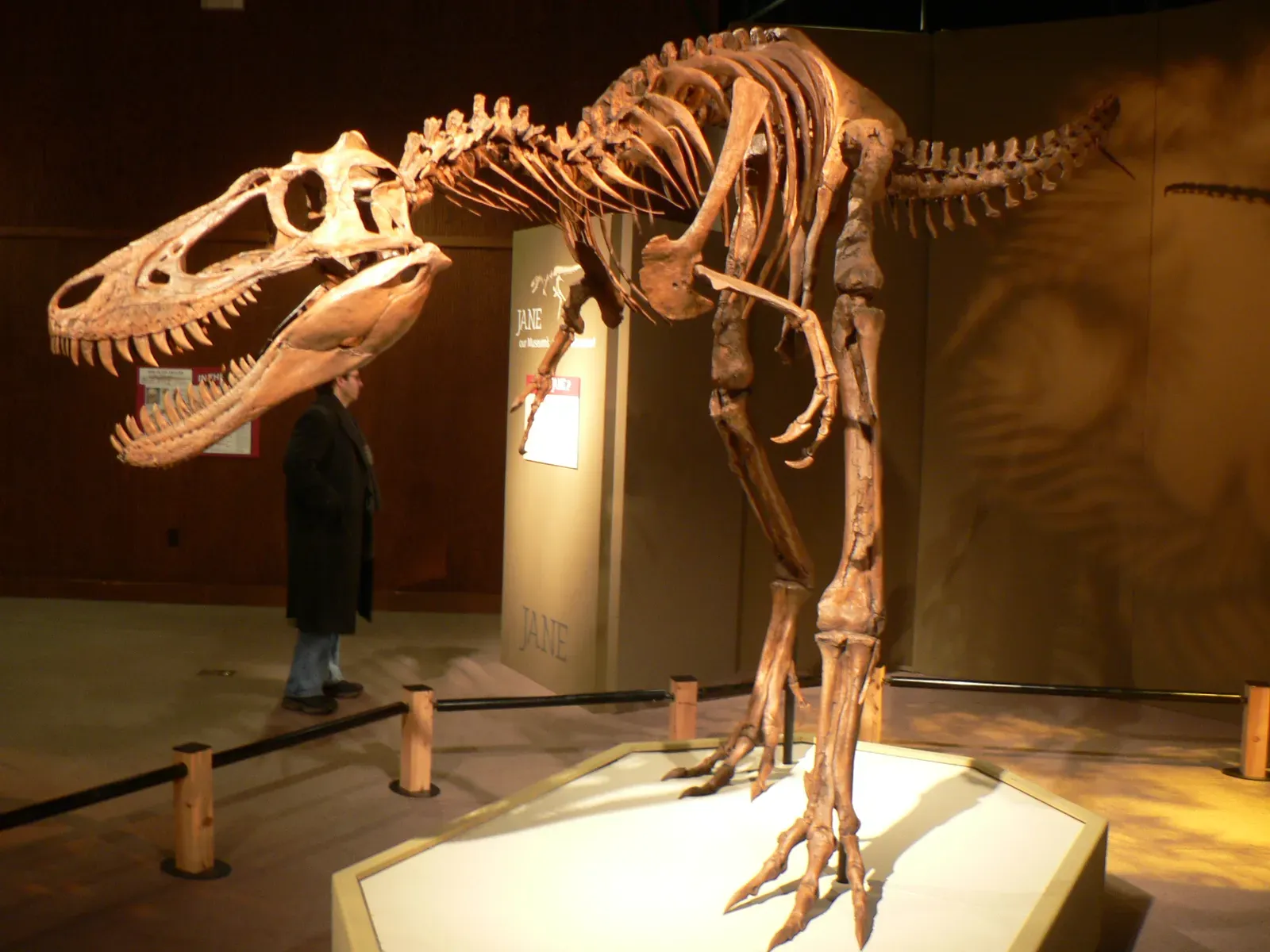
For decades, one of the most heated arguments in all of paleontology was deceptively simple: was Nanotyrannus a real dinosaur species, or just a young T. rex? Nanotyrannus came into its own in 2025 – the diminutive dinosaur may have resembled Tyrannosaurus rex, but it wasn’t just a teenage version of the iconic dino, scientists reported in two separate studies, with the finds possibly settling one of paleontology’s longest-standing debates sparked by an enigmatic fossil skull unearthed in the 1940s.
The debate over Nanotyrannus’ identity is finally over, with a remarkably preserved fossil proving it was a mature species, not a teenage T. rex – a discovery that rewrites how scientists understand the tyrannosaur family tree. A famous fossil known as Dueling Dinosaurs depicts this small tyrannosaur, now identified as an adult Nanotyrannus lancensis, with analyses of its snout revealing several ways in which the creature is markedly different from T. rex, including nerve patterns, sinus structures, and extra teeth. Let’s be real: if even T. rex’s closest cousins were getting misidentified for eighty years, it says a lot about just how tricky the fossil record can be.
The Archaeopteryx That Showed Birds Were Flying Earlier Than We Thought
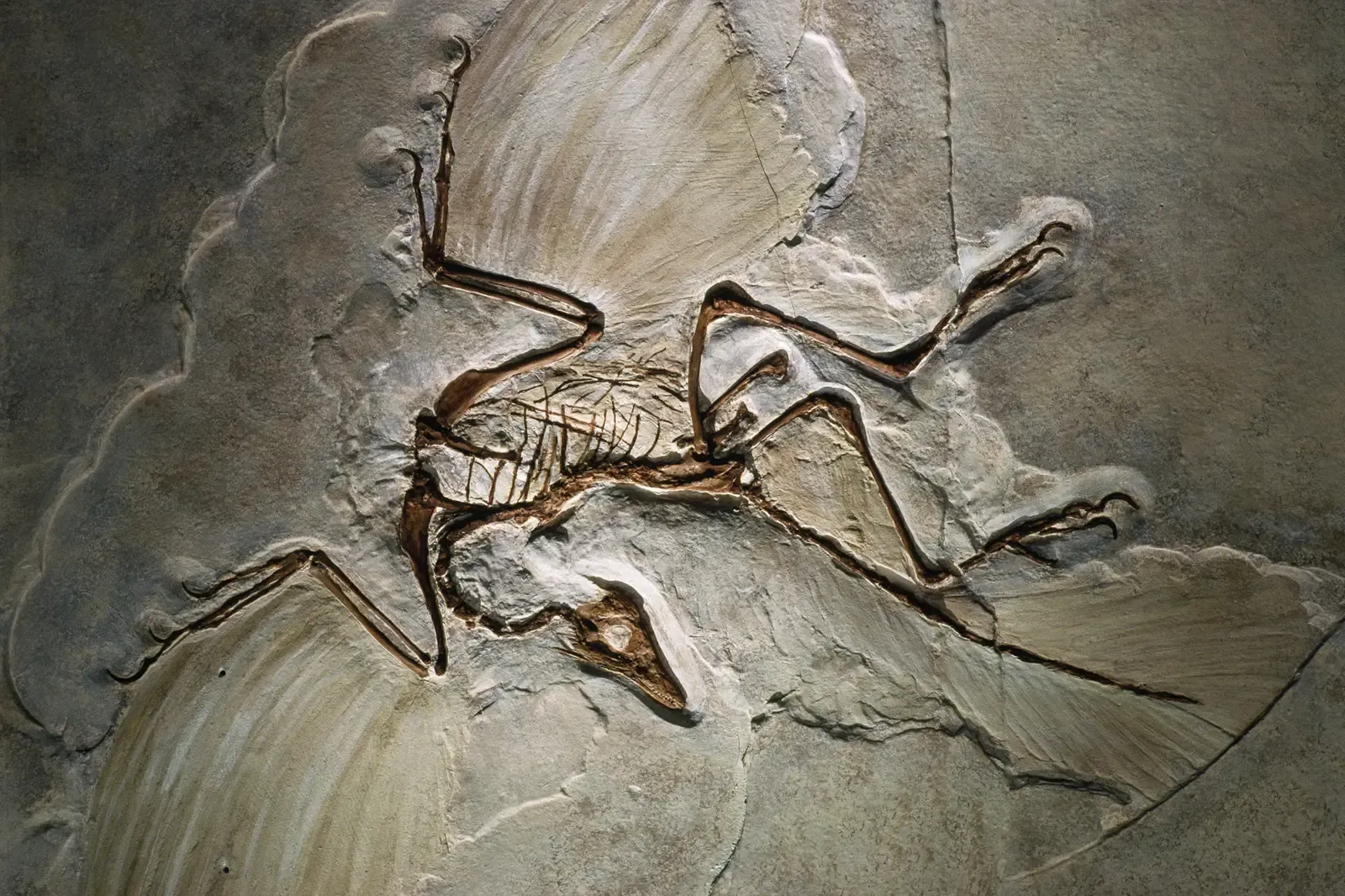
If you’ve ever wondered exactly how birds went from ground-dwelling feathered dinosaurs to masters of the sky, you’re in good company – scientists have been puzzling over it for over a century. An exceptionally well-preserved and complete fossil of Archaeopteryx, Earth’s most ancient bird, is offering new clues to how flight took off in birds – nearly 100 percent complete and not crushed by postmortem geologic pressures, the 150-million-year-old fossil preserved with wings outstretched contains the imprints of soft tissues like feathers and skin, with the wings showing that the bird had tertials, a type of specialized inner feathers on its upper arms, which is a feature of modern flying birds but not nonavian feathered dinosaurs.
It also had mobile digits on its hands, supporting a hypothesis that Archaeopteryx wasn’t just able to fly but may have been able to climb trees. Discoveries in Jurassic rocks reveal that birds were adept fliers earlier than scientists realized. Think of Archaeopteryx like the Wright Brothers’ first plane – not quite what came after, but undeniably revolutionary for its time. The difference is that this discovery reshapes nearly 150 million years of evolutionary assumptions rather than just a century of aviation history.
When Mass Extinction Led to a Stunning and Surprisingly Fast Comeback
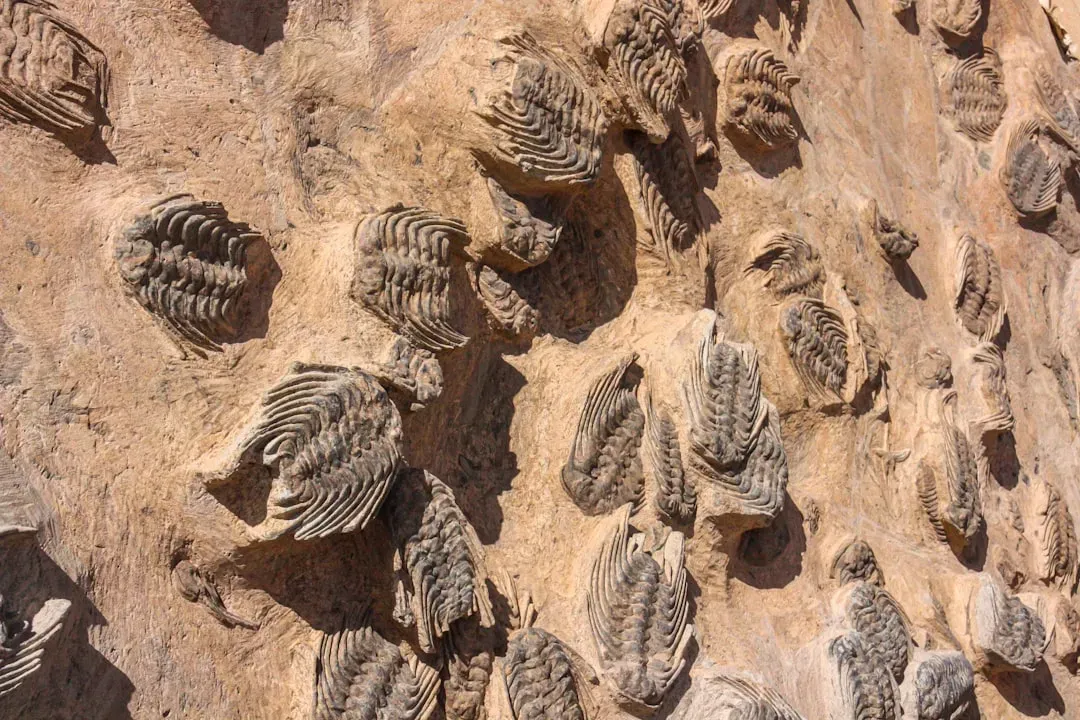
Most people understand that the Permian-Triassic extinction event – roughly 250 million years ago – was Earth’s worst biological catastrophe. About 250 million years ago, the Permian-Triassic mass extinction killed over 80 percent of the planet’s species, and in the aftermath, scientists believed that life on Earth was dominated by simple species for up to 10 million years before more complex ecosystems could evolve – but now this longstanding theory is being challenged by a team of international researchers.
A spectacular fossil trove on the Arctic island of Spitsbergen shows that marine life made a stunning comeback after Earth’s greatest extinction, with tens of thousands of fossils revealing fully aquatic life recovering far faster than scientists had assumed. Fossils provide key constraints on the climate models that are essential for predicting future climate change, and the fossil record gives crucial insights on how life will respond to predicted future climate conditions – elevated temperatures, high carbon dioxide levels, and ocean acidification – because these have occurred before in Earth’s history. That’s not just fascinating ancient history – it’s a direct window into what our own planet’s future might hold.
Conclusion: The Earth Keeps Its Best Secrets in Stone
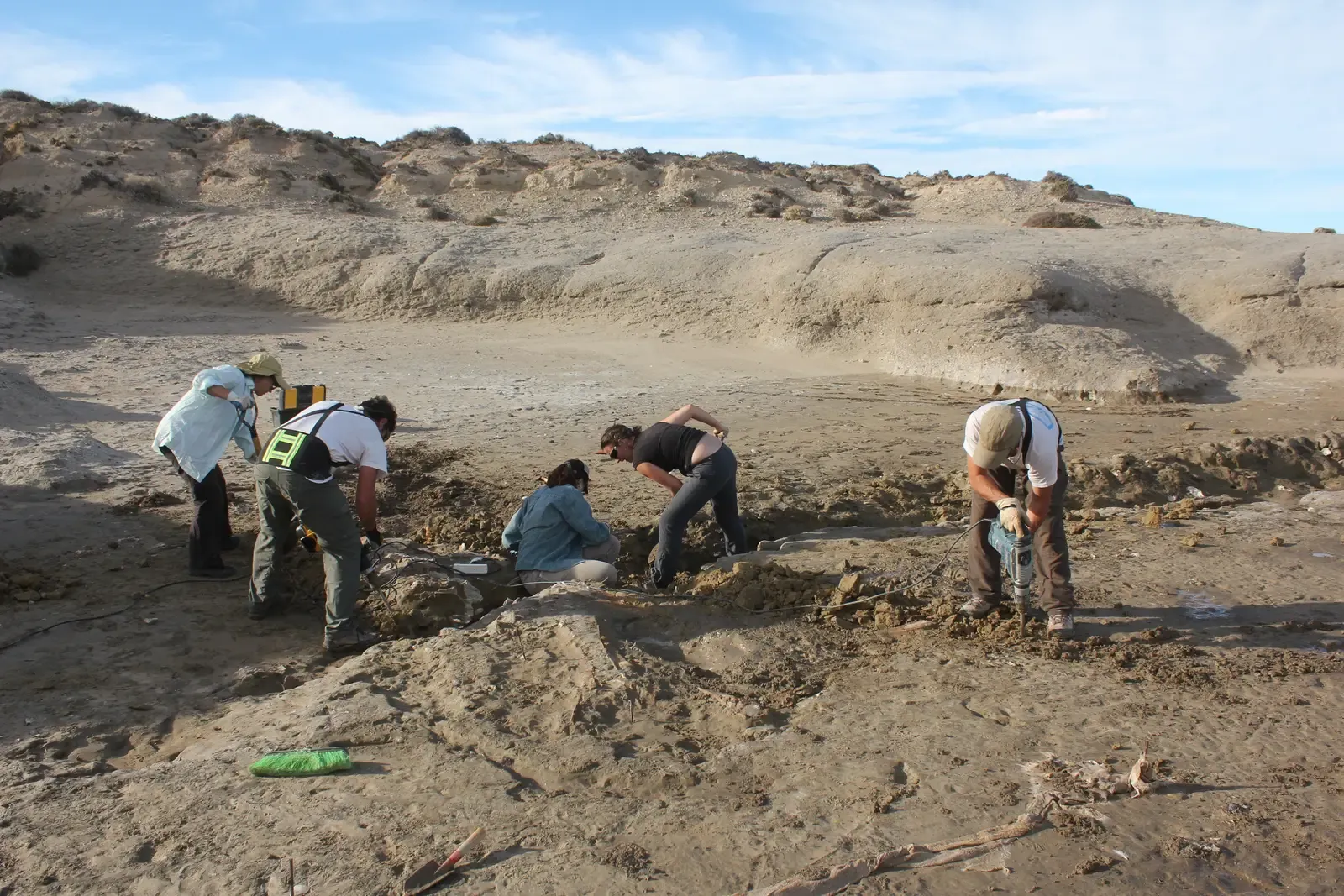
Every single time a new fossil emerges from the rock, it does more than just add a new species to the list. It reshapes timelines, challenges assumptions, and sometimes overturns decades of scientific consensus in one dramatic stroke. Paleontologists provide us with a unique vantage on modern climate change, playing an essential role in interpreting ancient environments, reconstructing ancient oceans, continents, and climates – and unraveling long-term variations in climate relies heavily on information embedded in the chemical structure of fossils.
What’s extraordinary is that you’re living through a golden era of discovery. Advanced imaging, ancient RNA recovery, 3D geometric morphometrics – the tools available to today’s paleontologists are unlike anything previous generations could have dreamed of. The last two decades have seen a revolution in scientists’ ability to reconstruct the past. The pages of Earth’s deep history are still being written, one fossil at a time. And somewhere out there right now, a chisel is striking rock – and everything you think you know might be about to change again. What chapter do you think will be rewritten next?