
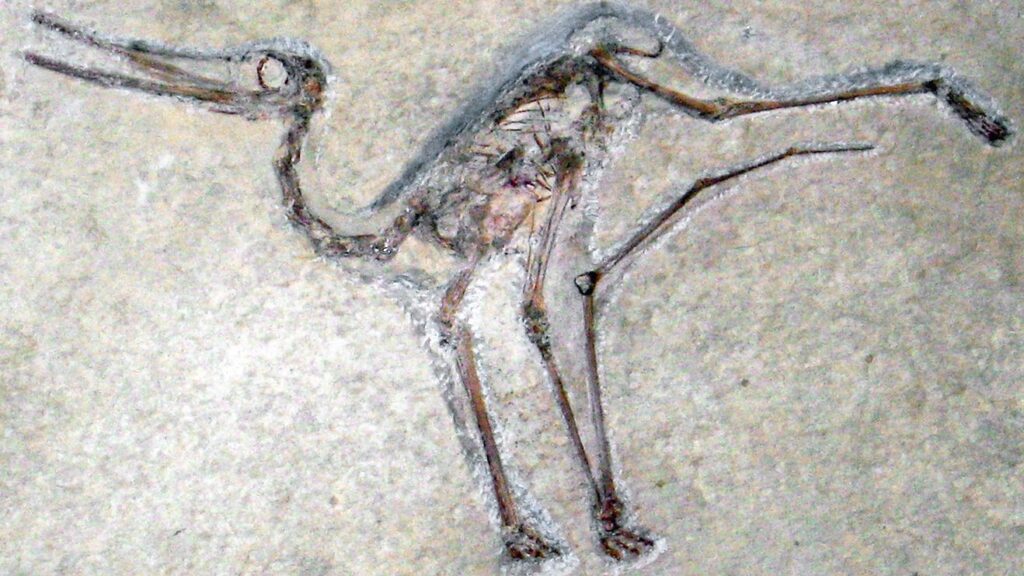
Every time you think science has finally figured out what dinosaurs were truly like, the ground literally opens up and proves everyone wrong. A single bone pulled from a quarry in Montana or a remote desert in Mongolia has, time and again, dismantled textbooks that took decades to write. That is what makes paleontology so electrifying – it is never finished.
The history of dinosaur science is basically a series of humbling moments for humanity. You build one picture of these ancient creatures, and then a new fossil comes along and shatters it entirely. Honestly, some of these discoveries are so strange and so unexpected that even seasoned paleontologists were left speechless. So let’s dive into ten of the most jaw-dropping fossil finds that rewrote the rules.
1. Archaeopteryx: The Fossil That Linked Dinosaurs and Birds
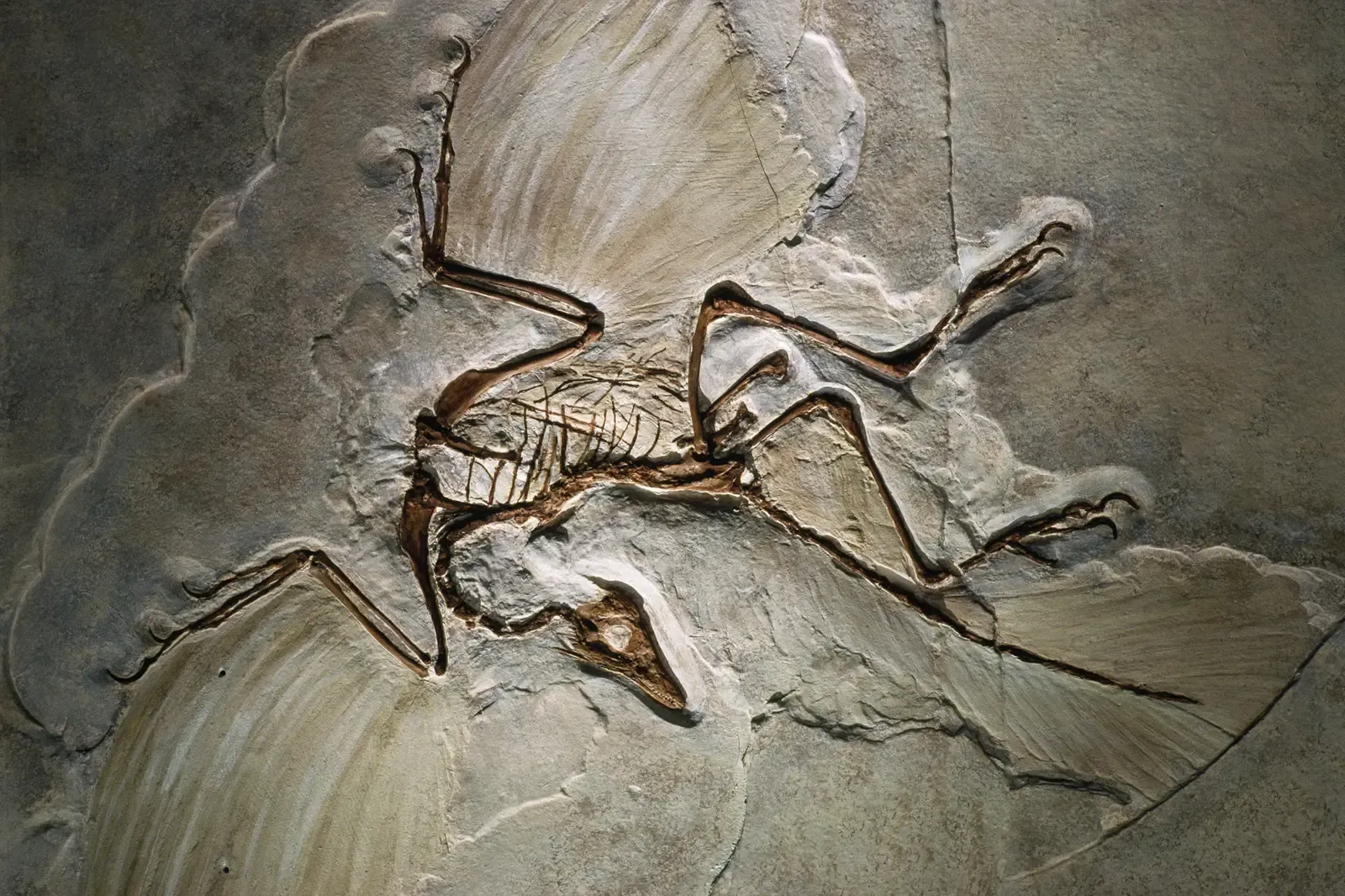
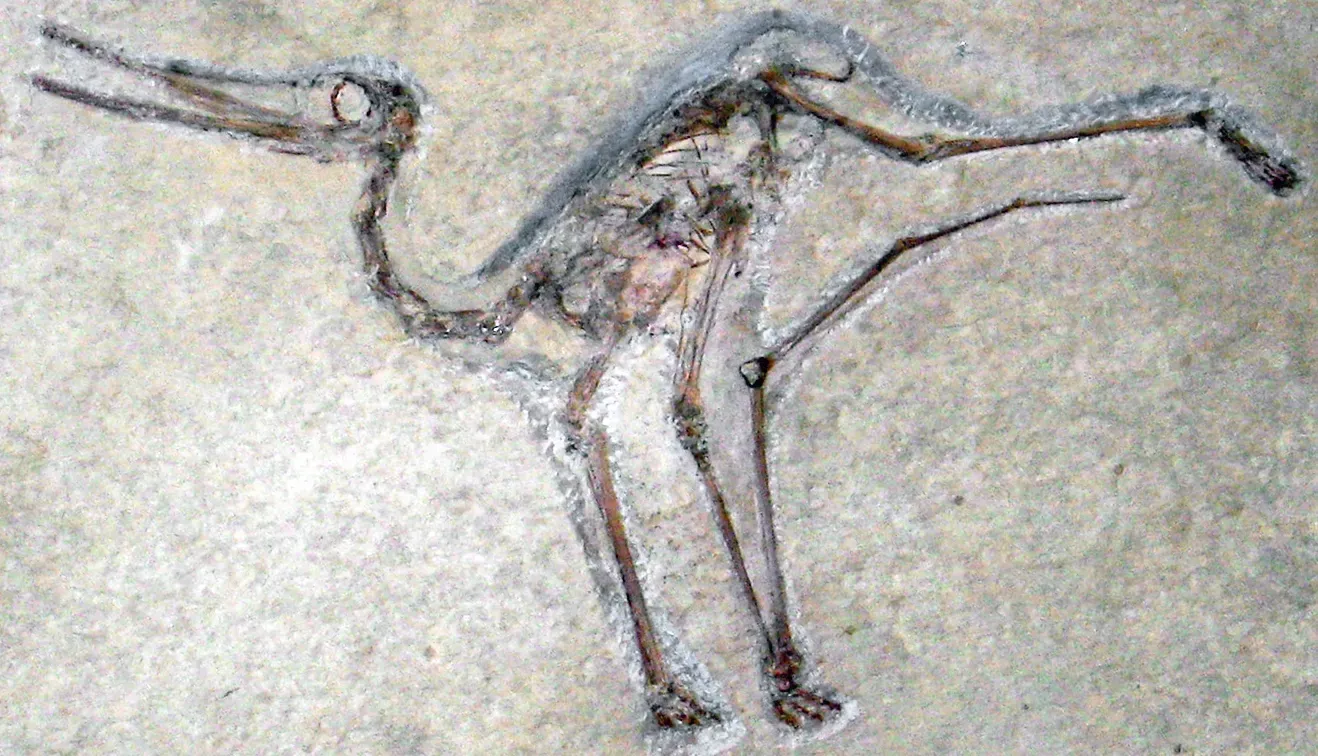
Imagine being alive in 1860, convinced that birds had nothing to do with reptiles, and then suddenly finding a creature with feathers, clawed fingers, sharp teeth, and a long bony tail. That is exactly what happened when the first Archaeopteryx skeleton was pulled from the limestone deposits at Solnhofen, Germany. When this small bird-like fossil was discovered in 1860, it made waves not only in the world of paleontology but also in evolutionary science – similar in size to a magpie, it seemed to solve the “missing link” between birds and dinosaurs, featuring jaws with sharp teeth, a long bony tail, and three clawed fingers.
The evidence of feathers around the skeleton led scientists to realize the evolutionary link between birds and dinosaurs, and since 1861, twelve Archaeopteryx specimens have been dug up. The discovery arrived at the most historically charged moment possible – right after Darwin published his theory of evolution – and it sent ripples through science that you can still feel today. It is hard to overstate how profoundly this small, crow-sized creature changed the way humanity understands life itself.
2. Deinonychus: The Fossil That Sparked a Dinosaur Revolution
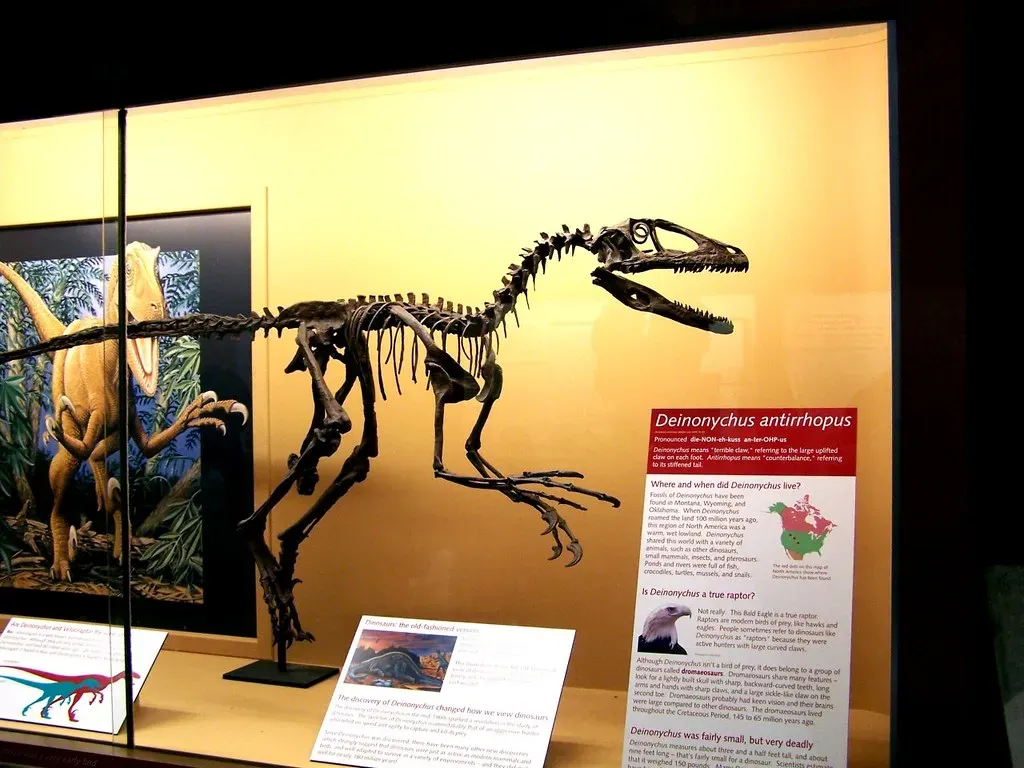
For decades, the public image of dinosaurs was something like a slow, cold-blooded, lumbering giant – basically a reptile with ambition problems. Then came Deinonychus, and everything changed. This new dinosaur renaissance was sparked by the discovery in 1964 of Deinonychus antirrhopus by palaeontologist John Ostrom, who noticed the fossils were bird-like in appearance, particularly in their hands and hips.
Ostrom realized this animal was a fast-moving, highly intelligent, keen-sighted predator – not at all the slow, lumbering, slow-witted image of the dinosaur that was current at the time. He also showed it was remarkably bird-like in its anatomy and suggested that birds and small predatory dinosaurs were so closely similar that birds probably evolved from them. Let’s be real: if you grew up picturing Jurassic Park’s raptors, you have Deinonychus to thank for that. This one fossil essentially launched a scientific movement that still drives research today.
3. Maiasaura’s Nesting Site: Proof That Dinosaurs Were Caring Parents
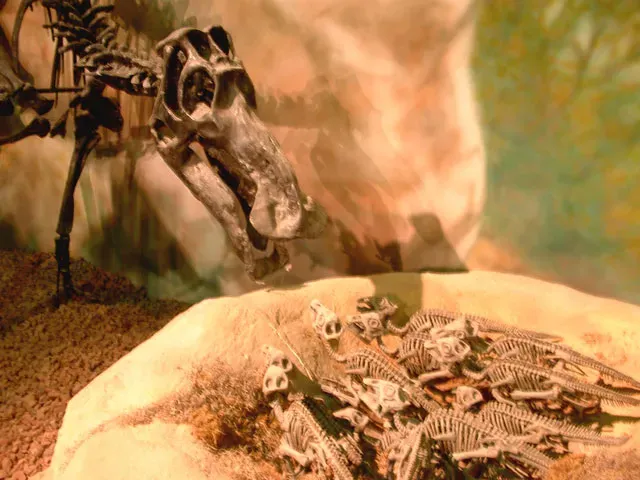
Here is something that used to be taken as gospel: dinosaurs laid their eggs and walked away, leaving their hatchlings to fend for themselves. Then, in 1978, a nesting site in Montana permanently buried that assumption. In 1978, a Maiasaura nesting site was discovered in the Two Medicine Formation near Choteau, Montana, where the remains of an adult Maiasaura were found in close association with a nest of juvenile dinosaurs, each about one metre long.
This was the first direct evidence that some dinosaurs cared for their young, completely rewriting dinosaur-parenting concepts – the name “Maiasaura” means “good mother lizard” and has been a subject of much fascination ever since. Fossils showed that the hatchlings’ legs were not fully developed and thus they were incapable of walking, and their teeth were partly worn – which means adults brought food to the nest. You could almost call it the moment paleontology grew a heart. These were not cold, indifferent beasts; they were nurturing, social animals in ways that science had never previously dared to imagine.
4. The Dueling Dinosaurs: A Frozen Moment of Prehistoric Combat
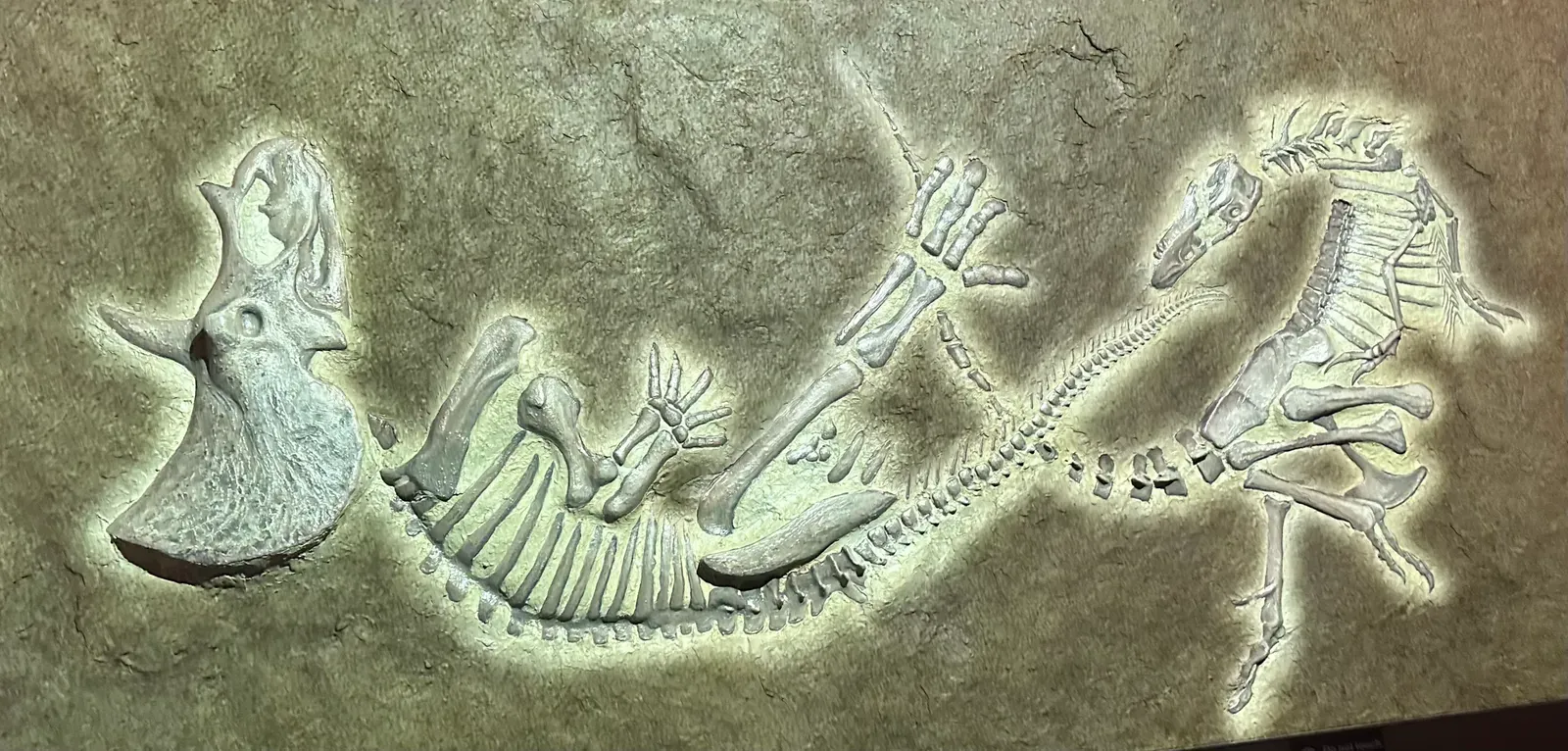
Sometimes the universe preserves a story so dramatic it seems almost impossible. Like insects in amber, fossils capture dinosaurs at the moment of their demise – and in the case of the Dueling Dinosaurs found in the Hell Creek Formation, Montana, they appear to have been in the middle of a fierce scrap. What makes this specimen even more spectacular is the scientific controversy it eventually settled. For over 35 years, paleontologists argued fiercely about whether a creature called Nanotyrannus was a real species or just a young T. rex.
In 2025, palaeontologists Lindsay Zanno and James Napoli published a description of a new Nanotyrannus fossil specimen, preserved as part of the Dueling Dinosaurs fossil alongside a herbivorous Triceratops. They showed that this Nanotyrannus was nearly an adult but was different from T. rex in ways that cannot be explained by growth, including a longer hand – and a subsequent study on the original Nanotyrannus demonstrated that this specimen was also fully grown. Together, these studies end a 35-year-long controversy and reveal Nanotyrannus as a slender, agile pursuit predator, built for speed. A single fossil, locked in mortal combat for millions of years, managed to resolve one of paleontology’s longest-running debates. That is almost poetic.
5. Borealopelta: The Dinosaur Mummy That Revealed Hidden Colors
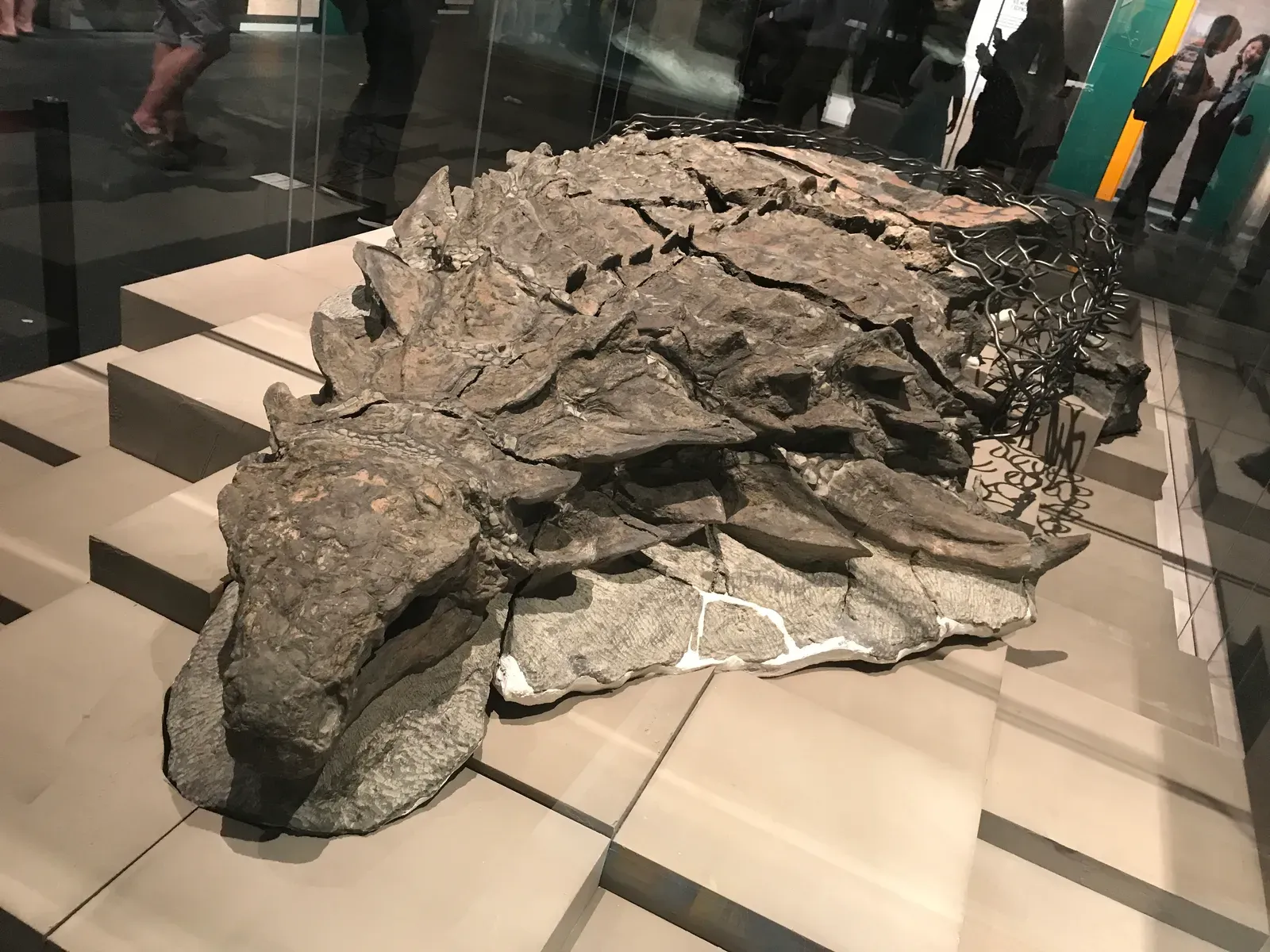
If you were asked to imagine a well-preserved dinosaur fossil, you might think of clean bones artfully arranged in a museum. You probably would not picture the actual skin, armor, and last meal of an ancient creature staring back at you. Yet that is essentially what workers in northern Alberta stumbled upon. Workers in northern Alberta uncovered the preserved fossils of Borealopelta markmitchelli from a mine – referred to as a “dinosaur mummy” because of its intact armor, skin impressions, and the remnants of its final meal, with stomach analysis providing a rare insight into the diet and environment of a Cretaceous herbivore, revealing details about the plants it consumed.
The preservation was so exceptional that researchers could identify countershading patterns, indicating this armored dinosaur relied on camouflage despite its heavily defended appearance – and this fossil is considered one of the best-preserved dinosaur specimens ever discovered. Think about that for a second. Here is a creature covered in armored spikes, and it was still sneaking around using camouflage patterns on its skin. That detail alone, invisible to science before this fossil, reshapes how you think about predator-prey dynamics in the Cretaceous world.
6. Yi qi: The Bat-Winged Dinosaur Nobody Saw Coming
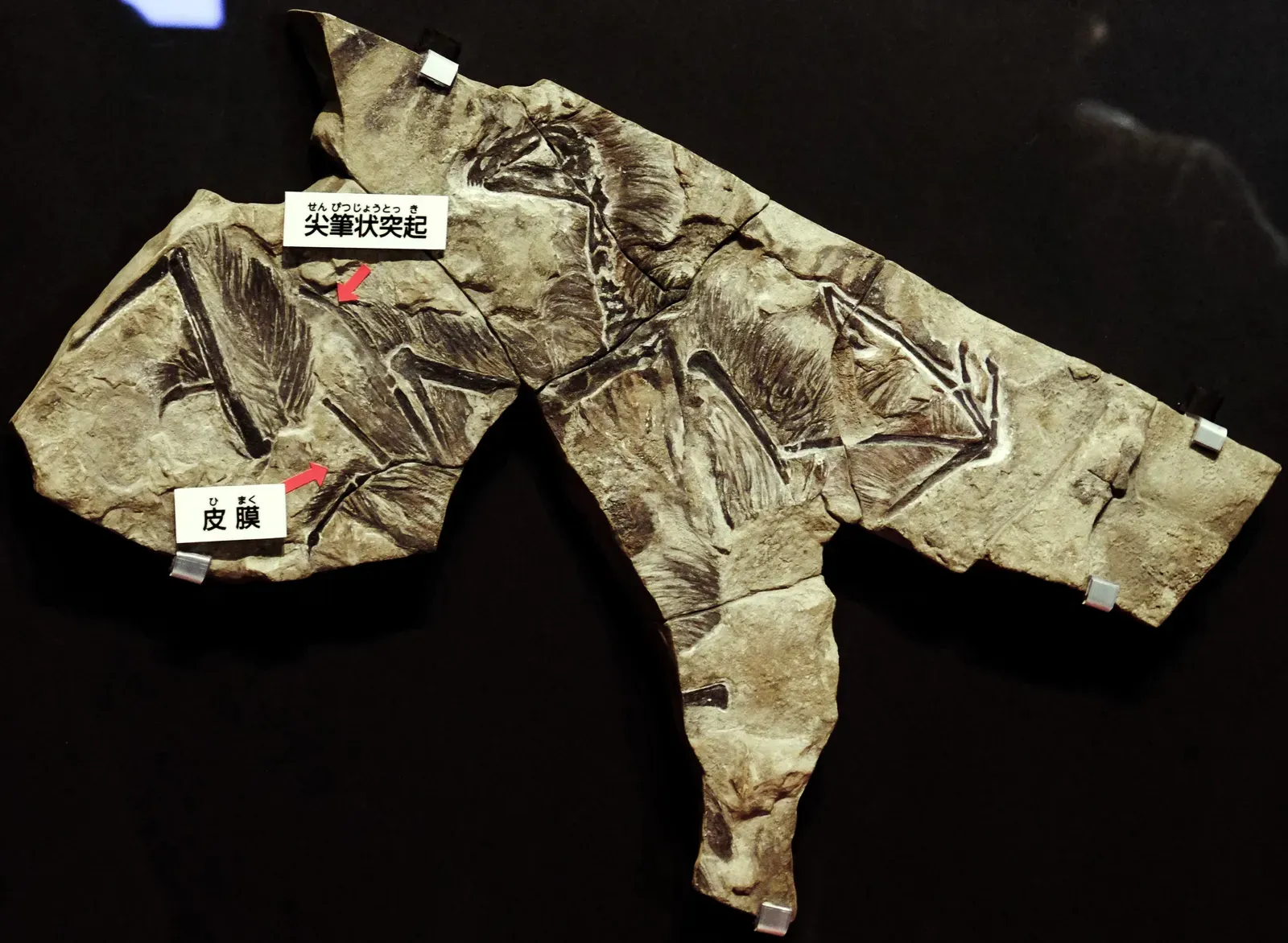
You think you understand how flight evolved in dinosaurs, and then a single fossil from China walks in and throws the whole theoretical framework out the window. Researchers in Hebei Province, China, found the remains of Yi qi, a small theropod dinosaur – regarded as unique, with remains consisting of membranous, bat-like wings supported by an elongated rod of bone extending from its wrist. Nothing like it had ever been seen among any dinosaur or prehistoric bird relative before.
Yi qi, and presumably other scansoriopterygids, possessed a type of wing unknown among any other prehistoric bird relatives – unlike other paravian dinosaurs, they seem to have replaced bird-like feathers with membranous wings, in what may have been one of many independent evolutionary experiments with flight. It is like discovering that, alongside the evolution of airplane wings, someone was quietly developing helicopter blades at the same time. Small patches of wrinkled skin were preserved between the fingers and the styliform bone, indicating the wings of Yi qi were formed by a skin membrane rather than flight feathers – the membrane stretched between the shorter fingers, the elongated third finger, and the styliform bone, giving the animal an appearance similar to modern bats, in an example of convergent evolution.
7. Soft-Shelled Dinosaur Eggs: Everything You Knew Was Wrong
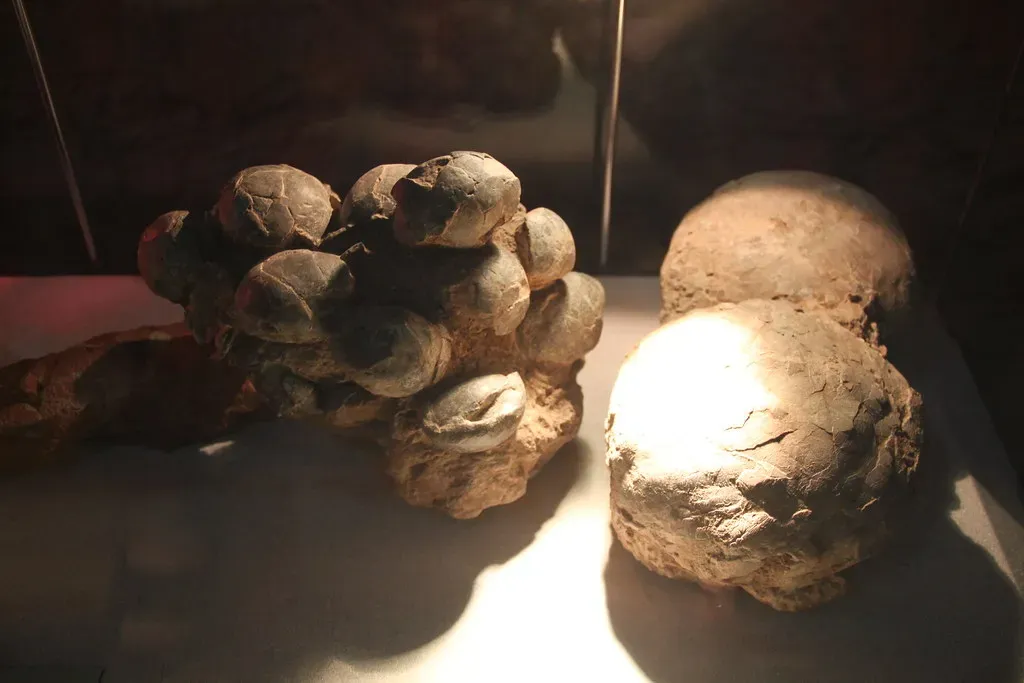
For most of modern paleontology’s history, scientists assumed that dinosaurs laid hard-shelled eggs – just like modern birds and most reptiles we know today. It seemed logical, even obvious. It was also wrong. In 2020, two research teams revealed evidence that some of the earliest dinosaur eggs – specifically those associated with Protoceratops in Mongolia and Mussaurus in Argentina – were soft-shelled rather than hard and calcified. This discovery busted the long-held assumption that dinosaurs laid hard-shelled eggs similar to modern birds, explains why early dinosaur eggs are exceedingly rare in the fossil record, and suggests that hard-shelled eggs evolved independently multiple times within dinosaur lineages, reshaping the understanding of reproductive strategies.
Soft shells decay far more readily than hard shells, which is exactly why early dinosaur eggs are so scarce. It is a bit like realizing the reason you can’t find your car keys is that they were never metal in the first place. In 1923, scientists from the American Museum of Natural History unearthed the first fossils to be widely regarded as dinosaur eggs in the Gobi Desert in Mongolia – initially thought to belong to Protoceratops, it wasn’t until the 1990s that scientists realized they more likely belonged to Oviraptor-like animals, and the discovery of eggs was the first significant insight into how dinosaurs grew and reproduced. Each new layer of discovery turns out to be another story hidden beneath the previous one.
8. Spicomellus: The Punk Rock Dinosaur That Rewrote Armor Evolution
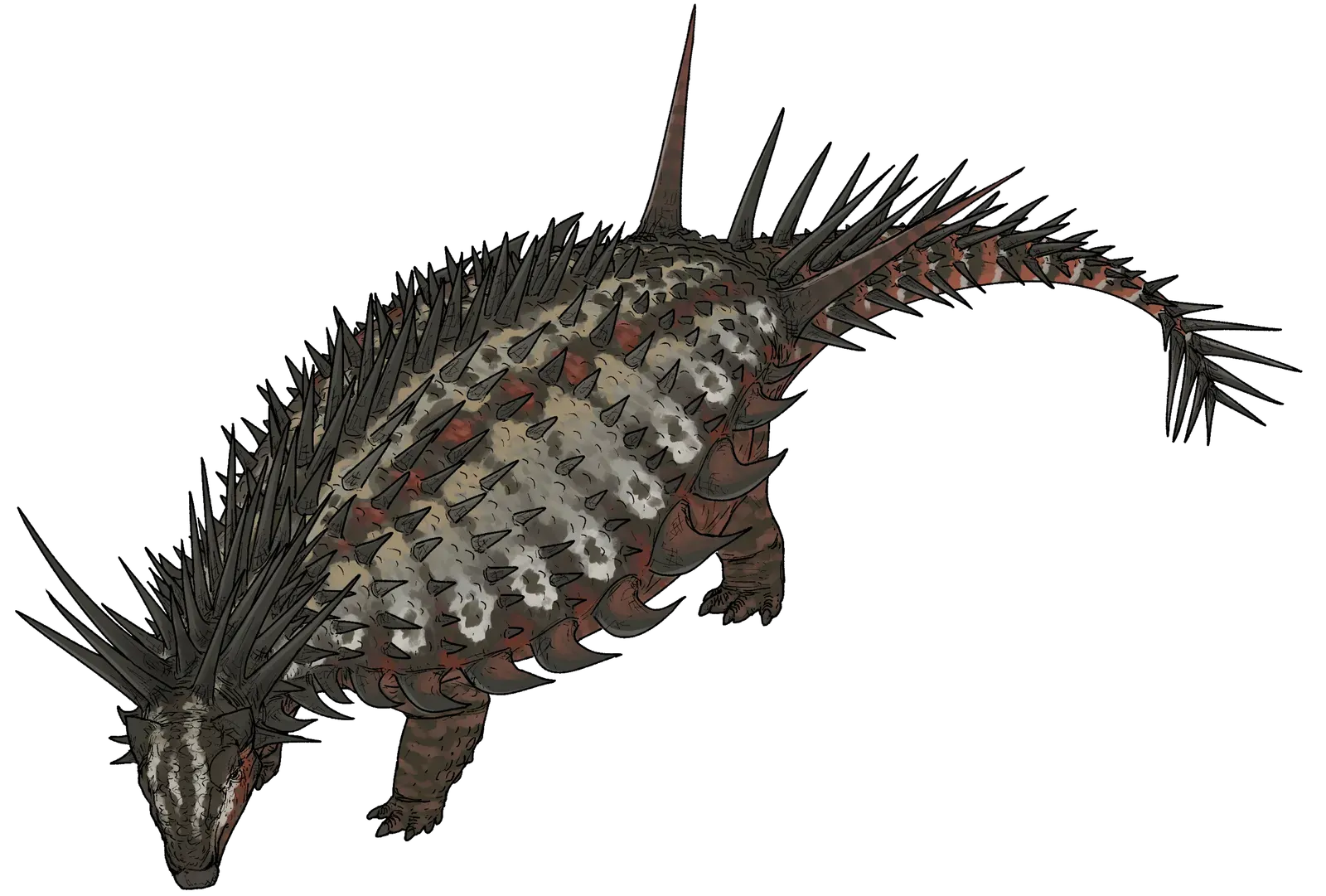
You might assume that the more ancient a creature, the simpler its biology. Spicomellus proved that assumption dangerously naive. Paleontologists published a much more complete look at Spicomellus in the journal Nature in 2025, revealing that the armored dinosaur was more than 165 million years old and yet had large spikes and a tail club normally associated with ankylosaurs that lived tens of millions of years later – the dinosaur’s anatomy demonstrated that ankylosaurs evolved extremely spiky armor very early in their history, which was apparently lost or modified, only to later converge on a similar array of armor in the Cretaceous.
The new fossils showed that Spicomellus is the oldest known member of the ankylosaurs, heavily armored, low and squat plant-eaters – characterized by bizarre armor bristling with long spines all over the body, including a bony collar around the neck with spines the length of golf clubs sticking out of it. Dubbed the “punk rock dinosaur” by the BBC, Spicomellus is changing our understanding of ankylosaur evolution while highlighting the importance of the Moroccan fossil record. Honestly, this one makes you wonder how many other evolutionary narratives are quietly waiting to be dismantled by the next shovel that hits rock.
9. Haolong dongi: The Dinosaur With Hollow Porcupine-Like Spikes
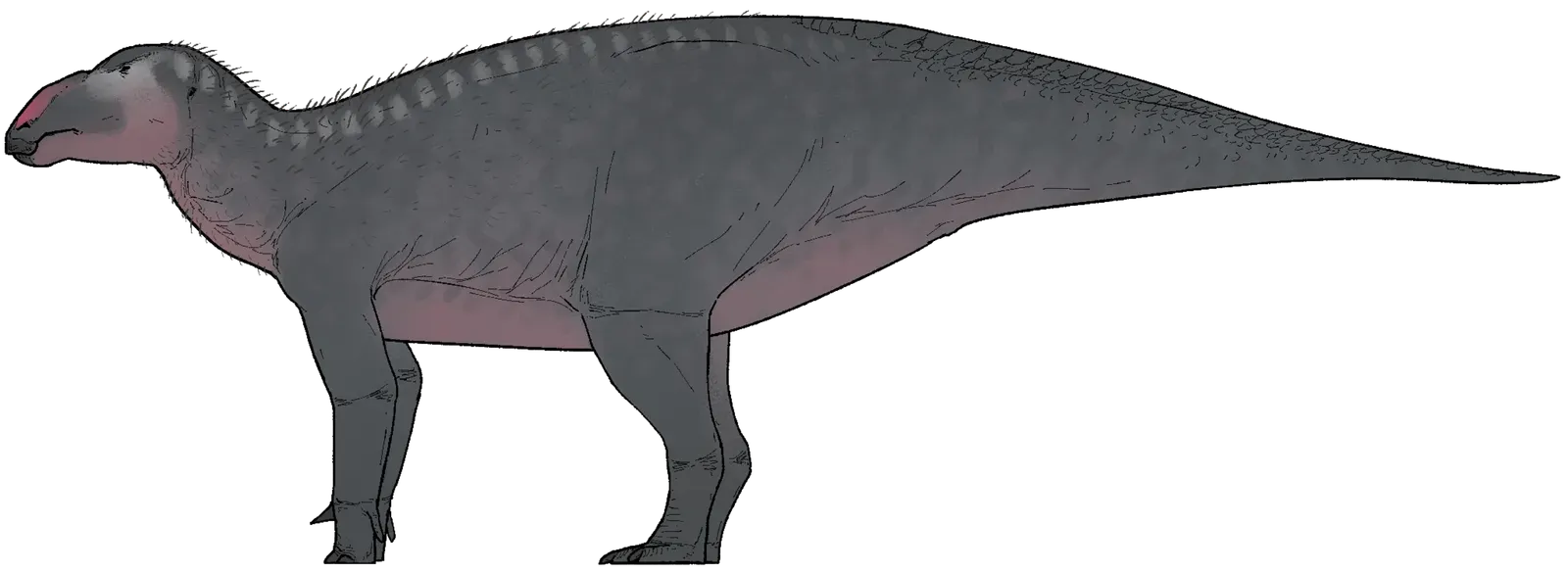
Just when paleontology thought it had catalogued every possible body covering a dinosaur could have, a 125-million-year-old juvenile from China arrived in early 2026 with something no one had ever documented. A 125-million-year-old dinosaur just rewrote what we thought we knew about prehistoric life – scientists in China uncovered an exceptionally preserved juvenile iguanodontian with fossilized skin so detailed that individual cells are still visible, and even more astonishingly, the plant-eating dinosaur was covered in hollow, porcupine-like spikes – structures never before documented in any dinosaur.
Researchers suggest the spikes could also have helped regulate body temperature, a process known as thermoregulation, since structures that increase surface area can assist with releasing or conserving heat – and another possibility is that the spikes had a sensory role, helping the dinosaur detect movement or environmental changes around it. The findings, published in Nature Ecology & Evolution on February 6, 2026, introduce an entirely new feature to the known diversity of dinosaur anatomy. We are in the year 2026, and dinosaur science is still producing revelations that make scientists’ jaws drop.
10. Patagotitan mayorum: The Fossil That Redefined “Giant”
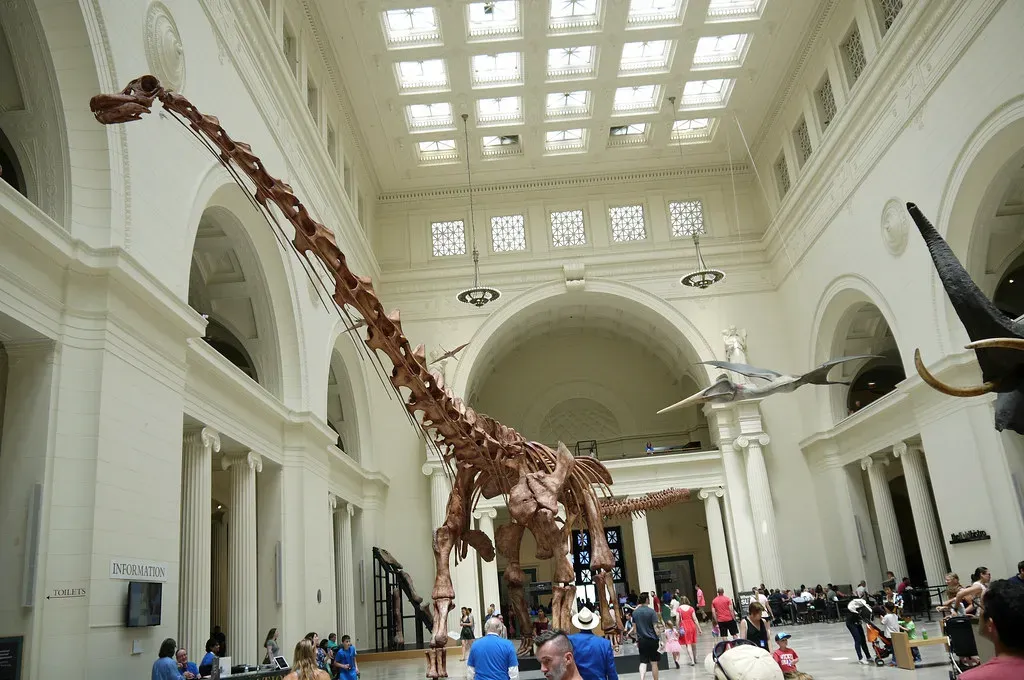
There is big, and then there is Patagotitan big. Science has always known sauropods were enormous, but this titanosaur from Argentina forced researchers to fundamentally rethink what the upper limit of land animal size could possibly be. The current frontrunner for the world’s largest dinosaur is Patagotitan – found in 2008 and named in 2017, this enormous herbivore belonged to a dinosaur subgroup called titanosaurs, and many were giants, but Patagotitan was among the largest of all, with size estimates exceeding 120 feet and more than 75 tons.
The exceptional completeness of the fossilized skeletal remains enabled scientists to reconstruct how titanosaurs supported their immense bulk and how these giants evolved in South America – and this discovery has served as a cornerstone of understanding sauropod diversity, growth, and biomechanics. Think about it this way: if you parked a modern African elephant next to Patagotitan, the titanosaur would barely notice. Gigantic, four-legged, long-necked, plant-eating sauropod dinosaurs of the Jurassic and Cretaceous periods were the largest animals to ever walk the Earth, weighing up to 70 tonnes – the equivalent of twelve African elephants. Patagotitan didn’t just challenge the science of dinosaurs; it challenged the physics of what life on land is even capable of achieving.
Conclusion: The Ground Beneath Your Feet Is Still Full of Surprises
What strikes you most, looking across all ten of these discoveries, is how consistently they prove that confidence in paleontology is a temporary condition. Every answer generates ten new questions. Dinosaurs had bat-like wings. They were caring parents. They had hollow porcupine spikes. They camouflaged themselves despite wearing armor. They laid soft-shelled eggs. Each of these revelations once seemed impossible, right up until the moment a fossil made it undeniable.
Around 1,400 dinosaur species are now known from more than 90 countries, with the rate of discovery accelerating in the last two decades – and the year 2025 alone saw the discovery of nearly 44 new dinosaur species, nearly one a week. The Mesozoic era is still talking to us, one fossil at a time. The real question is not what we have already found – it is what the next dig site is quietly waiting to tell us. What would you have guessed was still down there?