Imagine the largest creatures to ever walk the surface of this planet. Not whales, not elephants, but land-dwelling giants so massive that the ground itself must have trembled with each step. Sauropod dinosaurs have fascinated scientists and curious minds for well over a century, yet something as basic as what they actually ate had remained frustratingly out of reach, at least directly. All we had were teeth, bones, neck shapes, and a mountain of educated guessing.
That changed in a big way. A landmark discovery has now delivered something paleontologists had never once laid eyes on before: the actual preserved gut contents of a sauropod. What was found inside tells a story that is equal parts confirmation and surprise. Buckle up, because what you are about to read rewrites a piece of dinosaur history.
The Discovery That Changed Everything: A Prehistoric Stomach Fossil
In the summer of 2017, staff and volunteers at the Australian Age of Dinosaurs Museum of Natural History were excavating a relatively complete subadult skeleton of the sauropod Diamantinasaurus matildae from the mid-Cretaceous period, found in the Winton Formation of Queensland, Australia. Nobody expected what they were about to find hiding within the rock.
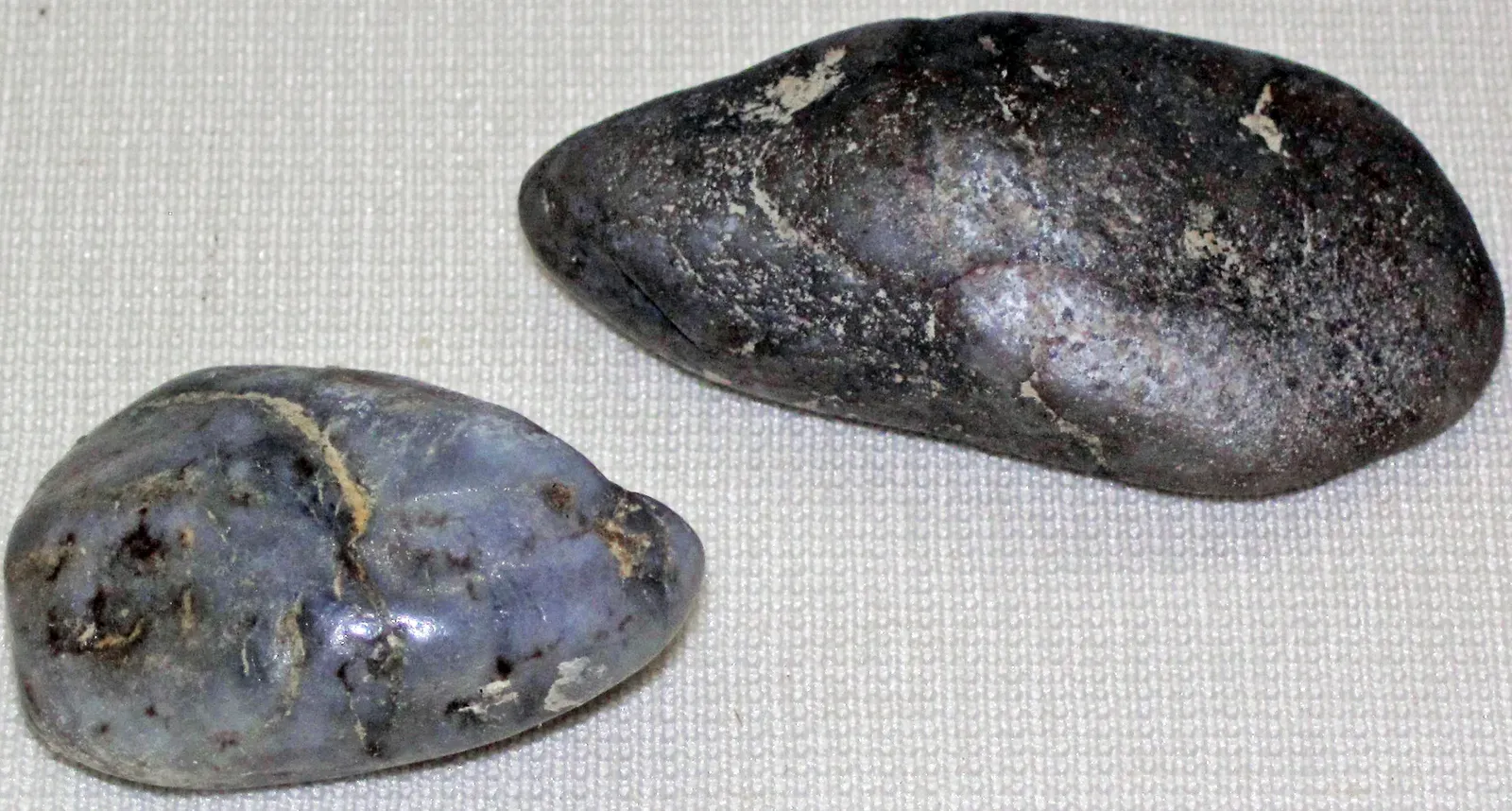
During this process, they noticed an unusual, fractured rock layer that appeared to contain the sauropod’s cololite, which consisted of many well-preserved plant fossils. Think of it like cracking open a rock and finding an ancient creature’s last lunch, perfectly preserved for roughly 100 million years. It is, honestly, one of the most mind-bending things to come out of modern paleontology.
No genuine sauropod gut contents had ever been found anywhere before, despite sauropods being known from fossils found on every continent and despite the group being known to span at least 130 million years of time. The sheer rarity of this find cannot be overstated. It is like finding a needle in a geological haystack the size of a continent.
Meet Diamantinasaurus Matildae: The Giant With a Story to Tell
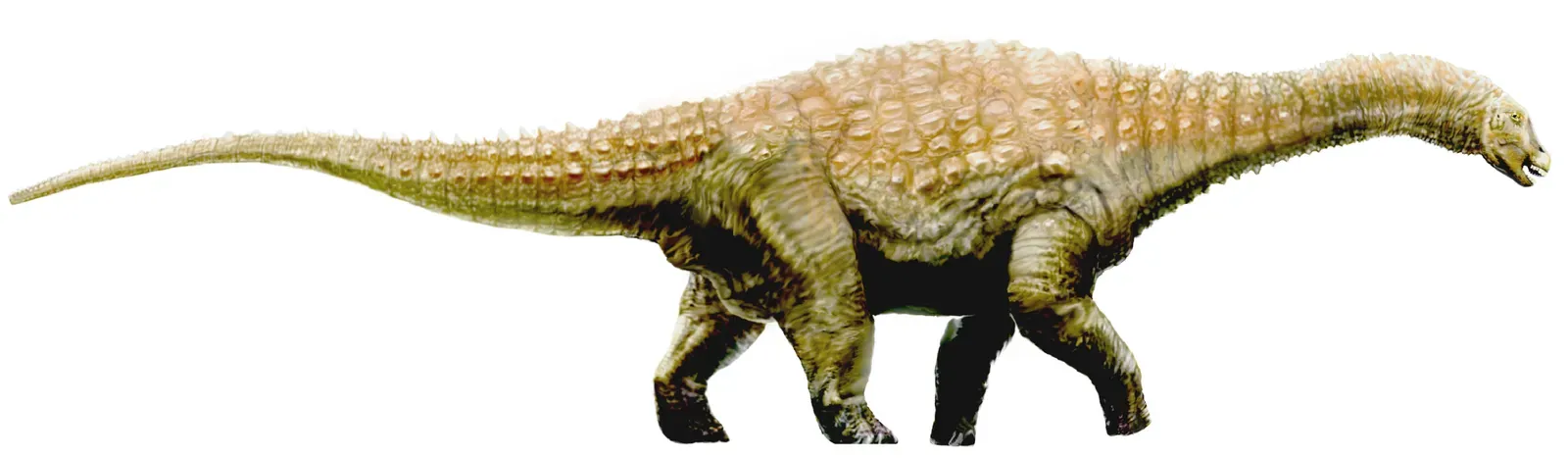
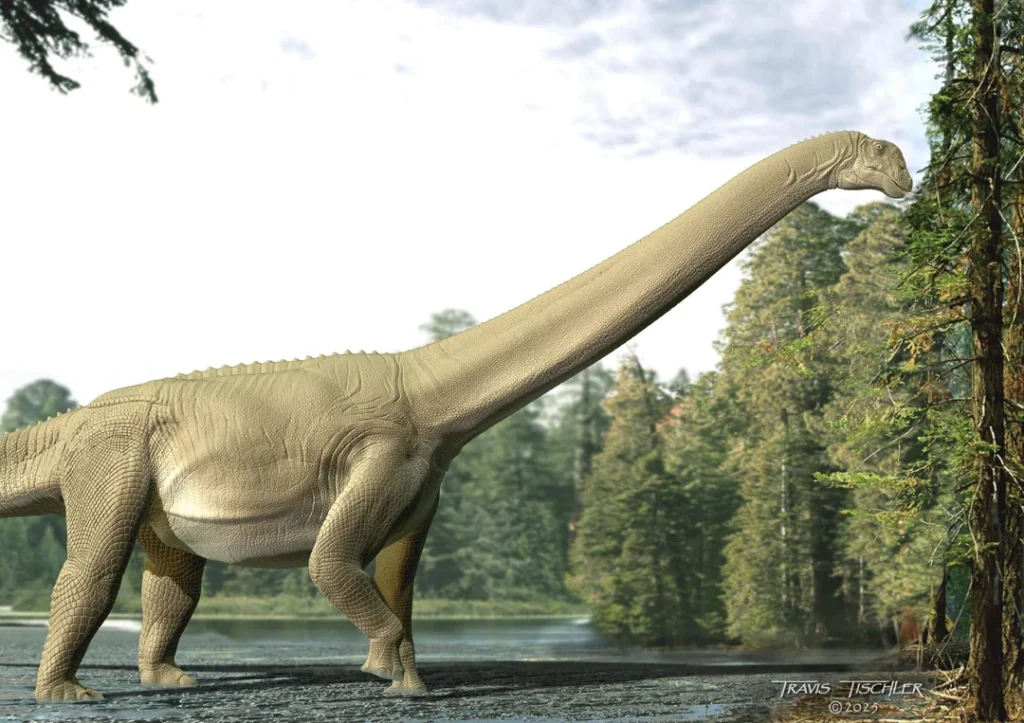
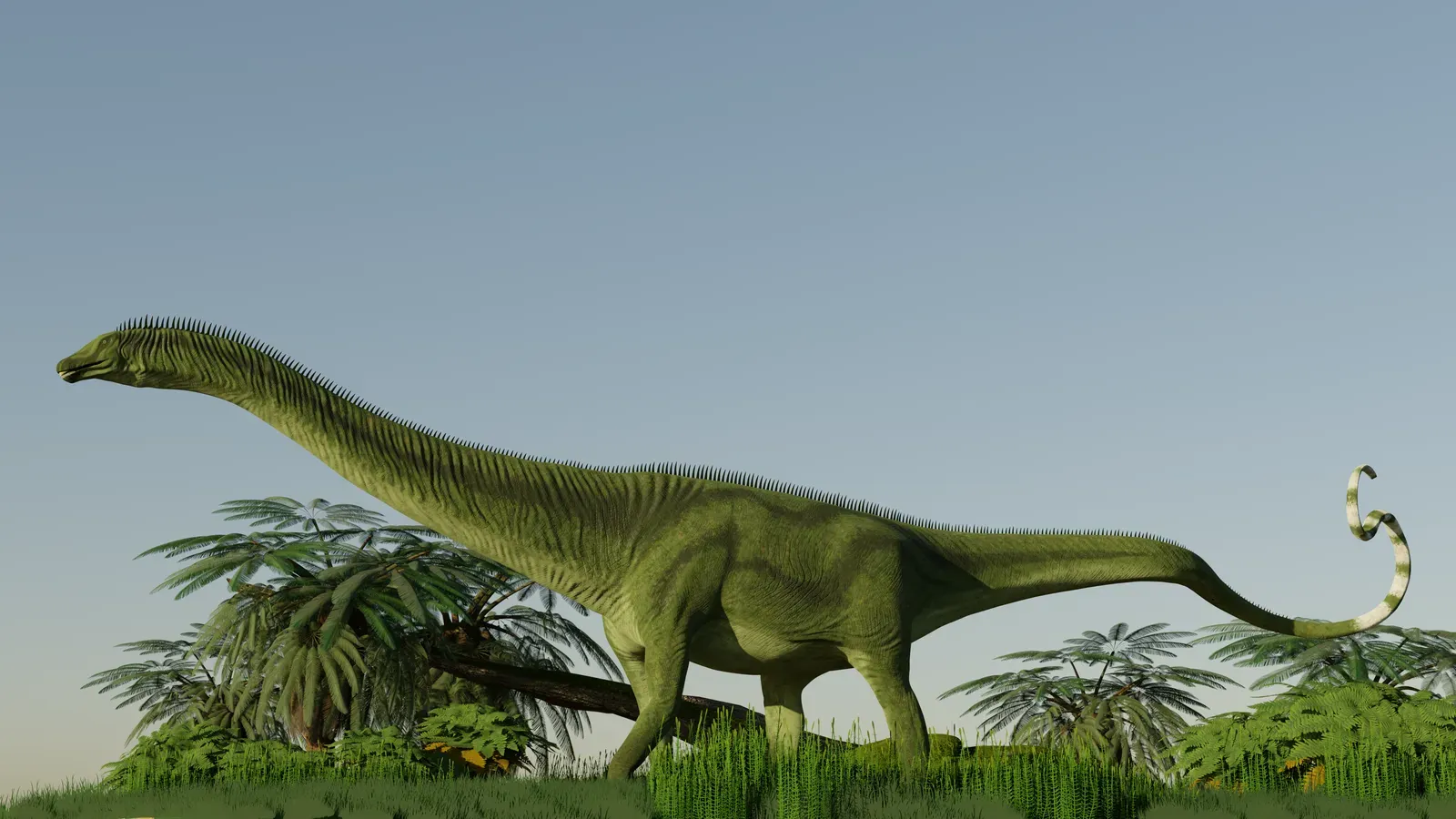
The dinosaur in question, Diamantinasaurus matildae, lived between 94 and 101 million years ago, and its fossilized gut contents offer an extraordinary glimpse into the feeding behavior of one of Earth’s most colossal creatures. The team affectionately nicknamed the specimen “Judy,” after Judy Elliott, the co-founder of the Australian Age of Dinosaurs Museum.
The gut contents, called cololites, were found inside the remains of a 36-foot-long juvenile Diamantinasaurus matildae. That is about the length of a city bus, and this was not even a fully grown adult. Much of the dinosaur’s body was well-preserved, and a layer of fossilized skin was still intact. That layer of skin turned out to be crucial in confirming that the plant material inside was genuinely part of the animal’s gut, not just random debris mixed into the surrounding rock.
Researchers describe the cololite associated with Diamantinasaurus matildae from the mid-Cretaceous Winton Formation of Queensland, Australia, hosted within an indurated rock layer, localized to the abdominal region, and closely and consistently associated with a layer of mineralized skin. In science terms, that sealed the deal. This was the real thing.
What Was Actually Inside? The Menu of a Mesozoic Giant
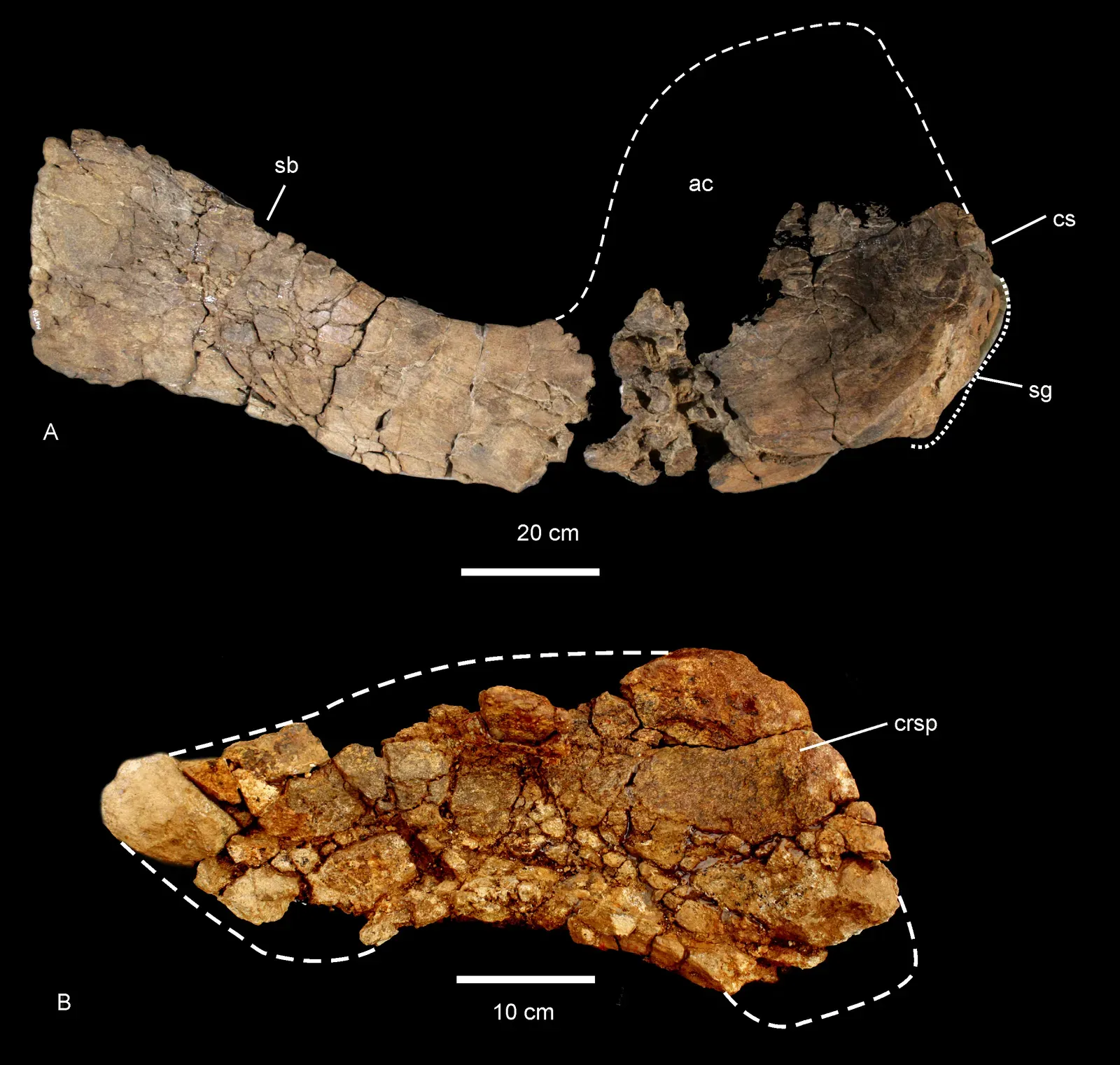
The cololite consisted of a variety of plants, including foliage from conifers, seed-fern fruiting bodies, and leaves from angiosperms, indicating that Diamantinasaurus was an indiscriminate, bulk feeder. Picture a buffet where you just pile everything onto your plate without much fuss. That seems to be exactly what this giant was doing.
Conifer pinnules, angiosperm leaves, and seed-fern fruiting bodies are preserved within, as are chemical biomarkers consistent with gymnosperms and angiosperms. The fact that chemical biomarkers were also found alongside the physical plant remains adds another layer of confidence to these findings. It was not just one line of evidence but several converging at once.
The prevalence of small shoots, bracts, and seed pods in the cololite implies that subadult Diamantinasaurus targeted new growth portions of conifers and seed ferns, which are easier to digest. Young, tender plant material. Honestly, you can almost imagine the dinosaur choosing the freshest, softest growth available, not unlike the way modern browsers prefer new leaves over tough old bark.
They Barely Chewed Their Food: A Shocking Revelation
Analysis of the plant specimens within the cololite showed that sauropods likely only engaged in minimal oral processing of their food, relying instead on fermentation and their gut microbiota for digestion. Let that sink in for a moment. These were creatures the size of small buildings, and they essentially swallowed their meals nearly whole.
Microscopic inspection revealed that the sauropod had snapped, not shredded, most plant fragments. As one researcher noted, the plants show evidence of having been severed, possibly bitten, but have not been chewed, supporting the hypothesis of bulk feeding in sauropods. It is a bit like a person biting off a chunk of food and just swallowing it, trusting the stomach to sort everything out. Only the stomach in this case was likely enormous.
These dinosaurs likely swallowed mouthfuls whole, letting fermentation chambers and resident microbes break down the cellulose. Sauropod dinosaurs possibly compensated for their limited oral processing and gastric trituration capabilities by greatly increasing food retention time in the digestive system. In other words, what they lacked in chewing ability, they made up for in gut power and patience.
Flowering Plants on the Menu: An Adaptation Nobody Expected
Here is where things get genuinely surprising, even to the scientists involved. Although it was not unexpected that the gut contents provided support for sauropod herbivory and bulk feeding, researchers were surprised to find angiosperms in the dinosaur’s gut. Angiosperms became approximately as diverse as conifers in Australia around 100 to 95 million years ago, when this sauropod was alive.
This suggests that sauropods had successfully adapted to eat flowering plants within 40 million years of the first evidence of the presence of these plants in the fossil record. Forty million years might sound like a long time to us, but in the grand sweep of evolution, that is actually rather quick. It tells you something remarkable about the dietary flexibility these animals possessed.
The inclusion of angiosperms in the diet of sauropods further strengthens the idea that these dinosaurs were able to take advantage of a variety of plant species, adapting to the changing environments over millions of years. This ability to feed on both conifers and flowering plants likely played a key role in their ecological success and longevity as a clade, enabling them to thrive in various ecosystems during the Jurassic and Cretaceous periods. Generalists, in other words, not picky eaters.
From Treetops to Ground Level: How Browsing Height Changed With Age
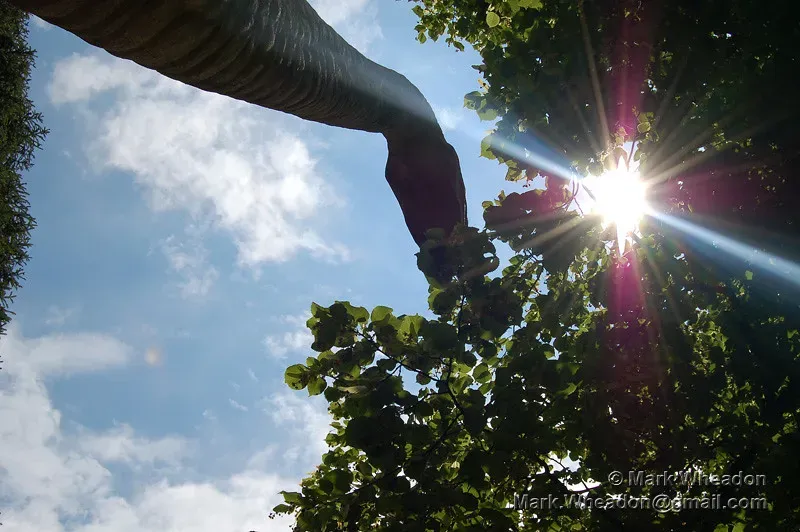
Based on these findings, the team suggests that Diamantinasaurus likely fed on both low- and high-growing plants, at least before adulthood. As hatchlings, sauropods could only access plants found close to the ground, but as they grew, so did their viable dietary options. It is a straightforward idea, but one that carries interesting implications for how juvenile and adult sauropods interacted with their environment.
Mixed-level browsing is implied by the presence of conifers at higher levels and angiosperms at lower levels within the gut contents. This blending of plant material from different height levels in a single specimen is a small but meaningful detail. It tells you that even this subadult individual was already flexing between different feeding zones rather than sticking to just one.
Fossil evidence has indicated some sauropod species traveled in segregated herds, with juveniles and adults traveling in their own separate groups. Current resource partitioning theories have suggested that this behavior was in response to adult and juvenile sauropods expressing different feeding strategies. So age and size were not just biological facts for these animals. They were feeding strategies in themselves.
Teeth That Told Half the Story: What Anatomy Already Hinted At
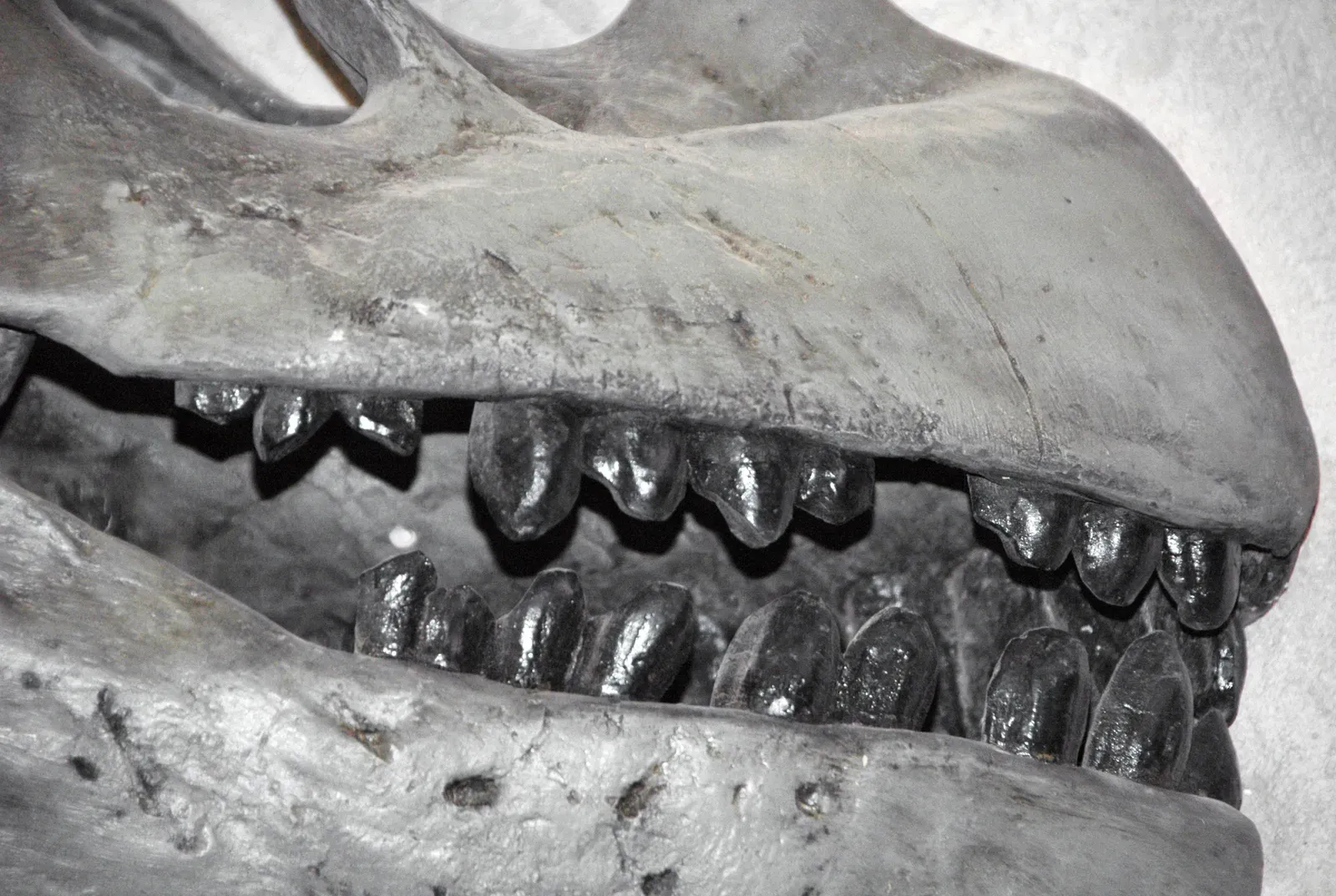
Exceptionally simple, rapidly replaced teeth in sauropod dinosaurs demonstrate a novel evolutionary strategy for herbivory in Late Jurassic ecosystems. This is fascinating when you compare sauropods to virtually every other herbivore we know. Most plant eaters develop complex, ridged teeth designed to grind vegetation into paste.
While meat-eating dinosaurs had sharp simple teeth expected for carnivores, and ornithischians had the more complex teeth similar to herbivores living today, sauropods had very simple teeth, unlike any other known herbivores extinct or living. In sauropods, the more complex the tooth, the more slowly teeth were replaced, a correlation that demonstrates that tooth replacement rate is related to tooth complexity, unlike any other known animals. This is genuinely unique in the entire history of life on Earth, as far as we know.
Unlike any other plant-eating animals living or extinct, sauropods relied on quickly replacing their teeth to keep the salad flowing. Due to this lack of direct evidence when it comes to diet, the specifics of sauropod herbivory, including the plant taxa they ate, had been largely inferred based on anatomical features such as tooth wear, jaw morphology, and neck length. Now, at last, those anatomical inferences have something real to lean against.
The Ecological Impact: How These Giants Shaped Ancient Landscapes
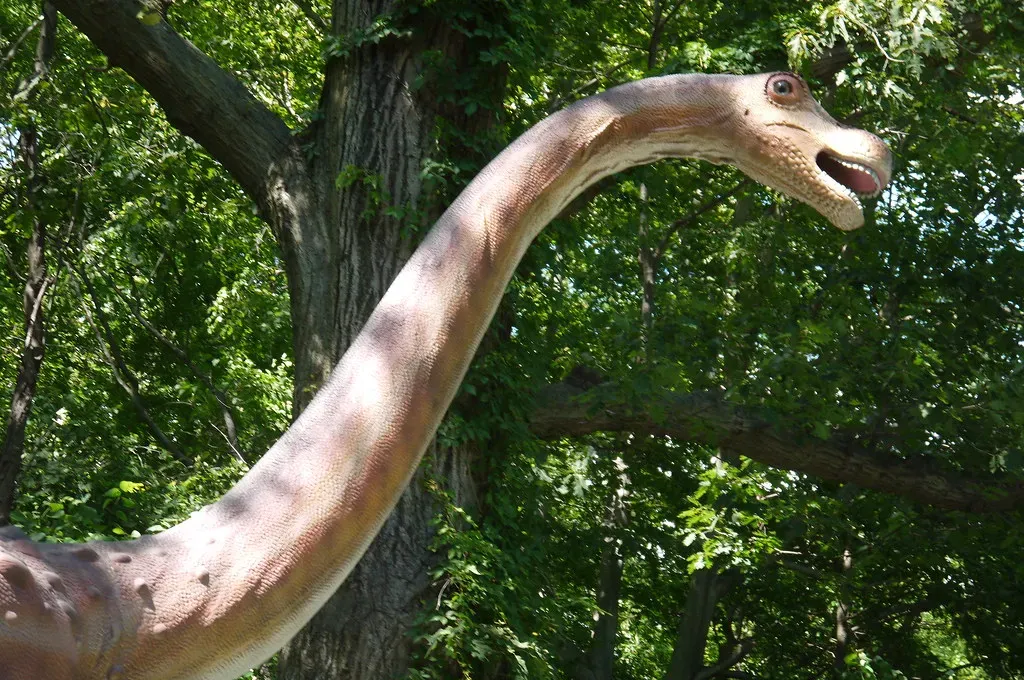
The findings not only reveal details about the sauropod diet but also suggest the enormous ecological influence these dinosaurs must have had during the Mesozoic era. With their massive size and indiscriminate feeding habits, sauropods would have had a significant impact on the plant life around them. Think about what a herd of these animals would do to a forest. The scale of disruption, and regeneration, must have been extraordinary.
The longevity of the clade Sauropoda was underpinned by the persistence through time of generalist feeders like Diamantinasaurus that were capable of feeding at a range of heights on a variety of different plant species. Being a generalist is an underappreciated survival strategy. When your environment changes, you do not starve, you simply switch to whatever is available.
By gulping vast quantities of whatever greenery was available and outsourcing digestion to microbial partners, these giants could fuel bodies the size of whales on land. Understanding that strategy not only illuminates dinosaur biology but also helps reconstruct the plant communities and nutrient cycles of ancient Earth. Their feeding behavior, it turns out, was a cornerstone of entire ecosystems across continents and millions of years.
The Limits of One Fossil: What We Still Do Not Know
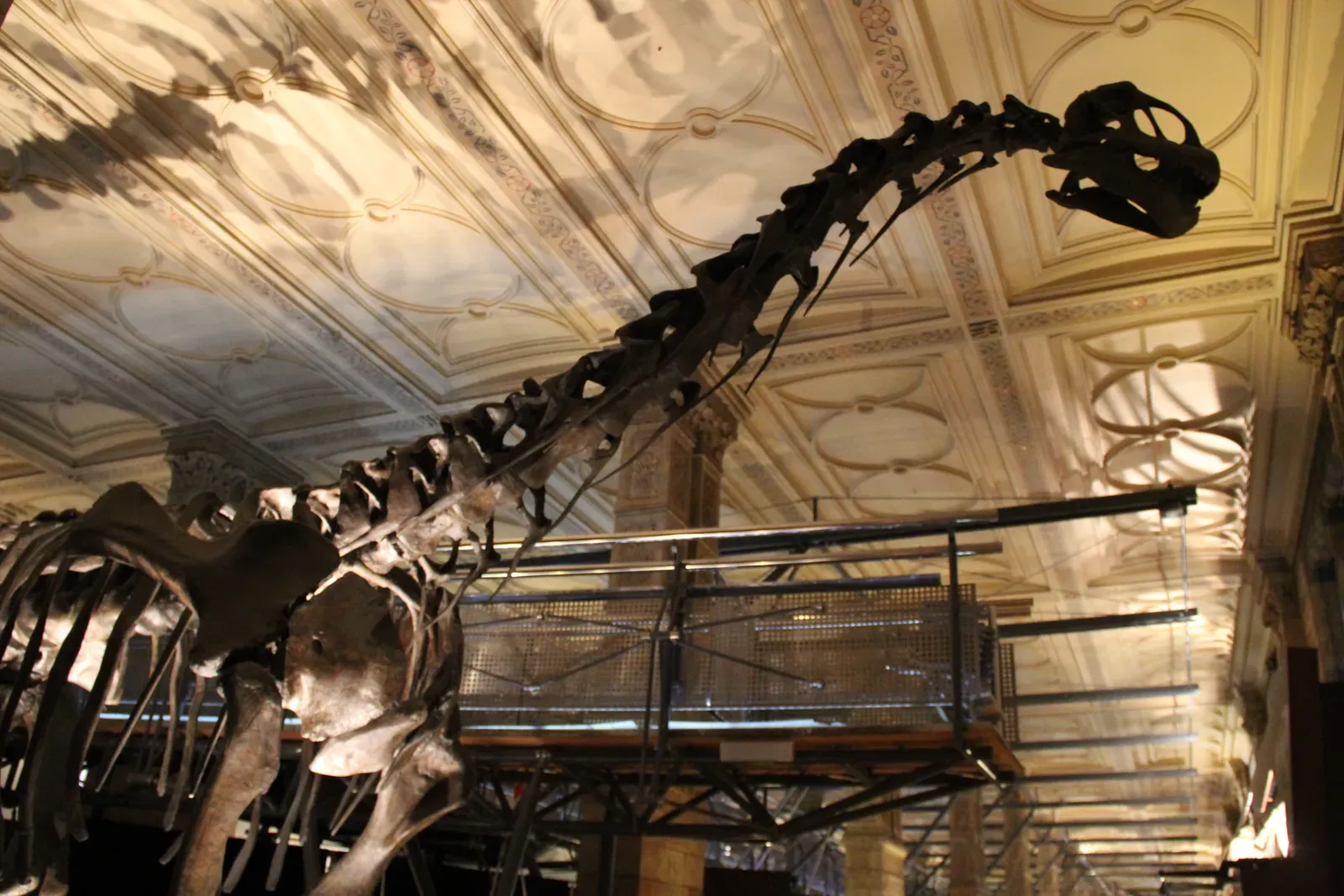
Despite the importance of these findings, the authors caution that the study is based on the gut contents of a single subadult sauropod. The primary limitation is that the gut contents constitute a single data point and only tell us about the last meal or several meals of a single subadult sauropod individual. It is a humbling reminder that even the most exciting discoveries come with caveats.
The snapshot captures only the last few meals of one individual and may not represent typical diets, seasonal shifts, or adult feeding habits. One data point, as tantalizing as it is, cannot tell you what sauropods ate in different seasons, in different climates, or across their full 130-million-year reign. I think of it like judging a person’s entire lifetime of eating habits based on what they happened to eat for lunch on one Tuesday.
Further studies will be necessary to explore the dietary habits of sauropods across different ages and environmental conditions. The team hopes further excavations in the Winton Formation and other Cretaceous sites will yield additional cololites to broaden the picture. There is every reason to be optimistic. The fact that one cololite was found at all suggests others could be out there, waiting in the rock.
Conclusion: A Window Into Deep Time
What this discovery ultimately gives you is something rare and irreplaceable: a direct connection to a moment that happened nearly 100 million years ago, the moment a massive dinosaur took its last few meals. Everything that researchers had pieced together through teeth, jaw shapes, isotopes, and neck angles turned out to be largely correct. Sauropods were indeed generalist herbivores, bulk feeders who swept through landscapes consuming whatever plant life came within reach.
Yet the surprises were real too. The flowering plants in that gut, the minimal chewing, the reliance on microbial fermentation rather than teeth to power digestion, these are details that add extraordinary texture to what was once a flat portrait. Science rarely gives you a perfect answer in one fossil. What it gives you instead is a better question, and this one is a great question.
The next sauropod gut fossil could be sitting in a hillside somewhere in Australia, South America, or even Africa right now, just waiting for the right team with the right tools to find it. What do you think they will discover next?