Imagine standing in a lush Australian rainforest, watching a cassowary stalk through ancient ferns, while on the other side of the planet a rhea trots across the South American pampas. These two birds have never met. Their continents haven’t shared land in tens of millions of years. Yet both carry the unmistakable biological fingerprint of a single, colossal ancient world. That world was Gondwana.
It’s one of the most mind-bending stories in natural history. A supercontinent so vast and so old that its biological shadow still stretches across half the globe, shaping the wildlife you see today in ways that most people never stop to consider. From the marsupials bouncing across Australia to the towering beech trees of New Zealand, Gondwana never truly disappeared. It just changed form. Let’s dive in.
The Giant That Shaped the World: What Gondwana Actually Was
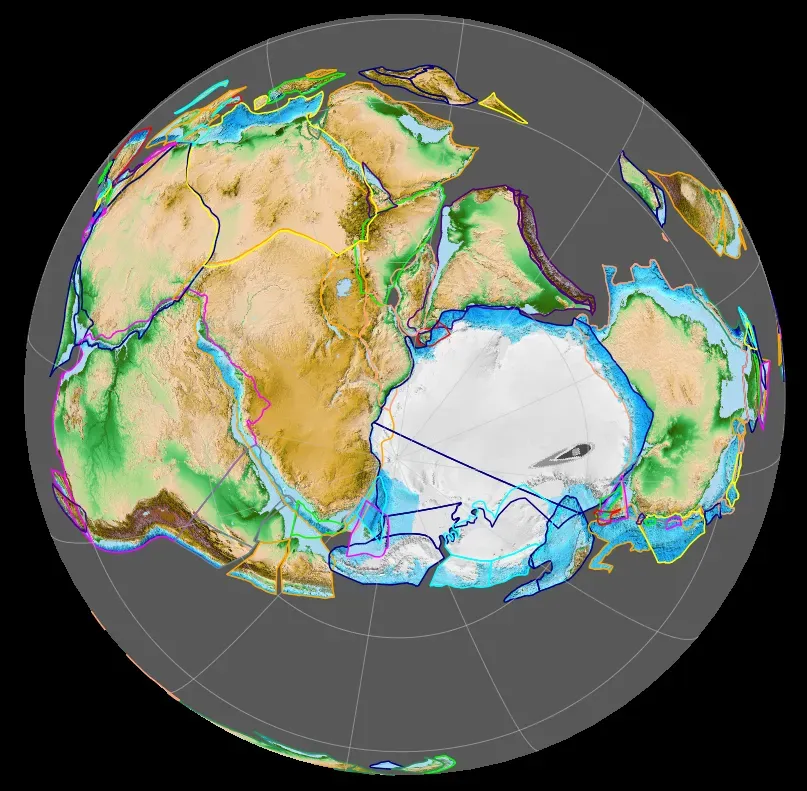
You might be surprised to learn just how ancient and enormous Gondwana really was. Gondwana was formed during the Ediacaran Period, by about 550 to 530 million years ago, as a result of the collision of several ancient continents – and this was also the time when the first signs of complex animal life began to appear in the fossil record. Think about that for a moment. When life was just beginning to get complicated on Earth, it was doing so on a single, unified southern landmass.
In the Southern Hemisphere, this massive landmass extended from the South Pole all the way to the equator. There were no oceans separating South America, Africa, Australia, Antarctica, and India. They were all merged in a single supercontinent that scientists named Gondwanaland, or simply Gondwana. If you could stand on that ancient ground, you’d essentially be standing everywhere at once. The scale of it is almost impossible to wrap your head around.
The Great Breakup: A Slow-Motion Catastrophe That Changed Everything

Here’s where things get truly dramatic. Gondwana began to break up during the Jurassic period, about 180 million years ago, and eventually separated into the continents we know today. This breakup had a significant impact on the movement and formation of the continents, as well as on the evolution of life on Earth. It wasn’t a violent explosion, it was more like a slow divorce between landmasses – playing out over tens of millions of years.
The fragmentation began at the junction between Africa, South America, and Antarctica. It is believed that the first stage involved massive eruptions resulting in flood basalts covering vast areas of southern Africa and Antarctica. As part of this process, smaller blocks of land, including the Falkland Islands, the Antarctic Peninsula, and Zealandia, rifted away from Africa and South America. Every crack in the land was also a crack in the biological community. Species that had once shared territory were suddenly being carried apart on drifting plates, like passengers on very slow ships with no return tickets.
The Origin of Mammals: Gondwana’s Most Stunning Surprise
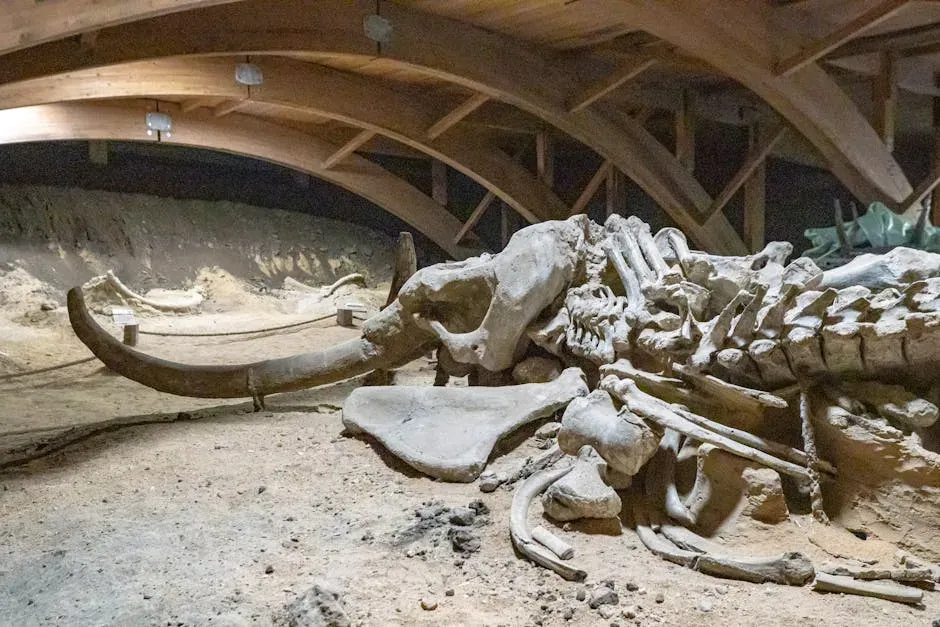
Let’s be real – most people assume that mammals evolved in the Northern Hemisphere. It just seems logical, given that’s where so much mammal diversity lives today. But science has a habit of overturning assumptions. Research published in 2022 suggested that mammals may have evolved in Gondwana, the southern landmass formed from the supercontinent Pangaea, rather than its northern counterpart Laurasia. Researchers studied the molars of fossils found in Madagascar, South America, and India to come to this conclusion. This finding was genuinely earth-shaking for paleontology.
Researchers dated the fossils and found them to be around 50 million years older than similar remains found in the Northern Hemisphere. These findings had turned 200 years of thinking on its head. All this time, it had been believed that placentals and marsupials had originated in the Northern Hemisphere. Honestly, I find this one of the most thrilling reversals in modern science. The very cradle of mammalian life may have been the ancient south, not the north as assumed for two centuries.
Marsupials: Living Proof of Gondwana’s Migration Routes
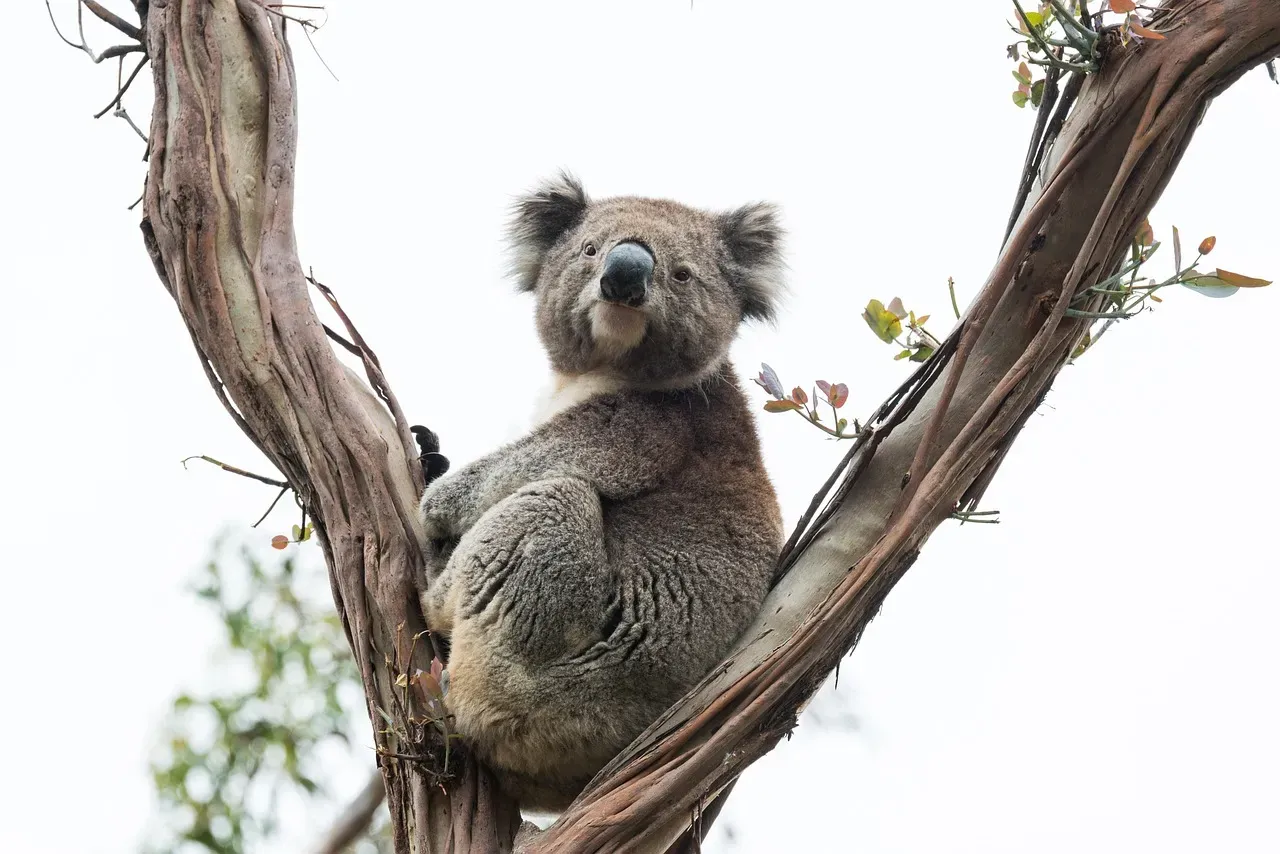
You’ve probably seen a kangaroo or a koala and thought of Australia. But the marsupial story is far more complex and far more connected to Gondwana’s breakup than you might imagine. DNA evidence supports a South American origin for marsupials, with Australian marsupials arising from a single Gondwanan migration of marsupials from South America, across the Antarctic land bridge, to Australia. In other words, your average wallaby has South American roots – it just took an unimaginably long Antarctic detour to get there.
Extant marsupials encompass many species, including kangaroos, koalas, opossums, possums, Tasmanian devils, wombats, wallabies, and bandicoots. The evolutionary split between placentals and marsupials occurred roughly 125 to 160 million years ago in the Middle Jurassic to Early Cretaceous period, and presently, close to 70% of the 334 extant marsupial species are concentrated in Australia. That concentration is not a coincidence. It’s a direct consequence of isolation following Gondwana’s breakup, which turned Australia into one of the most extraordinary mammal sanctuaries on the planet.
Flightless Birds: Gondwana’s Feathered Puzzle
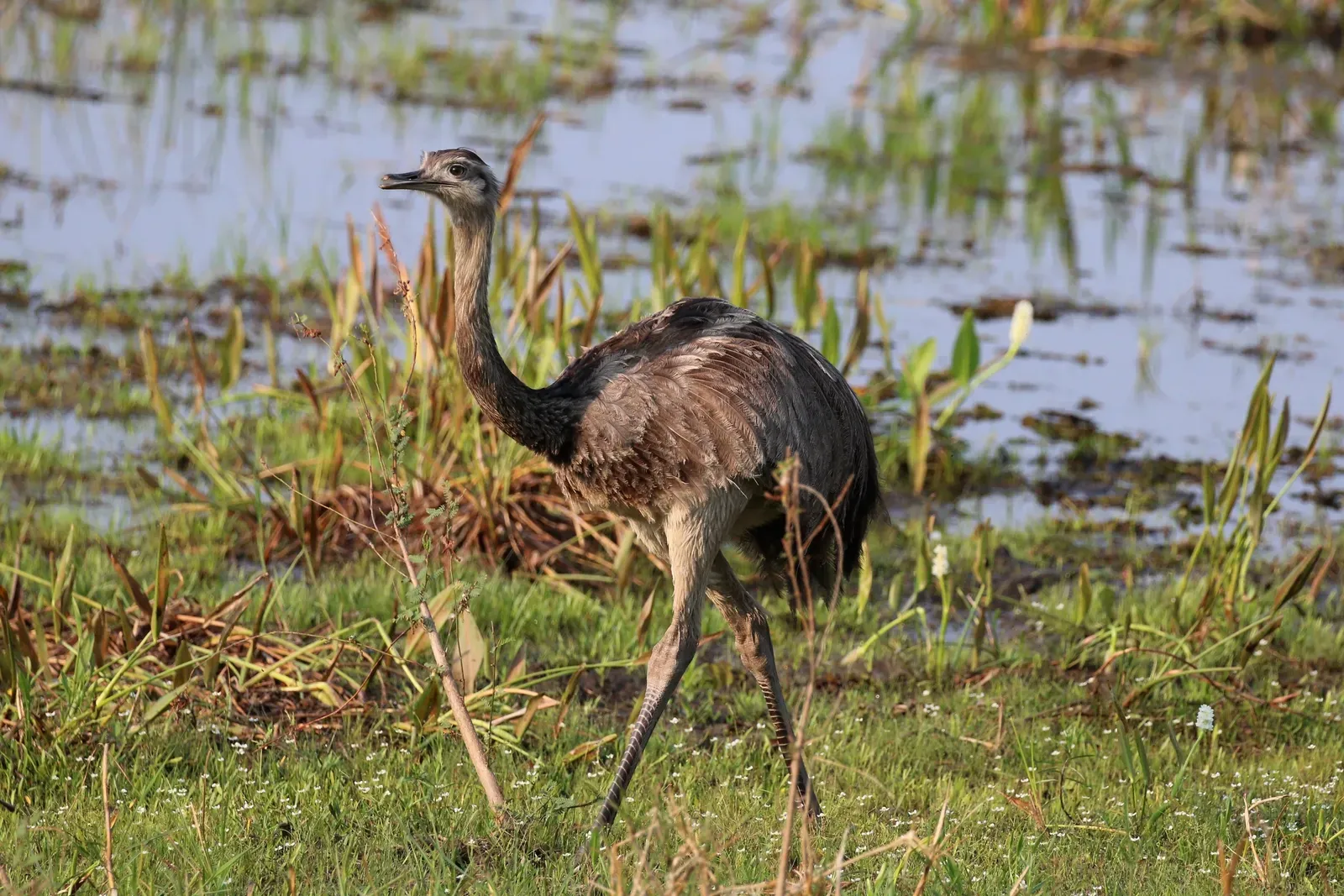
Few wildlife stories are as captivating – or as scientifically debated – as the tale of the ratites. Ratites, including ostriches, emus, rheas, cassowaries, and kiwis, are large, flightless birds that have long fascinated biologists. Their current distribution on isolated southern land masses is believed to reflect the breakup of the paleocontinent of Gondwana. The logic seems so tidy. You could almost draw a line from each bird back to its ancient Gondwanan homeland, like dots on a very old map.
Yet the full picture is messier and more wonderful. Flightlessness appears to be a trait that evolved independently multiple times in different ratite lineages. Most parts of the former supercontinent Gondwana have ratites, or did until the fairly recent past. Scientists speculate that once dinosaurs and other large animals went extinct, small birds like the ratite ancestors could evolve into new, big species without competition. Getting big and fast, however, meant sacrificing the ability to fly. Evolution’s logic is ruthlessly practical that way. Once you don’t need wings, nature slowly takes them away.
Ancient Forests Still Standing: Gondwana’s Living Botanical Museums
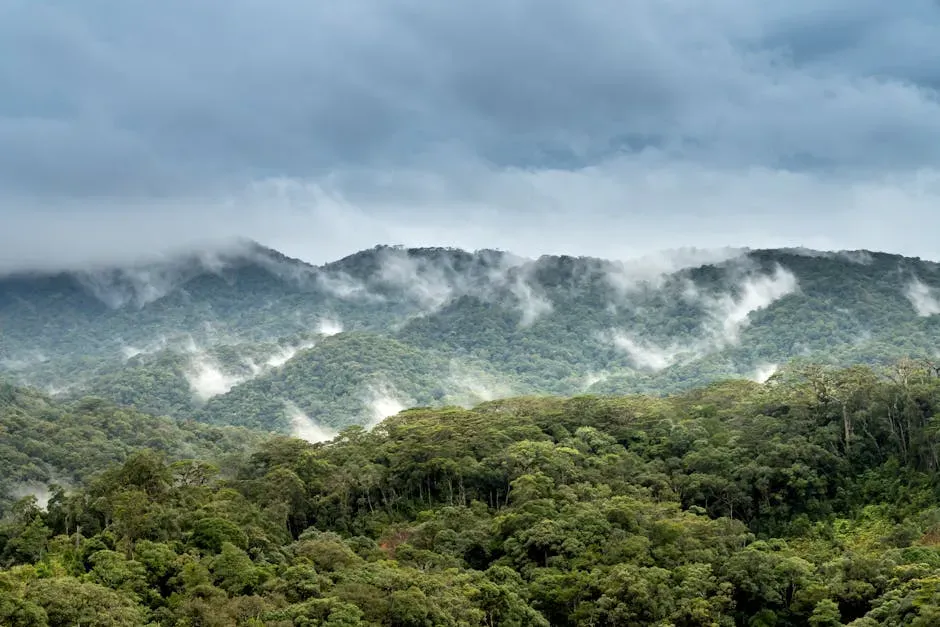
If you want to walk through a landscape that looks almost exactly as it did tens of millions of years ago, the Gondwana Rainforests of Australia are your closest option. Located in southeast Queensland and northeast New South Wales, this unique ecosystem covers approximately 1,415 square miles and houses around 270 rare or threatened plant and animal species, many of which are reminiscent of ancient flora and fauna seen in fossil records. The rainforest is a living testament to Australia’s evolutionary history, featuring some of the oldest ferns and conifers, as well as primitive plant families linked to the emergence of flowering plants over 100 million years ago.
For some 50 million years, the forests of the supercontinent Gondwana were dominated by species of two ancient genera: Nothofagus and Araucaria. The Araucarians are the most primitive of the world’s conifers, representing the Age of Conifers in the Jurassic Period. The Gondwana Rainforests is the only place in Australia where these two genera occur together. The plant family Proteaceae, known from all continents in the Southern Hemisphere, has a “Gondwanan distribution” and is often described as an archaic, or relict, lineage. Walking through these forests is, genuinely, a form of time travel.
Gondwana’s Legacy Under Threat: Conservation in the Age of Climate Change
The story of Gondwana’s wildlife legacy would be incomplete without confronting a sobering reality. Rainforest, which at one time covered most of the Australian continent, is now restricted to approximately 0.4% of total vegetative cover on mainland Australia. That is an almost incomprehensible collapse in ancient forest cover – from continental dominance to a sliver clinging to escarpments and ridge lines. It’s hard to say exactly how much has been lost to human activity versus natural climate shifts over millennia, but the trajectory is clear.
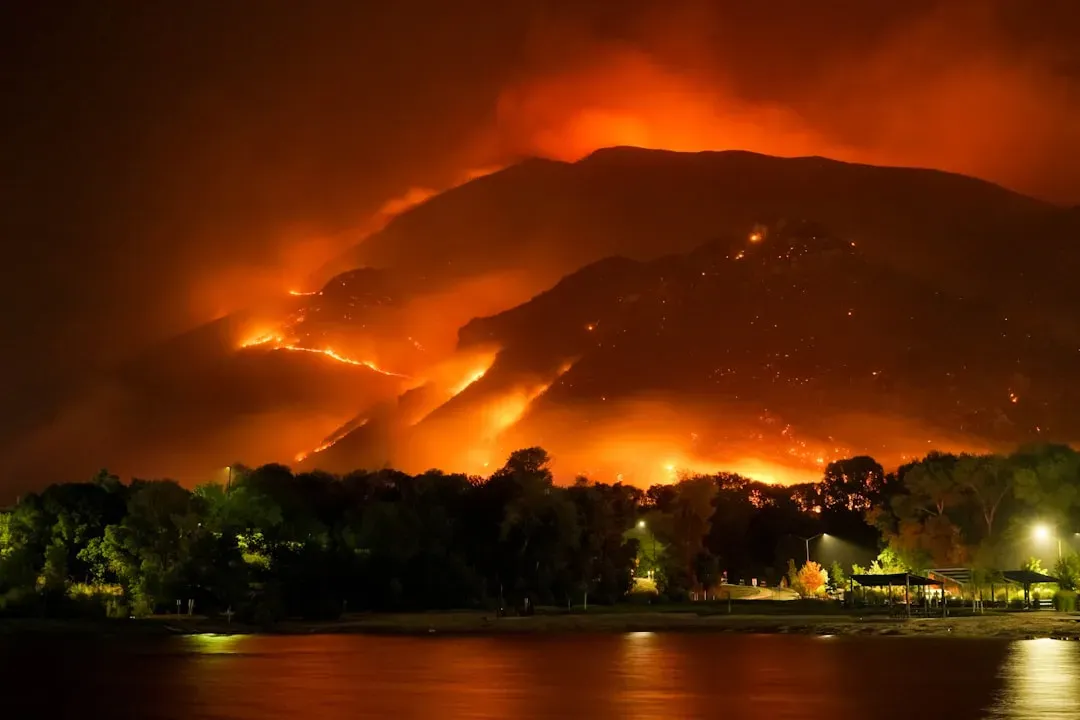
The 2019 to 2020 Australian bushfire season marked an unprecedented incursion, with fires affecting approximately 30,000 hectares within the Gondwana World Heritage Area and impacting up to 54% of its total extent. Driven by extreme drought, heat, and wind, fires penetrated rainforest boundaries from adjacent sclerophyll forests, causing canopy scorching, tree mortality, and understory damage in fire-intolerant species like Nothofagus and ancient angiosperms. Post-fire assessments also revealed heightened vulnerability in Gondwanan bird communities, with declines in endemic species due to habitat loss. The ancient is not automatically resilient. These ecosystems survived ice ages and continental drift, but they are struggling with the speed of modern change.
Conclusion

Gondwana may be gone as a geographic reality, but it is far from gone as a biological one. Every time you see a kangaroo or a kiwi, every time you walk beneath an ancient Araucaria pine or hear a cassowary’s deep booming call echoing through a Queensland rainforest, you are encountering the living legacy of a supercontinent that ceased to exist over 23 million years ago. The continents drifted apart, but the life they carried kept telling the same ancient story in new dialects.
What strikes me most is how connected the world actually is, even when it looks fragmented. Scientists are still unraveling the details, still debating migration routes and evolutionary timelines, still finding fossils that rewrite what they thought they knew. By 23 million years ago, Gondwana no longer existed as a geological entity, but its legacy remains in the fauna and flora of the southern continents. That legacy is worth fighting to protect. Because losing these species and forests wouldn’t just be an ecological tragedy – it would be erasing the last living chapters of one of Earth’s greatest stories. What would you do differently if you realized these animals and plants were once neighbors, sharing the same ancient soil?