
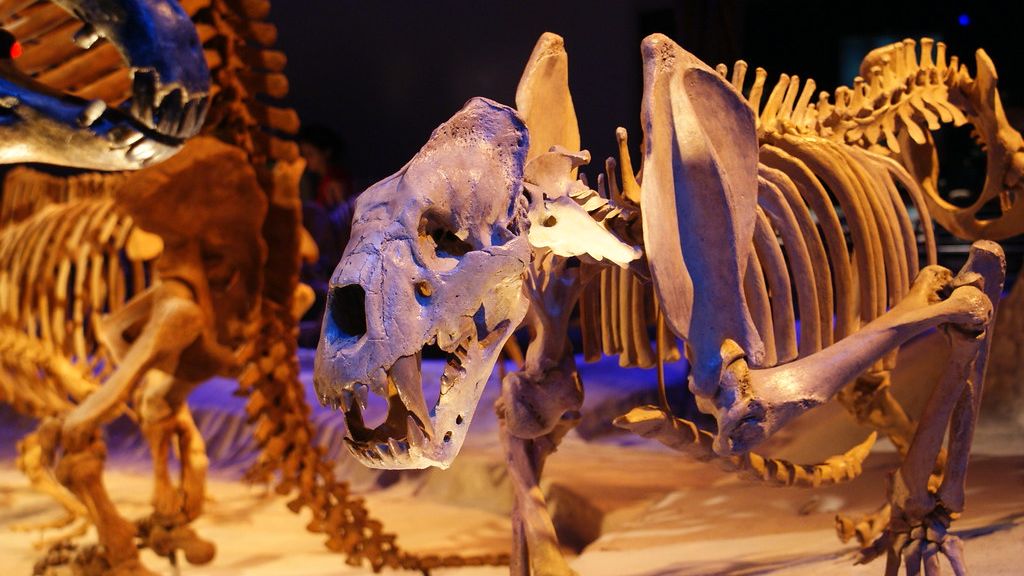
Close your eyes for a moment and imagine standing on the open plains of what you now know as Texas or California. No highways, no cities, no noise except the thunderous rumble of enormous creatures moving across the horizon. That is not science fiction. That is what this continent actually looked like tens of thousands of years ago, long before any human civilization drew a map of it.
Fifty thousand years ago, North America was ruled by megafauna. Lumbering mammoths roamed the tundra, while forests were home to towering mastodons, fierce saber-toothed tigers, and enormous wolves. If you think today’s wildlife seems wild, you have no idea what you missed. Let’s dive in.
The Age of Giants: What the Pleistocene Actually Looked Like
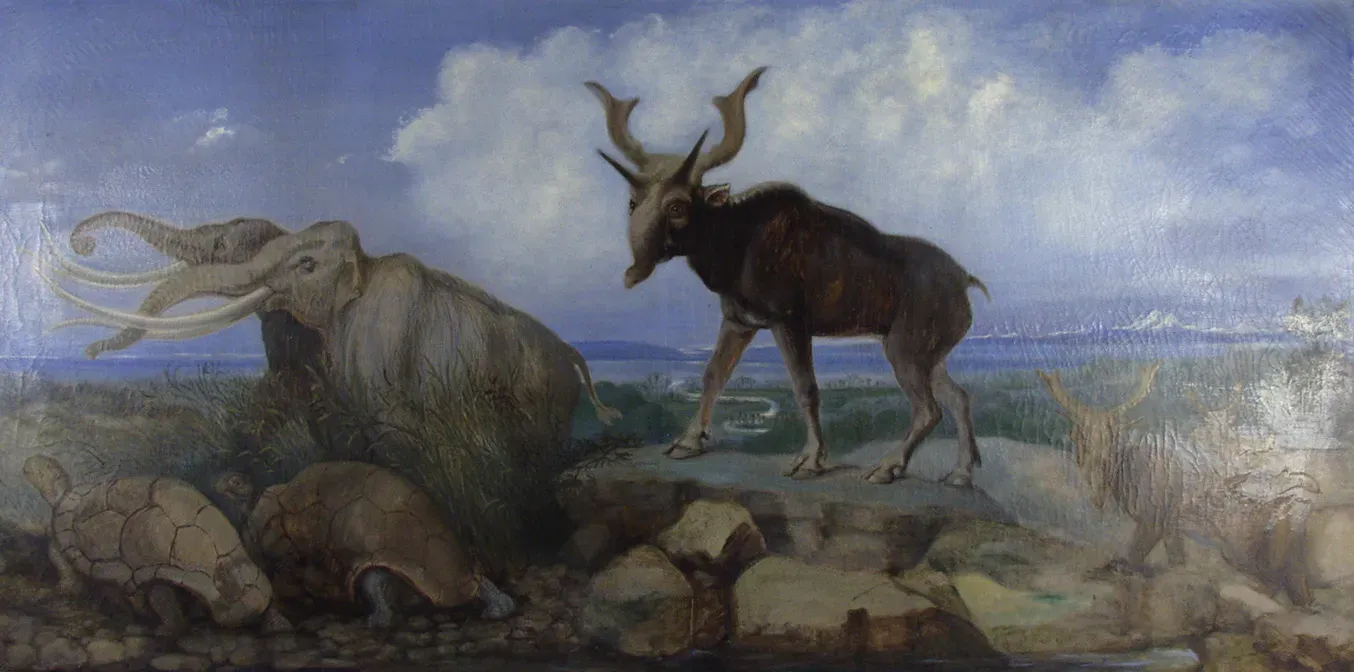
Before you can appreciate these creatures, you need to picture the world they lived in. These megafauna thrived in the geological period called the Pleistocene epoch, which spans roughly 1.8 million to 12,000 years ago. That is not a blink of time. That is an almost incomprehensibly long era of colossal animals defining every ecosystem on this continent.
When the glaciers receded in the late Pleistocene, North America was home to dozens of thriving species of extra-large mammals known as megafauna. Think of it like the African savanna today, only bigger, wilder, and spread across every corner of what you now call home. Honestly, it is one of the most fascinating chapters in natural history, and most people have never heard the half of it.
The Woolly Mammoth: An Icon Built for Survival
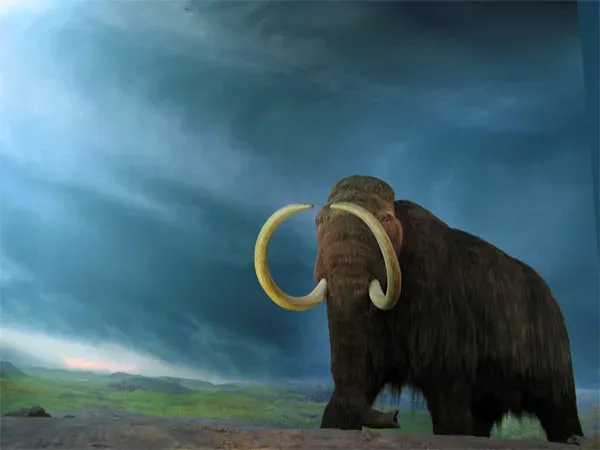
The woolly mammoth is one of the most famous extinct Ice Age megafauna. Standing twelve feet tall at the shoulders and weighing six to eight tons, the woolly mammoth grazed the northern steppes of Ice Age North America using its colossal, fifteen-foot curved tusks to dig under the snow for food and defend itself against predators. When you picture a prehistoric giant, this is the creature that typically comes to mind first, and for good reason.
Mammoths came to North America between 1.7 million and 1.2 million years ago. Mammoths spread everywhere in Ice Age North America, ranging from Canada down to Honduras. What makes this even more startling is how recently they disappeared. Nearly all mammoths were wiped out in the great megafauna extinction 10,000 years ago, but archaeologists have dug up remains showing that lone bands of mammoths still roamed arctic islands as recently as 4,500 years ago, meaning there were mammoths living down to the time when the Egyptians were building the pyramids.
The American Mastodon: The Ancient Cousin You Confuse With the Mammoth
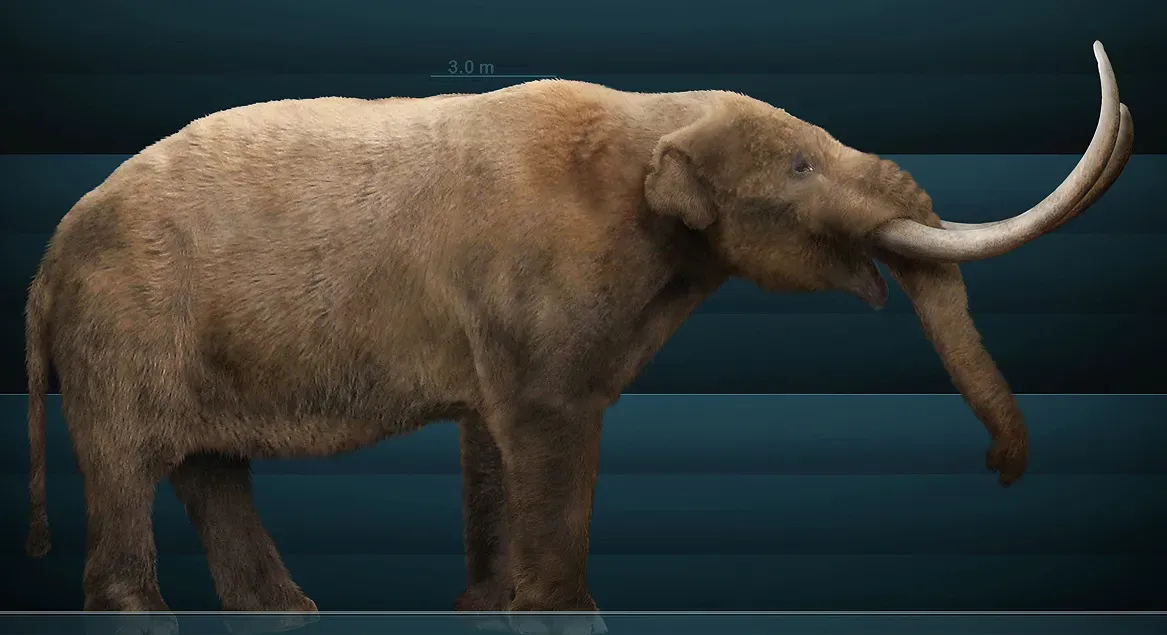
Here’s the thing. Most people use “mammoth” and “mastodon” interchangeably, as if they were the same animal. They were not. The American mastodon is the most ancient of the North American “elephants.” Its ancestors crossed the Bering Strait from Asia roughly 15 million years ago and evolved into the American mastodon 3.5 million years ago. That is a lineage far older than most people realize.
The mastodon was shorter and stockier than the later mammoths, and the shape of its teeth indicates that mastodons didn’t graze on grass like mammoths, but ripped off leaves and entire tree branches for food. Mastodons had molars with cone-shaped cusps that helped them crunch leaves, twigs, and branches from deciduous and coniferous trees. So while the mammoth was essentially a prehistoric lawn mower, the mastodon was more like a lumbering forest browser. Two very different animals, living side by side in one wild continent.
Smilodon: The Saber-Toothed Cat That Was Never Actually a Tiger
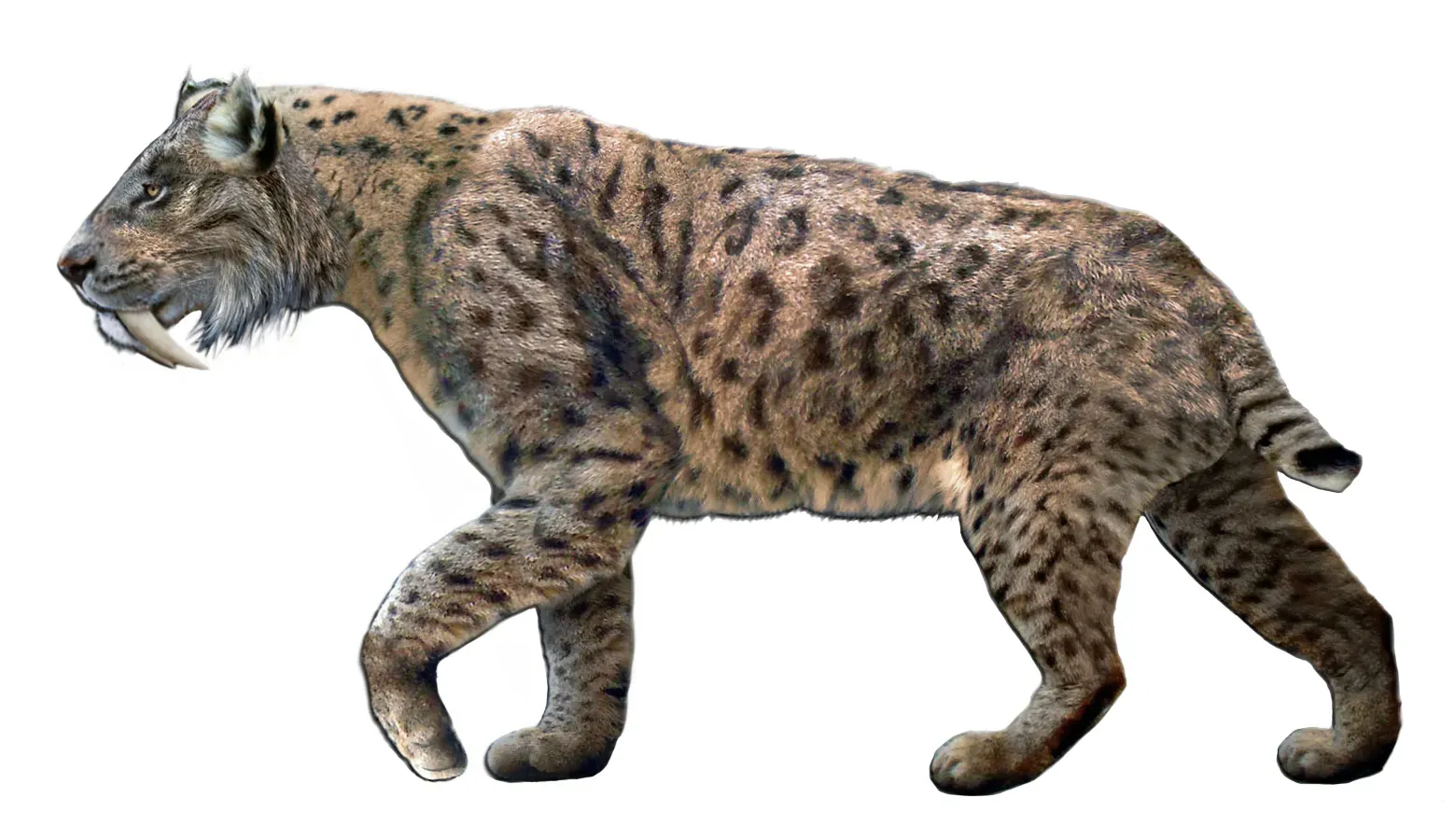
You have almost certainly called it a “saber-toothed tiger.” Almost everyone does. But Smilodon wasn’t a true tiger at all, belonging instead to an ancient, long-extinct line of cat-like creatures known as “machairodonts.” Smilodon lived in the Americas during the Pleistocene to early Holocene epoch, from about 2.5 million years ago to at latest 8,200 years ago. It had a far longer run on this earth than many people appreciate.
One of the most famous of prehistoric mammals, Smilodon has often been featured in popular media and is the state fossil of California. In fact, thousands of intact Smilodon skeletons have been extracted from the La Brea Tar Pits in Los Angeles, a stone’s throw from Hollywood. Smilodon would leap on its prey suddenly, digging its huge incisors into the unfortunate animal’s neck and then withdrawing to a safe distance while its dinner bled to death. Terrifying. Efficient. And gone forever.
The Giant Short-Faced Bear: North America’s Largest Land Predator
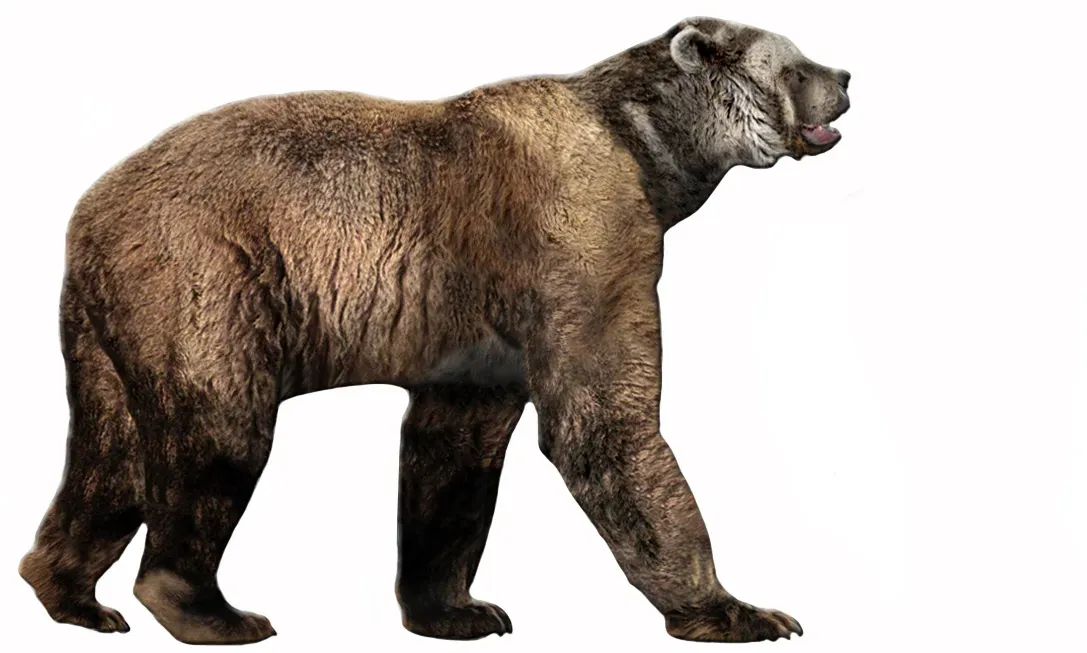
The illustration was originally uploaded by Dantheman9758 at http://dantheman9758.deviantart.com/art/Arctodus-simus-53736084, and later added to Wikimedia Commons by user: Ark., CC BY-SA 3.0)
If you thought grizzly bears were intimidating, imagine something that would make a grizzly look modest. The giant short-faced bear was the largest carnivorous mammal to ever roam North America. Standing on its hind legs, an adult giant short-faced bear boasted a vertical reach of more than fourteen feet. That is taller than a standard room ceiling by quite a margin.
In prehistoric North America, the short-faced bear ruled the land. It was one of the biggest and most powerful predators the world has seen, weighing an immense 900 kilograms and standing two meters at the shoulder. To survive, these bears would have had to consume approximately 35 pounds of meat each day. Think about that. Every single day. Arctodus inhabited North America during the Pleistocene, about 2.6 million years ago until 12,800 years ago.
The Dire Wolf: Real, Fearsome, and Far Older Than Any TV Show
![The Dire Wolf: Real, Fearsome, and Far Older Than Any TV Show ([1], Public domain)](https://nvmwebsites-budwg5g9avh3epea.z03.azurefd.net/dinoworld/b592709321272401b5369ab51bd90728.webp)
You may know the dire wolf from popular fantasy, but let’s be real, the actual animal deserves far more attention than any fictional version. Dire wolves are the largest of the Genus Canis group, which includes wolves, coyotes, jackals, and domestic dogs. Although dire wolves went extinct about 13,000 years ago, their bones are abundant in California’s La Brea Tar Pits and Wyoming’s Natural Trap Cave. About 5.7 million years ago, dire wolves split from wolves, making them distant relatives of today’s wolves on the canid family tree.
Although often depicted as huge wolves in popular culture, the dire wolf was actually smaller than some living northern timber wolves, reaching five feet long and weighing around 110 pounds. Making up for their relatively small size, they had massive teeth and hunted in large packs. Paleontologists have recovered more remains of dire wolves from the La Brea Tar Pits than any other mammal species. This wasn’t a rare creature living on the fringes. It was everywhere.
The Giant Beaver: The Rodent That Rewrites Your Imagination
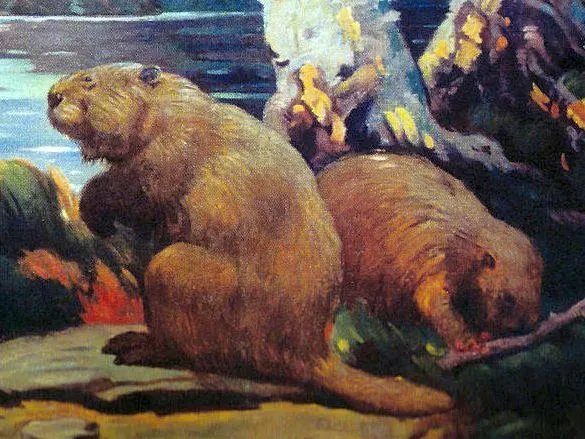
Nothing prepares you for this one. You look at a modern beaver and think, harmless, industrious, kind of adorable. Now scale it up to the size of a black bear. Castoroides, or the giant beaver, is an extinct genus of enormous, bear-sized beavers that lived in North America during the Pleistocene. Their average length was approximately 1.9 meters, and they could grow as large as 2.2 meters. The weight of the giant beaver could vary from 90 to 125 kilograms.
Here is where things get genuinely surprising. Stable isotopes suggest that Castoroides probably predominantly consumed submerged aquatic plants, rather than the woody diet of living beavers. There is no evidence that giant beavers constructed dams or lodges. The shape of the incisors of Castoroides would have made it much less effective in cutting down trees than living beavers. So despite its enormous size, it was a gentle, plant-munching wetland dweller. Sometimes the biggest creatures surprise you the most.
The Ancient Horse and the Camelops: America’s Forgotten Originals
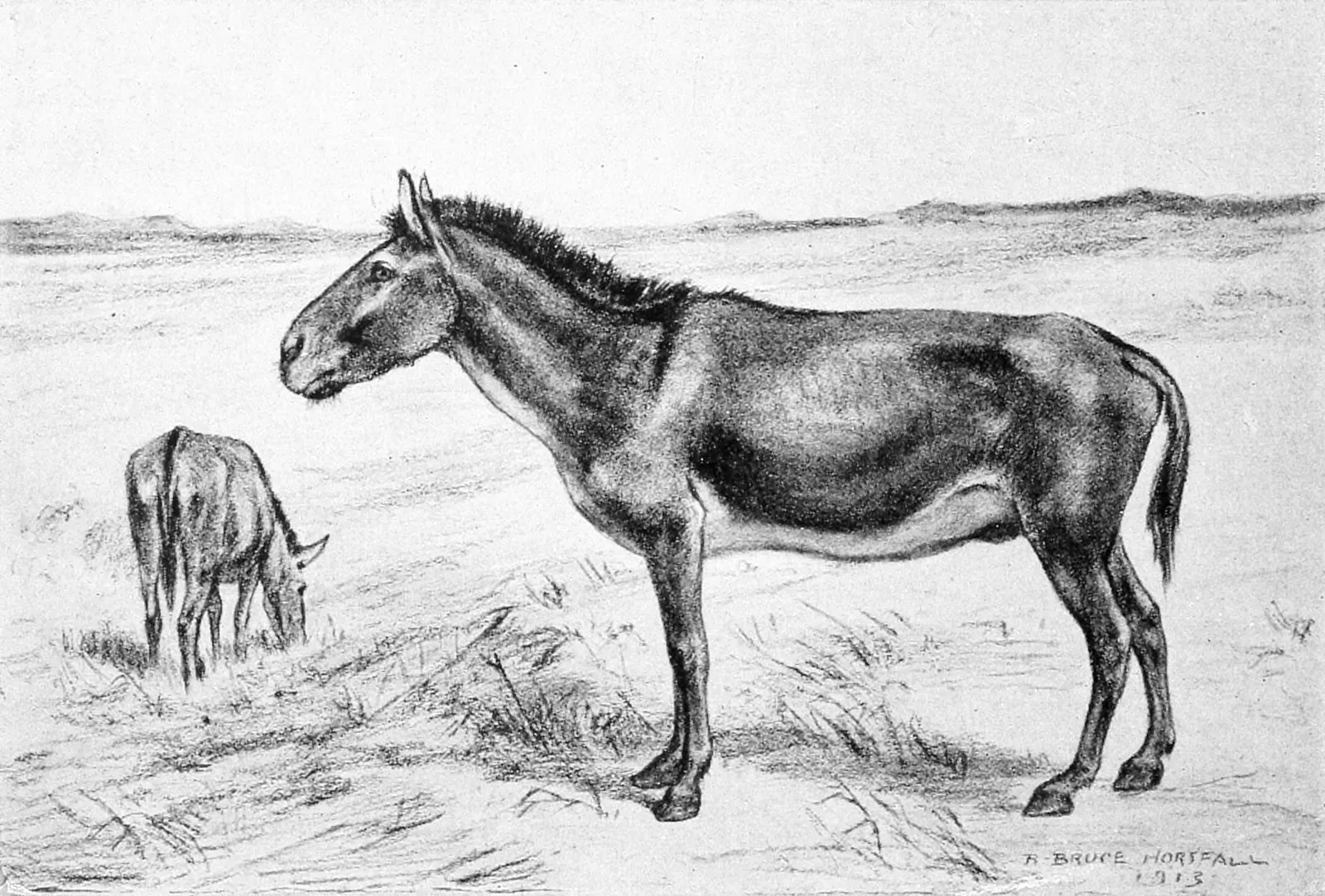
Most people assume that horses were brought to America by European explorers in the 1400s and 1500s. That is only half the story. Ancient horses once roamed North America approximately 50 million years ago until they went extinct at the end of the last ice age about 11,000 years ago. The horse is, in a very real sense, an American animal. It just had a gap in its presence here.
Even stranger is the fact that camels are also native to North America, at least in prehistoric terms. Camelops is an extinct genus of camel that lived in North and Central America from the middle Pliocene, around four to three million years ago, to the end of the Pleistocene, around 13,000 to 12,000 years ago. An adult Camelops stood about seven feet tall and weighed roughly 1,764 pounds. Camelops lived across western North America, ranging from the Pacific Coast to the Great Plains, southwards to Honduras and northwards to Alaska. Yes, camels roamed what is now Arizona. It’s hard to say for sure why that hasn’t made it into more history books.
The Great Extinction: What Wiped Out America’s Wild Giants
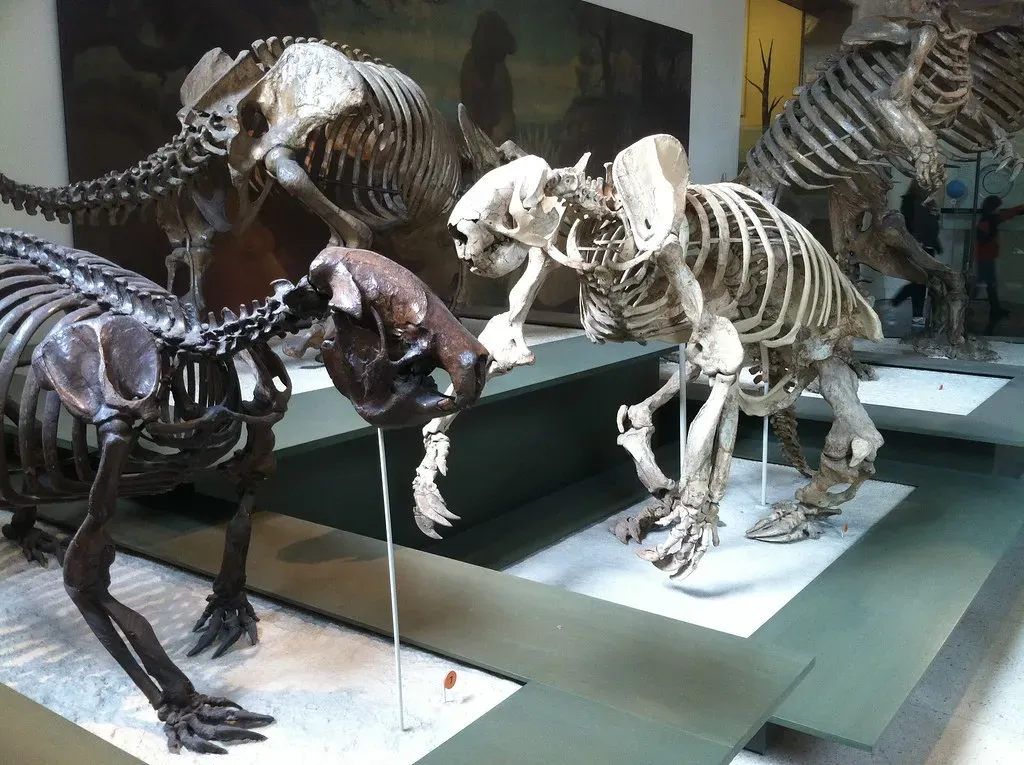
Around 10,000 years ago, nearly all of those giant creatures were wiped out. The question of why is one of the most contested mysteries in all of natural history. The idea that humans wiped out North America’s giant mammals is known as the “overkill hypothesis,” first proposed by geoscientist Paul Martin more than 40 years ago, inspired in part by advances in radiocarbon dating, which seemed to indicate an overlap between the arrival of the first humans in North America and the demise of the great mammals.
Still, the story is far from settled. The loss of species in North America during the late Pleistocene was remarkable, with about 80 percent of 51 large herbivore species going extinct, along with more than 60 percent of important large carnivores. The mass extinctions may have also been triggered by a sudden climatic shift that rapidly cooled the planet 12,800 years ago, the Younger Dryas, or animals could have been stricken with diseases carried by paleo-humans and their dogs. Perhaps it was all of these forces at once, colliding in a perfect storm that an ancient ecosystem simply could not survive.
Conclusion: A Lost World Beneath Your Feet
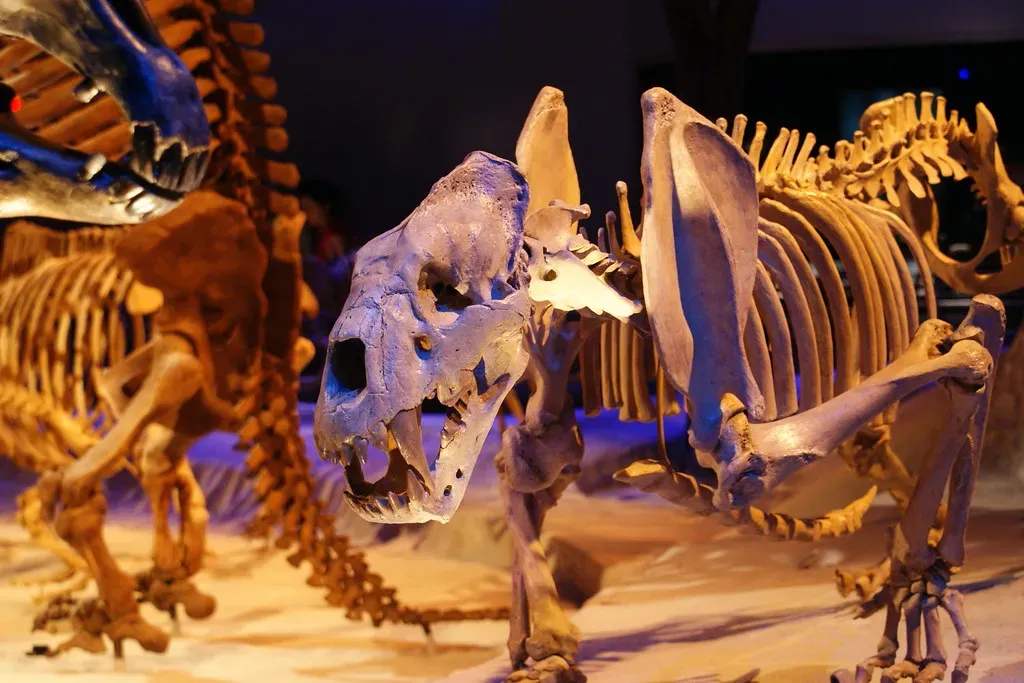
Every time you walk across a field in the American Midwest, drive through the plains of Texas, or hike in California, you are moving through land that once shook under the weight of creatures almost beyond imagination. Mammoths, saber-toothed cats, giant sloths, dire wolves, and enormous bears all called this place home. Not in some distant mythological age, but in a time that, geologically speaking, is practically yesterday.
The fact that these animals are gone is sobering. Their existence and unlikely rapid demise reminds us of the importance of present conservation efforts. The creatures alive today, the wolves, the bison, the bears, are the survivors of that mass extinction. They are the last representatives of a far richer world. Next time you spot a lone coyote crossing the road at dusk, consider that its ancestors once shared a continent with the dire wolf and the giant short-faced bear.
America was once truly, spectacularly wild. What would you have given to see it?