
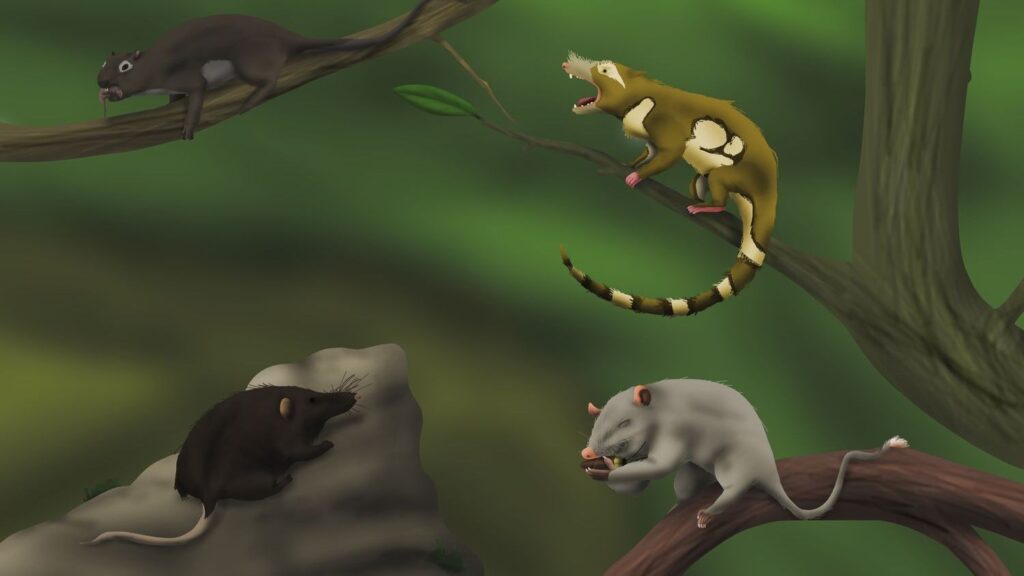
Picture a world plunged into near-total darkness. Ash fills the sky, forests collapse, and the ground is littered with the bones of giants. When a six-mile-wide asteroid smashed into what is now the Yucatán Peninsula with the force of more than a billion nuclear bombs, tsunamis, wildfires, and earthquakes raged across the planet. Dust and soot clogged the atmosphere, turning the world dark for years. Plants couldn’t photosynthesize, forests collapsed, herbivores died, and carnivores followed. It sounds like the end of everything – and for the dinosaurs, it was.
Yet out of that catastrophe, an unassuming group of small, furry creatures not only survived but eventually came to rule the world. How? The answer lies in a set of extraordinary biological adaptations so clever, so precise, and sometimes so surprising that they almost defy belief. You’re about to discover exactly what those adaptations were – and why each one mattered more than you might think. Let’s dive in.
Warm-Bloodedness: The Metabolic Superpower That Changed Everything
Stefan Kraft
Nordelch
FunkMonk, CC BY-SA 4.0)
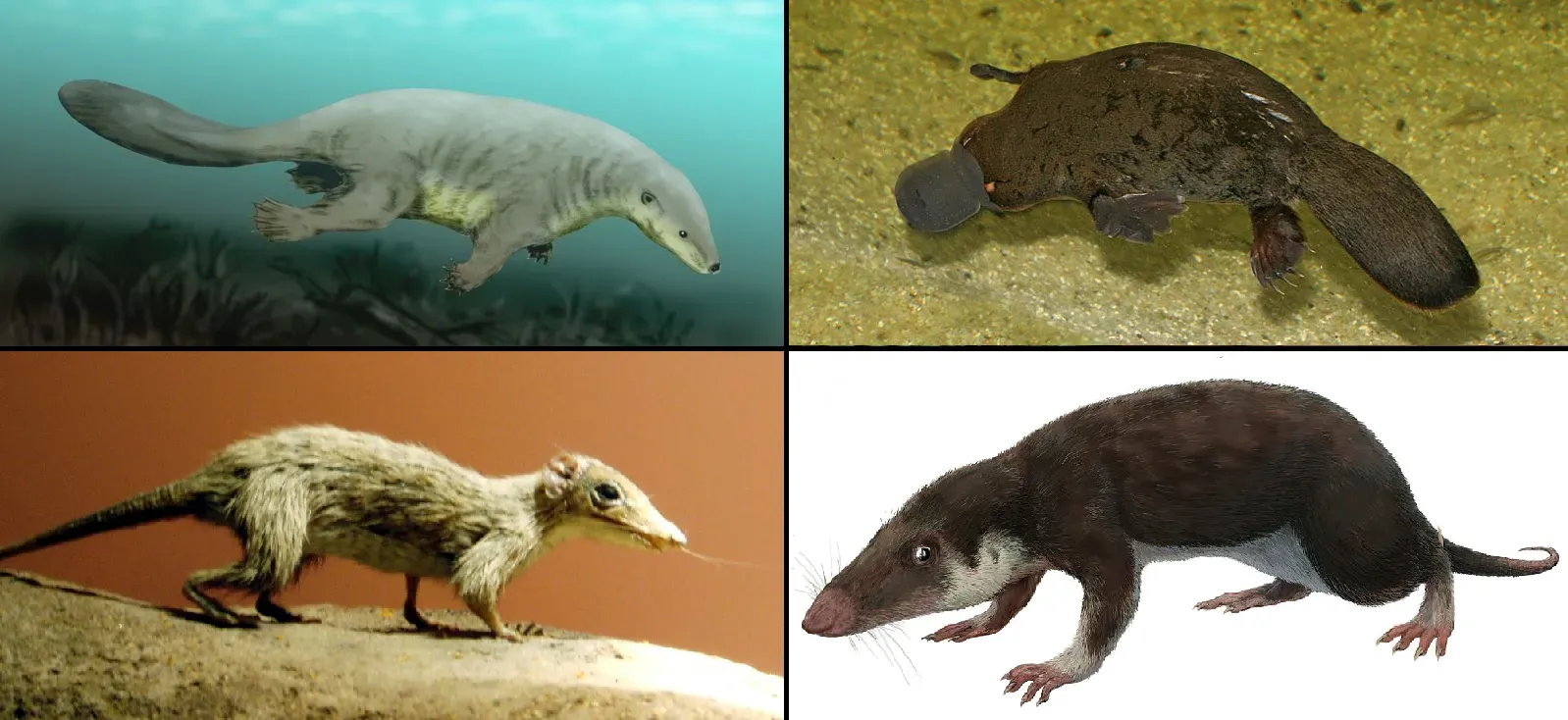
Here’s the thing about being warm-blooded – it costs a lot of energy, but it pays off enormously in a crisis. The ability to maintain an elevated, constant body temperature, known scientifically as endothermy, is a critical part of what has allowed mammals to adapt to many different habitats, from polar seas to searing deserts. When the asteroid hit and global temperatures went haywire, cold-blooded animals were at the mercy of their environment. Mammals were not.
Research suggests that climate was the main factor that triggered the evolution of warm-bloodedness in mammals, and that triassic predecessors of mammals were able to survive by already possessing an endothermic metabolism to cope with temperature fluctuations. Think of it like this: dinosaurs were thermostats that relied entirely on external weather. Mammals had built-in furnaces. Ancestors of mammals abruptly went from being cold-blooded ectotherms to warm-blooded endotherms, which would have rapidly redefined how these animals lived, transforming them into more active creatures capable of a wide range of lifestyles.
Burrowing and Ground-Dwelling: Going Underground to Survive the Apocalypse
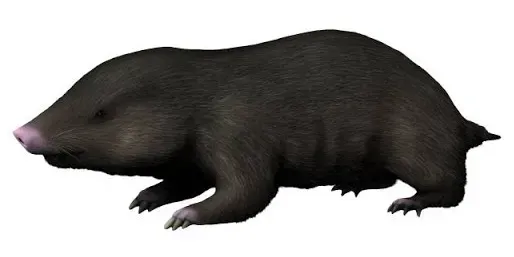
When the sky is on fire and the surface of the Earth is essentially hostile to life, going underground is not just smart – it’s the difference between living and dying. Underground burrows and aquatic environments protected small mammals from the brief but drastic rise in temperature caused by the asteroid strike. It is honestly one of the most viscerally effective survival strategies you can imagine, and it worked.
A study suggests that ground-dwelling and semi-arboreal mammals were better able to survive the cataclysm than tree-dwelling mammals, due to the global devastation of forests that followed the Chicxulub asteroid impact. Analyses showed that the mammals that survived the end-Cretaceous mass extinction were mostly ground-dwelling or semi-arboreal. Sloths and their closest living relatives, anteaters and armadillos, are an example of a group of mammals that began as diggers before diversifying and becoming increasingly arboreal after the extinction. Going underground was their ticket to a completely new era.
Omnivorous and Flexible Diets: Eating Almost Anything to Survive
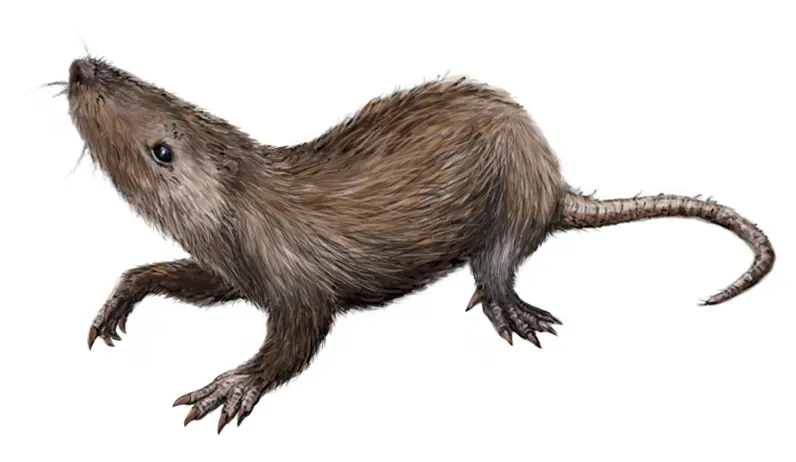
Honestly, one of the most underrated survival tricks in evolutionary history is simply being willing to eat whatever is available. Smaller mammals seemed to be better equipped to survive since they could hide more easily, and those with a diverse diet were able to adapt more quickly after the extinction event. Specialists died. Generalists thrived. It’s a lesson as relevant in 2026 as it was 66 million years ago.
Early mammals were hit by a selective extinction at the same time the dinosaurs died out – generalists that could live off a wide variety of foods seemed more apt to survive, but many mammals with specialized diets went extinct. Mammals, in contrast, could eat insects and aquatic plants, which were relatively abundant after the meteor strike. Early mammal groups like the multituberculates had jaws capable of both slicing and grinding, giving them remarkable dietary versatility in the chaos of a post-impact world.
Rapid Body Size Increase: Growing Bigger to Fill the Empty World
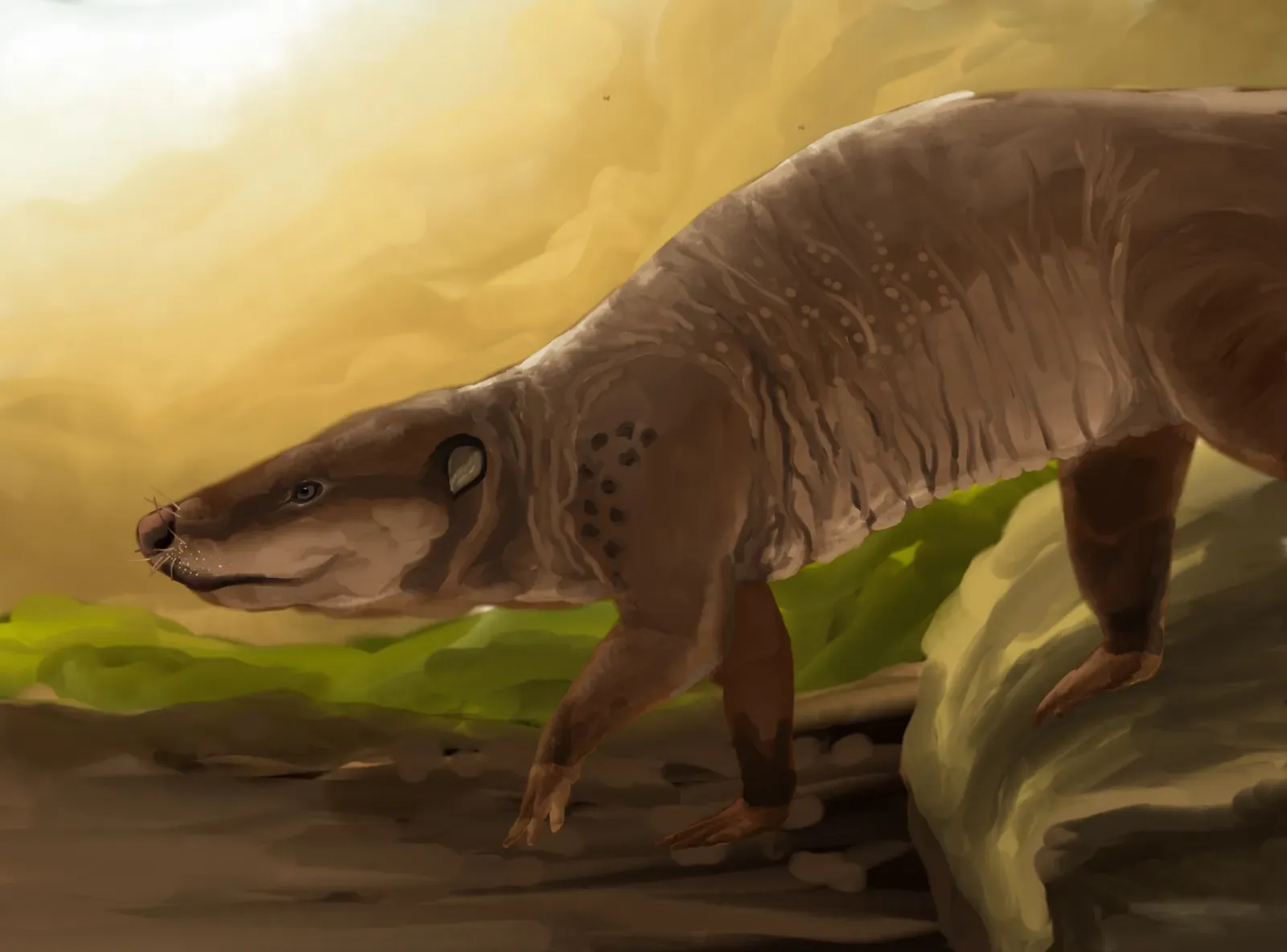
Once the dust – literally – started to settle, something remarkable happened. Mammals began to grow. Fast. In the first ten million years following the mass extinction event, mammals bulked up, rather than evolving bigger brains, to adapt to the dramatic changes in the world around them. It might sound counterintuitive, but size before brains was the order of the day. The empty ecological niches were enormous, and you needed to be big enough to fill them.
Within 100,000 years after the extinction, there were different types of raccoon-sized mammals, and by the 300,000-year mark, the biggest mammals were about the size of large beavers. Those that lived 700,000 years after the impact could weigh over a hundred pounds, representing a hundred-fold increase in body size compared to the mammals that survived the extinction. It wasn’t until the Eocene, more than 10 million years after the impact, that mammals became truly large and evolved into an array of beasts to rival the dinosaurs. The scale of that transformation is staggering when you pause to think about it.
Enhanced Smell and Nocturnal Senses: Winning in the Dark
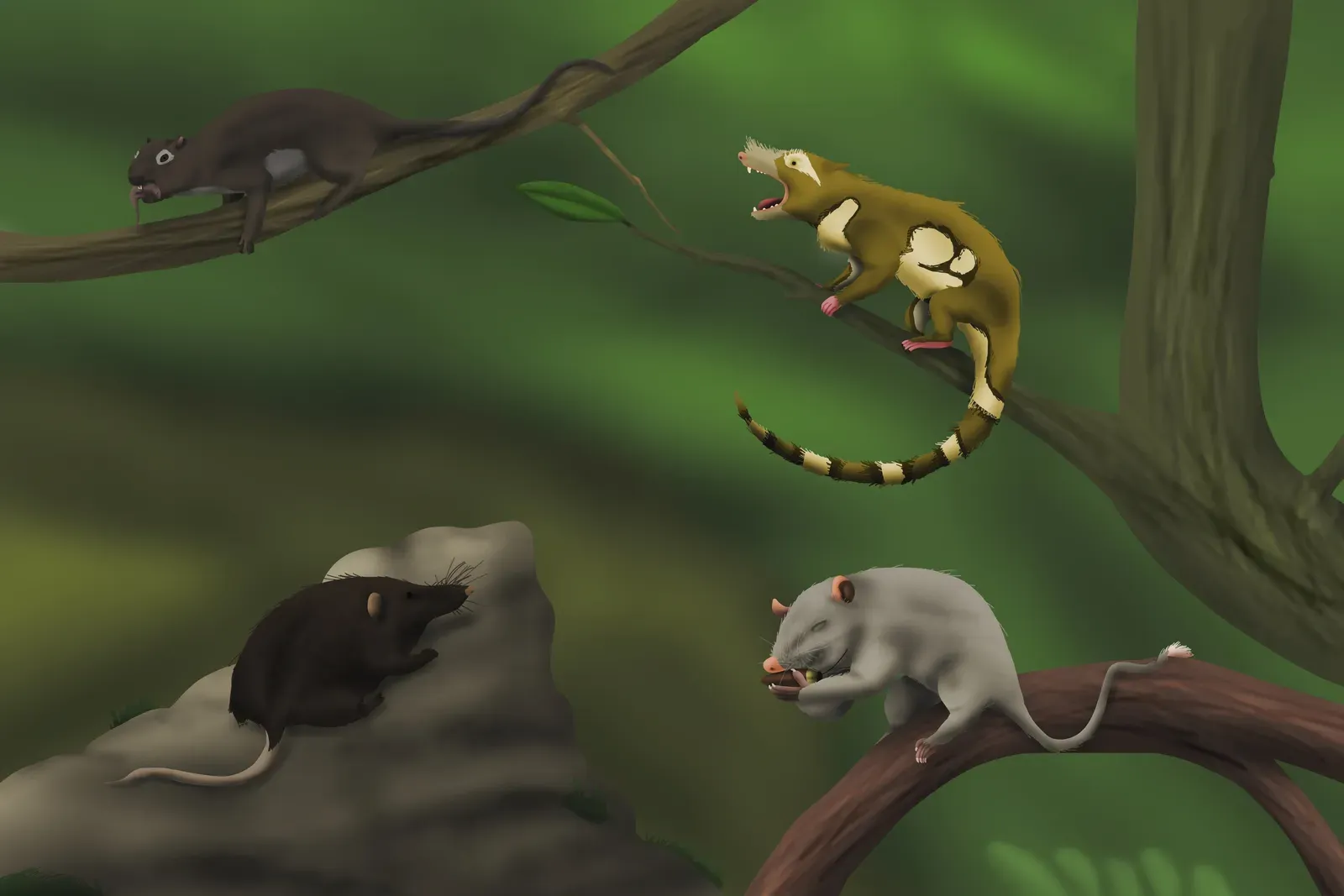
Long before the asteroid fell, mammals had been honing a very specific set of skills – surviving at night, in the shadows, under the noses of predatory dinosaurs. Recent findings suggest that the first brain area to expand in early mammals was that involved in smell. Scientists scanned the skulls of early mammal species dating back to 190 to 200 million years ago and found that the brain area involved in the sense of smell was the first to enlarge, which may have allowed these early mammals to hunt insects at night when dinosaurs were not active.
Evidence suggests that early mammals were primarily nocturnal. This allowed them to avoid competition with diurnal reptiles and exploit resources at night. Nocturnality also influenced the evolution of sensory adaptations, such as enhanced hearing and smell. The most fundamental change after the extinction was the emergence of diurnal mammals active during the daytime, after they had been confined to more furtive nocturnal foraging or hunting by the dominance of the dinosaurs. In short, years of surviving in the dark made them perfectly equipped to dominate the light.
Rapid Diversification of Teeth and Jaws: The Swiss Army Knife of Evolution
![Rapid Diversification of Teeth and Jaws: The Swiss Army Knife of Evolution (By By Ghedoghedo (Own work) [GFDL (http://www.gnu.org/copyleft/fdl.html) or CC-BY-SA-3.0-2.5-2.0-1.0 (https://creativecommons.org/licenses/by-sa/3.0)], via Wikimedia Commons from Wikimedia Commons, CC BY-SA 3.0)](https://nvmwebsites-budwg5g9avh3epea.z03.azurefd.net/dinoworld/ec281f7d0bbd856ef9ef392da0dfc644.webp)
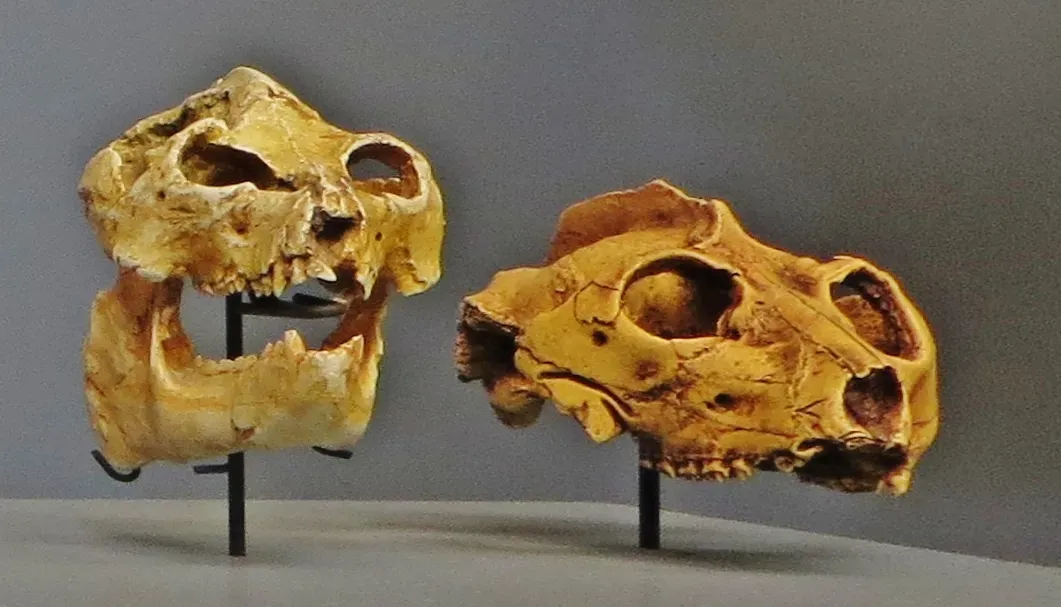
You might not think much about your teeth on a daily basis, but for early mammals, teeth were the single greatest indicator of whether a species would survive or vanish. When the dinosaurs went extinct, access to different foods and environments enabled mammals to flourish and diversify rapidly in their tooth anatomy and evolve larger body size. It’s like handing a growing business a brand-new marketplace – those who could adapt their tools fastest won the biggest contracts.
Researchers found that mammal jaw diversity, and therefore the variety of herbivores, carnivores, omnivores, and insectivores, rose sharply during the Mesozoic, even before the impact. After the extinction, that diversity exploded in entirely new directions. Species like Beornus honeyi had large premolars and molars, suggesting it was around the size of a cat – much larger than the mouse- or rat-sized mammals that lived in the time of dinosaurs. Jaw and tooth evolution was fast, furious, and absolutely central to the mammalian takeover of the planet.
Adaptive Radiation into New Ecological Niches: Claiming an Empty World
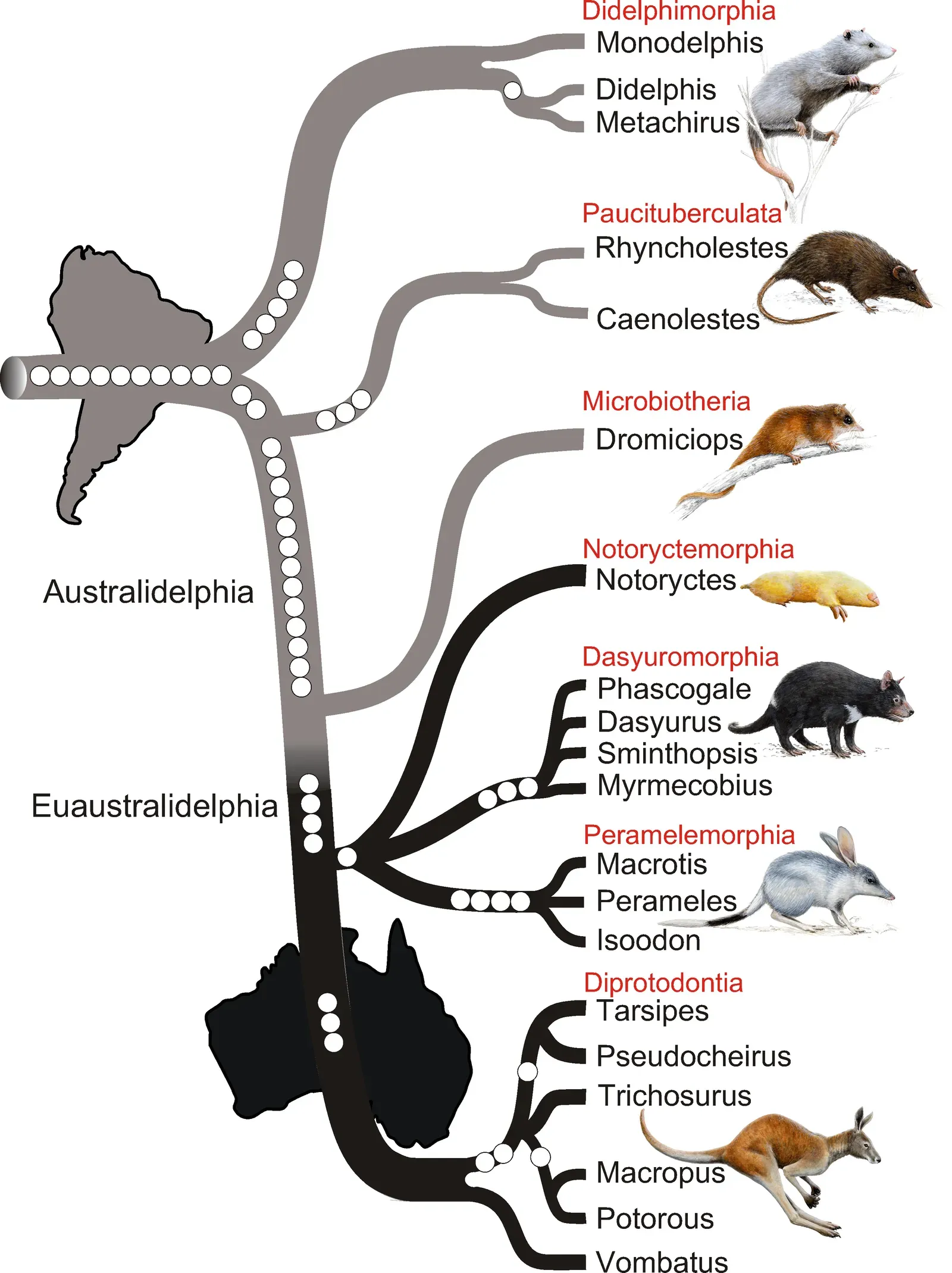
Imagine walking into an enormous house where every single room has been left empty. That is essentially what the post-extinction world looked like for mammals. The extinction provided evolutionary opportunities. In its wake, many groups underwent remarkable adaptive radiation – sudden and prolific divergence into new forms and species within the disrupted and emptied ecological niches. Mammals in particular diversified in the following Paleogene Period, evolving new forms such as horses, whales, bats, and primates.
After the Cretaceous-Paleogene extinction event wiped out the non-avian dinosaurs and several mammalian groups, placental and marsupial mammals diversified into many new forms and ecological niches throughout the Paleogene and Neogene, by the end of which all modern orders had appeared. Some of today’s familiar mammals, like the groups that later evolved into horses or bats, got their start soon after the extinction and probably as a direct result of it. It was, without exaggeration, the single greatest evolutionary land grab in the history of life on Earth.
Larger Brains and Advanced Cognition: The Delayed but Decisive Upgrade
Here is where things get genuinely surprising. You might assume that bigger, smarter brains were the first thing that helped mammals conquer a world without dinosaurs. The science says otherwise. Because today’s mammals are so intelligent, it is easy to assume that big brains helped our ancestors outlast the dinosaurs and survive the mass extinction – but that was not so, according to research. Brains came later. Bulk came first.
Around 10 million years later, early members of modern mammal groups such as primates and carnivores began to develop larger brains and a more complex range of senses and motor skills. These adaptations would have improved their survival chances at a time when competition for resources was far greater. After the extinction of the dinosaurs 66 million years ago, mammals began to increase in body size as new niches became available, but their brain lagged behind their bodies for the first ten million years. It was not until the Eocene that the mammalian brain began to catch up with the body, particularly in certain areas associated with the senses. When the cognitive upgrade finally arrived, it was decisive – and the rest, as they say, is natural history.
Conclusion
The story of how ancient mammals survived and thrived after the dinosaurs is not a simple tale of luck or timing. It is a story of biological ingenuity refined over millions of years – warm blood that kept them active in a cooling world, flexible diets that kept them fed in a broken ecosystem, burrowing lifestyles that shielded them from heat and chaos, and eventually, bodies and brains perfectly matched to the opportunities left behind by extinction.
What makes this story so compelling, I think, is that none of these adaptations were designed for the purpose of surviving an asteroid. They evolved for other reasons entirely, and then, in the most dramatic plot twist in evolutionary history, they proved to be exactly the right tools at exactly the right moment. The next time you see a dog, a whale on a documentary, or simply look in the mirror, you’re looking at the legacy of those unbelievable adaptations. Makes you think, doesn’t it – what would the world look like today if even one of those traits had been missing?