There is something genuinely humbling about standing in a natural history museum, craning your neck upward at a towering skeleton that once walked, swam, or soared across a world you can barely imagine. These were not just big animals. They were the architects of entire ecosystems, and the questions they raise about life, death, and survival continue to reshape how scientists think about the planet we live on today.
The reach of these ancient creatures extends far beyond dusty fossil beds. From cutting-edge genetics labs to ocean ecology models, prehistoric giants are quietly fueling some of the most exciting scientific breakthroughs of our time. You might be surprised by just how relevant they still are. Let’s dive in.
Tyrannosaurus Rex: The King That Keeps Rewriting Its Own Story
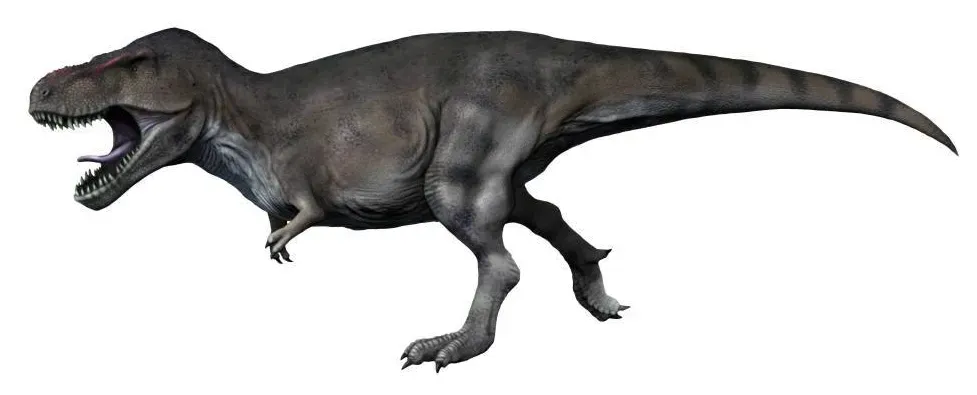
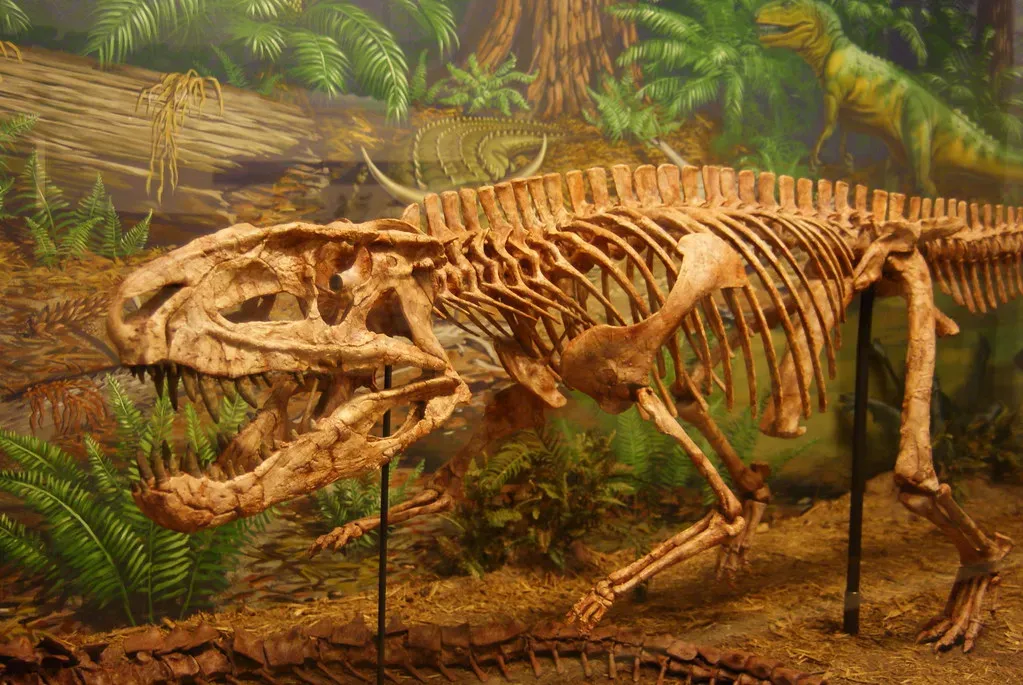
Honestly, you could write an entire library about T. rex and still not exhaust the subject. T. rex ranks among the most comprehensively studied extinct vertebrates and functions as a crucial datum for assessing terrestrial biodiversity, ecosystem structure, and biogeographic exchange immediately preceding the end-Cretaceous mass extinction. That is not a small thing. Every new fossil find seems to knock over what we thought we already knew.
Consider its posture, for example. One of the most striking changes has to do with T. rex’s posture. Early on, the king of dinosaurs was usually shown standing almost upright, using its tail for support. By studying its bones more closely, scientists understood that its posture was actually far more horizontal, with its massive tail acting as a balance to counteract the weight of its enormous head. Think of it like a seesaw, not a kangaroo.
In the past few decades, paleontologists have found that T. rex was slower than its Hollywood image suggested. After ground-truthing how much bone and tissue is needed to reach a particular speed, researchers concluded that T. rex probably didn’t run more than 20 to 25 miles per hour. That is still fast enough to ruin your afternoon, but it reshaped biomechanical models used to study large bipedal animals today.
For decades paleontologists believed that the dinosaur discovered in the 1940s, Nanotyrannus, was a juvenile or “teenaged” Tyrannosaurus Rex. New research published in Nature revealed this dinosaur was its own species, not a young T. rex, a finding that rewrites what scientists suspected about T. rex’s growth and development and could even alter views on T. rex evolution. The ripple effects of that single discovery are enormous. Confirmation of the validity of Nanotyrannus means that predator diversity in the last million years of the Cretaceous was much higher than previously thought, and hints that other small-bodied dinosaur species might also be victims of mistaken identity.
The Woolly Mammoth: The Frozen Giant Driving a Genetic Revolution
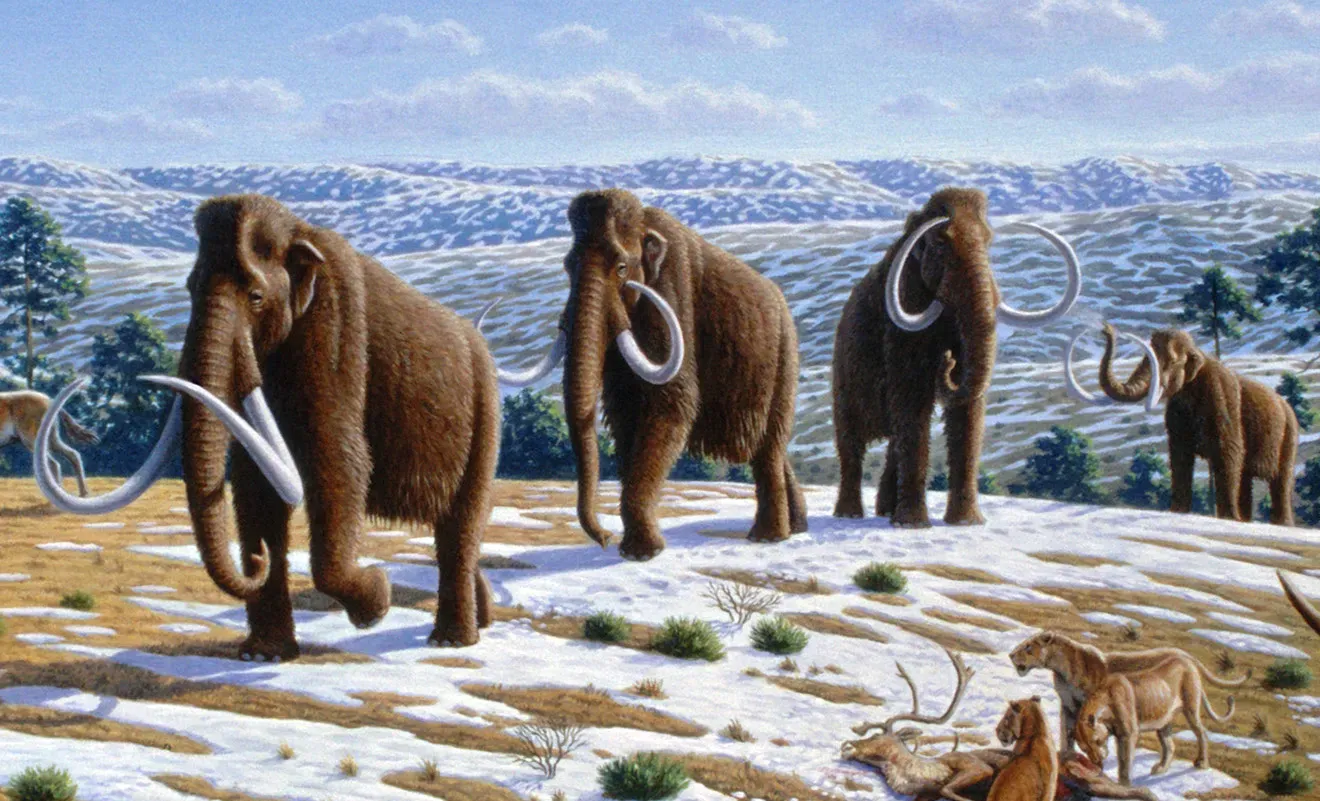
Perhaps the most famous among prehistoric mammals, the woolly mammoth is an enduring symbol of the Ice Age. With its massive curved tusks and thick, shaggy coat, this giant roamed the frigid landscapes of North America, Europe, and Asia. Few creatures inspire as much scientific ambition. The mammoth is not just a relic. It is a roadmap.
Research has found that deletions are highly enriched in non-coding regions of the mammoth genome, and that at least 87 woolly mammoth genes contain deletions or insertions that modify the coding sequence, including genes involved in skeletal morphology and hair growth. These results suggest that such genetic changes contributed to the unique phenotypic adaptations of the woolly mammoth and were potentially critical to surviving in its natural environment. In other words, studying what made the mammoth genetically unusual tells scientists volumes about cold-climate adaptation across all species.
The most promising method for woolly mammoth revival combines gene editing tools like CRISPR-Cas9 with DNA from living species, such as the Asian elephant, its closest living relative. Scientists use preserved DNA fragments from permafrost and compare them to the genomes of Asian elephants. By identifying genes responsible for mammoth traits such as thick fur, subcutaneous fat layers, and cold resistance, researchers can introduce these traits into elephant embryos.
Here’s the thing that makes this truly remarkable. Colossal Biosciences, founded in 2021, is a biotechnology company that has publicly stated its goal is to genetically resurrect the woolly mammoth by combining its genes with Asian elephant DNA. Researchers from Colossal’s primary goal when trying to revive the woolly mammoth is to improve the environment and mitigate climate change, and the company has publicly stated that it intends to have its first calf in 2028. Whether that timeline holds is hard to say for sure, but the science pushing it forward is genuinely transformative.
Megalodon: The Ocean’s Lost Apex Predator That Still Shapes Marine Science
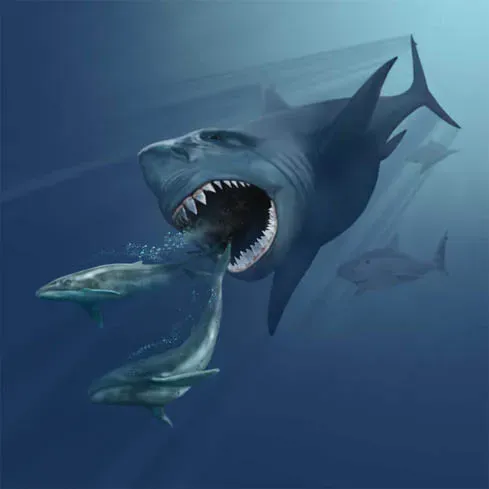
Otodus megalodon, commonly known as megalodon, is an extinct species of giant mackerel shark that lived approximately 23 to 3.6 million years ago, from the Early Miocene to the Early Pliocene epochs. Let’s be real, no prehistoric creature captures the public imagination quite like the megalodon. Roughly up to three times the length of a modern-day great white shark, it is the largest shark to have ever lived. It had a powerful bite with a jaw full of teeth as large as an adult human’s hand.
Research results consistently indicated that megalodons had an impressive ability to regulate their body temperature, which conferred evolutionary advantages such as increased speed, tolerance to colder water, and global distribution. However, the same advantageous warm-blooded nature that allowed the megalodon to thrive may have contributed to its eventual downfall. Living during the Pliocene Epoch, a period characterized by global cooling, the megalodon faced significant challenges due to changes in sea levels and ecosystems.
Research results suggest that megalodon played an important ecological role as a transoceanic superpredator, and that its extinction likely had large impacts on global nutrient transfer and trophic food webs. You can think of it like removing the top predator from a modern nature reserve and watching the entire ecosystem shift. Whales, one of megalodon’s key prey items, got even bigger after megalodon went extinct with nothing around to eat them. Some of the biggest marine mammals today like the blue whale only evolved after megalodon went extinct. In short, the modern food web has partially been shaped by megalodon not being there.
A recent study shows the megalodon was more slender than earlier studies suggested, a finding that changes scientists’ understanding of megalodon behavior, ancient ocean life, and why the sharks went extinct. Even our mental picture of this beast keeps evolving, and every revision forces marine scientists to rethink apex predator ecology from the ground up.
Ichthyosaurs: Earth’s First Giants and the Blueprint for Marine Gigantism
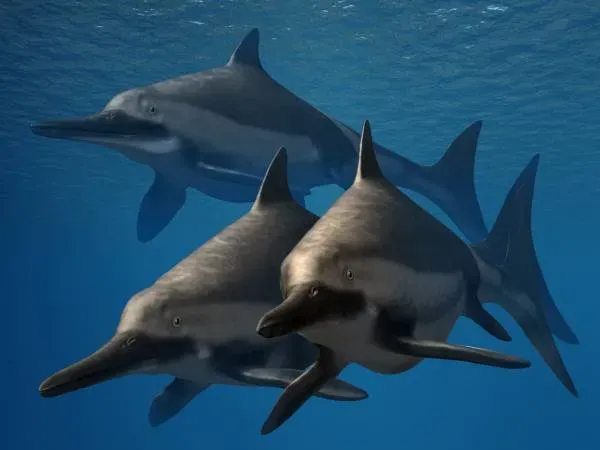
Ichthyosaurs derived from an as yet unknown group of land-living reptiles and were air-breathing themselves. From the first skeleton discoveries in southern England and Germany over 250 years ago, these “fish-saurians” were among the first large fossil reptiles known to science, long before the dinosaurs, and they have captured the popular imagination ever since. There is something almost poetic about an animal that abandoned land entirely and reinvented itself as an ocean giant.
Whales and ichthyosaurs share more than a size range. They have similar body plans, and both initially arose after mass extinctions. These similarities make them scientifically valuable for comparative study. The authors combined computer modeling and traditional paleontology to study how these marine animals reached record-setting sizes independently. This kind of convergent evolution is a goldmine for biologists trying to understand the rules that govern animal body size.
Scientists found that while both cetaceans and ichthyosaurs evolved very large body sizes, their respective evolutionary trajectories toward gigantism were different. Ichthyosaurs had an initial boom in size, becoming giants early on in their evolutionary history, while whales took much longer to reach the outer limits of huge. That contrast alone has fueled entire research programs into evolutionary biology.
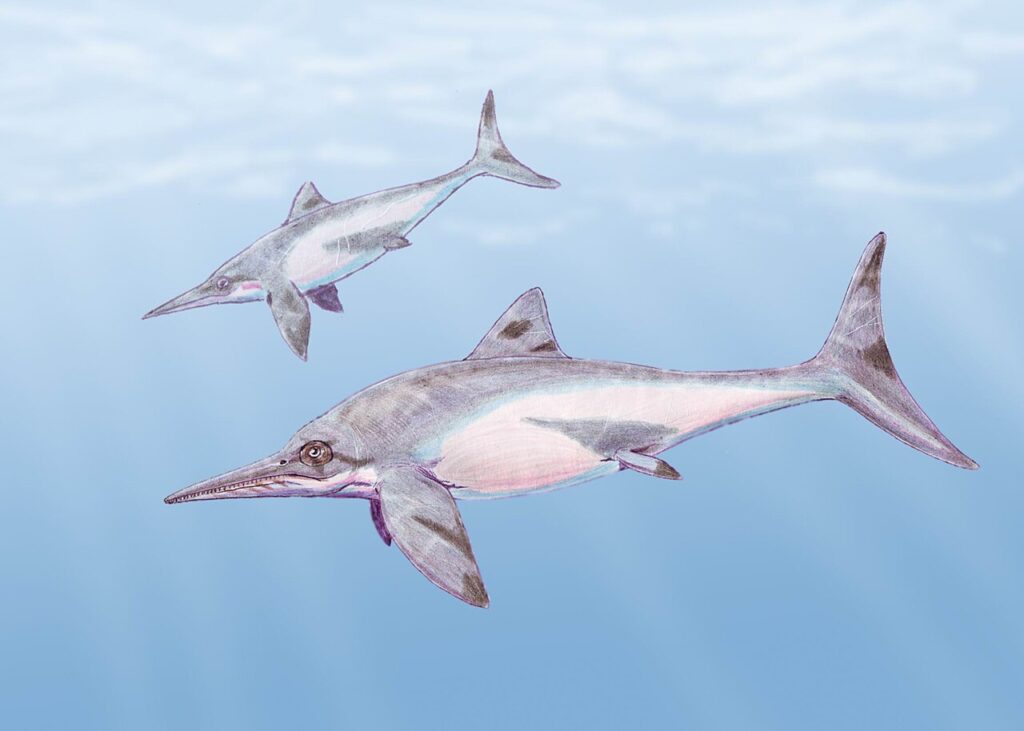
Cymbospondylus youngorum stalked the oceans some 246 million years ago, only about three million years after the first ichthyosaurs got their fins wet, an amazingly short time to get this big. The elongated snout and conical teeth suggest that it preyed on squid and fish, but its size meant that it could have hunted smaller and juvenile marine reptiles as well. Knowing how an animal got big so fast helps scientists model what conditions trigger rapid evolutionary change, a question very much alive in biology today.
The Pleistocene Megafauna: Lessons in Extinction That Modern Conservation Cannot Afford to Ignore
![The Pleistocene Megafauna: Lessons in Extinction That Modern Conservation Cannot Afford to Ignore (Current version from the following site without attribution:[1] Previous version from NPS Foundation Document (archive), page 19 (no name is credited in the "Photo and Art Credits", page 42)original version stitched together from images credited to "NPS Photo" on NPS Paleontology page (archive) and NPS Fossilized Footprints page (archive), Public domain)](https://nvmwebsites-budwg5g9avh3epea.z03.azurefd.net/dinoworld/c57b29a82ed33b590420bf00b0f0b6db.webp)
Not so long ago, huge mammals weighing more than 1,000 kilograms existed practically all over the world. Scientists call these giants the Pleistocene megafauna because they lived in a time period called the Pleistocene and were almost completely extinct shortly after. The scale of what was lost is almost incomprehensible. Think of Africa’s wildlife today and multiply it across every continent.
The study of prehistoric mammals offers valuable lessons for modern conservation efforts. By understanding the factors that led to the extinction of these ancient giants, such as climate change, habitat loss, and overhunting, we can better appreciate the challenges faced by contemporary wildlife. Conservationists today draw parallels between past events and current environmental crises, using the history of prehistoric mammals as a cautionary tale.
Recent investigations have shown that the causes for the extinction of megafauna are complex. The combination of natural climate change and human activities had different impacts in different parts of the world, but both probably played an important role in the extinction of these giant animals. Sound familiar? The parallel to our current biodiversity crisis is impossible to miss.
Scientists are now able to reconstruct ancient environments with remarkable accuracy. By analyzing soil samples, fossilized plant remains, and isotopic data, researchers can piece together the climate and ecological conditions that prehistoric mammals experienced. These reconstructions offer a window into the past, revealing how dramatic shifts in climate and geography influenced the evolution and eventual extinction of these giants. Every layer of ancient sediment is, in a very real way, a lesson in what happens when the planet changes faster than life can adapt.
Conclusion: The Past Is Still Teaching Us
You might assume that studying creatures from millions of years ago is a purely academic exercise, a fascinating but ultimately backward-looking pursuit. These five giants prove otherwise. From the gene-editing labs working to bring back the woolly mammoth to the ocean ecologists modeling modern marine food webs through the lens of megalodon’s extinction, prehistoric creatures are actively shaping the science of today and tomorrow.
There is a quiet brilliance in how the natural world archives its own history in stone, ice, and DNA. Every tooth, every growth ring in a fossilized bone, every ancient gene recovered from permafrost is a data point that reframes our understanding of evolution, climate, and extinction. The more carefully we listen to these ancient giants, the better equipped we are to protect the living world around us. What do you think is the most surprising way a prehistoric creature has changed modern science? Let us know in the comments.