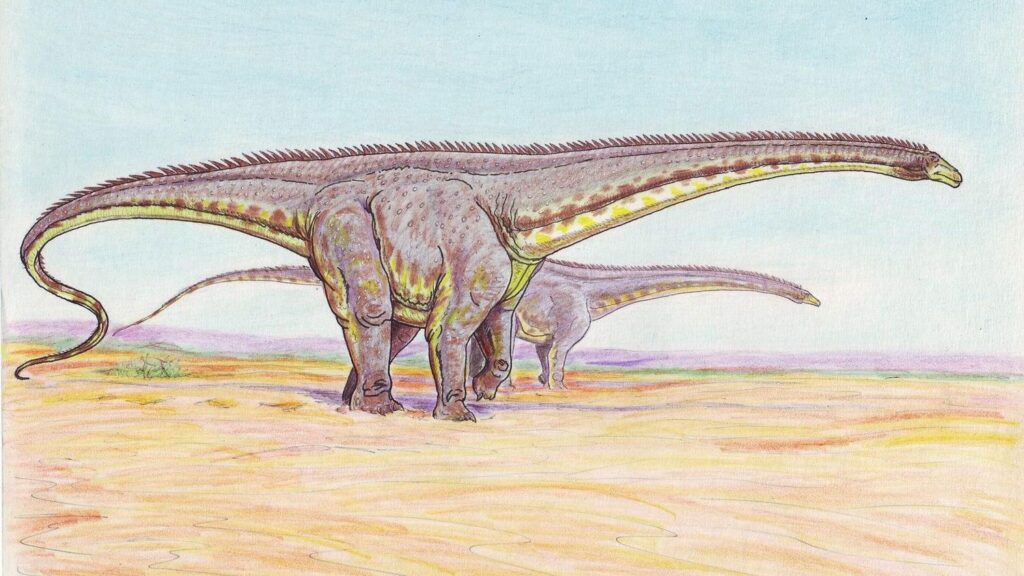
There are creatures that walked this earth whose sheer scale still makes the human imagination buckle. You’ve seen the museum skeletons. You’ve caught a glimpse in a documentary. Yet nothing quite prepares you for the honest, jaw-dropping reality of sauropod dinosaurs, the largest land animals that have ever existed. We are talking about animals that made a modern African elephant look like a house cat.
The herbivorous sauropod dinosaurs of the Jurassic and Cretaceous periods were the largest terrestrial animals ever, surpassing the largest herbivorous mammals by an order of magnitude in body mass. So, what drove them to grow so impossibly huge? Scientists have been untangling that question for generations, and the answers are stranger, more surprising, and more fascinating than most people expect. Let’s dive in.
1. The Evolutionary Cascade: When One Trait Changed Everything
The evolution of sauropod gigantism was the result of the unique historical interplay of plesiomorphic (primitive) and derived traits, covering many aspects of sauropod biology, and selection pressure for ever larger body size. Think of it less like a single light switch being flipped and more like a row of dominoes – one small biological change knocked over the next, and the next, until the result was a 70-ton beast browsing treetops.
In 2013, Sander published a review paper exploring an “evolutionary cascade model” comprising five trait cascades that explain potential factors in sauropod gigantism. An evolutionary cascade model is a method scientists use to consider how changes in one part of an ecosystem can affect other parts of the ecosystem over time – it can be thought of as a chain reaction. In the case of sauropods, a small change such as a new characteristic or trait can trigger other changes that influence survival and behaviour of subsequent lineages.
2. A Bird-Like Lung That Defied Gravity
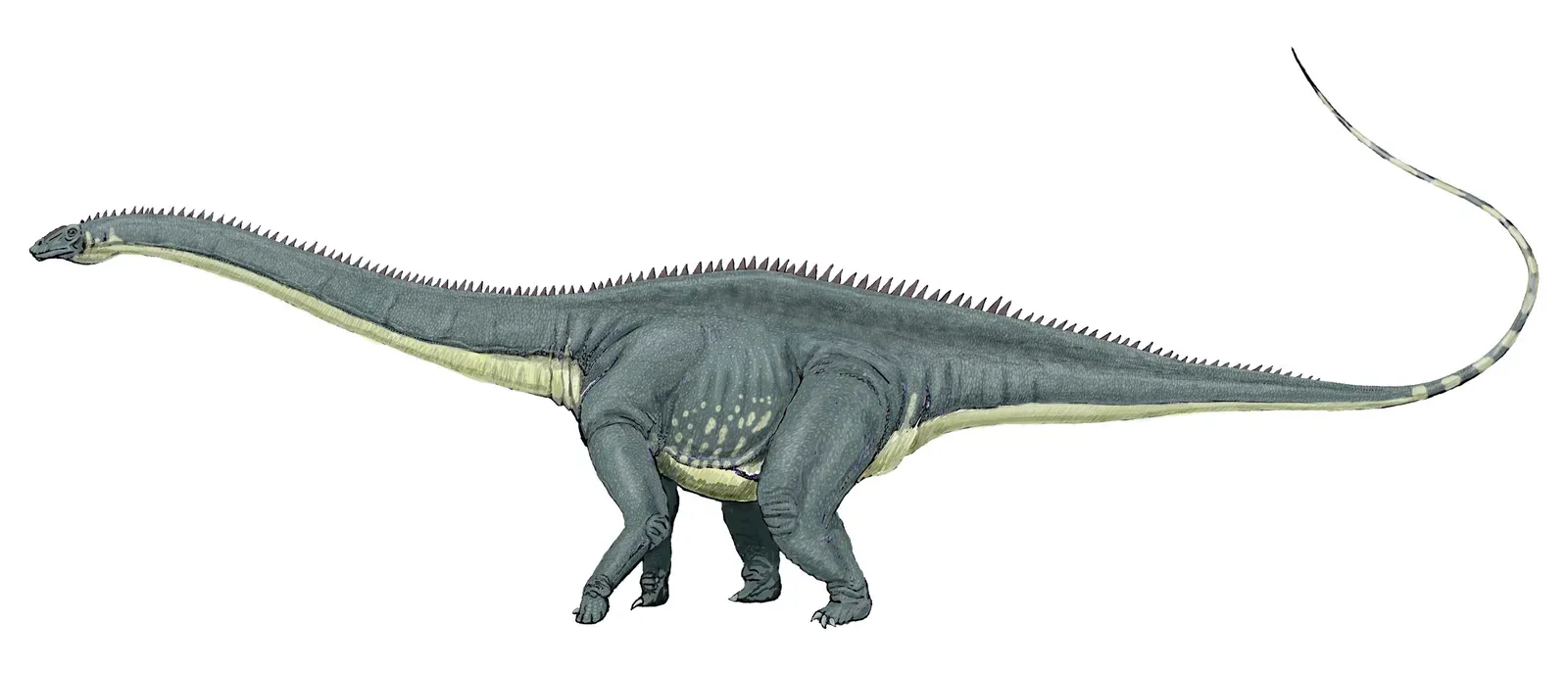
Along with other saurischian dinosaurs, sauropods had a system of air sacs, evidenced by indentations and hollow cavities in most of their vertebrae. Pneumatic, hollow bones are a characteristic feature of all sauropods. These air spaces reduced the overall weight of the massive necks that the sauropods had, and the air-sac system in general, allowing for a single-direction airflow. Honestly, the elegance of this design is breathtaking.
Their avian-style respiration system, with pneumatic foramina and a unique air sac network, not only reduced weight but also contributed to their ability to extract sufficient oxygen for their massive bodies. You can think of this like replacing a car’s heavy steel frame with an aerospace-grade aluminium structure – same strength, far less mass, and capable of going much, much further.
3. The Long Neck: Nature’s Most Efficient Foraging Tool
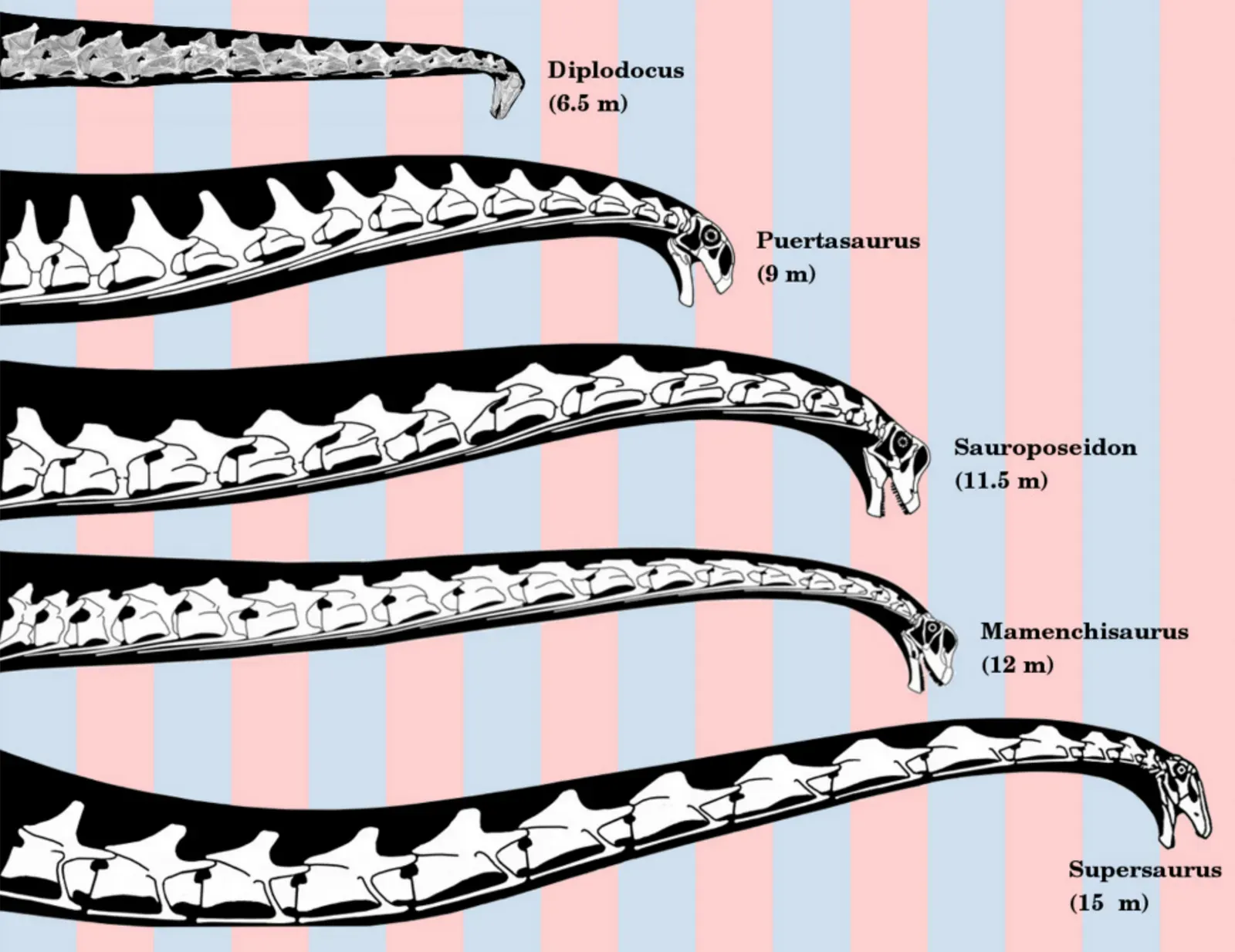
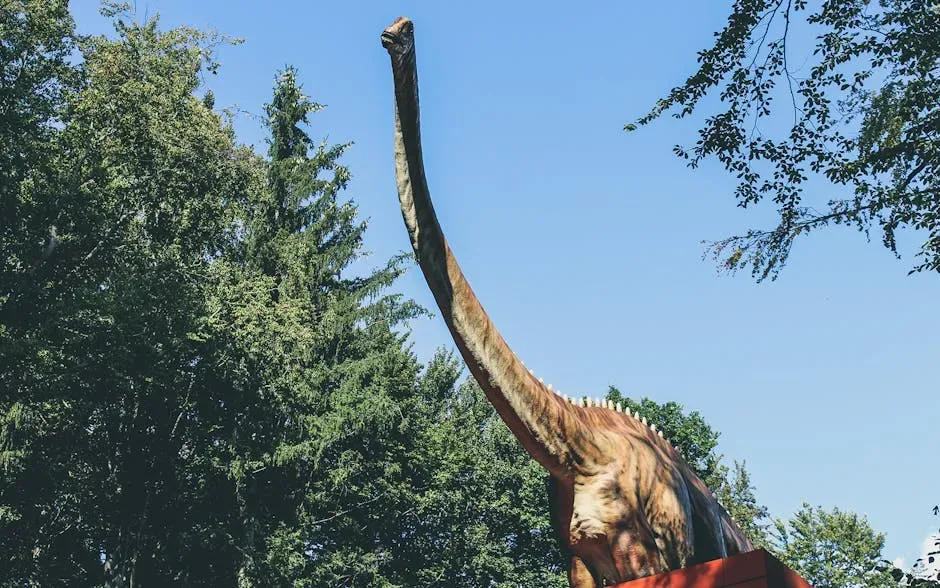
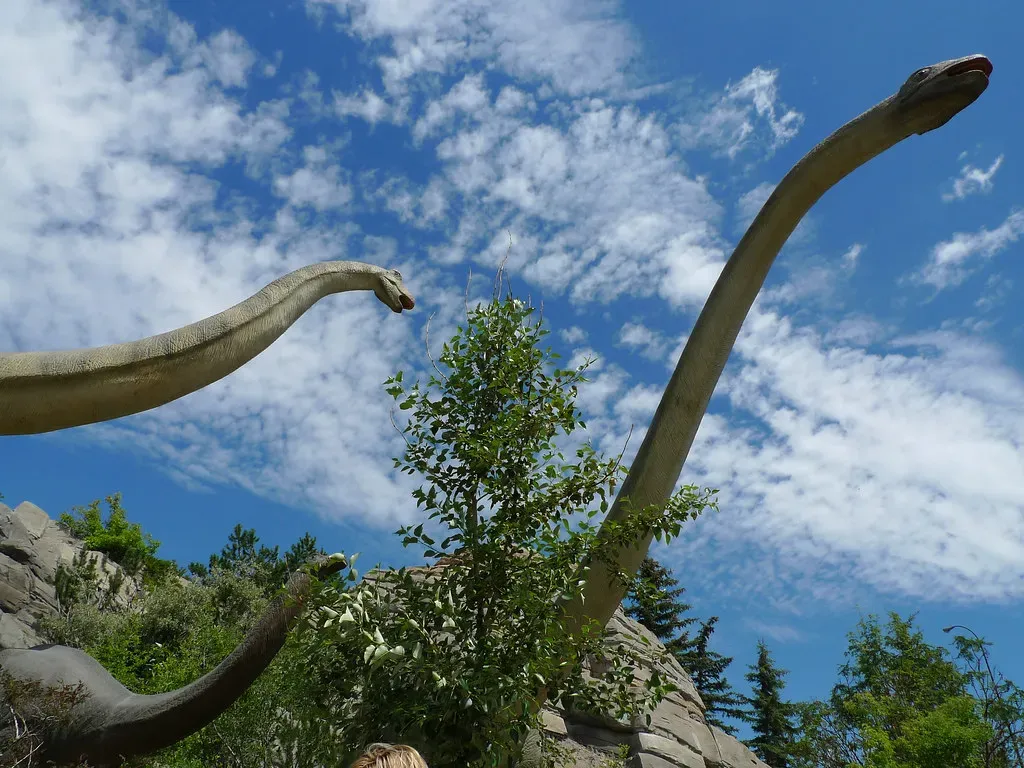
Sauropod gigantism was made possible by a specific combination of plesiomorphic characters and evolutionary innovations at different levels. Of these key innovations, the most important probably was the very long neck, the most conspicuous feature of the sauropod body plan. Compared to other herbivores, the long neck allowed more efficient food uptake by covering a much larger feeding envelope and making food accessible that was out of the reach of other herbivores. Sauropods thus must have been able to take up more energy from their environment than other herbivores.
From an ecological perspective, long necks are best understood as foraging tools. A long neck allows a large animal to harvest food across a wide area without moving the whole body. For a 20 to 50 ton animal, taking a step is energetically expensive and mechanically complex, so reaching farther can be a major efficiency gain. It’s essentially the prehistoric equivalent of a construction crane – reach more, move less, save enormous energy.
4. Skipping the Chewing: A Gut That Did the Heavy Lifting
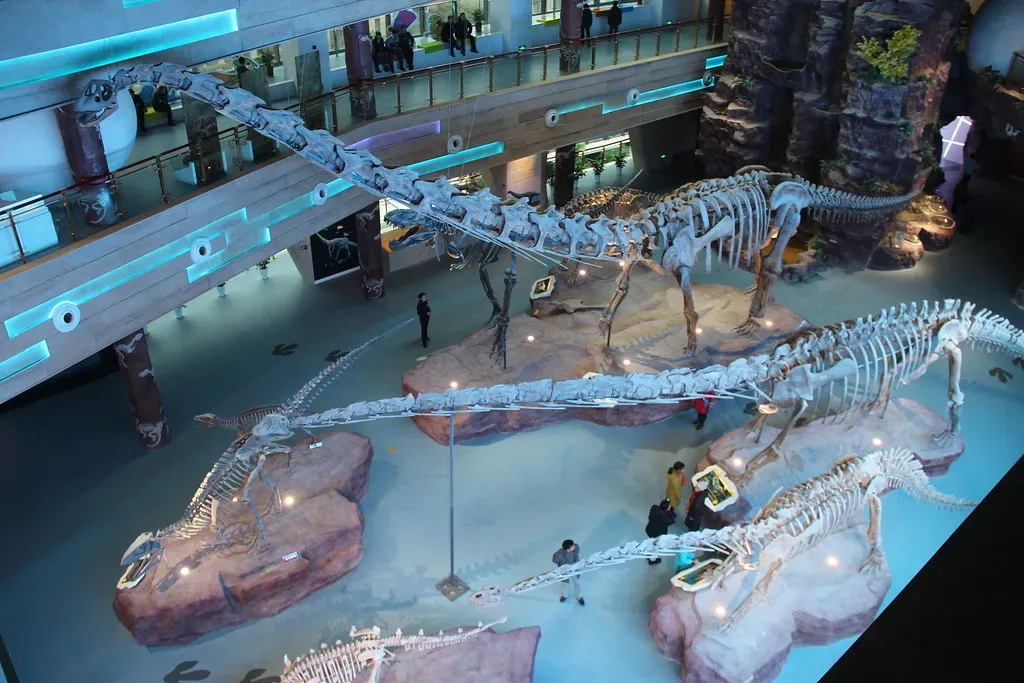
Unlike dinosaurs like velociraptors, sauropods had small teeth and a good gut. This meant they could chew less and ferment their own food, saving time and making them able to process food efficiently so they could eat lots without moving too much. This distinction is surprisingly important and often overlooked.
It appears that some traits sauropods inherited from their ancestors, such as swallowing large amounts of food without chewing, allowed the beginnings of increased body size, which was further allowed by the development of evolutionary novelties along the way – specifically, a bird-like breathing system that would have allowed oxygen to be supplied to their bodies more efficiently. In a strange twist, not having a complicated mouth turned out to be one of evolution’s greatest gifts.
5. Rapid Growth Rates and Bone Histology
The well-preserved histology of the geologically oldest sauropod dinosaurs allows new insights into the timing and mechanism of the evolution of the gigantic body size of sauropods. The oldest sauropods were already very large and show the same long-bone histology, laminar fibro-lamellar bone lacking growth marks, as the well-known Jurassic sauropods. This bone histology is unequivocal evidence for very fast growth.
Increase in growth rate compared to the ancestor, or acceleration, is thus the underlying process in the phylogenetic size increase of sauropods. Compared to all other dinosaur lineages, sauropods were not only much larger but evolved very large body size much faster. You could almost compare this to a startup that didn’t just grow quickly – it grew a completely new kind of fast that no competitor could replicate.
6. Egg-Laying and the Reproductive Advantage
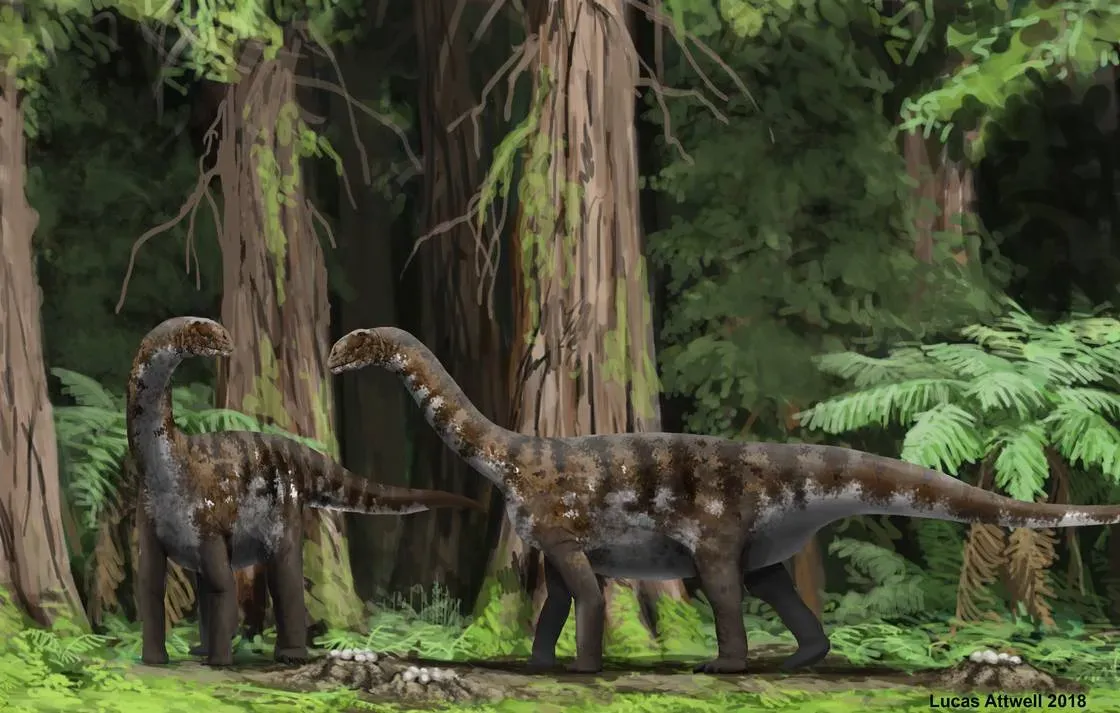
The retention of the plesiomorphic oviparous mode of reproduction appears to have been critical, allowing much faster population recovery than in megaherbivore mammals. Sauropods produced numerous but small offspring each season while land mammals show a negative correlation of reproductive output to body size. This permitted lower population densities in sauropods than in megaherbivore mammals but larger individuals.
Because of their many small hatchlings each year, sauropods would have had much higher population recovery rates than similar-sized mammals and been able to exist at much lower population densities. All else being equal, lower population density means more resources for the individual, and thus larger individuals. Here’s the thing – by laying eggs instead of live births, these dinosaurs effectively freed themselves from one of the biggest biological constraints on mammalian size. Remarkable.
7. Escaping Predators by Simply Growing Too Big to Be Eaten
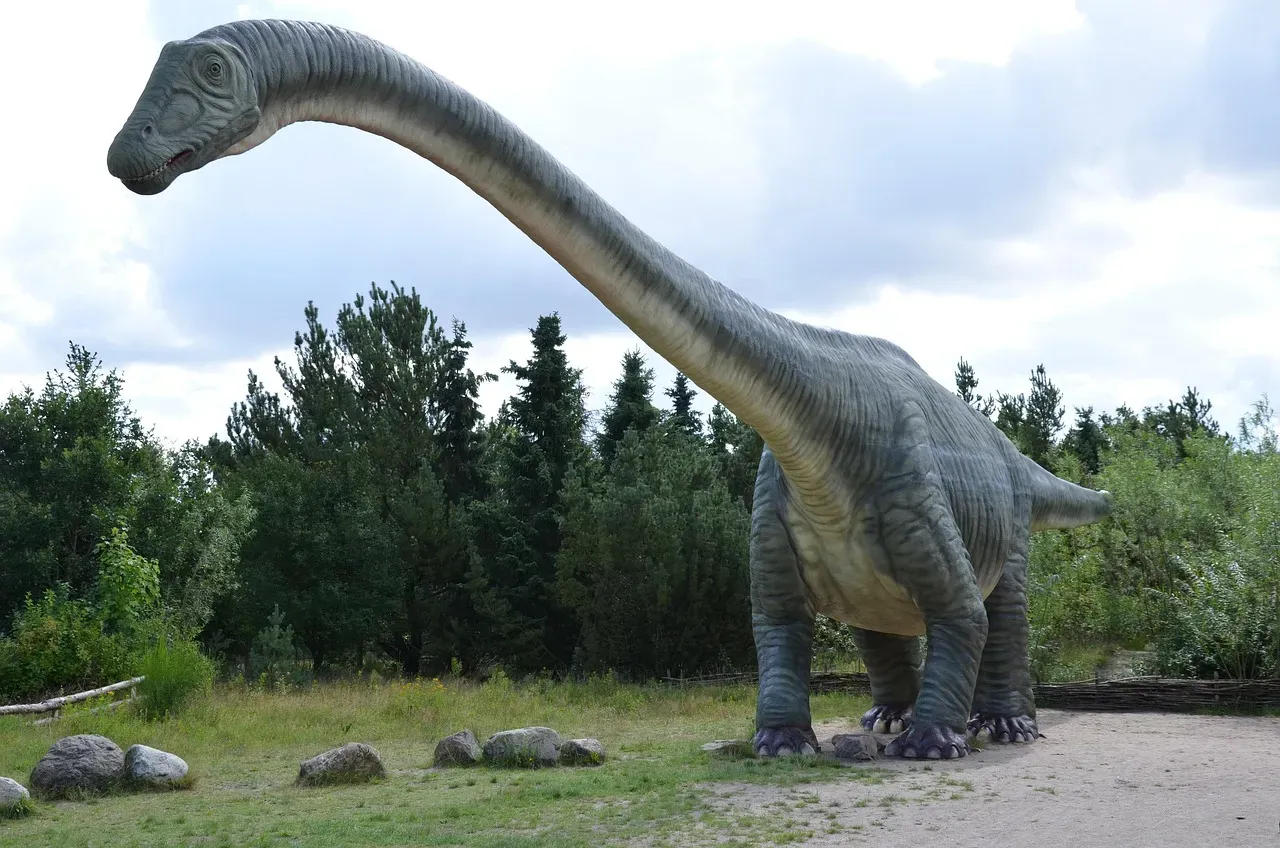
Becoming larger would provide sauropods some relative safety, at least as adults, from predatory dinosaurs. It is an arms race as old as life itself. Grow bigger than your predator, and the predator has to look elsewhere for a meal.
Once sauropods had evolved to a body size sufficient to protect them from theropod predation, their evolutionary size increase might have come to a halt because of the selective disadvantages of large body size. Gigantism certainly has its advantages – African elephants, for example, have virtually no natural predators once they reach a certain size. The ancient sauropods played this strategy to its logical extreme, becoming so colossal that even the most fearsome theropods of the Jurassic thought twice before engaging.
8. Migrating Year-Round for Non-Stop Growth
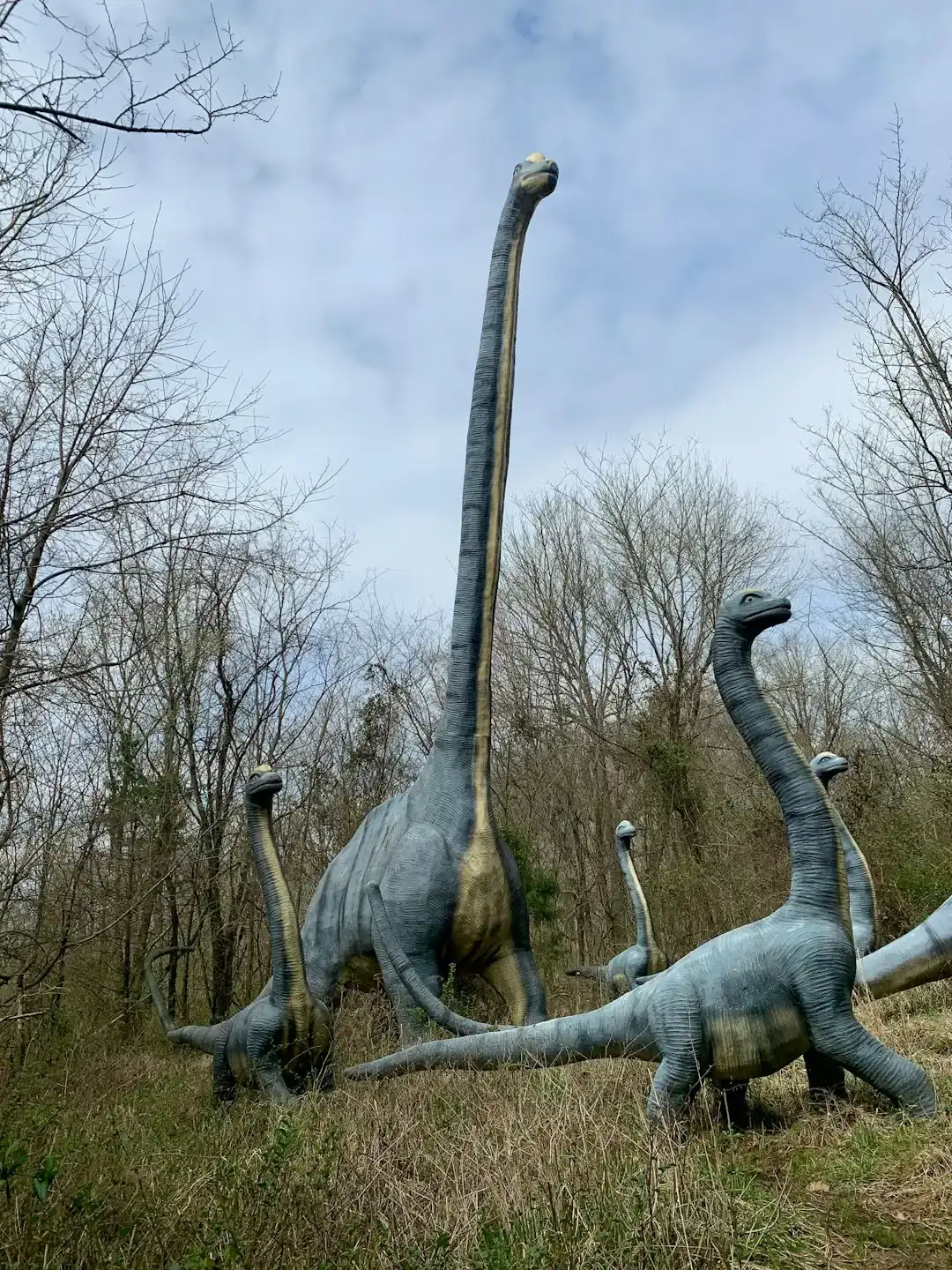
Later sauropods seem to have further adapted by eliminating or minimizing seasonal pauses and growing quickly throughout the year, according to research carried out by Cecilia Alpadetti of the National University of San Juan in Argentina and her colleagues. Migrating to areas where food was available year-round could have facilitated this sustained growth.
A research team showed that some sauropods likely migrated great distances, for example from the Great Lakes region to the Rocky Mountains. The ability to continue growing throughout the year may have been a key innovation, sustained by great migrations, that facilitated the emergence of gigantism in early sauropods. It is hard to say for sure just how far some of these animals traveled, but the idea that nonstop movement fueled nonstop growth adds a thrilling new chapter to an already extraordinary story.
9. High-Nutrient “Superfoods” and a Surprisingly Rich Mesozoic Diet
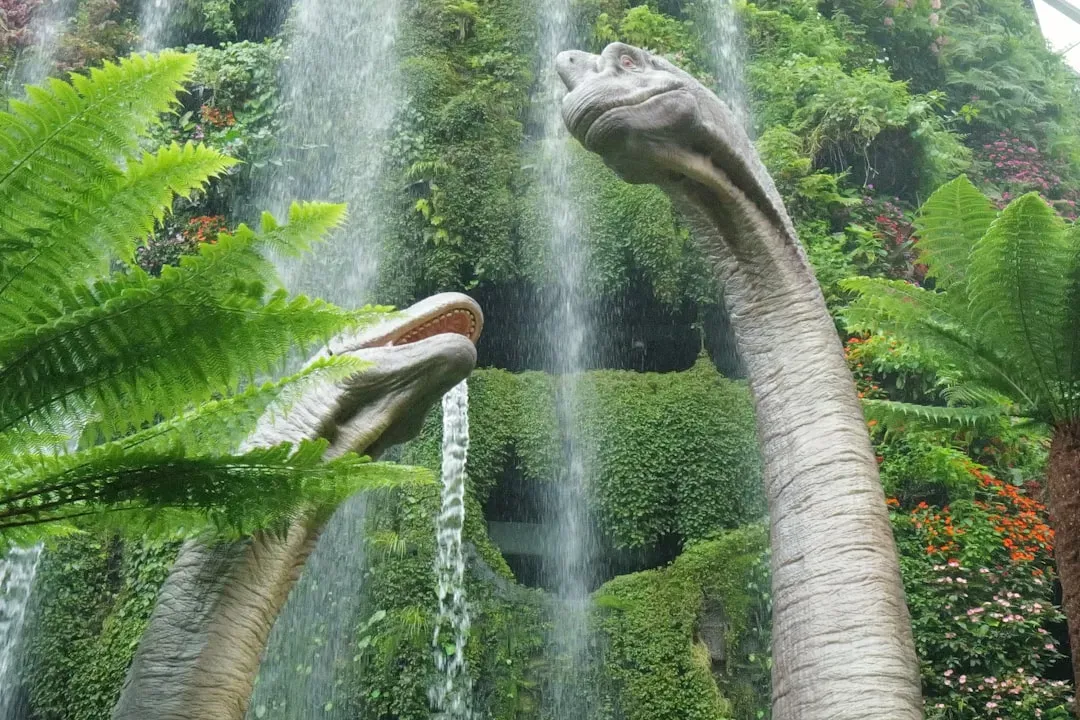
Sauropods, the largest terrestrial animals ever to have lived, may have relied on foods more nutritious than ferns and conifers to grow to massive size. Many herbivores today grow fat on energy-rich grasses, but these and other nutritious flowering plants didn’t become common until near the end of the dinosaurs’ reign. Researchers think they have glimpsed the answer: a surprisingly nutrient-rich plant that could have been a mainstay of these dinosaurs’ diets, and turtle-like beaks that buttressed sauropods’ peg-like teeth as they relentlessly stripped foliage from plants.
Analysis showed that adult body size increased with food-plant quality and availability but decreased with higher mortality due to predators and other factors. This conclusion is consistent with geological studies that suggest a high quality and availability of food plants in the Mesozoic era, efficient air-sac breathing, and the lightweight bones of sauropod dinosaurs, allowing rapid growth of small individuals. The Mesozoic menu, it turns out, may have been far more generous than we once believed.
10. Hollow Lightweight Bones That Supported Massive Mass
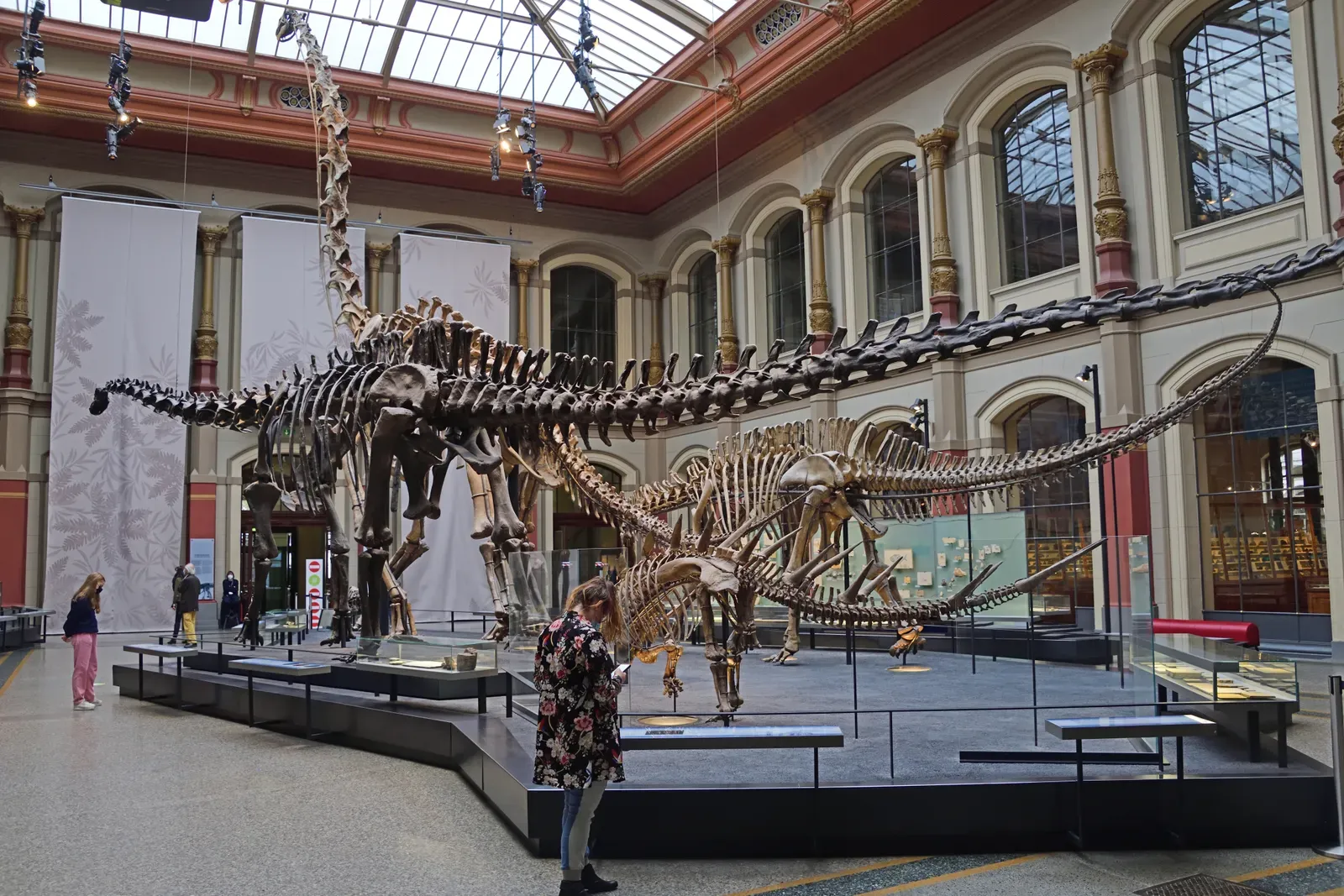
Findings suggest that a soft tissue pad in sauropods would have reduced bone stresses by combining the mechanical advantages of a functionally plantigrade foot with the plesiomorphic skeletally digitigrade saurischian condition. The acquisition of a developed soft tissue pad by the Late Triassic to Early Jurassic may represent one of the key adaptations for the evolution of gigantism.
The sauropod lineage evolved long necks early, which allowed them to exploit a range of food sources to fuel their bodies, and their light bones allowed them to overcome structural constraints felt by mammals due to the heavier bones of the latter group. It is a bit like the engineering principle behind modern skyscrapers – not solid steel throughout, but a latticed framework that is both lighter and, counterintuitively, stronger under load.
11. Independent Gigantism: They Kept Doing It Over and Over
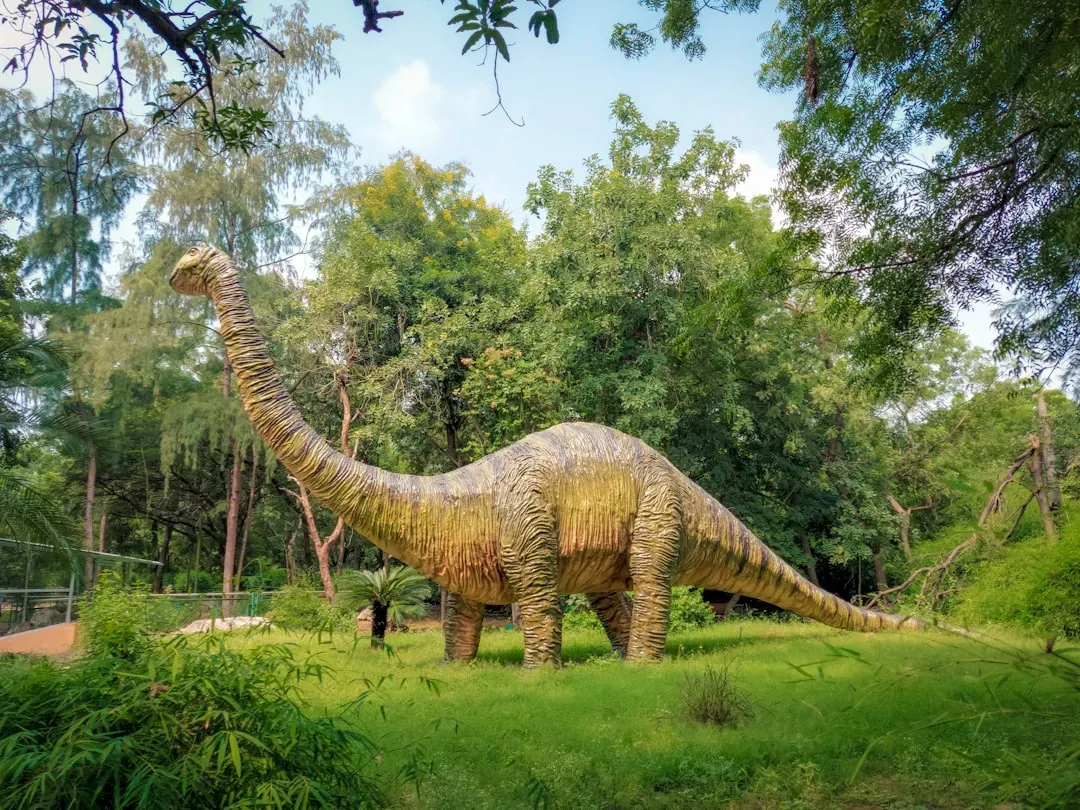
Palaeontologists at Adelphi University discovered that sauropods grew to their exceptional sizes so that they could fill available niches, and they did this by evolving many more times than previously thought. Rather than changing their sizes just one or two times throughout evolutionary history, Dr. Michael D’Emic discovered that individual sauropod species in fact evolved as many as 36 times over 100 million years.
These traits don’t explain why 36 lineages within the sauropod group surpassed the other lineages to attain truly epic proportions. Each case seems to have been distinct – predation pressure may have led to the evolution of increased growth rates in one instance, resource abundance could have allowed for extended growth seasons in another – and will require a lot more study to solve. The fact that extreme size kept re-evolving independently, again and again across millions of years, suggests that the conditions for dinosaur gigantism were unusually favorable and unusually repeatable.
12. The Multifactorial Truth: No Single Answer Will Ever Be Enough
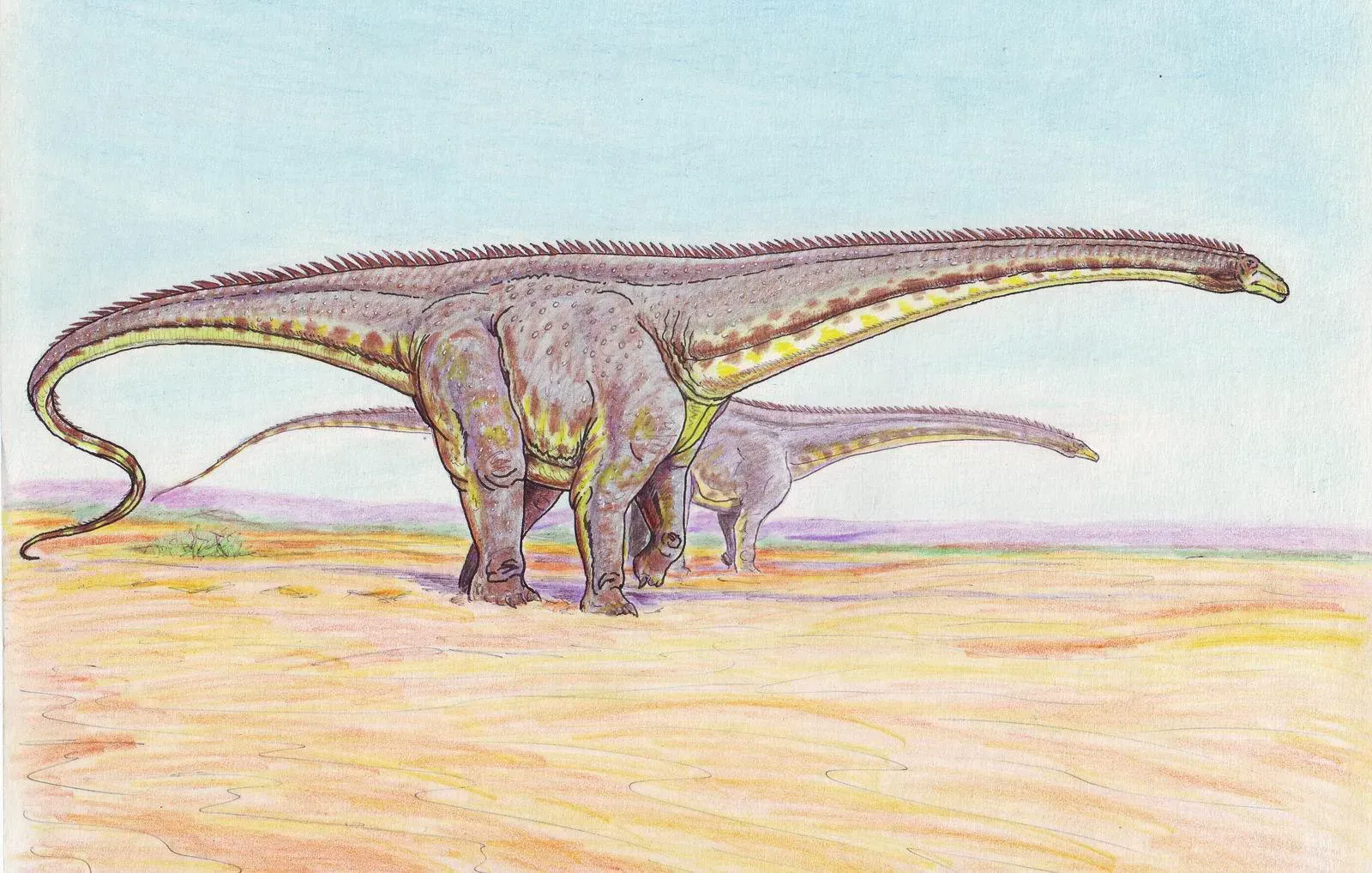
The picture that emerges from all this is that a combination of features allowed sauropods to grow large. The sauropod lineage evolved long necks early, which allowed them to exploit a range of food sources to fuel their bodies, and their light bones allowed them to overcome structural constraints felt by mammals due to the heavier bones of the latter group.
Sauropod gigantism has a complex, multifactorial explanation centered around the unique interplay of basal traits, such as egg laying and not chewing, and derived traits, such as the very long neck, the bird lung, and a fast metabolism. Some of these traits act in a cascading fashion, with one trait facilitating the evolution of another, and so on. There is no single smoking gun. There never was. The gigantism of sauropods was not one miracle but a whole cascade of biological coincidences that happened to stack up perfectly across tens of millions of years.
Conclusion: The Giants That Science Is Still Catching Up To
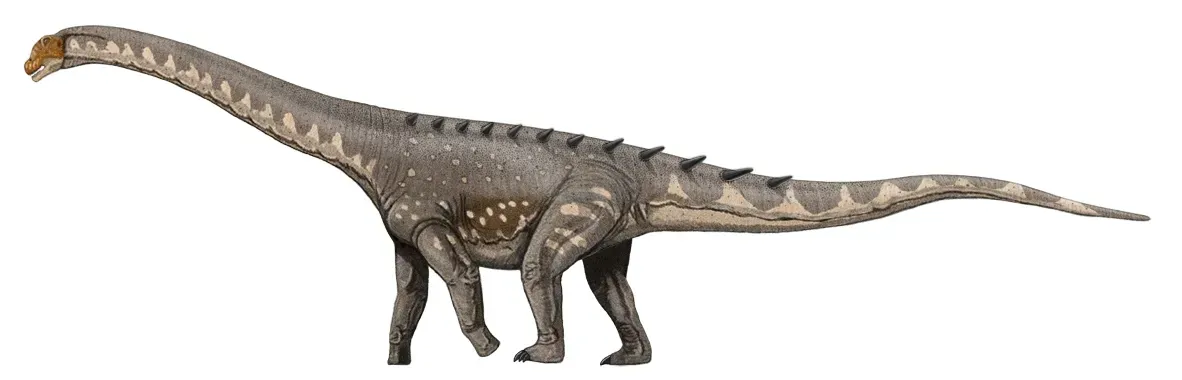
We are only just beginning to understand why sauropods got so big. The answer seems to be complex, with no single way to explain the existence of all of the largest-of-the-large species. And honestly, that is part of what makes them so endlessly fascinating.
While sauropods reached astonishing sizes, questions remain about their eventual extinction, the possibility of even larger sizes, and whether they were approaching the limits of terrestrial gigantism. Future research promises to unravel more mysteries of these remarkable giants that once roamed our planet, leaving an indelible mark on Earth’s evolutionary history.
The more you learn about sauropods, the more you realize that nature, when given enough time and the right conditions, can produce something that seems genuinely impossible. Every theory explored here adds another piece to a puzzle that has been buried in the earth for over 66 million years. We keep digging, and the picture keeps getting bigger – much like the dinosaurs themselves. So let us ask you this: which of these twelve theories surprised you the most? Drop your thoughts in the comments below.