
Antarctica – A draft report from the Marine Stewardship Council recommending the recertification of the world’s largest Antarctic krill fishery has prompted formal objections from prominent conservation organizations.
Spotlight on a Keystone Fishery
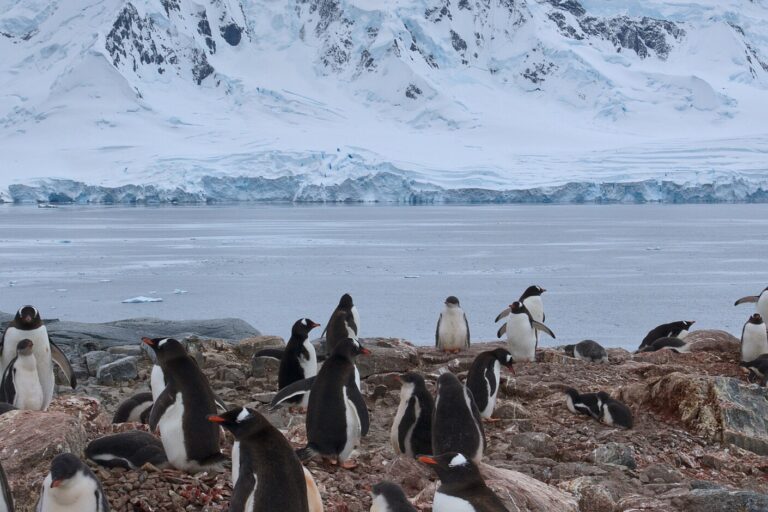
Spotlight on a Keystone Fishery (Image Credits: Imgs.mongabay.com)
Norway-based Aker QRILL Company dominates the Antarctic krill harvest, accounting for about 60 percent of the global catch. The firm has carried the MSC’s blue label since 2010, signaling to consumers that its products come from well-managed stocks. Last month, independent assessors at LRQA released a final draft report endorsing a fourth five-year certification term.
This process evaluates compliance with MSC standards, which demand precautionary catch limits to protect dependent predators before human needs. The fishery targets Euphausia superba in CCAMLR Area 48 using midwater trawls equipped with eco-harvesting systems. Reported catches reached 333,873 metric tonnes in 2024, well below the overall biomass estimate.
Yet the recommendation quickly drew fire. The Antarctic and Southern Ocean Coalition filed an objection, followed by WWF, halting final approval and sending the case to independent adjudicators.
The Vital Role of Krill in Southern Ocean Life
Antarctic krill forms the foundation of the Southern Ocean food web. Whales, penguins, seals, seabirds, and fish rely on these tiny crustaceans for survival. Krill swarms also sequester vast amounts of carbon, aiding global climate regulation.
Populations have declined 70 to 80 percent in some regions since the 1970s, driven by warming waters, reduced sea ice, and pollution. Harvests fuel aquaculture feed, livestock nutrition, and human supplements, but critics warn that even modest takes could disrupt this fragile balance amid rapid environmental shifts.
Key Grievances Fueling the Objections
Conservationists argue the MSC assessment overlooked mounting risks. A spatial management measure expired in 2024 after CCAMLR members, including China and Russia, failed to renew it. Fishing then concentrated in the Antarctic Peninsula, a prime feeding zone for humpback whales and emperor penguins.
The 2025 quota of 620,000 tonnes closed three months early, with effort surging 118 percent in critical subareas. Observers note incomplete coverage and delayed reporting. WWF highlighted data showing reduced whale pregnancies linked to local krill shortages.
Objections center on several failures:
- Misleading reliance on outdated biomass surveys ignoring climate dynamics.
- Absence of subarea catch limits or marine protected areas.
- Olympic-style quotas spurring vessel clustering.
- Inadequate protections for bycatch and foraging hotspots.
- Stalled CCAMLR reforms despite scientific calls for precaution.
“Our objection ensures environmental impacts receive accurate scrutiny,” ASOC Executive Director Claire Christian stated. “The assessment misses the unique risks in this climate-vulnerable ecosystem.”
Industry Defends Its Record
Aker QRILL CEO Matts Johansen dismissed the critiques as counterproductive. The company supports marine protected areas and spatial rules but blames CCAMLR deadlocks. “We work behind the scenes for progress, including outreach to key nations,” Johansen said. Aker reports no expansion plans and stresses catches remain under 1 percent of biomass.
MSC maintains its standards require effective oversight. A spokesperson noted that certified fisheries must prove robust management, though the organization withheld comment on the active review
Adjudication and Broader Implications
Independent reviewers now weigh the objections over coming months. Success for challengers could impose conditions, revoke certification, or spur CCAMLR action like moratoriums or enhanced monitoring.
WWF’s Rhona Kent urged an immediate fishing halt until reforms, including 100 percent observer coverage and remote monitoring, take hold.
Key Takeaways
- Krill fishery certification hinges on independent review amid ecosystem alarms.
- Expired safeguards have intensified local fishing pressure on predator hotspots.
- Climate change amplifies risks to this Southern Ocean cornerstone.
This dispute underscores tensions between industrial harvesting and Antarctic preservation. As adjudicators deliberate, the outcome could reshape consumer trust in sustainability labels. What measures would you prioritize to protect krill-dependent wildlife? Share your views in the comments.