
Global researchers discovered that tropical plants, long thought resilient to phenological disruptions from warming temperatures, now show clear changes in their annual blooming periods.
Challenging Long-Held Assumptions
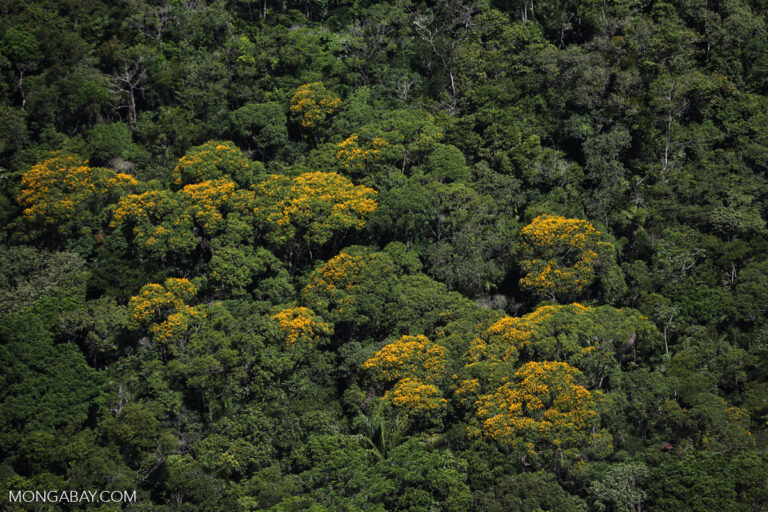
Challenging Long-Held Assumptions (Image Credits: Imgs.mongabay.com)
Scientists previously believed the stable year-round temperatures in tropical regions would shield plants from the flowering shifts seen in temperate areas. Such changes have altered spring blooms in higher latitudes for decades. Yet a recent investigation proved otherwise.
The study, published in PLOS ONE, examined patterns across Africa, Asia, and South America. Lead author Skylar Graves from the University of Colorado Boulder highlighted the power of historical collections. “Herbarium specimens are functionally a global and multigenerational dataset of plants,” she explained. “These specimens can be used for countless purposes, and with enough collections taken … you can use them to compare anything you want at any scale.”
Unveiling the Data Through Herbaria
Researchers turned to digitized herbarium records from the Global Biodiversity Information Facility (GBIF). They focused on 33 species known for discrete annual flowering periods of four months or less. These plants came from sites near biological preserves, ensuring consistent collection efforts.
The team reviewed 8,225 flowering specimens gathered between 1794 and 2024. Each record underwent manual verification via specimen photos. Statistical models accounted for the circular nature of seasonal data, revealing trends over time.
Measured Shifts: Earlier and Later Blooms
Flowering dates moved by an average of 2.04 days per decade in absolute terms. About one-third of species – 10 out of 33 – bloomed earlier, while two-thirds shifted later. The range spanned from a mere 0.04 days to 14.10 days per decade.
These adjustments matched patterns in temperate, boreal, and even alpine regions. Factors beyond temperature, such as precipitation and sunlight, likely contributed to the variations.
| Species Example | Location | Shift Per Decade | Total Shift Noted |
|---|---|---|---|
| Peltogyne recifensis (amaranth tree) | Brazil | 14.10 days later | 80 days later since 1950s |
| Crotalaria mortonii (rattlepod shrub) | Ghana | 4.08 days earlier | 17 days earlier by 1995 |
| Barnebya harleyi | Brazil | 5.84 days later | 30 days later over 51 years |
Ecosystems at Risk from Desynchronization
All 33 species depend on animal pollinators, from insects to birds and bats. Eleven rely on animals for seed dispersal as well. Such mismatches could reduce plant reproduction and starve dependent wildlife.
Fruit-eating primates, evolved alongside specific fruiting cycles, face particular threats. Emma Bush from the Royal Botanic Garden Edinburgh warned of broader losses. “When plants, insects and other animals are out of sync they could all lose out – and the risk is that we lose biodiversity that benefits people, too,” she told The Guardian.
Tropical disruptions may cascade globally, influencing carbon cycles and ocean health.
- Herbarium data spans over two centuries, minimizing biases.
- Phylogenetic analysis showed evolutionary history influences shift magnitudes.
- Findings reject the idea of tropical insulation from climate impacts.
- More research needed on drivers like rainfall and pollinator shifts.
- Conservation in hotspots must now factor in phenological changes.
Key Takeaways
- Tropical flowering shifts average 2 days per decade, comparable to temperate zones.
- One-third of species bloom earlier; two-thirds later.
- Herbaria prove invaluable for tracking long-term ecological changes.
These revelations underscore the far-reaching grip of climate change, even in the world’s steadiest climates. What steps should conservationists prioritize to safeguard these vital ecosystems? Share your thoughts in the comments.