There are some discoveries in science that feel almost impossibly cinematic. Imagine a team of paleontologists brushing dust off a rock in the Patagonian badlands, only to uncover something that has not been seen by any living creature in 70 million years: a perfectly intact dinosaur egg, pale as bleached bone and sitting as if it were left behind just yesterday. That moment is not a movie. It happened.
Fossilized dinosaur eggs are among the rarest objects on the planet. They offer science something that fossilized bones simply cannot: a direct window into reproduction, development, and even parental behavior. Every cracked shell, every embryonic fragment curled inside calcified stone, rewrites a chapter in the long story of life on Earth. Get ready to be surprised by just how much these ancient eggs still have to say. Let’s dive in.
The Argentine Discovery That Stopped a Livestream in Its Tracks
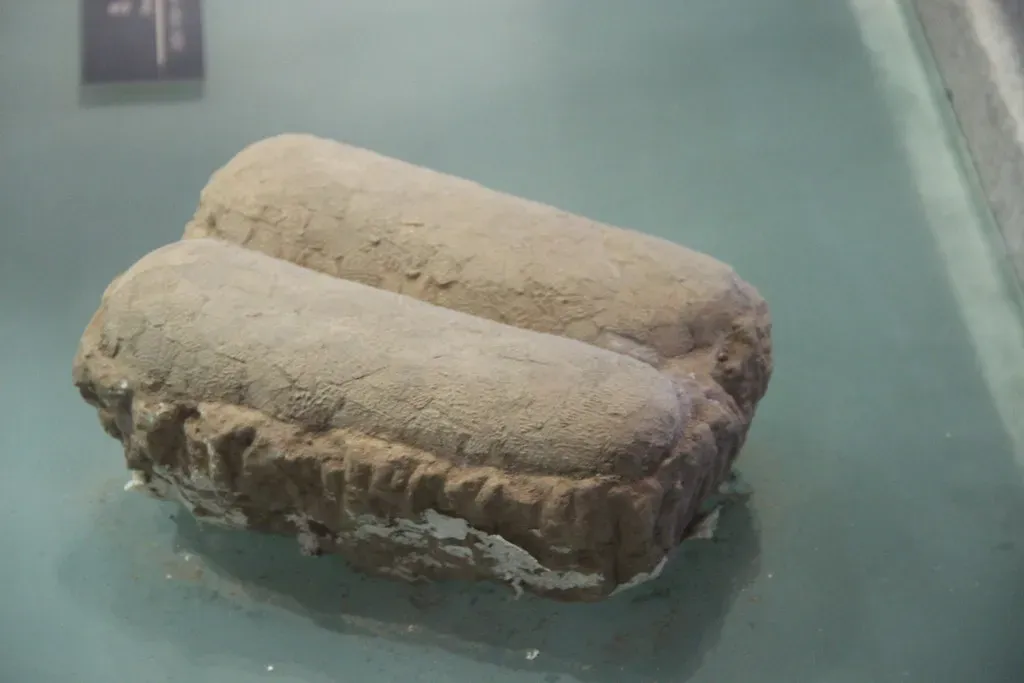
You might not expect a paleontological expedition to go viral, but that is exactly what happened in Patagonia. A field party of twenty scientists from CONICET and the Argentine Museum of Natural Sciences, led by vertebrate anatomist Dr. Federico Agnolín, had been surveying near the city of General Roca when three members spotted what they first mistook for an emu egg. The moment they brushed it clean, the world changed for them.
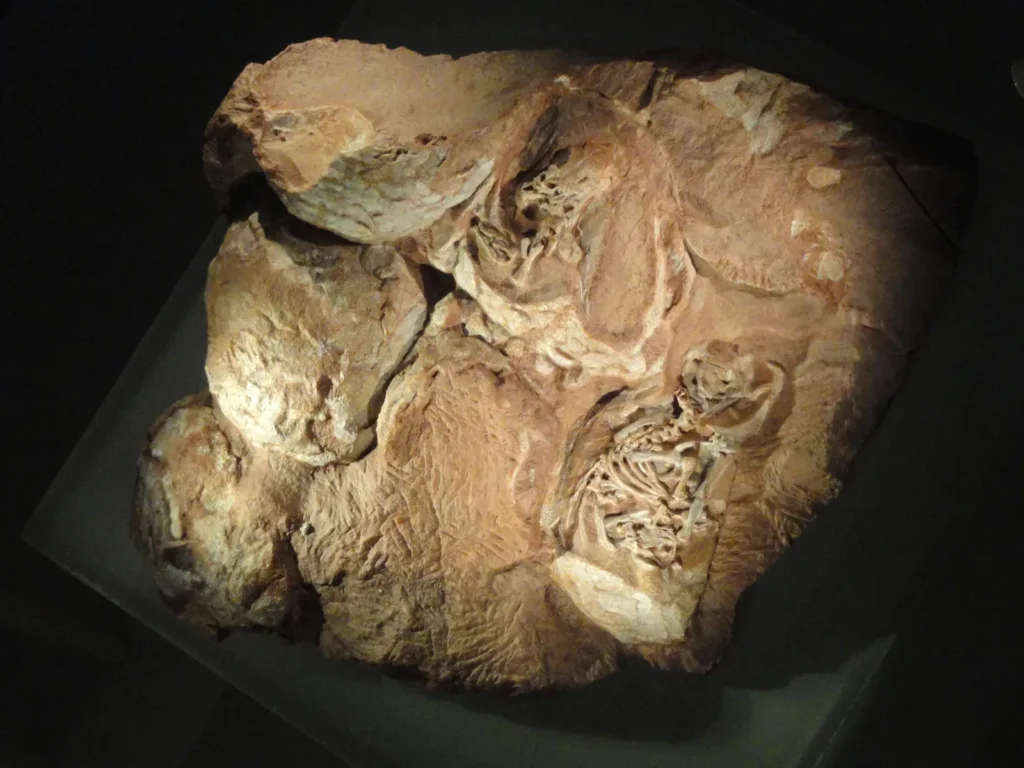
The cameras of the Laboratory of Comparative Anatomy and Evolution of Vertebrates at the Argentine Museum of Natural Sciences captured the find: a 70-million-year-old dinosaur egg, astonishingly well preserved. The team believes it could be the first complete egg of a carnivorous dinosaur ever found in South America, and that it might even contain embryonic remains inside. Honestly, the idea that such a thing was hiding in plain sight, exposed to the elements, is almost too much to wrap your head around.
Why Carnivorous Dinosaur Eggs Are So Vanishingly Rare
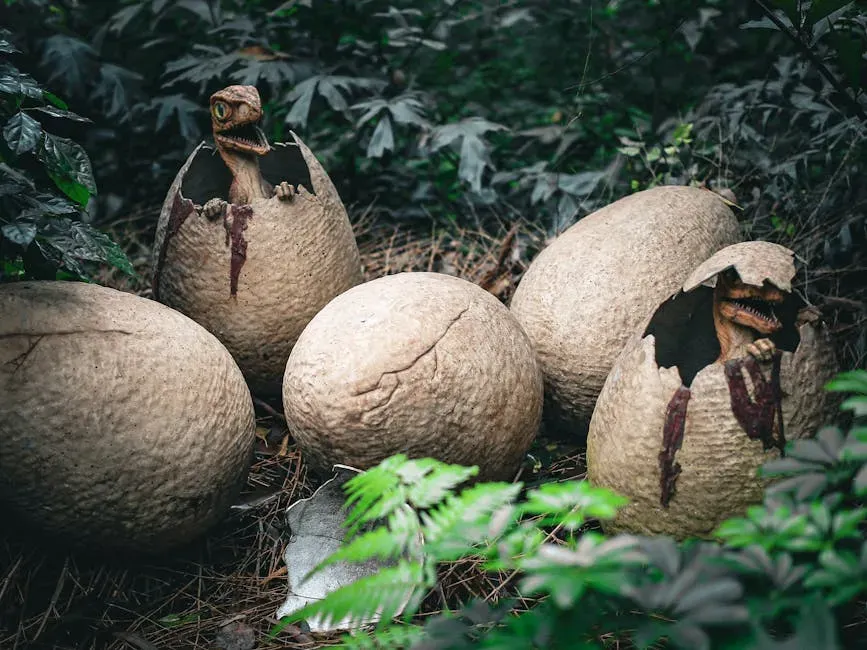
Fossilized eggs of carnivorous dinosaurs are extremely rare, and the exceptional state of preservation of this specimen makes it one of the most remarkable ever found. Think of it like trying to find a soap bubble from 70 million years ago. Most organic material simply does not survive that kind of time, let alone something as fragile as an egg from a meat-eating theropod.
Although Argentina ranks third worldwide for identified dinosaur species, most regional eggs belong to long-necked herbivores whose thick shells endure far better. Carnivore eggs, by contrast, tend to have thinner, more delicate shells, meaning the geological odds are stacked against their survival. While dinosaur eggs have been found in the region before, the exceptional condition of this particular specimen has set it apart, transforming a routine expedition into a moment of profound scientific significance.
What a Fossilized Embryo Inside Could Mean for Science
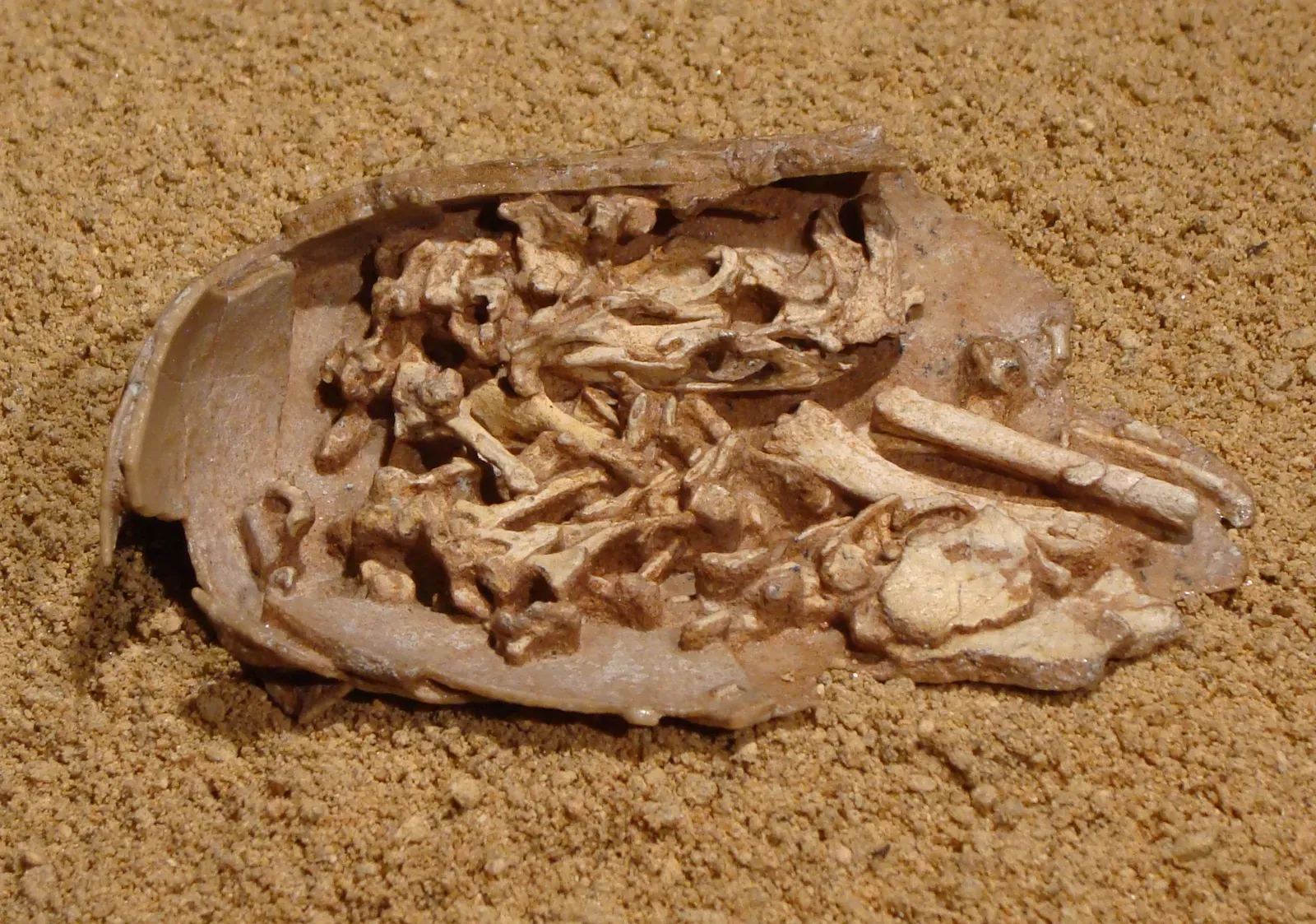
The presence of a fossilized embryo would be a scientific jackpot, confirming the species of dinosaur that laid the egg and providing a wealth of novel information that could reshape our understanding of dinosaur evolution. This is no small claim. To date, only eight species of dinosaurs have yielded fossilized embryos, while there are currently over 700 recognized dinosaur species.
By studying the structure of the eggshell, the potential anatomy of an embryo, and the arrangement of the nest, paleontologists can piece together a remarkably detailed picture of the lives of these ancient animals. The find has the potential to answer long-standing questions about the reproductive strategies of theropod dinosaurs, their growth rates, and their evolutionary relationship with their modern-day descendants, the birds. Here’s the thing: what looks like a dusty rock in a field might actually be the Rosetta Stone for understanding how birds came to be.
The Soft-Shell Secret That Rewrites Dinosaur Reproduction
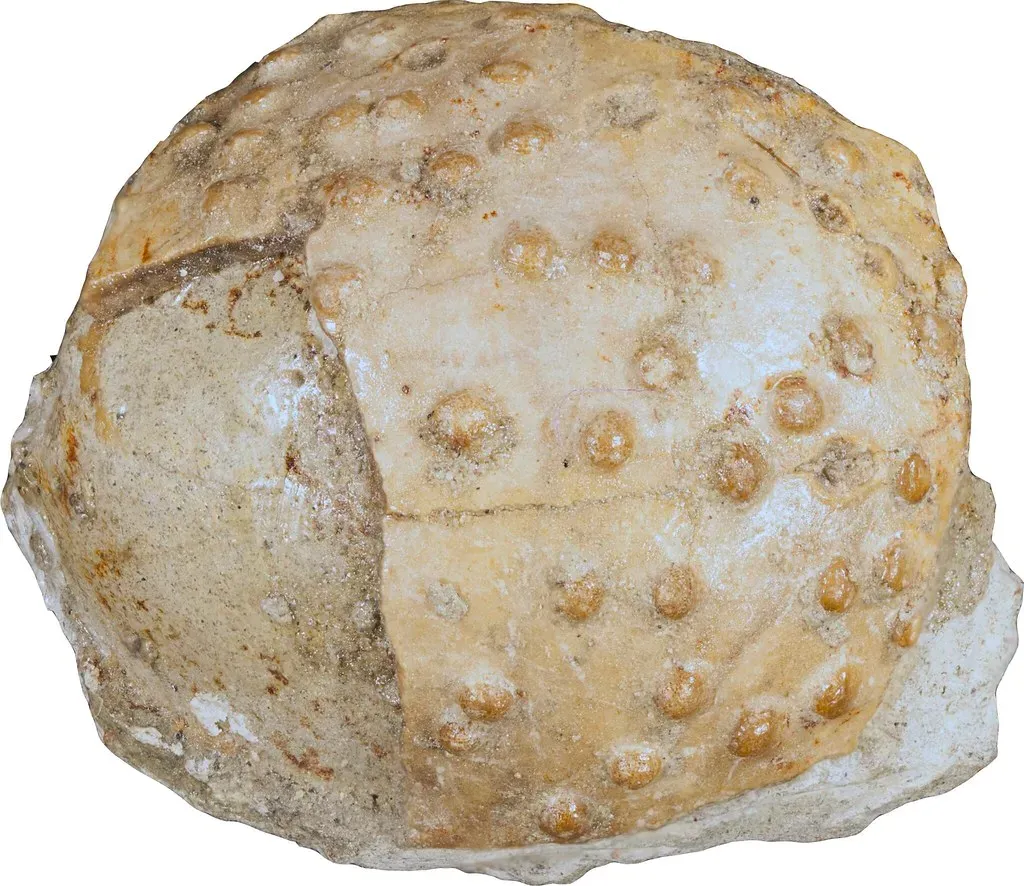
One of the most genuinely shocking revelations of recent paleontology is that not all dinosaurs laid the kinds of eggs you are picturing. A study published in Science provides important clues that help explain why dinosaur eggs are relatively rare in the fossil record: it turns out many dinosaurs likely laid soft-shelled eggs, which are much less likely to fossilize than their hard-shelled counterparts. This changes everything about how scientists interpret the absence of eggs in the record.
The research team used a cutting-edge technique that bathes fossil samples in laser light, recording how the light interacts with the surface and revealing the chemical composition of the eggshells. The “soft eggshell” molecular fingerprint found in both the Protoceratops and Mussaurus eggs was identical to the chemical signature seen in modern soft-shelled eggs. Since soft-shelled eggs are fragile and would not withstand being sat on by a heavy dinosaur, it is likely that these species buried their eggs. Ecologist Ricky-John Spencer suggests that burying the dinosaur eggs would also prevent them from drying out, providing a more stable environment for embryo development.
Laser Technology and the Atomic Clock That Dates Ancient Eggs
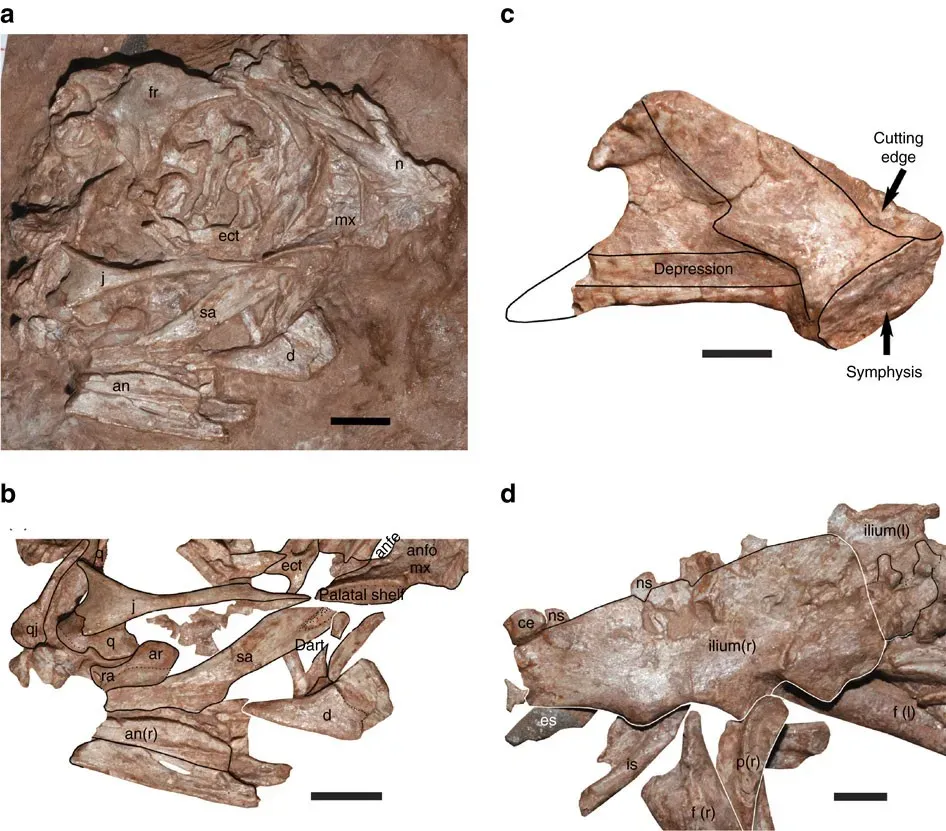
Dating dinosaur eggs has always been tricky because traditional methods rely on surrounding rocks or minerals that may have shifted over time. Now, for the first time, scientists have directly dated dinosaur eggs by firing lasers at tiny eggshell fragments. It sounds like something from a science fiction film, but the results are genuine and extraordinarily precise.
A clutch of 28 dinosaur eggs found in the Qinglongshan fossil reserve in central China is about 86 million years old, according to scientists who used this atomic clock method. Researchers said they now hope the eggs, and the technique employed, might help reveal how dinosaurs living in China’s Yunyang Basin adapted to a cooling climate. With more than 200 dinosaur egg sites worldwide, of which only a handful have been accurately dated, this U-Pb dating technique could be a valuable new tool for studying preserved examples of egg-laying in dinosaurs and learning how that may have changed over time.
Baby Yingliang and the Bird-Like Hatching Pose That Stunned the World
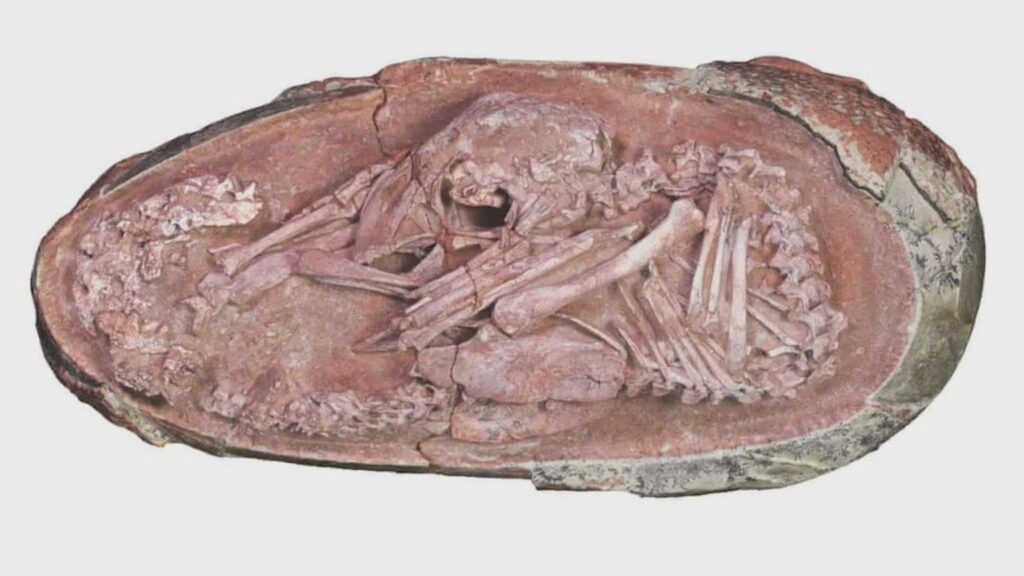
Baby Yingliang and the Bird-Like Hatching Pose That Stunned the World (Image Credits: Reddit)
Perhaps no single fossilized egg find has shaken the paleontology world more than “Baby Yingliang.” A 72-million-year-old skeleton of a baby dinosaur was discovered in Ganzhou, southern China. The discovery is even more momentous when its condition and contribution to scientific knowledge about dinosaur hatching processes are taken into consideration. Found in a rock layer from the late Cretaceous era, the fossil is an oviraptorid embryo, curled in its egg and perfectly preserved.
Baby Yingliang was fossilized in a unique position: its head lies below the body, with the feet on either side, and the back curled along the blunt end of the egg. Previously unrecognized in dinosaurs, this position is much like that seen in bird embryos of modern times. Because oviraptorids belong to a larger group of dinosaurs that ultimately gave rise to birds, this behavior of taking on various positions prior to hatching is no longer unique to living birds. You are looking at the evolutionary origin of something that bird parents witness every single spring morning.
Nesting Colonies, Parental Care, and the Cretaceous Nursery
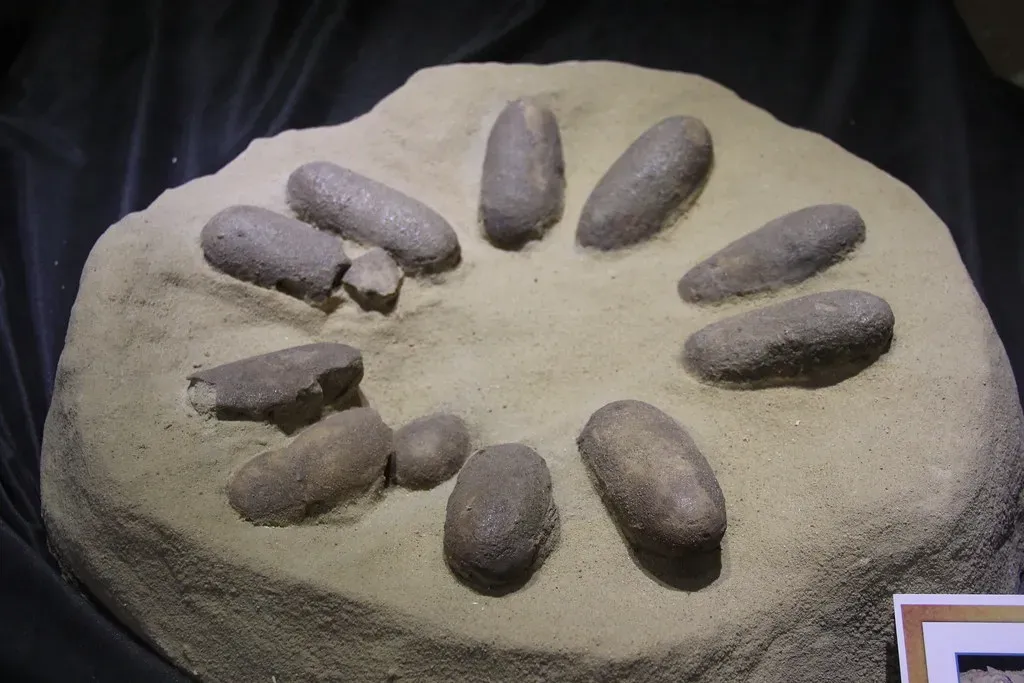
Around the Argentine egg, paleontologists documented fragments of other nests, tiny mammal teeth, snake vertebrae, and scattered bones, suggesting the site once served as a Cretaceous nursery. The image that conjures is remarkable: a buzzing, ancient nesting ground where multiple species coexisted in a shared landscape of life and predation.
Discoveries of multiple layers of nests within the same area have led researchers to suspect that some localities were used by the same species of animal over multiple breeding seasons. Evidence indicates that some adult dinosaurs were likely incubating their eggs, a behavior also seen in modern birds, the descendants of dinosaurs, rather than simply guarding the nest like a crocodile. Both eggs and nests yield very significant information about the reproduction of dinosaurs, including data on the method of incubation, parental care, and nesting and laying strategies. By analyzing the water vapor conductance of the eggshells, researchers can infer whether the eggs were incubated underground, covered by sediment or vegetation mounds, or brooded by an adult sitting on them.
Conclusion: Ancient Shells, Modern Revelations
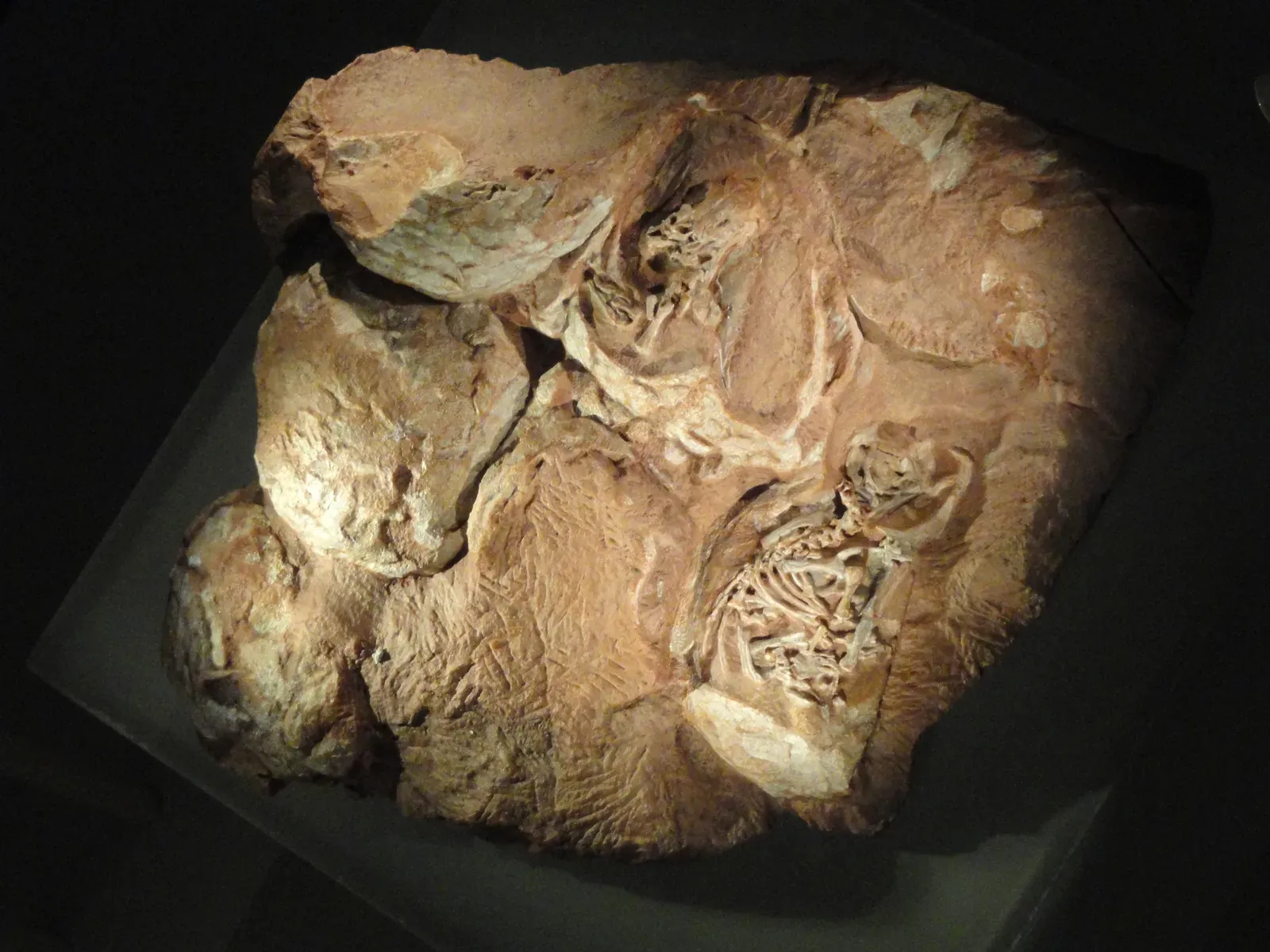
It is hard to say for sure exactly how much more these fossilized eggs still have to teach us, but the pace of discovery suggests we are only at the beginning. From soft-shelled secrets buried underground, to laser-dated clutches in Chinese rock layers, to a nearly intact carnivore egg that left a team of scientists speechless on a live broadcast, these fossils are not just relics. They are living documents written in calcium and time.
What makes all of this so genuinely thrilling is the realization that our picture of dinosaur reproduction was, for most of scientific history, almost entirely wrong. Dinosaur nests evolved from an ancestral state of soft-shelled eggs buried underground to hard, sometimes colorful eggs incubated in partially open nests. That story is still being written, one cracked shell at a time. The next expedition might uncover an embryo that rewrites a textbook – and it might happen tomorrow, in a field that looks like nothing at all. What would you have guessed was hiding inside that pale, dusty rock in the Patagonian desert? Tell us in the comments.