
Montana has always had a way of surprising us. Beneath its rolling badlands and glacial river formations, the rock holds secrets that keep rewriting everything scientists thought they knew about life on Earth millions of years ago. And lately, those secrets have been tumbling out at a pace that honestly feels almost surreal.
Two major dinosaur discoveries from Montana, one unveiled in 2024 and another formally described in late 2025, are shaking the foundation of how paleontologists understand dinosaur evolution, diversity, and timelines. You might think the big dinosaur finds were all made a century ago. Think again. Let’s dive in.
Meet Brontotholus Harmoni: The Thunderdome Dinosaur
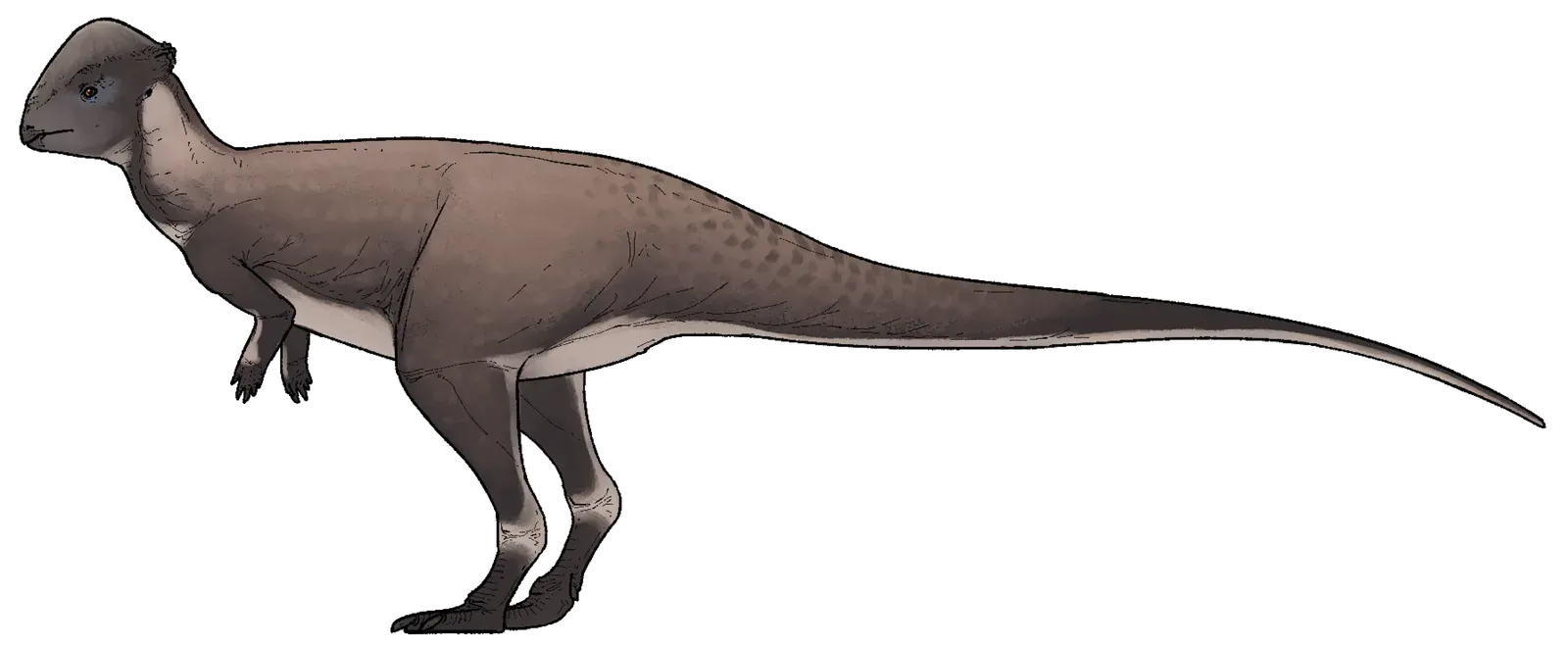
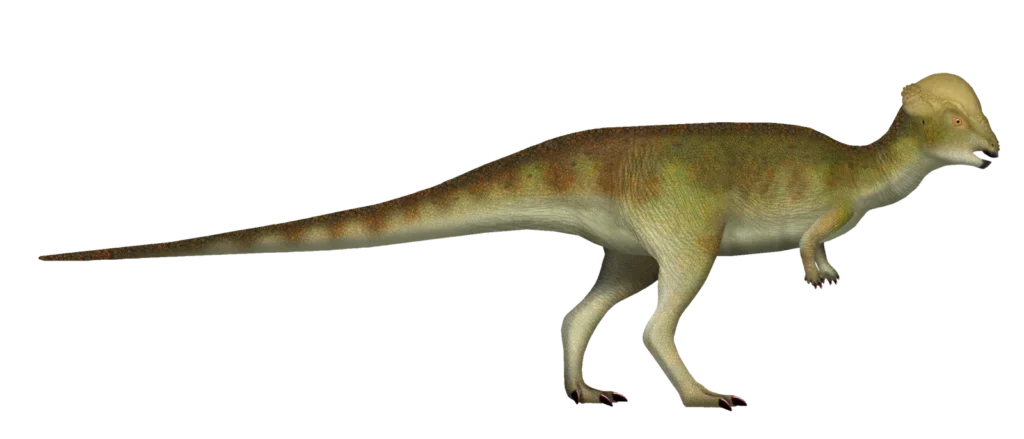
Paleontologists have described a new genus and species of pachycephalosaurid dinosaur from five fossil specimens found in the Late Cretaceous Two Medicine Formation of Montana. The new dinosaur species lived in North America during the Late Cretaceous epoch, some 75 million years ago. Dubbed Brontotholus harmoni, the ancient herbivore was approximately 3 meters, or 10 feet, long.
The generic name Brontotholus combines the Ancient Greek words for “thunder” and “dome,” inspired by the 1985 film Mad Max Beyond Thunderdome and the paratype locality named “Beyond Thunder Dome.” The specific name harmoni honors the late Robert “Bob” Harmon, former chief preparator at the Museum of the Rockies. There is something wonderfully fitting about naming a thick-skulled, hard-headed dinosaur after a film set in a post-apocalyptic thundering arena. Honestly, it suits it perfectly.
The Fossils Were Hiding in Plain Sight for Decades
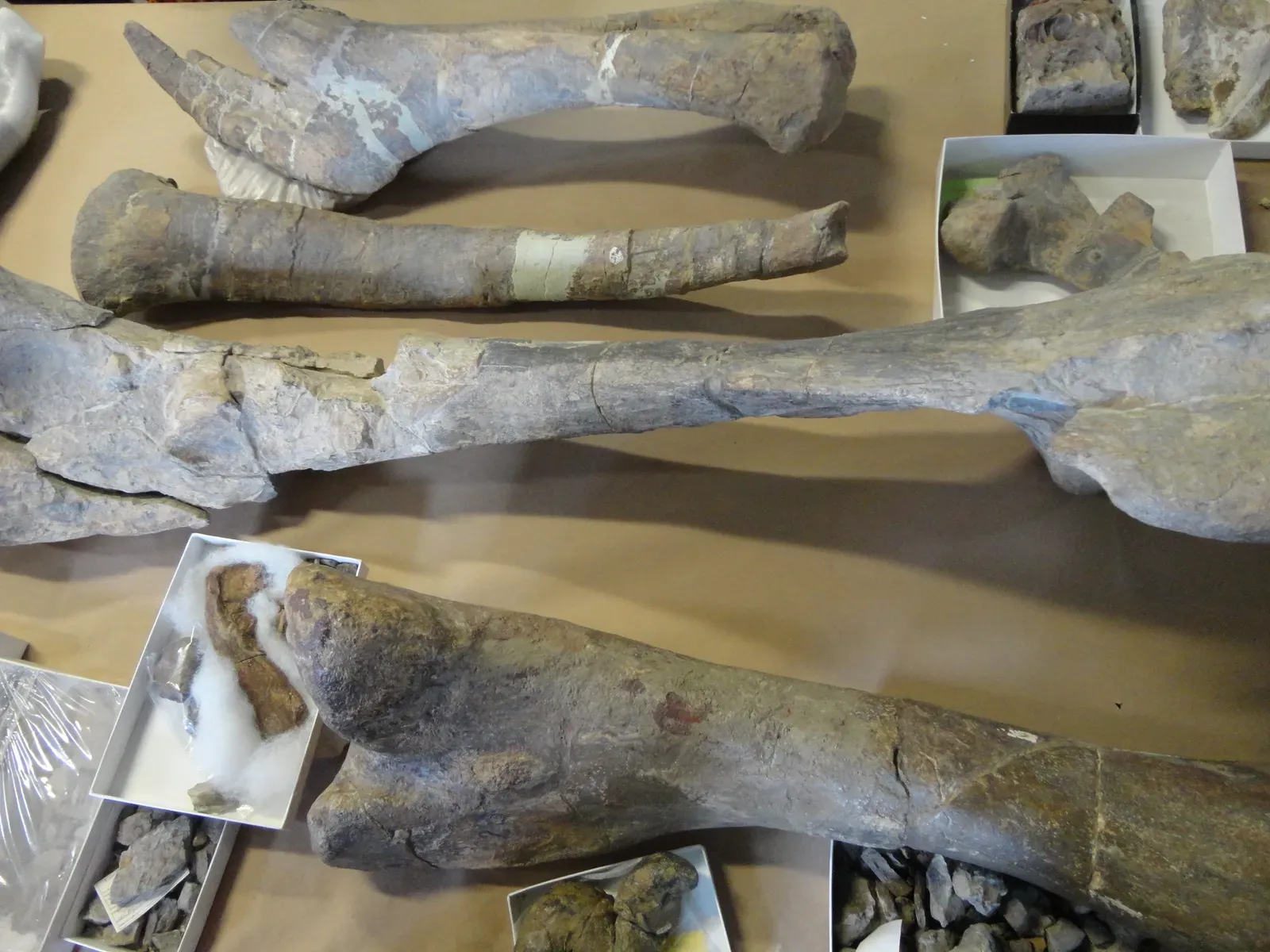
Here is something that might genuinely astonish you. The Brontotholus holotype specimen was discovered in 1987 by Bob Makela from the Two Medicine Formation in Montana. It was first mentioned as one of the transitional pachycephalosaurid specimens intermediate between Stegoceras and Pachycephalosaurus by Horner, Varricchio and Goodwin in 1992, then left uncatalogued, and was subsequently assigned to another genus prior to its 2025 redescription.
That means this dinosaur sat in museum collections for nearly four decades before anyone realized what it truly was. Careful work on these skulls shows how museum drawers can still hide surprises, even decades after the rock came off the outcrop. As methods for studying skeletal growth improve, paleontologists can reexamine specimens and pull out new stories about how dinosaurs lived, moved, and evolved. It is a little like finding a masterpiece buried in your grandmother’s attic.
Why Brontotholus Directly Challenges Evolutionary Thinking
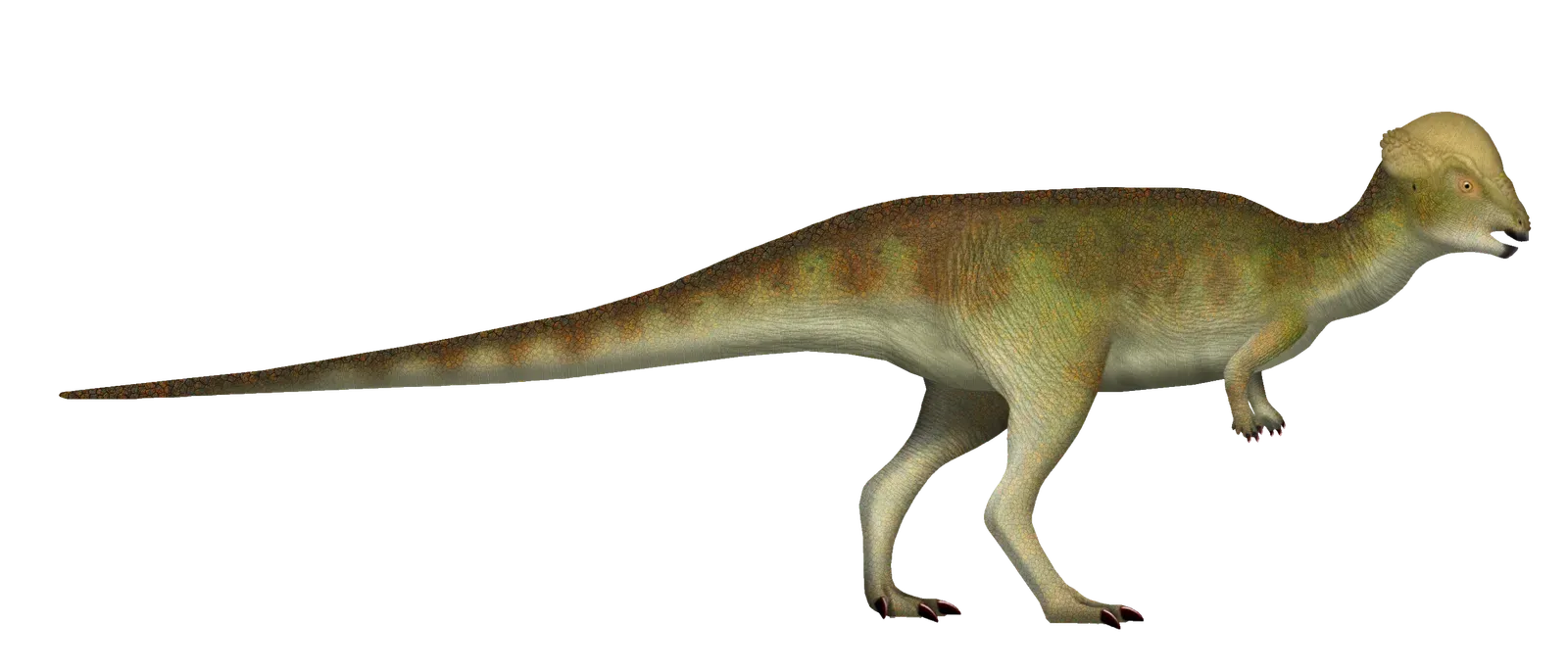
This is where things get genuinely exciting, so stay with me. Before the new study, some paleontologists suspected the Two Medicine dome dinosaur was an evolutionary step between Stegoceras and Pachycephalosaurus. When researchers ran detailed phylogenetic analyses, which compare anatomical traits to build family trees, Brontotholus landed on a completely separate branch. This result challenges simple anagenesis, meaning evolution as a steady change within a single lineage without branching.
Phylogenetic analyses recover this new species distant from both Stegoceras and Pachycephalosaurus, thus refuting the hypothesis that this species constitutes any part of an ancestor-descent series between the two. However, the new species not only increases understanding of pachycephalosaurid morphology and diversity, but shows that this clade contained relatively large body-sized species as early as the Middle Campanian. In simple terms, the dinosaur family tree just grew a whole new branch where scientists thought there was none.
Lokiceratops Rangiformis: Montana’s Blade-Horned Giant
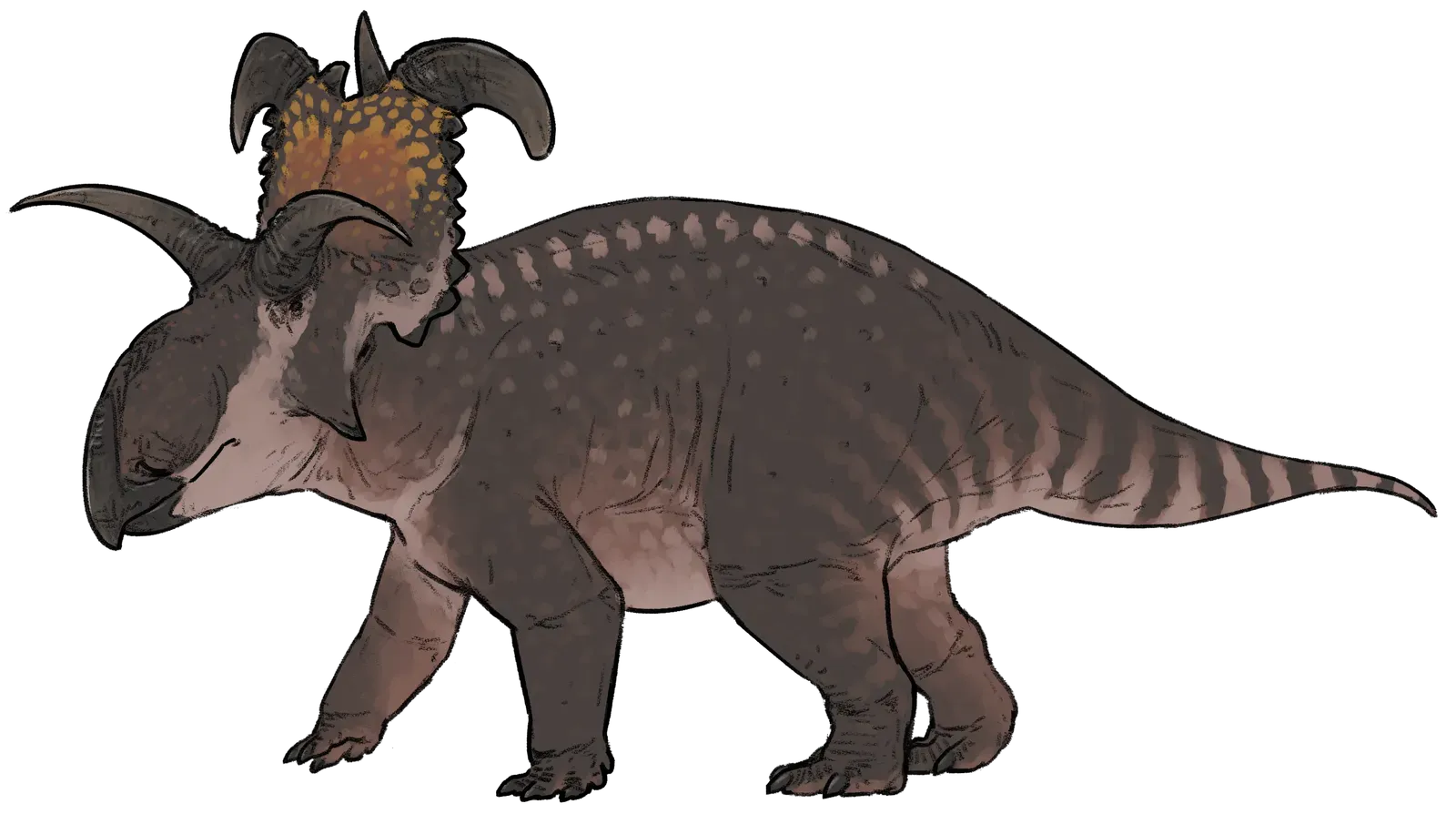
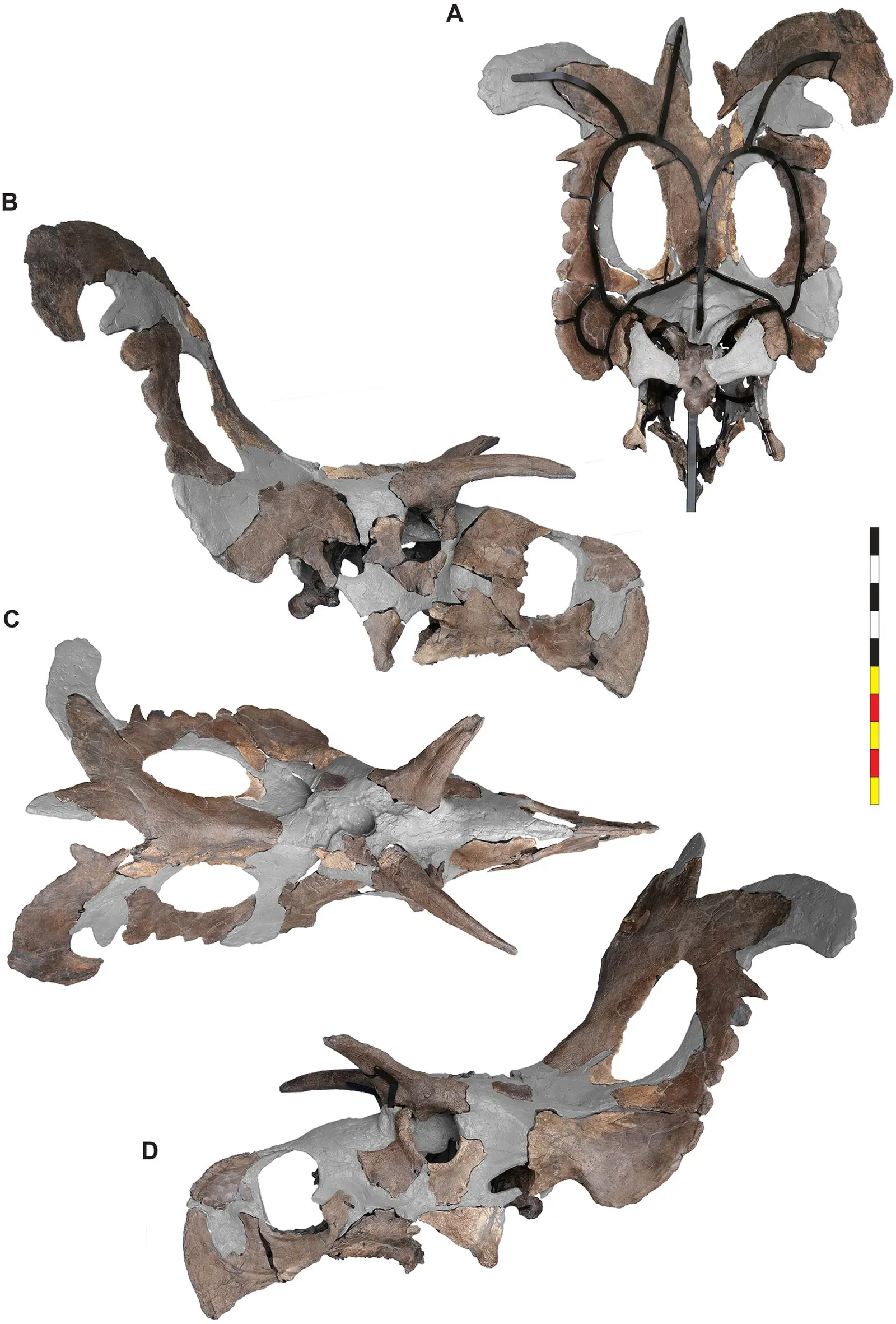
A brand new species of ceratops, or horned dinosaur, was recently discovered in northern Montana. The dinosaur is called Lokiceratops rangiformis, after the Norse god Loki, and is believed to have lived roughly 78 million years ago. Estimated to be 22 feet long and weighing approximately 11,000 pounds, Lokiceratops is the largest dinosaur from the group of horned dinosaurs called centrosaurines ever found in North America. It has the largest frill horns ever seen on a horned dinosaur and lacks the nose horn that is characteristic among its kin.
The dinosaur, excavated from the badlands of northern Montana just a few miles from the USA-Canada border, is among the largest and most ornate ever found, with two huge blade-like horns on the back of its frill. Think of it like a prehistoric crown made of curved blades. The extreme frill asymmetry of Lokiceratops makes it a particularly fascinating addition to the ceratopsid family. Nothing about this creature was subtle.
Five Species in One Place: An Unprecedented Discovery
Lokiceratops was excavated from the same rock layer as four other dinosaur species, indicating that five different dinosaurs lived side by side 78 million years ago in the swamps and coastal plains along the eastern shore of Laramidia, the western landmass of North America created when a seaway divided the continent.
Morphologically, Lokiceratops resembles both Albertaceratops and Medusaceratops, implying rapid, sympatric diversification within a clade, a pattern not previously seen in dinosaurs. Furthermore, the possible sympatric occurrence of five distinct ceratopsids is unparalleled in any other known interval in Laramidia, even in more heavily sampled and documented horizons. Five horned dinosaurs, all living together in the same small patch of ancient swamp. I know it sounds crazy, but that is exactly what the fossils show.
The Role of the Western Interior Seaway in Driving Evolution
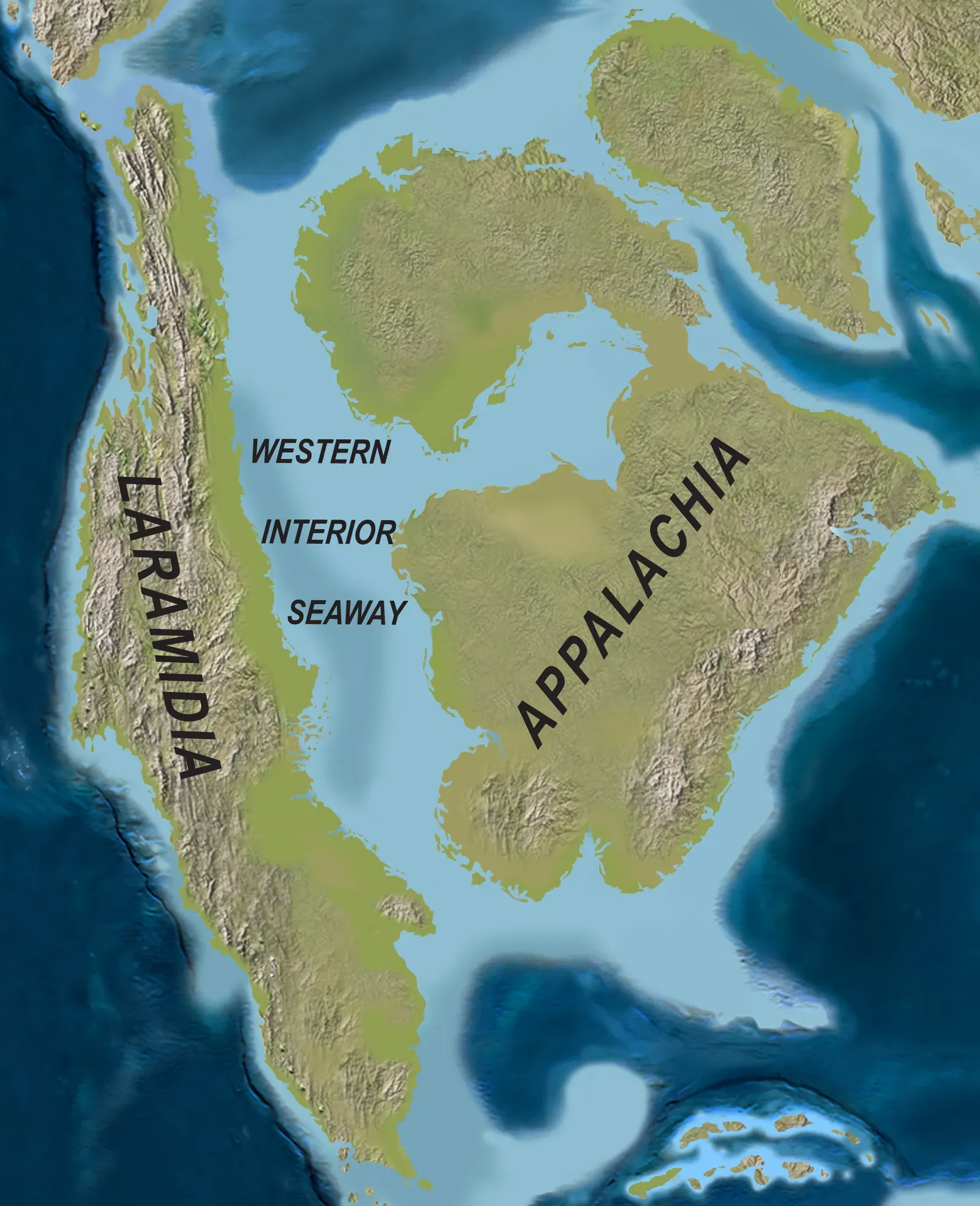
To understand why Montana produced such extreme dinosaur diversity, you need to picture a radically different world. At the time Brontotholus existed, much of present-day Montana was underwater. The Western Interior Seaway, a shallow inland sea, stretched from the Arctic Ocean to what is now the Gulf of Mexico, splitting North America into two landmasses. Over the course of the Late Cretaceous epoch, it waxed and waned, at times creating coastal plains and marshlands where the Rocky Mountain Front stands today.
The shoreline of this seaway shifted back and forth as sea level rose and fell, creating and erasing coastal habitats for dinosaurs on the western landmass. Those rising and falling waters likely isolated some dinosaur populations while reconnecting others when land bridges reappeared. Over millions of years, that cycle offered repeated chances for species to evolve in place, meet again, and mix or compete. It is essentially the same mechanism that drives island evolution today. Nature ran the same experiment over and over across millions of years, and the results were spectacular.
What This Means for Our Understanding of Dinosaur Diversity
![What This Means for Our Understanding of Dinosaur Diversity (did it myself based on [1],[2],[3],[4],[5],and [6], Public domain)](https://nvmwebsites-budwg5g9avh3epea.z03.azurefd.net/dinoworld/168570092481f9b1d9f0db35997b42f2.webp)
Perhaps the most astonishing implication of these discoveries is just how badly we may have been undercounting dinosaur species all along. Fossils recovered from the Montana region suggest horned dinosaurs were living and evolving in a small geographic area, with a high level of endemism that implies dinosaur diversity is presently underestimated. High regional endemism in centrosaurs is associated with, and may have been driven by, high speciation rates and diversity, with competition between dinosaurs limiting their geographic range. High speciation rates may in turn have been driven in part by sexual selection or latitudinally uneven climatic and floral gradients.
Not only does this suggest dinosaurs were spinning off new species right until the end, but the identification of several dinosaur communities on the same continent hints that undiscovered dinosaurs may still be lying in rocks that date to just before the mass extinction. Think about that. Seventy-five to 78 million years later, the ground beneath Montana is still rewriting textbooks. Even in an area as heavily investigated as Montana, discoveries like this demonstrate that our landscapes continue to yield meaningful scientific insights.
Conclusion: Montana Is Still Full of Surprises
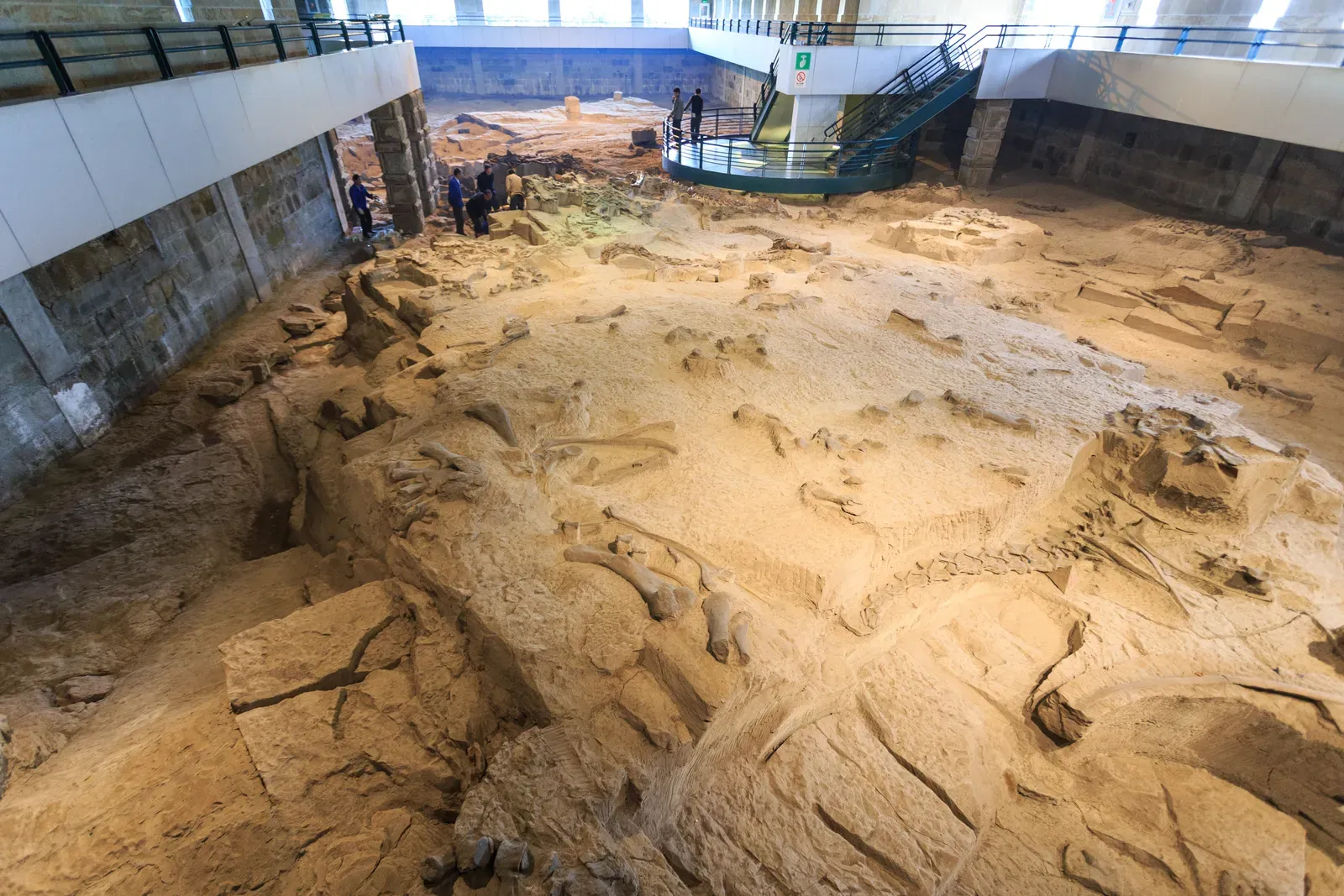
What these remarkable discoveries from Montana reveal is something both humbling and thrilling. Brontotholus harmoni shows us that dome-headed giants arose far earlier than anyone expected, on a completely separate evolutionary branch from what scientists had assumed. Lokiceratops rangiformis tells us that horned dinosaurs were evolving at a dizzying speed, packing multiple unique species into the same swampy corner of ancient North America.
Montana, with its vast fossil beds, continues to surprise researchers with new species that offer a deeper understanding of the region’s ancient biodiversity. The addition of new species to the fossil record of the Two Medicine Formation underscores the significance of this region in paleontological research. The deeper lesson here is that the story of life on Earth is nowhere near finished being told. Every slab of rock pried from a Montana hillside could be the next chapter. What would you do if you stumbled across a fossil that nobody had ever seen before? That feeling of discovery is exactly what keeps paleontologists digging, and right now, it seems like the ground keeps giving back. What discovery do you think will come next? Tell us in the comments.