Picture this: you are holding a rock in your hand, and that rock is over three billion years old. Inside it, invisible to the naked eye, are chemical fingerprints left behind by something that was once alive. Not a dinosaur. Not even a fish. Just a microscopic speck of existence that somehow figured out how to survive on a planet that was hot, violent, and almost totally hostile to life as you know it today. That is exactly the kind of discovery scientists have been making in recent years, and honestly, it reshapes everything you think you know about where life comes from.
The story of Earth’s earliest life is not a tidy one. It is full of controversies, overturned theories, and astonishing moments where science suddenly jumps a billion years in the wrong direction and forces everyone to start over. You are about to step into that story – into deep time itself – where every ancient rock is a page, and reading those pages requires some of the most sophisticated tools humans have ever invented. Be surprised by what the evidence reveals.
The Hadean and Archean: Earth’s Most Violent Nurseries
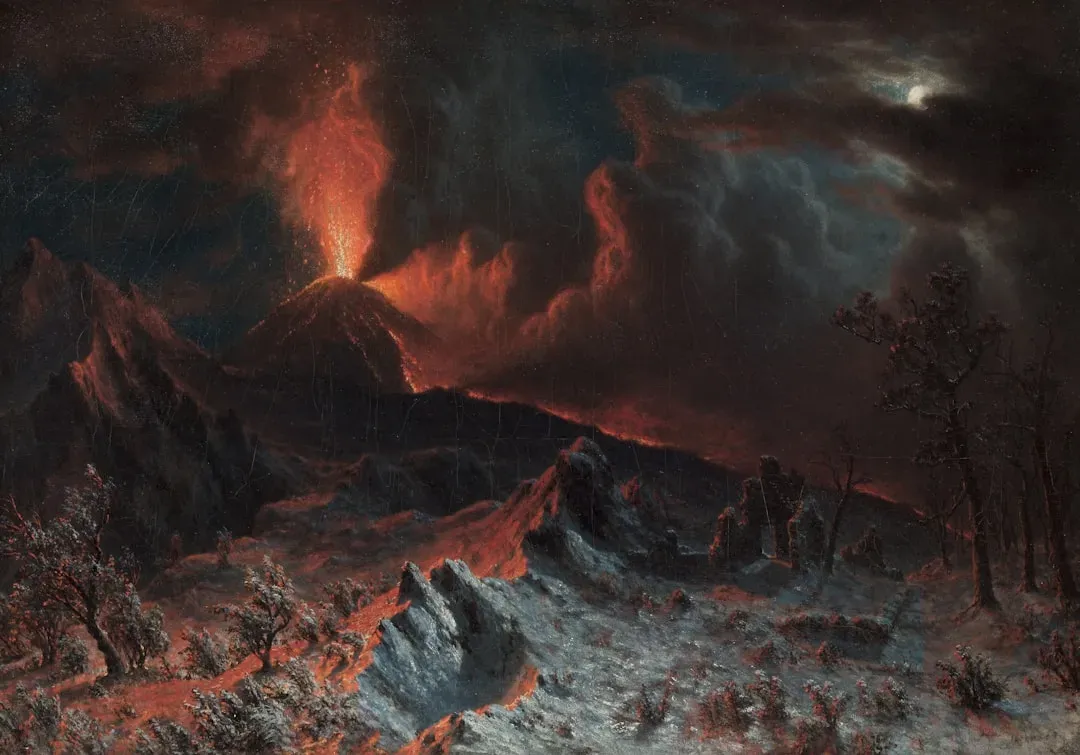
Let’s be real – early Earth was not the kind of place you would want to visit. The Earth’s atmosphere was vastly different in composition from today’s: the prebiotic atmosphere was a reducing atmosphere rich in methane and lacking free oxygen. You would have choked within seconds. The planet was more like a superheated furnace than a cradle of life.
The Archean Eon began about 4 billion years ago with the formation of Earth’s crust and extended to the start of the Proterozoic Eon 2.5 billion years ago. It was preceded by the Hadean Eon, an informal division of geologic time spanning from about 4.6 billion to 4 billion years ago, characterized by Earth’s initial formation. Think of the Hadean as the planet’s demolition phase – molten rock everywhere, constant asteroid impacts, and virtually nothing solid enough to preserve any record of what was happening.
When the Archean began, the Earth’s heat flow was nearly three times as high as it is today, and it was still twice the current level at the transition from the Archean to the Proterozoic. The extra heat was partly remnant heat from planetary accretion, from the formation of the metallic core, and partly arose from the decay of radioactive elements. In other words, the engine powering this young planet was almost incomprehensibly intense. Yet somehow, against all the odds, life was already stirring.
The Oldest Rocks: Reading Pages Written in Stone
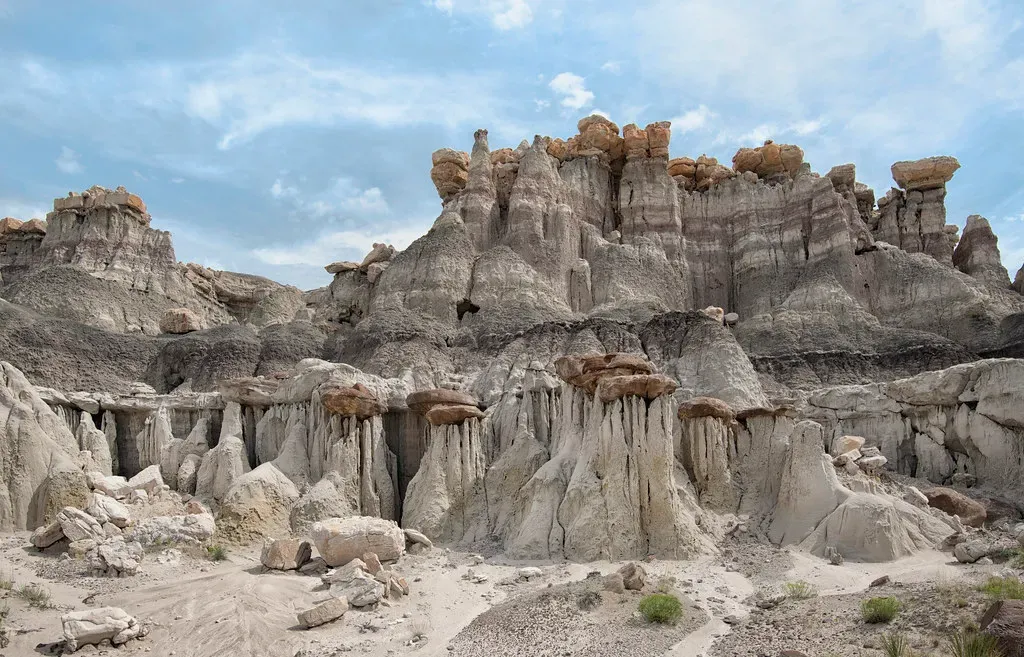
Finding ancient life means finding ancient rocks first, and that itself turns out to be harder than you might imagine. The Archean rock record presents a unique challenge for geologists due to the lack of abundant and diverse fossils such as those found in younger periods. This scarcity limits the use of biological markers to precisely delineate time boundaries. Additionally, intense geological activity including volcanic eruptions, metamorphism, and erosion has heavily altered the rock formations, further complicating the identification of continuous, well-preserved sequences.
Earth’s oldest rocks may be found in a remote outcrop in northeastern Canada, known as the Nuvvuagittuq Greenstone Belt. At 4.16 billion years old, the rocks date to the Hadean Eon, when asteroids walloped the young planet and broke off chunks of rock that now form the moon. I think that is staggering – you are talking about rocks that formed when the Moon was basically just being born. Scientists say it is possible that this newly dated rock formation may preserve signatures of life from the Hadean. Whether that will be confirmed remains one of science’s most thrilling open questions.
Stromatolites: Life’s Earliest Monuments
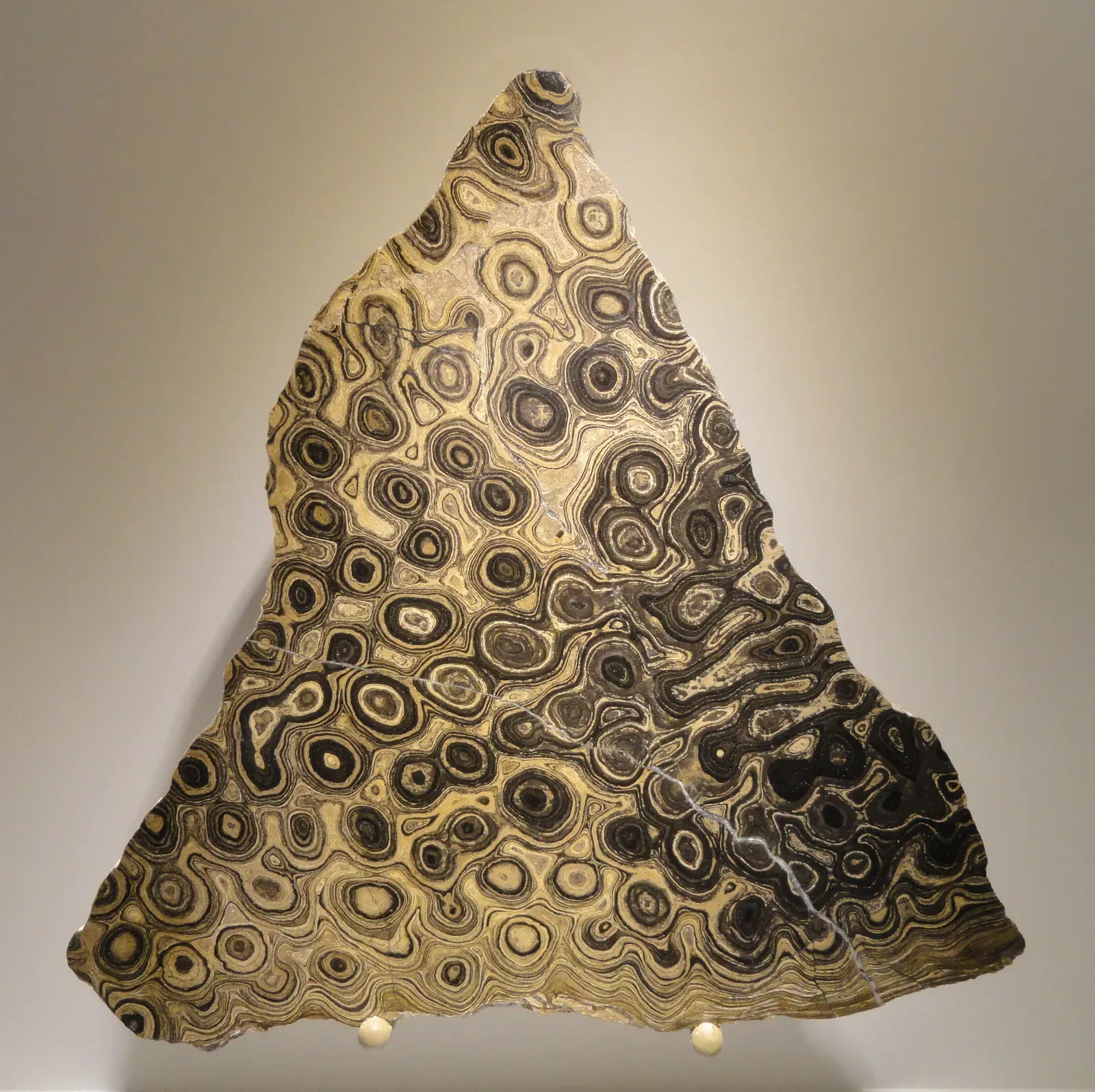
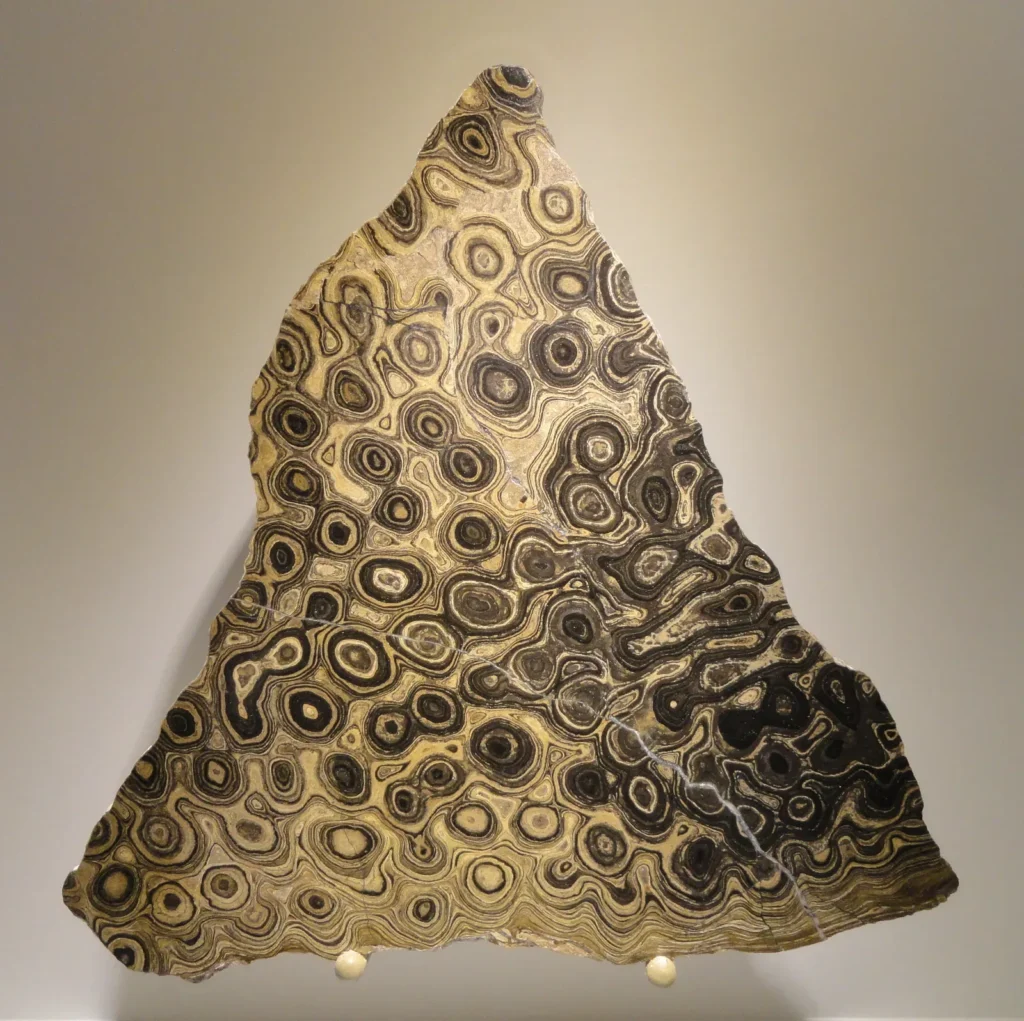
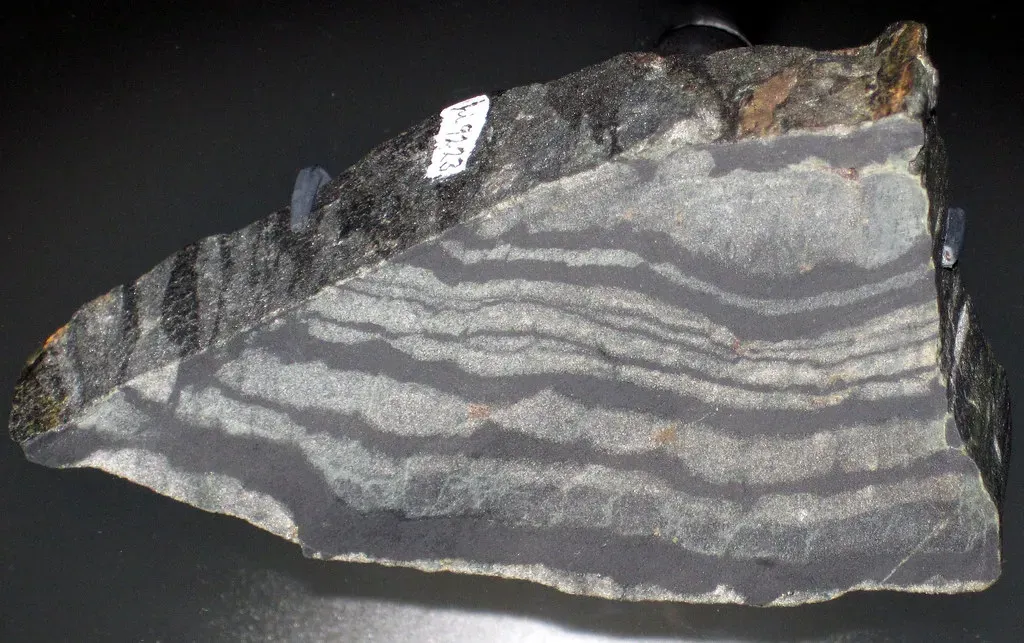
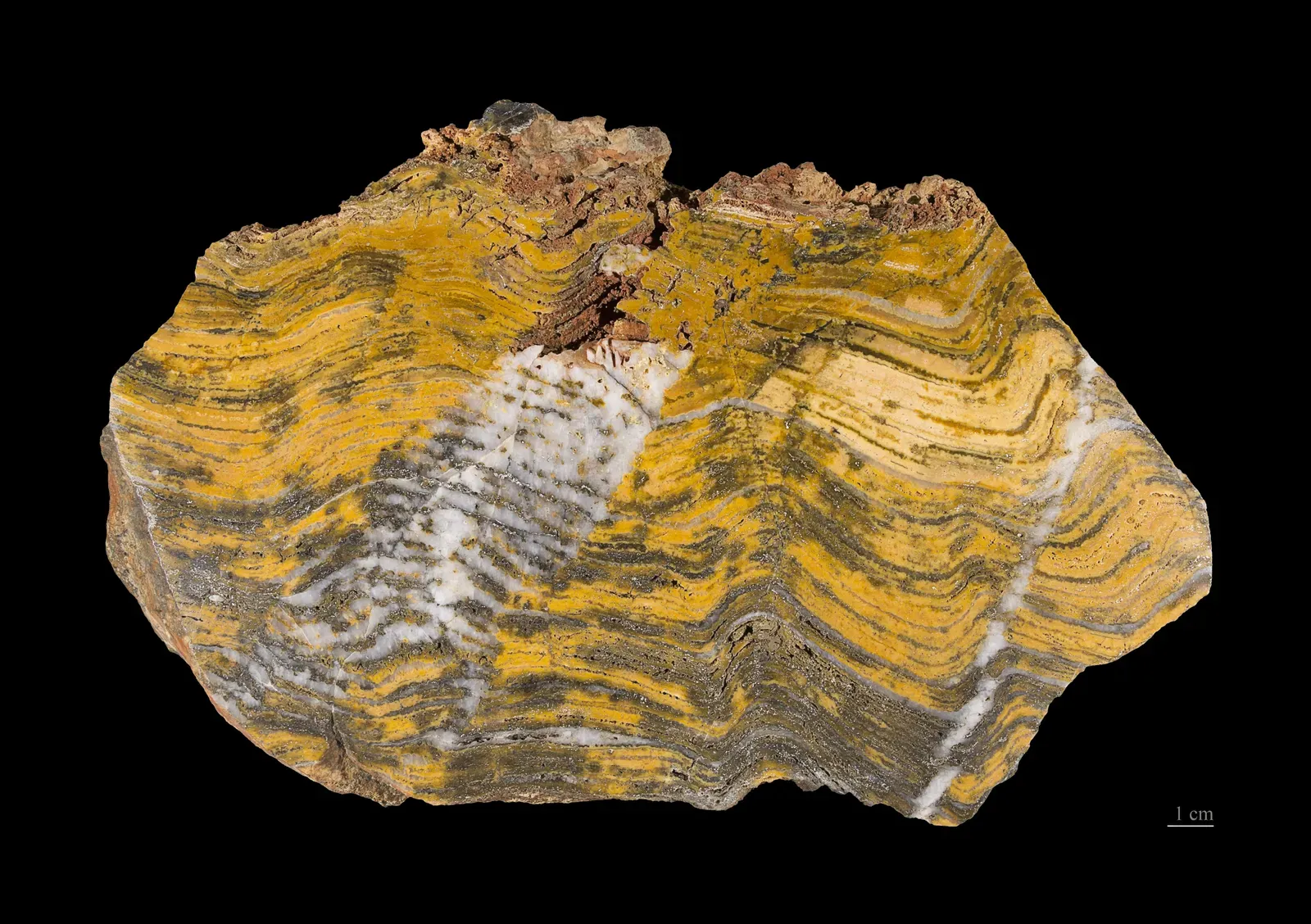
The earliest identifiable fossils consist of stromatolites, which are microbial mats formed in shallow water by cyanobacteria. The earliest stromatolites are found in 3.48 billion-year-old sandstone discovered in Western Australia. Stromatolites are fascinating structures – imagine a tiny city of microbes, layered on top of each other, slowly building a rocky pillar over thousands of years. That is what you are looking at when you see one of these formations.
Microbial mats are multi-layered, multi-species colonies of bacteria and other organisms that are generally only a few millimeters thick, but still contain a wide range of chemical environments, each of which favors a different set of microorganisms. To some extent each mat forms its own food chain, as the by-products of each group of microorganisms generally serve as food for adjacent groups. Stromatolites are stubby pillars built as microorganisms in mats slowly migrate upwards to avoid being smothered by sediment deposited on them by water. Think of them as the world’s first apartment buildings, stacked and self-sustaining – a masterpiece of microscopic engineering.
Chemical Fingerprints: What AI Found Hidden in Ancient Rocks
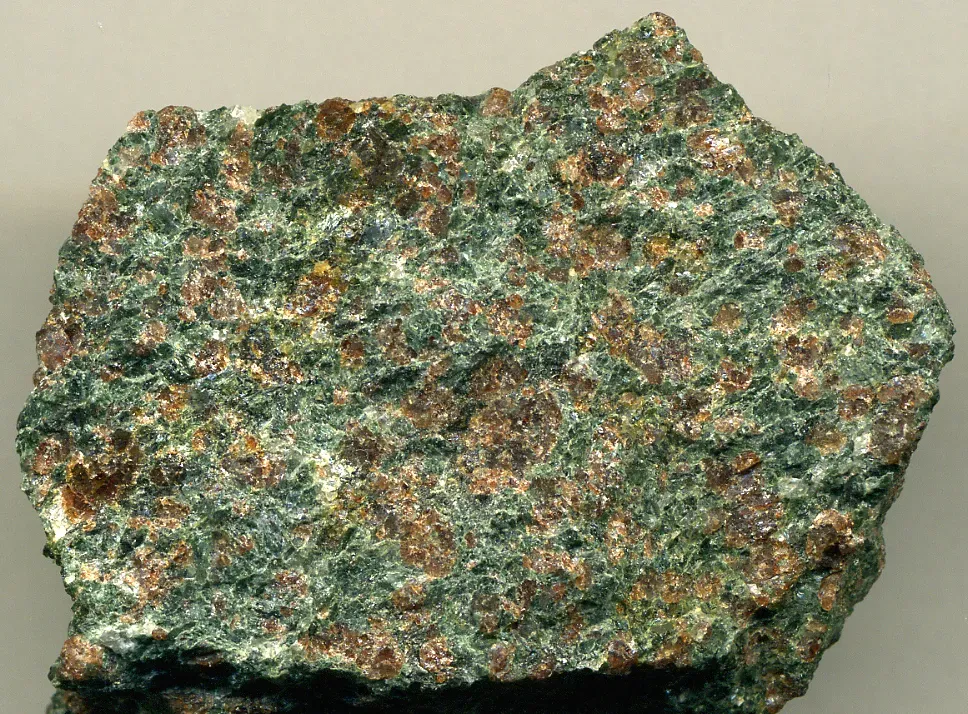
Here is something that genuinely blew scientists’ minds not long ago. A new study uncovered fresh chemical evidence of life in rocks more than 3.3 billion years old, along with molecular traces showing that oxygen-producing photosynthesis emerged nearly a billion years earlier than previously thought. Chemical analysis combined with artificial intelligence identified biosignatures in rocks over 3.3 billion years old. That is the kind of result that rewrites textbooks.
What makes this discovery particularly remarkable is the method used. Researchers discovered chemical traces of life in rocks older than 3.3 billion years, offering a rare look at Earth’s earliest biology. By combining advanced chemical methods with artificial intelligence, scientists were able to detect patterns that the human eye alone simply could not catch. This approach extends the detectable window for ancient life and may aid in searching for life on other planets. In a very real sense, the tools we are building to understand our own past are also becoming the roadmap for finding life beyond Earth.
Hydrothermal Vents: The Dark Cradles of Life
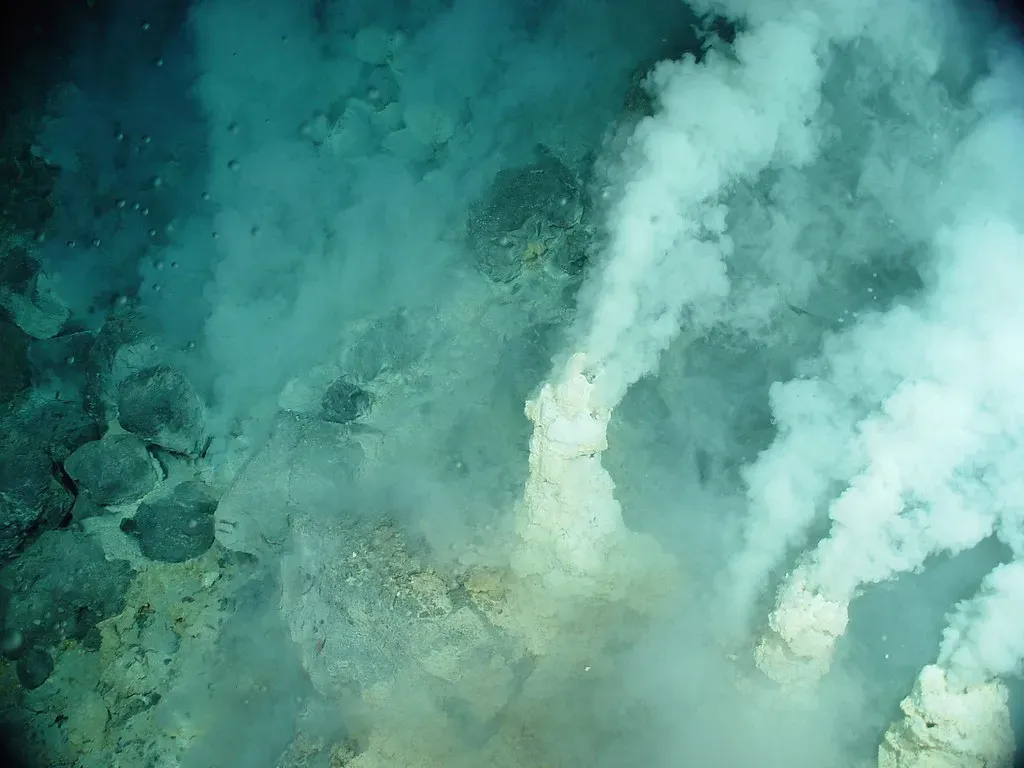
There are two main camps when it comes to where life actually began, and the hydrothermal vent theory is probably the most electrically exciting one. Deep under the Earth’s seas, there are vents where seawater comes into contact with minerals from the planet’s crust, reacting to create a warm, alkaline environment containing hydrogen. The process creates mineral-rich chimneys with alkaline and acidic fluids, providing a source of energy that facilitates chemical reactions between hydrogen and carbon dioxide to form increasingly complex organic compounds.
In 1977, scientists discovered biological communities unexpectedly living around seafloor hydrothermal vents, far from sunlight and thriving on a chemical soup rich in hydrogen, carbon dioxide, and sulfur, spewing from the geysers. Inspired by these findings, scientists later proposed that hydrothermal vents provided an ideal environment with all the ingredients needed for microbial life to emerge on early Earth. When researchers calculated the value of Gibbs free energy for biosynthetic reactions across a range of different environmental conditions, they found that under the conditions of hydrogen-producing hydrothermal vents – at temperatures of 80 to 100°C and slightly alkaline pH – the vast majority of the chemical reactions that make the building blocks of life release energy. Essentially, the vent was doing the chemistry for free.
The Great Oxidation Event: When Microbes Broke the World
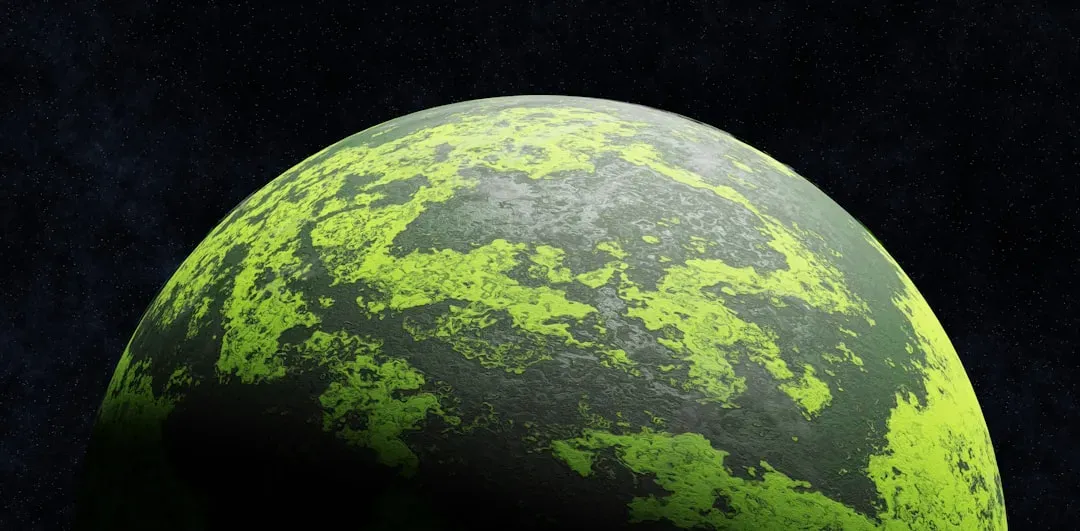
If you want to talk about one of the most consequential catastrophes in the history of life, the Great Oxidation Event is your story. The Great Oxidation Event, also called the Oxygen Catastrophe or Oxygen Revolution, was a time interval during the Earth’s Paleoproterozoic era when the Earth’s atmosphere and shallow seas first experienced a rise in the concentration of free oxygen. This began approximately 2.46 to 2.43 billion years ago. It was caused, almost unbelievably, by tiny microbes simply doing what they do best.
The great oxidation event, which released oxygen into Earth’s atmosphere, was catalyzed by cyanobacteria and ultimately led to the evolution of aerobic metabolism. For the organisms that could not adapt – and there were many – it was a mass extinction on a microscopic scale. When methane was displaced by oxygen, global temperatures dropped, causing Earth to enter a series of ice ages known as the Huronian glaciation. Meanwhile, ultraviolet radiation from the Sun split oxygen molecules into individual atoms, which then reacted with other oxygen molecules to create ozone, forming the ozone layer that now protects life on Earth from harmful UV radiation. One tiny microbe, over millions of years, essentially built the shield that makes your life possible today. That is worth sitting with for a moment.
Complex Life in the Deep: Earlier Than Anyone Expected
For decades, scientists assumed that complex life took its sweet time emerging – long after the first microbes appeared. That assumption is now under serious pressure. Scientists have discovered that complex life began evolving much earlier than traditional models suggested. Using an expanded molecular clock approach, the team showed that crucial cellular features emerged in ancient anoxic oceans long before anyone thought possible. It is the equivalent of finding out that someone built a skyscraper centuries before concrete was supposedly invented.
A new study uncovered fresh chemical evidence of life in rocks more than 3.3 billion years old, along with molecular traces showing that oxygen-producing photosynthesis emerged nearly a billion years earlier than previously thought. Think about what that really means. The entire timeline of life’s complexity on Earth just got pushed back by a staggering amount of time. Ferruginous conditions may have fueled primary production via anoxygenic photosynthesis, possibly as early as 3.77 billion years ago, with microbial methanogenesis indicated by carbon-isotope ratios as early as 3.0 billion years ago. Life was not waiting around for conditions to improve. It was already innovating, metabolizing, and thriving in environments that would seem impossibly harsh by today’s standards.
Conclusion: A Story That Is Still Being Written
The journey through deep time is not a closed book – it is more like an endless scroll that scientists keep unrolling with every new tool, every new expedition, and every bold reinterpretation of ancient rock. What you have seen in this exploration is that life on Earth was earlier, tougher, and more chemically creative than anyone dared to imagine just a few decades ago. Microbes built oxygen atmospheres. Hydrothermal vents may have sparked the first cells. Chemical ghosts buried for over three billion years are only now being read with the help of artificial intelligence.
Perhaps the most humbling thing about all of this is that the story of Earth’s earliest life is also, in a very fundamental way, your story. Every oxygen molecule you breathe was produced by organisms that came before you by billions of years. Every cell in your body carries echoes of chemistry that was first assembled in a world almost nothing like the one you live in now. The deeper scientists look into deep time, the more connected everything becomes.
So, what does it mean for our search for life elsewhere in the universe – knowing that life found a way even on a planet this hostile, this early? What do you think? Tell us in the comments.