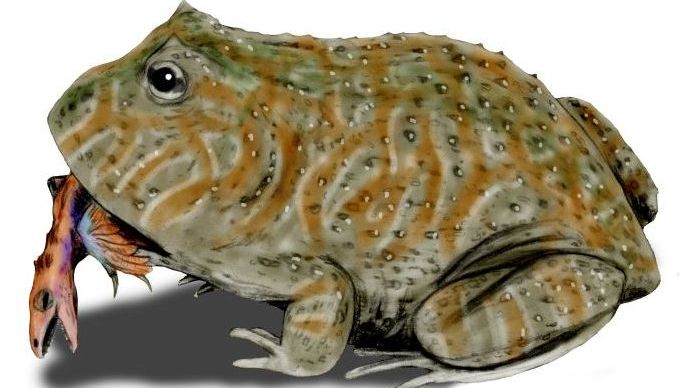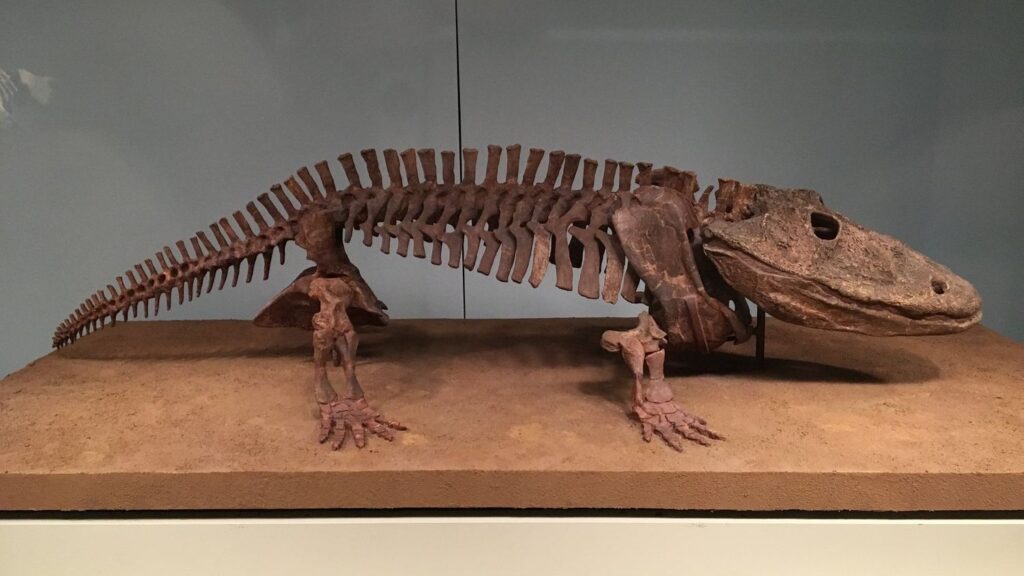
Imagine stumbling across a skull the size of a toilet seat – broad, flat, and lined with teeth – lodged in ancient riverbed sediment. That was the reality for paleontologists working in southern Portugal. Before dinosaurs came along, one of Earth’s top predators was a salamander-like amphibian, and fossil evidence suggests the creature was more than 2 meters long, weighed as much as 100 kilograms, and had a broad flat head the size and shape of a toilet seat. Today, we look at tiny frogs in garden ponds and struggle to connect them to that ancient world.
So what on Earth happened? How did amphibians once grow to dimensions that would make a modern crocodile look modest? The truth is, scientists have been puzzling over this question for a long time, and there is no single tidy answer. What there is, however, is a fascinating set of theories – some widely accepted, some still debated – that each offer a compelling piece of the puzzle. Buckle up, because the story of prehistoric gigantism is wilder than you might expect. Let’s dive in.
1. The Oxygen Supercharge Theory
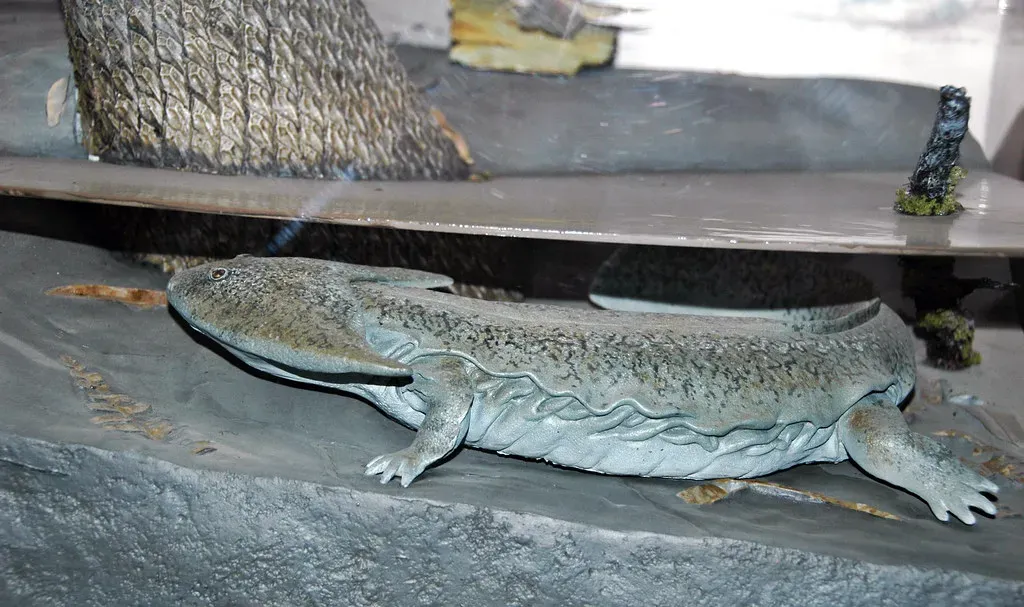
Here’s the thing – the atmosphere you breathe today is roughly one-fifth oxygen. Go back to the Carboniferous Period, and you’d be breathing something almost unrecognizably richer. The growth of vast forests removed enormous amounts of carbon dioxide from the atmosphere, leading to a surplus of oxygen, with atmospheric oxygen levels peaking at around 35 percent, compared with 21 percent today. That is not a small difference. That is practically a different planet.
Not only hexapod insects but a diversity of arthropod classes as well as various amphibians displayed gigantism, consistent with hyperoxic relaxation of diffusion-limited respiration in these taxa. In plain terms, more oxygen meant more fuel for growth. Think of it like upgrading the engine in a car – the same basic machine, but now capable of reaching speeds it never could before. Arthropod as well as amphibian gigantism appear to have been facilitated by a hyperoxic Carboniferous atmosphere and were subsequently eliminated by a late Permian transition to hypoxia.
2. The Apex Predator with No Competition Theory
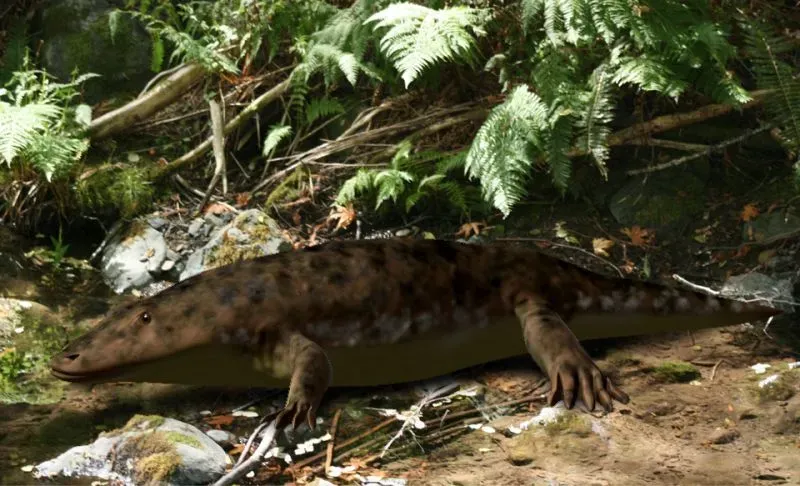
One of the most compelling reasons any animal grows large is the simple luxury of having no one to fear. Air-breathing arthropods evolved and invaded the land where they provided food for the carnivorous amphibians that began to adapt to the terrestrial environment, and there were no other tetrapods on the land – the amphibians were at the top of the food chain, with some occupying ecological positions currently held by crocodiles. Being unchallenged at the top of the food chain is a remarkable biological privilege.
Though equipped with limbs and the ability to breathe air, most still had a long tapering body and a strong tail, and others were the top land predators, sometimes reaching several metres in length, preying on the large insects of the period and the many types of fish in the water. When you are the biggest and scariest thing in the room, there is no evolutionary pressure to stay small. Gigantism becomes, in a sense, both shield and sword at the same time.
3. The Ecological Vacuum Theory
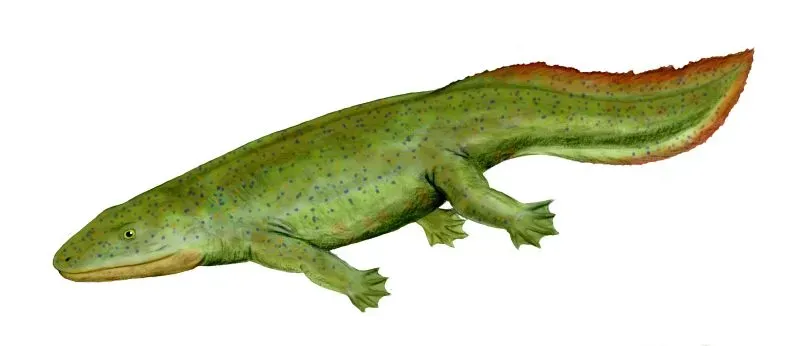
Imagine moving into a brand-new neighborhood with zero competition for resources. That was essentially the situation ancient amphibians found themselves in. They might not have had many predators on land 365 million years ago, and given plenty of land and food, they had the resources to thrive. Ecological vacuums are one of the most powerful drivers of body size evolution we know of.
Fossil evidence shows that amphibians evolved about 365 million years ago from a lobe-finned lungfish ancestor, and as the earliest land vertebrates they were highly successful, with some of them being much larger than today’s amphibians, remaining the dominant land vertebrates for more than 100 million years. That is an extraordinary reign. When an animal group colonizes entirely new terrain – land, in this case – size becomes a fast track to dominance. Honestly, you can almost feel the swagger in that evolutionary strategy.
4. The Resource Abundance Theory
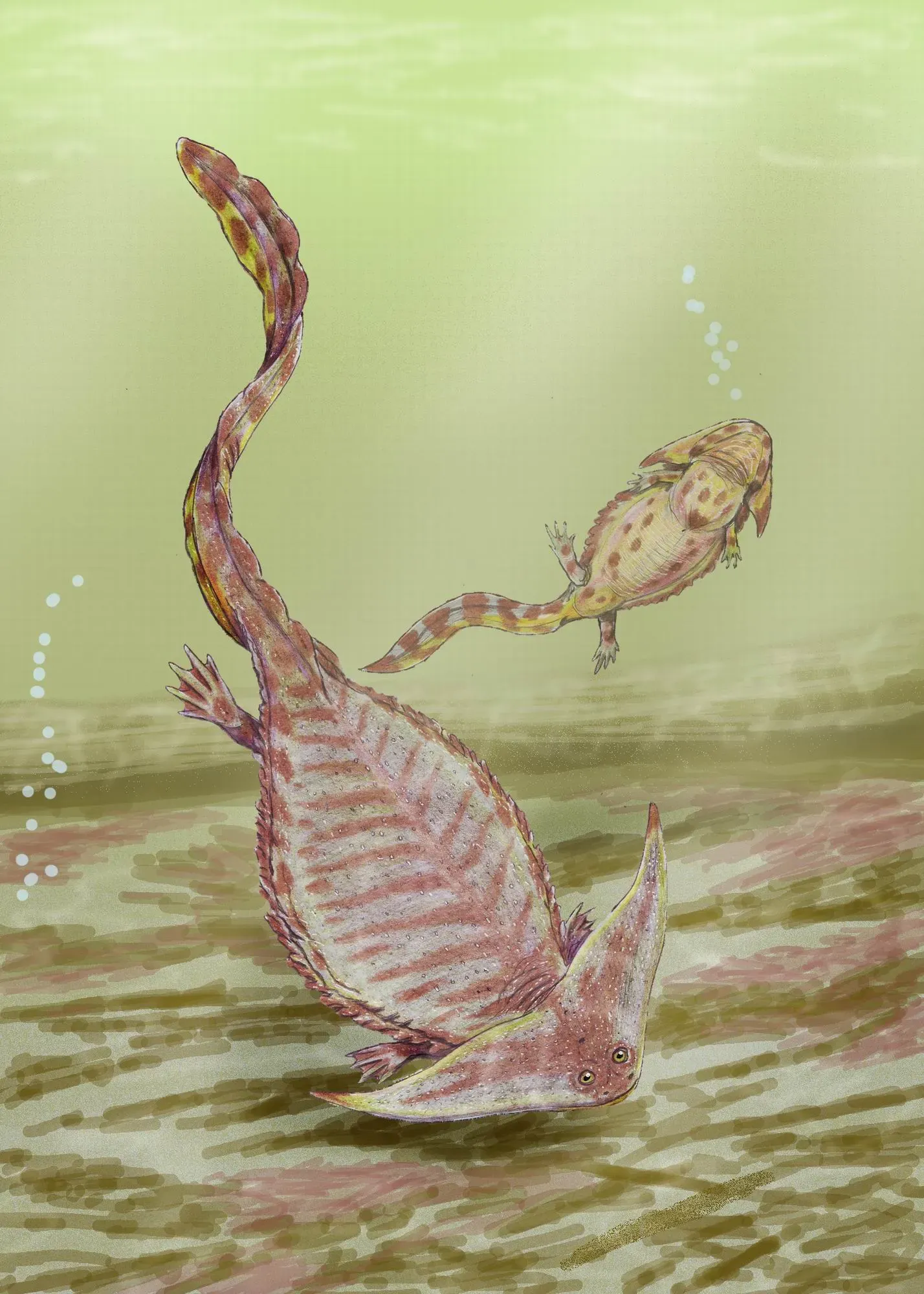
You cannot grow enormous on an empty stomach. The Carboniferous world was, by any measure, extraordinarily lush. Carboniferous coal was produced by bark-bearing trees that grew in vast lowland swamp forests, with vegetation including giant club mosses, tree ferns, great horsetails, and towering trees with strap-shaped leaves. This vegetative explosion produced breathtaking insect diversity, and insects are exactly what ancient amphibians were hunting.
Selection for gigantic body size is favored in situations of increased resource abundance, ecological release from predators or competitors, or necessity for long distance dispersal, whereas miniaturization often results from resource or habitat limitations. It’s a bit like the relationship between great soil and towering trees. Larger body size often conferred advantages, such as enhanced competitive ability, increased access to resources, and greater resistance to predation. With food everywhere, growing large was essentially rewarded, generation after generation.
5. The Warm, Wet Climate Theory
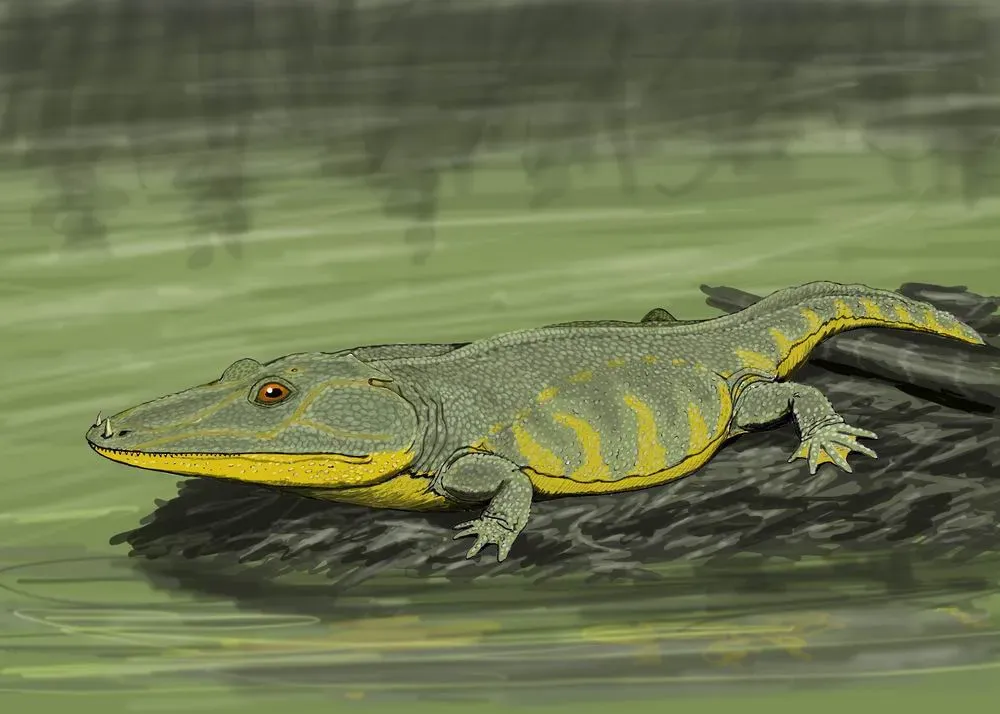
Amphibians are not fans of dry, cold environments – they never have been. The Carboniferous climate was essentially a paradise for creatures that depend on moisture and warmth. In the early Carboniferous, the climate was relatively wet and warm, and extensive swamps developed with mosses, ferns, horsetails, and calamites. For an animal that needs to keep its skin moist and return to water to breed, this was as good as it gets.
Favorable climate conditions acted as a permissive force, removing many of the environmental constraints that limit animal size today, and these conditions, characterized by abundant resources, stability, and reduced stress, created a “Goldilocks zone” for gigantism to flourish. It’s hard to say for sure how much climate alone contributed versus all the other factors, but the sheer warmth and moisture of that ancient world clearly kept the engine of growth running at full throttle.
6. The Aquatic Buoyancy Advantage Theory
Growing a massive body on land is hard work. Gravity is punishing on large frames, and enormous limbs require enormous energy to move. Water changes everything. The transition from fins to limbs began in the water and was probably completed in a largely aquatic animal, and because of the buoyancy of water, the evolving limb structure emphasized flexibility over support, as the limbs did not have to support the entire body mass, rather only a fraction of the total.
Many ancient giant amphibians lived primarily in lakes, rivers, and swamps. The creatures grew up to 2 meters in length and lived in lakes and rivers during the Late Triassic Period, living much like crocodiles do today and feeding mainly on fish. Water essentially let them cheat gravity. It’s like the difference between carrying a heavy backpack and floating with it in a swimming pool. The aquatic environment lowered the physical cost of being enormous, allowing their bodies to keep scaling up.
7. The Lack of Aerial Predators Theory
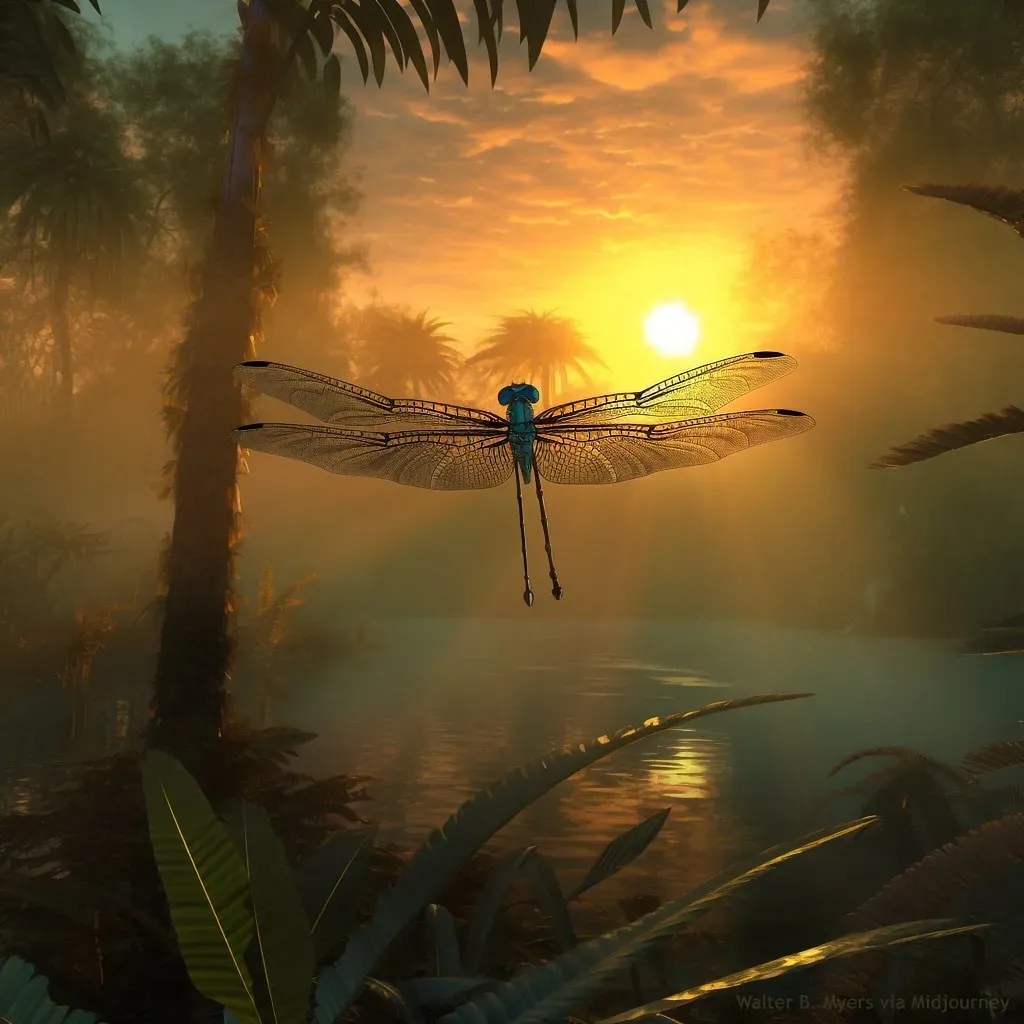
Think about how animals move today. Birds swoop down, pick up prey, and escape into the sky. Nothing in the Carboniferous world did that. Insects were the only animals capable of flight during the Carboniferous Period, as birds had not yet evolved and reptile species were still primitive and land-bound, and the lack of agile aerial predators allowed flying insects to grow large without being easy targets. The same logic applied broadly to amphibians on the ground and in the water.
Without the threat of something swooping in from above, large slow-moving amphibians faced far less immediate danger than they would in later eras. In an environment where the threat of being hunted is significantly diminished, the selective pressures favoring smaller, more agile forms relax, and the energy typically invested in evasion and defense can then be diverted towards growth. Let’s be real – if nothing is hunting you from above, growing big and slow starts to look like a pretty sensible life strategy.
8. The Competitive Pressure Theory
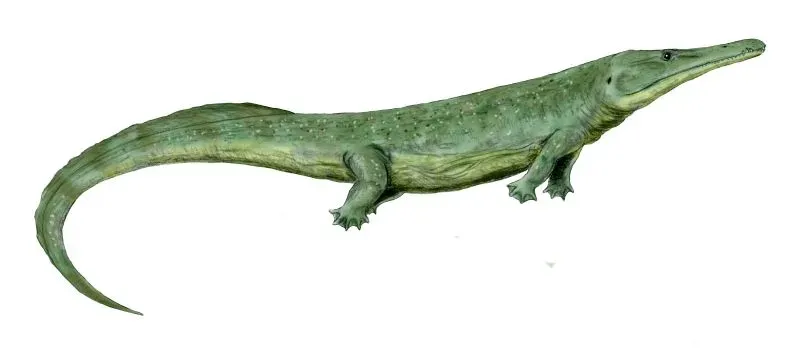
Here is a theory that feels almost counterintuitive at first: sometimes, the presence of rivals actually drives animals to grow larger, not smaller. Gigantism is an ecologically important trait associated with competitive superiority. When multiple large amphibian species were competing for the same rivers, lakes, and prey, getting bigger than the competition was a winning move.
Selection in favor of extreme gigantism is due largely to competitive interactions and to a lesser extent to predation, and evolving ecological interdependencies between primary producers and consumers created the conditions that enabled some lineages of competitively superior animals to achieve exceptionally large size. Think of it like an arms race in slow motion. One lineage inches up in size, gains better access to prey, and suddenly every other lineage is under pressure to match it. Repeat that process across millions of years, and you end up with creatures that dwarf anything alive today.
9. The Gigantic Prey Availability Theory
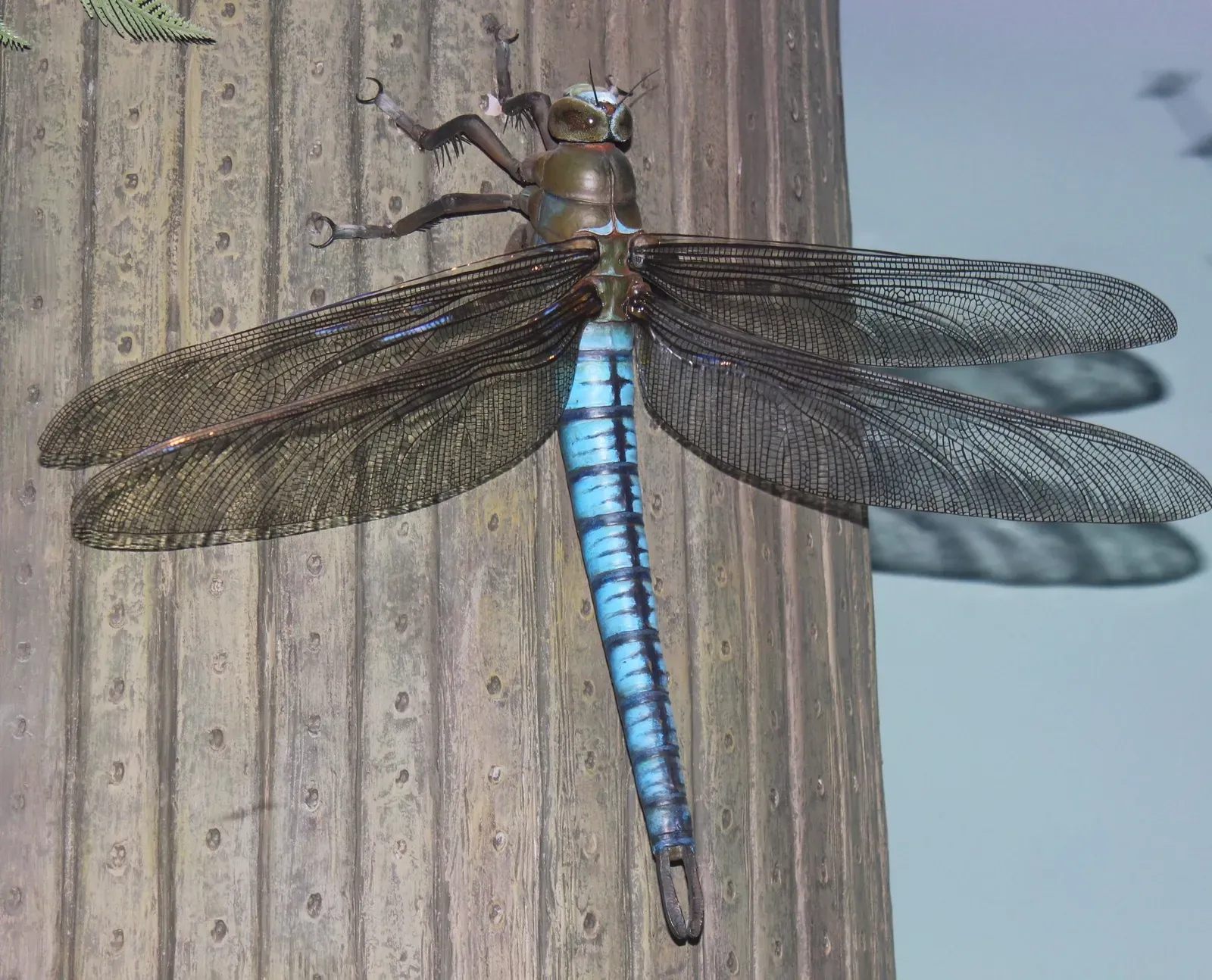
If you are going to grow to the size of a small car, you need something substantial to eat. Fortunately for ancient amphibians, the Carboniferous world was crawling with enormous prey. Other giants of the time included mayflies with 19-inch wingspans, a spider with 18-inch legs, and yard-long millipedes and scorpions, and a 3-foot-long scorpion could weigh 50 pounds and would be a formidable predator of all land animals, including the amphibians.
It is a classic feedback loop in ecology. As prey grows larger, the predators that hunt them are rewarded for growing large enough to overpower and swallow that prey. Carboniferous amphibians were diverse and common by the middle of the period, more so than they are today, with some being as long as 6 meters. A six-meter amphibian is not eating tiny bugs. It is going after things that are themselves remarkable in size. The megafauna of the Carboniferous essentially fed each other’s gigantism in a spectacular ancient ecosystem of giants.
10. The Indeterminate Growth Theory
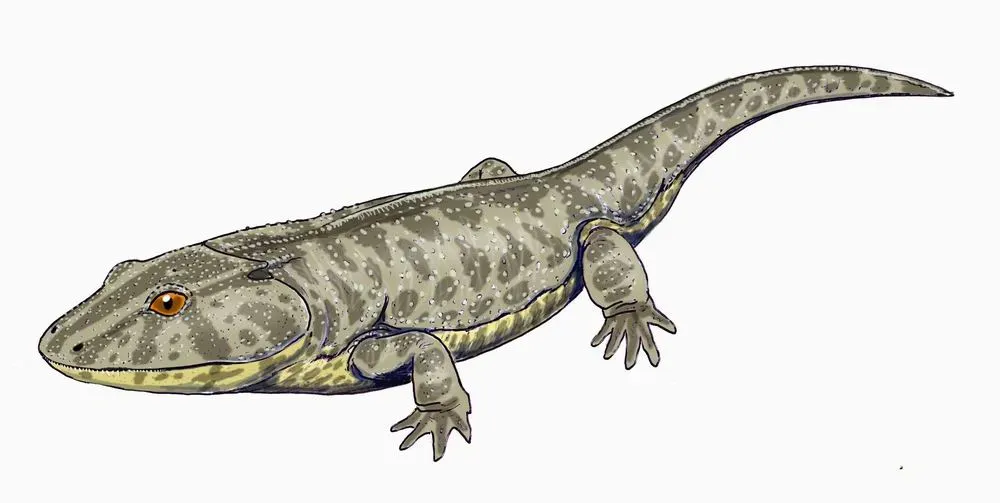
Unlike mammals and birds, which stop growing once they reach adulthood, many reptiles and amphibians can continue growing throughout their lives. This is called indeterminate growth, and it is a significant biological wildcard. The temnospondyls, a taxon of primitive amphibians that lived around 330 million to 120 million years ago and looked a lot like crocodiles, came in a variety of sizes. Some of them simply kept growing as long as conditions allowed.
In an environment filled with food, warmth, and minimal predation, an individual that lived a long life would also be an enormous one. Some grew to enormous sizes, six or seven metres long. That is staggering when you stop to picture it. Indeterminate growth means that longevity and size become tightly linked. The oldest survivors in a resource-rich world were automatically the largest animals in that world. It is a brutally simple equation, and the fossil record suggests it worked for an astonishingly long time.
11. The Skeletal and Structural Evolution Theory
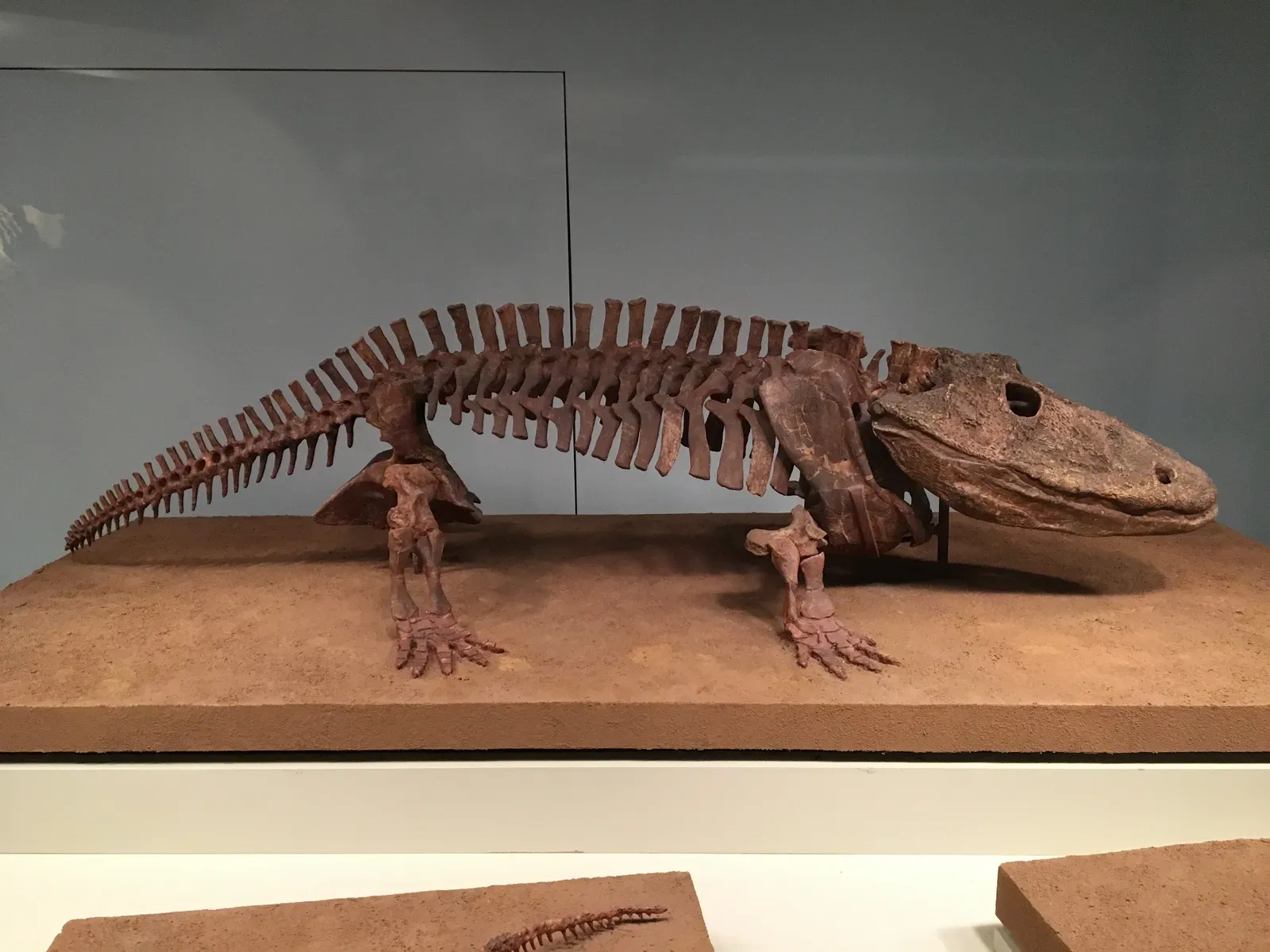
Growing big is not just about having enough food and oxygen. You also need a skeleton capable of supporting a massive frame. Amphibians likely descended from aquatic tetrapods which had lungs and appendages with internal skeletal support, and the transition to terrestrial life included a stronger skeleton to counter the full effect of gravity, along with changes to skin, feeding structures, and sense organs. As the skeleton grew more robust over evolutionary time, it unlocked size ranges that were previously structurally impossible.
Some eryopoids, such as Eryops, were strong-limbed, stout-bodied, large terrestrial animals reaching up to 2 metres, about 7 feet. Eryops is a brilliant example of how structural evolution enabled new size thresholds. The mighty Eryops, a suborder of the Labyrinthodontia, grew to more than eight feet long, and the skull alone was more than two feet wide. When the architecture of an animal’s body upgrades, the ceiling for how large that animal can grow rises dramatically. Structural evolution was, in many ways, the silent engineer behind amphibian gigantism.
12. The Skin Adaptation and Desiccation Resistance Theory
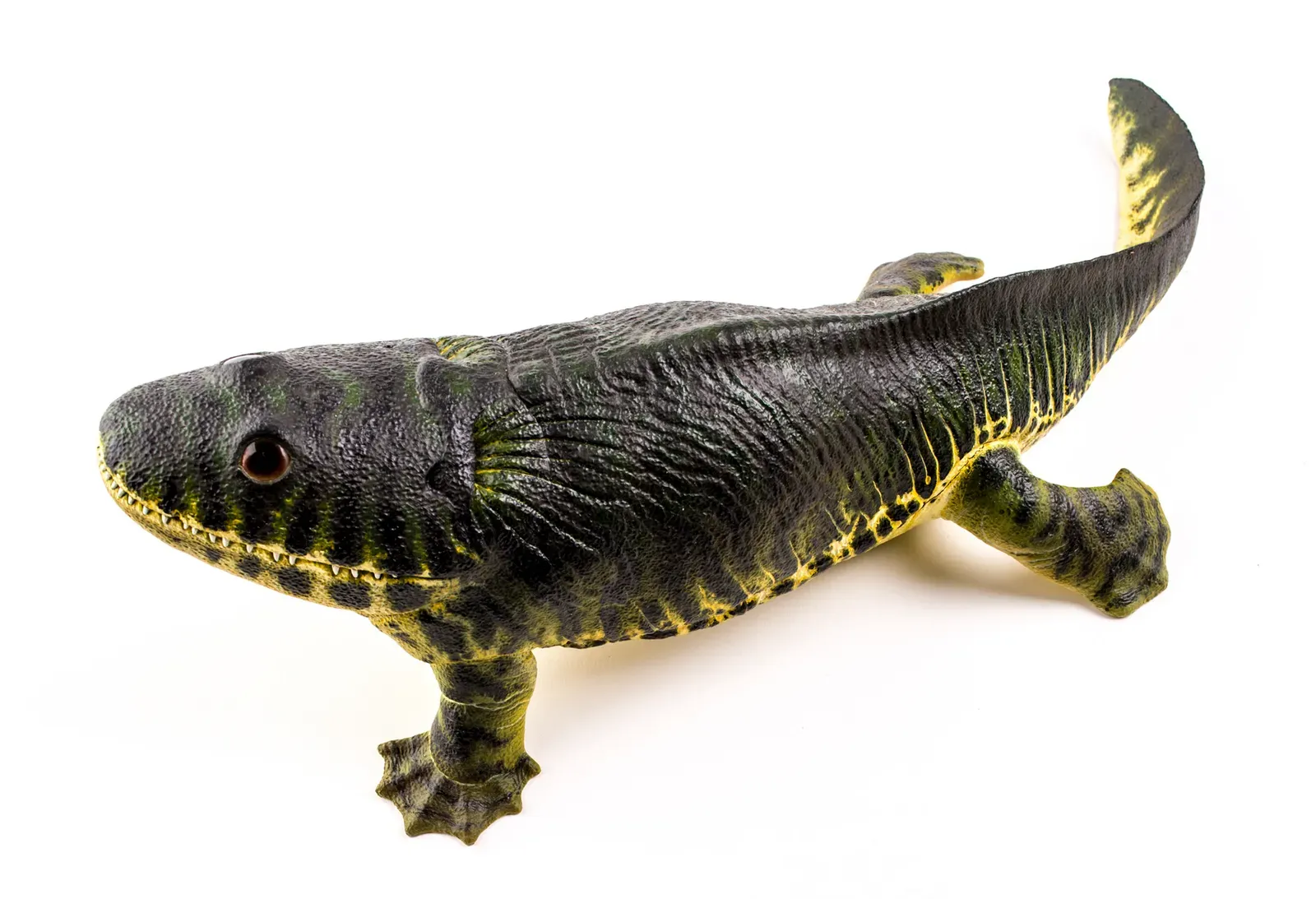
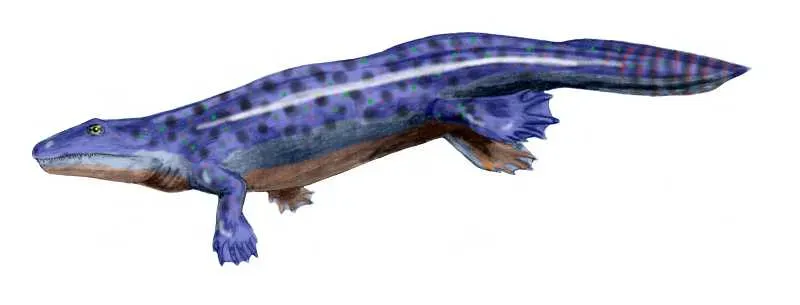
This file was uploaded by MUSE – Science Museum of Trento in cooperation with Wikimedia Italia., CC BY-SA 3.0)
One massive barrier to large amphibians living on land is the constant threat of drying out. Thin, moist skin works fine in a swamp, but it is a serious liability the moment you move further from water. Over millions of years, some ancient lineages began solving that problem. Some amphibians developed a thicker, scaly skin, solving the problem of them drying out if away from water too long. This was genuinely transformative.
The ancient vertebrates were not just plumped-up versions of today’s creatures, with some of them having tough coverings of keratin on their skin, for example, or bony armor to make them a harder bite for other predators of the time. As skin became more robust and protective, amphibians could range further into dry habitats, access new food sources, and survive conditions that would have killed their ancestors. Carboniferous amphibians were diverse and common by the middle of the period, and those fully terrestrial as adults had scaly skin. Better skin meant bigger territories, more food, and ultimately the biological permission to grow even larger. It was an adaptation that quietly changed everything.
Conclusion: A World Built for Giants
The story of ancient amphibian gigantism is not really one story at all. It is twelve stories, layered on top of each other, all happening simultaneously across millions of years. Oxygen-rich air, warm and wet climates, absence of competition, surplus of giant prey, and evolving skeletons all worked together like instruments in an orchestra – each playing its part in producing something genuinely extraordinary.
What is perhaps most remarkable is that these giants vanished. Most members of the group of giant salamander-like amphibians were wiped out during a mass extinction 201 million years ago, long before the death of the dinosaurs, which marked the end of the Triassic Period when the supercontinent of Pangea began to break apart, and the extinction wiped out many groups of vertebrates such as big amphibians, paving the way for dinosaurs to become dominant. A world capable of producing creatures with skulls the size of toilet seats and bodies stretching six meters was replaced by one that shrank them down to garden-pond scale.
The sheer fact that today’s frogs and salamanders descend from those ancient monsters is, honestly, one of the most underappreciated stories in all of natural history. Which of these twelve theories surprised you the most? Tell us in the comments.