
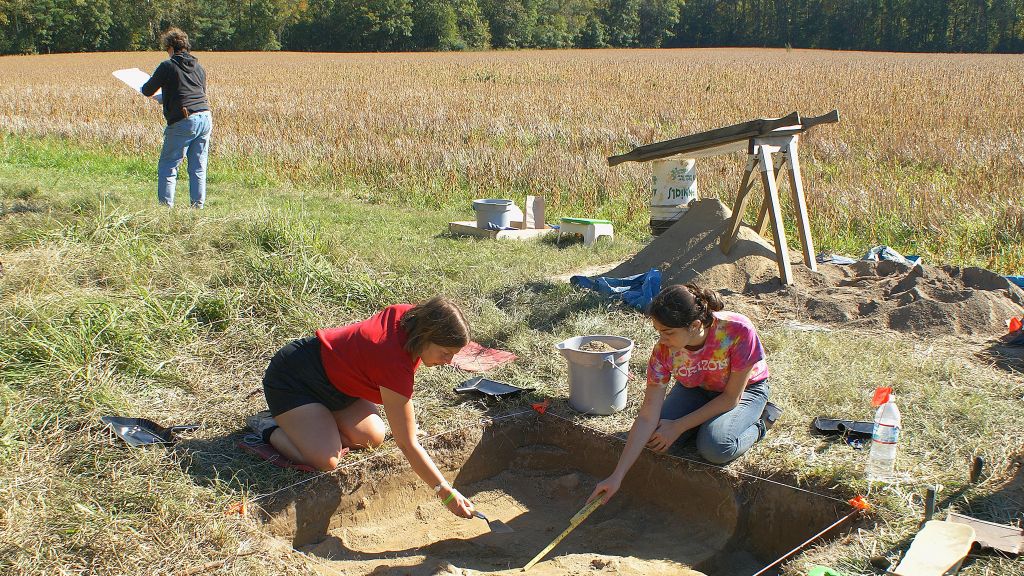
Every time you see a human skull on display in a museum, read about a 3-million-year-old footprint preserved in African volcanic ash, or encounter a documentary about what makes humans different from chimpanzees, you are looking at the fruit of someone else’s obsessive, often thankless labor. The field of anthropology has its celebrity names, sure. Most people have at least heard of Darwin. But the real architects of what we know about humanity’s ancient past? They are a much more fascinating, complex, and surprising cast of characters.
Think of it like the history of cinema. You know the blockbuster stars. But who wrote the script? Who invented the camera? Who designed the lights? Anthropology, the study of humanity in all its diversity, has been shaped by the insights and contributions of numerous scholars throughout its history – many of whom remain frustratingly invisible to the general public. This is their story. Be surprised by who shows up.
Franz Boas: The Man Who Rewired How You Think About Culture
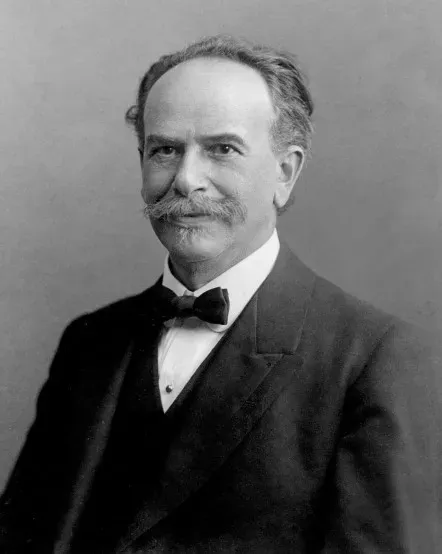
Here is the thing about Franz Boas – he was trained as a physicist, not an anthropologist. Which, honestly, might be exactly why he was able to see what no one else around him could. Franz Uri Boas, born in 1858 and passing in 1942, was a German-American anthropologist and ethnomusicologist, a pioneer of modern anthropology who has been called the “Father of American Anthropology.” That title is not given lightly. Before Boas, most Western scientists ranked cultures on a hierarchy, with European civilization sitting smugly at the top. He looked at that system and said, essentially: you have no idea what you’re talking about.
Among Boas’s main contributions to anthropological thought was his rejection of the then-popular evolutionary approaches to the study of culture, which saw all societies progressing through a set of hierarchic technological and cultural stages. Boas argued that culture developed historically through the interactions of groups of people and the diffusion of ideas, and that consequently there was no process towards continuously “higher” cultural forms. What you get today, in a world that increasingly values multiculturalism and cross-cultural respect, is at least partially a downstream effect of that radical reframing. Boas’ research revealed that cultural differences were not biological in origin, and he believed it was his responsibility as a scientist to use the evidence of his research to expose the misconception of white superiority and fight racism. For his time, that was nothing short of revolutionary.
Bronislaw Malinowski: The Man Who Moved In with Strangers
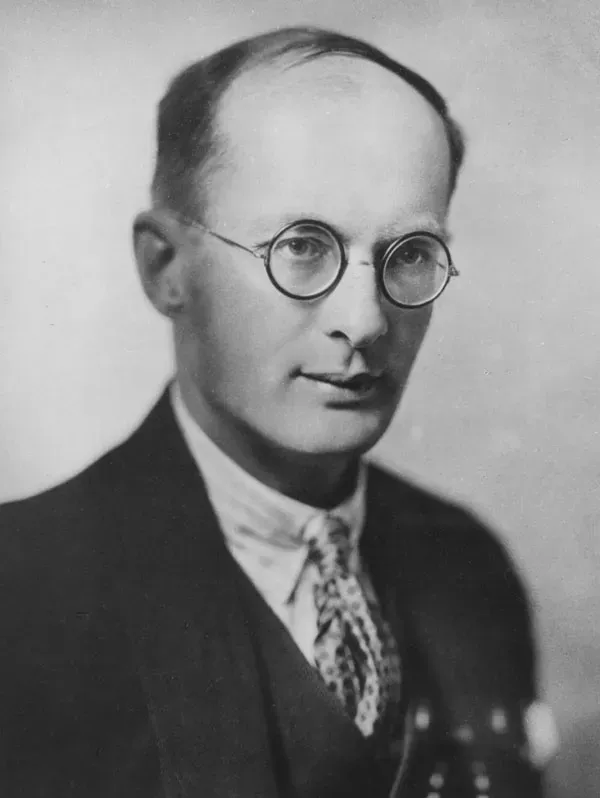
Imagine being told that the only way to truly understand another culture is to live inside it, fully and uncomfortably, for years at a time. That was Bronislaw Malinowski’s radical proposal, and it changed everything. Malinowski was a groundbreaking anthropologist who is widely regarded as the Father of Field Research, due to his innovative use of participant observation and ethnography. Before him, many anthropologists were essentially armchair theorists – reading accounts written by missionaries and sailors and drawing grand conclusions without ever leaving their comfortable European studies. Malinowski found that deeply unsatisfying.
He spent several years living among the Trobriand Islanders, where he conducted extensive participant observation, resulting in his influential work “Argonauts of the Western Pacific.” Malinowski emphasized the need for anthropologists to learn the local language and customs to develop a deeper understanding of the culture being studied. That methodology, learning the language, eating the food, sleeping under the same sky as the people you study, is now the gold standard of anthropological fieldwork. Malinowski’s approach to participant observation revolutionized anthropology by promoting immersive engagement with the cultures being studied. He believed that to understand a community fully, researchers needed to live among them and observe their customs firsthand. This method allowed anthropologists to gather richer and more nuanced data, marking a significant shift away from reliance on secondhand accounts.
Mary and Louis Leakey: The Power Couple of Paleoanthropology
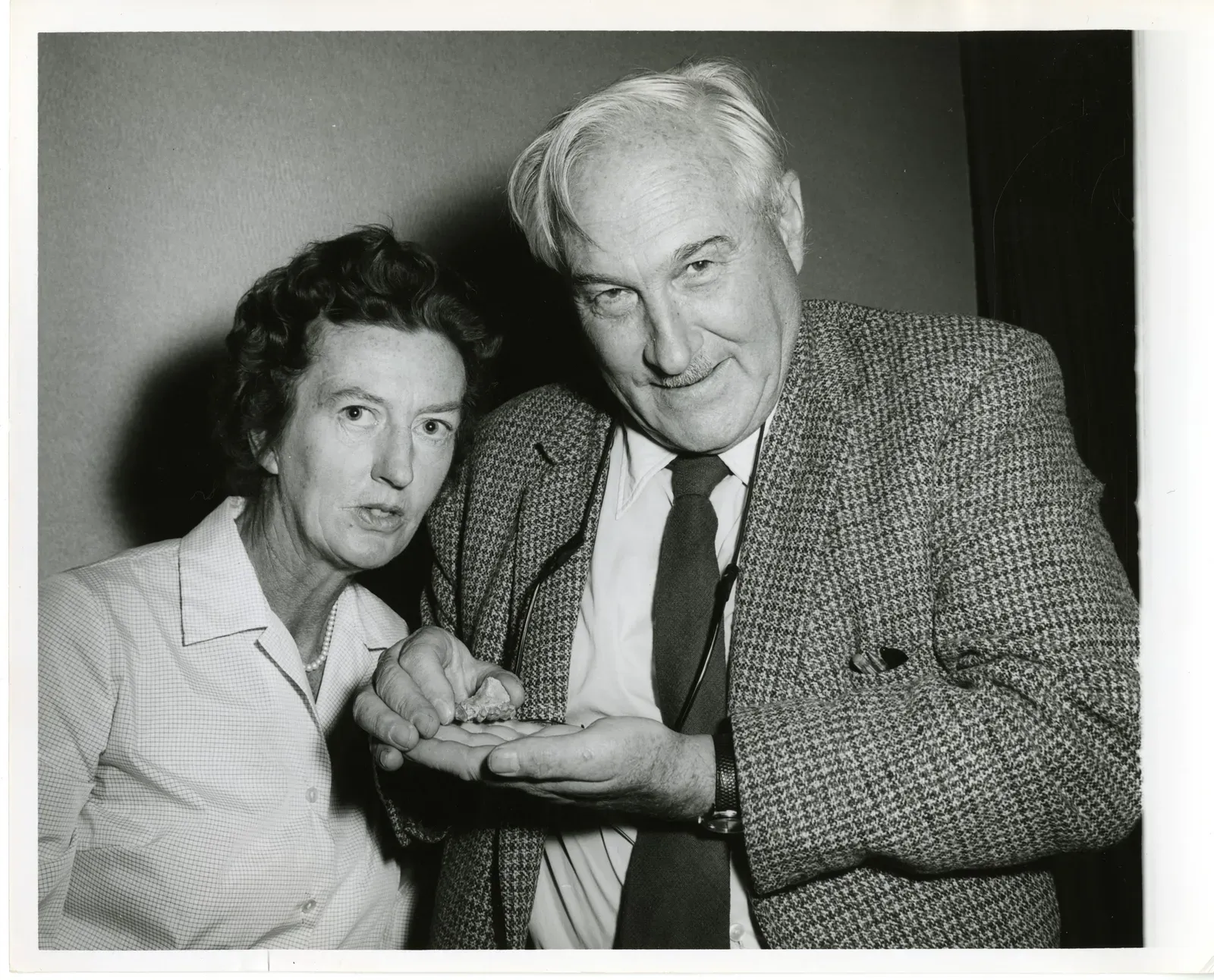
Some scientific discoveries happen in laboratories. Others happen in sweltering African gorges, on hands and knees, sifting through ancient sediment for years with nothing but patience and faith. That is the Leakey story. Mary and Louis Leakey were a dynamic husband-and-wife team who made groundbreaking discoveries in paleoanthropology. Their work revolutionized our understanding of human origins. The Leakeys conducted extensive fieldwork in East Africa, unearthing fossils that provided crucial evidence for human evolution. I think it’s genuinely hard to overstate their impact – what they found in those African landscapes rewrote the origin story of our entire species.
Before Louis, many scientists thought humans first appeared in Asia. However, Louis Leakey’s discoveries showed that humans actually came from Africa. That shift in understanding is massive, like correcting the address on humanity’s birth certificate. Meanwhile, Mary’s contributions were arguably even more dramatic in the field. In 1978, she found the footprints of early hominids at Laetoli, Tanzania. These footprints, dating back 3.6 million years, provided direct evidence of bipedalism in early humans. The discovery confirmed that our ancestors walked upright long before they developed larger brains. Footprints in volcanic ash, perfectly preserved for millions of years – you simply can’t make that up.
Donald Johanson: The Lucky Day That Changed Science Forever
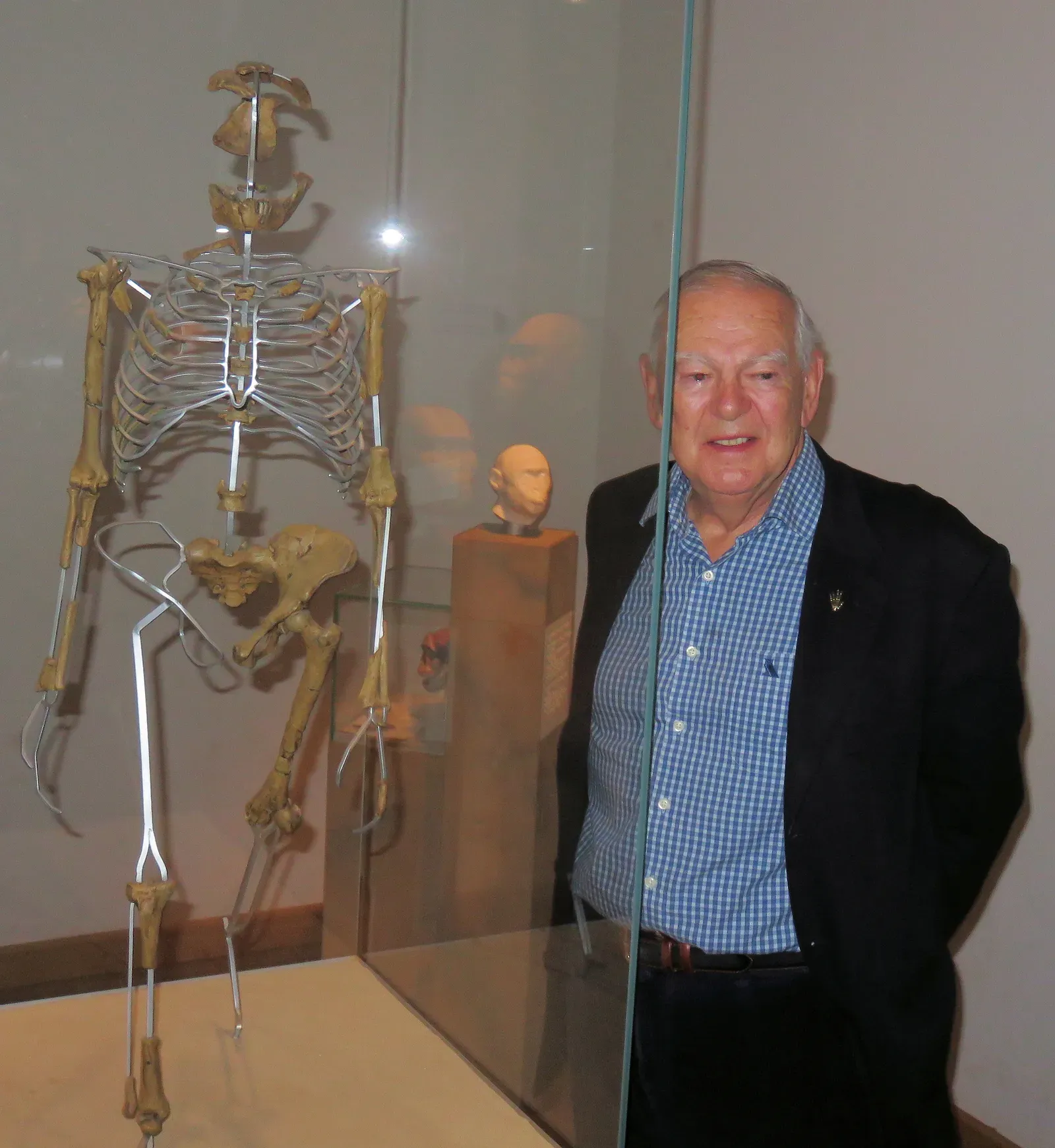
Some of the greatest scientific discoveries in history came down to a single moment of chance. On November 24, 1974, that moment belonged to Donald Johanson. Lucy was discovered in Hadar, Ethiopia, when Johanson, coaxed away from his paperwork by graduate student Tom Gray for a spur-of-the-moment survey, caught the glint of a white fossilized bone out of the corner of his eye and recognized it as hominin. Forty percent of the skeleton was eventually recovered and was later described as the first known member of Australopithecus afarensis. The whole team celebrated late into the night, and the name “Lucy” stuck after a Beatles song playing in the camp.
A bipedal hominin, Lucy stood about three and a half feet tall; her bipedalism supported Raymond Dart’s theory that australopithecines walked upright. She was, in essence, a walking ancestor – proof that the human line had been striding across the African landscape long before anyone had imagined. Johanson’s contributions have been pivotal in influencing the field of paleoanthropology, and he remains a prominent figure in the scientific community, inspiring future researchers with his discoveries and work in the study of human origins. It’s hard to say for sure just how differently our understanding of human evolution would look without that lucky afternoon stroll in Ethiopia, but the answer is almost certainly: very differently.
Margaret Mead: The Anthropologist Who Made You Question Everything You Think You Know
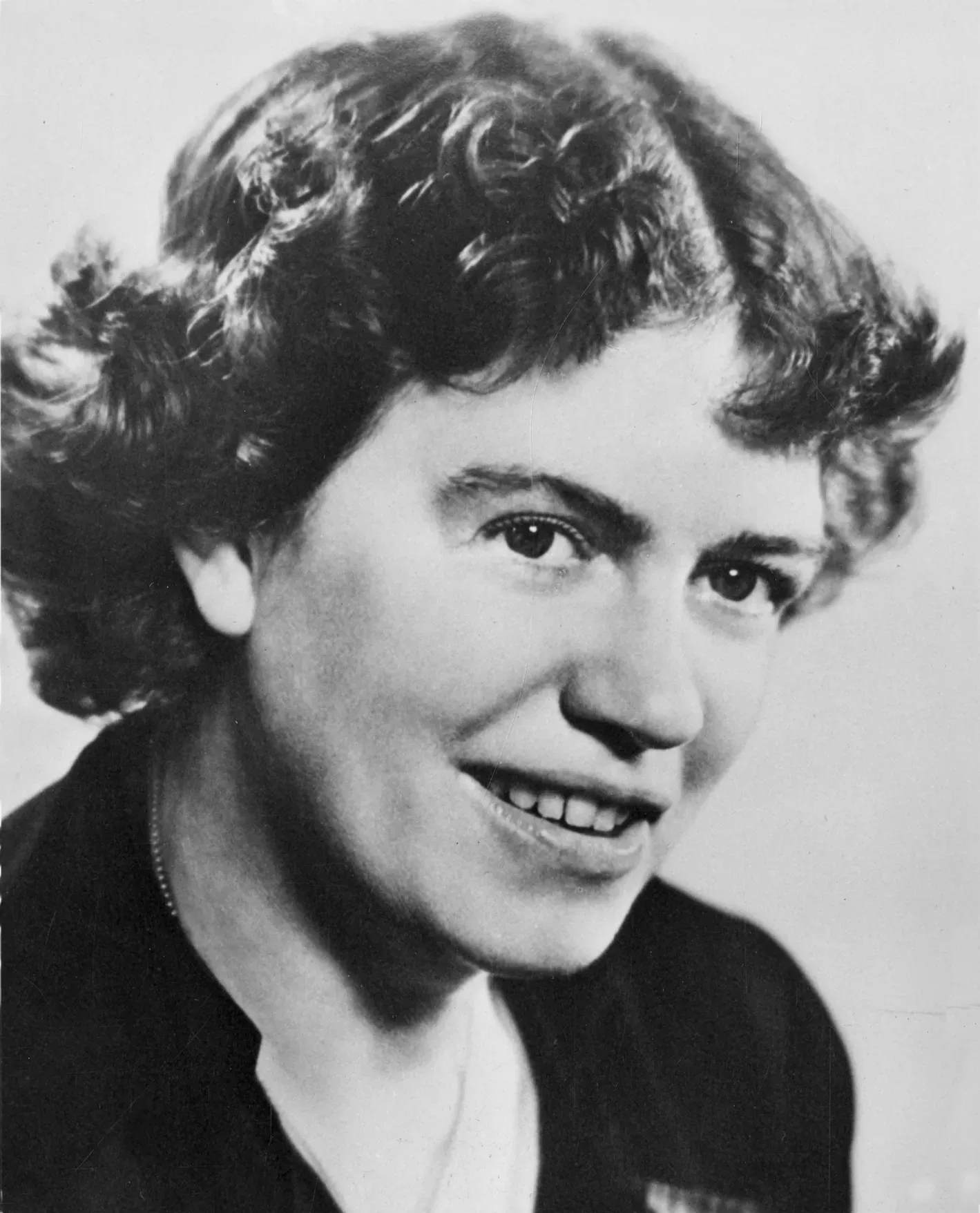
Uploaded by Fæ, No restrictions)
Margaret Mead walked into some of the most remote societies on earth and came back with ideas that shook Western assumptions to their core. A pioneering cultural anthropologist, Mead challenged prevailing notions about gender and sexuality, influencing the feminist movement. That alone would be a legacy worth celebrating. She published her landmark work “Coming of Age in Samoa” in 1928, and it landed like a cultural grenade. Mead studied gender roles and adolescence in various cultures. Her book “Coming of Age in Samoa” revealed how culture shapes development. Mead’s research influenced feminist anthropology and broadened perspectives on gender.
Let’s be real: the idea that gender roles are largely constructed by culture rather than baked into biology was not something most people in the 1920s were ready to hear. Mead said it anyway, loudly and clearly. Boas was a dedicated mentor and teacher, and his students, including Mead, went on to become influential anthropologists in their own right. His approach to anthropology, emphasizing both fieldwork and cultural relativism, profoundly shaped the development of the discipline. Notable students include Ruth Benedict and Margaret Mead, who furthered his ideas and conducted groundbreaking research. She carried the torch forward and used it to light up rooms that had been very comfortably dark for a long time.
Claude Lévi-Strauss: The Philosopher of Human Thought Itself
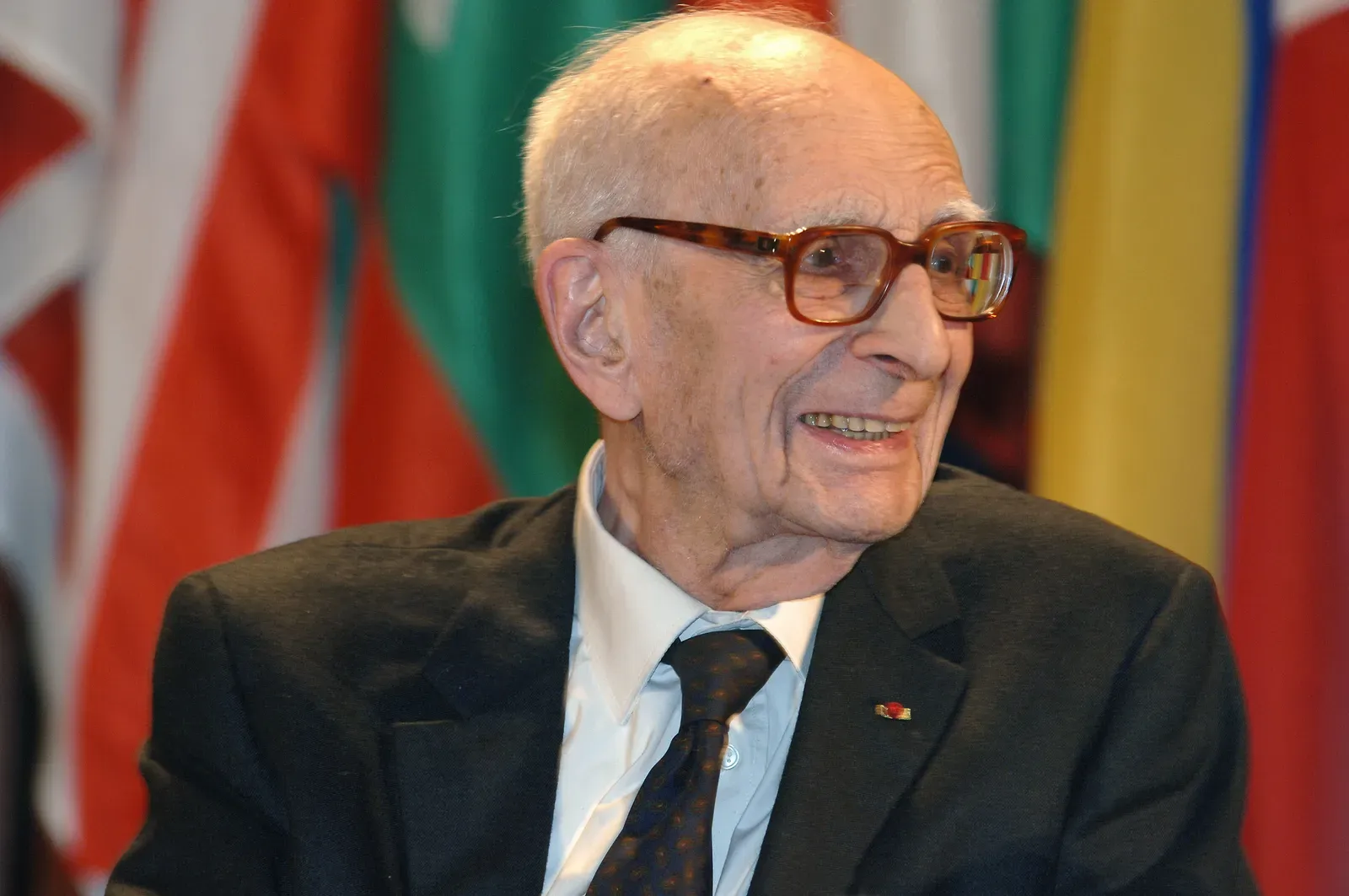
Claude Lévi-Strauss is one of those figures who makes your brain hurt a little, in the best possible way. A French anthropologist who lived to be 100 years old, he spent his career arguing that beneath all the breathtaking diversity of human cultures, there exists a common underlying architecture of the human mind. Claude Lévi-Strauss was a prominent French anthropologist and ethnologist known for his significant contributions to the development of structuralism and structural anthropology. He held the chair of Social Anthropology at the Collège de France for over two decades. Lévi-Strauss’s work emphasized the universality of human characteristics and the presence of similar structures in both “savage” and “civilized” minds, establishing him as a leading figure in the field.
Lévi-Strauss’s structuralist approach emphasized the analysis of myths, kinship systems, and rituals as expressions of deeper cultural structures. He believed that by deciphering these underlying patterns, anthropologists could gain a deeper understanding of the human experience. Think of it this way: it is as if he looked at every world culture’s stories, myths, and rituals the way a linguist looks at different languages, finding the common grammar underneath all of the surface differences. Lévi-Strauss’s ideas had a profound and lasting impact on anthropology. His structuralist framework influenced various subfields, including linguistics, sociology, and literary theory. While his work faced criticism, it encouraged anthropologists to explore the deeper layers of cultural meaning and symbolism.
Zelia Nuttall and Zora Neale Hurston: Voices That Had to Fight to Be Heard
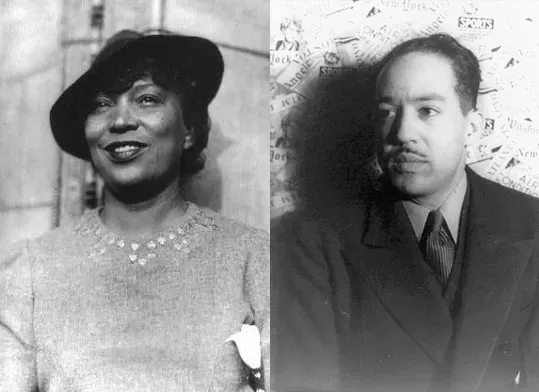
derivative work: – Malik Shabazz (talk • contribs), Public domain)
Honestly, this might be the most important section to understand. Two women, working in very different corners of the anthropological world, both facing enormous headwinds of prejudice, both producing work of extraordinary significance. Mexican-American archaeologist Zelia Nuttall was neither a man, nor an explorer in the traditional sense. For over 30 years, Nuttall investigated Mexico’s past to give recognition and pride to its present – a project Western archaeology had largely ignored. She fought against the popular narrative that painted ancient Mexican civilizations as little more than violent savages, insisting instead on their ingenuity and sophistication. Nuttall published her results in scholarly journals, and the study was original, thorough, and demonstrated an authoritative knowledge of Mexico’s history, drawing glowing responses from the archaeological community.
Meanwhile, Zora Neale Hurston was doing something equally extraordinary in the American South. Renowned for her ethnographic work on African American folklore, Hurston brought the richness of Black Southern culture into the academic spotlight at a time when that culture was almost entirely ignored by mainstream anthropology. Boas encouraged Hurston to explore and document the folklore that was part of rural Black culture in the southern United States, a culture Hurston herself could relate to because she shared these roots. Think of this process as going back to the town and home you grew up in and exploring it as both an insider and an outsider. Hurston’s work demonstrated how you can look within your own culture and see it in a new light. Both women built doors that had not existed before. Others walked through those doors for decades afterward.
Conclusion: The Past Is a Living Thing
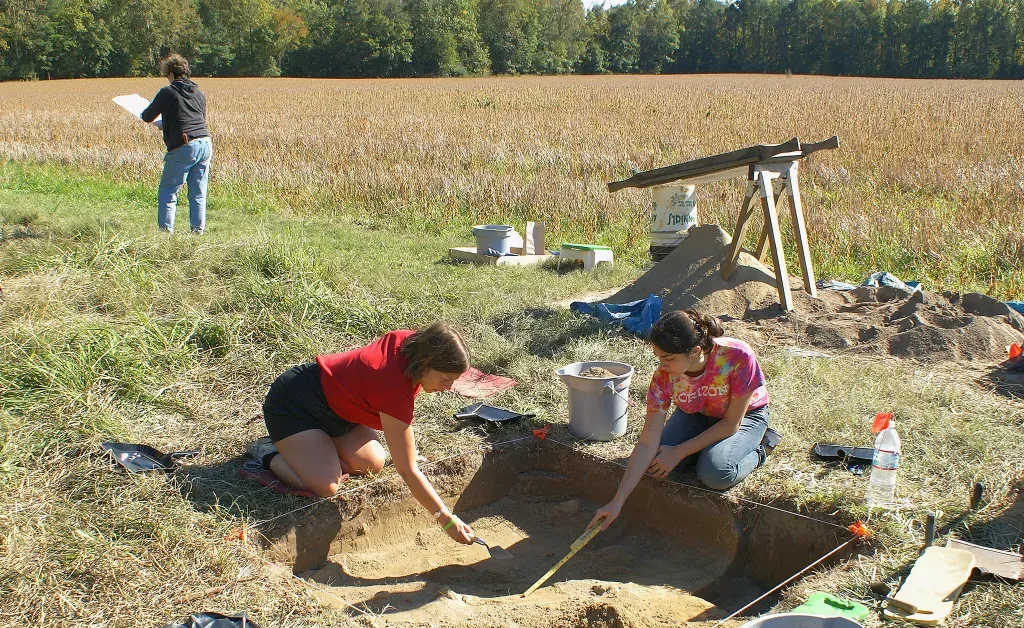
What strikes you, looking at all these lives together, is how personal the pursuit of anthropology really is. These were not detached scientists hovering above their subjects. They were people who believed, sometimes at great personal cost, that understanding our shared humanity was worth every uncomfortable moment in the field, every rejection from the academic establishment, every year spent kneeling in the African dust or living in a remote Pacific village. The field has kept evolving – the single most revolutionary development of recent decades is our ability to extract genetic material from old bones, and ancient DNA has given us an intimate glimpse into how our ancestors interacted with Neanderthals. The pioneers of anthropology created the framework that made all of those future discoveries possible.
The past is a nonrenewable resource, and every ancient site bulldozed or ransacked is a global loss. The unsung heroes of anthropology understood this better than anyone. They dedicated their lives to the belief that every culture, every fossil, every story, and every footprint preserved in ancient ash deserves to be understood, not judged. In a world that still struggles to see past its own assumptions, that might be the most radical idea of all. So – which of these pioneers surprised you most?