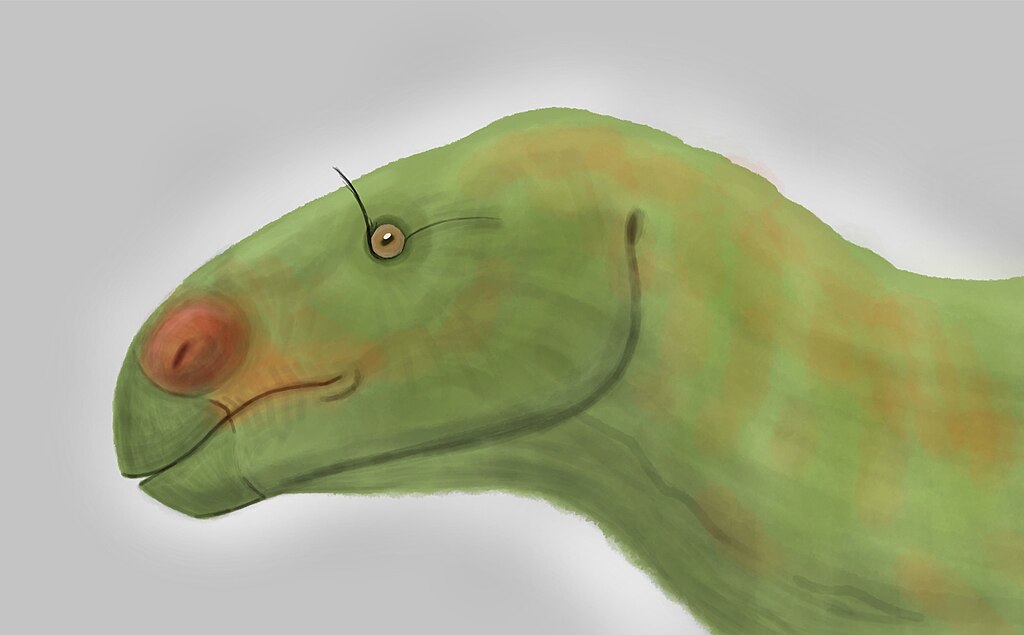
When most people think about the Mesozoic Era, their minds immediately jump to T. rex, Triceratops, or maybe a sweeping, cinematic image of a Brachiosaurus stretching its neck toward a canopy of ancient trees. Honestly, that’s a completely natural reaction. Hollywood has done a spectacular job of burning those images into our collective memory. Yet here’s the thing – the world of the Mesozoic was so much richer, so much stranger, and frankly so much more terrifying than those blockbuster poster creatures suggest.
During the Mesozoic Era, life diversified rapidly and giant reptiles, dinosaurs, and other monstrous beasts roamed the Earth. Although dinosaurs were the dominant land animals of the Mesozoic Era, many other important animal groups evolved and thrived during this time. From the sky to the deepest seas, from swamps to frozen poles, creatures of breathtaking scale and variety filled every corner of the ancient world. So buckle up, because some of the most astonishing giants of prehistoric life never got a starring role in any movie. Let’s dive in.
The World Before the Famous Dinosaurs Took Over
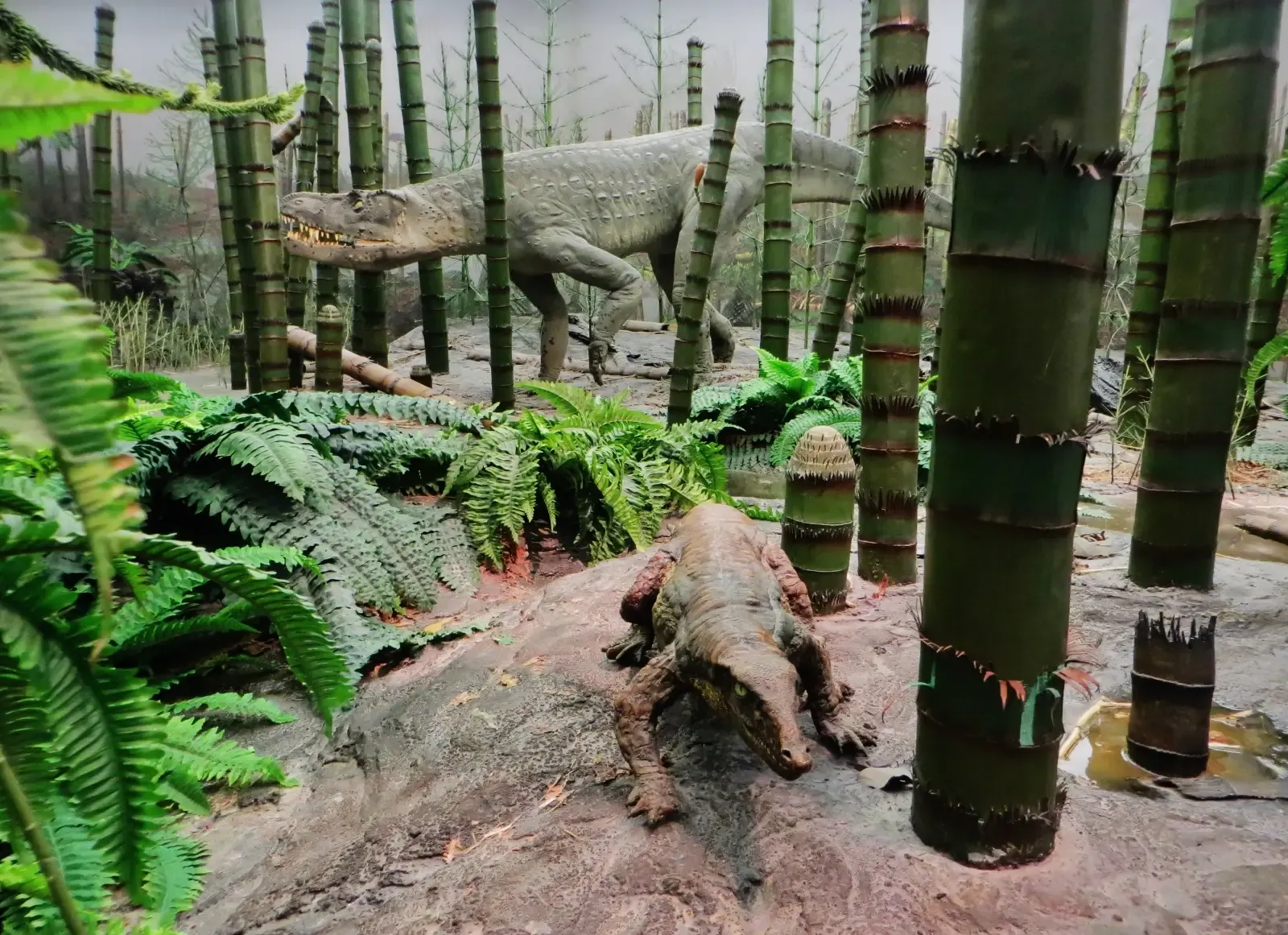
You might be surprised to learn that the Mesozoic didn’t begin with dinosaurs on top. The Mesozoic Era is an era of Earth’s geological history, lasting from about 252 to 66 million years ago, comprising the Triassic, Jurassic, and Cretaceous Periods. It opened in the aftermath of absolute catastrophe. The fauna and flora of the Mesozoic were distinctly different from those of the Paleozoic, the largest mass extinction in Earth’s history having occurred at the boundary of the two eras, when some 90 percent of all marine invertebrate species and 70 percent of terrestrial vertebrate genera disappeared.
The Triassic terrestrial environment was dominated by the therapsids, sometimes referred to as “mammal-like reptiles,” and the thecodonts, ancestors of dinosaurs and crocodiles, both of which appeared during the Late Triassic. Think of it like a world resetting after an apocalypse – a blank canvas on which evolution, given enough time and pressure, would paint something extraordinary. Dinosaurs only stepped into the spotlight once much of the competition had been cleared away.
Therapsids – The Mammal-Like Creatures That Almost Won
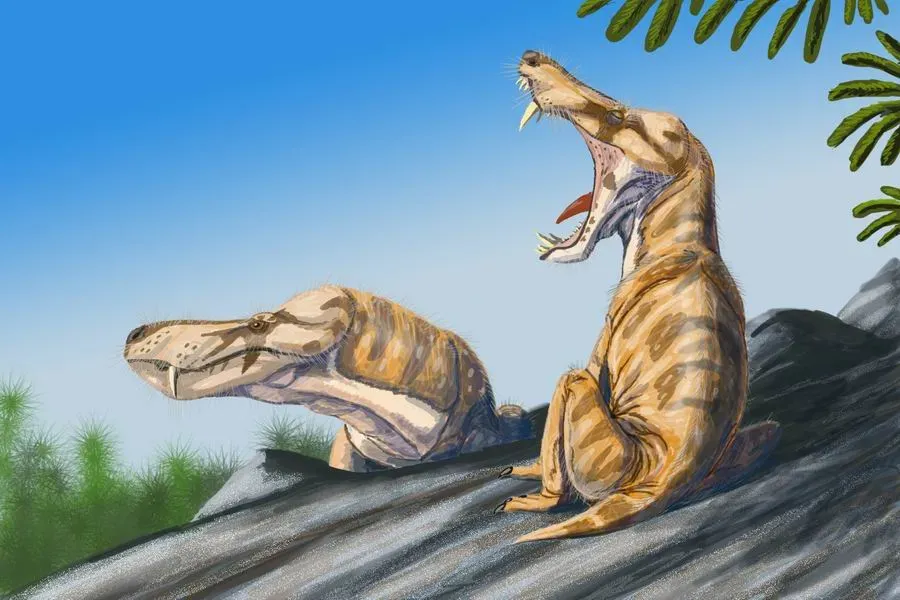
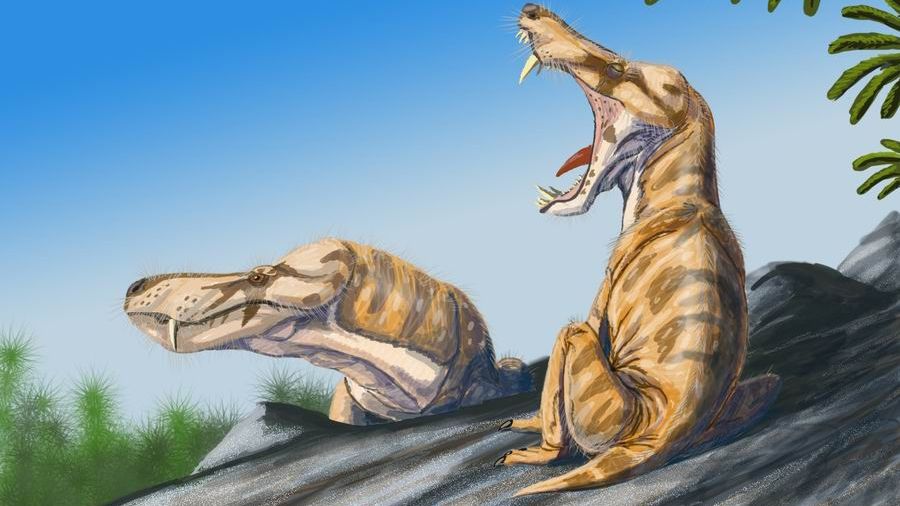
Let’s be real – therapsids deserve way more credit than they get. Therapsids are “mammal-like reptiles” that flourished from the Early Permian to the Late Triassic periods, roughly 275 to 205 million years ago, and are thought to have been the precursors of mammals. They weren’t the lumbering, scale-covered monsters you might imagine. Many of the traits today seen as unique to mammals had their origin within early therapsids, including limbs that were oriented more underneath the body, resulting in a more “standing” quadrupedal posture, as opposed to the lower sprawling posture of many reptiles and amphibians.
Although most of the therapsids went extinct at the end of the Triassic period, the cynodont line of therapsids survived that mass extinction event and produced descendants thought to have become the multitude of mammalian life on Earth today. In other words, if you’re reading this right now, you can thank the humble therapsid for your very existence. Their eventual successors – your ancestors – waited quietly in the shadows of the dinosaurs for roughly 160 million years before inheriting the planet. Patience, it turns out, paid off spectacularly.
Ichthyosaurs – The Ocean’s First Speed Machines
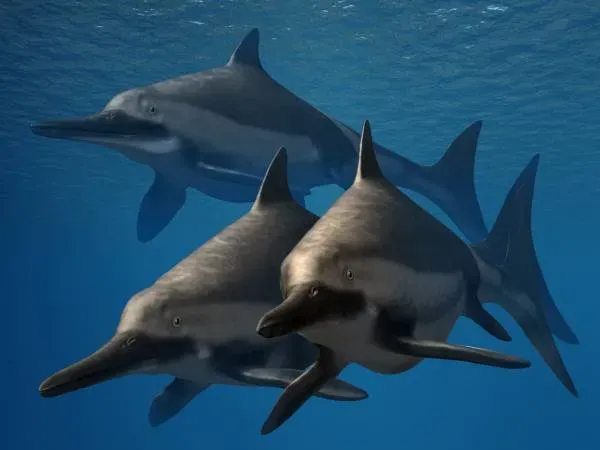
Imagine something that looks exactly like a dolphin, swims like one, breathes air like one – except it’s a reptile and it’s been in the ocean for 250 million years. That’s the ichthyosaur in a nutshell. Ichthyosaurians thrived during much of the Mesozoic Era; based on fossil evidence, they first appeared around 250 million years ago and at least one species survived until about 90 million years ago, into the Late Cretaceous. Ichthyosaurus was an aquatic reptile that lived in the Late Triassic Period. It was 6 to 11 feet in length and bore a striking resemblance to today’s dolphins. This is an example of convergent evolution – the process by which two unrelated species evolve similar characteristics.
Ichthyosaurians were air-breathing, warm-blooded, and bore live young. Many, if not all, species had a layer of blubber for insulation. This is remarkable when you realize that these traits are things we typically associate with modern marine mammals like whales and seals – not ancient reptiles. I think there’s something genuinely mind-bending about a reptile evolving into something so biologically similar to a dolphin purely through the pressure of its environment. Evolution, when left to its own devices, is a creative genius.
Plesiosaurs – The Long-Necked Leviathans of the Deep
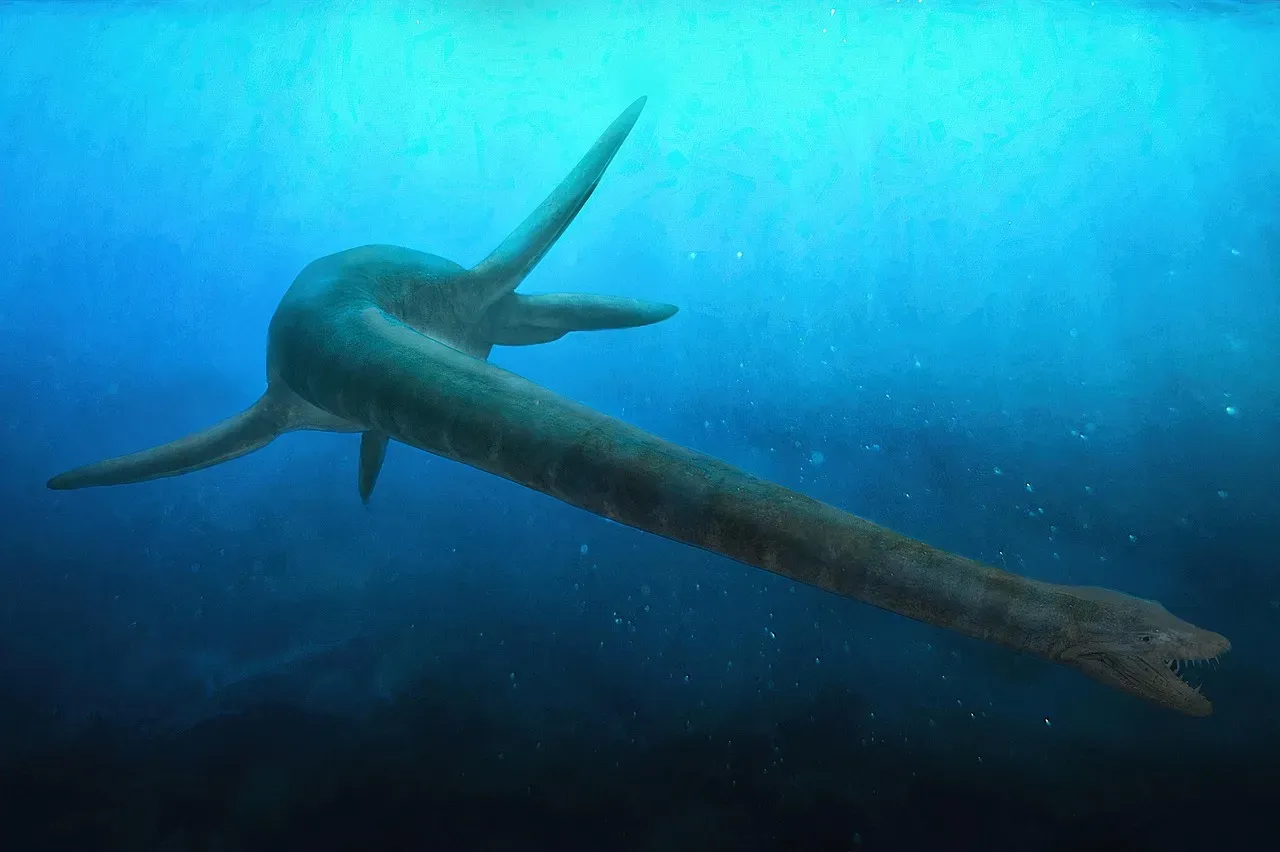
If the Loch Ness Monster myth has a real-world ancestor, it’s almost certainly the plesiosaur. Plesiosaurs are an order of extinct Mesozoic marine reptiles. They first appeared in the latest Triassic Period, possibly in the Rhaetian stage, about 203 million years ago. What makes them so jaw-dropping is their sheer variety. Later in the Early Cretaceous, the Elasmosauridae appeared; these were among the longest plesiosaurs, reaching up to fifteen meters in length due to very long necks containing as many as 76 vertebrae, more than any other known vertebrate.
Seventy-six neck vertebrae. For context, you have just seven. Other species, some of them reaching a length of up to seventeen meters, had the “pliosauromorph” build with a short neck and a large head; these were apex predators, fast hunters of large prey. So you had one group of plesiosaurs gracefully drifting through ancient oceans with necks like serpentine towers, and another group built like underwater bulldozers, crushing anything that crossed their path. All plesiosaurs became extinct as a result of the K-T event at the end of the Cretaceous period, approximately 66 million years ago. A dynasty nearly 140 million years in the making, gone in what was, geologically speaking, a flash.
Mosasaurs – The Sea’s Ultimate Apex Predators
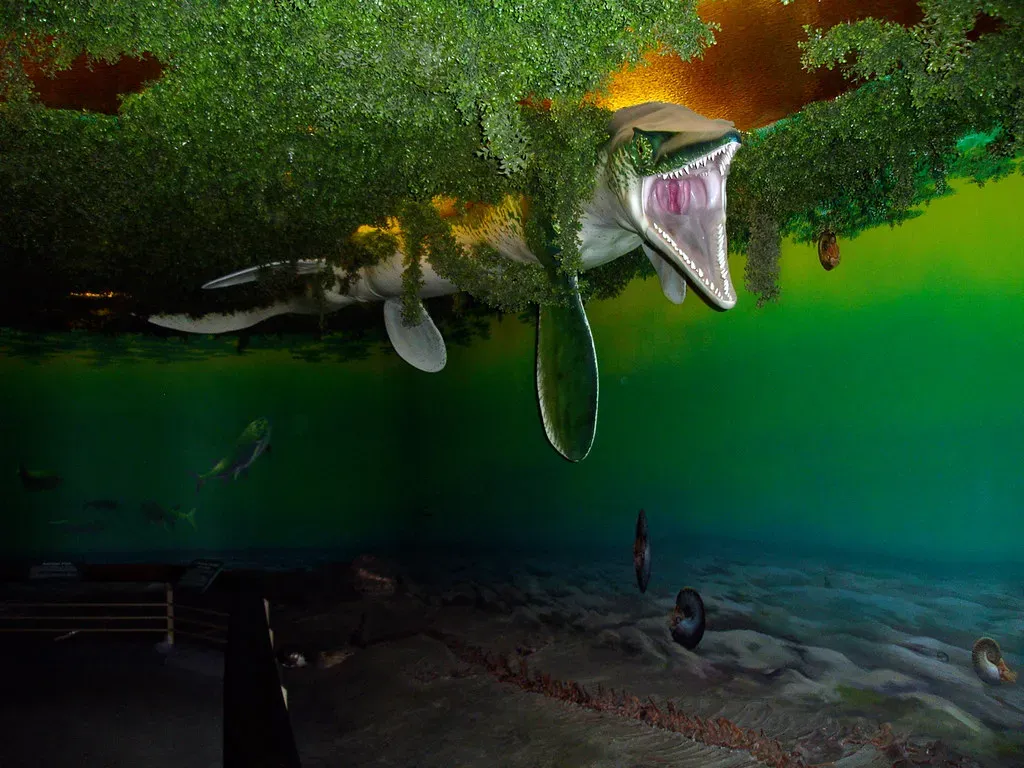
Here is where things get genuinely terrifying. Mosasaurus was a huge swimming lizard that appeared in the Late Cretaceous period. This 56-foot-long aquatic reptile was an apex predator that used bursts of high speed to catch large prey animals such as turtles, sharks, and even other mosasaurs. Let that sink in – they ate sharks. They ate each other. Mosasaurs breathed air, were powerful swimmers, and were well-adapted to living in the warm, shallow inland seas prevalent during the Late Cretaceous period.
During the last 20 million years of the Cretaceous period, with the extinction of the ichthyosaurs and pliosaurs, mosasaurids became the dominant marine predators. Think of them as the Mesozoic’s answer to the great white shark – only bigger, smarter, and far more aggressive. Mosasaurs belong to the order Squamata, the order to which today’s lizards and snakes belong. Mosasaurs evolved from aquatic lizards and became the dominant marine predators at the very end of the Mesozoic Era. So the closest living relative of these ocean nightmares is actually a Komodo dragon or a garden-variety monitor lizard. Honestly, that might be the most unsettling fact in this entire article.
Pterosaurs – Not Dinosaurs, But Just as Impressive
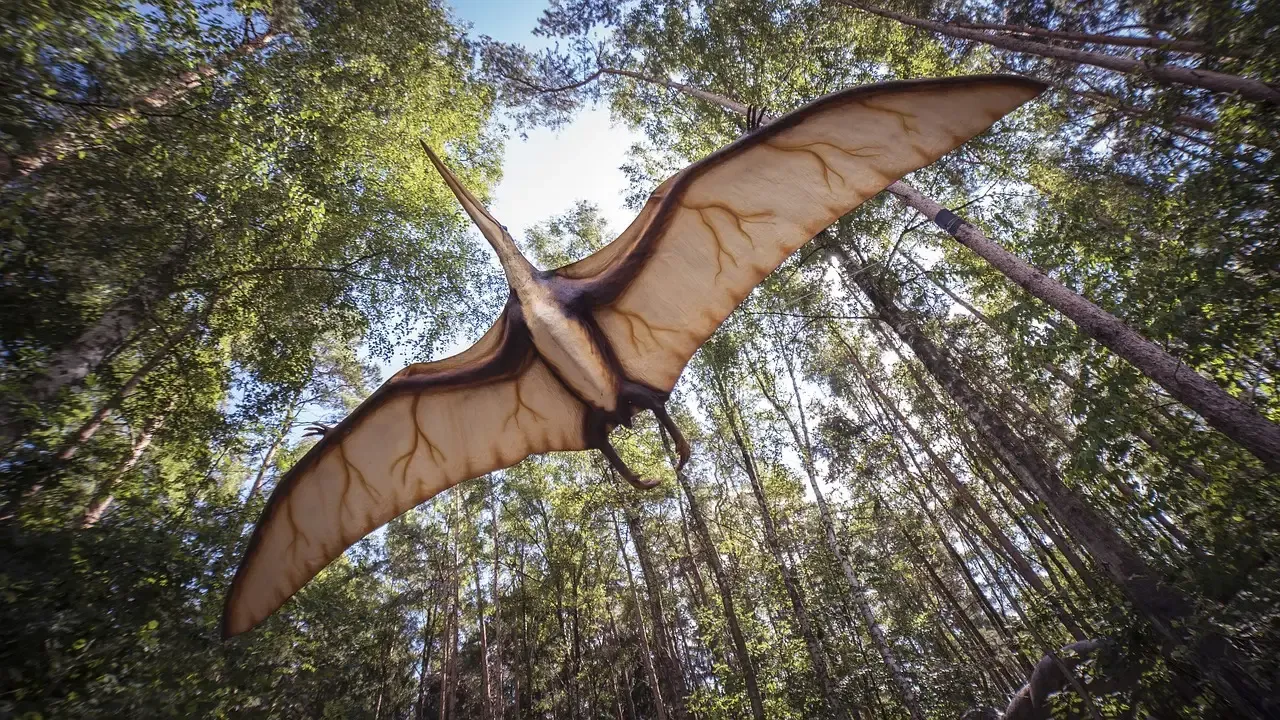
Let’s clear something up immediately. Pterodactyls were not dinosaurs. They were a type of flying reptile from the group called pterosaurs. While dinosaurs and pterosaurs shared a common ancestor, they evolved into separate groups. Now that that’s settled, let’s talk about how jaw-droppingly enormous some of these flying reptiles got. With a wingspan of around 36 feet, Quetzalcoatlus is among the largest flying animals ever to have lived. That’s the wingspan of a small commercial aircraft.
Pterosaurs got larger as genera such as Tapejara and Ornithocheirus evolved. What’s fascinating is that they didn’t start big – they were modest in scale during the Triassic and grew progressively more spectacular over millions of years, as if evolution itself was trying to outdo its previous work. Quetzalcoatlus was discovered in Texas, USA. It is thought to have hunted on land by stalking small vertebrate prey. Picture a creature the size of a small plane, walking on all fours across the Cretaceous landscape like a gigantic, terrifying stork. Pterosaurs were, without any doubt, one of the most spectacular evolutionary experiments of all time.
Deinosuchus – The Crocodile That Could Eat Dinosaurs
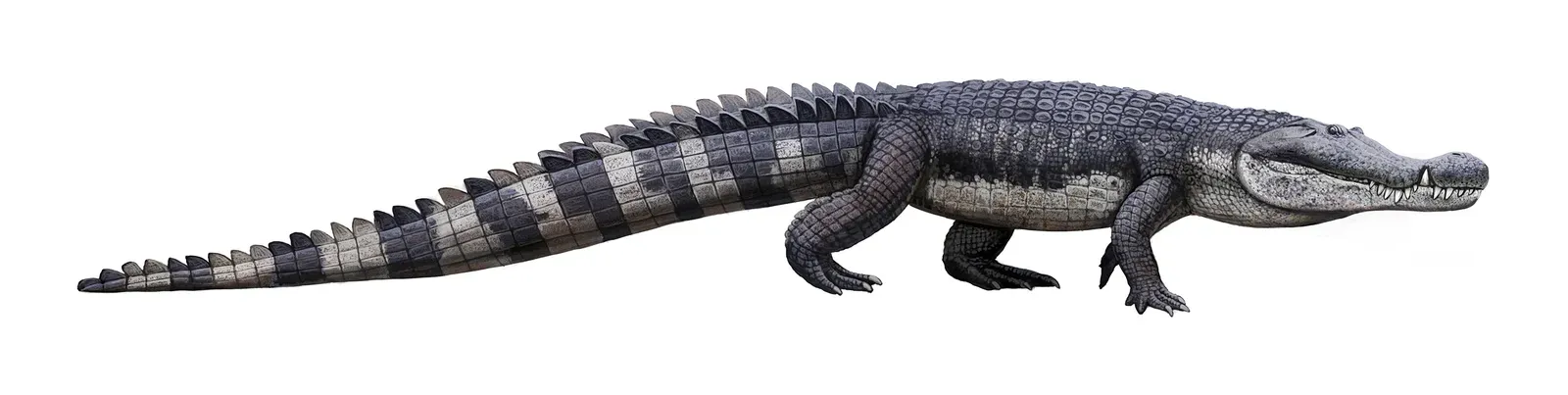
Take a look at crocodiles basking in an enclosure at a modern zoo or aquarium. These reptiles didn’t arrive after the dinosaurs – in fact, they evolved before them, around 250 million years ago. Yet nothing quite captures how extreme crocodilian evolution got like Deinosuchus. The top predator in some North American aquatic habitats was the mighty Deinosuchus – one of the largest crocodilians ever to have lived. Looking much like a modern crocodilian and having a similar lifestyle, Deinosuchus reached lengths of 39 feet – twice the size of today’s largest crocodile, the saltwater crocodile.
Deinosuchus was a genus of large crocodyliform that lived from 82 to 73 million years ago. Its main competitors as a large predator may have included sharks, marine reptiles like mosasaurs, theropods like the tyrannosaurs, and other Deinosuchus. The name means “terrible crocodile” in Greek, and honestly, for once the name is an understatement rather than an exaggeration. Deinosuchus was probably capable of killing and eating large dinosaurs. It may have also fed on turtles, fish, and other aquatic and terrestrial prey. So the next time someone tells you crocodiles are interesting but not that impressive, tell them about Deinosuchus and watch their expression change.
Repenomamus – The Small Mammal That Ate Dinosaurs
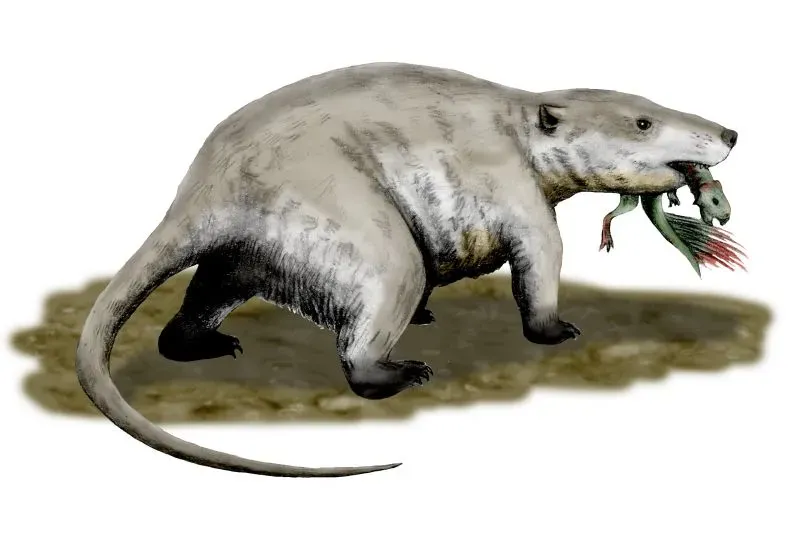
This is perhaps one of the most surprising stories in the entire Mesozoic, and I find it nothing short of thrilling. Mammals continued to expand their range: eutriconodonts produced fairly large, wolverine-like predators such as Repenomamus and Gobiconodon. While the common assumption is that Mesozoic mammals were tiny, terrified little creatures living in perpetual fear of dinosaurs, Repenomamus flipped that script entirely. Features of the teeth and jaw suggest that Repenomamus were carnivorous and a specimen discovered with the fragmentary skeleton of a juvenile Psittacosaurus preserved in its stomach represents direct evidence that at least some Mesozoic mammals were carnivorous and fed on other vertebrates, including dinosaurs.
Individuals of the known species in Repenomamus are some of the largest known Mesozoic mammals represented by reasonably complete fossils. Adults of R. robustus were the size of a Virginia opossum. Not a giant by our standards, sure – but in a world ruled by creatures the size of buses, a badger-sized mammal actively hunting and eating young dinosaurs is a genuinely remarkable act of prehistoric audacity. We tend to think of Mesozoic mammals as being at the mercy of dinosaurs, but in at least one case the mammals had the upper hand. The badger-sized eutriconodont Repenomamus contains in its gut the remains of several baby dinosaurs. Tiny, but absolutely fearless.
Xiphactinus – The Terror Fish of the Cretaceous Seas
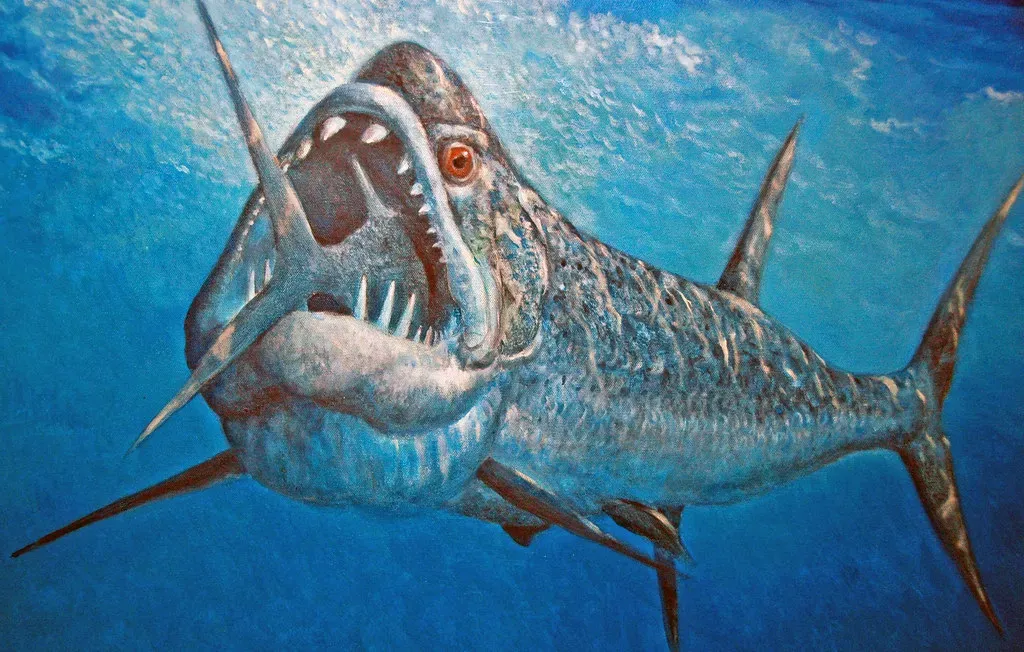
The oceans of the Cretaceous weren’t just ruled by mosasaurs and plesiosaurs. There were also fish – enormous, nightmarish fish. One large predator that lived during the Cretaceous is Xiphactinus, a 20-foot large bony fish. Xiphactinus was a fearsome Mesozoic fish whose fossilized remains have been found in North and South America, Europe, and Australia. Xiphactinus had a forked tail and was built for speed. With a mouthful of sharp teeth, it would have been a formidable predator.
Speed plus teeth plus the body of a prehistoric torpedo – that’s a combination that doesn’t leave much room for prey to escape. Several Xiphactinus fossils have been found with the remains of other fish in their stomachs. One famous specimen was discovered with a nearly six-foot fish preserved whole inside its gut, suggesting it had swallowed its prey in one piece and died shortly afterward. It’s like nature’s own version of a cautionary tale about biting off more than you can chew. The Cretaceous seas were, to put it mildly, not a place you’d want to go for a casual swim.
The Ammonites – Ancient Architects of the Ocean Floor
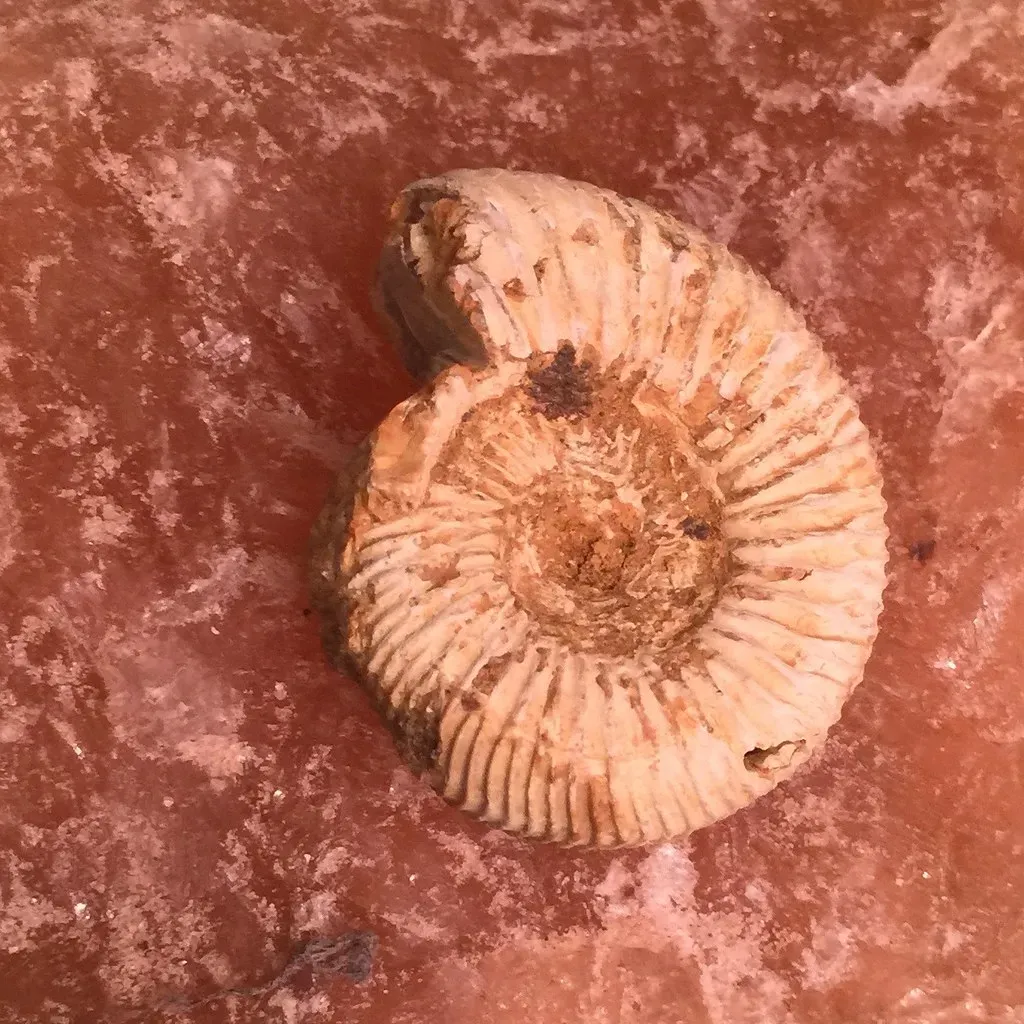
They may not have been giants in the physical sense, but ammonites deserve a spot in this conversation because they were arguably the most successful group of creatures in the Mesozoic seas – in terms of pure diversity and longevity. Ammonites descended from a single group of shelled cephalopods surviving into the Early Triassic, quickly evolved into many species, so much so that the Mesozoic is known as the age of ammonites as well as the age of dinosaurs. Think of them as the nautilus shells you’ve seen in museums – only they came in hundreds of thousands of species, forms, and sizes that spanned the full breadth of the Mesozoic.
Large marine reptiles such as plesiosaurs, along with the coiled-shell ammonites, flourished in the shallow seas that expanded across the continents. These creatures were so abundant, so varied, and so geologically widespread that paleontologists use their fossils today as precision dating tools – different species appearing and disappearing at such predictable intervals that finding one in a rock layer is like finding a timestamp. In the oceans at the end of the Mesozoic, all the ammonites, reef-building rudist bivalves, and marine reptiles died off. Their complete disappearance marks one of the clearest signals of the great extinction that closed the Mesozoic chapter forever.
Conclusion
The Mesozoic Era was never just a dinosaur story. It was a full, sprawling, complex web of life – predators and prey, swimmers and fliers, creatures with fins and flippers and fangs – most of whom never made it onto a movie poster or into a children’s toy box. From the therapsids who carried the seeds of mammalian life all the way through to the mosasaurs ruling the final Cretaceous seas, the lesser-known giants of this era are every bit as extraordinary as their famous cousins.
Perhaps the most humbling takeaway is this: the breakup of Pangea not only shaped our modern world’s geography but biodiversity at the time as well. Throughout the Mesozoic, animals on the isolated, now separated island continents took strange evolutionary turns. Evolution, left alone for millions of years with a planet full of opportunity, will always find a way to astonish. The Mesozoic proves that beyond any shadow of a doubt. So the next time you find yourself watching a dinosaur documentary, ask yourself – who else was out there? The answer, it turns out, is even more fascinating than you might expect. What lesser-known Mesozoic creature surprised you the most? Tell us in the comments!