Imagine holding a bone in your hands and realizing, with absolute certainty, that no human being had ever laid eyes on the creature it belonged to. That feeling, part awe and part disbelief, is what has driven paleontologists for over two centuries. From dusty quarries in England to the scorched badlands of Montana, the story of how we came to understand dinosaurs is one of the most thrilling detective stories in the history of science.
Every great discovery didn’t just add a new species to a list. It shattered assumptions, rewrote textbooks, and forced scientists to completely rethink what life on this planet actually looked like hundreds of millions of years ago. Some of these finds were made by accident. Others were the result of obsessive, years-long searches. All of them changed everything. Let’s dive in.
1. Megalosaurus: The First Named Dinosaur (1824)
![1. Megalosaurus: The First Named Dinosaur (1824) (Original, now superseded file based on the images found here: [2][3][4]and[5] which is now known to be Neovenator: File:Neovenator salerii-Dinosaurisle.jpg. Heavily revised current version based on skeletal diagrams by Scott Hartman in:(2015). "An overview of non-avian theropod discoveries and classification". PalArch's Journal of Vertebrate Palaeontology 12 (1): 1–73.
The feathering shown here is speculative, skin remains are not currently known for Megalosaurus., Public domain)](https://nvmwebsites-budwg5g9avh3epea.z03.azurefd.net/dinoworld/1f198749ac2afab5d14d15e873ec8e04.webp)
(2015). “An overview of non-avian theropod discoveries and classification”. PalArch’s Journal of Vertebrate Palaeontology 12 (1): 1–73.
The feathering shown here is speculative, skin remains are not currently known for Megalosaurus., Public domain)
Here’s a fact that genuinely stops people in their tracks: before 1824, no one on Earth knew what a dinosaur was. Not a single person. On February 20, 1824, during a meeting of the Geological Society of London, paleontologist William Buckland formally introduced Megalosaurus, making it the first dinosaur ever to be scientifically described. Think of that moment as the opening scene of the most epic natural history story ever told.
In 1815, bones belonging to this large prehistoric creature were discovered at the Stonesfield quarry in Oxford, and they were soon acquired by William Buckland, who identified them as the skeleton of a gigantic lizard the likes of which had never been seen before. In 1842, Richard Owen decided that these fossils were so utterly different from any known reptiles that they deserved to be classified as a completely new group of giant fossil reptiles, which he called Dinosauria. Prior to 1842, nobody had heard of dinosaurs. It’s almost impossible to wrap your head around that. One jawbone sitting in an Oxford museum quietly started an entire new branch of science.
2. Iguanodon: The First Plant-Eating Giant (1825)
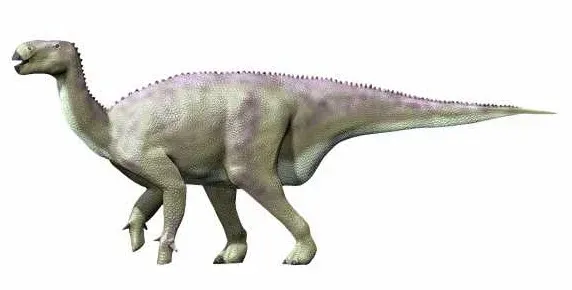
A year after Megalosaurus was named, a second giant prehistoric reptile called Iguanodon was described, and it was a hugely significant discovery in its own right. Iguanodon was the first giant prehistoric reptile found to be herbivorous. Before this, scientists had assumed that any creature this colossal must be a meat-eater. The idea of a plant-eating monster the size of a bus was, genuinely, revolutionary thinking for the era.
The specimen of Iguanodon, discovered by Mary Ann Mantell, is thought to be the first herbivorous dinosaur ever discovered, which broadened the horizons of scientists’ understanding of the animals greatly. When in 1834 a larger specimen was discovered in a limestone quarry in Kent by William Bensted, Gideon Mantell was finally able to create a clearer image of the unknown creature, following which it became one of the first three included in the Dinosauria classification. Honestly, you could argue this single discovery was the moment paleontology stopped being niche curiosity and started becoming a global obsession.
3. Archaeopteryx: The Missing Link Between Dinosaurs and Birds (1861)
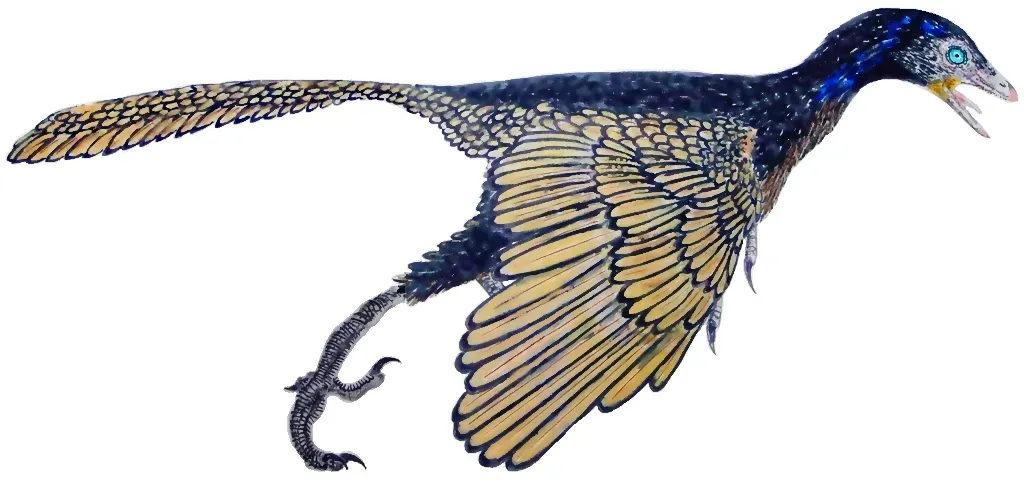
Archaeopteryx is one of the world’s most famous fossils. It’s widely regarded as the missing link between dinosaurs and birds, displaying a perfect blend of avian and reptilian features. The first Archaeopteryx skeleton was uncovered in Germany in 1861. This extraordinary find had clear impressions of feathers around its skeleton. Birds weren’t known from this long ago, so it was described as one of the first birds. The timing was almost absurdly perfect.
Just two years earlier, Charles Darwin had published his revolutionary book On the Origin of Species, and Thomas Huxley, who was a great disciple of Darwin, was one of the first people to realize the significance of Archaeopteryx. Huxley noticed there were similarities between Archaeopteryx and some meat-eating dinosaur skeletons. Similar in size to a magpie, this small ancient creature seemed to solve the missing link between birds and dinosaurs, as they featured jaws with sharp teeth, a long bony tail and three clawed fingers. I think it’s fair to say this was the most perfectly timed fossil find in the history of science.
4. The Bone Wars: A Rivalry That Doubled Our Knowledge (1877–1892)
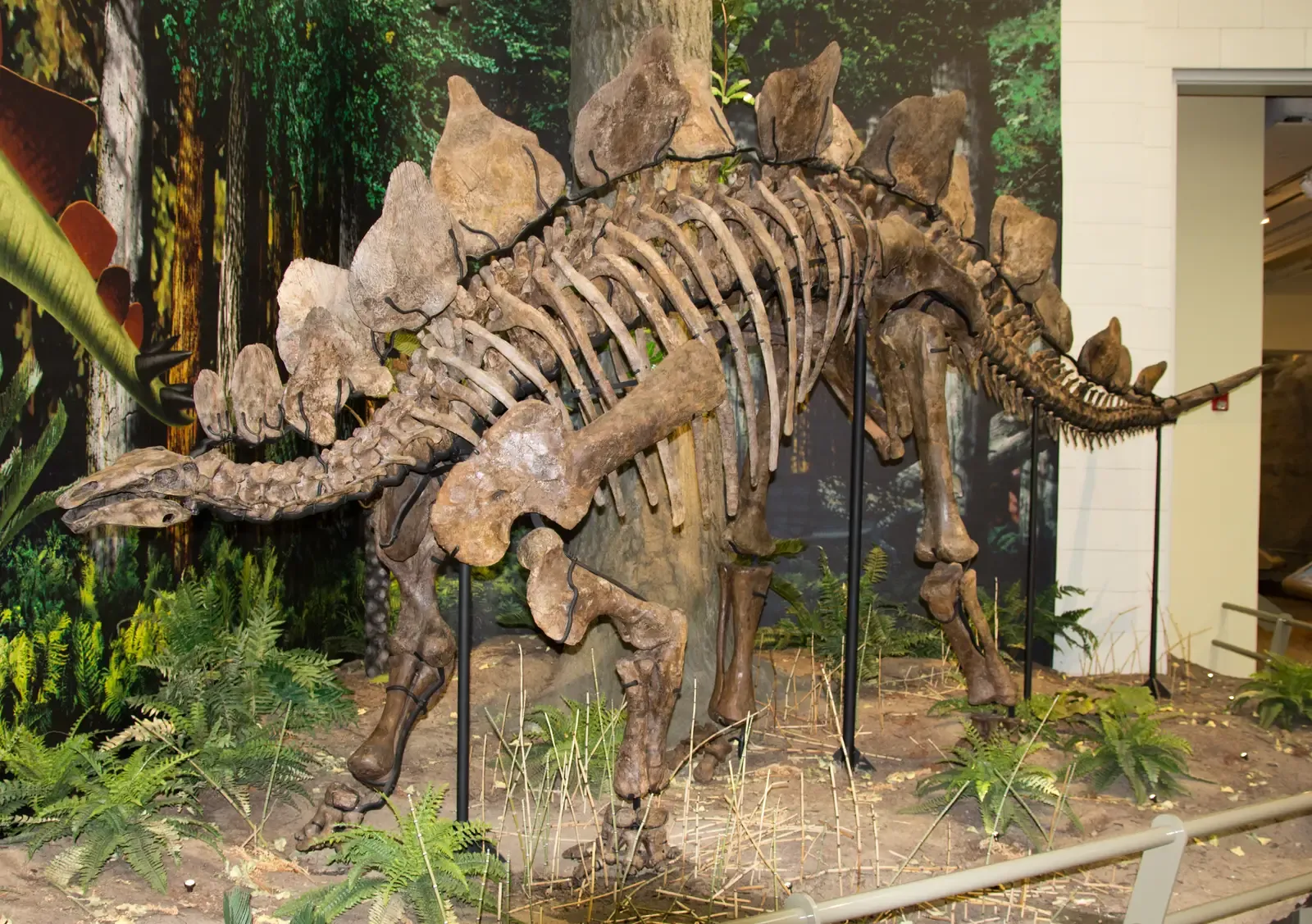
Uploaded by FunkMonk, CC BY-SA 2.0)
This chapter of paleontology reads more like a fever dream than scientific history. Two rivals, Edward Drinker Cope and Othniel Charles Marsh, waged a furious, often underhanded war to outdig each other across the American West, and in doing so, they accidentally transformed the field forever. The discoveries in the American West gave us, in many cases, the first examples of substantially complete dinosaur skeletons. Scientists had been finding bits of dinosaur skeletons in Europe for 50 years before that, but most finds were fairly incomplete.
Othniel Charles Marsh unearthed the first Stegosaurus fossils in 1877, and this iconic dinosaur, with its distinctive plates and spikes, became one of the most recognizable prehistoric animals. The sheer volume of material recovered during those years gave scientists their first real picture of just how bizarre and diverse dinosaurs actually were. It’s like going from a blurry photograph to a full color movie overnight. These discoveries had a knock-on effect for understanding more about dinosaur biology and how different species are related to each other.
5. Diplodocus: The Dinosaur That Became a Household Name (1898)
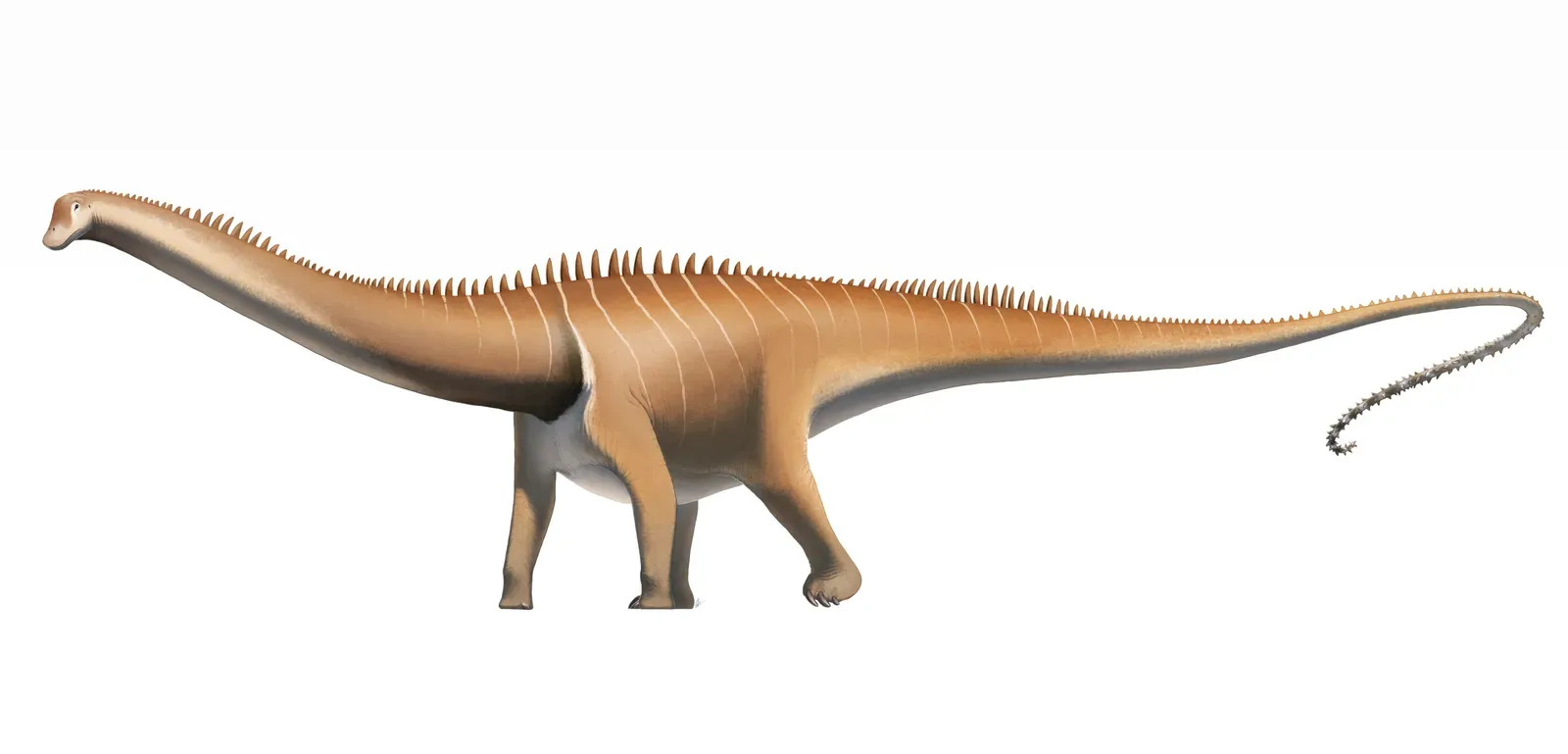
When the Diplodocus skeleton was discovered in Wyoming in 1898, its casting and distribution to museums around the world popularized the word “dinosaur” for the first time amongst the general public. Before this, dinosaurs were largely known only to scientists and enthusiastic hobbyists. Diplodocus, nicknamed “Dippy,” changed everything about how ordinary people related to prehistoric life.
Dippy the Diplodocus was exhibited in London’s Natural History Museum in 1905, and its multiple casts and high profile made the word “dinosaur” a household name. Less than a hundred years ago, Diplodocus carnegii, named after industrialist and philanthropist Andrew Carnegie, was the most famous dinosaur on the planet. The most complete fossil skeleton unearthed to date, and one of the largest dinosaurs ever discovered, Diplodocus was displayed in a dozen museums around the world and viewed by millions of people. You have Dippy to thank, in part, for every dinosaur movie, toy, and exhibit that followed.
6. The American Museum Expedition Discovers Dinosaur Eggs in Mongolia (1923)
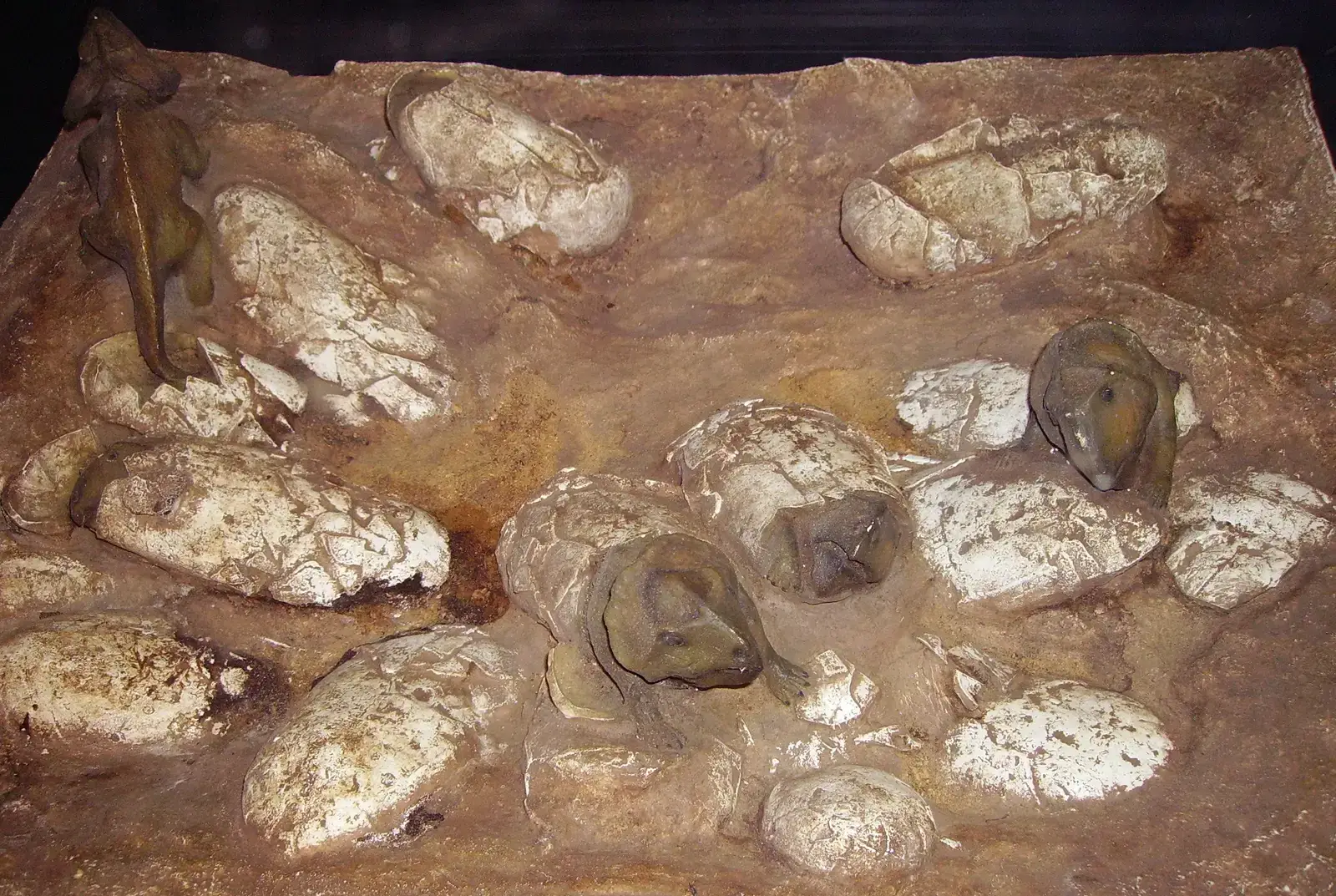
Before 1923, scientists had long debated a surprisingly basic question: did dinosaurs lay eggs, or did they give birth to live young? The answer came from the Gobi Desert. In 1923, scientists from the American Museum of Natural History unearthed the first fossils to be widely regarded as dinosaur eggs. These exceptionally well-preserved fossils were the first strong evidence of how dinosaurs fed and cared for their offspring and kickstarted a discussion about the complex social lives of dinosaurs.
Discovered in Mongolia, the fossilized nest contained 15 young Protoceratops and gave scientists a never-before-seen look into the upbringing of these dinosaurs. As many as 14 nests were found in a single area of the site, known as Egg Mountain, and so some scientists believe that dinosaurs may have nested in colonies. The image of dinosaurs as cold, indifferent creatures was beginning to crack, even if it would take decades for the full picture to emerge.
7. Deinonychus: The Discovery That Sparked the Dinosaur Renaissance (1964)
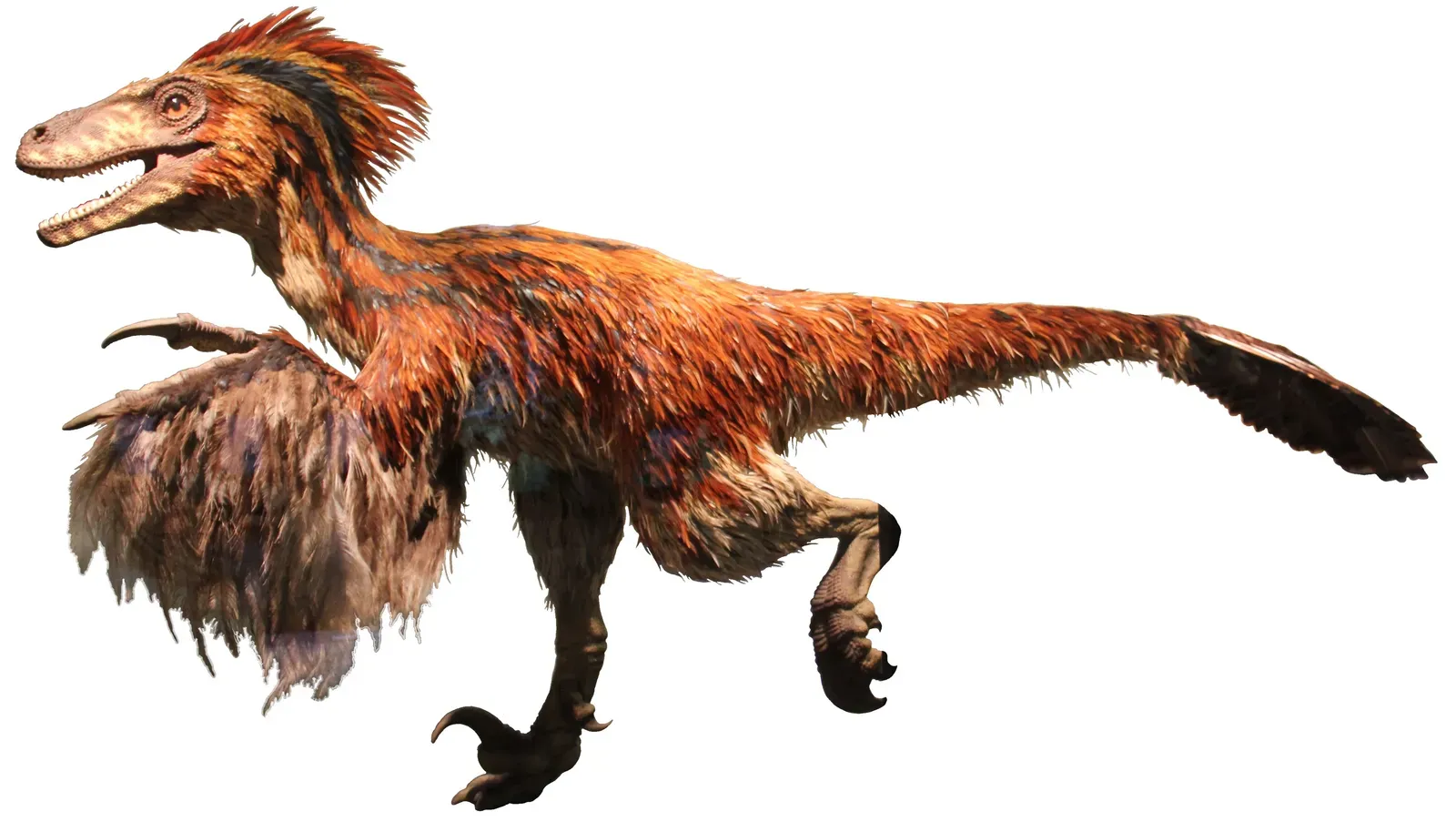
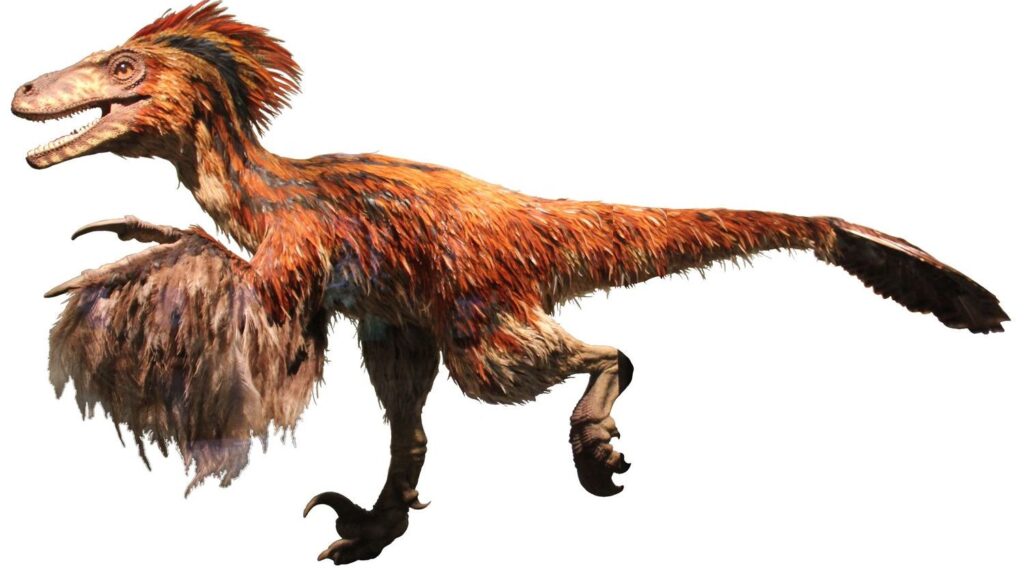
For much of the early twentieth century, the popular image of dinosaurs was grim and rather boring: slow, cold-blooded, dim-witted creatures dragging their tails through ancient swamps. Then paleontologist John Ostrom shattered that image completely. The new dinosaur renaissance was sparked by the discovery in 1964 of Deinonychus antirrhopus by paleontologist John Ostrom, who noticed the fossils were bird-like in appearance, particularly their hands and hips.
The agile Deinonychus helped to change the prevailing view that dinosaurs were large, lumbering lizards. This wasn’t a slow swamp monster. This was a fast, intelligent, warm-blooded predator, and it looked unsettlingly like a bird. This and subsequent discoveries demonstrated the validity of Ostrom’s work, and we now know that many dinosaurs were feathered, and that some were indeed the progenitors of modern birds. Think of Deinonychus as the discovery that set the stage for everything you saw in Jurassic Park. It really was that transformative.
8. Maiasaura and Egg Mountain: Dinosaurs Were Caring Parents (1978)
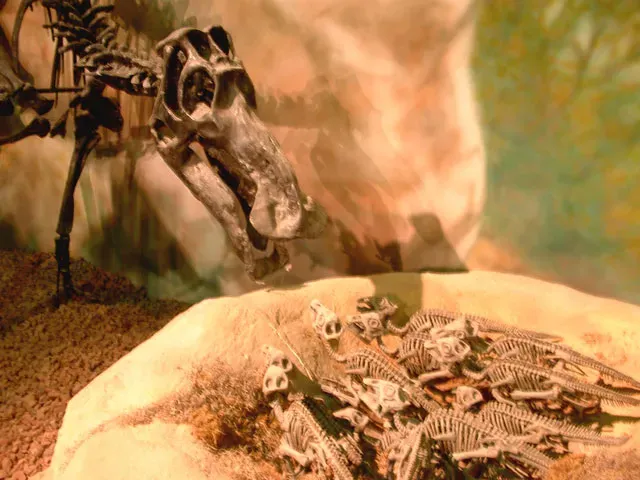
If Deinonychus changed how scientists saw dinosaur behavior, then Maiasaura changed how everyone, scientists and public alike, felt about dinosaurs emotionally. In Montana during the mid-1970s, Jack Horner and his research partner Bob Makela discovered a colonial nesting site of a new dinosaur genus which they named Maiasaura, or “Good Mother Lizard.” The site contained the first non-avian dinosaur eggs in the Western Hemisphere, the first dinosaur embryos, and settled questions of whether some dinosaurs were social, built nests, and cared for their young.
Horner noted that the leg bones of hatchlings were underdeveloped, indicating they couldn’t have left the nest immediately after birth, implying parents must have brought food to the nest. This groundbreaking discovery directly contradicted the prevailing view of dinosaurs as cold-blooded, primitive reptiles with minimal parental investment. The discovery indicated that Maiasaura exhibited colonial nesting behavior, where large groups would all nest together in one area, and after hatching, the adults may have actively cared for their young for a significant amount of time. It’s hard not to feel something when you realize these ancient giants were, in their own way, devoted parents.
9. The Alvarez Hypothesis: An Asteroid Killed the Dinosaurs (1980)
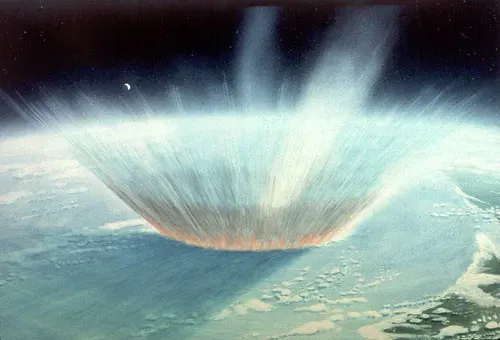
Few scientific discoveries in any field have ever shifted the foundations of an entire discipline as dramatically as this one. In 1980, a team of researchers led by Nobel Prize-winning physicist Luis Alvarez, his son geologist Walter Alvarez, and chemists Frank Asaro and Helen Vaughn Michel, discovered that sedimentary layers found all over the world at the Cretaceous-Paleogene boundary contain a concentration of iridium hundreds of times greater than normal. Iridium, a silvery-white metal related to platinum, is virtually absent from Earth’s crust, but high concentrations are common in extraterrestrial objects, such as asteroids.
The Alvarezes theorized that the iridium had been deposited following the impact of an asteroid on Earth that ejected a huge quantity of rock debris into the atmosphere and that the catastrophic climatic effects of this massive impact caused the extinction of the dinosaurs and many other organisms. Then came the discovery in 1991 of the scene of the crime, the Chicxulub crater, a 180-kilometer-wide, 20-kilometer-deep impact crater off the northern coast of the Yucatan peninsula in the Gulf of Mexico. Around three-quarters of Earth’s animals, including dinosaurs, suddenly died out at the same point in time. Science had finally, irrefutably, answered the question every child asks: what actually killed the dinosaurs?
10. Feathered Dinosaurs From China: The Bird Connection Confirmed (1990s–2000s)
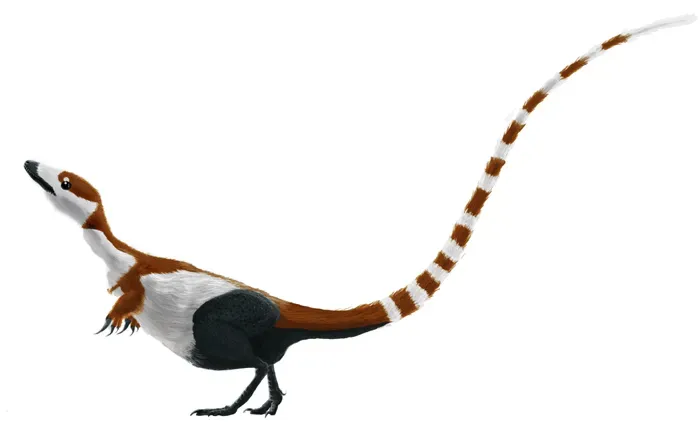
By the 1990s, the theory that birds descended from theropod dinosaurs was gaining traction, but the fossil evidence was still frustratingly patchy. Then China’s Liaoning province delivered something extraordinary. Beginning in the 1990s, several specimens of small theropod dinosaurs from the Early Cretaceous of Liaoning province, China, were unearthed. These fossils are remarkably well preserved, and because they include impressions of featherlike, filamentous structures that covered the body, they have shed much light on the relationship between birds and Mesozoic dinosaurs.
Chinese paleontologist Xu Xing has made numerous discoveries of feathered dinosaurs since the late 1990s, and these findings have been crucial in establishing the evolutionary link between dinosaurs and birds, revolutionizing our understanding of dinosaur appearance and behavior. Paleontologists have known that many non-avian dinosaurs had plumage since the mid-1990s, but the subsequent decade saw the expansion of fuzziness to even more branches of the dinosaur family tree. Dinosaurs that were previously envisioned as scaly, like Ornithomimus, have been found with evidence of feathers. Every chicken you’ve ever seen is, in a very real sense, a living dinosaur. Still hard to believe, isn’t it?
11. The Dueling Dinosaurs: Nanotyrannus Confirmed as a Separate Species (2025)
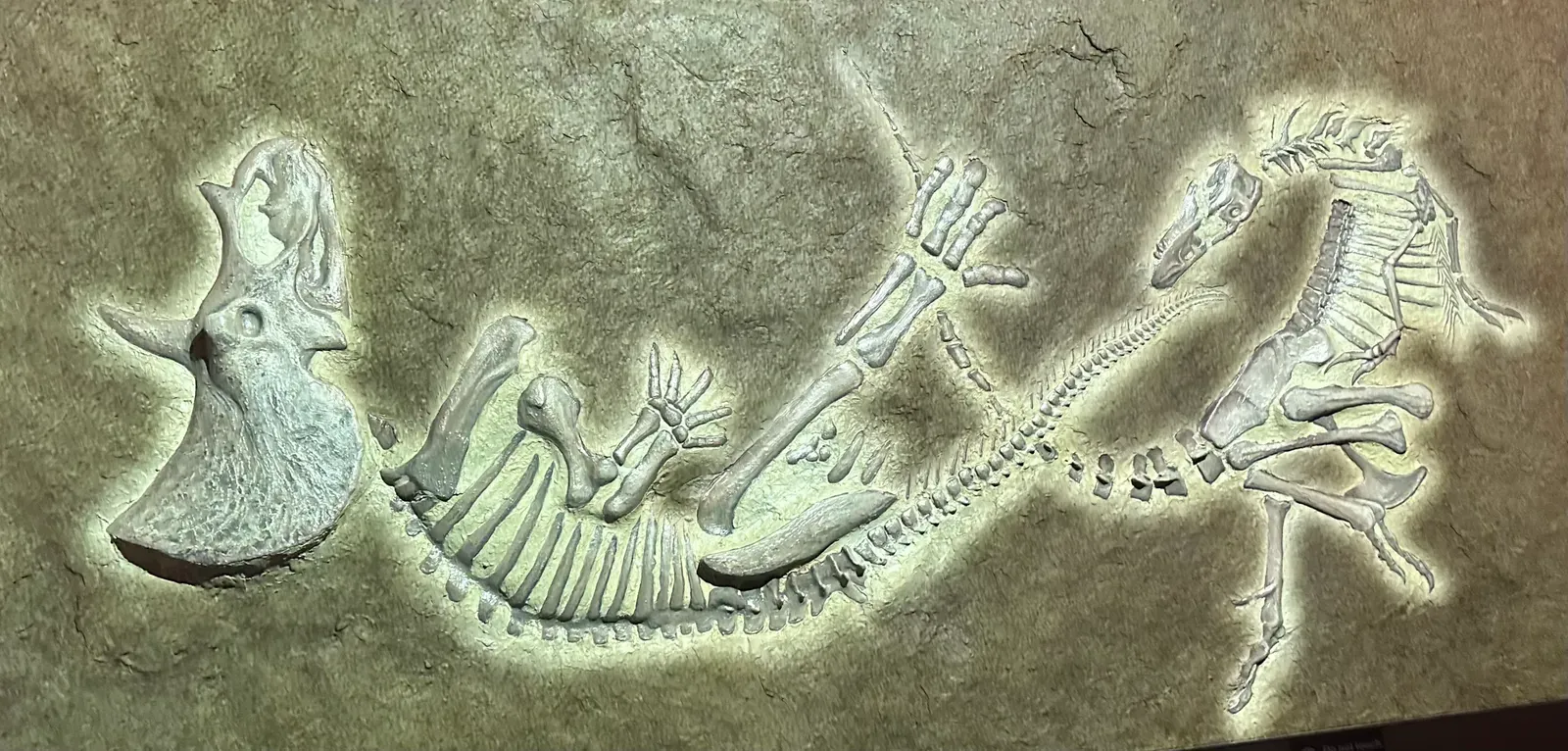
Just when you thought the biggest dinosaur debates were settled, 2025 delivered one of the most jaw-dropping reversals in modern paleontology. The most important dinosaur discovery of the decade is on display at the North Carolina Museum of Natural Sciences and it’s rewriting the story of Tyrannosaurus rex. The Dueling Dinosaurs fossil, found in Montana, contains two dinosaurs locked in prehistoric combat: a Triceratops and a small-bodied tyrannosaur. That tyrannosaur turns out to be the most complete skeleton ever found of Nanotyrannus lancensis, a dinosaur long debated as being either a distinct species or a teenage T. rex.
The skeleton’s fusing spinal sutures and growth rings show it was fully grown when it died at around 20 years of age. Its anatomy reveals traits that form early in development and don’t change with age, including fewer tail vertebrae, more teeth, larger hands, and different skull nerve and sinus patterns. This discovery completely reframes the idea that T. rex was the lone predator of its time, challenging long-held assumptions about late Cretaceous ecosystem dynamics. We now know multiple tyrannosaur species coexisted in the last million years before the asteroid impact, suggesting a richer, more competitive ecosystem than previously imagined. Decades of T. rex research, upended by a single fossil locked in a prehistoric standoff.
Conclusion: Every Rock Holds a Revolution
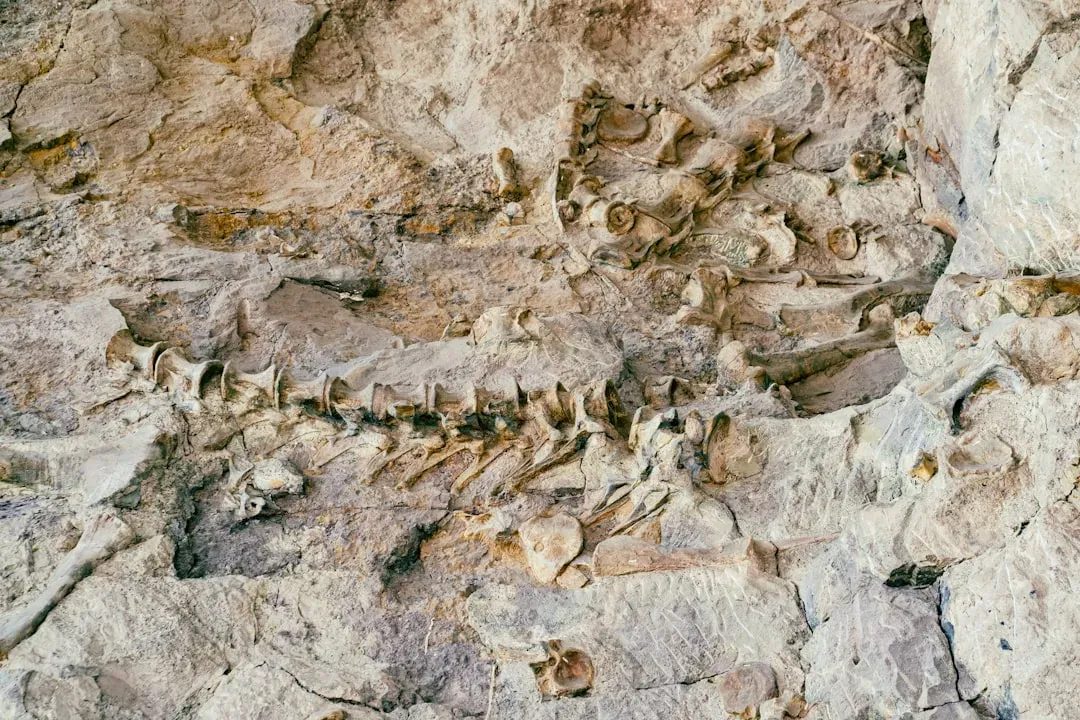
What’s remarkable about all eleven of these discoveries is that none of them were the final word. Each one opened up ten new questions for every one it answered. Paleontology is not a science of certainties. It’s a science of extraordinary detective work, where a fragment of bone or a thin layer of clay can rewrite everything you thought you understood about life on Earth.
From Megalosaurus giving birth to an entirely new scientific discipline, to the Dueling Dinosaurs overturning decades of T. rex research just last year, the story of dinosaur science is still very much being written. You don’t need a time machine to stand in the presence of these ancient giants. You just need someone willing to keep digging.
Which of these discoveries surprised you the most? Drop your thoughts in the comments below.