Most people think they know dinosaurs. You’ve got your T. rex, your Triceratops, maybe even a Brachiosaurus if you paid attention during that school field trip. But here’s the thing – those famous giants barely scratch the surface of just how wild, strange, and downright mind-bending prehistoric life actually was. The Mesozoic Era was essentially a 180-million-year-long experiment in biological creativity, and evolution had absolutely zero chill.
What you’re about to discover are ten dinosaurs that mainstream pop culture conveniently glossed over. Some dinosaurs evolved truly bizarre shapes, odd behaviors, and unexpected adaptations – the kind that make you wonder how they even worked. Prepare to be surprised, confused, and genuinely delighted. Let’s dive in.
1. Nigersaurus – The Dinosaur With a Vacuum Cleaner for a Mouth
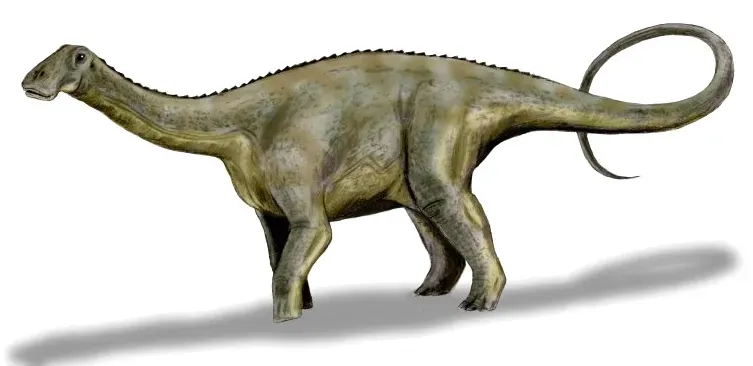
Imagine a creature built like a lawn mower crossed with a sauropod. That’s Nigersaurus for you. Known by the nickname “Mesozoic Cow,” the African dinosaur Nigersaurus taqueti has also had its face compared to a vacuum cleaner. If you’re picturing a long-necked dinosaur gently nibbling treetops, you need to completely reset that mental image.
It had a wide muzzle filled with more than 500 teeth, which were replaced at a rapid rate – around every 14 days. Unlike other tetrapods, the tooth-bearing bones of its jaws were rotated transversely relative to the rest of the skull, so that all of its teeth were located far to the front. Scientists even called its backbone “more air than bone,” with vertebrae so paper-thin it seemed impossible they could bear any stress at all. And yet, this odd little grazer thrived for millions of years in what is now the Sahara Desert.
2. Deinocheirus – The Duck-Billed, Hump-Backed Giant Nobody Saw Coming
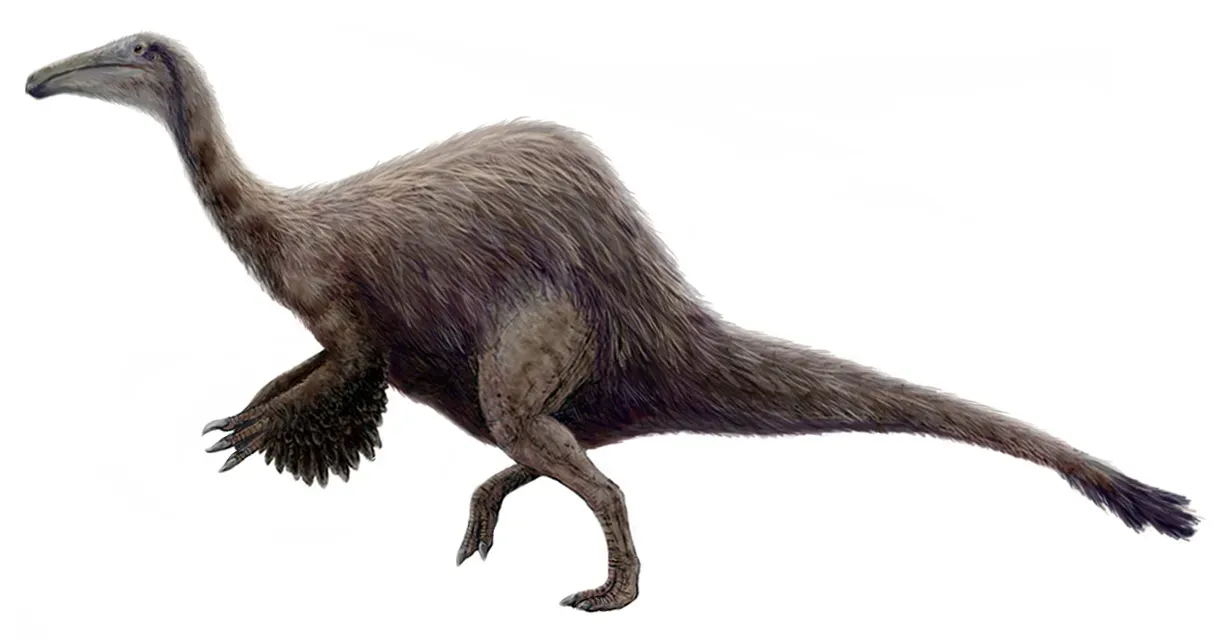
For decades, Deinocheirus was known only from a pair of massive arms over two meters long. When a complete specimen was finally found, the surprise was enormous: this dinosaur had a humped back, a duck-like bill, and long legs. Scientists had spent half a century speculating about what kind of terrifying predator those arms belonged to. The answer turned out to be even stranger than anyone guessed.
Looking like a cross between a duck, a camel, and an extinct ground sloth, Deinocheirus is a particularly peculiar dinosaur whose size and bizarre mix of features belies its somewhat mundane lifestyle. Instead of pursuing giant herbivorous dinosaurs across great plains like its meat-eating theropod cousins did, Deinocheirus spent most of its life wading in stagnant ponds. It’s thought it used its large, rake-like claws to dig and gather plants and its duck-like bill to filter any other small foodstuffs from water, including fish. Honestly, for a dinosaur named “terrible hand,” it led a pretty peaceful life.
3. Oryctodromeus – The Dinosaur That Actually Dug Its Own Burrow
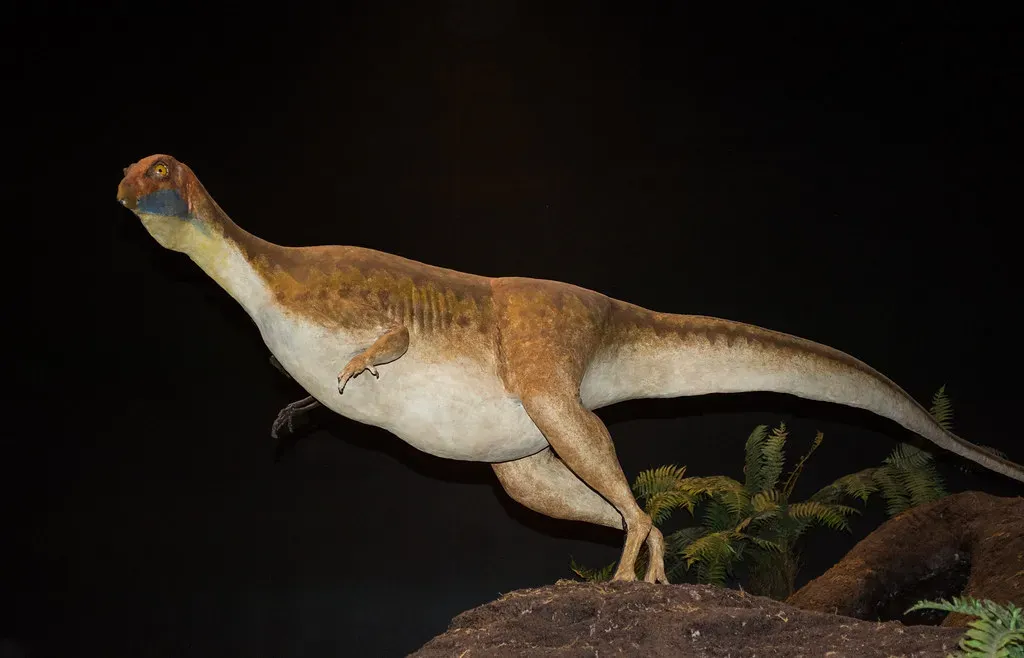
You probably never imagined a dinosaur curling up underground like a rabbit or a badger. A member of the small, presumably fast-running herbivorous family Thescelosauridae, Oryctodromeus is the first non-avian dinosaur published that shows evidence of burrowing behavior. The discovery genuinely shocked the paleontological community, because digging was considered almost completely off-limits for the non-avian dinosaur lineage.
Oryctodromeus possessed several physical traits suited for digging: a modified snout that could be used as a shovel; large bony attachments in the shoulder to accommodate powerful muscles; and a robustly built hip that allowed for bracing during digging. In contrast to many modern digging animals, the dinosaur had long hind limbs and was well adapted for running on two legs. The three Oryctodromeus individuals were found buried within the remains of an underground den or burrow that measured about 2 meters long and 70 centimeters wide. The skeletons were densely packed and disarticulated, indicating that the animals died and decayed within the burrow. A dinosaur that burrowed, ran, and raised its young underground – let that sink in.
4. Halszkaraptor – The Raptor That Wanted to Be a Duck
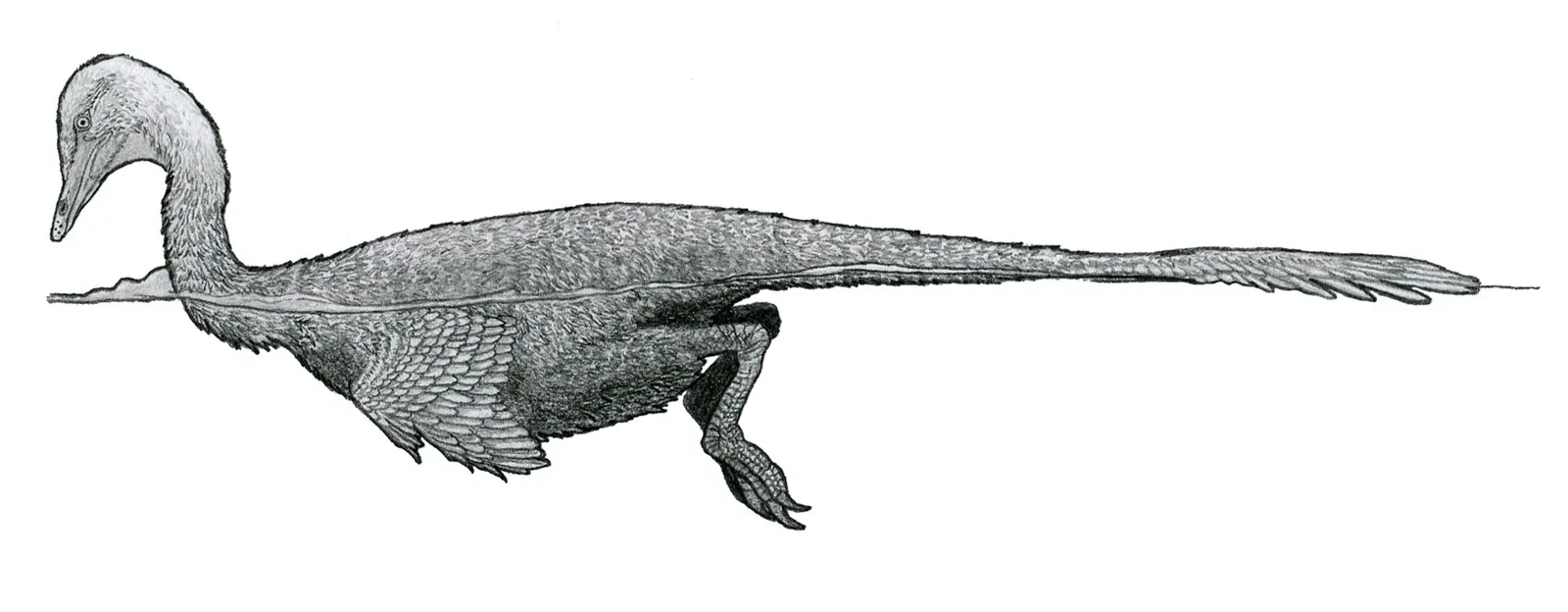
Halszkaraptor’s skeleton appeared so unusual that at first, experts didn’t even think it was real. One investigator explained that it was so strange that they suspected it might have been a chimera – a mix of different skeletons glued together. That’s not the kind of review you’d expect for a real fossil, but Halszkaraptor earned it completely.
It had many sharp, backward-curving teeth in its mouth, a long neck and sensory neurons in its snout that may have allowed it to detect vibrations in water, leading scientists to believe that it hunted aquatic prey. Halszkaraptor had characteristics that allowed it to spend time both in water and on land, including strong hindlimbs for running and smaller flipper-like forelimbs for swimming. The short tail would have brought the centre of gravity more to the front, which is more useful for swimming than walking. Think of it as the Mesozoic’s version of a cormorant – if that cormorant also had razor teeth and velociraptor relatives.
5. Pegomastax – The Porcupine-Parrot Herbivore With Self-Sharpening Fangs
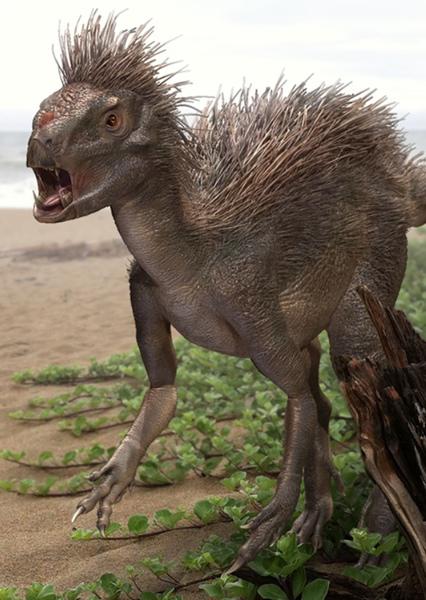
Here’s a dinosaur that sounds like it was designed by a committee that couldn’t agree on anything. Pegomastax is a small Early Jurassic heterodontid that inhabited what is now South Africa around 200 to 190 million years ago. Unlike most dinosaurs, the genus was rather small, measuring 60 centimeters in length and weighing less than a housecat. Despite its plant-based diet, Pegomastax sported a parrot-like beak with unusual fangs, a rare combination in herbivores that may have been used for defense or social interactions.
Its jaw was robust, with a distinct set of tall teeth adapted for slicing through vegetation, and its body may have been covered with bristle-like structures. This combination of features suggests that Pegomastax was a specialist, possibly using its sharp teeth for nipping and its quills for protection, navigating the dense, river-close forests of its time. A quill-covered herbivore with self-sharpening fangs that weighed less than your average housecat. Evolution truly had a sense of humor.
6. Incisivosaurus – The “Bunnysaurus” With Rodent-Like Front Teeth
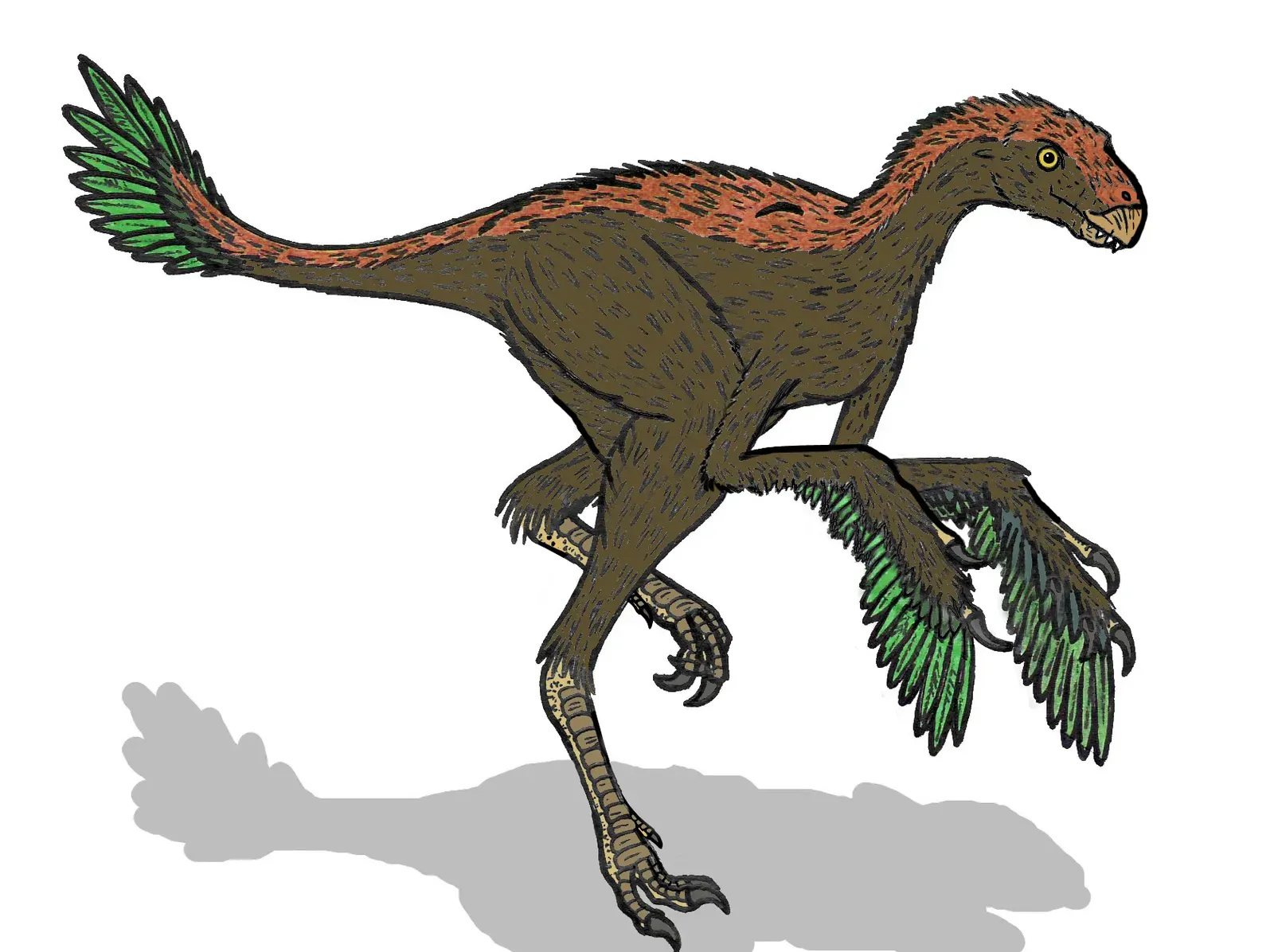
Nobody warned the paleontological world that a feathered raptor with rabbit teeth was about to show up in the fossil record. The Incisivosaurus was a feathered dinosaur from the Early Cretaceous period that’s also known as the “Bunnysaurus.” It was named as such because of its prominent front teeth that looked like a rabbit’s. Fossil evidence shows that it had primitive feathers, giving it an even stranger look.
Incisivosaurus was a small, feathered theropod with prominent front teeth like a rodent’s. It likely used them to strip vegetation, making it an unusual plant-eating member of its group. Its front teeth were proportionally as large as those of a beaver. I think what makes Incisivosaurus so delightfully weird is the combination: the body of a small raptor, the attitude of a predator, and the dental work of a woodland critter. It’s one of those creatures that makes you question everything you thought you understood about how evolution works.
7. Yi Qi – The Dinosaur With Bat Wings Instead of Feathers
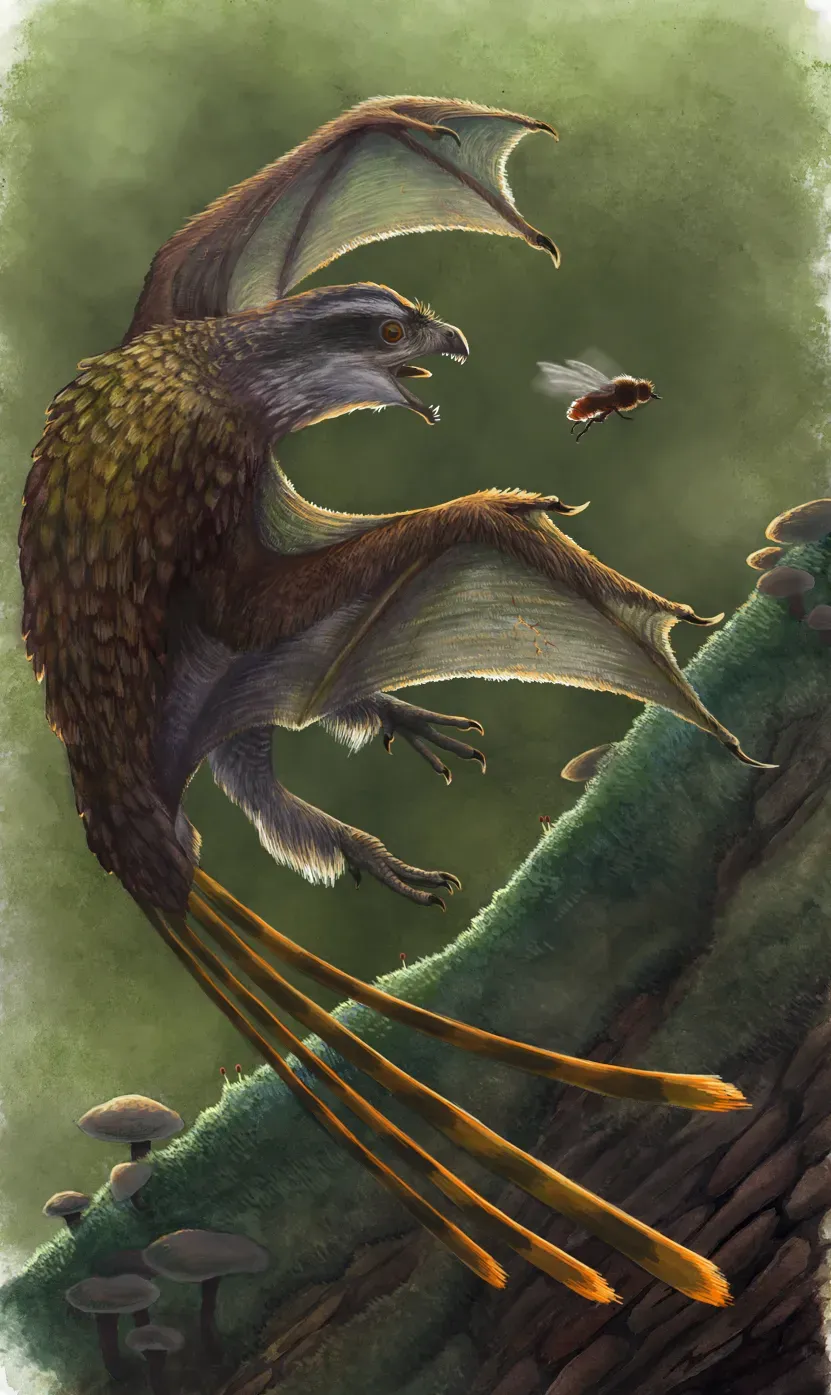
While most feathered dinosaurs were busy evolving towards the bird body plan we recognize today, Yi qi took a completely different detour. Yi qi was a small, feathered dinosaur from China with membranous wings supported by a long rod-like bone extending from its wrist. Instead of feathered wings like a bird, it had bat-like structures that may have allowed it to glide. The name itself tells the story perfectly.
This rare adaptation shows how experimental evolution could be among early flying dinosaurs. Its name means “strange wing” in Chinese, a perfect match for its bat-like membranes. What’s especially fascinating is that Yi qi represents an evolutionary dead end – its membrane wing design never caught on in the long run, while feathered wings went on to produce every bird alive today. It’s a reminder that evolution doesn’t always pick the most obvious solution, and sometimes it tries something completely bonkers before circling back.
8. Chilesaurus – The Velociraptor That Ate Like a Stegosaurus
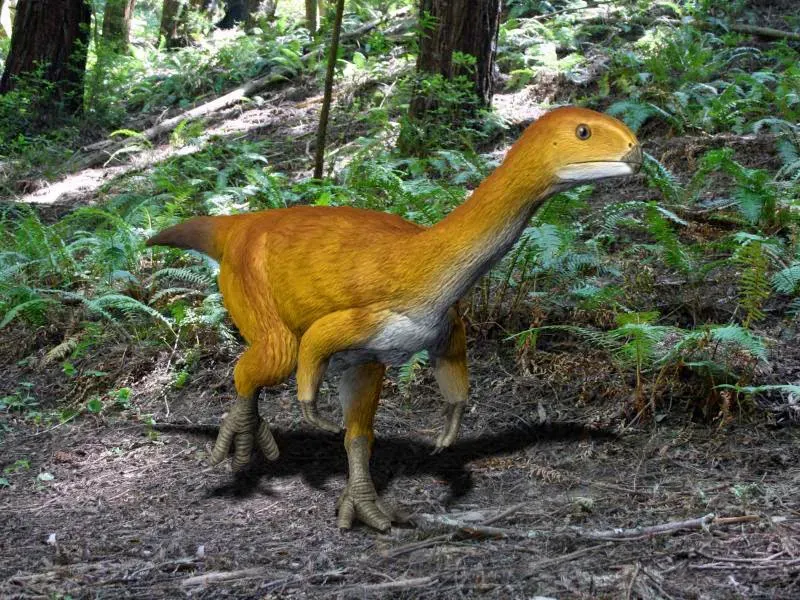
Let’s be real – when you look like a raptor, scientists assume you eat like a raptor. Chilesaurus had other plans entirely. Chilesaurus was, as the name may imply, discovered in Chile. It was a theropod standing on two legs, but unlike other known theropods, it was an herbivore, not a carnivore. Not only that, but its feet were similar to a sauropod’s – broad, and made to bear a lot of weight.
It’s a mix of traits that are pretty unexpected in a dinosaur, but not impossible – it looked like a velociraptor cousin, but ate like a stegosaurus. It makes it an anomaly, but also exciting from an evolutionary perspective. Chilesaurus essentially scrambled the playbook. Its existence forced paleontologists to reconsider how rigid the link between body type and diet really was among dinosaurs. Think of it like finding a wolf that grazes on grass – scientifically baffling, but apparently very much possible.
9. Gigantoraptor – The Giant Toothless Bird-Dinosaur That Baffled Everyone
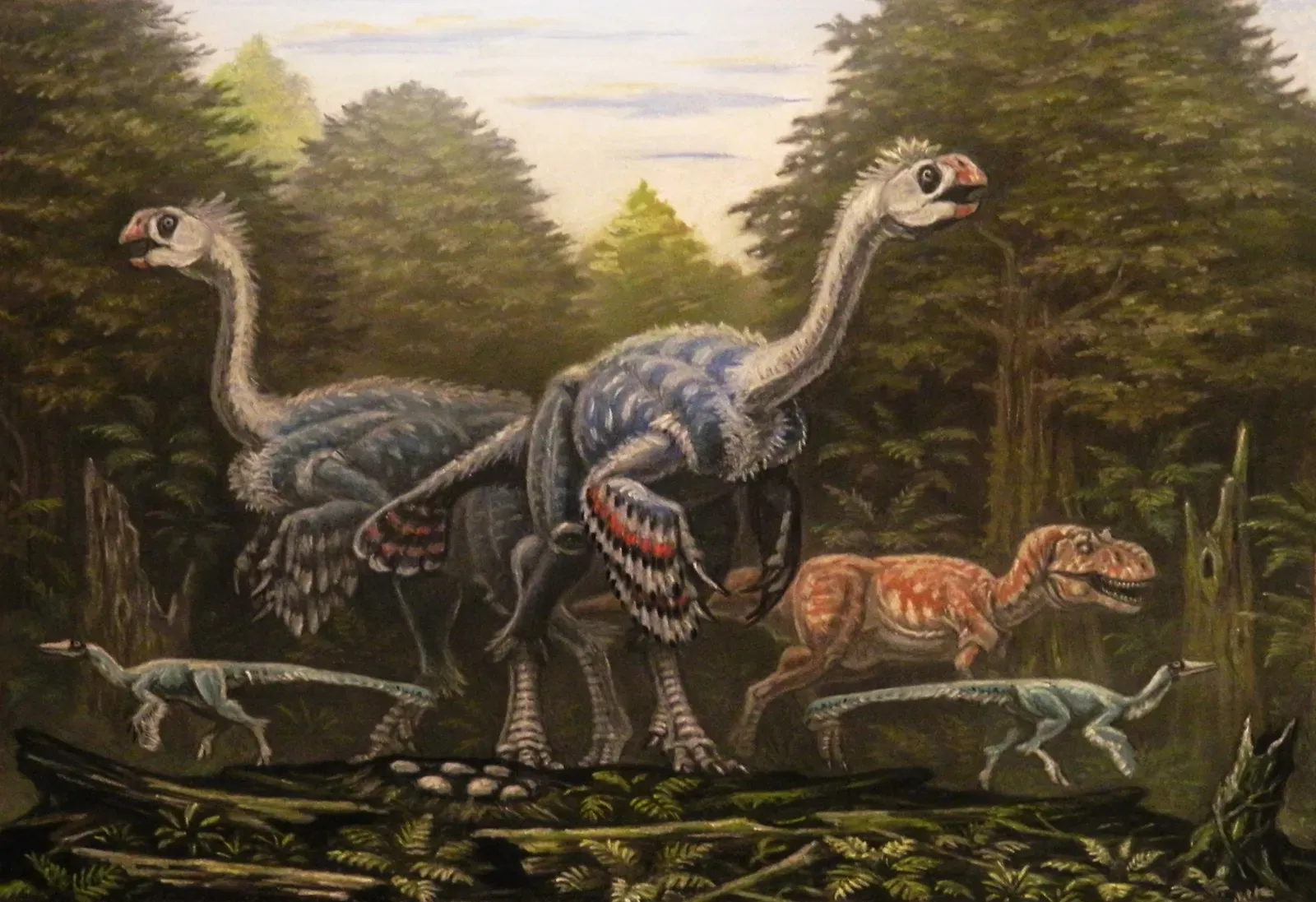
You’d think a massive predator from the Cretaceous would be fearsome. Gigantoraptor certainly had the size for it. Gigantoraptor was nearly 9 metres long and weighed over 2 tons, putting it in the same weight class as Tyrannosaurus rex. Its mouth looked like a bird’s beak, except it had no teeth, and it had large claws on its front and hind legs.
Scientists suspect it was probably feathered but aren’t certain whether it had feathers on parts of its body or if it was fully covered with them. As far as what it ate, this has proven tricky to figure out, if only because of its very peculiar physical characteristics. Imagine something the weight of a small car, covered in feathers, with a beak and claws, and no one can quite figure out what it was eating for dinner. That’s Gigantoraptor in a nutshell. It’s hard to say for sure, but it remains one of the most puzzling oversized dinosaurs in the fossil record.
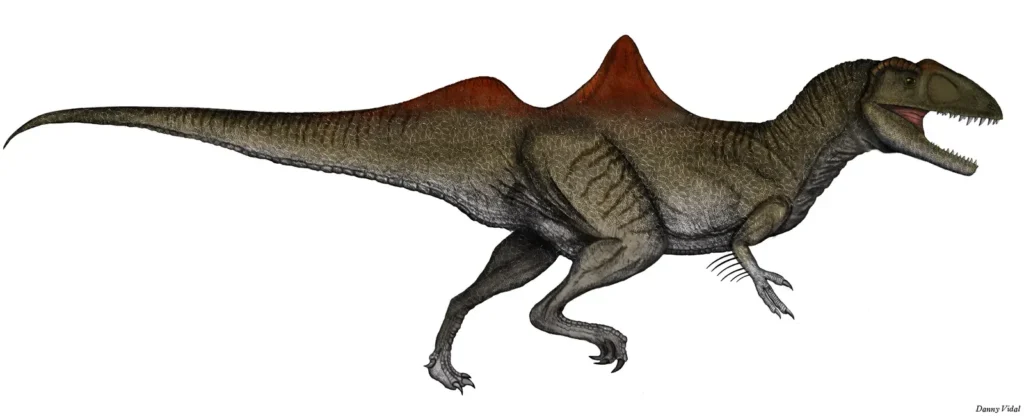
10. Concavenator – The Hunchbacked Predator With a Mystery Lump
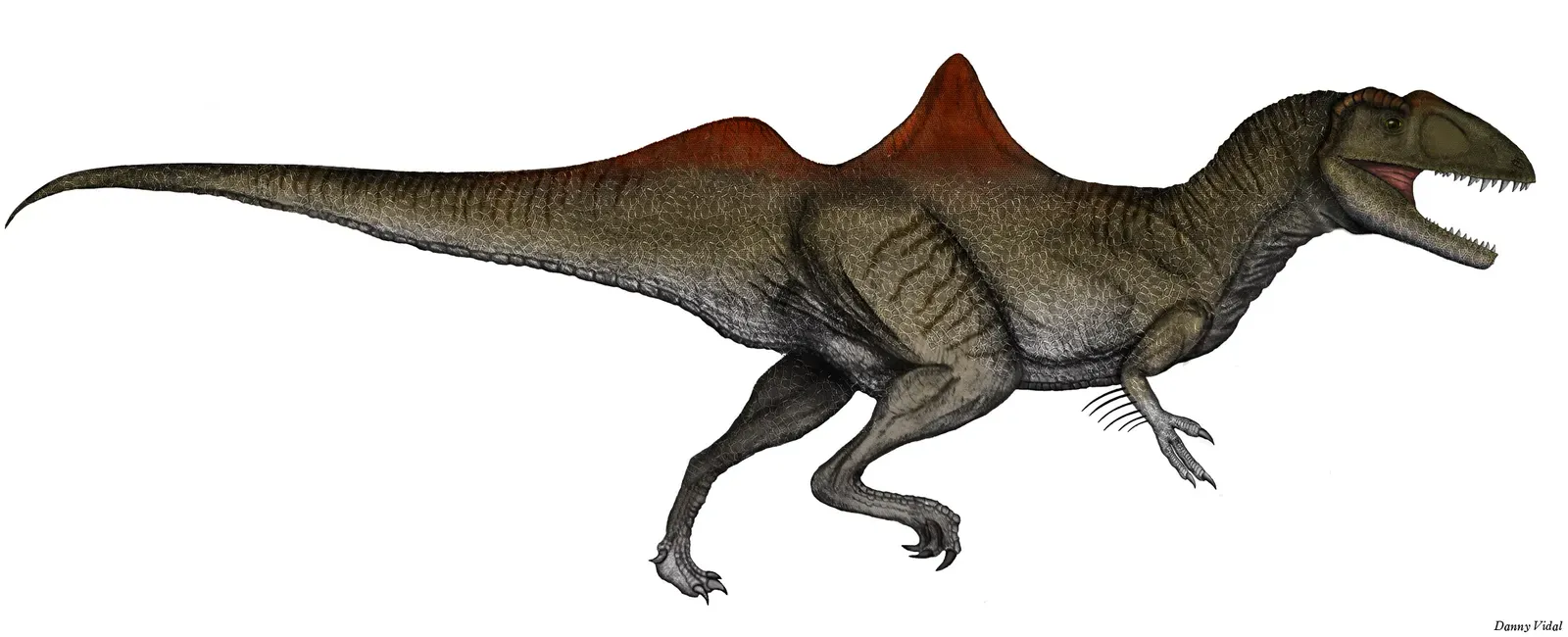
Meet the dinosaur with possibly the most confusing physical feature in all of paleontology: a strange, prominent hump on its back that nobody fully understands. Concavenator was a small carcharodontosaurid from Early Cretaceous Spain. Notable for its unusual back, which featured a prominent, sail-like hump supported by elongated vertebrae, Concavenator stretched around 6 meters long and moved bipedally. This unique structure might have served purposes ranging from thermoregulation to species recognition.
What makes Concavenator even more fascinating is that researchers also found small knobs on its forearms where quill-like structures may have attached – raising the remarkable possibility that this predator had proto-feathers on its arms. If true, it would push the origin of feather-like structures much deeper into the theropod family tree than previously suspected. Concavenator is proof that even a 6-meter carnivore can be absolutely full of surprises, and that the more paleontologists dig, the more the familiar story of dinosaurs gets delightfully rewritten.
Conclusion: Prehistoric Life Was Stranger Than We Ever Imagined
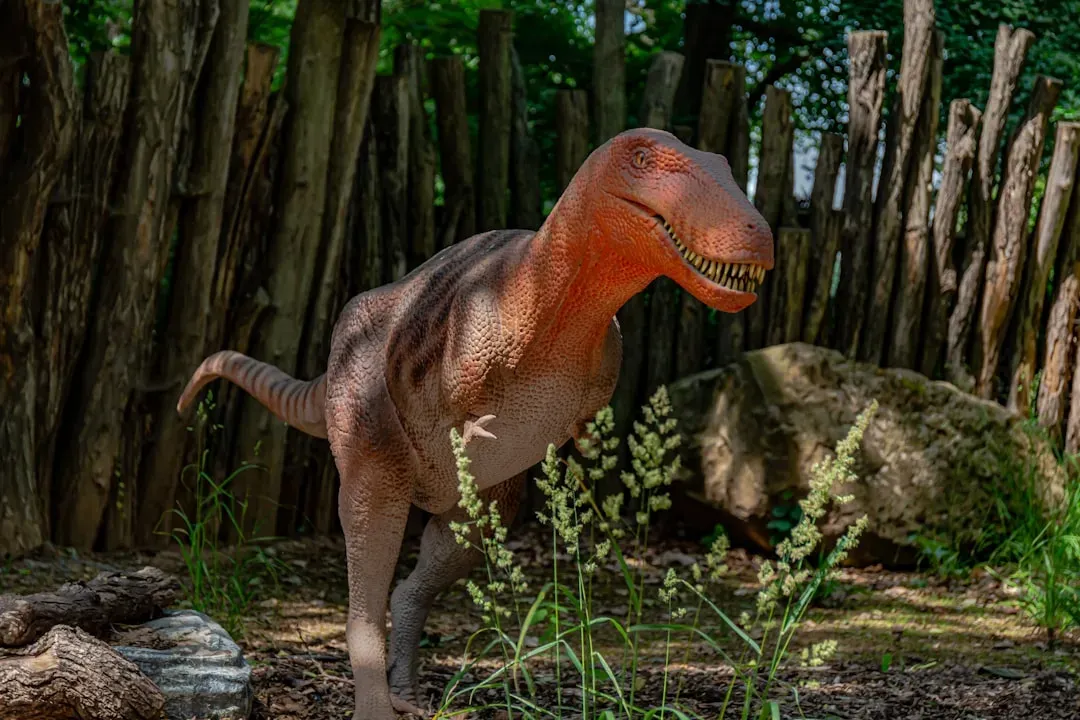
The ten creatures on this list represent something genuinely exciting: a reminder that the dinosaur world was not just about size and teeth. Dinosaurs weren’t just giant reptiles – they were diverse, inventive, and sometimes downright strange. Studying their odd adaptations gives us a deeper appreciation for evolution and the complexity of prehistoric ecosystems.
From a dinosaur that burrowed underground and raised its young in a den, to one that ditched feathers entirely in favor of bat-style wings, nature was clearly willing to try almost anything. The next time someone assumes they know what a dinosaur looked like, point them toward Nigersaurus and its 500 self-replacing teeth, or little Pegomastax with its porcupine quills and parrot beak. The fossil record keeps delivering surprises, and paleontologists are still only scratching the surface of what lived alongside the giants we all grew up drawing in school notebooks. Which of these bizarre creatures surprised you the most?