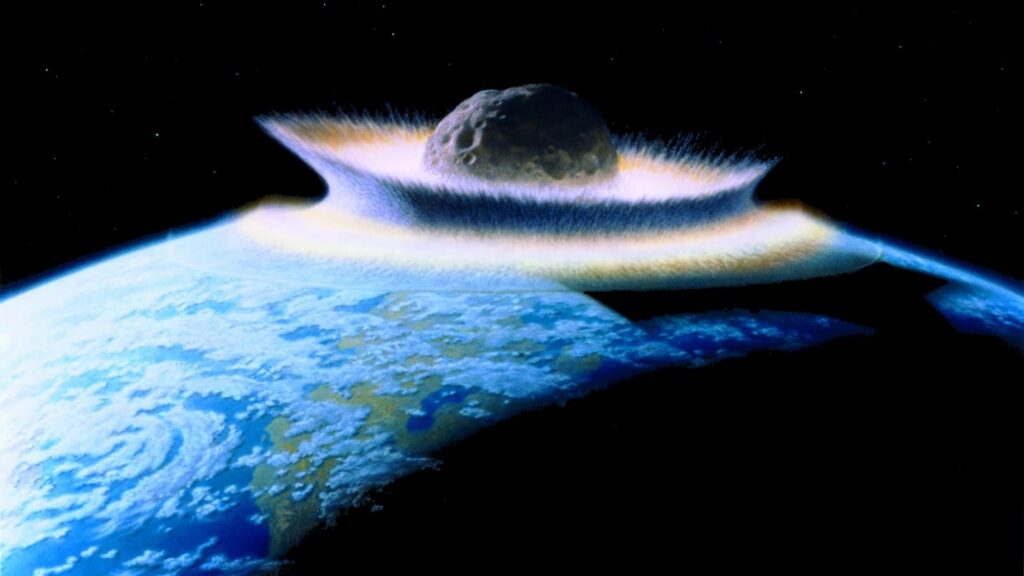
Picture this: a rock roughly the size of a city hurtling through space at tens of thousands of miles per hour, heading straight for Earth. Now picture it missing. By just a cosmic breath. A nudge in trajectory, a slight gravitational wobble, and everything we know about life on this planet gets rewritten from scratch. No mammals rising to dominance. No primates swinging through the trees. Certainly no us, sitting here wondering about it all.
The question of what would have happened if the Chicxulub asteroid had never hit is one of the most thrilling thought experiments science has ever entertained. It reaches deep into paleontology, evolutionary biology, and even philosophy. The answers are stranger, more unsettling, and more fascinating than you might expect. Let’s dive in.
The Day That Nearly Never Happened
Transferred from en.wikipedia to Commons by Vojtech.dostal., Public domain)
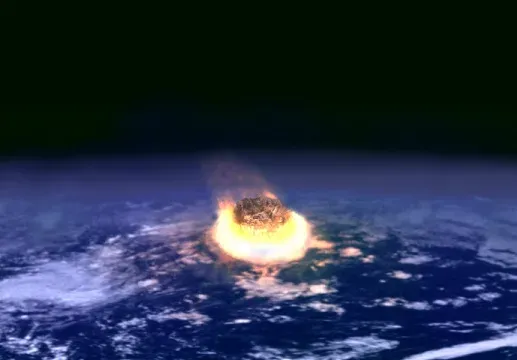
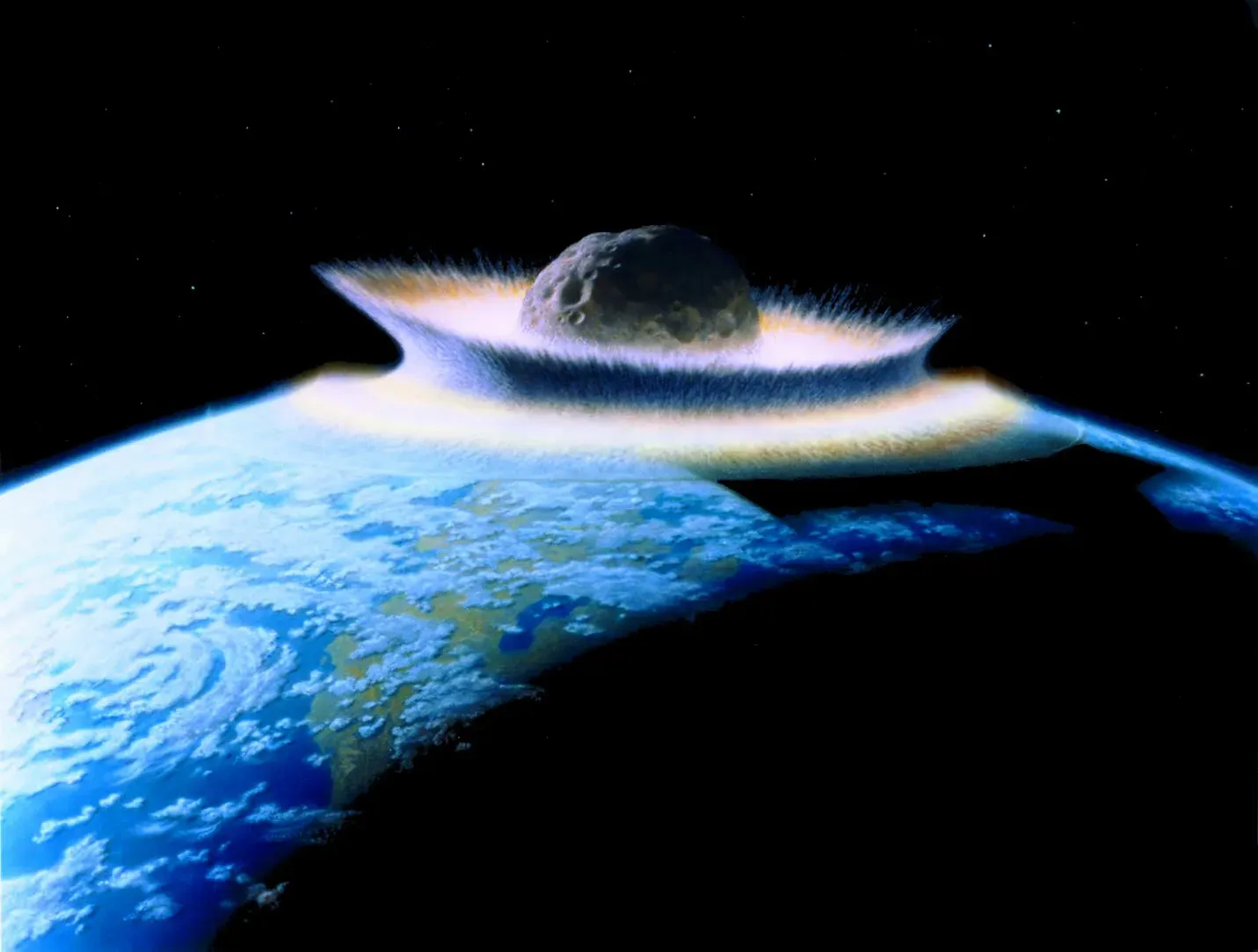
Here is something that should genuinely keep you up at night. If that meteor had come just half a minute later, it would have hit somewhere in either the Atlantic or Pacific Ocean. A mere thirty seconds of cosmic timing was the difference between the world you live in and a world ruled by ancient giants. It is hard to overstate how razor thin that margin really was.
One fateful day 66 million years ago, the dinosaurs, which had inhabited Earth for about 165 million years, got a nasty surprise: a roughly 9-mile-wide asteroid crashed into what is now Mexico, triggering tsunamis, wildfires, and acid rain, and causing vast amounts of debris to block out the sun. The impact was not just violent. It was precisely, catastrophically placed. Researchers reported findings that had the asteroid struck Earth just a few minutes earlier, it would have hit the deep ocean rather than the shallow sea of the Yucatan Peninsula. Had that been the case, the damage would have been more localized, and some of the dinosaurs far from the impact site might have survived.
Were Dinosaurs Already on Their Way Out?
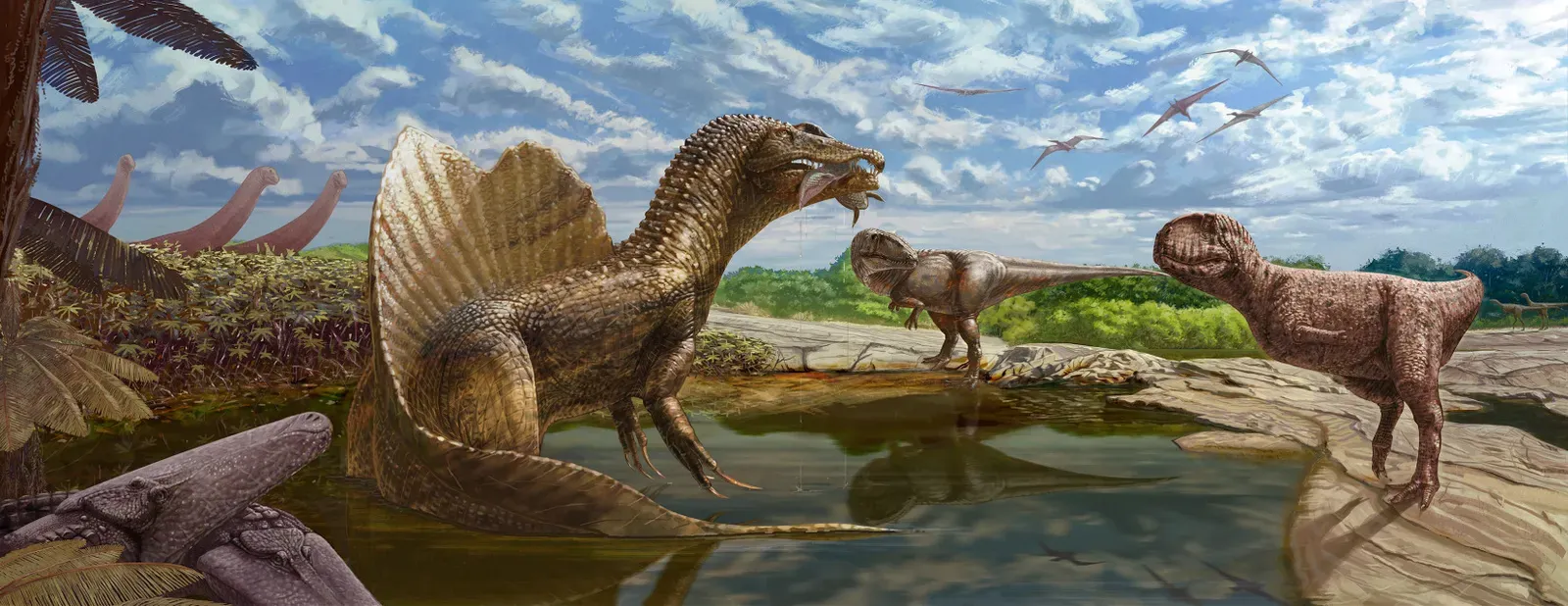
You might have heard the argument that dinosaurs were a dying breed even before the rock hit. Honestly, the science does not back that up. According to a study using huge simulations new to paleontology, dinosaurs still had plenty of vim and vigor leading up to the mass extinction at the end of the Cretaceous period, marking the latest turn in a debate over whether dinosaurs were already in terminal decline by the time doomsday struck.
Contrary to popular misconception, dinosaurs were not evolutionary failures or stagnant organisms when extinction struck. They were highly successful, diverse, and still actively evolving, with recent fossil discoveries revealing that many dinosaur lineages were experimenting with new body plans, diets, and ecological niches right up until the asteroid impact. Think of it like a thriving company suddenly shuttered not because of poor performance, but because a freak fire burned the building down. Climates were changing, but slowly enough to allow the dinosaurs to adapt to the altered conditions.
The Giants That Would Have Kept Walking
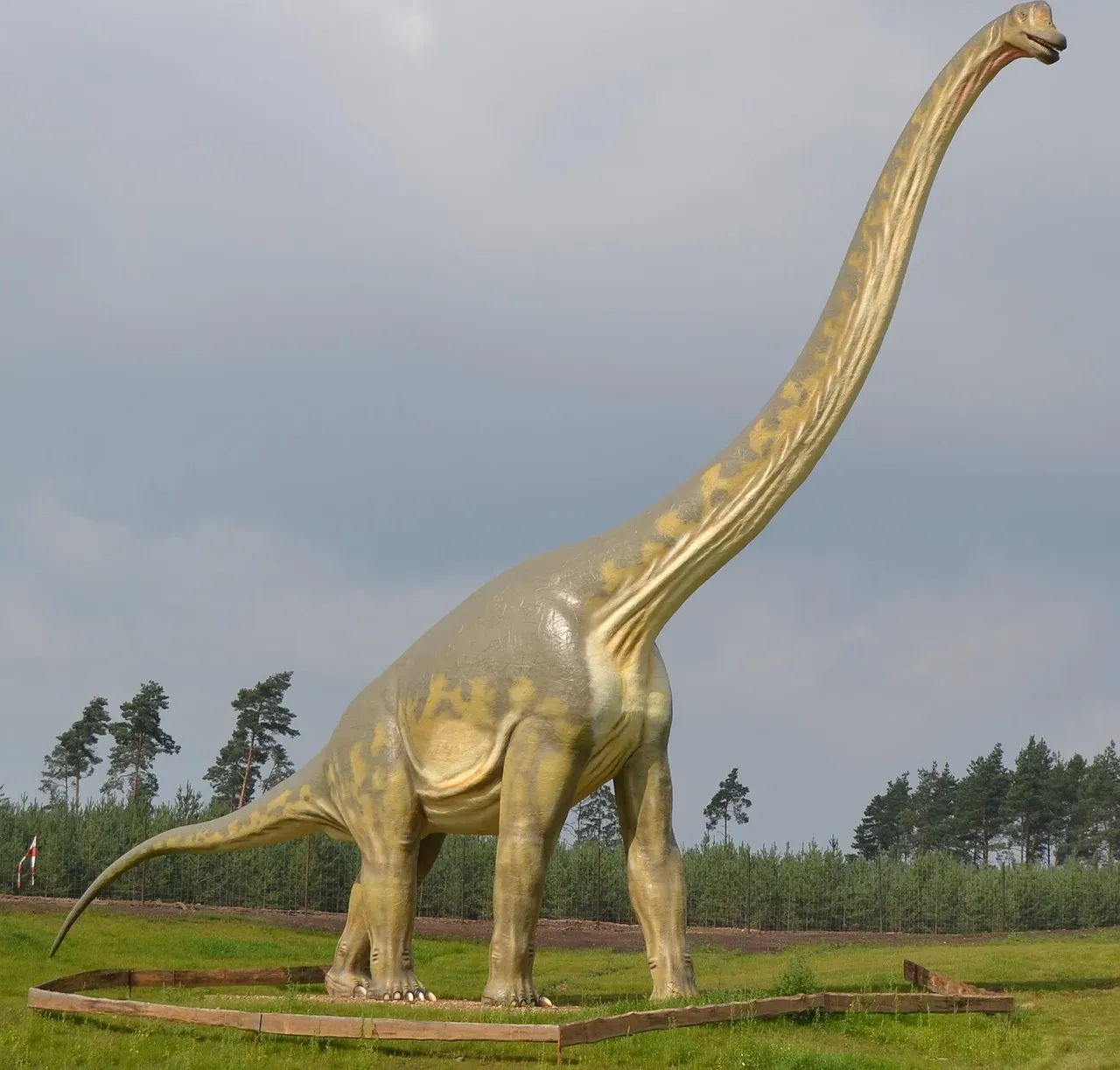
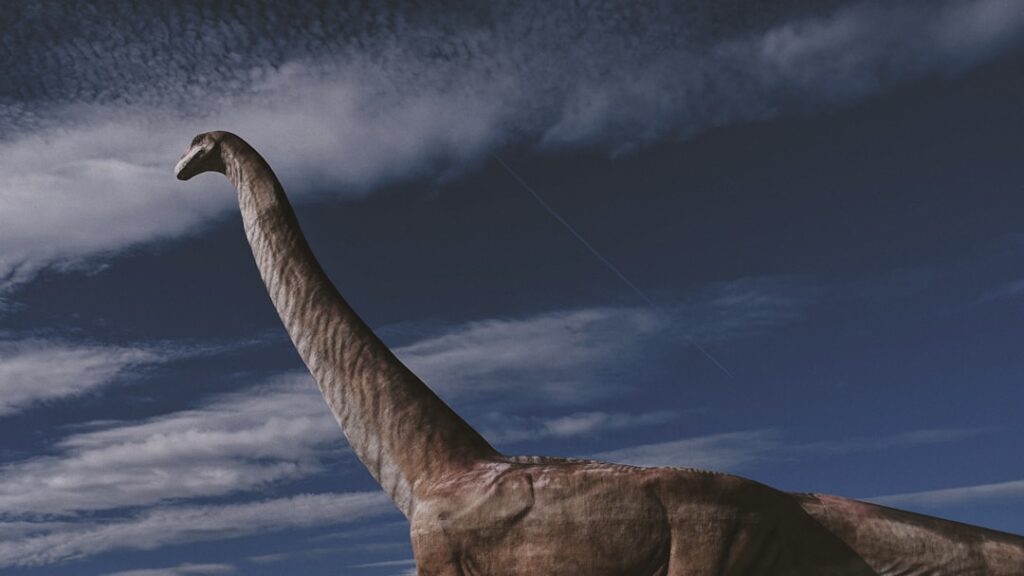
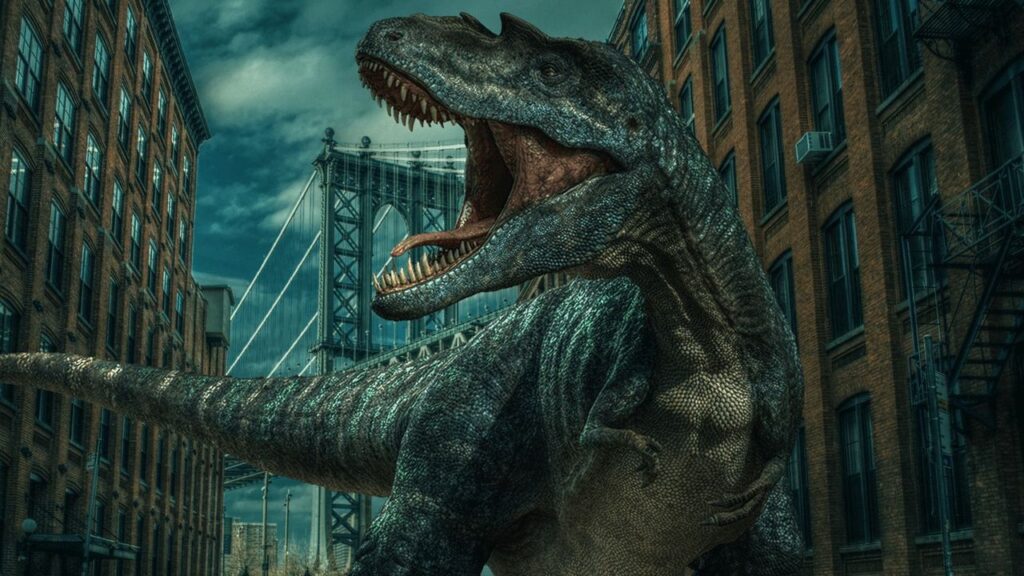
If you stood in a world where the asteroid missed, the first thing that would strike you is sheer scale. There is little about 100 million years of dinosaur history to hint they would have done anything radically different if the asteroid had not intervened. You would likely still have those supergiant, long-necked herbivores and huge tyrannosaur-like predators. These were creatures built for success, not for extinction.
Beginning in the Jurassic, sauropod dinosaurs, Brontosaurus and kin, evolved into 30 to 50 ton giants up to 30 meters long. This happened in multiple groups and on different continents, at different times and in different climates, from deserts to rainforests. The sheer consistency of their size evolution tells you something important. These animals were following a deeply wired biological trajectory. An extraordinary range of herbivores were dominant in the Late Cretaceous period before the asteroid fell, including the long-necked and long-tailed Alamosaurus. They were not going anywhere on their own.
Could Dinosaurs Have Evolved Intelligence?
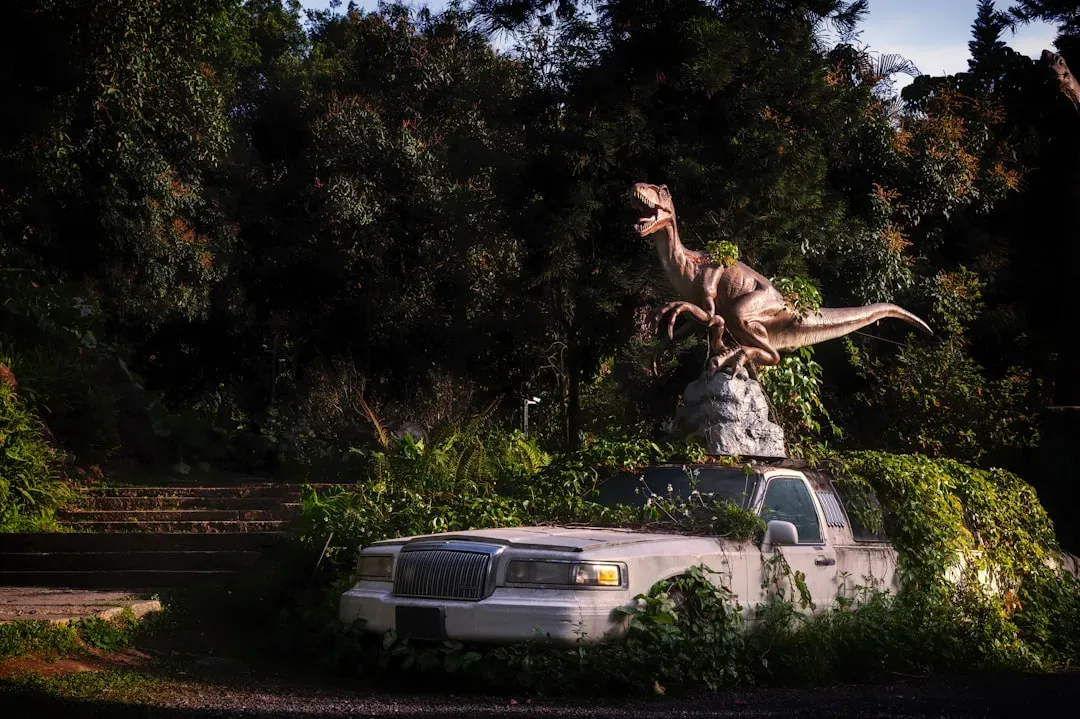
Now here is where things get truly wild. Let’s be real, most people picture dinosaurs as brutes, all instinct and appetite. But the scientific picture is a lot more intriguing than that. One of the most intriguing possibilities in a dinosaur-dominated alternate timeline is the potential evolution of advanced intelligence. Several theropod dinosaur lineages, particularly the dromaeosaurids and troodontids, possessed relatively large brain-to-body-mass ratios comparable to some modern birds, and showed evidence of binocular vision, enhanced sensory processing, and complex social behaviors.
Paleontologist Dale Russell famously speculated about the “Dinosauroid,” a hypothetical descendant of Troodon that might have evolved humanoid characteristics, including enlarged cranial capacity, manipulative digits, and even language capabilities. It sounds like science fiction, but it came from serious scientific reasoning. Scientists believe that the most intelligent dinosaur in the era of extinction was Troodon, described as “as cunning as a fox.” They were small, walked upright, and liked to live in groups, and by studying their brain size, researchers found they had not only good eyesight but even potential problem-solving abilities.
What Would Have Happened to Mammals and Our Ancestors?
derivative work: Kürschner (talk), CC BY-SA 3.0)
Here is the part that should really give you pause. You would not exist. If the asteroid had missed Earth, it is likely that humans, at least as we know them, never would have existed, and history would have been totally different. That is not a small detail. That is the entire story of civilization, language, art, science, and every human being who ever lived, simply erased from the equation.
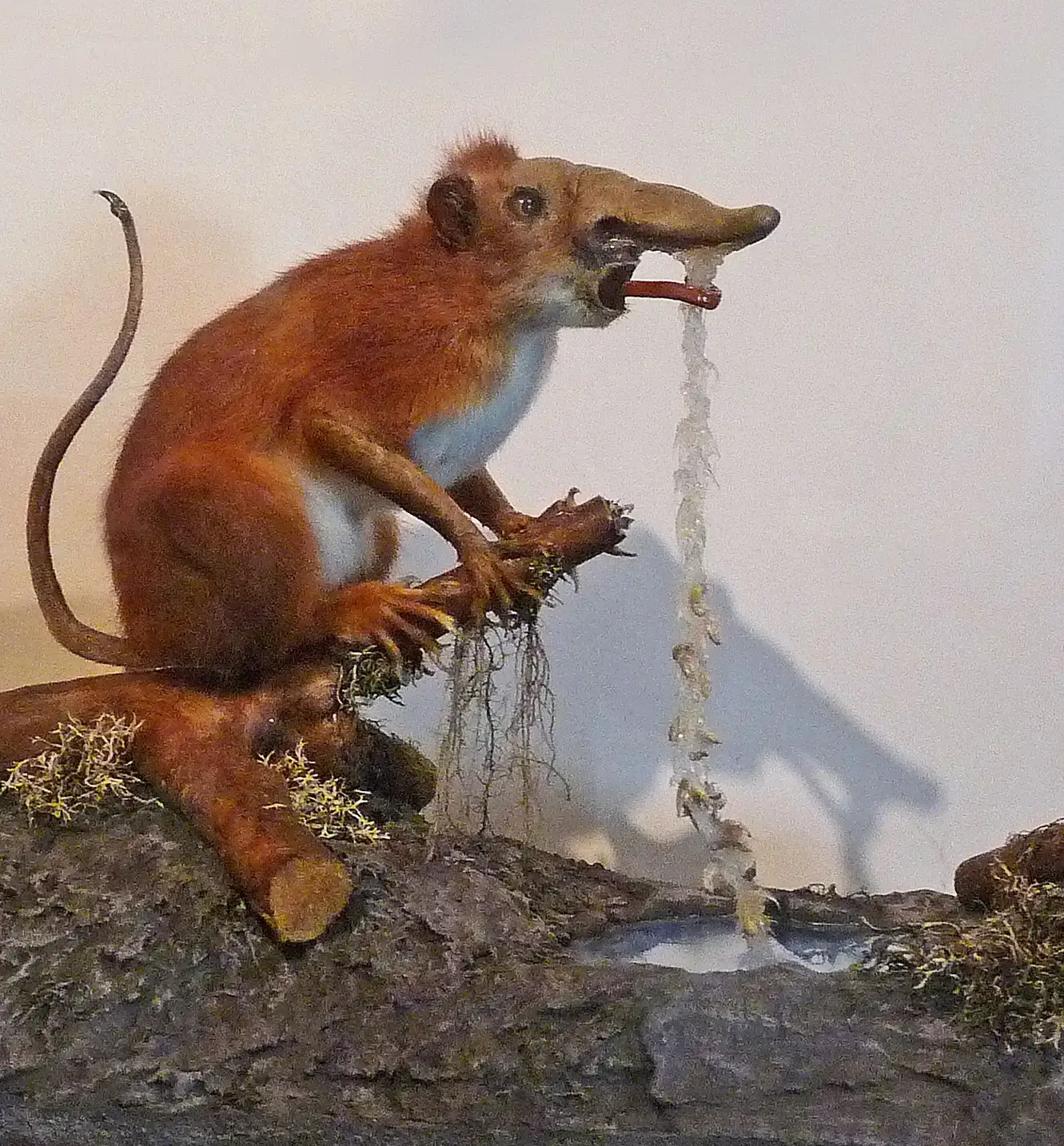
Mammals had already existed with dinosaurs for 160 million years or more when the asteroid struck, but they were mostly “marginal, shadowy little creatures” and, had the asteroid not caused a mass extinction, would likely remain that way today. Think about that the next time you feel proud of being a mammal. Mammals in particular diversified in the following Paleogene period after the extinction, evolving new forms such as horses, whales, bats, and primates. Without the asteroid clearing the field, none of that happens. Not a single whale. Not one primate. Not you.
How the Dinosaur World Would Have Kept Changing
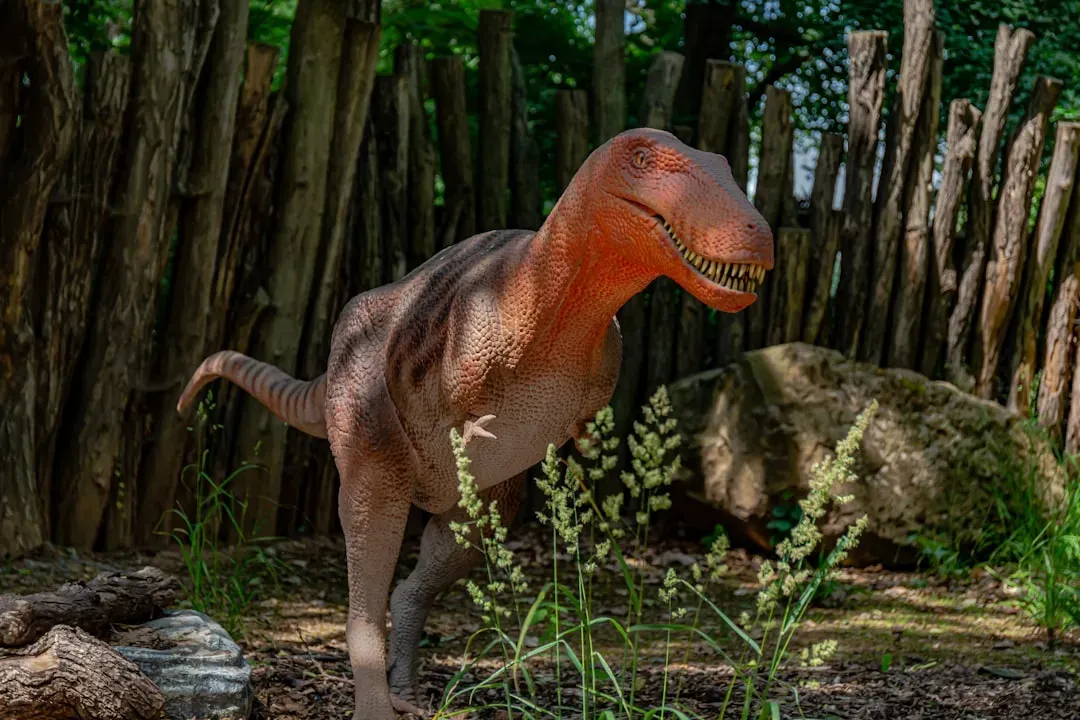
Even in a world where dinosaurs survive, things would not have stayed static. Evolution never stands still. Even without the asteroid impact, Earth’s climate continued changing throughout the late Cretaceous and into what would have been the Cenozoic Era. Global temperatures were gradually cooling from the extreme greenhouse conditions of the mid-Cretaceous, with increasing seasonality and the spread of more temperate ecosystems. Dinosaurs would have faced significant adaptive challenges as these habitats transformed.
Among the dinosaurs that may have persisted are the ornithopods and ceratopsians. In Eurasia and Africa, ceratopsians could have dominated the giant herbivore niches, while in the Americas and Australia, the ornithopods may have been dominant, including the largest dinosaurs alive today in this alternate world. Meanwhile, Tyrannosaurus, Barosaurus, Centrosaurus, and Edmontosaurus would not have lasted. They would have disappeared long ago, ultimately replaced by different genera and species. So the dinosaurs you picture would themselves have become fossils long before the present.
What Birds Tell Us About the Road Not Taken
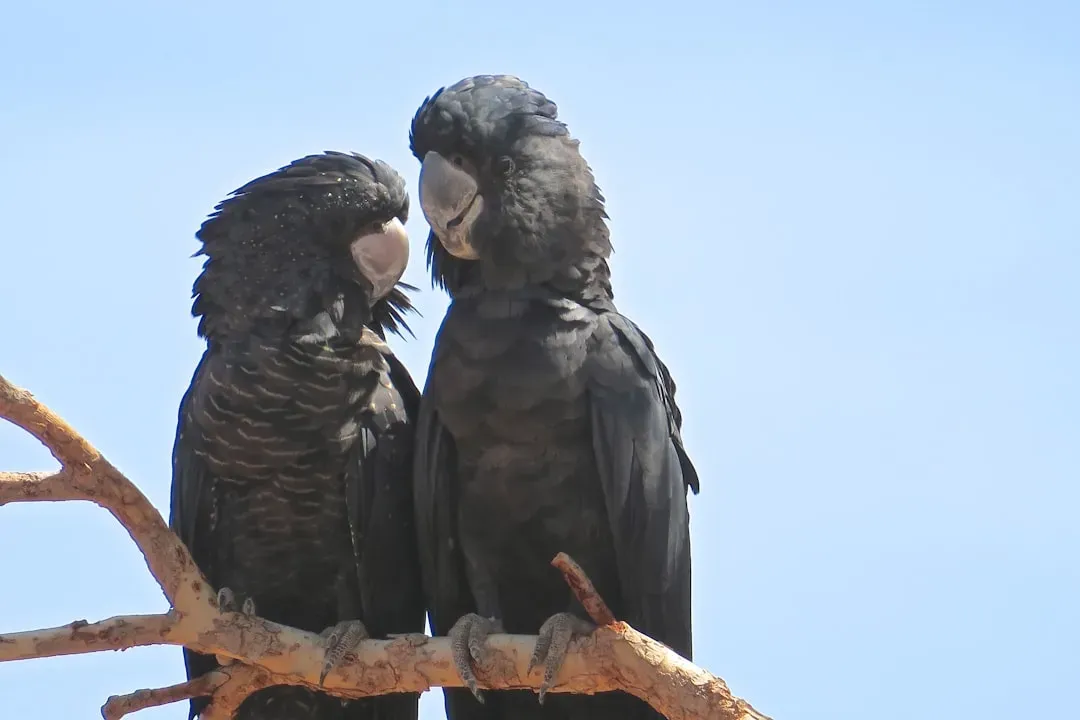
Here is something genuinely mind-bending: dinosaurs actually did survive the asteroid. Sort of. Dinosaurs did not completely disappear. Birds are technically avian dinosaurs that survived the mass extinction, and modern birds, particularly corvids like ravens and crows, and psittacines like parrots, demonstrate remarkable intelligence, including tool use, problem-solving abilities, and in some cases rudimentary language capabilities.
New Caledonian crows craft specialized tools, while African grey parrots can understand numerical concepts and communicate using hundreds of words. These cognitive abilities evolved in relatively small-bodied, flight-adapted descendants of theropod dinosaurs, suggesting that the extinction event may have inadvertently selected for lineages with greater cognitive potential. In other words, the branch of dinosaur life that survived went on to develop impressive minds. That is not nothing. Today, a few dinosaur descendants, birds like crows and parrots, have complex brains, hinting at what the broader dinosaur family tree might have produced given another 66 million years of uninterrupted evolution.
Conclusion: A World Defined by One Cosmic Moment
What this thought experiment ultimately reveals is something deeply humbling. The entire arc of human civilization, everything you have ever known, loved, built, or dreamed, rests on one rock hitting one particular patch of shallow sea at one specific moment in time. Had the Chicxulub asteroid missed Earth by a cosmic hairsbreadth, we might not exist to contemplate the question at all. Instead, Earth might now host intelligent dinosaur descendants contemplating their own evolutionary history and perhaps imagining a world where they had gone extinct and strange, furry creatures had inherited the planet.
Such alternate evolutionary scenarios highlight that there was nothing inevitable about mammals’ rise to dominance or humans’ eventual emergence. Our existence stems from a complex chain of chance events and adaptive responses that could easily have followed innumerable different paths. It is hard to say whether a world of intelligent dinosaurs would have been better or worse than ours. It would certainly have been unimaginably different. Next time you look up at the night sky, maybe spare a thought for that ancient rock and the strange, improbable luck that put you here to look up at it.
What do you think life would be like if dinosaurs still walked the Earth today? We’d love to hear your thoughts in the comments.