
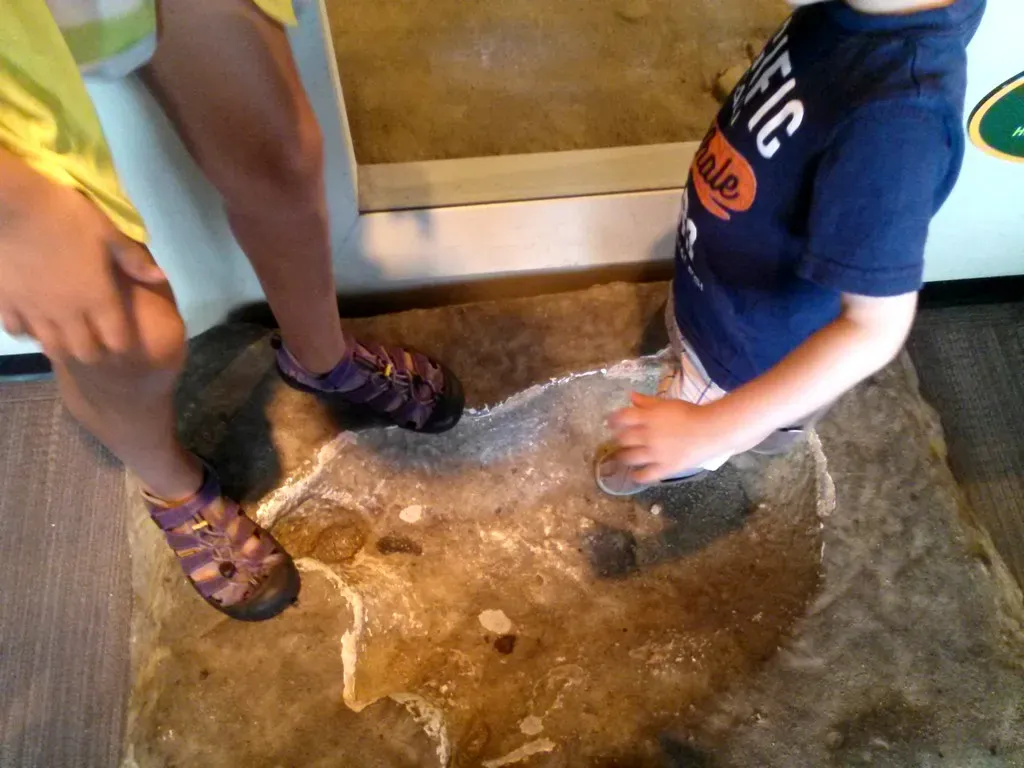
Imagine holding a single broken bone in your hands – ancient, heavy, stained by millions of years of burial – and being asked to describe the living, breathing creature it once belonged to. The weight of that task is exactly what paleontologists take on every single day. It sounds almost impossible. Yet, through a mix of sharp scientific tools, creative reasoning, and relentless curiosity, researchers have managed to reconstruct not just the bodies, but the very lives of creatures that vanished long before humans ever walked the earth.
The story of how science breathes life back into extinct giants is one of the most fascinating detective stories you’ll ever encounter. From ancient footprints pressed into mud to microscopic growth rings hidden inside fossilized bones, the clues are everywhere. You just have to know how to read them. So let’s dive in.
Reading the Bones: Skeletal Anatomy as a Biography
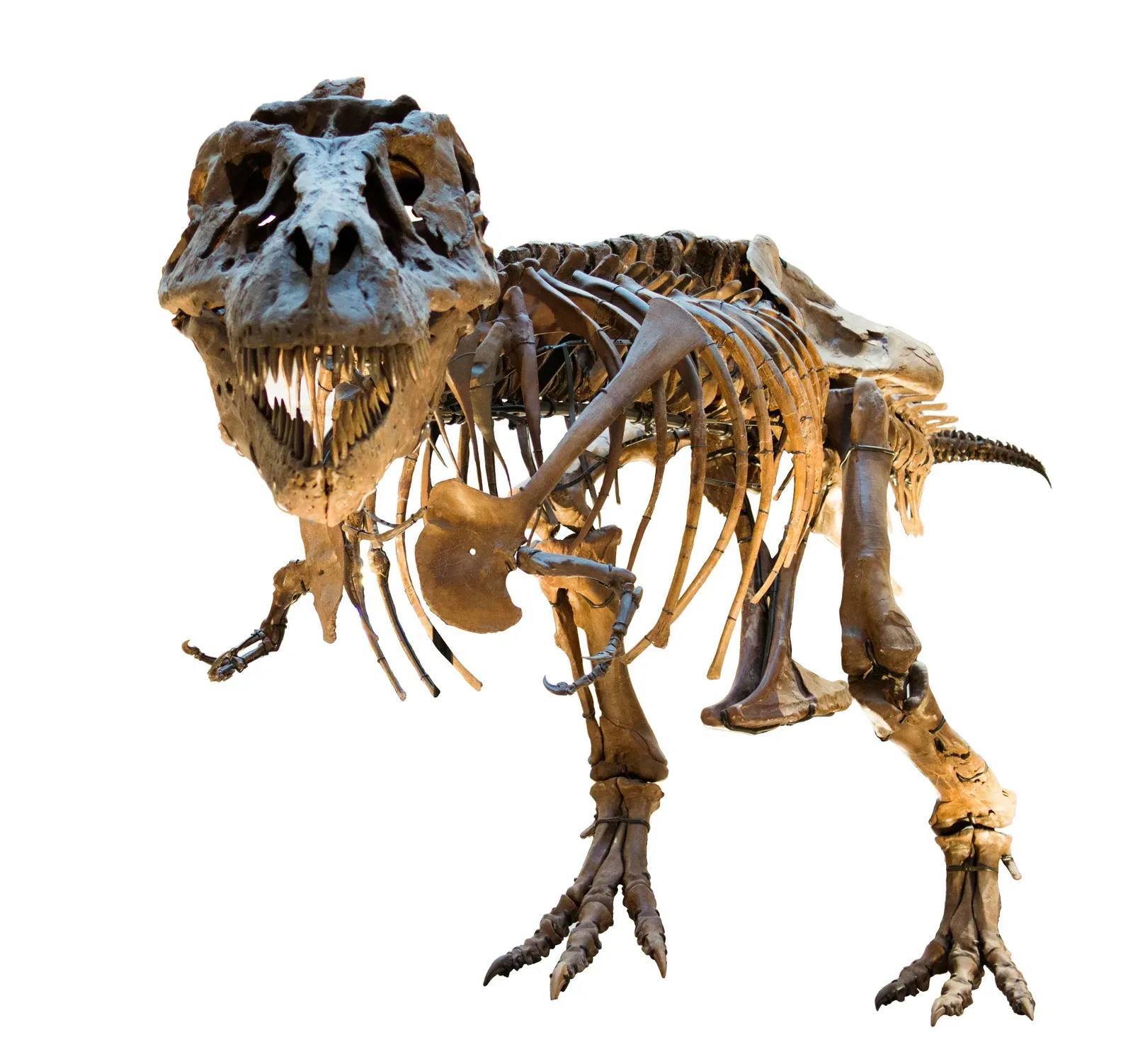
When you look at a fossil skeleton, you’re not just seeing a dead animal. You’re reading a biography. If an excavation reveals dinosaur fossil bones that aren’t arranged as they were when the animal was alive, paleontologists use knowledge of anatomy and comparisons with other animals to piece together the skeleton. Think of it like reassembling a shattered mosaic – every fragment matters, even the tiny ones.
Rough patches and flanges on bone can be used to reconstruct the positions of muscles, cartilage, and ligaments. Studying the scratches and wear patterns on teeth reveals vital information on diet and feeding. Honestly, the amount of information locked inside a single ancient jawbone would surprise most people. It’s almost like the bone is a hard drive – and scientists are learning to read its files.
Sharp teeth indicate a diet of meat rather than plants, or mammalian characters in the teeth indicate that the unknown animal was endothermic and nourished its young from mammary glands. This principle, known in science as evidence-based reconstruction, separates real paleontology from guesswork. Comparisons are made with living animals in order to reconstruct the skeleton and lifestyle of the dinosaur, and aspects of its life such as size, movement, weight, and shape can also be determined.
Footprints and Trace Fossils: When Giants Left Their Mark
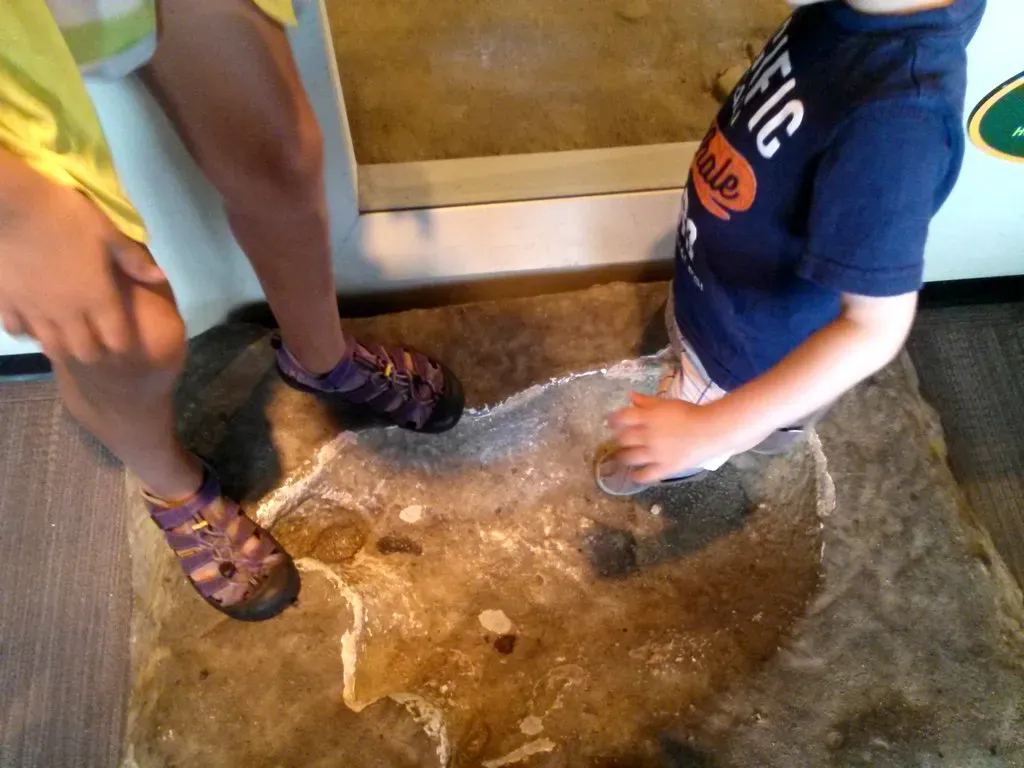
Here’s the thing most people overlook: you don’t always need bones to understand an animal. Sometimes, a footprint tells you far more. Trace fossils provide us with indirect evidence of life in the past, such as the footprints, tracks, burrows, borings, and feces left behind by animals, rather than the preserved remains of the body of the actual animal itself. It’s the difference between finding someone’s diary and finding the path they walked every morning.
Dinosaur tracks provide a live picture of dinosaur behaviour and offer valuable data about different aspects of the trackmaker paleobiology. The dinosaur ichnological record allows you to gain information about autopod anatomy, functional adaptations, stance, and gaits with which dinosaurs moved. Even more remarkable, footprints provide evidence about the abilities that dinosaurs had to swim, run, or live with certain pathologies. They also allowed inferring how they moved in herds or even made courtship rituals.
Another kind of trace fossil is fossilized dung called coprolite, which provides valuable clues to the diet of fossil organisms. Coprolites aid paleontologists in reconstructing ecosystem relationships of fossil plants and animals. A famous example: a famous coprolite dropped by T. rex contains pulverized bones of ornithischian dinosaurs that had been corroded to some extent by stomach acids, but not entirely destroyed – suggesting a relatively rapid transit of food material through the gut.
Reading Growth Rings: Bone Histology and the Age of Giants
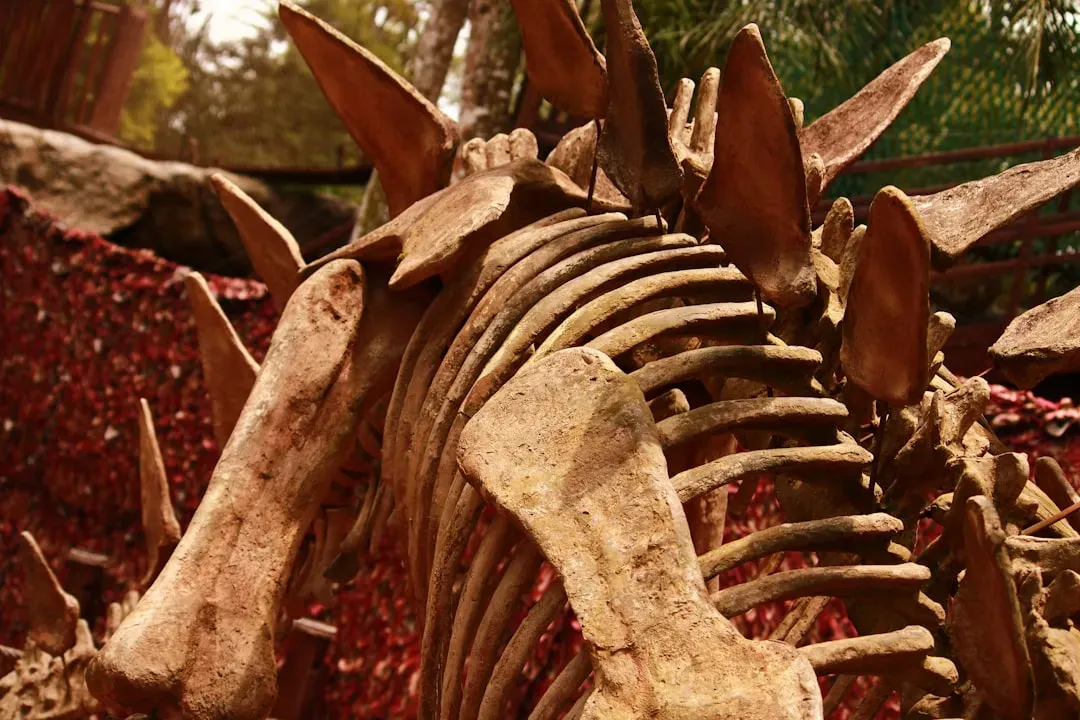
You’ve seen a tree stump with rings and known immediately how old it was. Dinosaur bones work the same way. Dinosaur bones are like trees – every year is represented by a new ring, and paleontologists can count those concentric circles to determine a fossil’s age. New research suggests that in the case of Tyrannosaurus rex, some growth rings have escaped detection until now. That kind of discovery reshapes everything we thought we knew.
An extensive new study of 17 tyrannosaur specimens, ranging from early juveniles to massive adults, shows the king of carnivores took about 40 years to reach its full-grown size of around eight tons. That’s a dramatic revision from earlier estimates. The new analysis, the most complete life history ever conducted on T. rex, gives a more complete and accurate picture of tyrannosaurs’ growth by using advanced statistical algorithms and examining slices of bone under a special kind of light that reveals hidden growth rings not counted in previous studies.
Just as trees develop annual growth rings, many animals, including dinosaurs, form similar structures within their bones called Lines of Arrested Growth, or LAGs. These are essentially “bone growth rings” – periods when growth slowed down or paused, leaving a distinct mark in the bone tissue. These lines are thought to correspond to seasonal changes or other environmental stressors that affected the dinosaur’s growth. I find it almost poetic – the seasons of an ancient world, frozen in stone.
Comparing Living Animals: The Bridge Between Past and Present
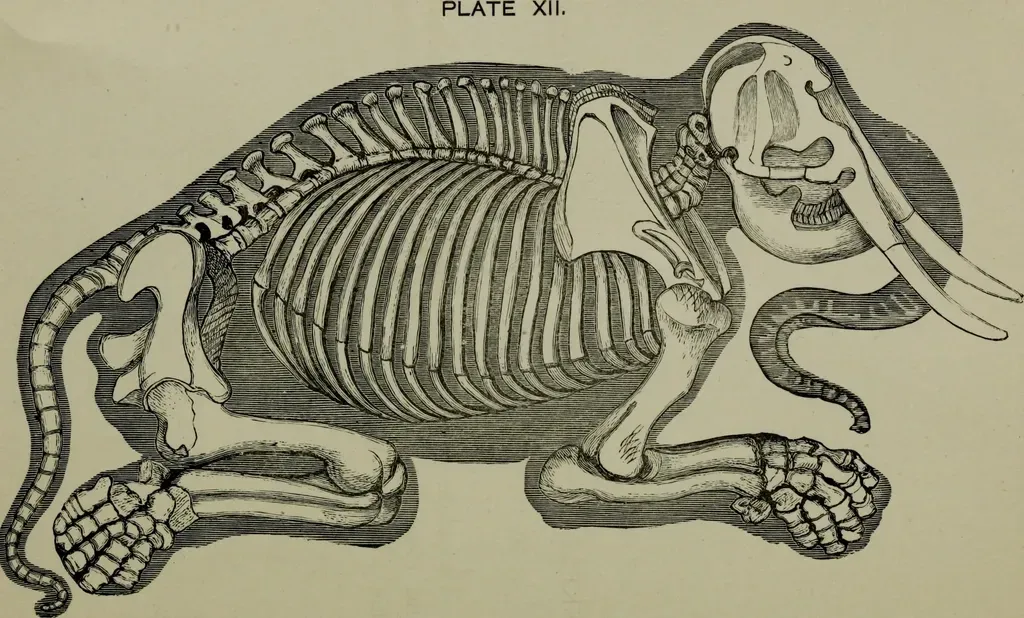
One of the smartest things paleontologists ever did was turn away from the bones for a moment, and look at living animals instead. Because paleontologists can’t study the soft tissue of extinct animals – for example, their muscles or their digestive physiology – they rely instead on living animals, like birds, crocodiles, and mammals to provide clues. It’s like using a modern city map to help guess the layout of an ancient one.
If we can identify similar features in living animals, whose biology we can study in real time, we can infer similar functions for those same features in extinct animals. This principle is the backbone of so much reconstruction work. It can be assumed that biological structures are adapted in some way and that they have evolved to be reasonably efficient at doing something. So, an elephant’s trunk has evolved to act as a grasping and sucking organ to allow the huge animal to reach the ground and to gather food and drink. Same logic, applied backwards through millions of years.
The skins of some living animals and rare dinosaur fossil skin impressions give us some idea about the skin surface of dinosaurs. However, the colours or patterns of reconstructions are educated guesswork based on living animals with similar lifestyles and habitats. Since it is likely that dinosaurs saw in colour like modern birds and reptiles, skin colour was probably an important feature. Still, it’s far more educated than most people realize.
CT Scanners and Digital Tools: The Lab as a Time Machine
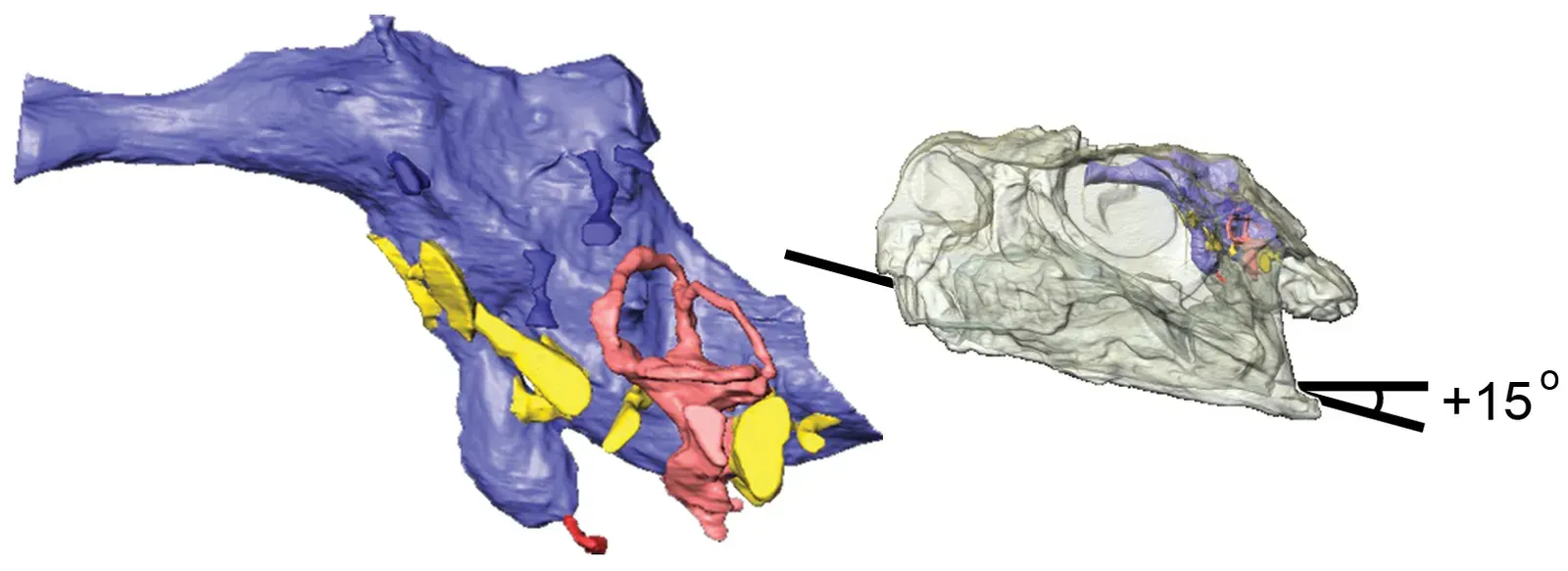
Modern technology has handed paleontologists tools that scientists from a century ago couldn’t have dreamed of. Electron microscopes allow paleontologists to study the tiniest details of the smallest fossils. X-ray machines and CT scanners reveal fossils’ internal structures. Advanced computer programs can analyze fossil data, reconstruct skeletons, and visualize the bodies and movements of extinct organisms. The lab has genuinely become a kind of time machine.
Paleontology has experienced a transformative shift with the advent of digital technologies. Traditional methods such as manual reconstruction, molding, and casting, though foundational, are often time-consuming and risk damaging valuable specimens. In response, the field has embraced “virtual paleontology,” which employs three-dimensional digital tools to reconstruct, visualize, and study fossils. You can now study a priceless specimen without ever physically touching it.
Advances in 3D scanning and modeling allow paleontologists to create detailed digital reconstructions of fossils, enabling them to study specimens without risking damage to the originals. Researchers have used photogrammetry, stitching together thousands of photographs to create 3D models of tracks, several of which had remained in museum storage since the 1980s. The past is being decoded at a speed that would have stunned earlier generations of scientists.
Unlocking Color and Chemistry: The Hidden Details in Fossils
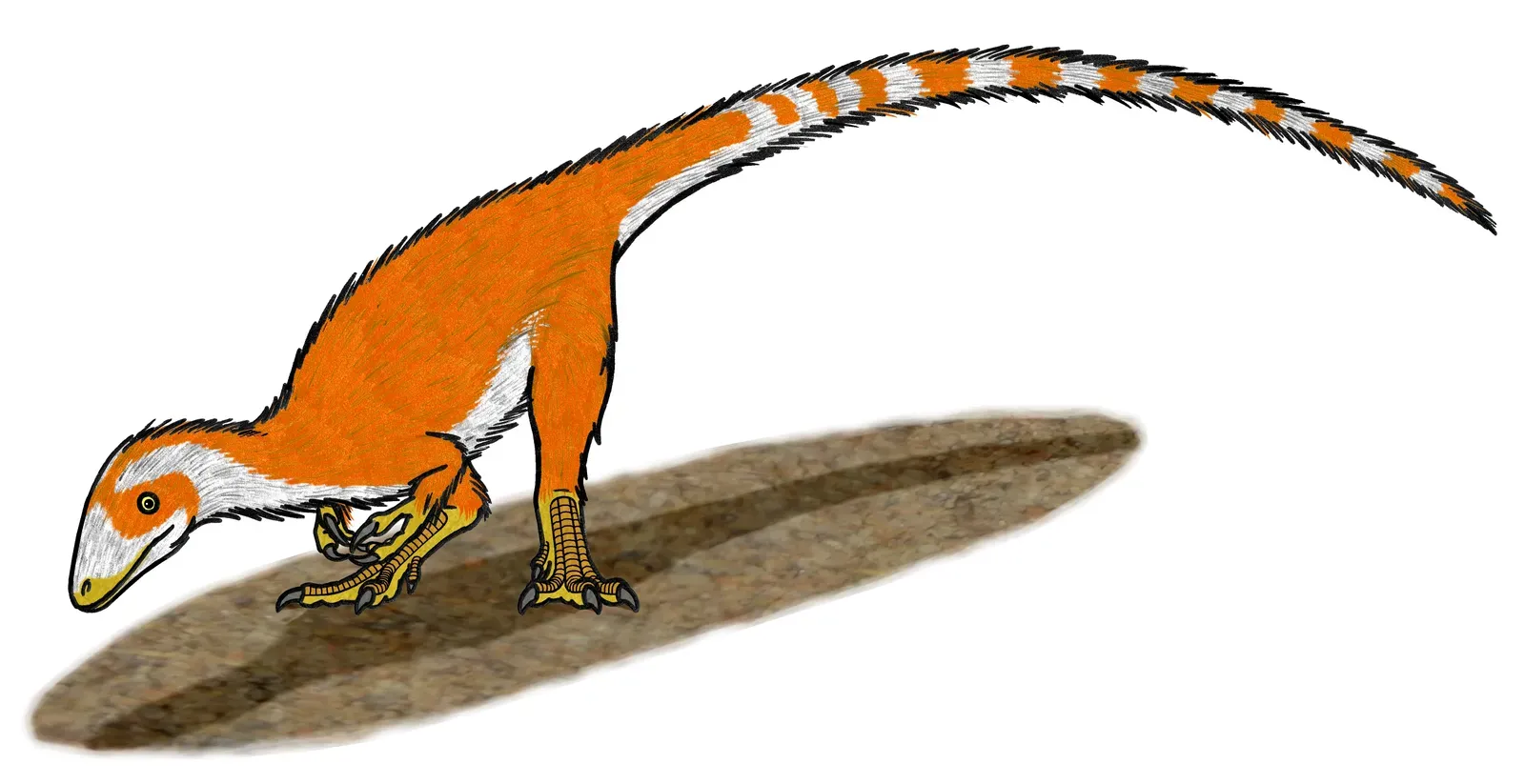
You’d probably assume we could never know what color a dinosaur was. For decades, that assumption was correct. Then science surprised everyone. In 2008, scientists led by paleontologist Jakob Vinther figured out that melanosomes, tiny subcellular sacs filled with the pigment melanin, could fossilize. The discovery opened the door to a field once thought impossible: figuring out the colors of extinct dinosaurs’ skin and feathers, based on the shapes, sizes, and arrangements of their melanosomes.
The feathered dinosaur Anchiornis, which lived in what is now China, had a reddish crest; the early ceratopsian Psittacosaurus had red-brown skin that contributed to an early form of dino camouflage. Let that sink in. We now know the actual color of an animal that died over a hundred million years ago. Molecular paleontology, an emerging field, involves the study of ancient DNA and proteins preserved in fossils. While challenging, it has the potential to provide unprecedented insights into the biology of extinct organisms.
Researchers have sequenced the oldest RNA ever recovered, taken from a woolly mammoth frozen for nearly 40,000 years. The RNA reveals which genes were active in its tissues, offering a rare glimpse into its biology. Every year, the boundary between what we know and what we thought unknowable keeps shifting.
Reconstructing Behavior and Ecosystems: The Full Picture
Piecing together a skeleton is just the beginning. The real challenge – and the real reward – is reconstructing how these animals actually lived. Through the study of fossils, remnants or impressions of ancient organisms preserved in rock, paleontologists unlock the secrets of Earth’s history, including mass extinctions, climate changes, and the development of ecosystems. It’s not just about one species – it’s about entire vanished worlds.
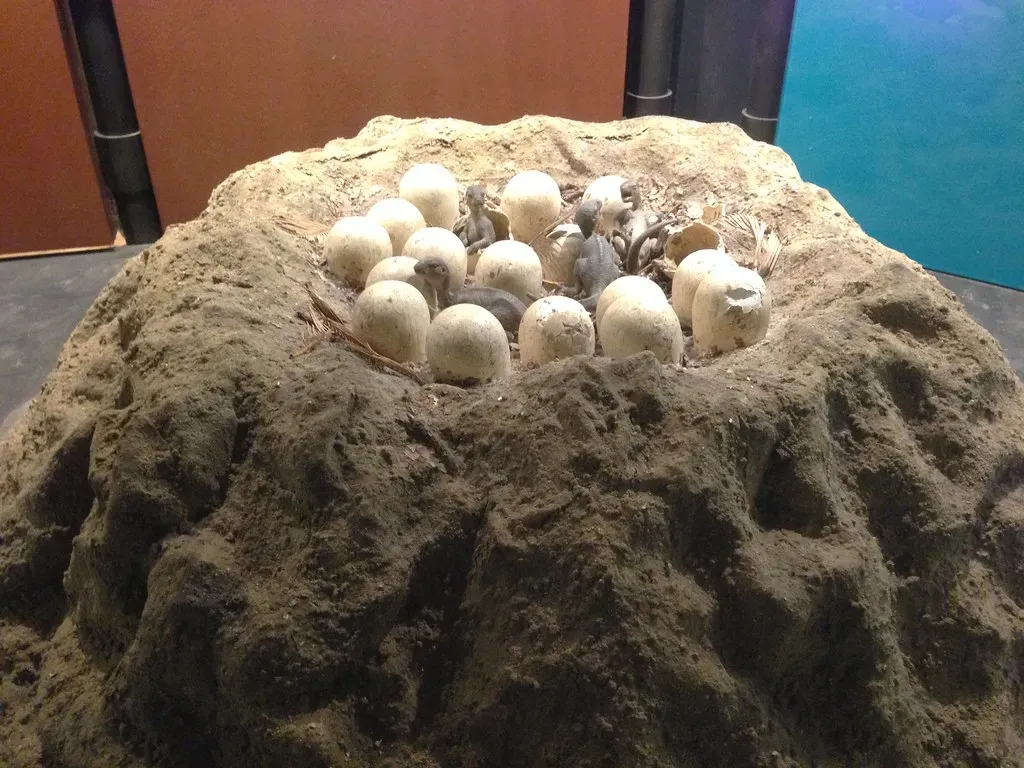
The discovery of baby Maiasaura fossils and nests provided the first evidence of dinosaur parenting and transformed our understanding of dinosaur behavior. These findings highlighted the importance of Montana’s fossil beds, shedding light on the nurturing nature of some dinosaurs and offering a rare glimpse into the early lives of these ancient creatures. Imagine discovering that these enormous creatures were, in some sense, attentive parents. It changes the emotional texture of the whole story.
Because environmental factors often influence activities, trace fossils provide important clues to the original conditions of ancient environments. Trace fossils reflect environmental factors such as salinity, oxygen levels, energy, interactions among organisms, and food supplies. When you combine all these lines of evidence – bones, tracks, chemistry, digital scanning, and comparisons with living species – you stop seeing fragments. You start seeing a living, breathing world. That, in the end, is what paleontology is really about.
Conclusion
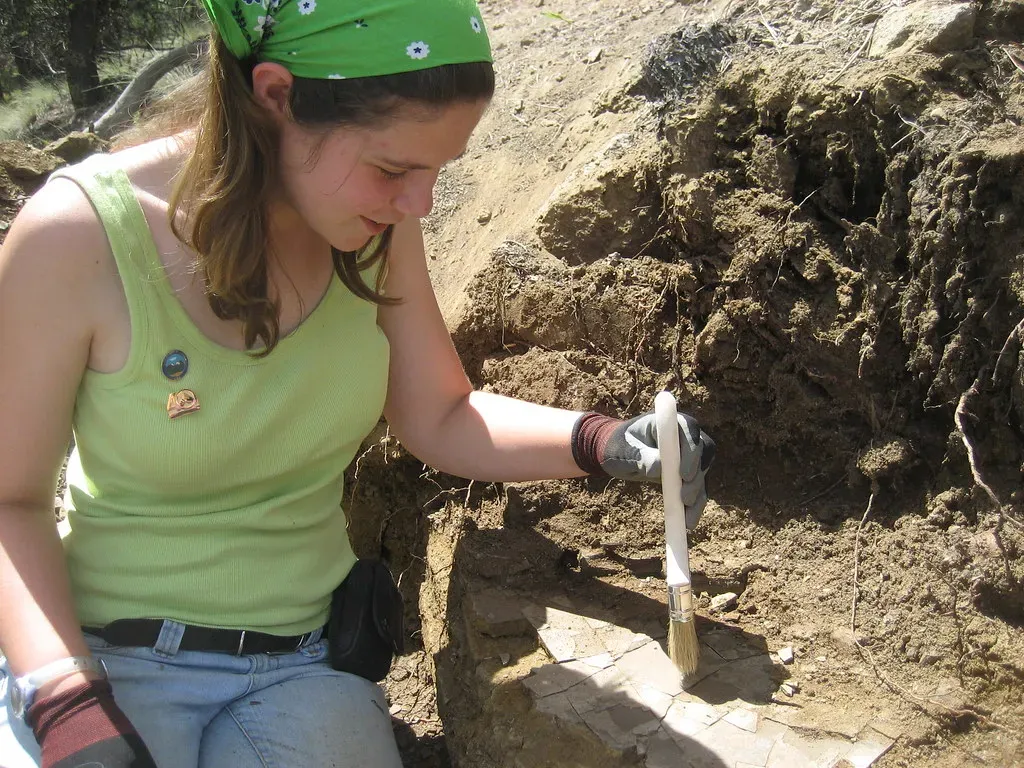
The reconstruction of an extinct giant’s life is never a single dramatic moment in a laboratory. It’s a slow, meticulous accumulation of evidence – a scratch on a tooth here, a footprint pressed in ancient mud there, a growth ring barely visible under polarized light. Each clue is a sentence in a biography written in stone, waiting for someone patient enough to read it.
What makes this science so extraordinary is its humility. It freely admits that every answer is also a new question, and every discovery rewrites what came before. Paleontologists are more than just scientists; they are the storytellers of Earth’s history. Their work asks something of all of us – to stretch our imaginations across millions of years and feel genuine wonder at creatures we will never see, yet somehow are coming to know better with every passing year.
What part of this process surprises you the most? Let us know in the comments – you might be more of a natural paleontologist than you think.