
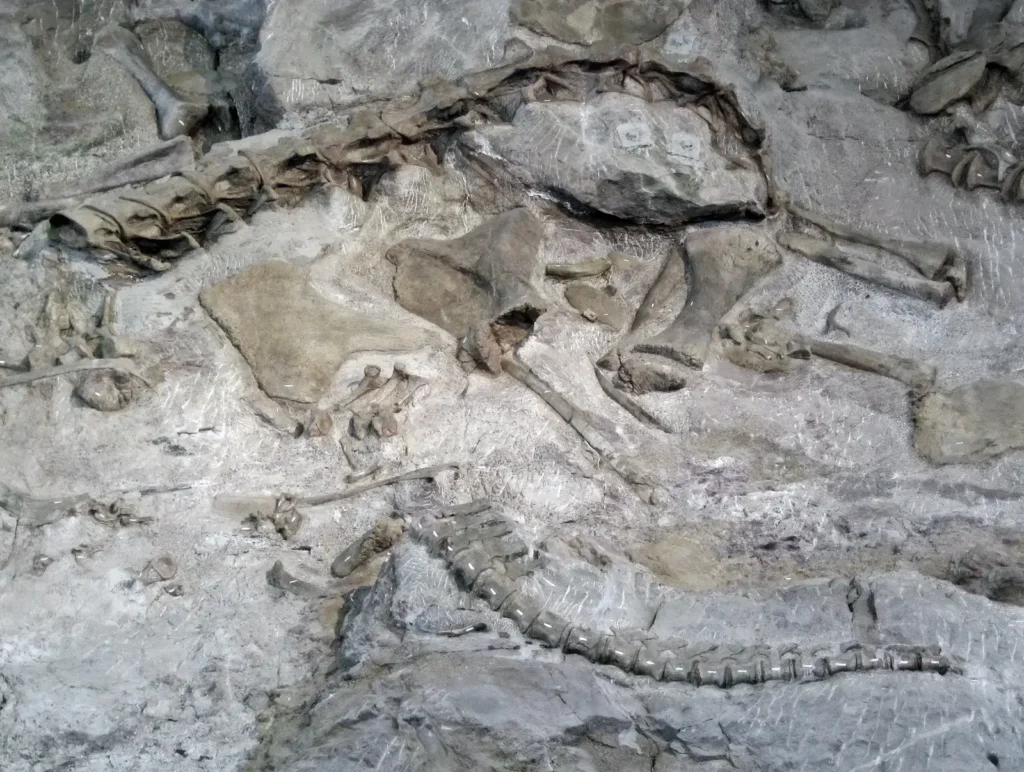
Imagine walking across a stretch of remote desert, kicking at a loose rock, and realizing you’ve just uncovered the skull of a creature nobody has ever seen before. It sounds like science fiction, but it happens, honestly, more often than most people realize. Paleontology is having one of its most exciting moments in history right now, and the pace of discovery is not slowing down. If anything, it is accelerating.
You might think we’ve already found the big ones, catalogued the fearsome meat-eaters, and sketched out the ancient world well enough. Think again. The deeper scientists dig, literally and figuratively, the more they realize just how much is still buried. So let’s dive in.
The Scale of What We Don’t Know Yet
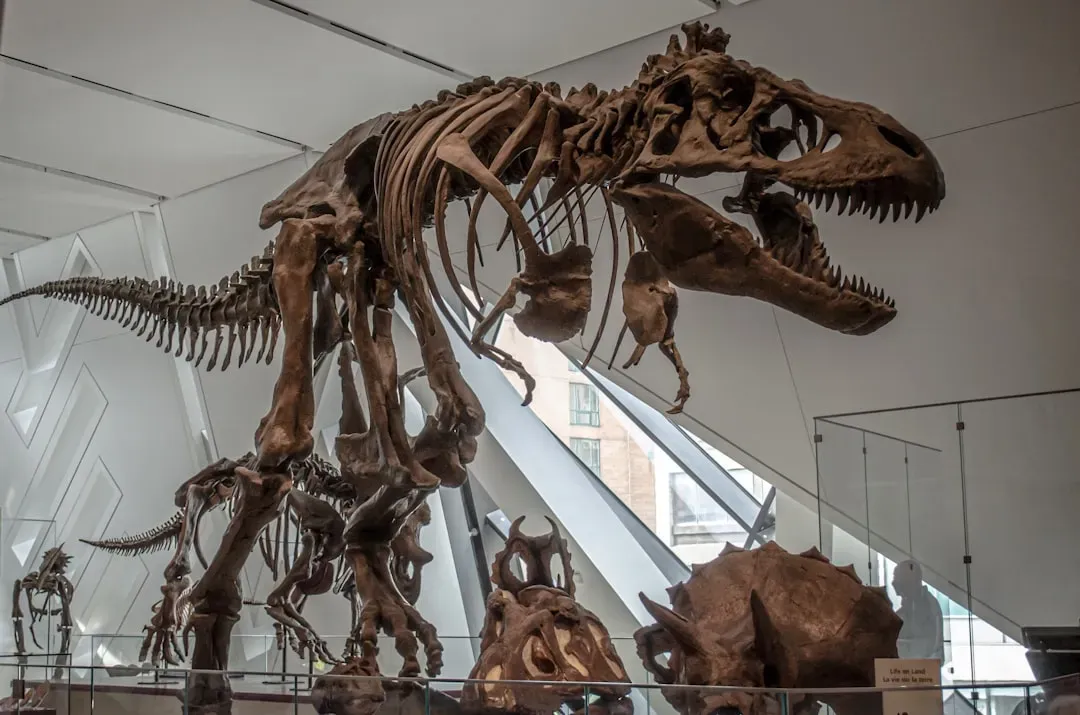
Here’s the thing that should genuinely stop you in your tracks. Estimates put the total number of dinosaur genera preserved in the fossil record at around 1,850, with nearly three quarters still undiscovered. That is not a small gap. That is an enormous, gaping canyon of missing knowledge sitting right beneath your feet.
A 2006 study estimated that paleontologists had found less than 30 percent of all non-avian dinosaurs and that bumping the count up to 90 percent would take over a century of exploration. Think about that. Even a century of dedicated digging may not be enough. The Earth is enormous, ancient rock formations are scattered across every continent, and most of them have barely been touched by a fossil brush.
The Current Rate of Discovery Is Staggering
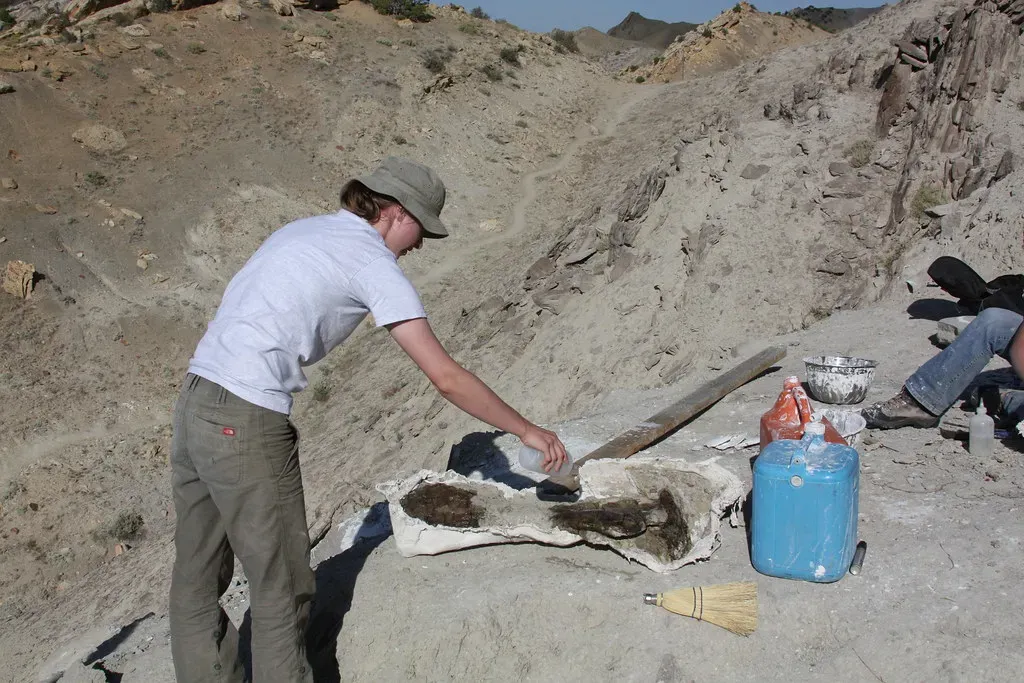
You might assume that dinosaur discovery is a slow, plodding process. Scientists spending decades brushing dust off bones in a remote canyon somewhere. But the reality in 2026 is far more electric than that. Around 1,400 dinosaur species are now known from more than 90 countries, and the year 2025 alone saw the discovery of 44 new dinosaur species, nearly one per week. That kind of pace is genuinely breathtaking.
Many new discoveries come from paleontological hotspots such as Argentina, China, Mongolia, and the US, but dinosaur fossils are also being found in many other places, from a Serbian village to the rainswept coast of northwest Scotland. The fact that brand-new species are turning up in places as unexpected as Scotland tells you everything you need to know. Fossil hunters are not just uncovering new dinosaur species, they are revealing entirely new dinosaur groups that were unknown even ten years ago.
What the Numbers Reveal About Hidden Diversity
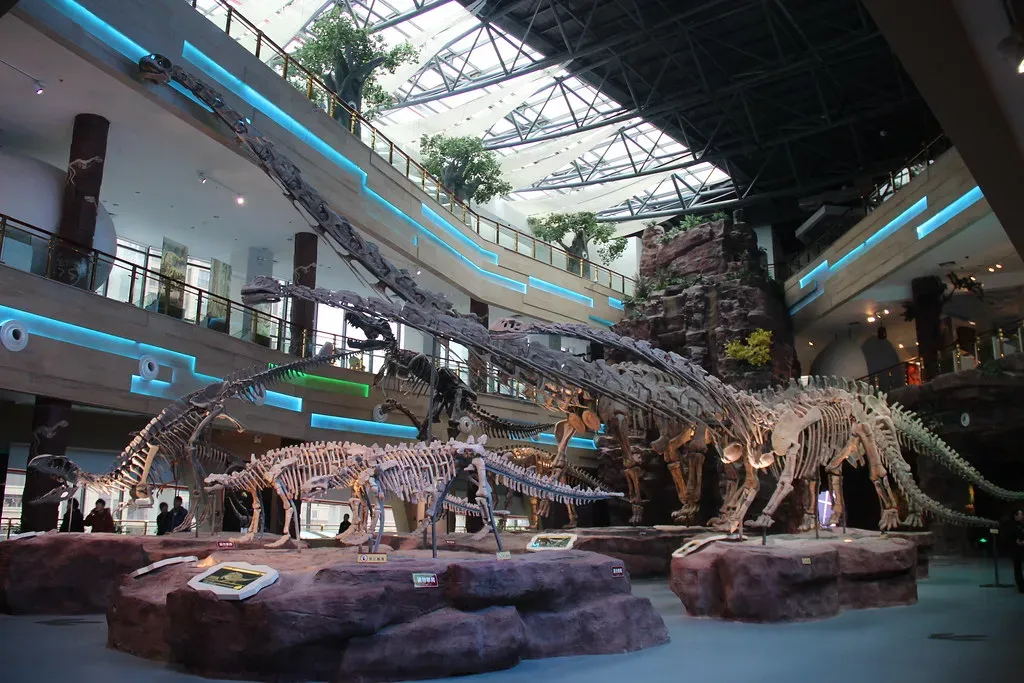
Let’s be real about the math here, because it is kind of mind-bending. University of Edinburgh paleontologist Stephen Brusatte notes that today around 14,000 dinosaur species live on as birds, suggesting we may be talking about millions of dinosaur species that once lived, maybe even tens of millions. Tens of millions. The number of species we’ve found so far begins to look laughably small by comparison.
In 2006, paleontologists Steve Wang and Peter Dodson used a statistical method to estimate the number of non-avian dinosaur genera to have ever existed, arriving at around 1,850. At the time, there were 527 genera that had been discovered, meaning roughly 71 percent were still left to be found. Of the dinosaur genera that are actually “discoverable,” meaning they were successfully fossilized and are in a place where people can reach them, Wang and Dodson predicted that three quarters of them will be known within the next 60 to 100 years. That is a timeline worth thinking about.
Why Small Dinosaurs Are the Next Big Frontier
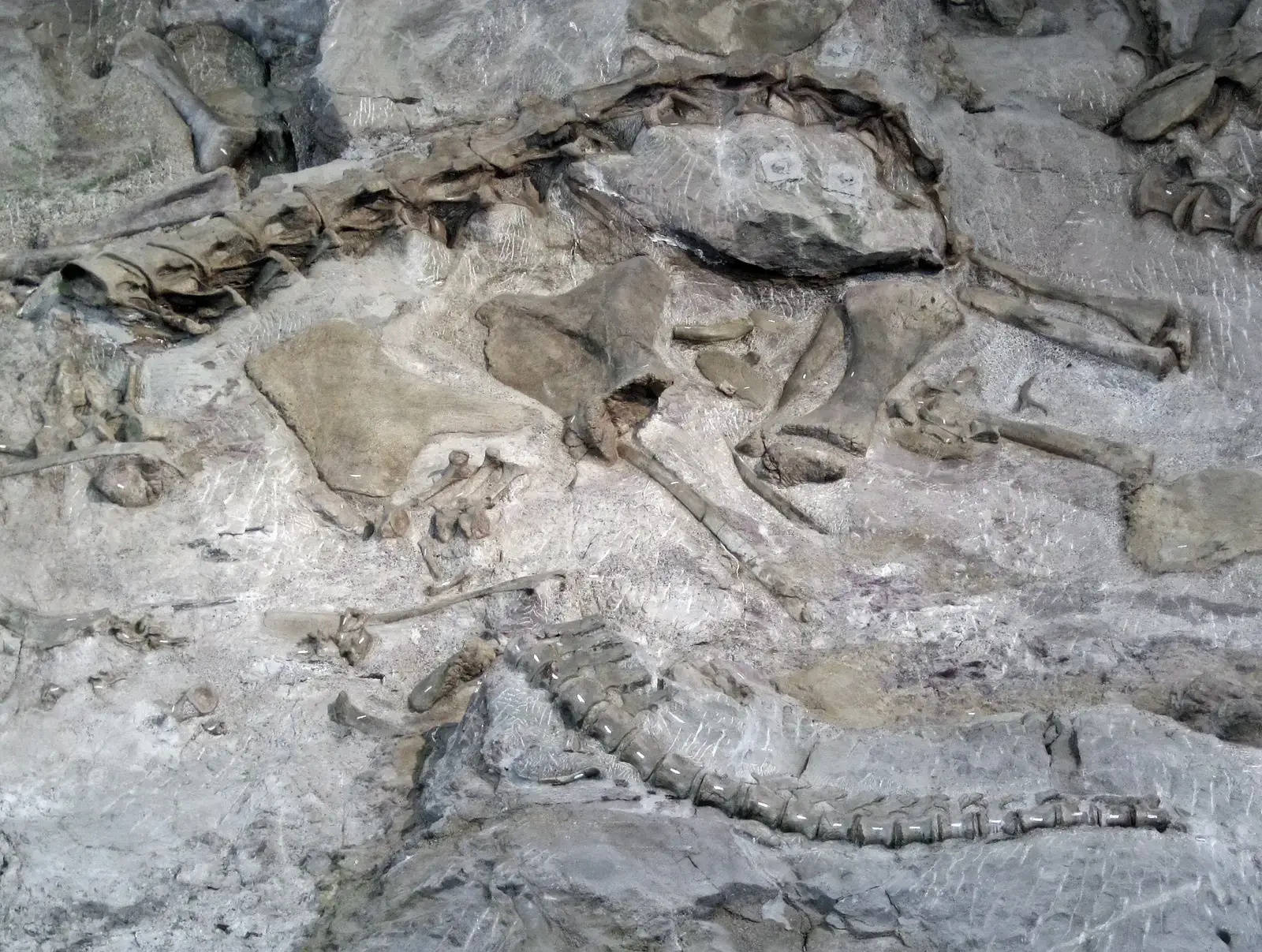
For a long time, paleontologists chased the giants. It’s understandable, really. Big bones are hard to miss, museums wanted impressive centerpieces, and enormous creatures naturally captured public imagination. Big dinosaurs were often found first because their remains were more resilient to scavenging, weathering, and destruction than those of smaller animals, and smaller species were harder to find and often overlooked when they were uncovered.
That approach left an enormous blind spot. Now that paleontologists are making a concentrated effort to fill in entire ecosystems, they are discovering some of those smaller dinosaurs and filling in parts of the dinosaur story that were previously missed, even in formations that have been explored for more than a century. A perfect recent example: a newly identified tiny dinosaur, Foskeia pelendonum, is shaking up long-held ideas about how plant-eating dinosaurs evolved. Though fully grown adults were remarkably small and lightweight, their anatomy was anything but simple, featuring a bizarre, highly specialized skull and unexpected evolutionary traits.
Jaw-Dropping Recent Finds That Rewrite the Books
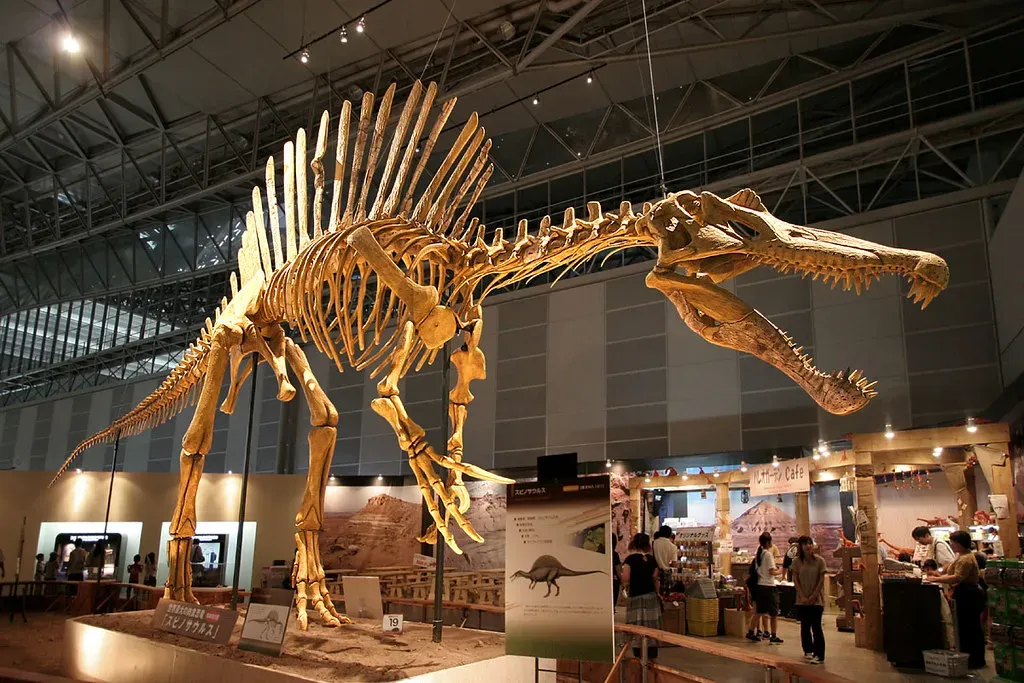
If you need proof that genuinely shocking discoveries are still happening, look no further than the last few months. Among 55 tons of specimens collected during an expedition to Niger in West Africa in 2022 were fossils of a new species of Spinosaurus, called Spinosaurus mirabilis. Researchers describe the newly discovered dinosaur as roughly the size of a Tyrannosaurus rex, about 95 million years old, and likely equipped with a large, brightly colored scimitar-shaped crest covered in keratin, along with interlocking rows of teeth designed for catching slippery fish. That is a creature unlike anything previously documented for this genus.
And that is not even the most unexpected recent find. Published in Nature Ecology and Evolution in February 2026, the discovery of Haolong dongi introduces an entirely new feature to the known diversity of dinosaur anatomy, revealing that dinosaur skin and body coverings were more varied and innovative than previously understood. The spikes of this animal, described as cutaneous because they originate in the skin, covered much of the dinosaur’s body. Unlike horns or bony plates, they were not solid extensions of bone. Instead, they were hollow structures, a feature that had never previously been observed in dinosaurs. Nothing in 200 years of dinosaur science had prepared us for that.
The Fossil Record’s Blind Spots and Hidden Habitats
You have to understand something fundamental about why so many species remain hidden. Fossilization is extraordinarily rare and selective. It’s a bit like trying to understand an entire library when you’ve only been given random pages from a handful of books. We will never know precisely how many non-avian dinosaurs roamed the planet between their origin 235 million years ago and their decimation 66 million years ago. The fossil record is not complete, and animals that lived in upland environments scoured by erosion had poor chances of being preserved.
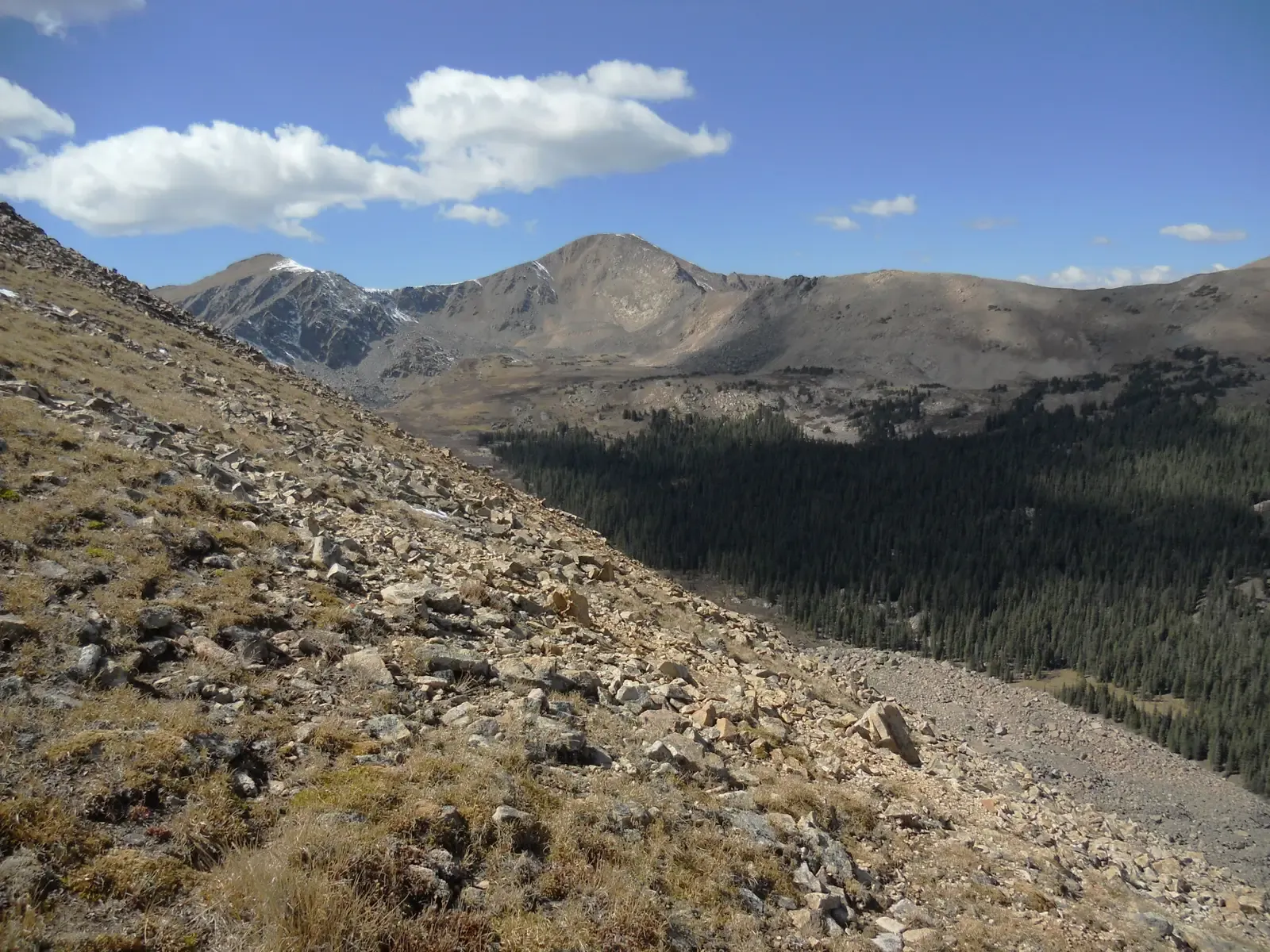
Some researchers wonder about dinosaurs that lived in mountains or uplands, since dinosaurs that inhabited those environments probably did not make it into the fossil record unless they traveled to a different habitat or were washed down a mountain stream to a lowland environment like a floodplain where preservation was more likely. Those elevated environments probably required different adaptations and behaviors, just as today you find different species of deer or elk depending on elevation and available plants. Entire ecological communities of dinosaurs may have lived and died without leaving a single trace. That’s a haunting thought.
What New Technology and Unexplored Regions Promise
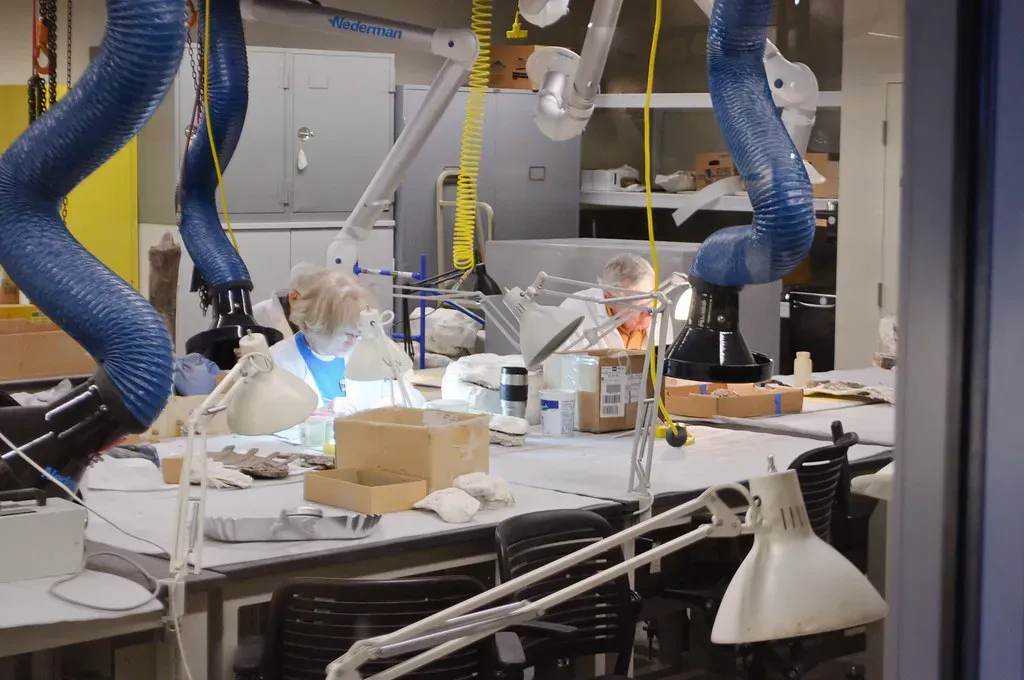
It is hard to say for sure exactly how many more species are out there, but the tools we now have to find them are better than ever. With studies of fossilized bones, gut contents, eggshells and more, paleontologists are revealing new and captivating details about the enormous reptiles that once roamed the Earth, and newly discovered species are filling gaps in dinosaur evolution while shedding light on historic migrations. Technology like CT scanning, X-ray imaging, and microscopic analysis of fossilized tissue is allowing scientists to study specimens that once seemed too fragile or too incomplete to yield meaningful data.
A Science study reported that an array of dinosaurs found in New Mexico lived within 400,000 years of the mass extinction impact and were not millions of years older, as previously thought. Paleontologists examined that dinosaur community and found it was made up of different species and even different dinosaur groups than equivalent communities found to the north. Not only does this suggest dinosaurs were spinning off new species right until the end, but the identification of several dinosaur communities on the same continent hints that undiscovered dinosaurs may still be lying in rocks that date to just before the mass extinction. In other words, the ground under our feet still holds secrets we haven’t begun to imagine.
Conclusion
The answer to whether undiscovered dinosaur species are waiting to be unearthed is not just “yes.” It is a resounding, almost staggering yes. We are living through what many researchers openly call a golden age of paleontology, and the discoveries of just the past year alone, from a crested giant in the Sahara to a spiky mystery creature in China, prove that the ancient world still has plenty of surprises left to throw at us.
The fossil record is a puzzle with most of its pieces still missing, and every new expedition, every re-examined museum drawer, every chunk of eroding badland could contain a creature nobody has ever laid eyes on. The next major discovery might not come from a remote desert or a rugged mountain range. It might come from a rock formation you’ve driven past a hundred times. What would you guess is buried there?