There’s something quietly mind-bending about the idea that a fossilized bone and a very old tree trunk can tell remarkably similar stories. One is from an animal that vanished roughly 66 million years ago. The other is alive right now, possibly on a windswept mountain in California. Yet both carry inside them a kind of biological diary, written in concentric rings, that scientists can read like a book.
The science behind these biological timekeepers has evolved dramatically over recent decades. Researchers now use these internal markings to unlock ancient secrets about how creatures lived, how the climate shifted, and how life on Earth develops across vastly different forms. You might be surprised just how much these two worlds overlap. Let’s dive in.
The Discovery That Changed Everything: Rings Inside Dinosaur Bones
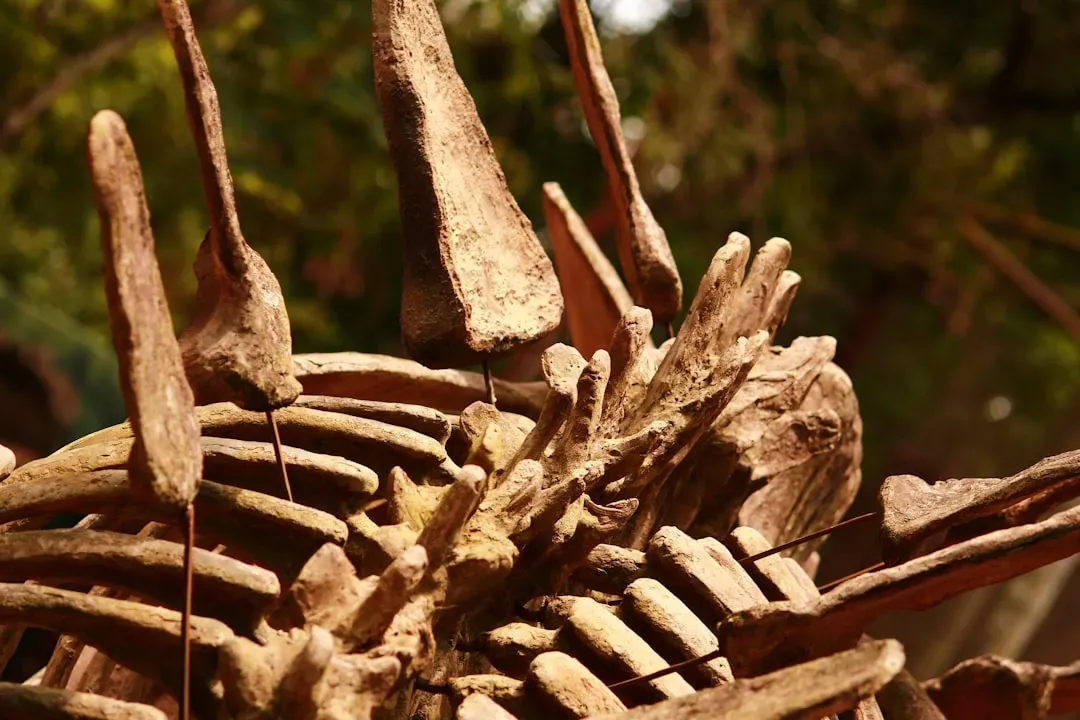
Honestly, the idea of reading a dinosaur’s life history from its bones still gives me a little thrill. Evidence for the ages of dinosaurs was there all the time, locked inside the bones themselves. Although paleontologists had known for many years that dinosaur bones contain growth lines, something like the circumferential growth rings found in trees, it was only in the second half of the 20th century that they began using these lines to figure out how these extinct animals actually grew.
The bones of many animals, including dinosaurs, slowed or paused growth every year, leaving marks like tree rings that indicate the animal’s age and can be used to estimate the rate of growth. Think of it like a biological pause button. Each time the animal hit a lean period, that hesitation got permanently stamped into the bone, layer after layer, year after year.
What Tree Rings Actually Are and How They Form
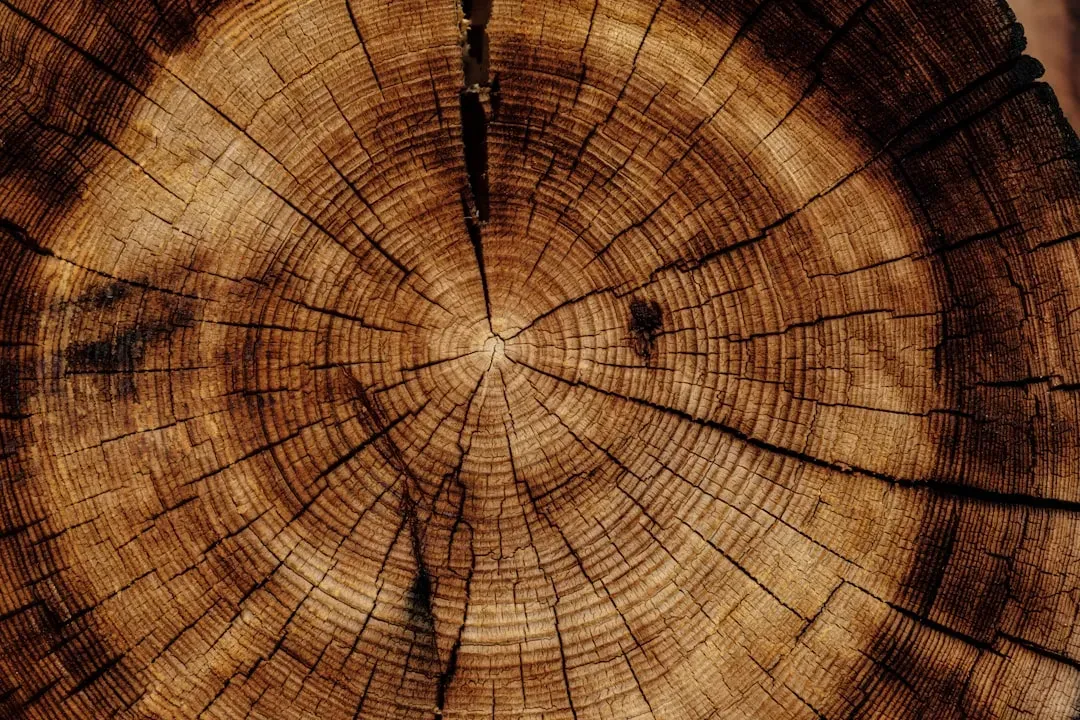
Dendrochronology is the scientific method of dating tree rings, also called growth rings, to the exact year they were formed in a tree. As well as dating them, this can give data for dendroclimatology, the study of climate and atmospheric conditions during different periods in history from the wood of old trees. It’s a field that connects botany, archaeology, and climate science in one elegant system.
A tree’s annual growth changes throughout the year in response to seasonal climate changes. At the beginning of each growing season, a layer of thin-walled cells called earlywood grows between the older wood and outer bark. As growth slows toward the end of summer, smaller, thicker-walled cells known as latewood are produced, which usually appear darker in color in a tree cross-section. Combined with cells formed during the normal growing season, these two cell types compose one annual ring representing one year of growth.
Inside the Bone: The Structural Parallel That Scientists Can’t Ignore
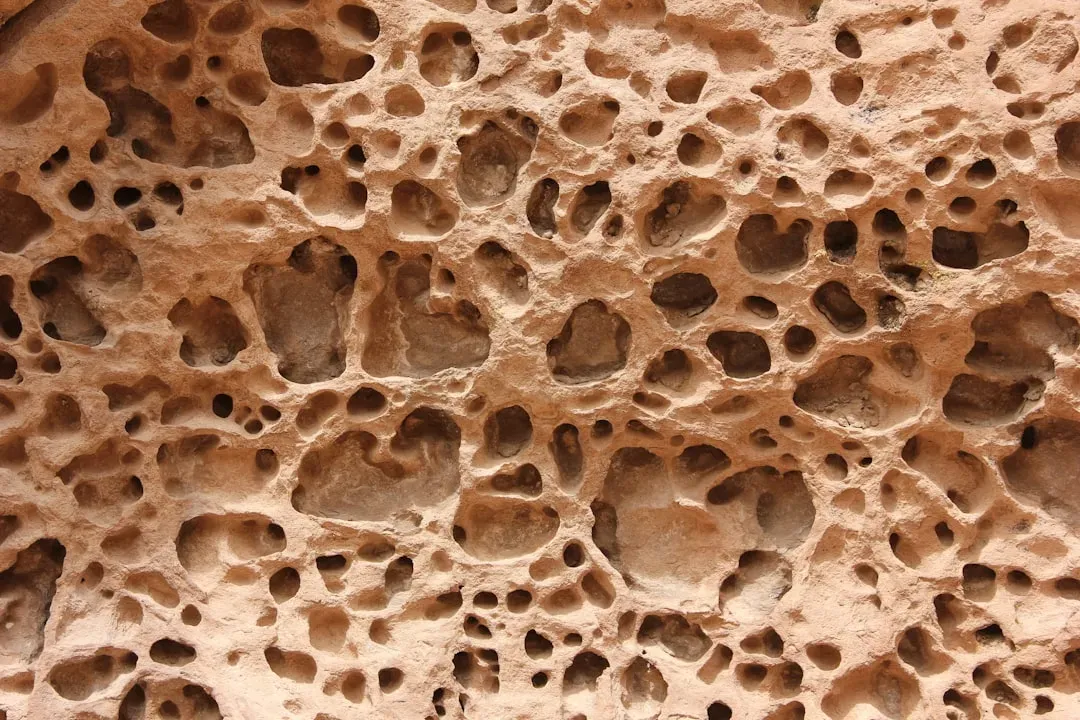
Here’s the thing that keeps biologists and paleontologists genuinely excited. The osteon, or the Haversian system, is the fundamental functional unit in compact bone. Each osteon is circular and resembles a set of concentric rings, similar to the rings in a tree trunk, which represent growth over time. The visual resemblance, when you peer through a microscope, is almost eerie.
Osteons, or Haversian systems, are cylindrical structures that consist of concentric rings, called lamellae, of compact bone tissue that encircle a central canal known as the Haversian canal. This structure is similar to the concentric growth rings seen in a tree trunk. Where the tree has a core of old wood radiating outward, the bone has a central canal radiating outward in layers, each one representing a phase of biological development. It’s the same elegant geometry, arrived at through entirely different evolutionary paths.
Why Dinosaur Bone Rings Are Trickier to Read Than Tree Rings
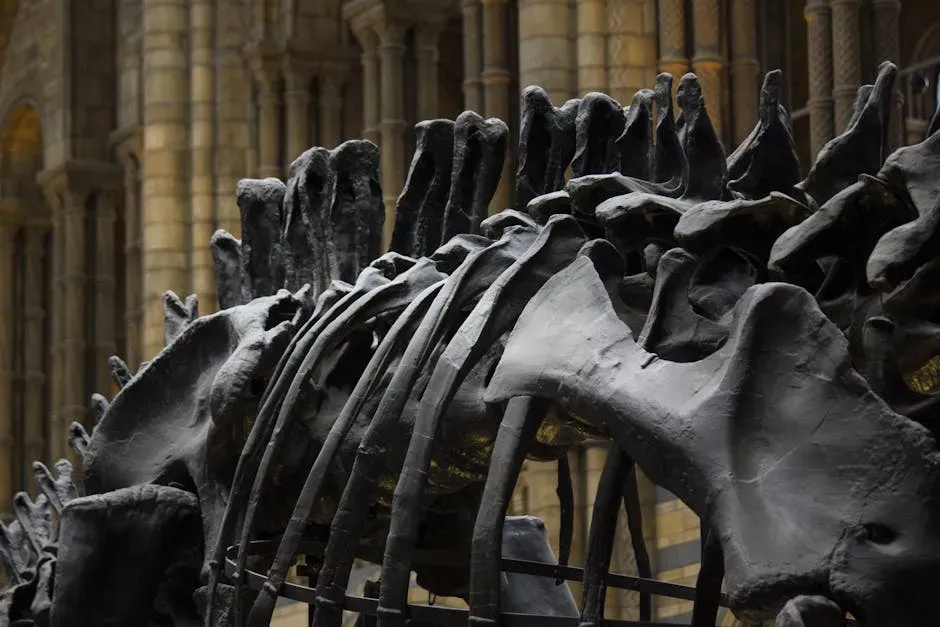
Reading a tree ring record is relatively straightforward. A tree carries nearly the entire record of its growth inside its trunk. Cut it down, and you can count the rings one by one from the center to the bark. Only the outer layer is making new wood; the inside is really deadwood. Trees, in this sense, are loyal archivists. They don’t rewrite their own records.
The center of a bone, in contrast, is a busy place. This activity at the center of the bone often erodes the record of growth during the youngest stages of an individual’s life. Consequently, it is difficult to cut open the bone of a dinosaur and find a complete record of growth just by counting the rings. Researchers often have to piece together early growth history using younger specimens or mathematical back-calculations, a process called retrocalculation. It’s a bit like trying to reconstruct someone’s childhood diary when the early pages have been torn out.
What Dinosaur Growth Rings Reveal About Speed, Size, and Survival
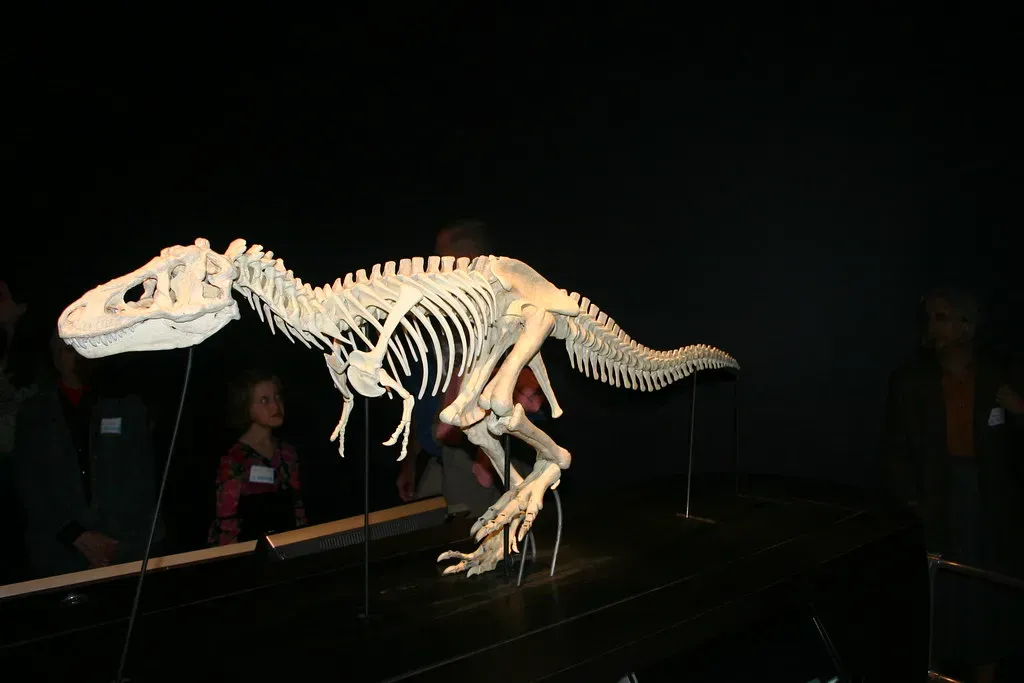
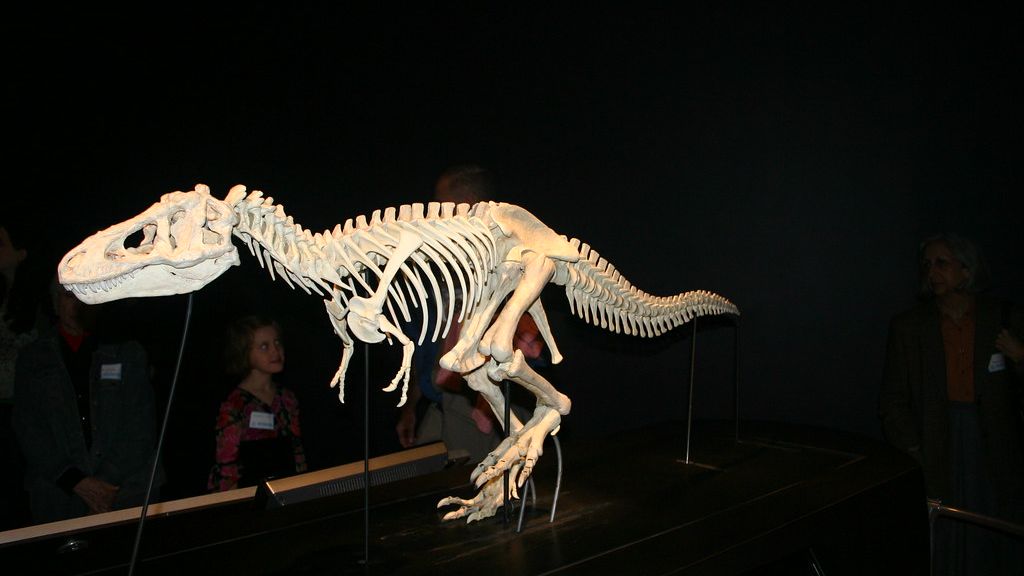
By analyzing growth lines in dinosaur bones, researchers found that T. rex and its close relatives had a rapid growth phase in adolescence, while their more distant cousins in the allosauroid group grew steadily each year. The variation in growth strategies is something that genuinely surprises even veteran paleontologists. Size, it turns out, wasn’t simply a function of growing fast.
The bones of many animals, including dinosaurs, slowed or paused growth every year, leaving marks like tree rings that indicate the animal’s age and can be used to estimate the rate of growth. These marks are called cortical growth marks. Widely spaced rings indicate faster growth and narrowly spaced rings indicate the animal was growing more slowly. Researchers measured roughly 500 such rings in about 80 different theropod bones and discovered that some enormous dinosaurs grew as slowly as alligators do today, while some smaller ones grew as fast as living mammals. I know it sounds almost contradictory, but that’s exactly what the data showed.
The Ancient Trees That Outlast Almost Everything on Earth
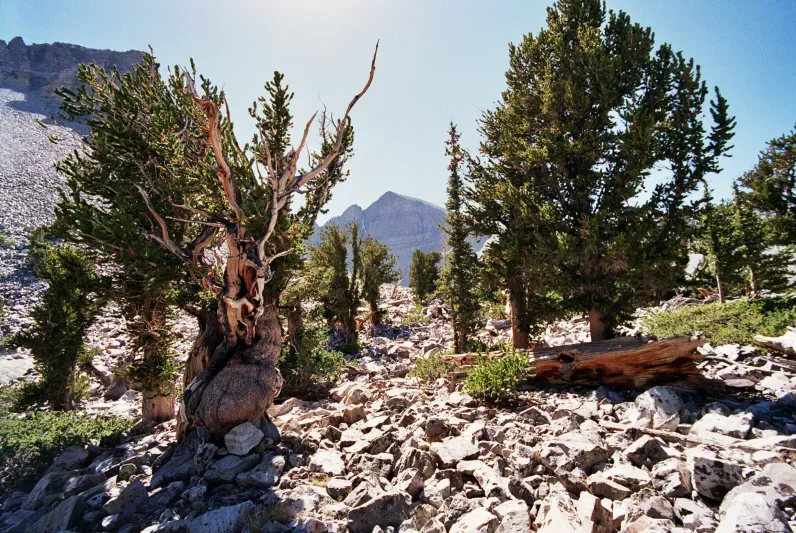
You might think a 4,000-year-old tree sounds unbelievably old. Then you learn about the bristlecone pine and your whole sense of time quietly collapses. In eastern California, a Great Basin bristlecone pine known as Methuselah has long been considered Earth’s oldest living thing. According to tree-ring data, Methuselah is 4,853 years old, meaning it was well established by the time ancient Egyptians built the pyramids at Giza.
The annual growth rings of old trees provide a valuable insight into our changing climate: the bristlecone climate record from dead wood extends back more than 9,000 years. The Ancient Bristlecone Pine Forest is located at around 3,050 metres above sea level in the White Mountains, east of the Sierra Nevada. The trees’ ability to thrive in this unforgiving landscape of freezing temperatures, arid soils and relentless winds is the key to their remarkable longevity. It’s a counterintuitive truth: the harsher the conditions, the longer these trees seem to live.
Climate, Seasons, and the Shared Language of Rings
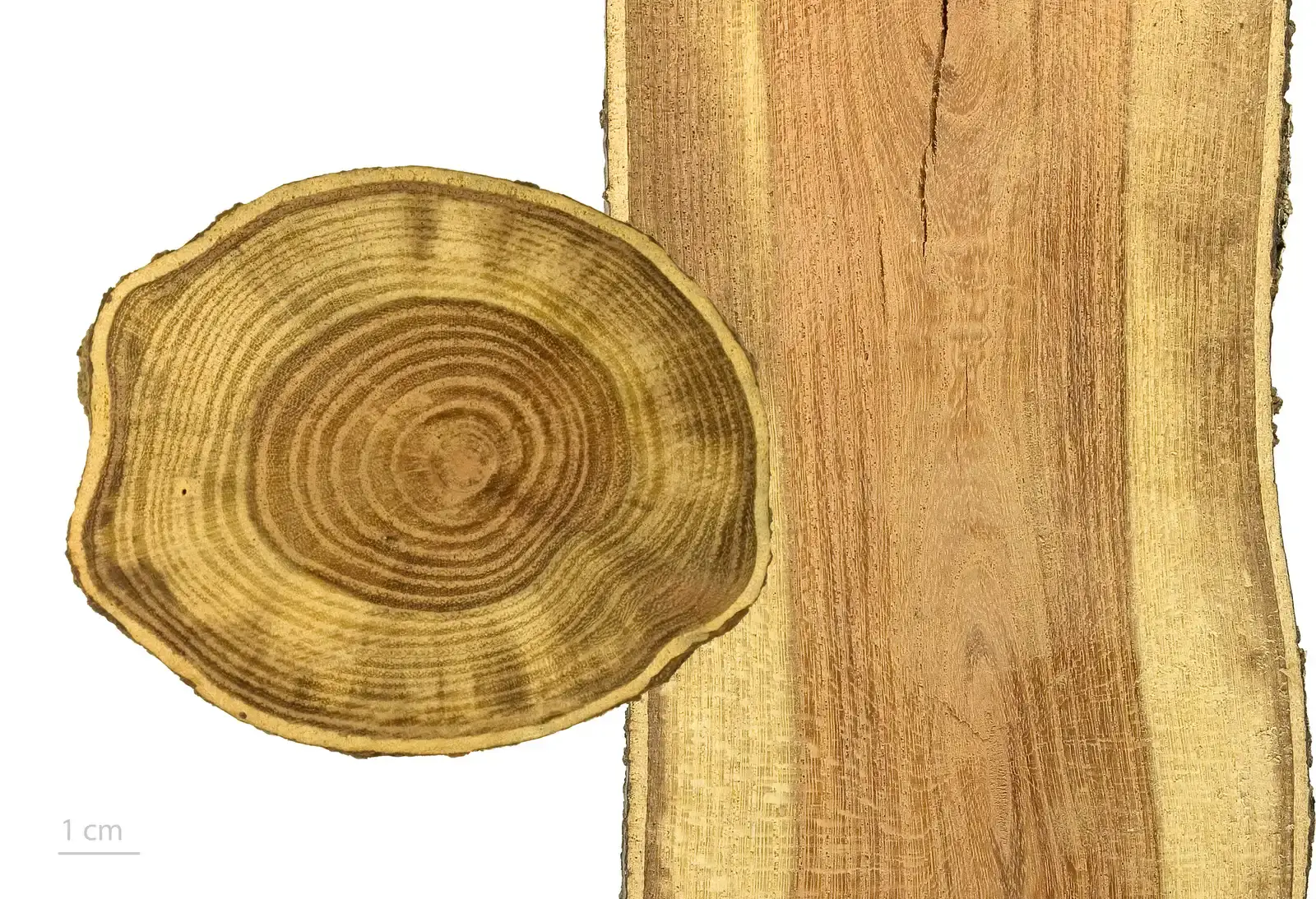
Both dinosaur growth rings and ancient tree rings do something remarkable beyond just marking time. Each tree ring holds climate data from the year it grew, allowing researchers to create accurate climate models going back thousands of years, including evidence of temperature fluctuations, precipitation variability, and even large volcanic eruptions. It’s as though every ring is a sentence in an environmental autobiography.
Dinosaur bones speak a similar language. A fibrolamellar dinosaur bone with multiple lines of arrested growth and periodic growth cycles of decreasing bone laminae thickness displays a cyclic intra-bone variation corresponding with those growth lines. These growth cycles in fast-growing bone provide evidence for seasonal growth of dinosaurs in lower latitudes, possibly influenced by a monsoon-type paleoclimate. Seasonal changes in temperature and water supply are consistent with the oxygen isotope composition measured in dinosaur bone phosphate as well as with growth rings in contemporaneous fossil conifer wood from the same locality. The trees and the dinosaurs of the same period were responding to the same world, and you can see it in the rings of both.
Conclusion
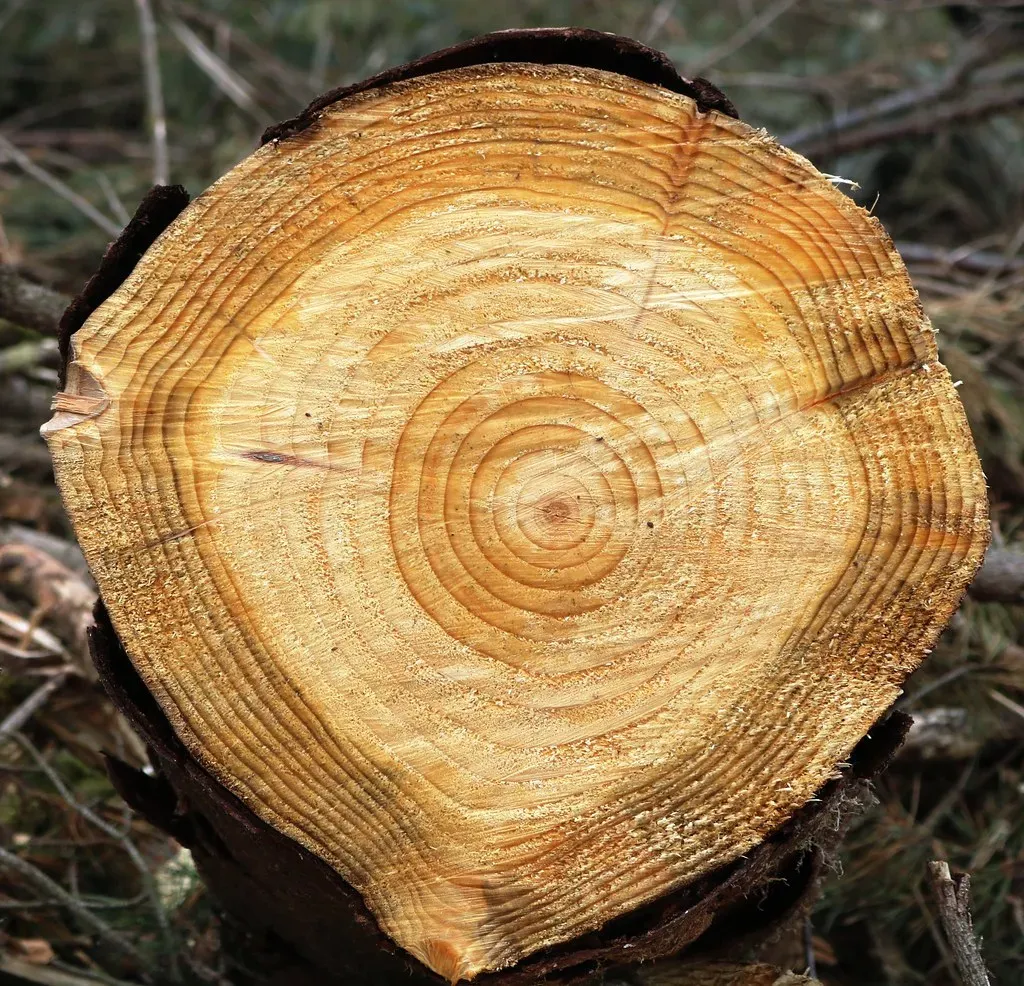
What ties dinosaur growth rings and ancient tree rings together is something more profound than just a visual resemblance under a microscope. Both represent nature’s instinct to record, to document each year, each season, each hardship in the very structure of living matter. One system writes in wood; the other writes in bone. Both are astonishingly honest witnesses to time.
The bristlecone pine standing silently in the White Mountains today is a living counterpart to the rings frozen inside a fossilized T. rex femur. Both are telling us that growth is not just biological, it’s biographical. The more you understand one system, the more the other comes into focus. It makes you wonder: what other invisible records are still waiting to be read in the natural world around you?