Millions of years before humans ever walked the Earth, a relentless survival drama was unfolding across steaming jungles and vast prehistoric plains. Plant-eating dinosaurs faced some of the most terrifying predators nature has ever produced, and the arms race between them shaped some of the most extraordinary biological defenses ever seen in the animal kingdom. We’re talking body armor, bone-shattering tail clubs, three-foot horns, scythe-like claws, and skulls so thick they could stop a charging attacker dead in its tracks.
You might assume that only the fiercest, sharpest-toothed dinosaurs held the real power in the Mesozoic world. Honestly, think again. Some of the most jaw-dropping evolutionary innovations belonged entirely to the herbivores. So let’s dive into the eight most remarkably defended dinosaurs that ever lived, and discover which one truly deserves the title of nature’s ultimate prehistoric fortress.
Ankylosaurus: The Living Tank With a Bone-Breaking Tail
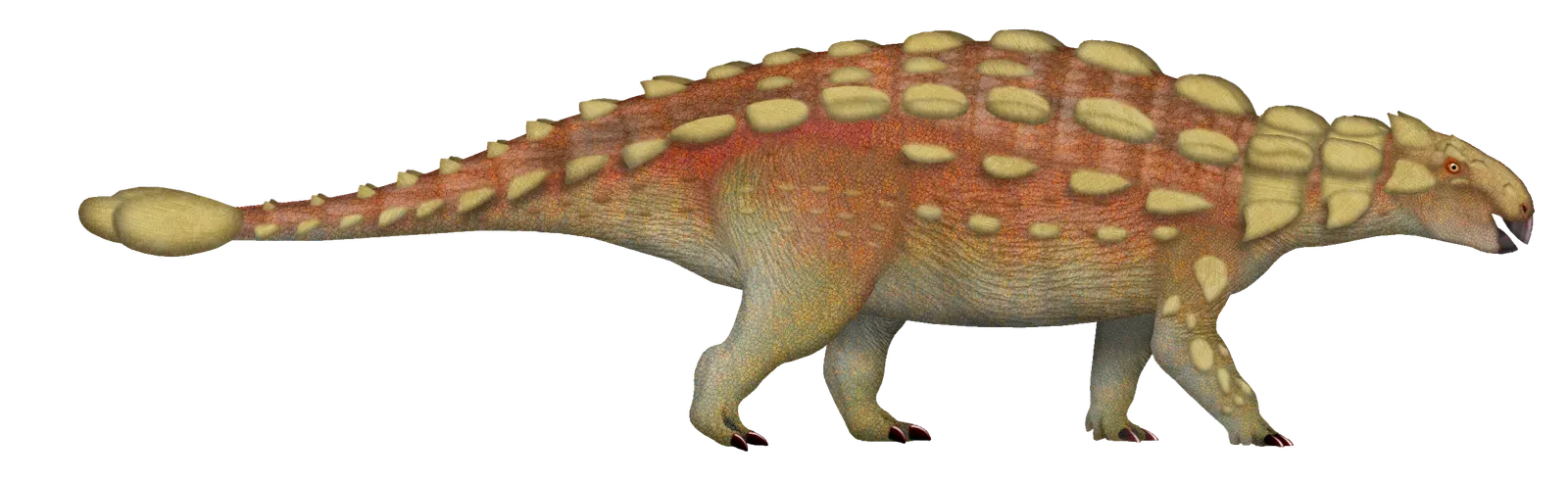
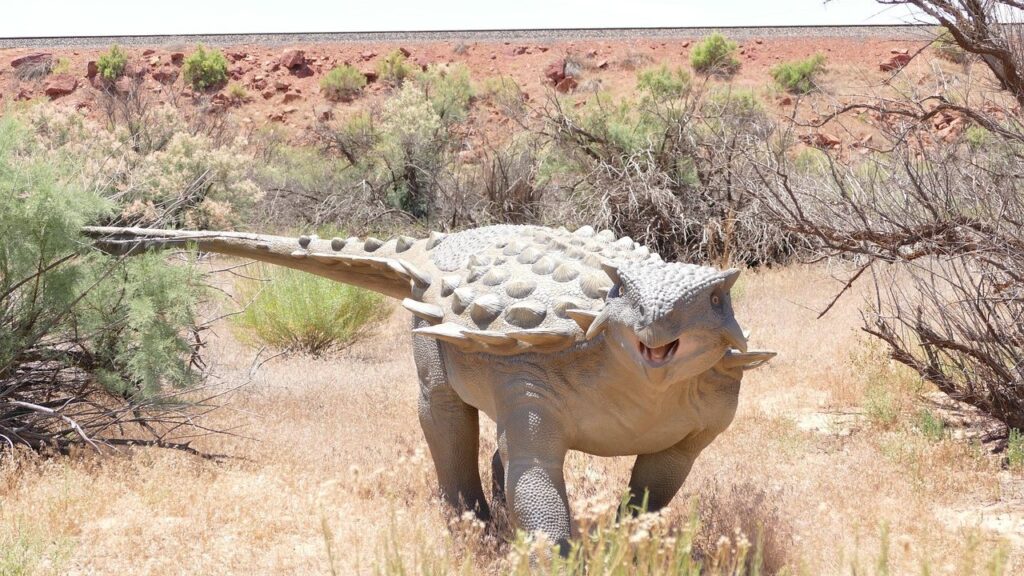
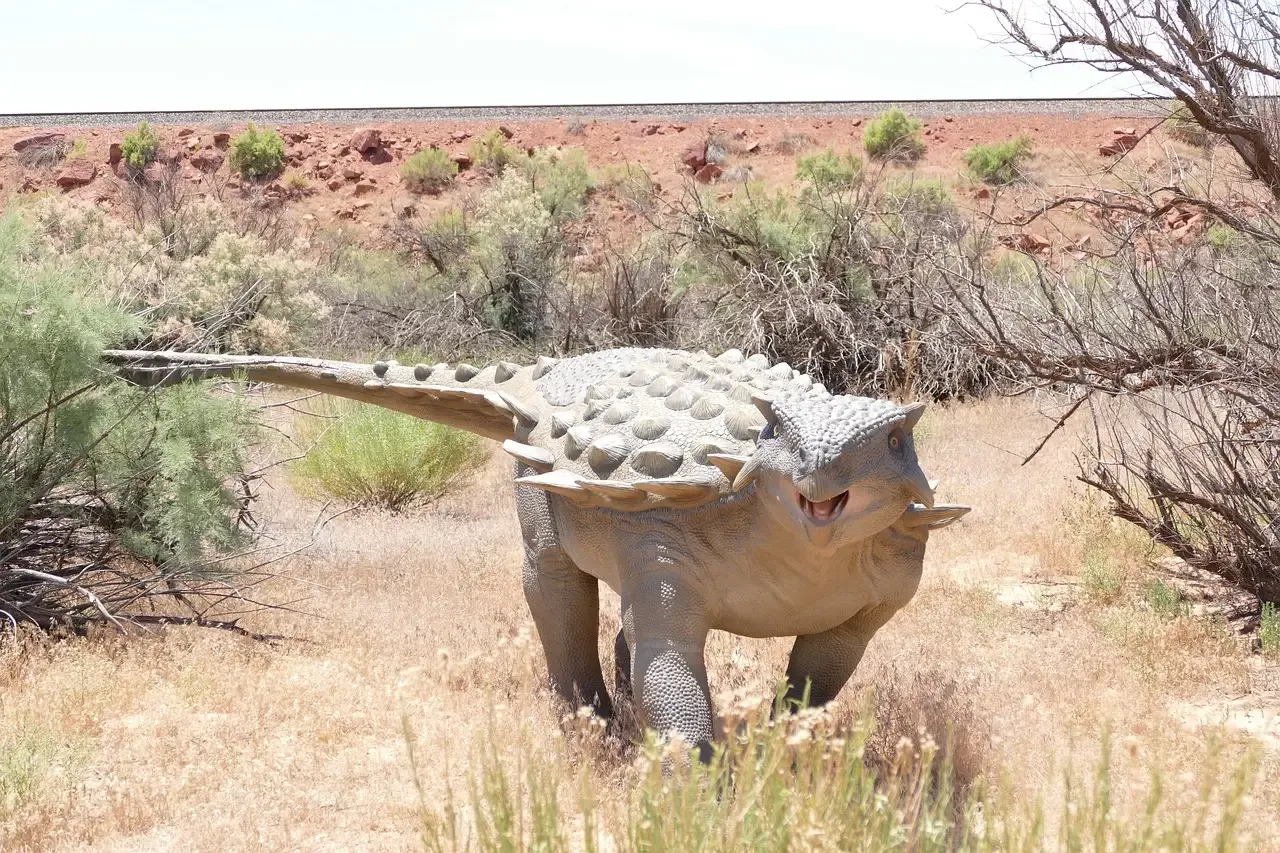
If you had to pick one dinosaur that looked like it was designed purely for survival, Ankylosaurus would win without much debate. This enormous four-legged dinosaur, roaming the Late Cretaceous period roughly 70 to 66 million years ago, had a squat body completely covered with bony plates studded with spikes. Think of it less like a living creature and more like a walking medieval fortress that also somehow needed to eat ferns.
The armor covering the ankylosaurids was both lightweight and highly durable, being resistant to breakage and penetration by the teeth of predators. This impressive defense offered Ankylosaurus protection from large land predators such as Tyrannosaurus rex, and would-be predators would have had to flip this armored dinosaur over to reach its broad underbelly, its only weak spot. That one vulnerability made it virtually untouchable from above.
The tail club of Ankylosaurus seems to have been an active defensive weapon, capable of producing enough of an impact to break the bones of an assailant. Ankylosaurus probably couldn’t move its tail club up and down much, but could swing it powerfully from side to side, delivering devastating swipes to any would-be predators. It was nature’s version of a medieval war hammer mounted on a living creature.
Triceratops: Three Horns, a Bone Shield, and Zero Tolerance for Predators
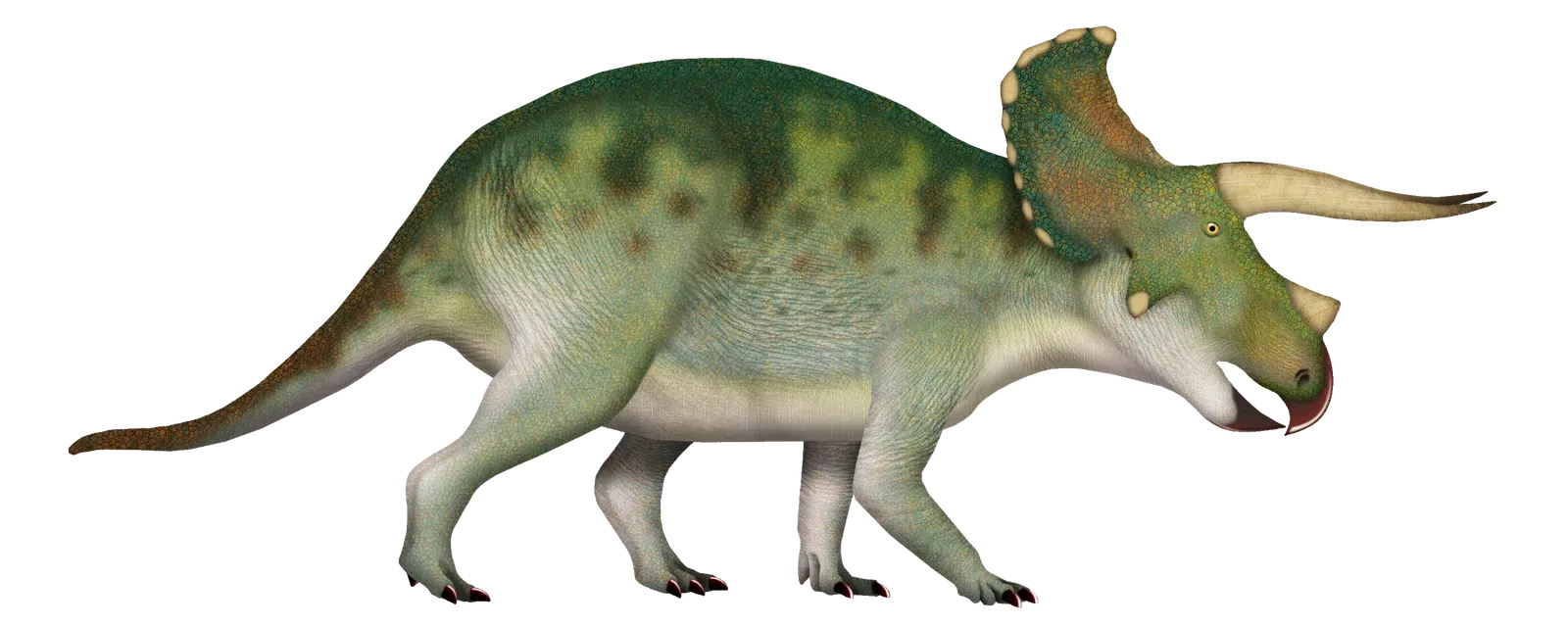
You’ve seen the image a thousand times: the iconic three-horned giant squaring off against a Tyrannosaurus. But here’s the thing, those horns were far more than just for show. Triceratops was a herbivorous dinosaur that roamed North America during the late Cretaceous Period, with the largest individuals reaching up to 30 feet in length and weighing over 10 tons, and its most distinctive feature was the three horns on its face, one on the snout and two above the eyes.
This creature would charge predators and use its large weight and massive horns to harm them, and their horns measured up to four feet long, more than enough to cause fatal damage to predators. A partial fossil collected in 1997 has a horn that was bitten off, with bite marks that match Tyrannosaurus, and the fossil shows that the horn healed after being bitten, indicating that at least some Triceratops survived these encounters. That healed bone is one of the most astonishing pieces of prehistoric evidence you’ll ever hear about.
Triceratops had a unique defensive structure in the form of the bony frill that grew from the back of its head and covered a portion of its neck. The robust skull structure of Triceratops indicates effective use of its horns and frill for protection. In many ways, Triceratops carried its own personal suit of armor right on its skull.
Stegosaurus: The Thagomizer and the Double-Row Defense
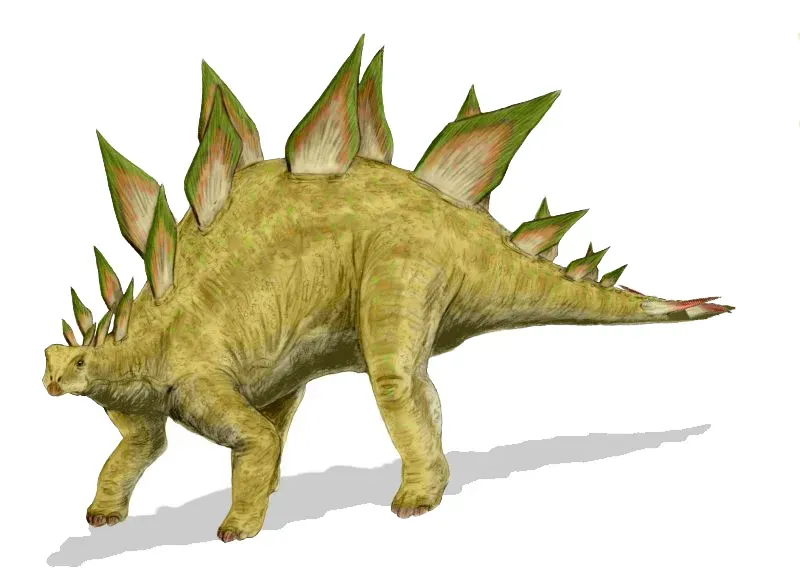
Poor Stegosaurus tends to get overshadowed by its more dramatic-looking cousins, but that spiked tail deserves a lot more respect than it typically receives. Stegosaurus had a unique defense mechanism in the form of its spiked tail, known as a thagomizer, which was lined with sharp bony plates and spikes that could be swung at predators to ward off attacks. A single well-placed swing from that tail could end a predator’s evening permanently.
The most notable features of Stegosaurus are its bony plates and tail spikes, with the plates reaching over two feet tall and likely serving functions including display and thermoregulation, and these impressive structures made the dinosaur appear much larger than it actually was. Stegosaurus would have lived alongside dinosaurs such as Apatosaurus, Diplodocus, Camarasaurus and Allosaurus, the latter of which may have preyed on it. Facing an Allosaurus regularly would make anyone evolve a serious weapon.
Christiansen and Tschopp, having studied a well-preserved specimen of Hesperosaurus with skin impressions, concluded that the plates were covered in a keratin sheath which would have strengthened the plate as a whole and provided it with sharp cutting edges. The tail spikes posed a significant threat to any predator attempting to attack from behind, and with a well-placed swing of its tail, Stegosaurus could send a clear signal that it was armed and not to be messed with.
Pachycephalosaurus: The Head-Butting Bone Dome
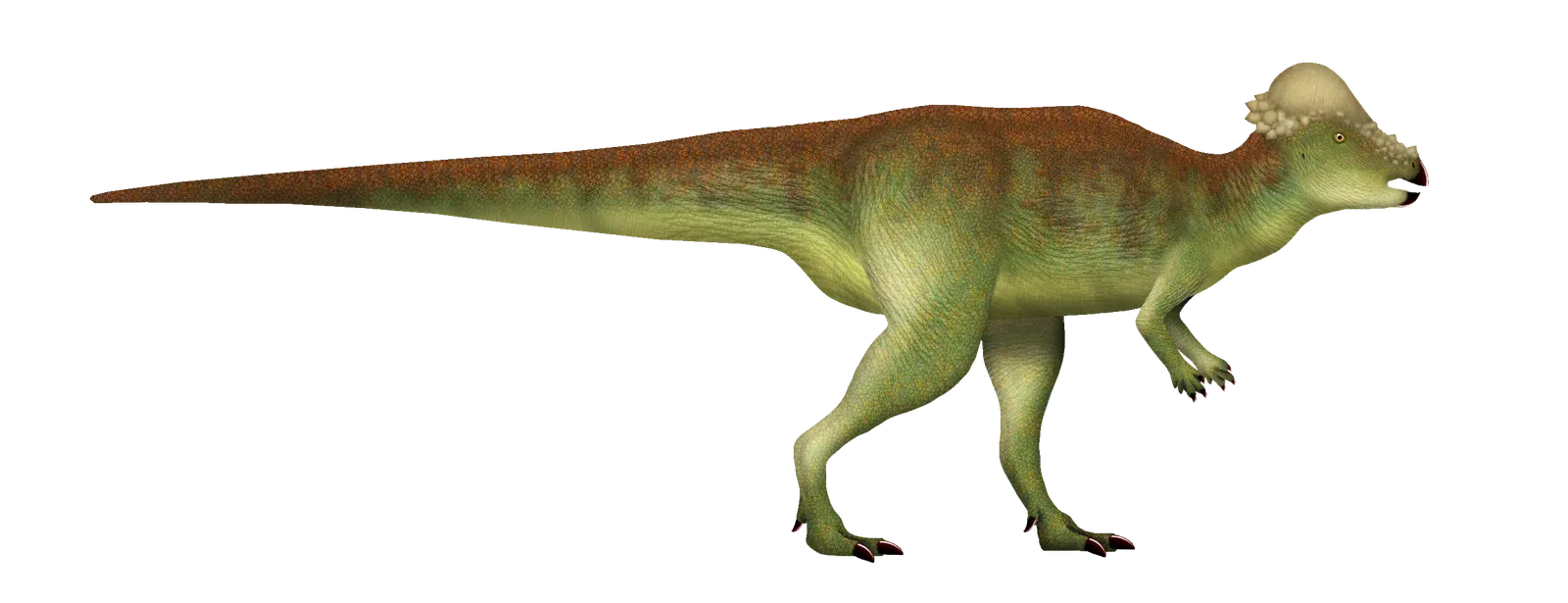
Imagine an animal whose entire skull evolved into a battering ram. That is, more or less, exactly what Pachycephalosaurus was. Pachycephalosaurus is the largest-known pachycephalosaur, known for having an extremely thick, slightly domed skull roof, and visually, the structure of the skull suggests a battering ram function in life, evolved for use as a defensive mechanism or intra-species combat, similar to what is seen with today’s bighorn sheep or muskoxen.
Mainly known from a single skull and a few extremely thick skull roofs at around 22 centimeters thick, Pachycephalosaurus is estimated to have reached 4.5 meters long and weighed between 370 and 450 kilograms. Pachycephalosaurus had thick skulls and sturdy neck muscles, enabling them to ram into opponents with great force, and the impact of their head shoves could knock down or stun attackers, allowing the dinosaur to escape or gain the upper hand in a confrontation. That is one effective last resort when your legs are not fast enough to outrun trouble.
Different groups of paleontologists have found evidence that some pachycephalosaur skulls have healed injuries caused by some sort of blunt-force trauma. Some scientists think that the animal used its hard dome in head-butting contests, similar to the way modern-day rams use their horns, and just like bighorn sheep or musk oxen, Pachycephalosaurs may have used their domed heads in dominance contests, with the thick skull, spiked with knobs and bumps, able to endure the impact. Whether it was defense against predators or competition among rivals, that skull was built for punishment.
Kentrosaurus: Africa’s Spiked Nightmare
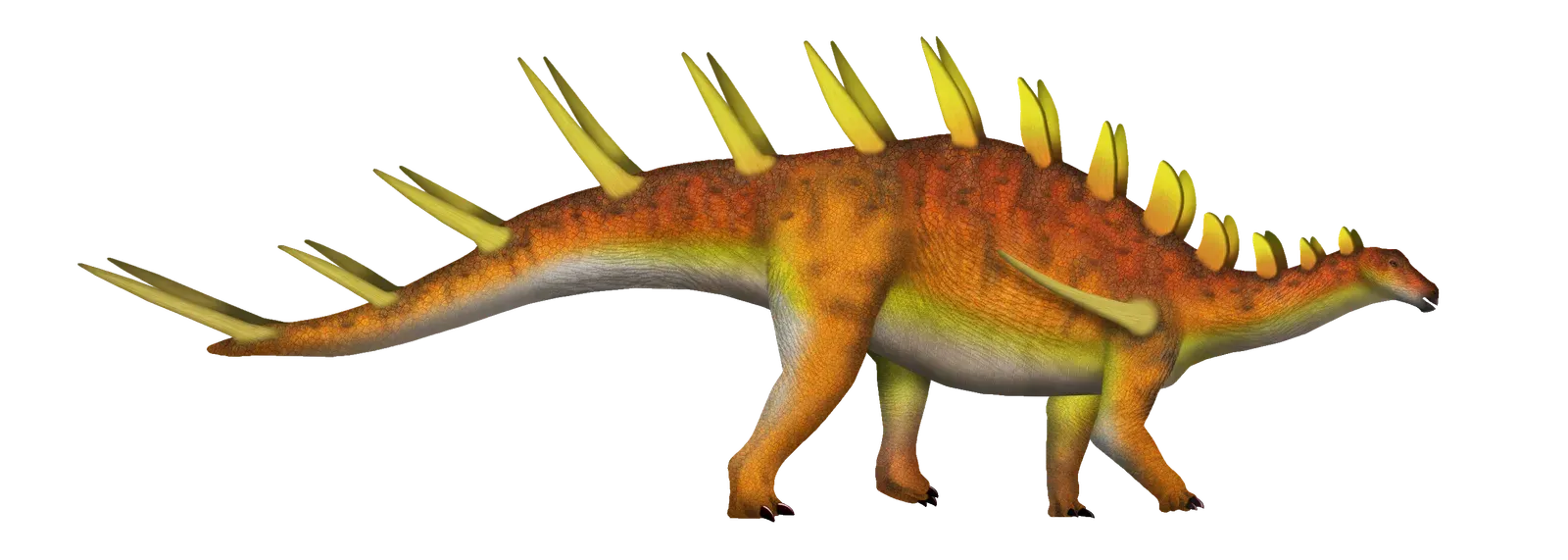
You might not hear about Kentrosaurus as often as its famous cousin Stegosaurus, but this African dinosaur was packing a defensive system that arguably outdid its relative in sheer spike density. The Kentrosaurus was a medium-sized stegosaurid dinosaur that lived during the Late Jurassic period, characterized by its long tail with pairs of large spikes, and it had a body covered in bony plates called osteoderms and rows of smaller spikes running along its back.
Kentrosaurus’s most distinctive features were its bony plates transitioning to spikes towards its tail, with these large, sharp spikes on its tail and shoulders reaching up to 72 centimeters long. Starting from the neck, a series of small, bony plates ran along the dinosaur’s back, gradually giving way to longer, sharper spikes as they progressed towards the tail, and the culmination of this defensive feature was the thagomizer at the end of the tail, which would have been a menace to any predator.
The arrangement of its spikes suggests that Kentrosaurus had a highly flexible tail capable of delivering powerful blows, and the spikes on its shoulders and hips could have also deterred attackers from trying to approach from the sides. Fossil evidence indicates that Kentrosaurus likely lived in herds, providing protection against predators like Allosaurus through group defense mechanisms. So it combined both personal armor and collective safety at the same time. Smart.
Therizinosaurus: The Herbivore With the Most Terrifying Claws in History
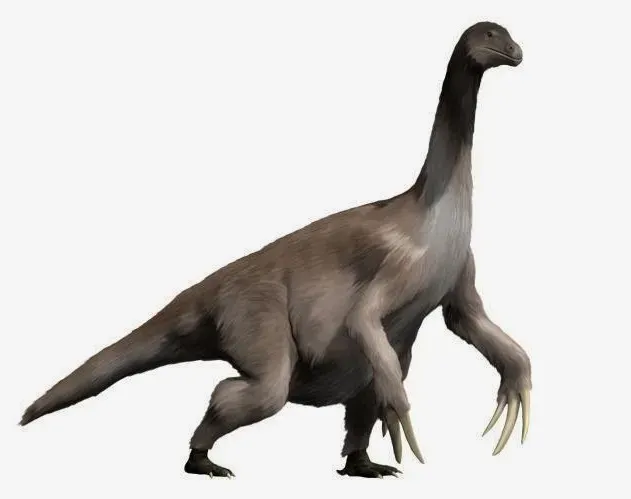
Here is where things get genuinely strange and wonderful. Therizinosaurus was a plant-eater, yet it possessed claws so enormous and so menacing that even large carnivores likely thought twice before approaching. Therizinosaurus had the longest claws of any known dinosaur, measuring up to three feet in length, which were likely used for defense and gathering food. Three-foot claws on a herbivore. Let that sink in for a moment.
Their massive size and formidable claws likely acted as a deterrent for many predators, and Therizinosaurus are believed to have been relatively peaceful herbivores, more focused on feeding and defending themselves rather than seeking out conflict. These claws, which could reach lengths of up to 3.3 feet, are among the longest of any known animal, and they were likely used for foraging and defense, allowing Therizinosaurus to reach high vegetation and fend off predators.
Therizinosaurus used their large, curved claws as a primary method of defense, and these claws could reach lengths of up to three feet and were likely used to deter predators or other threats by slashing or swiping. Therizinosaurus’s unique physical attributes, particularly its massive claws, might have deterred even the mighty Tyrannosaurus. I think calling this dinosaur a peaceful herbivore feels a little misleading when it was walking around looking like a living set of garden shears the size of baseball bats.
Edmontonia: The Armored Spear-Carrier of the Late Cretaceous
![Edmontonia: The Armored Spear-Carrier of the Late Cretaceous (the image i did myself based on the images found here: [1], [2],[3] and [4], Public domain)](https://nvmwebsites-budwg5g9avh3epea.z03.azurefd.net/dinoworld/55b43eaaf78abac1f81cec8cbd17a0bb.webp)
Less famous than Ankylosaurus but just as formidably built, Edmontonia deserves serious recognition as one of prehistory’s most effectively defended dinosaurs. In the rich and diverse ecosystems of the Late Cretaceous, Edmontonia stood as a formidable presence, known for its extensive armor and robust build, roaming what is now Alberta, Canada, and offering an intriguing glimpse into the defensive strategies of herbivorous dinosaurs living in a predator-filled world.
Standing approximately 6.6 feet tall at the shoulders, it had a low center of gravity that enhanced its stability and defensive capabilities, and Edmontonia was a heavyweight in its ecosystem, weighing between 3.0 to 4.0 tons, making it a challenging target for predators given its substantial mass combined with its extensive armor. Edmontonia lived during the Late Cretaceous period in modern-day Alberta, Canada, and parts of the United States, and its robust armor and spikes made it well-suited for deterring the large tyrannosaurs it shared habitats with, like Albertosaurus and Daspletosaurus, with those forward-pointing shoulder spikes being particularly effective against any predator attempting a frontal assault.
Edmontonia likely lived a relatively solitary life or in small groups, relying on its extensive armor and spikes for defense against predators. The heavily armored body and defensive features of Edmontonia reflect an evolutionary strategy focused on protection and survival in a predator-rich world. It was a creature that essentially said to the world: approach me if you dare, but do not expect it to go well for you.
Diplodocus: The Whip-Tail Giant That Needed No Armor
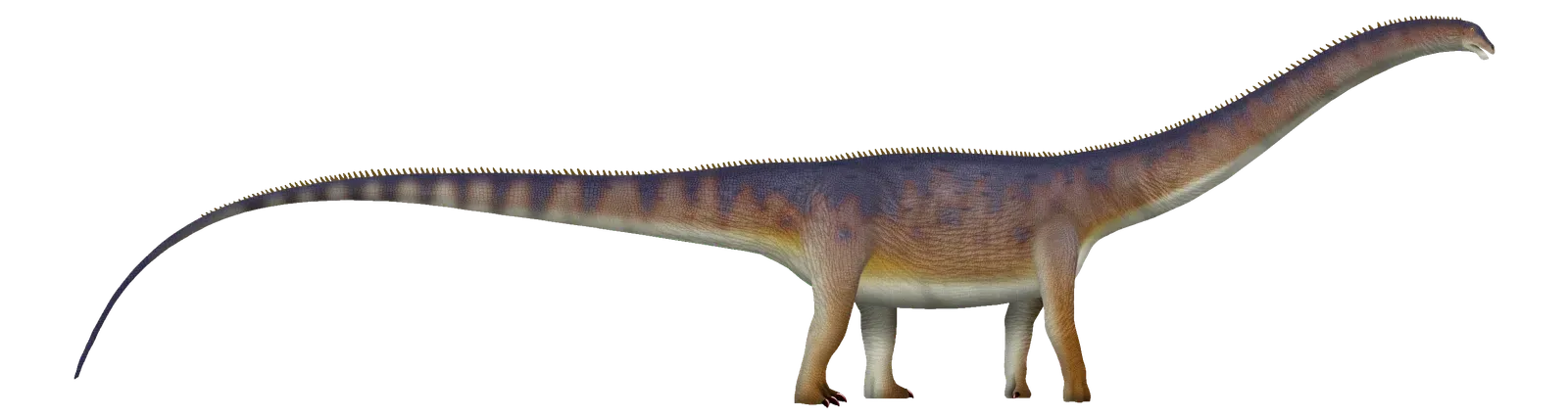
Not every dinosaur needed thick armor plating to keep predators at a respectful distance. Diplodocus took an entirely different approach to survival, one that was almost elegant in its simplicity. Heavy and lumbering sauropods such as Diplodocus could inflict stinging blows on attackers with their tapered, whip-like tails, and apart from their daunting size this was their main form of defense, with the ends of their tails made up of narrow cylinder-shaped bones designed to lash out sharply, and the mere sound of the tail cracking may have scared away a predator.
A team of paleontologists previously proposed that the thin, whip-like tails of dinosaurs like Diplodocus might have been able to crack like actual whips and break the sound barrier, and a new analysis found that those tails could top out at about 74 miles per hour, with the authors suggesting that these powerful tail swings might have been used in combat. Seventy-four miles per hour of tail. That is faster than most highway speed limits and infinitely more dangerous.
Also known as the Brontosaurus, this was one of the largest animals ever to walk the Earth, and their size helped protect them, with some scientists suspecting it would even stomp at predators or swing its tail around. Large sauropods may have used their great bulk to intimidate their enemies. There is something magnificently simple about a defense strategy that boils down to being so enormous and so equipped that most predators simply decide lunch is not worth the risk.
Conclusion: Which Dinosaur Truly Earned the Crown?
Honestly, it is hard to name just one winner in this prehistoric arms race. Every single dinosaur on this list evolved something extraordinary, whether it was bone-crushing tail clubs, three-foot scythe claws, or a skull so thick it could take a direct collision without flinching. These were not just random evolutionary accidents, but finely tuned survival systems that allowed herbivorous dinosaurs to thrive for millions of years.
If you had to crown one single champion, Ankylosaurus makes the most compelling case. It had full-body armor resistant to the teeth of the largest predators alive, bony eye protection, and a tail club scientifically proven capable of breaking bones. With their protective studs, plates, and spikes, armored dinosaurs were like walking fortresses, and when under attack, they may have crouched down to protect their soft bellies, presenting a completely armored shell. That is genuinely a near-perfect defensive design.
The diversity of these defense mechanisms shows that survival isn’t always about being the biggest or fastest. Sometimes nature rewards creativity, resilience, and sheer biological ingenuity in equal measure. These prehistoric survivors prove that the art of self-protection is as old and as fascinating as life itself. Which of these defenders surprised you the most? Drop your thoughts in the comments below.