
Pet owners who rely on live crickets as a staple for reptiles, birds, and other animals often face questions about maintaining these insects’ health amid busy schedules.
Starvation Endurance in Feeder Crickets Reaches Up to Two Weeks
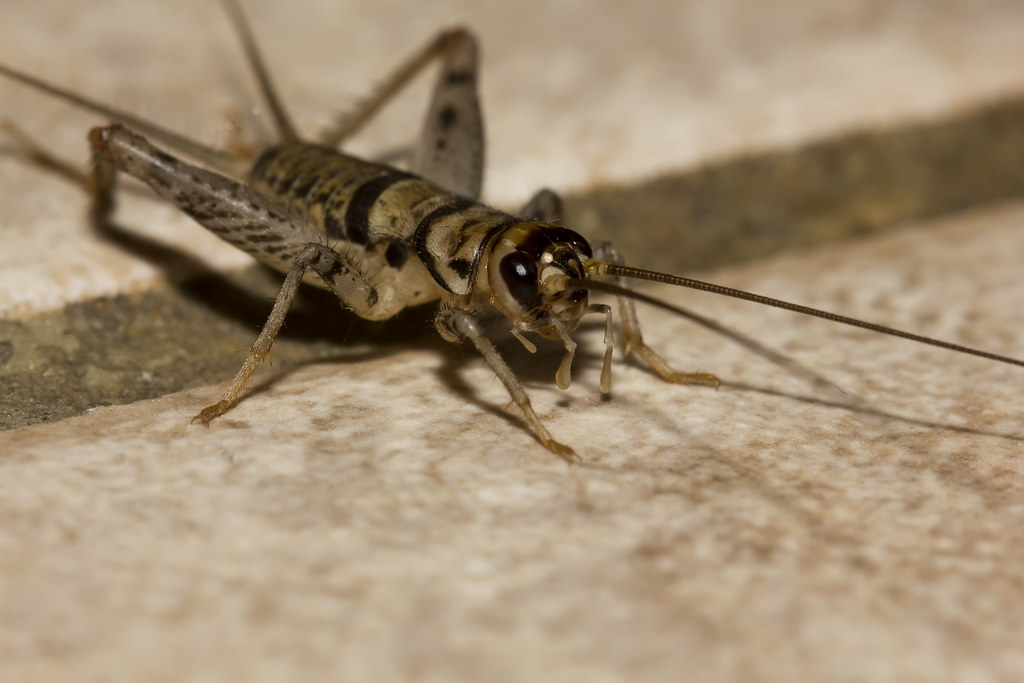
Starvation Endurance in Feeder Crickets Reaches Up to Two Weeks (Image Credits: Flickr)
Feeder crickets typically endured periods without food for one to two weeks under controlled conditions. Their metabolism slowed during this time, conserving vital energy reserves. Health declined quickly afterward, however, with reduced activity and higher disease risk. Younger crickets proved less resilient than adults due to growth demands. Environmental factors like temperature and density also influenced outcomes, as studies on house crickets showed.
Optimal setups extended survival slightly, but neglect accelerated deterioration. Pet keepers noted that vitality dropped sharply beyond seven to 14 days on average.
Hydration Proves More Critical Than Food for Cricket Longevity
Water access dramatically prolonged cricket life even without meals. Deprived of hydration, these insects lasted only a few days before metabolic failure set in. Lethargy and shriveled bodies signaled dehydration early. Maintaining 50-70% humidity supported moisture retention alongside direct sources.
Care routines emphasized constant clean water to bolster immunity and reproduction. Without it, growth stalled and overall vigor faded.
Practical Hydration Methods for Healthy Feeder Colonies
Shallow dishes offered safe water access without drowning risks. Specialized gels provided an alternative, mimicking moisture from food. Regular humidity checks prevented dry conditions that hastened decline.
| Method | Key Feature | Advantage |
|---|---|---|
| Shallow Dishes | Clean, fresh water | Easy access, low drowning risk |
| Hydration Gels | Gel-based moisture | Prevents spills, long-lasting |
| Humidity Control | 50-70% levels | Supports natural absorption |
These approaches ensured colonies remained robust for pet feeding.
Feeding Schedules and Habitat Essentials Boost Cricket Quality
Crickets received meals every two to three days, with young ones needing daily portions. Diets blended commercial feeds, vegetables, and fruits for balanced nutrition. Supplements enhanced value before offering to pets, a process known as gut-loading.
- Maintain 75-85°F temperatures for activity and growth.
- Ensure ventilation to avoid mold buildup.
- Allot ample space to minimize stress from crowding.
Such conditions produced healthier insects, maximizing benefits for predators.
Freeze-Dried Treats Enhance Pet Diets Beyond Live Feeders
Freeze-dried insects complemented live crickets by preserving nutrients like protein. Their long shelf life and ease of storage suited varied pet needs, from reptiles to small mammals. Birds and hamsters gained from this convenient protein boost.
Combining both options diversified nutrition without constant live maintenance. Reputable suppliers ensured contaminant-free sources. Size matching prevented feeding hazards across species.
- Crickets survive 7-14 days sans food if hydrated.
- Prioritize gels and humidity over deep water dishes.
- Gut-load and supplement for superior pet nutrition.
Mastering these elements transforms feeder care into a reliable pet health strategy. What challenges have you faced with cricket colonies? Share in the comments.