
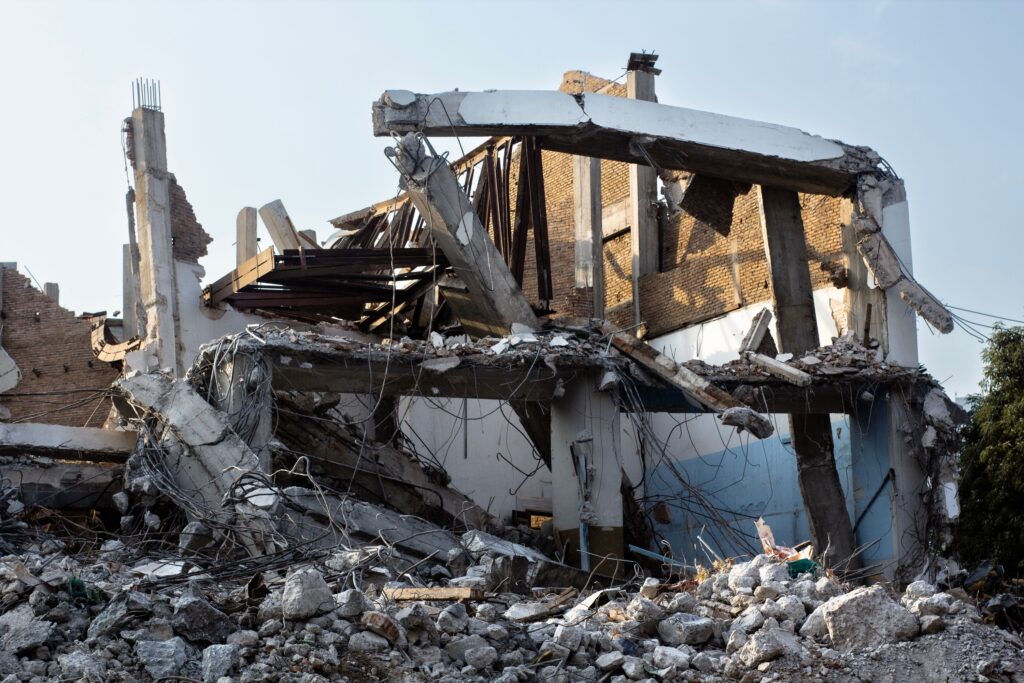
Most people assume concrete is basically forever – pour it, forget it, walk away for a century. That assumption is quietly bankrupting cities, condo boards, and departments of transportation across the country. Engineers who inspect aging infrastructure for a living tell a very different story: chloride, carbonation, and a chemical reaction nicknamed “concrete cancer” are eating through structures decades ahead of schedule. Some buildings designed to last 100 years are already showing failure signs before their 40th birthday.
Here’s what never made it onto the original blueprint: the countdown to failure often starts the moment concrete meets salt, water, or a hard freeze – and for these 13 structures, that clock is running far faster than anyone budgeted for. Structural engineers and federal investigators have spent years tracking exactly which concrete structures crumble first, and the pattern is more alarming than a leaky parking garage ceiling.
#1 – Multi-Story Parking Garages
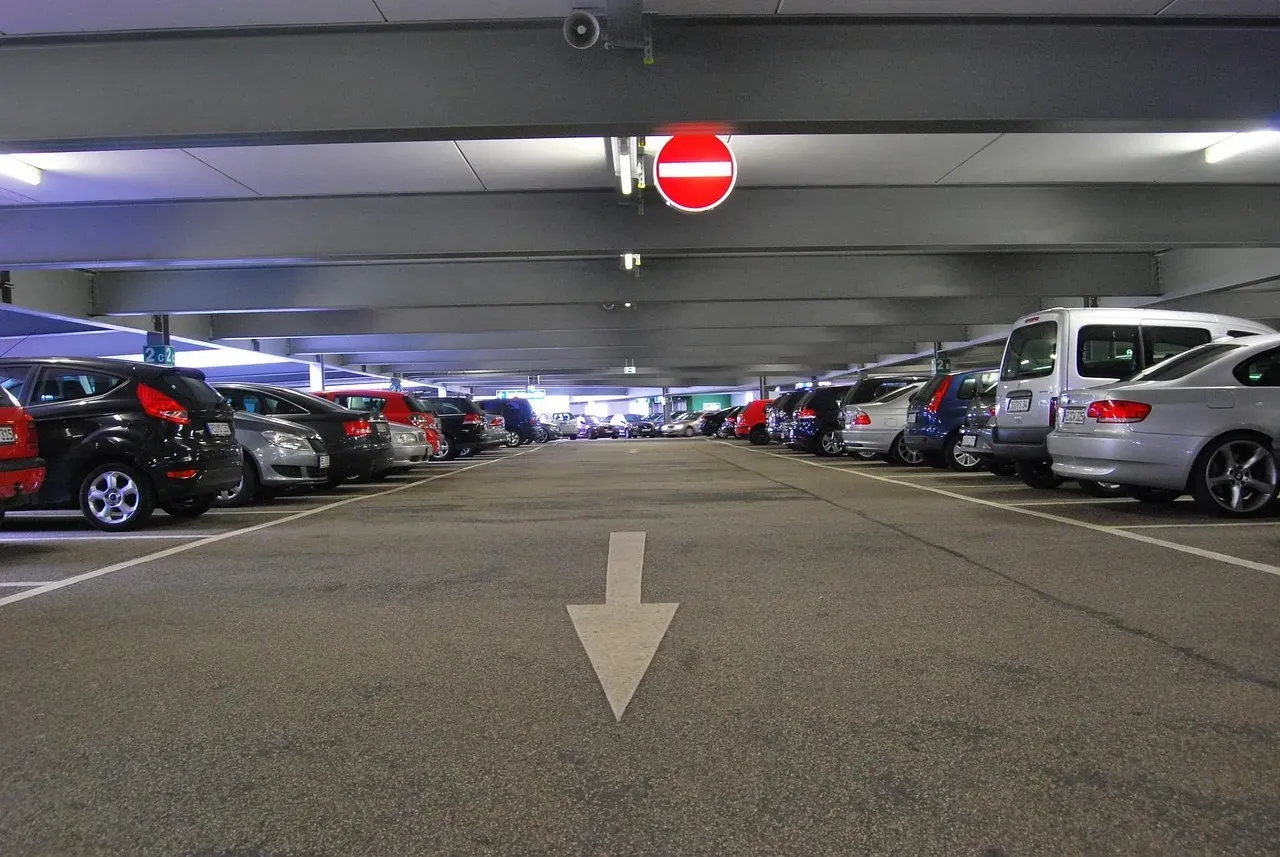
Parking garages are secretly the most failure-prone concrete structures in America, and almost nobody clocks it until a chunk of ceiling lands on a windshield.
The problem is exposure. Cars track in road salt every single winter, and that salt drips straight onto exposed decks and support beams. Corrosion, a result of chemical or electrochemical actions, is the most common mechanism responsible for deterioration of reinforced concrete structures, mainly governed by chloride ingress and carbonation depth – when chloride ions penetrate concrete beyond a threshold value or carbonation depth exceeds the concrete cover, corrosion of rebar begins. Garages are basically chloride delivery systems built on a repeating loop.
Once that corrosion starts, it doesn’t slow down. Rust products can occupy up to six times the volume of the original steel, and the resulting stress causes the concrete cover to crack and eventually spall – a steel loss of just 0.05 to 0.10 mm is enough to trigger spalling. That’s a fraction of a millimeter causing visible ceiling damage. Most drivers have no idea the structure above their car is often the single most corrosion-exposed concrete surface in the building.
Fast Facts
- Road salt tracked in on tires is the single biggest chloride source garages face every winter
- Rust can swell to roughly six times the volume of the original steel
- Just 0.05-0.10 mm of steel loss is enough to trigger visible spalling
- Damage follows two main chemical paths: chloride ingress and carbonation depth
#2 – Highway Bridge Decks
Bridge decks were engineered to survive a century of traffic. Many are failing structurally in a third of that time, and deicing salt is the smoking gun.
Concrete structures are exposed to chlorides not only in marine environments but also in the many regions of the world where deicing salts are used on roads as a means to improve traffic safety during winter. Every plow season is essentially a controlled chemical assault on the deck’s rebar cage. Engineers have also flagged that most of this infrastructure isn’t new. The situation is expected to worsen over coming decades because of the continuous aging of infrastructure, the large majority of which was built in industrialized countries in the middle of the past century.
There’s also a size problem nobody talks about. Research into corrosion behavior found that bigger structural elements don’t necessarily corrode proportionally slower – scale changes the physics of how chloride attacks steel, which means lab predictions based on small samples routinely underestimate real-world bridge deterioration. Departments of transportation are now quietly re-running lifespan models because the old ones were too optimistic.
#3 – Bridges and Pavements in Freeze-Thaw Climates
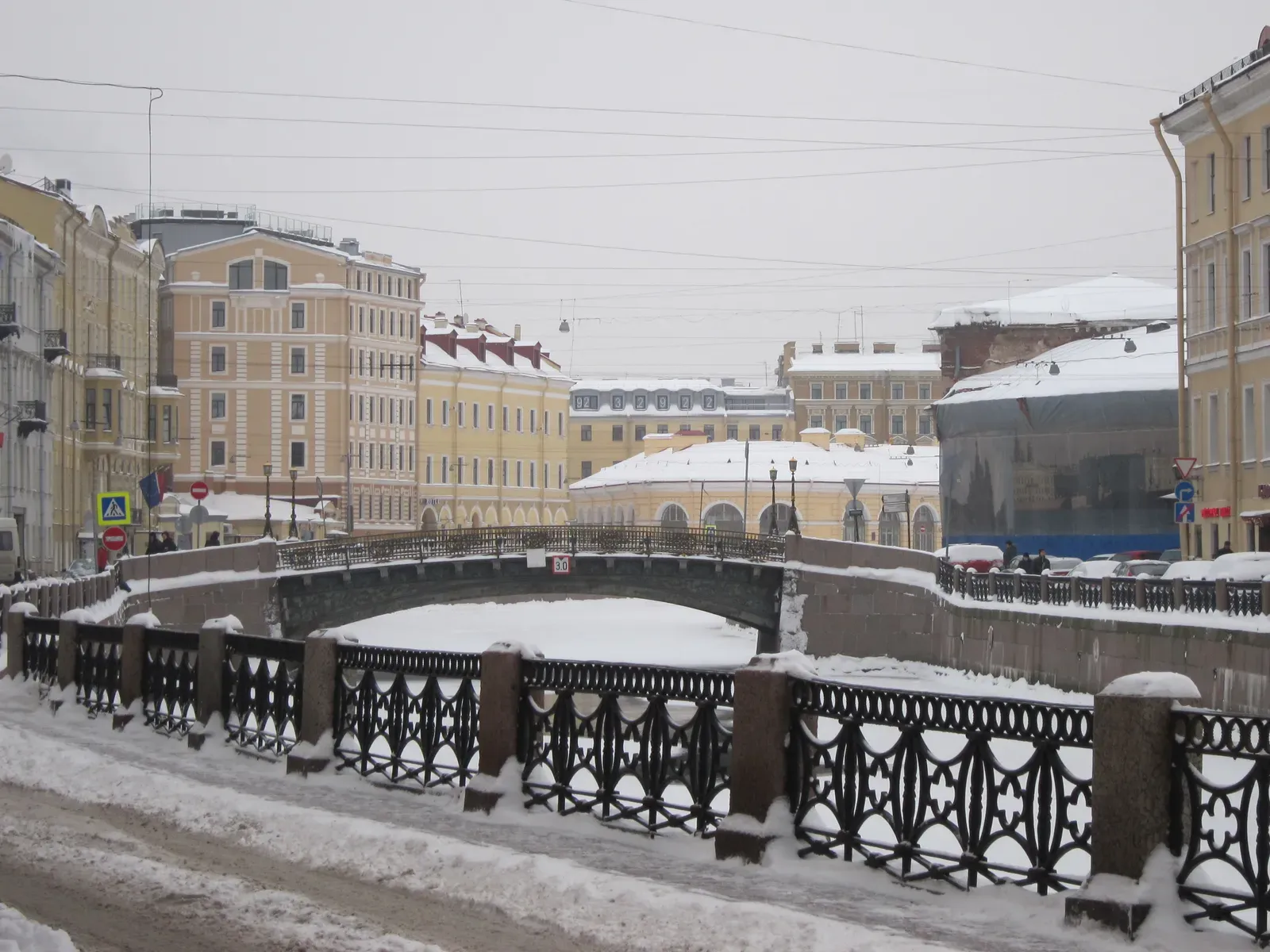
Nothing shortens a concrete lifespan faster than a hard northern winter, and the mechanism is pure physics, not chemistry.
Concrete freeze-thaw damage is caused by hydraulic pressure generated when water freezes. Water seeps into microscopic pores, expands roughly nine percent as it turns to ice, and physically pries the concrete matrix apart from the inside. Do this every winter for a few decades and you get a structure riddled with micro-fractures long before its design life is up.
Temperature swings make it worse, not just cold alone. High temperatures affect structural dynamics and can cause concrete to crack from excessive stress, and frequent, drastic temperature fluctuations increase cracking risk and significantly shorten structural lifespan, especially in harsh environments. That’s the dirty secret of freeze-thaw regions: it’s not the cold snap that does the damage, it’s the freeze-thaw-freeze-thaw cycling that ratchets stress into the concrete day after day. Most transportation agencies budget for freeze-thaw repair cycles that are noticeably shorter than the original design assumptions.
#4 – Foundations in Sulfate-Rich Soil
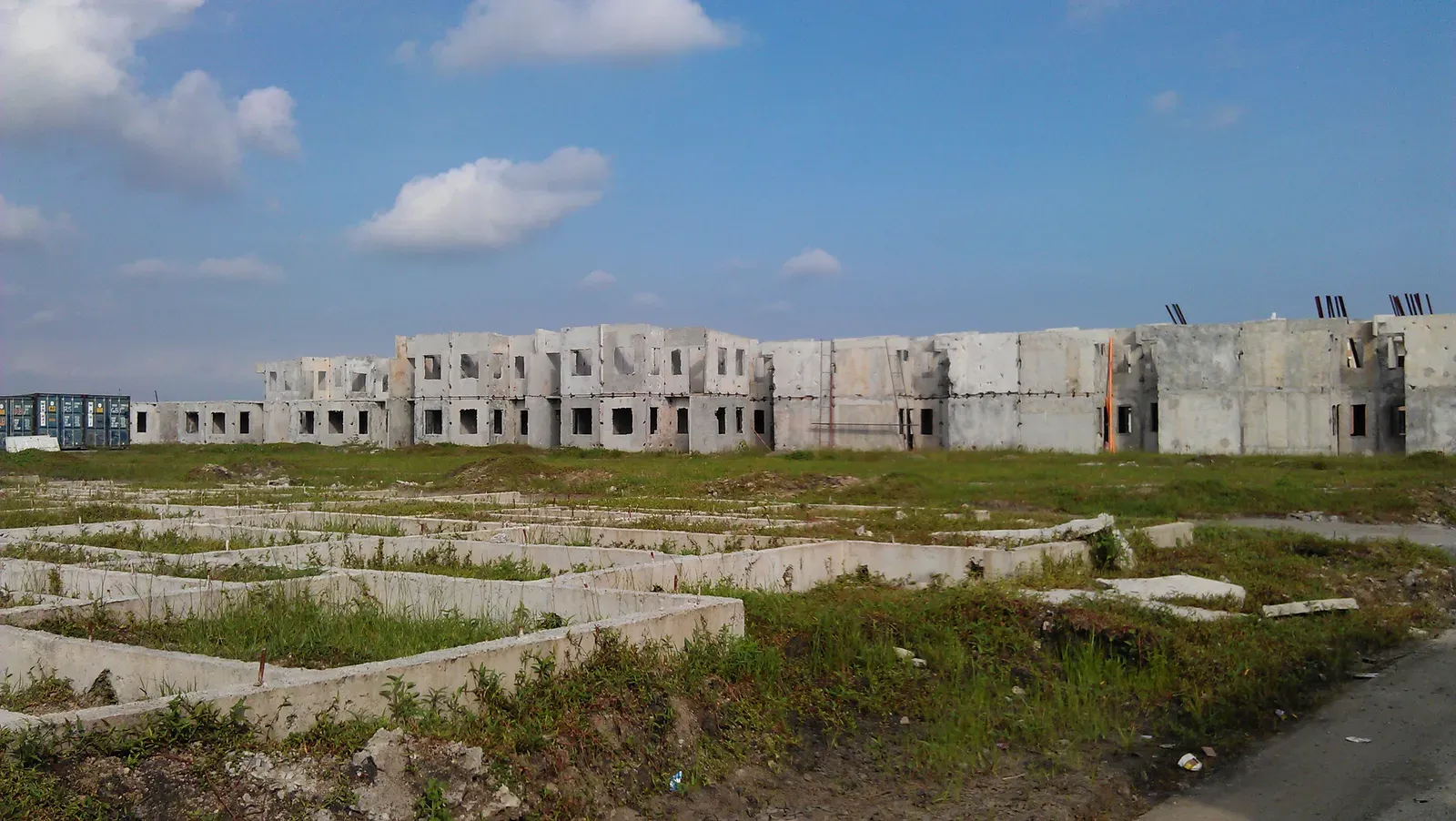
Foundations poured into sulfate-heavy soil or groundwater are fighting a losing chemical battle most homeowners never learn about until cracks show up in the slab.
Sulfate attack works by reacting with cement paste compounds, forming expansive products that crack the concrete matrix from within – similar mechanically to how rebar rust cracks a slab, except this time it’s the cement itself expanding. Coastal and low-lying regions are particularly vulnerable because groundwater there tends to carry higher sulfate and chloride concentrations simultaneously, compounding the damage.
The fix has been known for years, but it isn’t always used. Research into corrosion-resistant piles found that replacing ordinary Portland cement with sulfate-resistant cement performed measurably better at resisting corrosion from both chloride and sulfate solutions. Yet plenty of older foundations were poured with standard cement because sulfate-resistant mixes cost more upfront. That short-term savings decision is now showing up as long-term structural liability in foundations built decades ago.
#5 – Sheltered Concrete in Tropical Urban Buildings
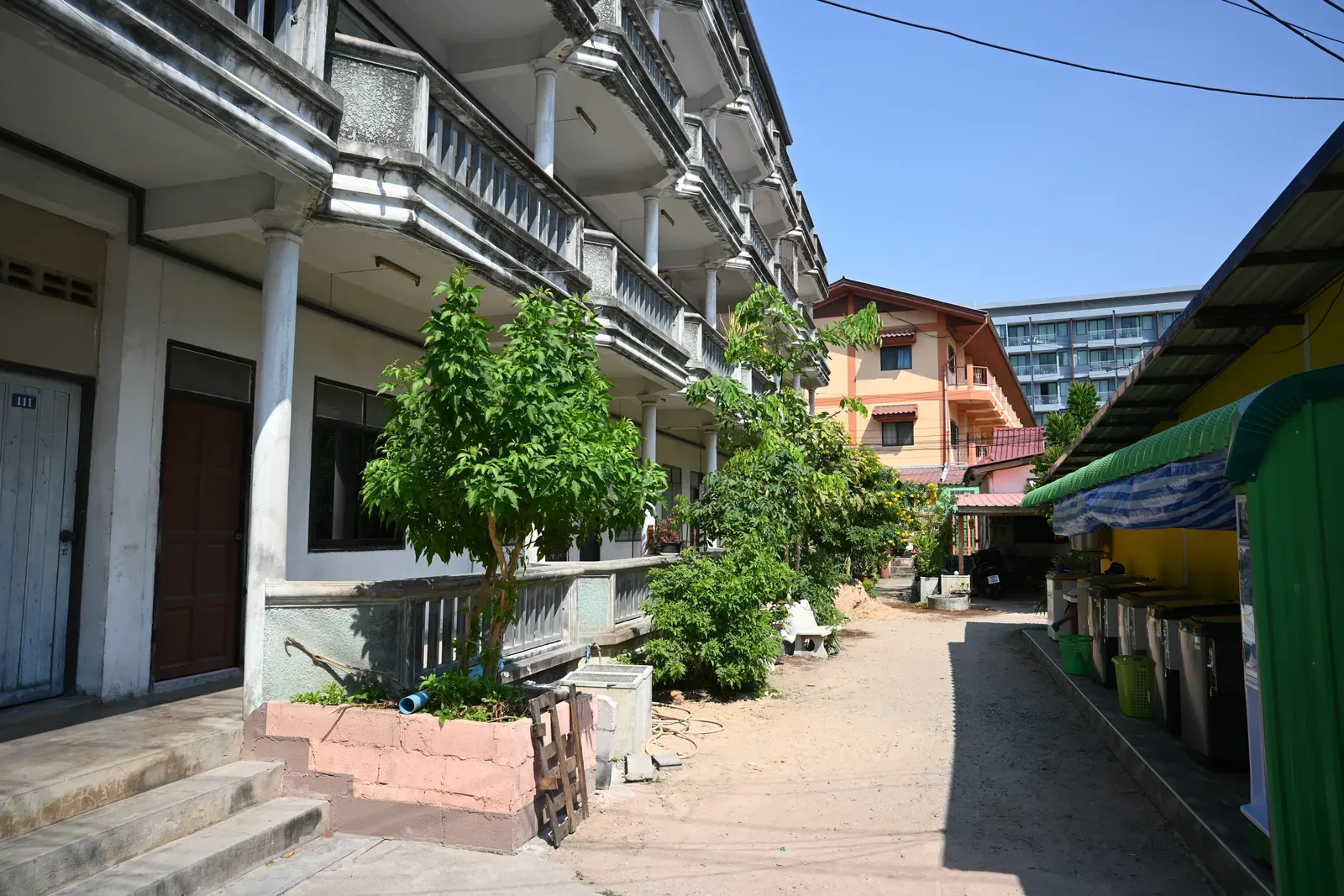
Here’s a genuinely counterintuitive one: concrete that’s protected from rain in humid tropical cities actually deteriorates faster than concrete left exposed to the elements.
It sounds backward, but the science checks out. Sheltered concrete carbonation resistance in metropolitan tropical climates is 10-20% lower than open exposure. Rain actually washes carbon dioxide off exposed surfaces and keeps concrete more saturated, which slows the carbonation front. Sheltered concrete under balconies, overhangs, and covered walkways stays drier and more exposed to airborne CO2, accelerating the very process that eventually reaches the rebar and triggers corrosion.
This matters enormously in dense tropical megacities where covered walkways, parking structures, and overhangs are everywhere. Building owners who assume “protected from rain equals protected from damage” are working from a flawed model. The concrete under your covered parking spot may actually be aging faster than the concrete baking in direct sun next to it.
#6 – Brand-New “Fast-Tracked” Construction
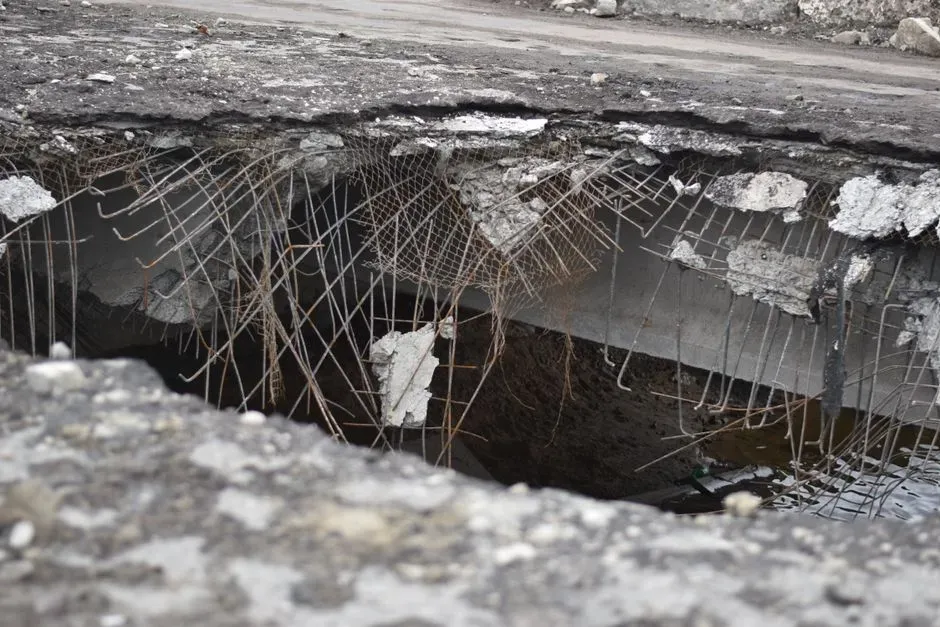
This is the one that should really worry people: some concrete structures are failing before they even reach middle age, and it’s happening at construction, not decades later.
Newly constructed RCC structures are failing in a fraction of their design life span, and the causes of premature deterioration in relatively new buildings are different compared to those for old buildings. Translation: rushed timelines and cost-cutting during the pour are creating structures that fail on a completely different, faster timeline than a naturally aging building.
The root cause usually traces back to the mix itself. Poor quality of constituent materials and workmanship can lead to early deterioration, and chlorides present in these materials lead to early and faster corrosion of reinforcement. In other words, some buildings are essentially born with the same chloride contamination that takes older structures decades of road salt exposure to accumulate. Most buyers assume “new construction” means “durable,” but the data says the opposite can be true when corners get cut during the pour.
Worth Knowing
- Newly built reinforced concrete can fail in a fraction of its intended design life
- Premature failure in new buildings stems from different causes than natural aging – materials and workmanship, not time
- Chloride-contaminated raw materials can trigger corrosion almost immediately after the pour
- Building age alone is not a reliable proxy for structural durability
#7 – Cantilevered Balconies
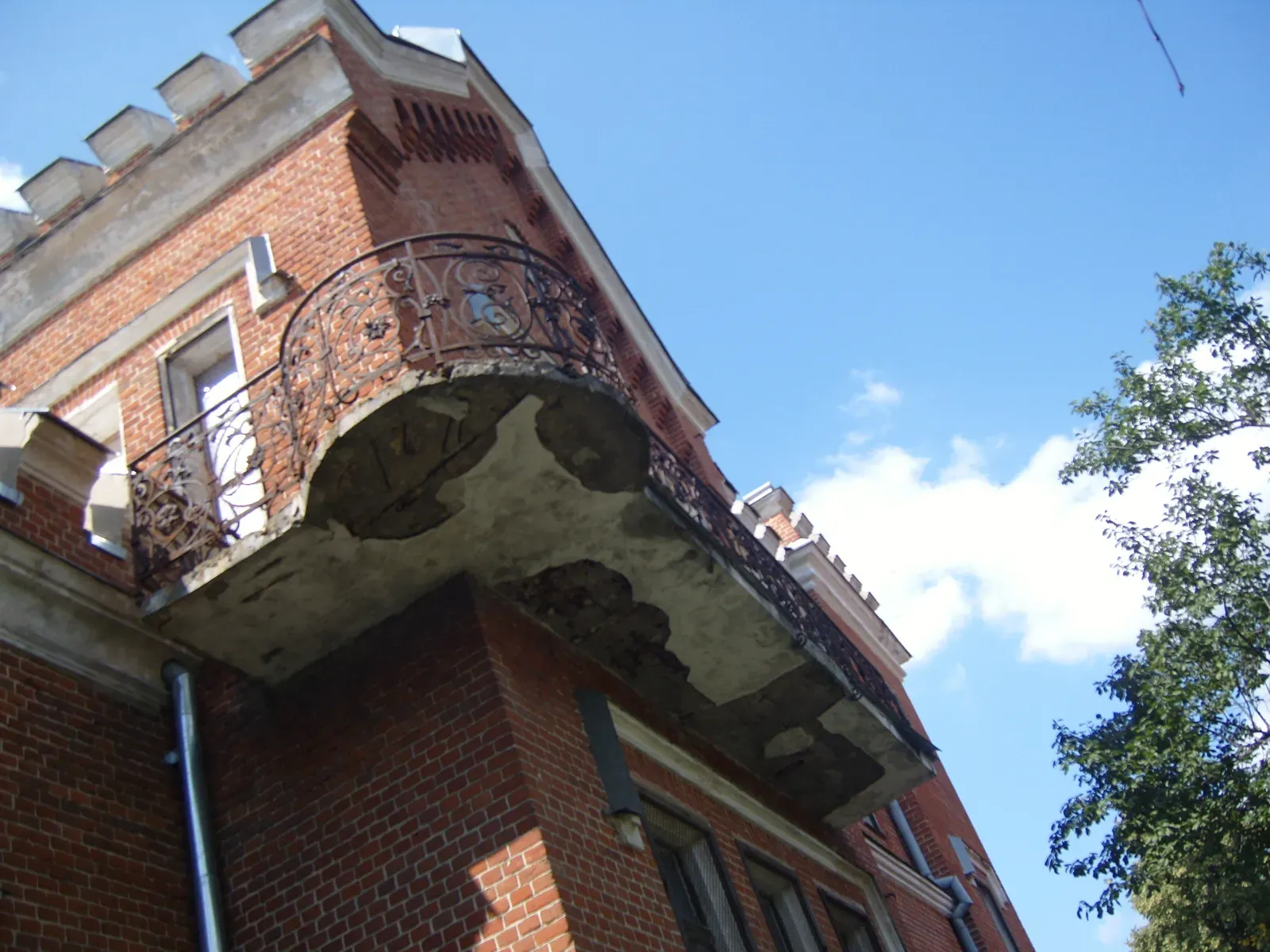
Balconies are structurally isolated, thinly reinforced, and exposed on all sides – which makes them some of the fastest-failing concrete elements on any building.
Unlike a slab surrounded by more concrete, a cantilevered balcony sticks out into open air with minimal cover protecting its rebar. Rain hits it from above, condensation forms underneath, and the whole assembly cycles through wet and dry conditions constantly. That relentless moisture cycling is exactly the condition that accelerates carbonation and chloride ingress into the steel.
Once corrosion begins, the geometry works against the structure. A balcony has far less concrete mass to absorb the expansive pressure from rusting rebar than a floor slab does, so cracking and spalling show up faster and more visibly – chunks falling off balcony undersides are a well-documented inspection finding in older mid-rise buildings. Structural engineers often flag balconies as the first place visible concrete failure appears on an otherwise healthy building, precisely because they have nowhere to hide the damage.
#8 – Marine Piers and Coastal Piles
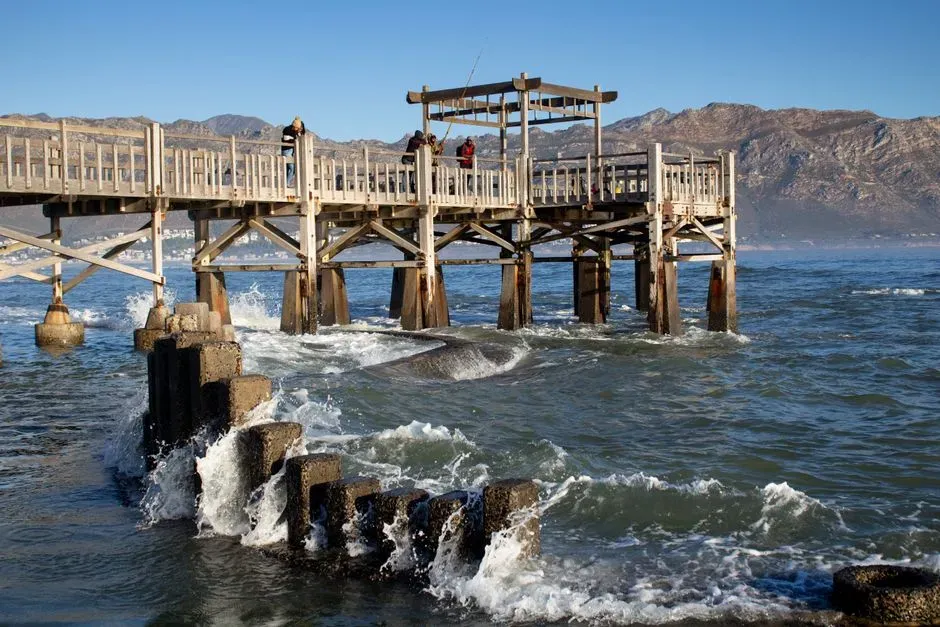
Piles driven into seawater are fighting the single harshest environment concrete can face, and the economic toll is staggering.
Coastal and offshore engineering projects are generally more severely affected by erosion and damage to concrete piles due to the physical and chemical actions of seawater and salt fog, including corrosion from sulfate, magnesium salts, and chloride salts, plus salt crystallization pressure from repeated wetting and drying cycles. Every tide cycle is essentially a fresh chemical attack on the same structural element.
The dollar figures back up how serious this is. Economic losses caused by corrosion in China amount to at least CNY 40 billion annually, and chloride-ion-induced corrosion is the main cause of reduced lifespan of structures in marine wet/dry cycling areas. That’s one country’s estimate for corrosion losses broadly, and marine piles are consistently named among the worst-hit categories. A pile that looks solid at low tide can be corroding aggressively at the waterline, the exact zone where wet-dry cycling is most intense.
#9 – Industrial and Chemical Plant Floors
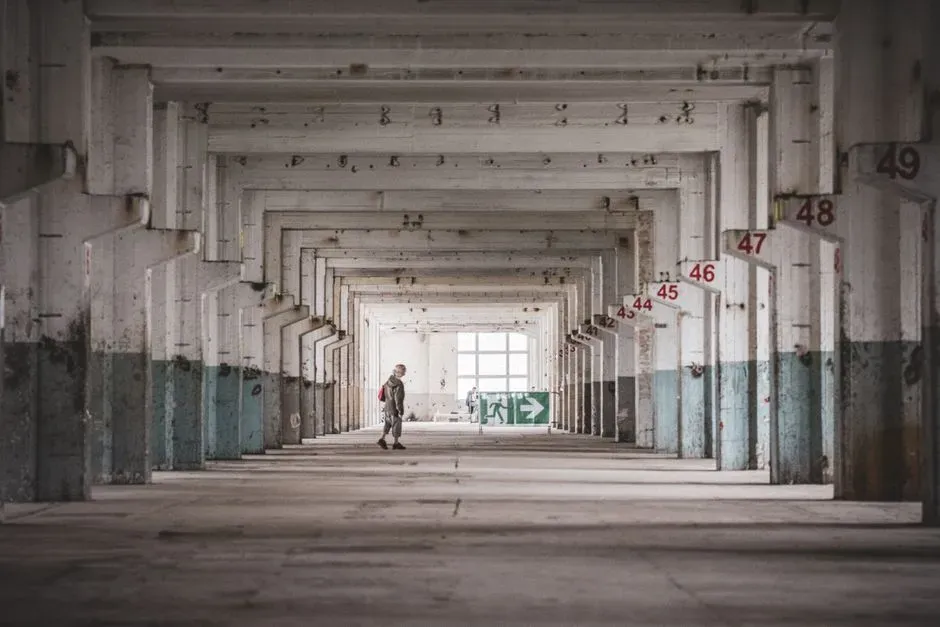
Concrete inside industrial facilities faces a chemical gauntlet that residential and office buildings never encounter, and it shows in how fast these floors fail.
The heterogeneous nature of concrete makes it susceptible to deterioration mechanisms including corrosion of reinforcement, sulfate attack, alkali-silica reaction, freeze-thaw cycling, leaching, radiation, elevated temperatures, salt crystallization, and microbiological attack – deterioration that may jeopardize serviceability and safety, leading to economic losses and potentially catastrophic failures. Industrial plants routinely stack several of these mechanisms simultaneously: acidic runoff, high heat from equipment, and constant vibration from machinery.
Few people outside plant engineering realize how many degradation pathways a single factory floor can experience at once. A cooling tower base might face leaching, elevated temperature exposure, and chloride ingress in the same square meter. That combination is precisely why industrial concrete often gets replaced on cycles measured in single-digit years rather than the multi-decade lifespans assumed for standard buildings.
At a Glance
- Industrial floors can face up to nine distinct deterioration mechanisms at once
- Common culprits include sulfate attack, alkali-silica reaction, and microbiological attack
- Heat, vibration, and acidic runoff frequently compound chemical damage in the same location
- Replacement cycles for industrial concrete are often measured in single-digit years, not decades
#10 – Stadiums and Sports Arenas
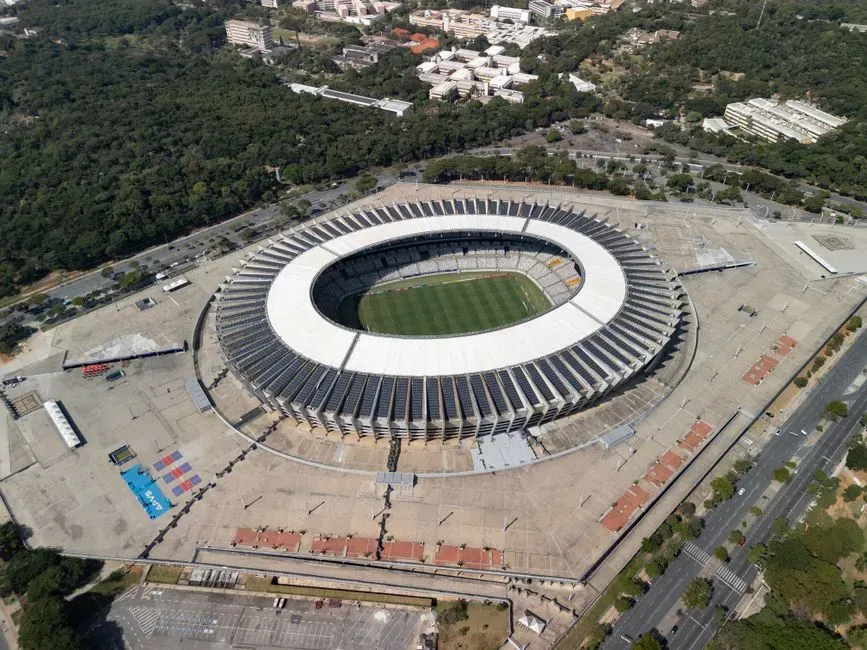
Stadiums look permanent, but their concrete bones are under a specific kind of stress that residential buildings rarely experience: massive, repeated crowd-load cycling combined with total weather exposure.
Open-air stadiums expose enormous concrete surfaces – seating decks, concourses, support columns – to rain, freeze-thaw, and direct sun with essentially no shelter. Studies of the combined effects of load-induced cracks and freeze-thaw chloride corrosion on reinforced concrete describe how fatigue crack propagation theory is used to predict remaining life in structures under this kind of complex erosion environment. A packed stadium isn’t a static load; it’s tens of thousands of people shifting weight, jumping, and stomping in rhythm, and that cyclic loading interacts with existing micro-cracks in ways static buildings never experience.
Add weather-driven freeze-thaw or chloride exposure on top of that fatigue loading, and the degradation compounds. Engineers who inspect aging stadiums increasingly treat crowd-load fatigue as a legitimate structural variable, not just an afterthought behind weather exposure.
#11 – Dams and Hydraulic Structures
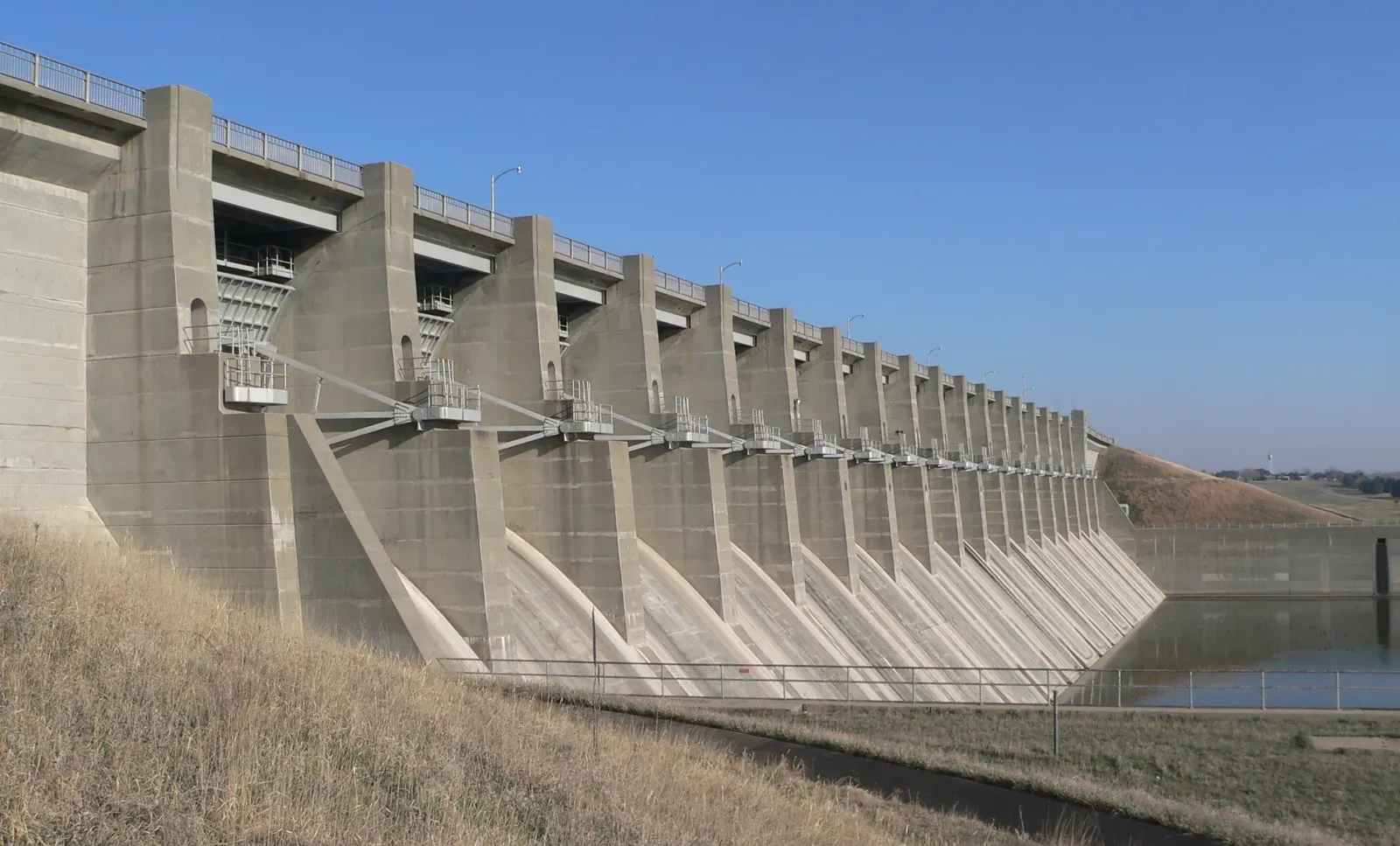
Dams sit in permanent contact with water, which sounds like the ideal condition for curing – except it’s also the ideal condition for one of concrete’s most feared internal reactions.
In France alone, 500 bridges and 5 dams have been affected by this reaction, and dams are considered particularly high-stakes because failure risks cascade into flooding and water-supply disasters. The reaction in question is alkali-silica reaction, or ASR, and it’s earned a grim nickname in engineering circles. ASR is often referred to as the concrete “cancer” because of its devastating implications and the complexity of the mechanism.
What makes dams especially vulnerable is the chemistry of constant saturation. Alkali-silica reaction is a slow, insidious chemical process that gradually breaks concrete apart from the inside. Once ASR takes hold, engineers don’t have a cure – only management. There is no known way to halt or reverse ASR damage, and the expansion will continue until it impairs ride quality or structural capacity, requiring the replacement of affected elements. That means some of the world’s dams are on borrowed time, with monitoring as the only real tool available.
#12 – Nuclear Power Plant Containment Structures
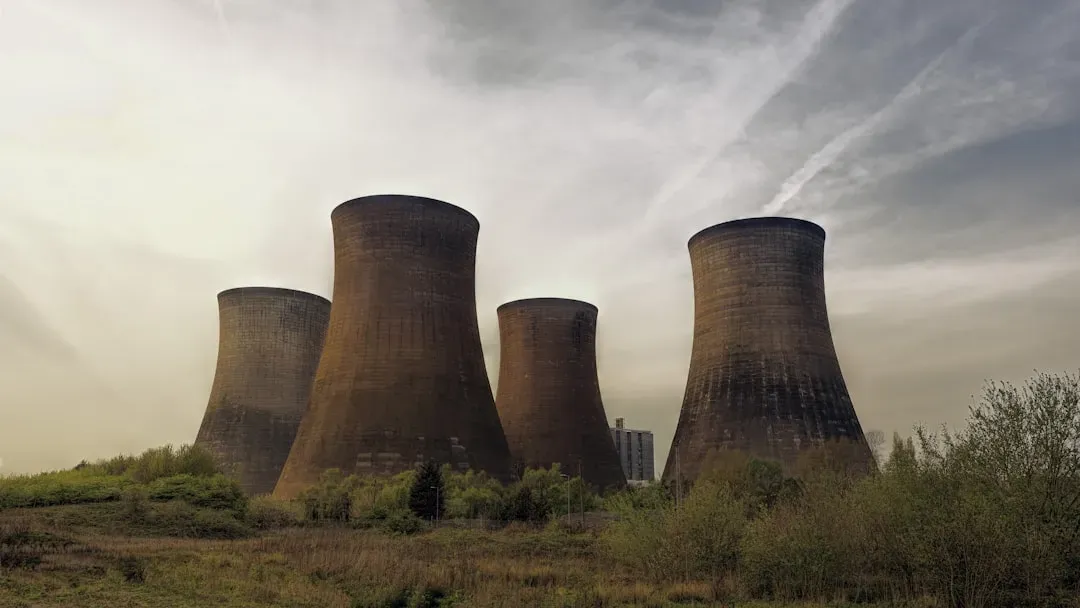
This is where “concrete cancer” stops being an abstract engineering term and becomes a national security concern.
The presence of cracks from alkali-silica reaction at the Seabrook Nuclear Power Plant brought this type of reinforced concrete deterioration to the attention of the general public, prompting the U.S. Nuclear Regulatory Commission to issue a nationwide warning to all nuclear power plant operators. That’s not a routine maintenance memo – it’s a federal regulator telling every operator in the country to check their own containment concrete for the same silent internal cracking.
The frustrating part for engineers is how few tools exist to fix it once it starts. Currently the most prevalent means of preventing ASR is proper selection of materials in the first place, with potential aggregates typically screened for reactivity using laboratory testing procedures before construction ever begins. That’s prevention, not cure – once a containment structure is built and the reaction starts, options narrow fast. The fact that ASR reached a facility housing nuclear material is exactly why regulators stopped treating it as a cosmetic cracking issue.
#13 – Coastal Condo Towers and Pool Decks
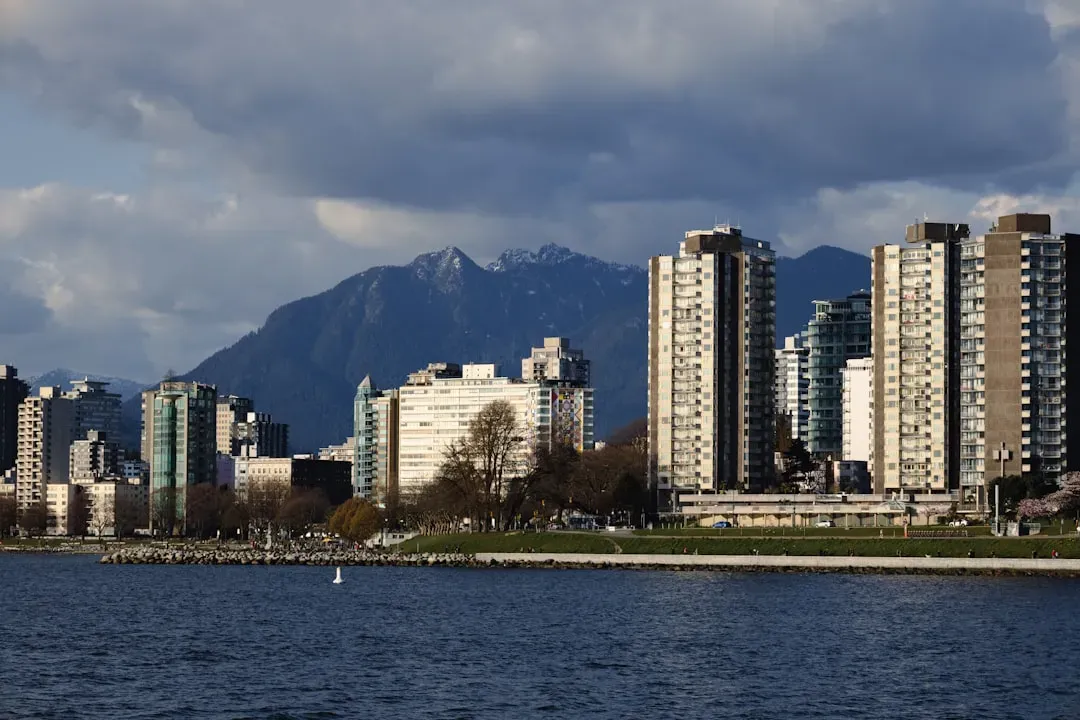
If you want to understand exactly how fast concrete decay can turn catastrophic, there’s one case that reshaped building codes across an entire state: Champlain Towers South.
For years before the collapse, warning signs were documented and largely deferred. A 2018 structural survey provided detailed findings including “abundant cracking and spalling” in concrete columns and walls, “exposed, deteriorating rebar,” and failing waterproofing beneath the pool deck that was causing “major structural damage.” Lime was even leaching out of the concrete deck, causing damage to cars parked in the garage below – a visible, physical sign of active concrete breakdown that residents could literally see dripping.
The federal investigation eventually pinned down the mechanical trigger. NIST’s technical team concluded the collapse began when two connections between garage columns and the pool deck failed through “punching shear failure,” where forces pushing down on the steel-reinforced concrete slab caused it to bend and crack around a supporting column until the connection ultimately failed. Investigators also found that some basement columns had prolonged exposure to water due to ponding and flooding in the garage, which can accelerate corrosion of the steel reinforcement.
The human cost made this more than an engineering case study. The June 24, 2021 partial collapse took the lives of 98 people. The tragedy also exposed gaps in oversight – Miami-Dade and Broward Counties had instituted a 40-year residential recertification requirement after a prior 1973 building collapse, and that 40-year mark is the absolute maximum period allowed before inspecting a building for structural failure risk. Champlain Towers South was going through that very recertification process when disaster struck. This is the case every condo board in coastal America now studies before they decide to defer another repair estimate.
Fast Facts
- A 2018 survey flagged cracking, spalling, and exposed rebar years before the collapse
- NIST traced the failure to punching shear at a garage-column-to-pool-deck connection
- The June 24, 2021 collapse killed 98 people
- The 40-year recertification rule that should have caught the damage traces back to a 1973 building collapse
The Bottom Line
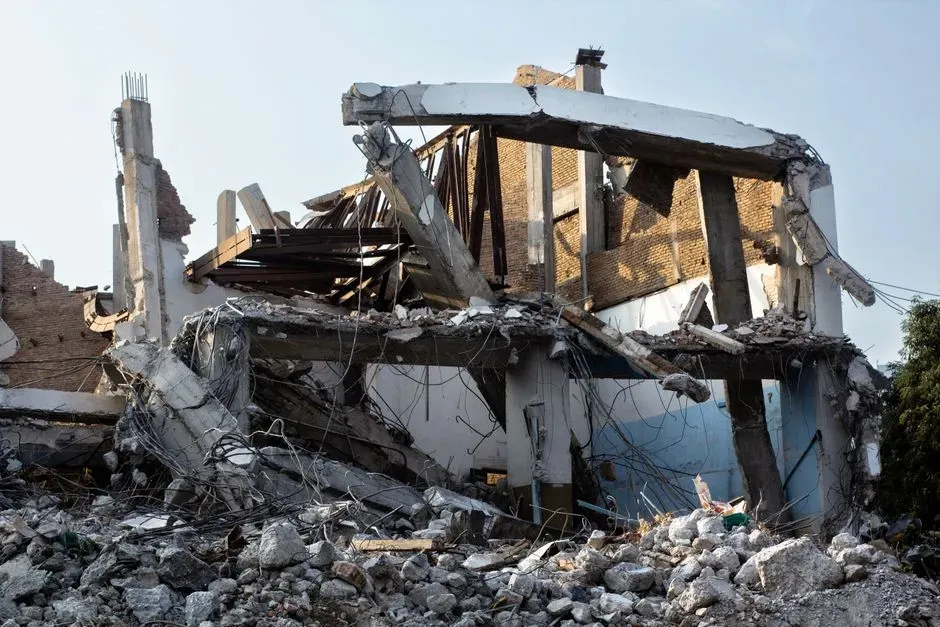
Concrete doesn’t fail on a neat, predictable countdown – it fails wherever water, salt, and time intersect fastest, and that’s often decades ahead of the “100-year lifespan” number on the original blueprints. Parking garages, bridge decks, and coastal towers are quietly deteriorating years or even decades early, while alkali-silica reaction keeps eating away at dams and nuclear containment structures with no known cure once it starts.
Champlain Towers South proved exactly how deadly deferred concrete repairs can become. The uncomfortable truth is that most of this damage is visible years before it’s catastrophic – if anyone’s actually looking. Cracks, rust stains, and spalling aren’t cosmetic flaws; they’re the building talking, and ignoring that conversation is how a maintenance line item turns into a headline.
Have you noticed cracking, spalling, or rust stains on a structure near you? Drop it in the comments.