Imagine a world with no oceans dividing continents, no mountain ranges blocking the horizon, and creatures the size of school buses thundering across landscapes that no longer exist. Dinosaurs did not simply stand still and wait for the world to change around them. They moved. They traveled. Some, it turns out, may have journeyed farther than almost any land animal that has ever lived.
For decades, scientists treated dinosaur migration as an educated guess at best. Today, in 2026, that conversation has completely transformed. New fossil discoveries, cutting-edge isotope analysis, and sophisticated computer modeling are rewriting what you thought you knew about these ancient giants. So let’s dive in.
Where Did It All Begin? Rethinking the Birthplace of Dinosaurs
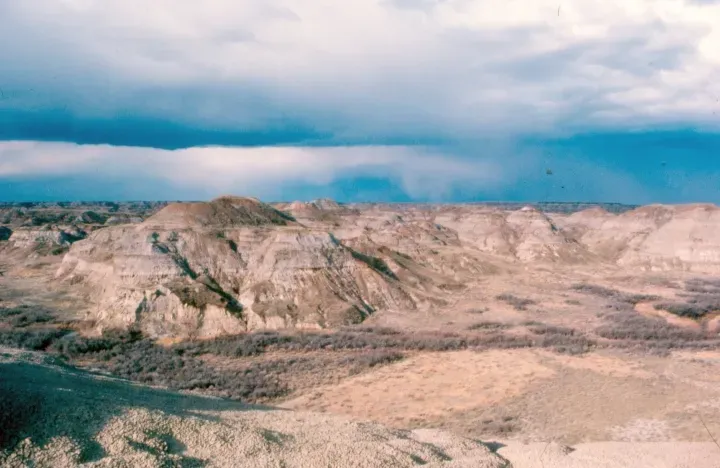
Here’s the thing most people get wrong about dinosaurs: the story does not start where you think it does. A new study led by University College London researchers suggests that the remains of the earliest dinosaurs may lie undiscovered in the Amazon and other equatorial regions of South America and Africa. Currently, the oldest known dinosaur fossils date back about 230 million years and were unearthed further south in places including Brazil, Argentina, and Zimbabwe.
The UCL study, published in the journal Current Biology, accounted for gaps in the fossil record and concluded that the earliest dinosaurs likely emerged in a hot equatorial region in what was then the supercontinent Gondwana, an area of land that encompasses the Amazon, Congo basin, and Sahara Desert today. Think of it like finding out the ancestors of every human being on Earth once lived in a jungle that has long since been swallowed by desert. The truth was hiding in plain sight, buried under the wrong rocks.
As lead author and PhD student Joel Heath noted, dinosaurs are well studied, yet scientists still do not really know where they came from, because the fossil record has such large gaps that it cannot be taken at face value. That honesty from researchers is actually exciting. It means the origin story of the most famous creatures in Earth’s history is still wide open.
The Pangea Express: How Continents Became Migration Highways
![The Pangea Express: How Continents Became Migration Highways (I did myself based on [1], also I added it on my dinosaur website (the link is [2]), CC BY-SA 2.5)](https://nvmwebsites-budwg5g9avh3epea.z03.azurefd.net/dinoworld/b6d3179306e2ce1827034db401e5bf89.webp)
When all of Earth’s landmasses were fused together into the supercontinent Pangea, dinosaurs had no borders to cross. No oceans. No impassable seas. Just open land, stretching from what is now South America all the way to what would eventually become Greenland. A major shift in atmospheric CO2 levels may have helped dinosaurs make a journey of roughly 6,500 miles from South America to Greenland. A group of long-necked, herbivorous dinosaurs known as sauropodomorphs arrived in Greenland sometime between 225 and 205 million years ago.
Up until about 215 million years ago, the Triassic period had experienced extremely high levels of CO2 at around 4,000 parts per million. Between 215 and 212 million years ago, that concentration dropped by half. This would have been the same time that sauropodomorphs set out on their long journey to Greenland. In other words, a change in the air itself may have unlocked the highway. Honestly, that is one of the most unexpected connections in all of paleontology.
Scientists have estimated that if a dinosaur herd walked only one mile per day, it would take less than 20 years to complete the journey between South America and Greenland. That is a sobering thought. A multigenerational trek across a supercontinent, one slow mile at a time, reshaping the entire distribution of life on Earth.
Footprints Across Two Continents: The Gondwana Corridor
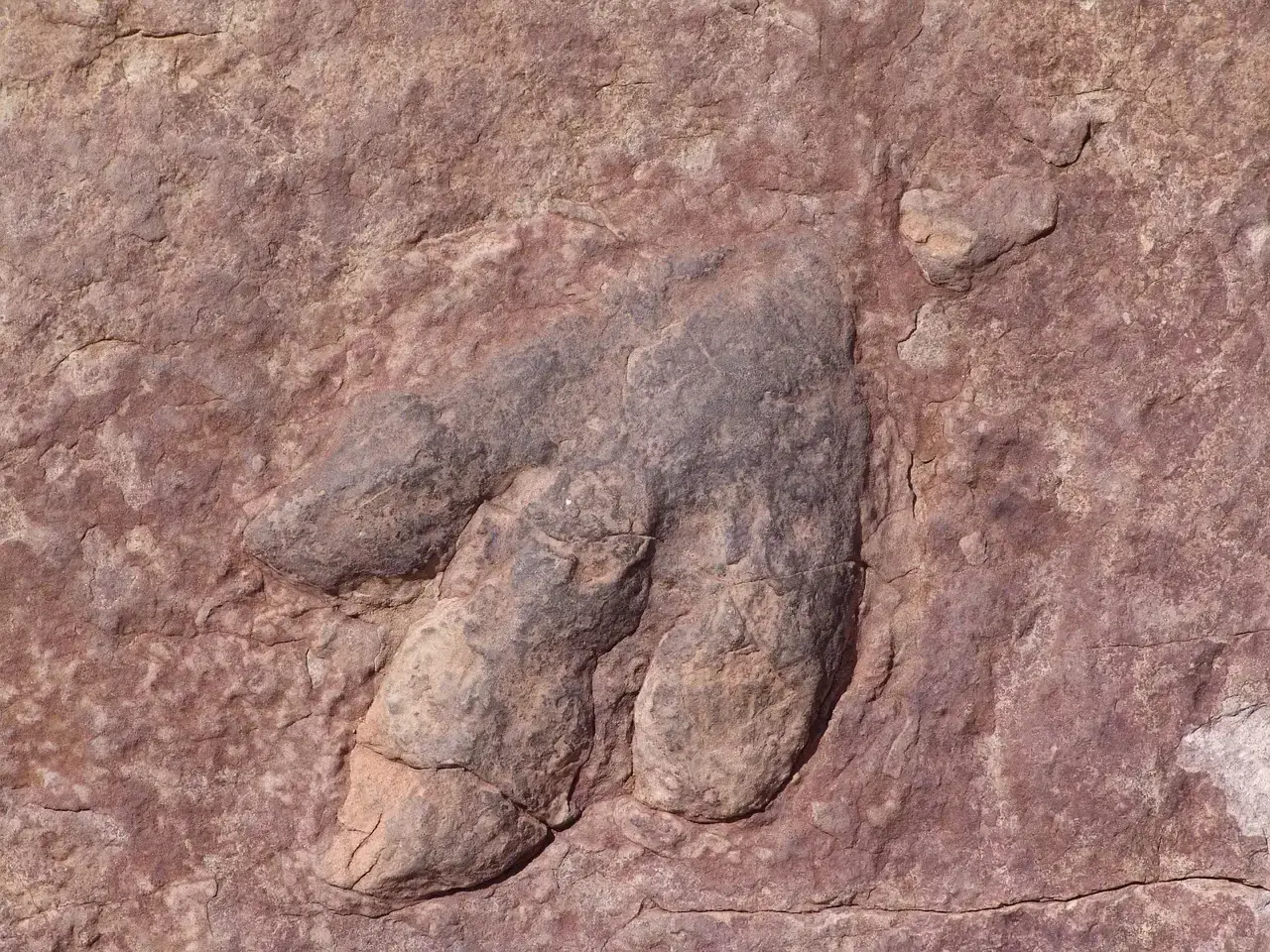
You might think that matching dinosaur footprints found on opposite sides of the Atlantic Ocean sounds like the plot of a science fiction novel. Back in the Early Cretaceous, Cameroon was stitched to the elbow of northeastern Brazil. There was no Atlantic Ocean, only a low, swampy plain linking the two landmasses. Long-necked plant-eaters lumbered through reed beds, sharp-toothed hunters trailed them, and every footfall wrote a record in clay.
An international team catalogued more than 260 dinosaur tracks in both basins across the Atlantic Ocean and showed that in terms of age, these footprints were similar, and in their geological and plate tectonic contexts, they were also similar. In terms of their shapes, they are almost identical. The twin sites, once side by side, preserve what researchers now call the Dinosaur Dispersal Corridor.
Together, the African and South American sites confirm that dinosaurs strolled across a contiguous landmass long after Pangea began unraveling, using the same river corridors that would later drown beneath the Atlantic. It is like finding two halves of the same torn photograph, one in Brazil and one in Cameroon, and realizing they fit perfectly together.
Stomach Stones and Seasonal Treks: The Surprising Evidence Left Behind
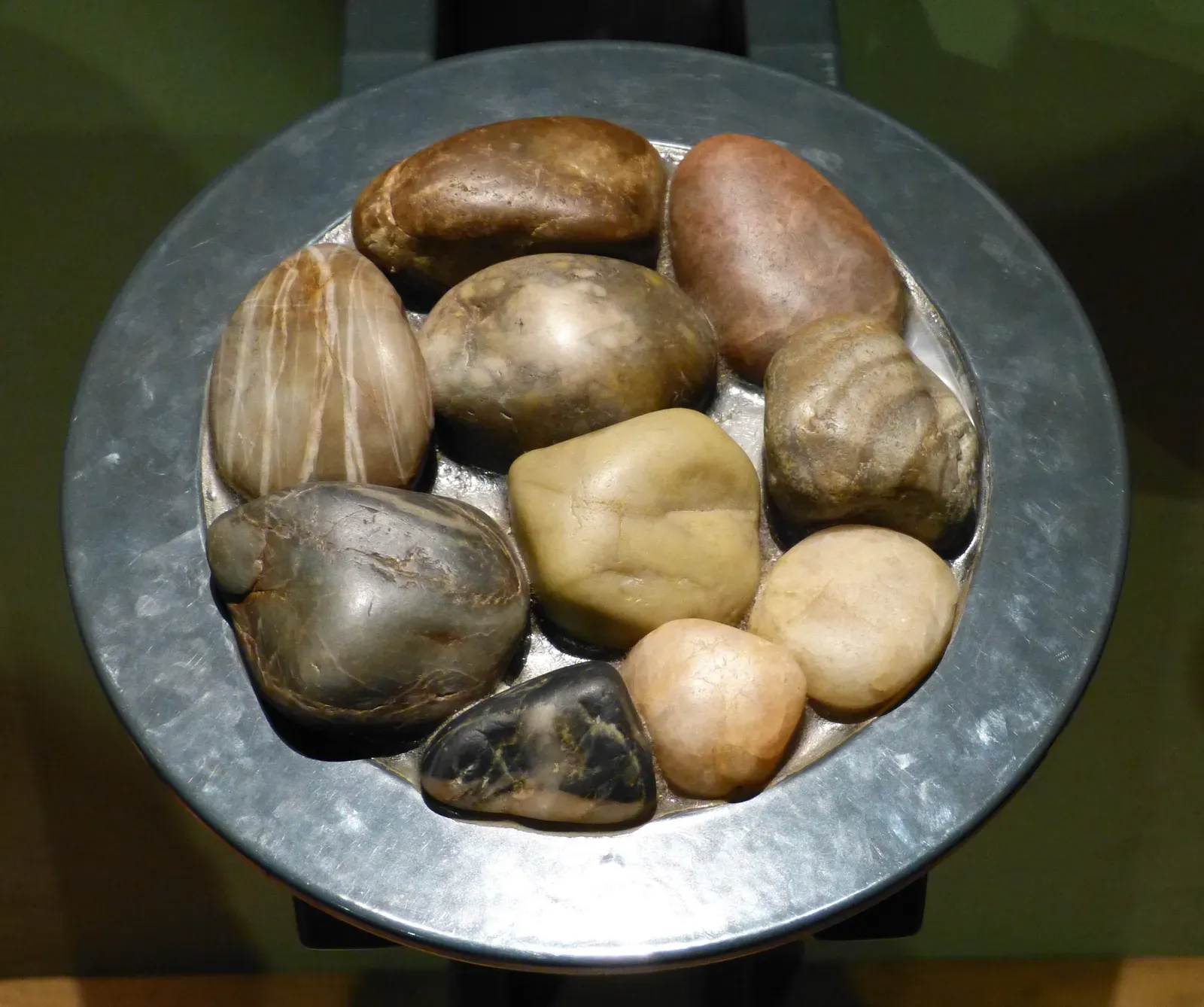
Some of the most compelling migration evidence does not come from bones at all. It comes from rocks. Specifically, rocks that dinosaurs swallowed. Dinosaurs gulped down pink stones in what is now Wisconsin, trekked westward more than 600 miles and then died in the area that’s now Wyoming, leaving the stones behind in a new location. Let that sink in. A dinosaur’s last meal inadvertently became one of the best clues we have about where it traveled.
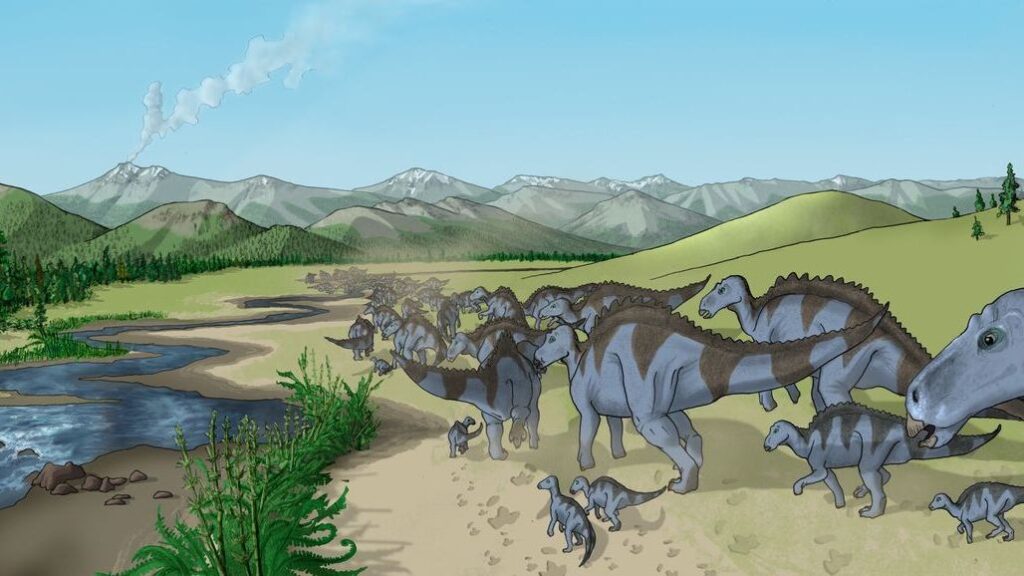
This finding has been described as one of, if not the longest inferred examples of non-avian dinosaur migration on record. Meanwhile, isotopic evidence paints a similar picture from a different angle. Chemical signals in prehistoric tooth enamel reveal that roughly bus-length Camarasaurus dinosaurs walked hundreds of miles on marathon migrations in late Jurassic North America, responding to shifts in food and water availability, likely trudging from floodplain lowlands to distant uplands and back again as the seasons changed.
It reads a bit like the ancient version of the great wildebeest migration you might see in a nature documentary today. The mechanics were different, the scale was staggering, but the driving force, food and survival, was exactly the same.
The Tyrannosaur Shuffle: Back-and-Forth Between Continents
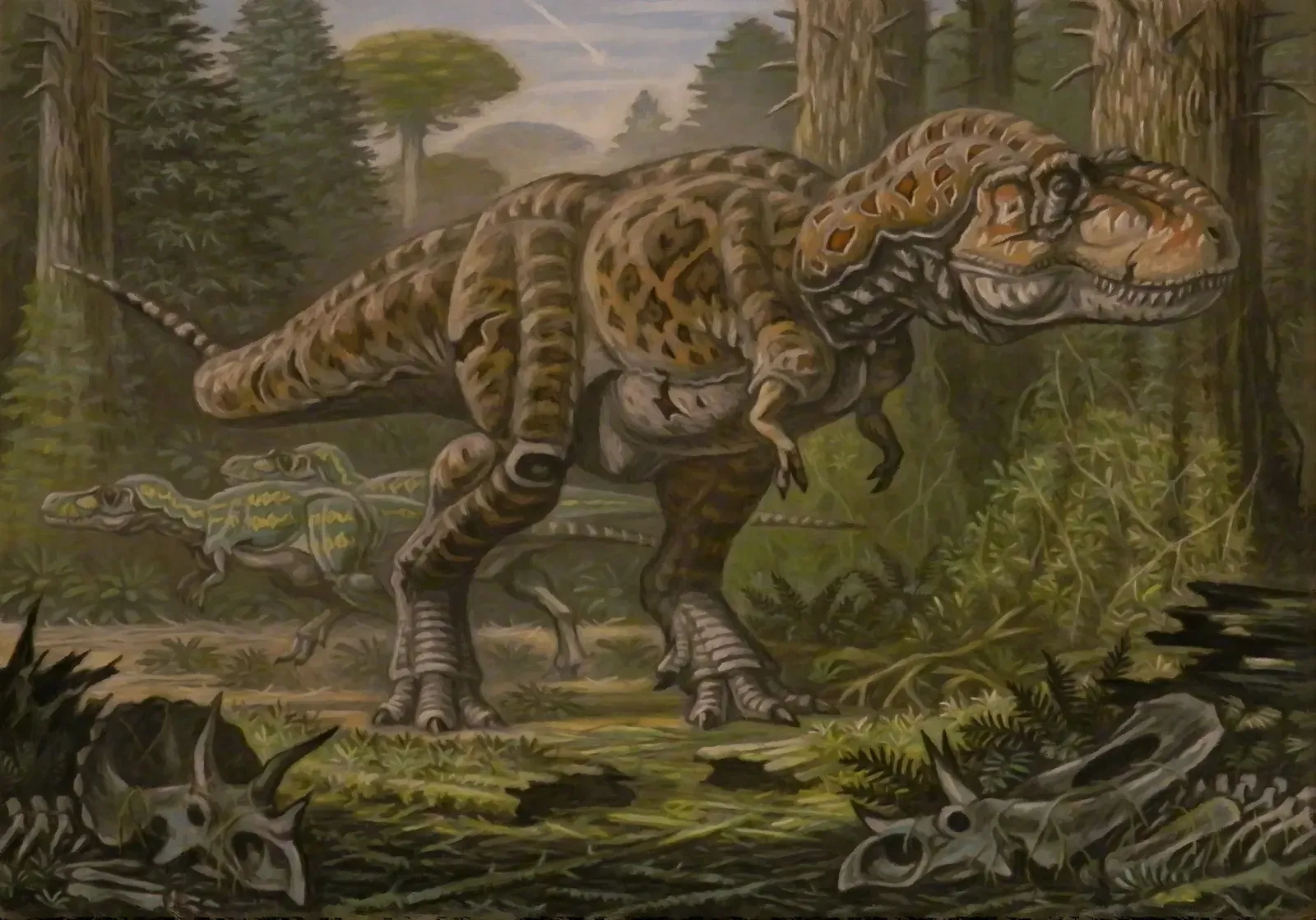
One of the most jaw-dropping migration stories to come out of recent science involves the ancestors of T. rex itself. A study published in June in the journal Nature details multiple tyrannosaur migrations, millions of years apart. The dinosaur Khankhuuluu was part of a burst of tyrannosaur evolution that led to slender, agile creatures crossing into prehistoric North America around 85 million years ago and proliferating there.
Some of those tyrannosaurs then crossed back into Asia, evolving into new forms, and eventually leading one big, bone-crushing lineage to enter North America once more and give rise to the iconic T. rex. So the most famous predator in history is essentially the product of an ancient, intercontinental relay race. Asia to North America. North America back to Asia. Then Asia to North America again. It is a story of restlessness written in teeth and bone.
A 2025 study on the biogeography of Megaraptora and Tyrannosauroidea argues that megaraptorans had a cosmopolitan distribution before the splitting of Laurasia and Gondwana, that gigantism evolved multiple times in tyrannosauroids and its evolution might have been related to cooling climate, and that direct ancestors of Tyrannosaurus likely migrated into North America from Asia. The climate, it turns out, was always the conductor of this ancient orchestra.
Polar Dinosaurs and the Question of Overwintering vs. Migration
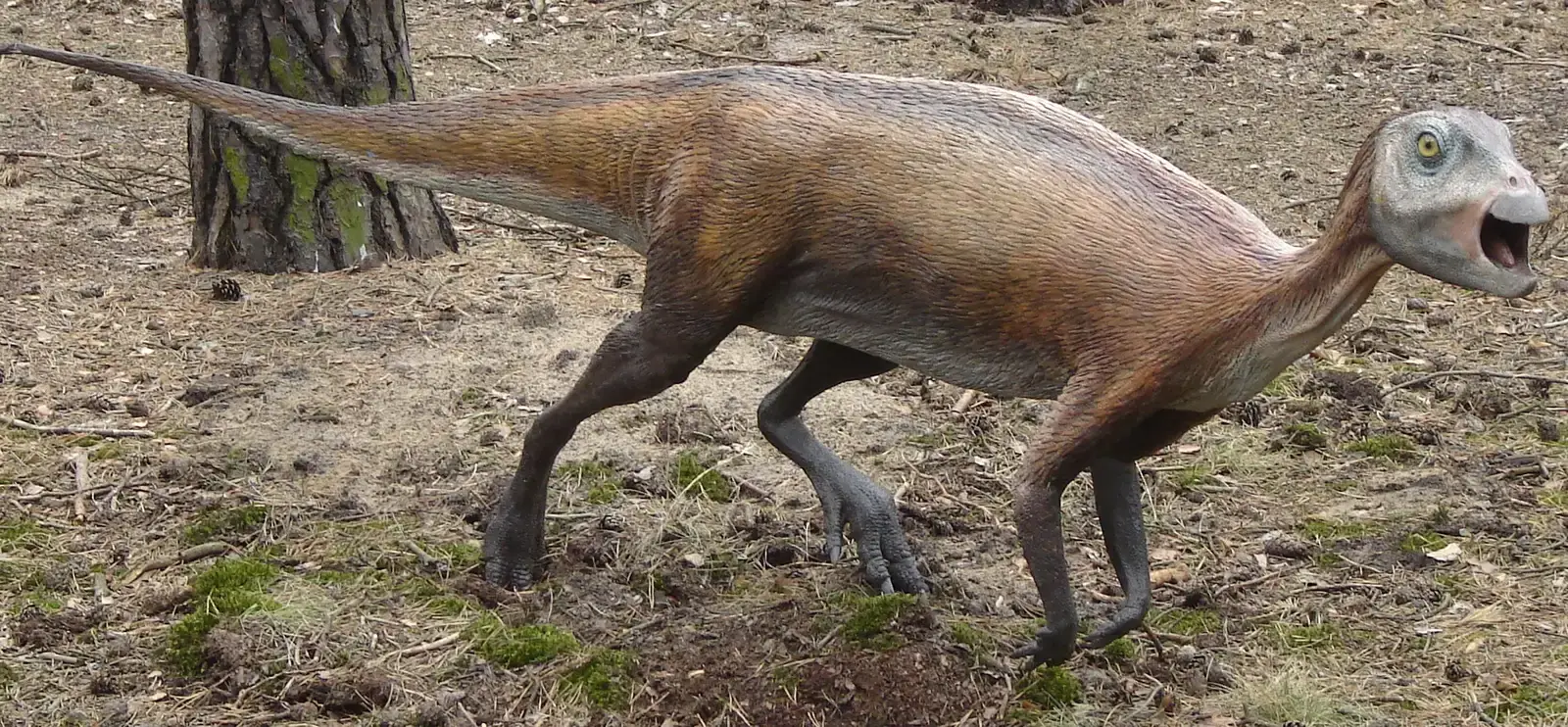
Not every dinosaur packed up and headed south when temperatures dropped. Some of them stayed. Cretaceous polar dinosaur faunas were taxonomically diverse, which suggests varied strategies for coping with the climatic stress of high latitudes. Some polar dinosaurs, particularly larger taxa such as the duckbill Edmontosaurus, were biomechanically and energetically capable of migrating over long distances, up to around 2,600 km. However, current evidence strongly suggests many polar dinosaurs overwintered in preference to migration.
Certain groups also appear more predisposed to overwintering based on their physical inability to migrate, such as ankylosaurs and many small taxa, including hypsilophodontids and troodontids. Low-nutrient subsistence is found to be the best overwintering method overall, although the likelihood that other taxa employed alternative means remains plausible. So picture a scene where some dinosaurs march south like birds following summer, while their neighbors hunker down and endure the dark polar winter entirely. Two completely different survival strategies, living side by side.
Contrary to popular belief, polar dinosaurs may not have traveled nearly as far as originally thought when making their seasonal migrations. University of Alberta researchers suggested that while some dinosaurs may have migrated during the winter season, their range was significantly less than previously thought, which means their treks were shorter. I think this is actually the more fascinating possibility. Surviving polar darkness without fleeing it requires a level of biological toughness that honestly rivals anything alive today.
Conclusion: Ancient Journeys, Modern Revelations
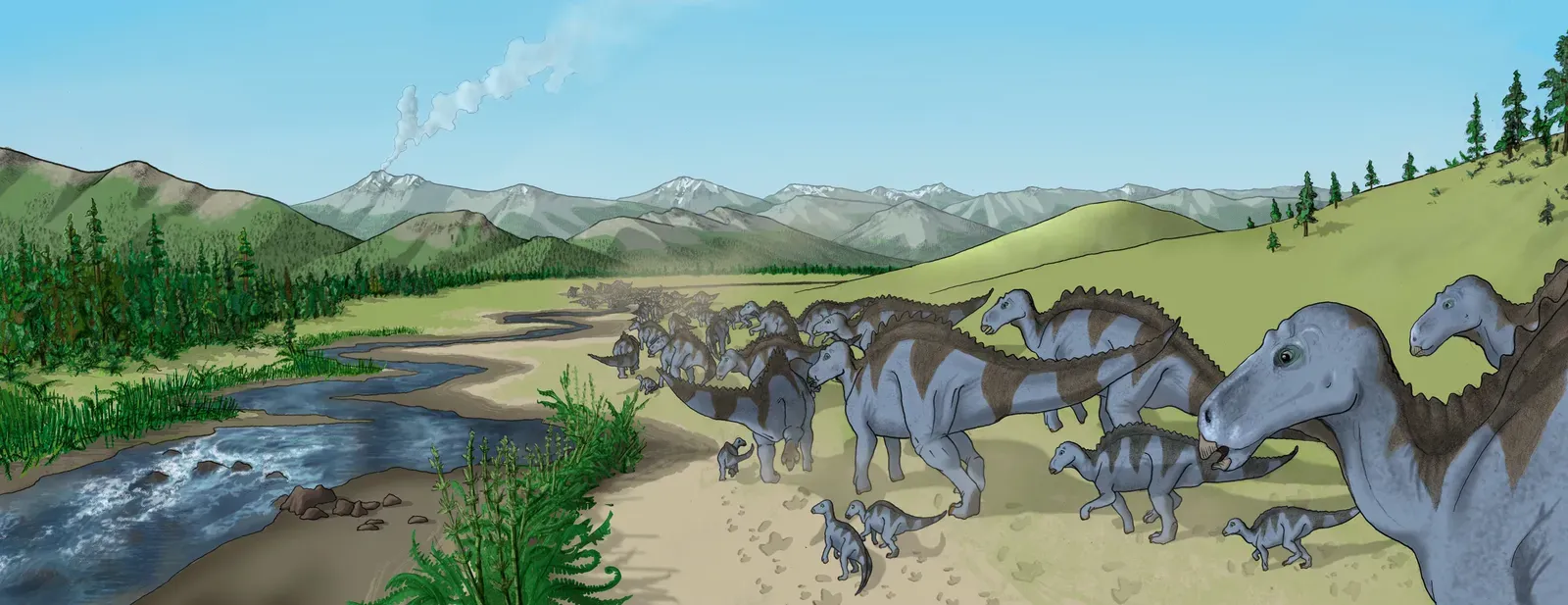
Dinosaur migration is no longer a footnote in paleontology. It is one of the most exciting frontiers in all of science right now. From the CO2-driven Pangea crossings of ancient sauropods, to the back-and-forth intercontinental shuffling of tyrannosaurs, to footprints still sitting on two sides of the Atlantic waiting to be read, the picture that is emerging is one of relentless, purposeful movement. These were not passive creatures sitting in one place. They were travelers, survivors, and world-shapers.
What makes all of this so thrilling in 2026 is that we are only at the beginning. No dinosaur fossils have yet been found in the regions of Africa and South America that once formed the equatorial birthplace of the earliest dinosaurs, possibly because researchers have not stumbled across the right rocks yet, due to a mix of inaccessibility and a relative lack of research in these areas. The biggest discoveries may still be out there, buried under jungle floors and desert sands, waiting for the right expedition to arrive.
Every footprint, every stomach stone, every fossilized tooth is a postcard from a journey taken hundreds of millions of years ago. The dinosaurs never stopped moving. And science, thankfully, has not stopped chasing them. What ancient journey do you think still remains to be discovered? Tell us in the comments.