There’s something genuinely mind-bending about the fact that dinosaurs walked this Earth for so long that the time between a Stegosaurus and a T. rex is actually greater than the time between a T. rex and you, right now, reading this. Let that sink in for a moment. These creatures weren’t just a blip on Earth’s radar. They were the undisputed lords of the planet for an almost incomprehensible stretch of time.
From their humble, small-bodied beginnings on a single supercontinent to their explosive reign across every corner of the globe, the story of dinosaurs is one of evolution, survival, catastrophe, and sheer tenacity. If you’ve ever looked at a museum skeleton and felt a quiet thrill of awe, this timeline is for you. Buckle up. It’s quite the journey. Let’s dive in.
The World Before Dinosaurs: Setting the Stage
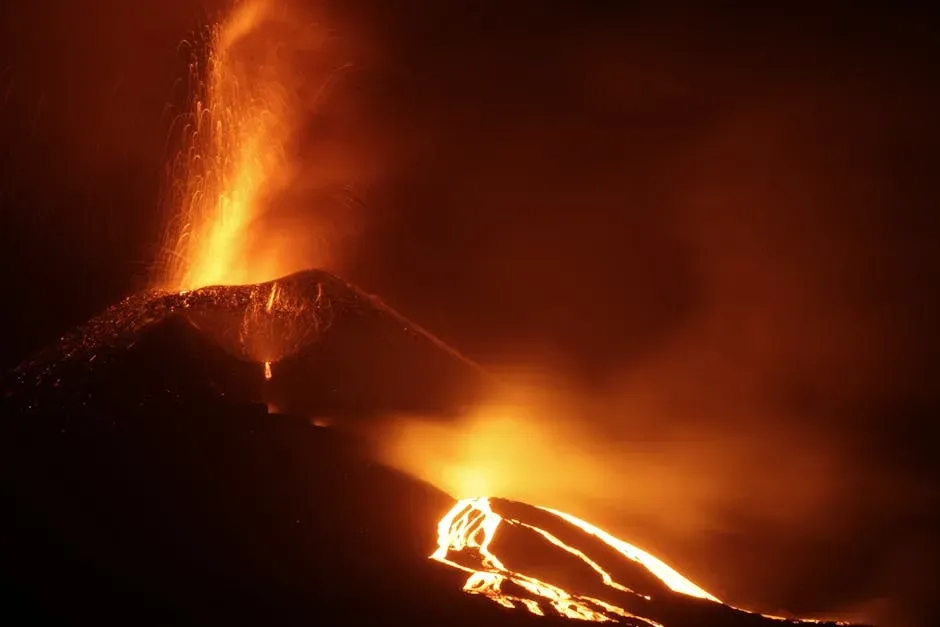
To understand when dinosaurs ruled, you first have to understand what the world looked like before they arrived. Honestly, it was a completely alien place. The Mesozoic Era began in the wake of the Permian-Triassic extinction event, the largest mass extinction in Earth’s history. Think of it as the planet hitting a violent reset button – terrifying in scale, but ultimately necessary for what was to come.
The fauna and flora of the Mesozoic were distinctly different from those of the Paleozoic, the largest mass extinction in Earth history having occurred at the boundary of the two eras, when some ninety percent of all marine invertebrate species and seventy percent of terrestrial vertebrate genera disappeared. In simpler terms, nearly everything was wiped out. The survivors were left scrambling into a world of empty ecological niches, wide open and waiting.
The Triassic Period: Where It All Began
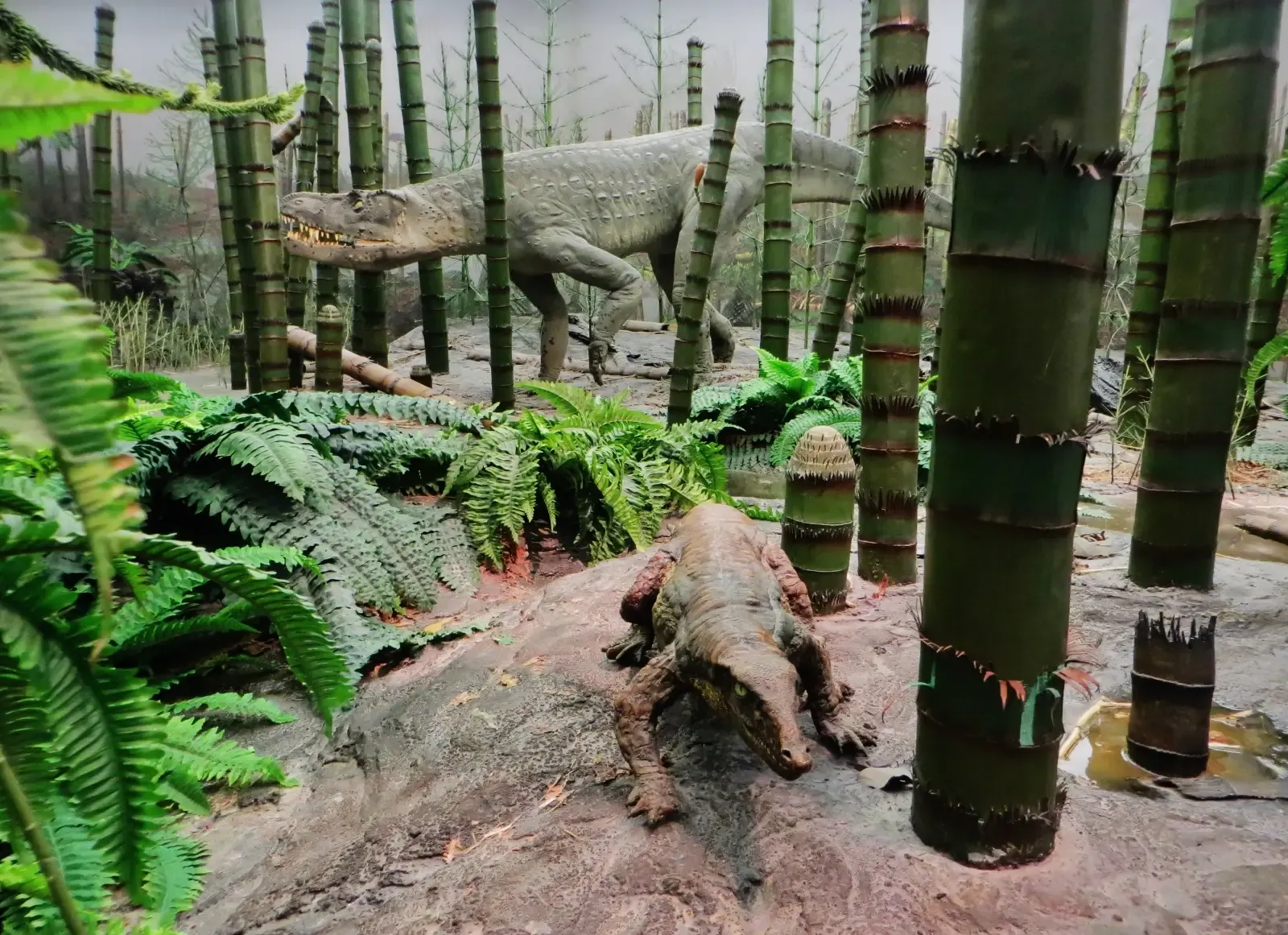
The start of the Triassic period was a desolate time in Earth’s history. Something – violent volcanic eruptions, climate change, or perhaps a fatal run-in with a comet or asteroid – had triggered the extinction of more than ninety percent of Earth’s species. Yet it was also a time of tremendous change and rejuvenation. Life that survived the so-called Great Dying repopulated the planet, diversified into freshly exposed ecological niches, and gave rise to new creatures, including rodent-size mammals and the first dinosaurs.
Dinosaurs first appeared during the Triassic period, between roughly 243 and 233 million years ago, although the exact origin and timing of the evolution of dinosaurs is a subject of active research. Here’s the thing – they weren’t even the top dogs at first. When dinosaurs appeared, they were not the dominant terrestrial animals. The terrestrial habitats were occupied by various types of archosauromorphs and therapsids, and their main competitors were the pseudosuchians, which were actually more successful than the dinosaurs.
Life on Pangaea: A World Without Coastlines
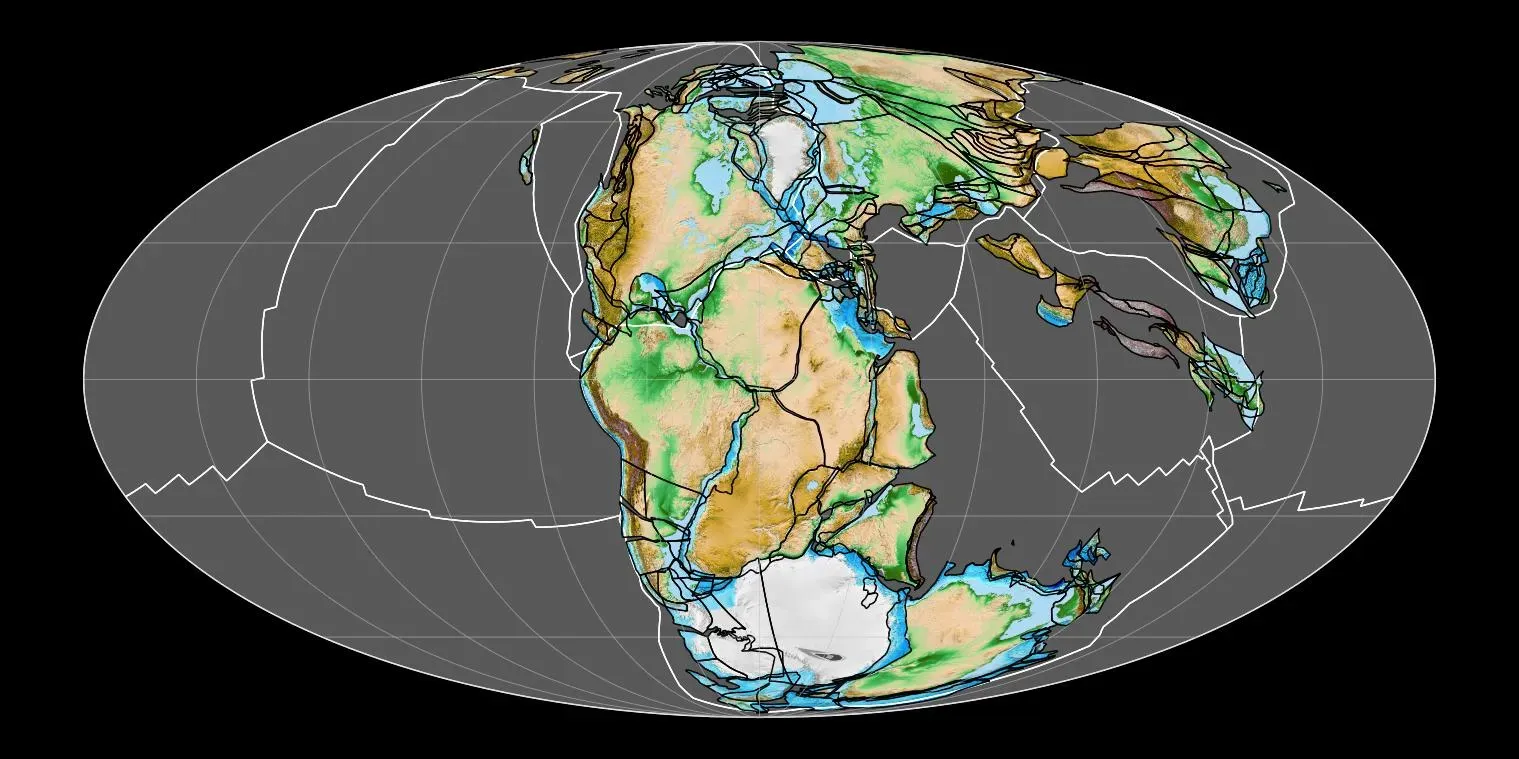
By the start of the Triassic, all the Earth’s landmasses had coalesced to form Pangaea, a supercontinent shaped like a giant C that straddled the Equator and extended toward the Poles. Almost as soon as the supercontinent formed, it started to come undone. Imagine living on a single, continuous landmass stretching from pole to pole. No Atlantic Ocean. No Pacific barrier. Just one enormous slab of rock and desert.
The global climate during the Triassic was mostly hot and dry, with deserts spanning much of Pangaea’s interior. However, the climate shifted and became more humid as Pangaea began to drift apart. Most Triassic dinosaurs were small predators, and only a few were common, such as Coelophysis, which was about one to two metres long. So forget the giants for now – early dinosaurs were relatively modest creatures, darting through a parched and hostile world.
The Triassic-Jurassic Extinction: Dinosaurs Get Their Big Break
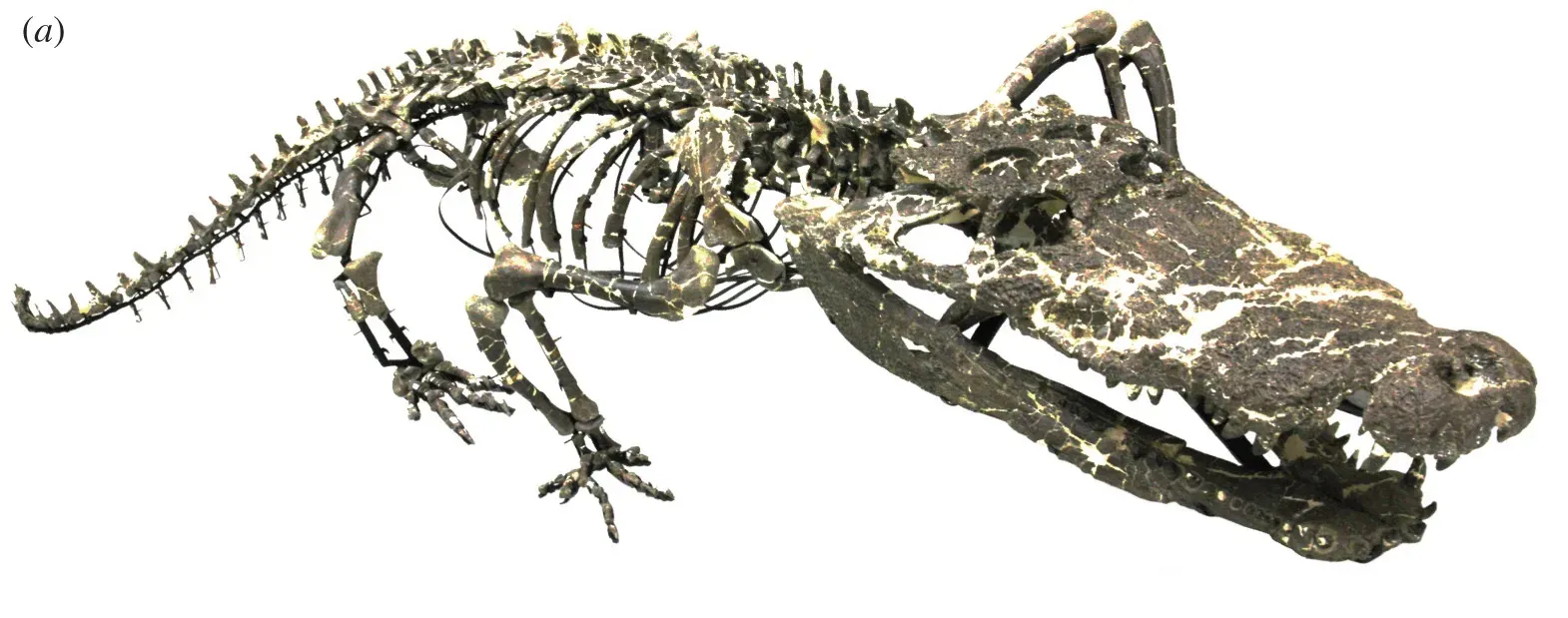
http://doi.org/10.1098/rsos.210320, CC BY 4.0)
The end of the Triassic period was marked by yet another major mass extinction, the Triassic-Jurassic extinction event, that wiped out many groups and allowed dinosaurs to assume dominance in the Jurassic. I think this is one of history’s most underappreciated turning points. It wasn’t dinosaur strength or superior intelligence that launched them to the top. It was, at least in part, terrible luck for everyone else.
The end of the Triassic Period, about 201 million years ago, is marked by one of Earth’s top five major mass extinction events. What caused it isn’t entirely clear, though massive volcanic activity could be to blame, possibly releasing huge amounts of sulphur dioxide and carbon dioxide that significantly disrupted Earth’s climate. Up to roughly four-fifths of all species died out as a result. Yet dinosaurs survived and went on to thrive in the Jurassic Period.
The Jurassic Period: Rise of the Giants
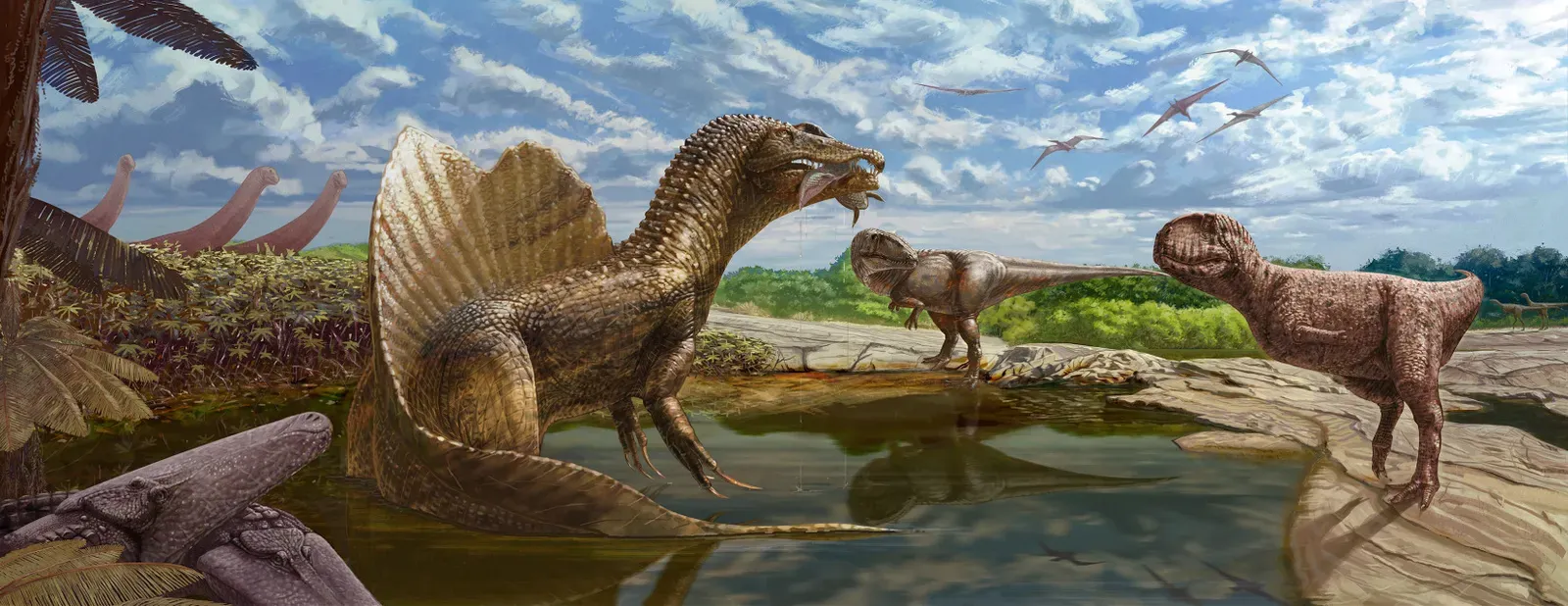
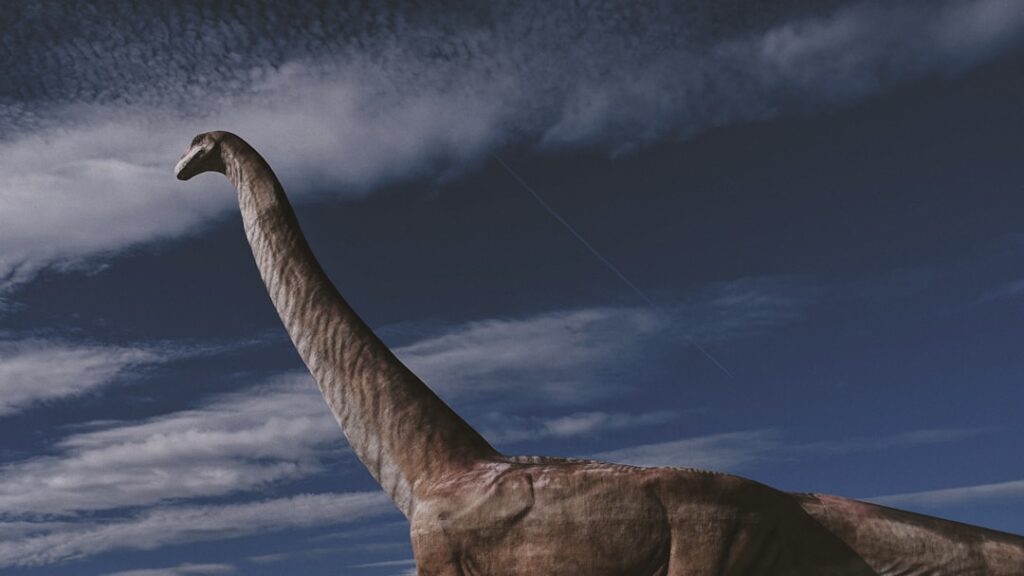
During the Jurassic Period, dinosaurs went from an unimportant group to ruling the planet. This is where the story truly gets spectacular. The plentiful plant supply allowed the huge plant-eating sauropods – such as Apatosaurus, Diplodocus and Brachiosaurus – to evolve. These are some of the largest animals to have ever walked the Earth, and by the end of the Jurassic, their herds dominated the landscape.
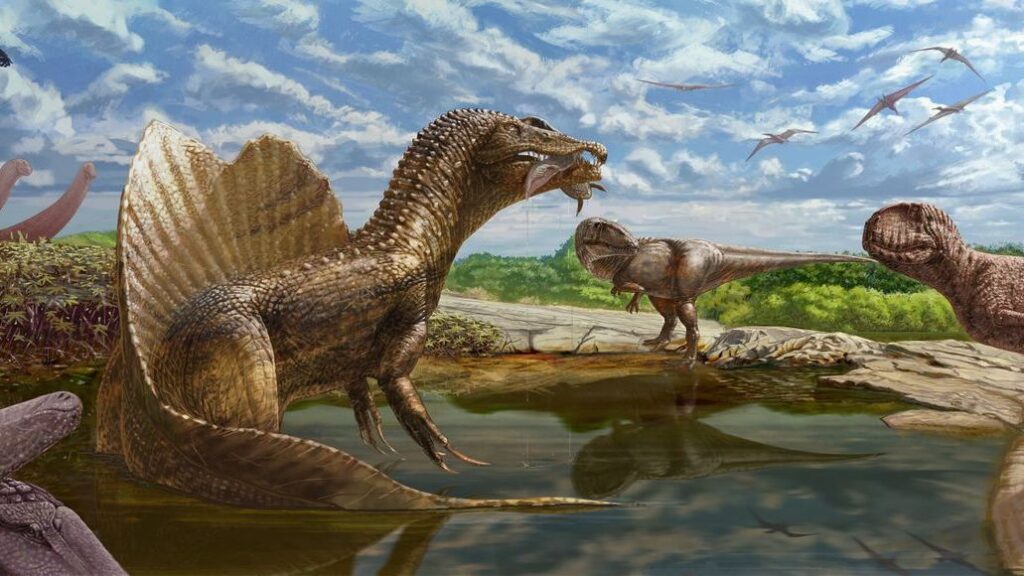
Giant plant-eating dinosaurs roamed the Earth with smaller but vicious carnivores stalking them. Flying reptiles and the first birds appeared. Creeping about in the undergrowth were tiny mammals no bigger than rats, while the shallow oceans contained abundant life from tiny plankton to huge, whale-sized marine reptiles. The Jurassic was essentially Earth’s golden age of mega-fauna – a living, breathing world of colossal animals that would make today’s elephants look like housepets.
The First Birds: Dinosaurs Take to the Sky
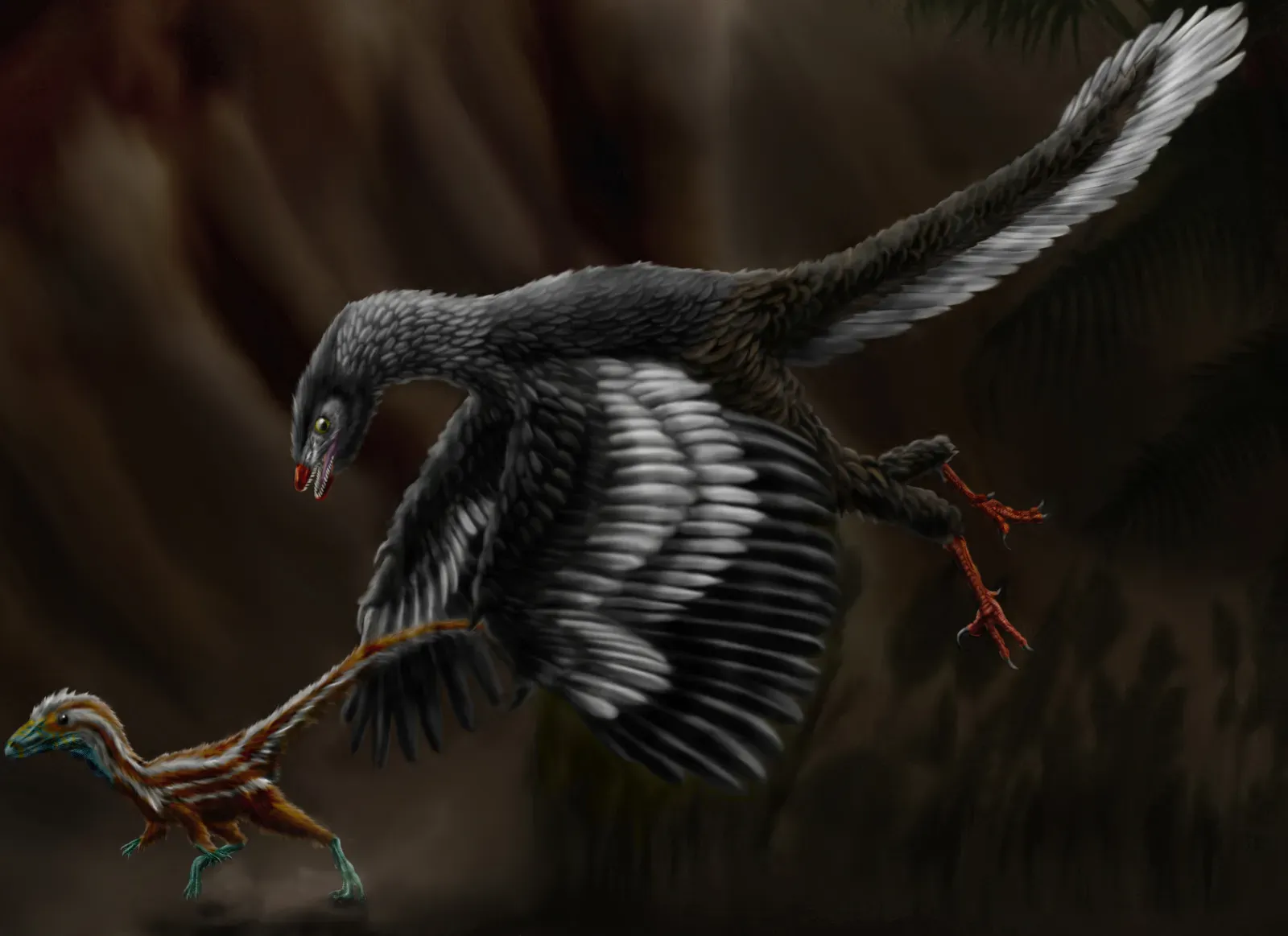
During the Late Jurassic, the first avialans, such as Archaeopteryx, evolved from small coelurosaurian dinosaurs. This is genuinely one of the most surprising facts in all of natural history. Birds aren’t just related to dinosaurs. They ARE dinosaurs. During the Mesozoic Era, a species of non-avian dinosaur evolved into a species of avian dinosaur. This avian dinosaur is the first bird and the forerunner of all birds alive today.
Dinosaurs evolved and dominated the terrestrial environment in the Jurassic and Cretaceous periods, and the late Jurassic saw the first birds evolve from dinosaur ancestors as well as the continued evolution of mammals. So the next time you see a pigeon pecking at crumbs on the sidewalk, you’re technically watching a living dinosaur go about its day. I know it sounds crazy, but the science is rock solid on this one.
The Cretaceous Period: Peak Dinosaur Diversity
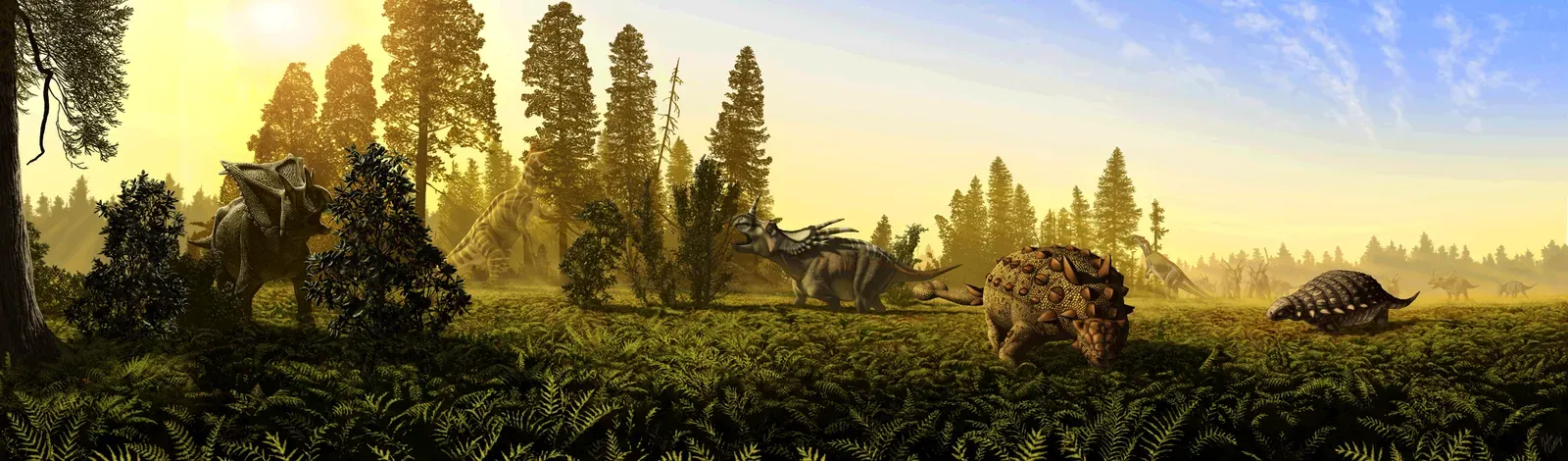
The Cretaceous is defined as the period between about 145.5 and 65.5 million years ago, the last period of the Mesozoic Era. By the beginning of the Cretaceous, the supercontinent Pangaea was already rifting apart, and by the mid-Cretaceous, it had split into several smaller continents. This created large-scale geographic isolation, causing a divergence in the evolution of all land-based life.
During the Cretaceous, the land separated further into some of the continents we recognize today, and this meant that dinosaurs evolved independently in different parts of the world, becoming more diverse. Sauropods reached their largest sizes in the Cretaceous, with the biggest being the titanosaurs – and Patagotitan was a staggering 37.5 metres long. That’s longer than four double-decker buses lined up end to end. These weren’t just big animals. They were walking geological events.
How Long Did Dinosaurs Actually Rule?
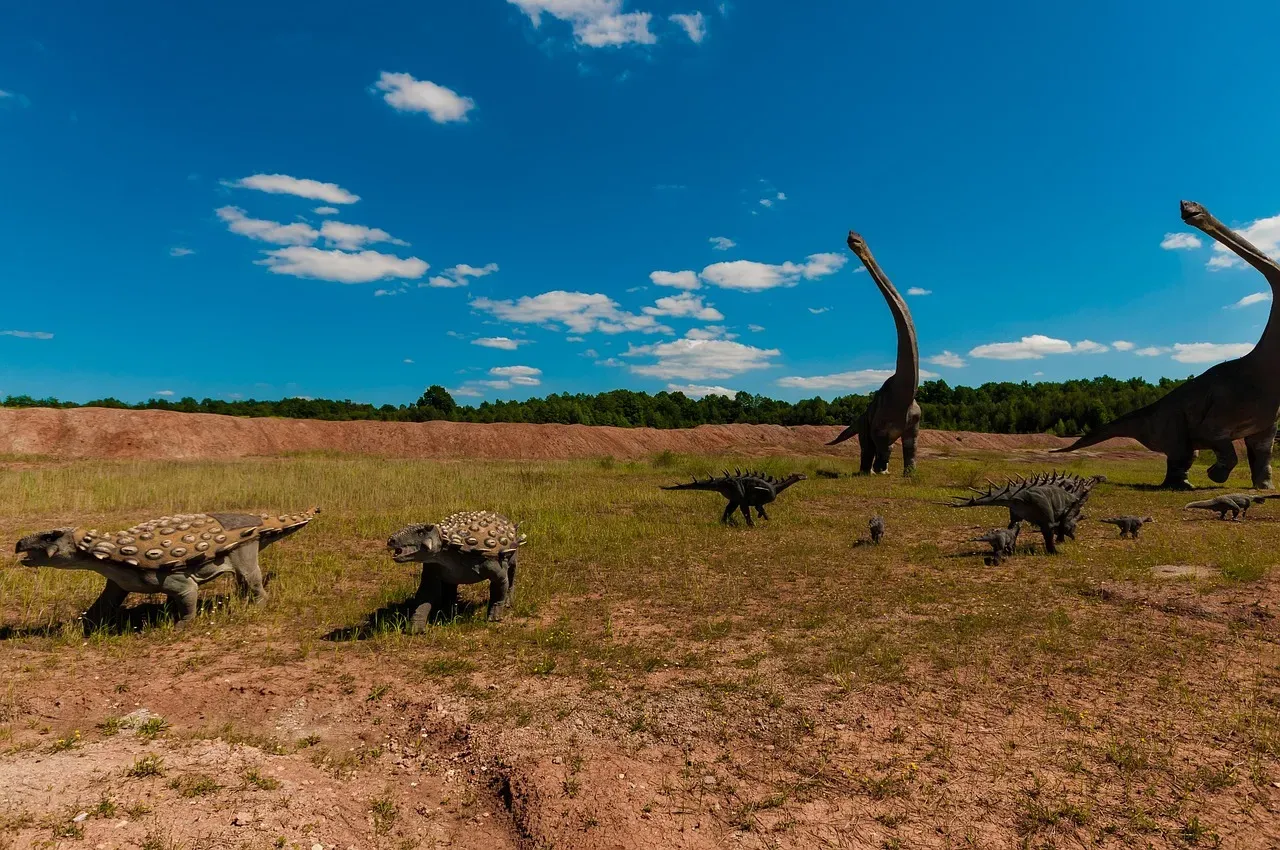
Dinosaurs ruled the Earth for approximately 165 million years, from the Late Triassic period to the end of the Cretaceous period. To put that in context, modern humans have only existed for roughly 300,000 years. Dinosaurs outlasted our entire existence by a factor of more than five hundred. Dinosaurs dominated the Mesozoic Era for more than 160 million years, peaking during the late Jurassic to early Cretaceous periods, and they are thought to be the most successful animals ever to walk the Earth.
Non-bird dinosaurs lived between about 245 and 66 million years ago, in a time known as the Mesozoic Era – many millions of years before the first modern humans, Homo sapiens, appeared. Let’s be real: nothing in human civilization, not empires, not languages, not religions, comes remotely close to that kind of longevity. The dinosaurs’ dominance wasn’t a lucky streak. It was a masterclass in evolutionary success.
The Final Chapter: Asteroid, Winter, and Extinction
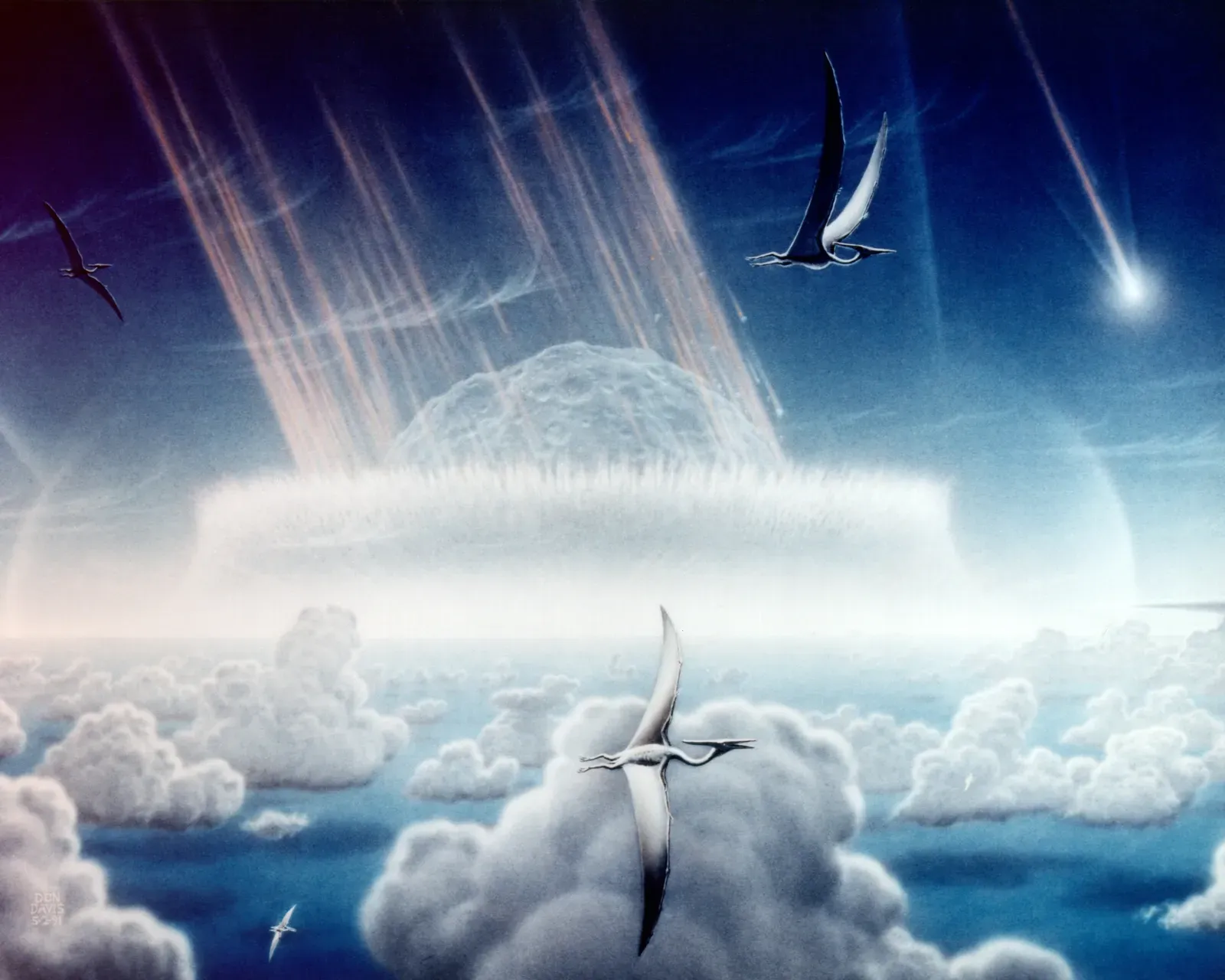
The Cretaceous-Paleogene extinction event was a major mass extinction of three-quarters of the plant and animal species on Earth, which occurred approximately 66 million years ago. The asteroid was more than 10 kilometres in diameter and impacted into a shallow ocean, penetrating the Earth’s crust down to a depth of several kilometres. It vaporized and shattered ocean water and the Yucatan target rocks, and as a result, a crater some 200 kilometres in diameter formed.
Over a short period of time, several hundred billion tons of gases were injected into the Earth’s atmosphere. An abrupt and global disruption followed: the climate became unstable, fine dust suspended in the atmosphere blocked sunlight, decreasing or even stopping photosynthesis. Birds were the only dinosaurs to survive, and even groups thought of as survivors, such as mammals and lizards, suffered steep losses. Life on Earth would not be the same today without the impact – a rare chance event that wiped away many forms of ancient life and allowed the survivors, including our earliest primate ancestors, to flourish.
Conclusion: A Legacy Written in Stone and Sky
The dinosaur story isn’t really an ending. It’s a transformation. For the vast majority of Earth’s complex animal history, dinosaurs were the story, from nervous little bipeds darting through Triassic deserts to colossus sauropods shaking the Jurassic ground, to the razor-edged predators of the Cretaceous. Their reign was staggering in scope, breathtaking in variety, and ended in a chapter of cosmic violence that reshaped everything.
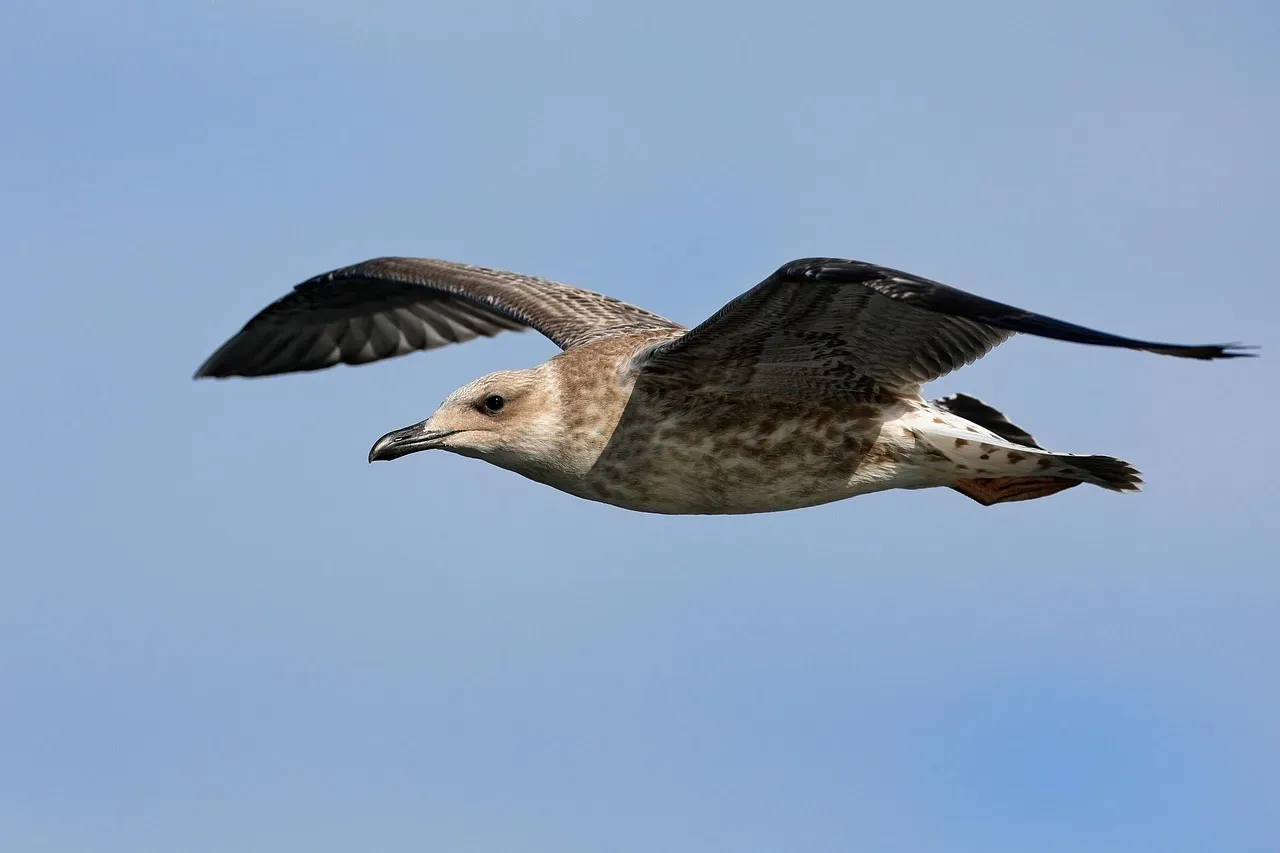
The remarkable thing is that they never truly vanished. Every bird you hear singing at dawn is a direct descendant of those ancient giants. The dinosaur age didn’t end. It evolved. It took to the air, grew feathers, and kept going. That’s a story worth sitting with. The next time you look up at the sky and watch a bird glide effortlessly overhead, ask yourself: did you ever expect that the age of dinosaurs was still happening, right in front of your eyes?