
Central Aceh, Indonesia — Multiple fatalities among critically endangered Sumatran elephants highlighted escalating human-wildlife tensions and illegal activities in the opening months of 2026.
Electrified Barriers Prove Fatal
Electrified Barriers Prove Fatal (Image Credits: Imgs.mongabay.com)
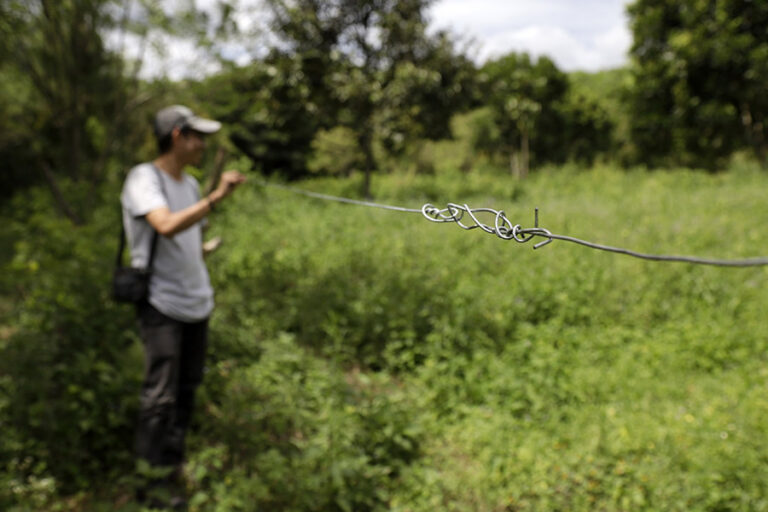
A female Sumatran elephant, estimated at 20 years old, met a tragic end on February 20 in Karang Ampar village, Central Aceh district. Fieldworkers discovered her carcass with her trunk entangled in an electrified fence surrounding a local farm. Officials from the Aceh Natural Resources Conservation Agency (BKSDA) conducted a preliminary investigation that pointed to electrocution as the cause.
Ujang Wisnu Barata, head of BKSDA Aceh, stated, “Based on the preliminary investigation, the elephant is suspected to have died from electrocution from a wire installed in a resident’s farming area.” A villager named Anwar described the scene: “Its trunk was entangled in a wire that had been put up around the land.” The agency buried the body on-site and issued reminders about the dangers of high-voltage wires to both communities and wildlife.
Farmer’s Death Underscores Conflict Risks
Tragedy struck again the following day in neighboring Bener Meriah district. A 53-year-old farmer named Mashar died from injuries sustained during an encounter with a herd of elephants in Pantan Lah village. He had spent the night guarding his corn field, a common practice among locals to protect crops from pests, when he investigated tracks at dawn.
Sulaiman, a local resident, recounted the events: “Moments later, the victim’s wife heard the roar of an elephant. She called her son to check on him – he found his father on the ground with wounds from being trampled on his chest and jaw.” Mashar succumbed after hospital treatment. Teuku Irmansyah, a section head at the Aceh conservation agency, urged caution: “If you find elephant tracks or elephants present near residential areas, report it immediately to officers so they can be handled in line with procedures for safety.” The sites of these incidents lay just 10 kilometers apart.
Poaching Incident on Plantation
Authorities in Riau province uncovered another threat on March 3, announcing plans to charge 15 individuals linked to a poaching ring. The group allegedly shot a Sumatran elephant on February 2 within a palm oil concession operated by PT Riau Andalan Pulp & Paper, a subsidiary of the APRIL Group. Officials believed the animal had entered the area in search of food.
This case added to concerns over illegal killing amid expanding agricultural lands. Police investigations continued to build the case against the suspects.
Habitat Pressures Fuel the Crisis
These events occurred against a backdrop of shrinking habitats driven by palm oil expansion and post-conflict land clearing, particularly in areas like Bireuën district following the 2005 peace agreement. A devastating cyclone in November 2025 further disrupted elephant corridors through floods and landslides across Aceh and neighboring provinces.
Electric fences, intended to safeguard farms, have become deadly traps. The Indonesian Elephant Conservation Forum estimates the wild population at 924 to 1,359 individuals, reflecting an 80% decline since World War II primarily due to habitat loss. The IUCN has listed Sumatran elephants as critically endangered since 2011.
- Key threats include agricultural encroachment and retaliatory killings.
- Climate events like Cyclone Senyar exacerbate migrations into human areas.
- Conservationists advocate for non-lethal barriers and rapid response teams.
Key Takeaways:
- Three distinct incidents in early 2026 claimed at least two elephants and one human.
- Electric fences pose an immediate, preventable risk to elephants.
- Reporting sightings promptly can prevent escalations in conflicts.
Conservation agencies now push for safer crop protection methods and stricter enforcement against poaching. As pressures mount, balanced solutions remain essential for safeguarding both elephants and communities. What steps should Indonesia take next to protect these iconic animals? Share your thoughts in the comments.