Brazil – The expansive Cerrado savanna biome anchors the country’s ecological wealth, harboring immense biodiversity while serving as the origin point for rivers that power homes and farms nationwide.
Unrivaled Diversity in a Vast Landscape
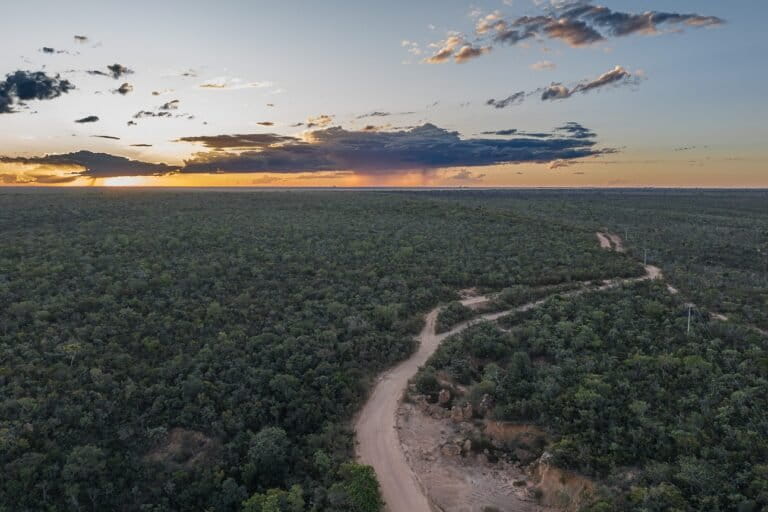
Unrivaled Diversity in a Vast Landscape (Image Credits: Imgs.mongabay.com)
The Cerrado stands out as the world’s most biodiverse savanna, encompassing a mosaic of grasslands, shrublands, and forests across 24 percent of Brazil’s territory. Scientists recognize it as a hotspot where nearly half of its more than 11,000 plant species occur nowhere else on Earth. This region supports 5 percent of global animal and plant life, including 200 mammal species, 860 birds, and thousands of insects.
Endemic treasures thrive in specialized habitats like the montane campos rupestres, which boast high levels of unique flora and fauna adapted to rocky outcrops. Iconic residents such as the giant anteater, maned wolf, and armadillos navigate these ecosystems, many now vulnerable due to habitat pressures. Conservationists note that over 60 animal species face risks, with 12 critically endangered. Local communities have long depended on native plants for food, medicine, and crafts, underscoring the biome’s cultural value as well.
Vital Source for Rivers and Hydropower
The Cerrado functions as Brazil’s hydrological powerhouse, originating six major rivers that feed 12 key basins, including those sustaining the Pantanal wetland. Its deep-rooted vegetation, storing 90 percent of carbon underground, regulates water cycles and maintains aquifer recharge. Nine out of ten Brazilians rely on electricity from hydropower plants drawing from these waters.
Degradation here ripples outward, threatening downstream agriculture and urban supplies. Experts warn that irrigated farming and excessive withdrawals already diminish spring flows in veredas, the biome’s palm-fringed wetlands. Protecting riparian zones emerges as essential for long-term stability, as the sector both consumes and depends on this resource.
Agriculture and Fires Drive Habitat Loss
Over 55 percent of the Cerrado’s original vegetation vanished since the 1970s, primarily to soy fields, cattle pastures, and eucalyptus plantations. This conversion exceeds 1 million square kilometers, an area larger than France and Germany combined. Mining, urban sprawl, and road building fragment remaining patches, while human-started fires – responsible for 99 percent of blazes – prevent regeneration.
Recent data showed deforestation reaching 7,235 square kilometers from August 2024 to July 2025, though this marked an 11.5 percent drop from prior years, the lowest in five. Still, invasive grasses and agrochemicals compound the damage. The following outlines primary threats:
- Large-scale monoculture farming, especially soy and corn expansion.
- Cattle ranching converting grasslands to pastures.
- Frequent anthropogenic fires altering fire-adapted ecosystems.
- Mining in high-endemism areas like campos rupestres.
- Weak enforcement of the Forest Code, mandating only 20-35 percent native cover on private lands.
Conservation Gains and Urgent Needs
Brazil established 706 conservation units covering 8 percent of the Cerrado, though less than 3 percent receives full protection. Indigenous territories prove effective, showing deforestation rates five times lower than elsewhere. Initiatives by groups like WWF promote sustainable soy and beef production, aiming to boost yields on existing lands without further clearing.
Restoration targets call for rehabilitating 30 percent of degraded areas, using native seeds and community involvement. Policymakers advocate stricter traceability in supply chains and reforms to laws like the Marco Temporal, which limits Indigenous land claims. Financial incentives and market pressures from buyers encourage zero-deforestation commitments.
Key Takeaways
- The Cerrado hosts 5 percent of global biodiversity but has lost over half its vegetation.
- It powers Brazil’s hydropower and feeds major rivers critical for food security.
- Recent deforestation declines offer hope, but stronger laws and restoration are vital.
The Cerrado’s intricate balance of life and water demands immediate action to reconcile farming needs with ecological integrity. Brazil stands at a crossroads where preserving this savanna secures future prosperity. What conservation measures would you prioritize? Tell us in the comments.