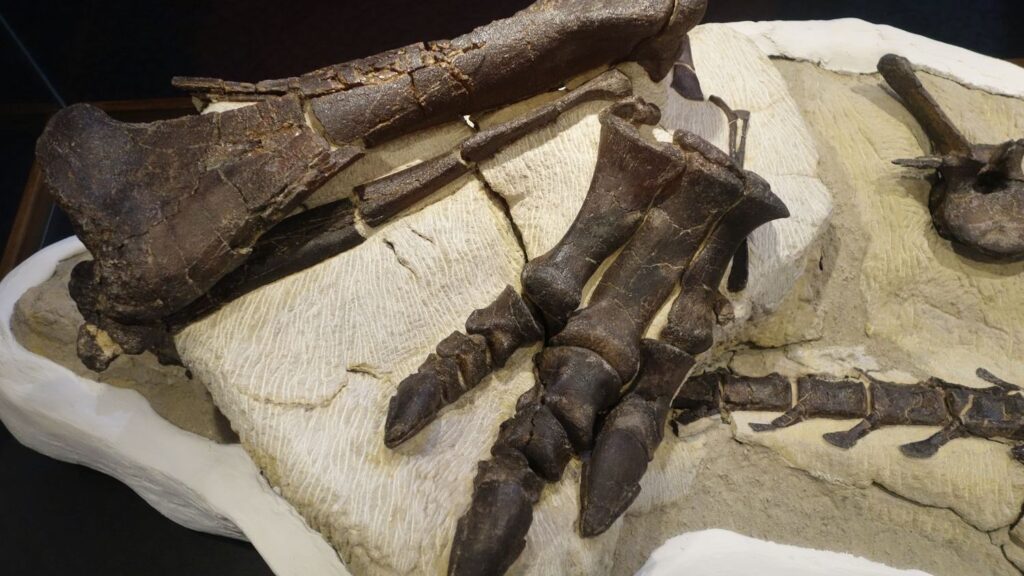
Computer simulations paired with ancient pollen records demonstrate that early humans exerted substantial influence over European vegetation long before the rise of farming.
Neanderthals Tackled Giants, Altering Forests Indirectly
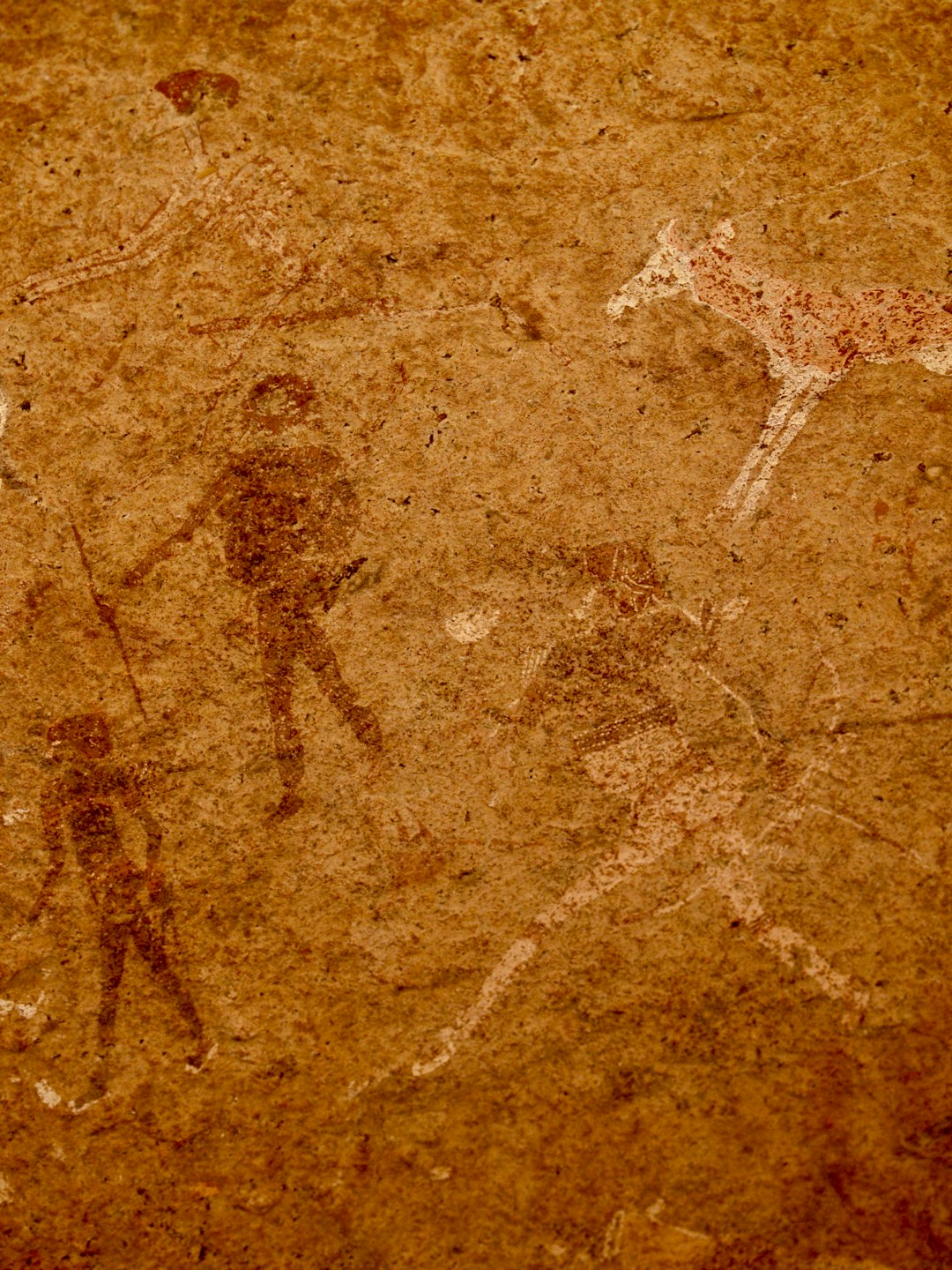
Neanderthals Tackled Giants, Altering Forests Indirectly (Image Credits: Unsplash)
Neanderthals hunted massive prehistoric elephants weighing up to 13 tonnes during the Last Interglacial period from 125,000 to 116,000 years ago. Their pursuits reduced populations of large herbivores, which in turn diminished grazing pressure and allowed denser vegetation to develop across the continent.
Researchers noted that these early hominins did not eradicate the ecological roles of megafauna due to their limited numbers. Still, models indicated Neanderthals affected about 14 percent of vegetation openness and 6 percent of plant type distributions. Jens-Christian Svenning remarked, “The Neanderthals did not hold back from hunting and killing even giant elephants… However, the effect was limited, because the Neanderthals were so few that they did not eliminate the large animals or their ecological role.”
Direct evidence from archaeology supported these indirect impacts, as fewer grazers led to more closed woodlands in areas once kept open by megafauna.
Mesolithic Hunters Amplified Changes After Ice Age
Mesolithic hunter-gatherers in the Early Holocene, from 12,000 to 8,000 years ago, influenced up to 47 percent of plant type distributions through intensified hunting and fire management. Their arrival coincided with sharper declines in megafauna, reshaping landscapes that featured herds of elephants, bison, and aurochs.
These groups deployed fire deliberately to burn trees and shrubs, opening up dense forests while hunting depleted large herbivores further. Anastasia Nikulina explained, “Our simulations show that Mesolithic hunter-gatherers could have influenced up to 47% of the distribution of plant types.” The combined pressures created mosaics of vegetation unlike those produced by climate, herbivores, or natural fires alone.
Pollen data validated the models, confirming human activity as essential for matching observed patterns.
Simulations Unlock Hidden Human Signatures
Scientists developed advanced models incorporating climate, herbivores, natural fires, and human factors across Europe during two warm intervals. An AI-optimized algorithm tested thousands of scenarios against pollen records from archaeology, ecology, and palynology.
Without human elements, simulations failed to replicate real vegetation shifts. Svenning stated, “It became clear to us that climate change, large herbivores, and natural fires alone could not explain the pollen data results. Factoring humans into the equation… resulted in a much better match.”
- Hunting indirectly fostered denser growth by curbing megafauna grazing.
- Fires directly cleared woody plants, promoting openness.
- Effects scaled with population: modest for Neanderthals, profound for Mesolithic groups.
- Study appeared in PLOS One in October 2025, led by Nikulina and Svenning.
| Group | Time Period | Plant Distribution Impact | Vegetation Openness Impact |
|---|---|---|---|
| Neanderthals | 125,000–116,000 years ago | 6% | 14% |
| Mesolithic Hunter-Gatherers | 12,000–8,000 years ago | Up to 47% | Significant |
Challenging the Myth of Untouched Prehistory
The findings dismantle notions of pristine landscapes before agriculture, positioning prehistoric humans as active ecosystem engineers. Megafauna extinctions aligned with human expansions, amplifying fire regimes and hunting pressures globally, though this study focused on Europe.
Similar patterns emerged elsewhere, with human arrival triggering losses of giants like mammoths and giant sloths. These shifts altered nutrient cycling, seed dispersal, and vegetation structure, legacies persisting today.
Key Takeaways
- Humans drove vegetation changes via fire and megafauna hunting, not climate alone.
- Neanderthals showed early prowess; later groups intensified impacts.
- Pre-agricultural footprints demand revised views of “wild” Europe.
Ancient humans proved masterful at molding their world, a reminder that our species has long intertwined with nature’s rhythms. What lessons from these early shapers might guide today’s conservation? Share your thoughts in the comments.