A comprehensive global meta-analysis has revealed how everyday boat activity profoundly affects the lives of marine megafauna, from whales and dolphins to sea turtles and sharks.
Decades of Data Expose Consistent Disruptions
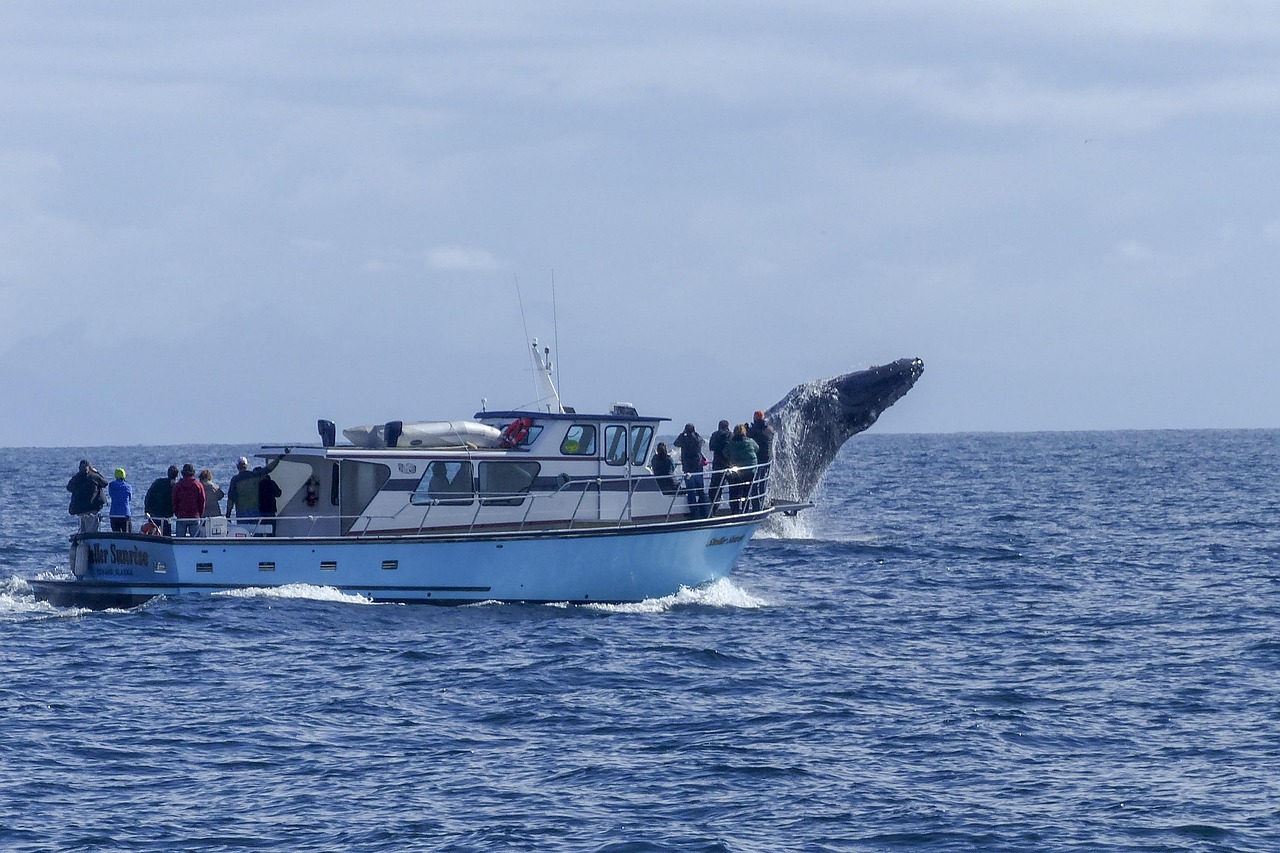
Decades of Data Expose Consistent Disruptions (Image Credits: Pixabay)
Researchers synthesized findings from 204 peer-reviewed studies spanning more than 40 years, compiling nearly 1,900 comparisons between scenarios with and without vessels. The analysis covered 57 species across five major groups: cetaceans like whales and dolphins, pinnipeds such as seals, sirenians including manatees, marine reptiles like sea turtles, and large fishes such as sharks and rays.
Vessel effects proved consistent worldwide, with physical presence and proximity triggering the strongest responses. Noise from engines masked communications, while direct collisions and pollution added further threats. Even without strikes, boats forced animals to alter essential activities, accumulating costs over time.
Behavioral Shifts Ripple Through Daily Lives
Marine megafauna repeatedly changed foraging patterns, movement speeds, and social interactions in response to nearby vessels. For instance, animals reduced feeding when boats approached within 50 meters, prioritizing evasion over nutrition. Distance from vessels emerged as the dominant factor, outpacing noise in effect size.
Sea turtles displayed particularly strong reactions, abandoning surface resting or nesting behaviors. Cetaceans vocalized less or shifted call frequencies to counter engine clamor. These adjustments, though adaptive short-term, drained energy reserves and hindered reproduction in long-lived species reliant on coastal hotspots.
- Avoidance of high-traffic zones limited access to prime feeding grounds.
- Altered dive times disrupted predator-prey dynamics.
- Reduced mother-calf bonding increased vulnerability in young.
- Slower migration paces exposed animals to prolonged disturbances.
- Fewer social displays curtailed mating opportunities.
Stress Responses Mount Under Constant Pressure
Physiological markers told a stark story: vessel presence spiked heart rates and cortisol levels far more than noise alone. Pinnipeds showed pronounced stress, with chronic exposure potentially suppressing immune function and reproduction. Critically endangered species registered the largest effect sizes, amplifying extinction risks.
“Even when vessels do not directly strike animals, their presence alone can disrupt feeding, movement, communication, and stress levels,” said Julia Saltzman, lead author and doctoral student at the University of Miami’s Rosenstiel School. “These small, repeated disturbances can add up over time and affect populations.”
Metabolic demands rose as animals expended extra effort fleeing or calling louder, compounding vulnerabilities in slow-reproducing megafauna.
Population Declines Loom on the Horizon
Long-term data linked vessel density to falling abundances, especially in endangered taxa where effect sizes swelled by over 500 percent compared to vulnerable ones. Threatened sea turtles and cetaceans faced intensified pressures, with understudied sharks and rays overlapping heavily with traffic yet lacking research.
Emily Yeager, a co-author, noted, “Some groups, particularly sea turtles, show stronger responses to vessel disturbance, while others, including large fishes, sharks and rays, remain relatively understudied despite frequent spatial overlap with vessel activity.”
| Taxon | Strongest Response Type | Key Impact |
|---|---|---|
| Cetaceans | Behavior/Vocalization | Communication masking |
| Sea Turtles | Behavior | Surface avoidance |
| Pinnipeds | Physiology | Heart rate spikes |
| Sharks/Rays | Understudied | High overlap risk |
Charting a Course for Smarter Protections
Static rules fell short against shifting boat and animal patterns, prompting calls for dynamic tools. Seasonal speed limits, adaptive buffers, and temporary closures emerged as priorities, alongside quieter propellers and detection tech.
Catherine Macdonald, director of the Shark Research and Conservation Program, emphasized, “Dynamic management strategies, including seasonal speed restrictions, adaptive buffer distances and targeted closures of key habitats, can provide flexible, evidence-based tools to reduce vessel impacts while allowing continued human use of the ocean.”
Key Takeaways
- Vessel presence drives larger disruptions than noise alone across behaviors and stress.
- Endangered species suffer amplified effects, urging targeted interventions.
- Dynamic management offers practical balance between conservation and ocean access.
As vessel traffic escalates, these insights demand urgent action to safeguard ocean giants before cumulative harms tip populations past recovery. What steps should regulators take next? Share your thoughts in the comments.