

When most people picture a dinosaur, they picture something alone. A T. rex prowling through a misty forest. A Brachiosaurus feeding in isolated silence. That image, honestly, couldn’t be further from what the fossil record is actually telling us. Dinosaurs were far more socially complex than we ever gave them credit for, and the evidence keeps piling up in ways that are genuinely shocking.
What researchers are uncovering rewrites the story of these ancient giants from the ground up. You won’t look at a museum display the same way after this. Let’s dive in.
Dinosaurs Were Herding as Far Back as 193 Million Years Ago
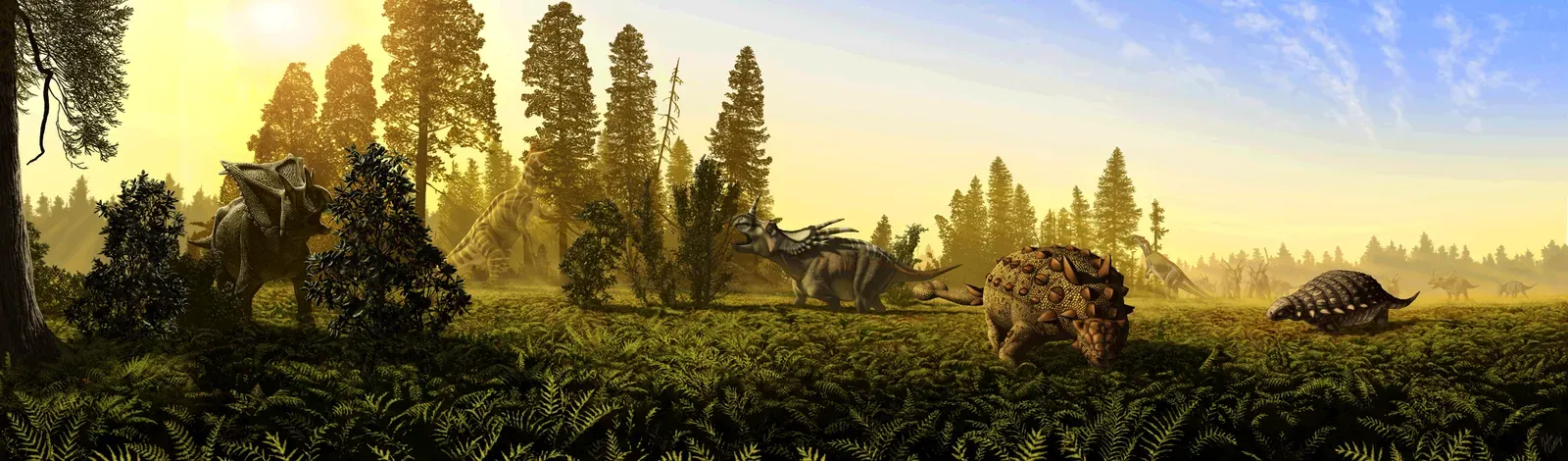
Here’s a fact that still makes my jaw drop every time I think about it. Scientists believe they have found the earliest evidence for complex herd behavior in dinosaurs, with researchers concluding that Mussaurus patagonicus may have lived in herds as early as 193 million years ago, a full 40 million years earlier than any other known records of dinosaur herding. That’s not a small gap. That’s the entire age of the dinosaurs themselves, pushed back dramatically.
Since 2013, members of a research team excavated more than 100 dinosaur eggs and the partial skeletons of 80 juvenile and adult dinosaurs from a rich fossil bed in southern Patagonia. Think about what that site represents. It’s not random bones scattered by a flood. It’s a community. The fossils were found in several layers of sediment, suggesting that the dinosaurs returned to the site year after year to nest, a common behavior of many modern social animals.
They Organized Their Herds by Age, Just Like Modern Elephants
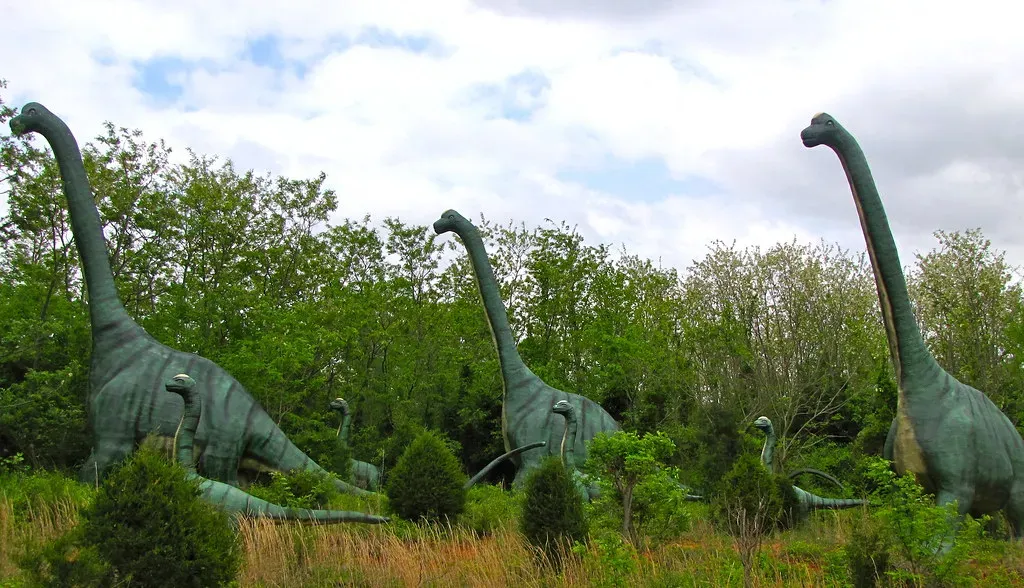
You might think herding is simple, everyone just sticks together. Not for dinosaurs. Scientists noticed that animals of a similar age were buried together, eggs and young hatchlings in one spot, teenagers in another, and adults found alone or in a pair. This phenomenon is known as “age segregation” and it is an indication of herding behavior, with the young staying close to each other while the adults protected the herd and foraged for food. It’s almost eerily familiar, like watching a documentary about modern savannah life.
Research on Hypacrosaurus bonebeds indicates that these hadrosaurs stayed in juvenile herds until they were about 4 years old, at which time they joined multigenerational herds, likely because they had reached sexual maturity and were beginning to breed. There’s something poetic about knowing a young dinosaur had its own version of leaving home and joining the adult world. This type of gregarious behavior is common today in large terrestrial herbivores, which makes the parallel feel all the more real.
Dinosaur Parents Were Surprisingly Devoted
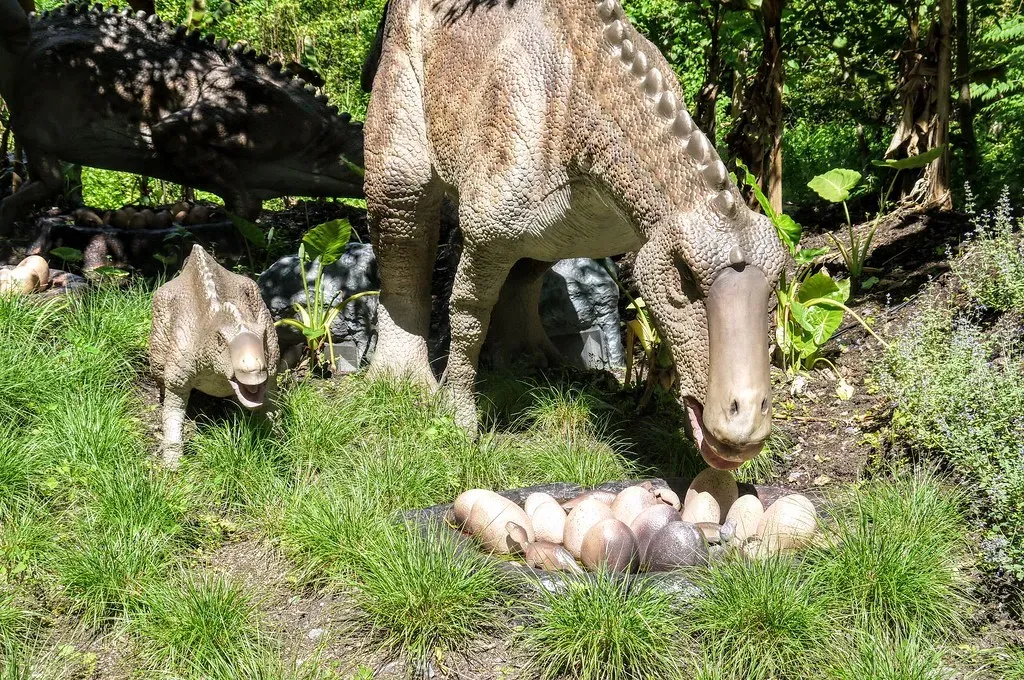
Jack Horner’s 1978 discovery of a Maiasaura nesting ground in Montana demonstrated that parental care continued long after birth among ornithopods. Maiasaura literally translates to “good mother lizard,” and that name turned out to be genuinely earned. When scientists found dinosaur nests with crushed eggshells all in one small area, it told them the babies stayed in the nest for some time, long enough to crush the eggs, meaning the parents were taking care of the babies for a period after they hatched, bringing them food and protecting them from predators.
At Egg Mountain, evidence of trampled eggshells suggests that the hatchlings were in the nest for a while, and along with the shells there was plant matter in the nests, suggesting parents may have fed the young before they ventured out into the world. That’s not a cold-blooded reptile abandoning its offspring. That’s active, deliberate parenting. In some species like the duck-billed Maiasaura, evidence suggests juveniles remained in or near the nesting colony until reaching about half their adult size, indicating extended parental or group care.
Some Dinosaurs Returned to the Same Nesting Grounds Every Year
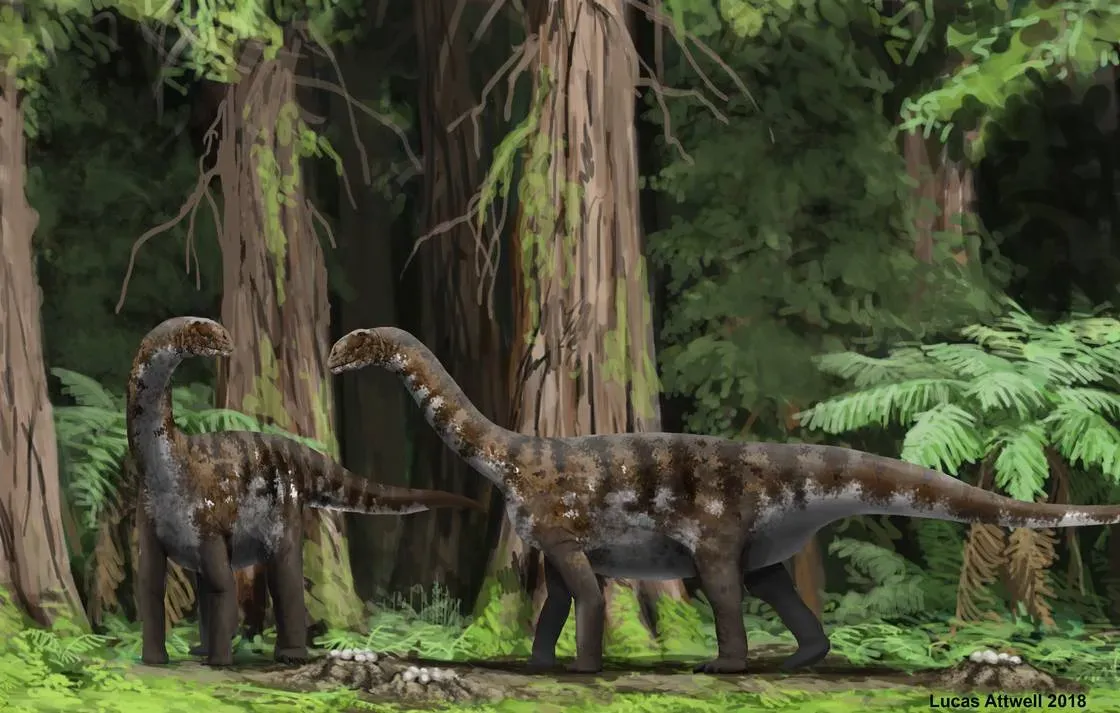
Imagine migrating thousands of miles and somehow finding your way back to the exact same spot year after year. Many modern birds do it. So, it turns out, did dinosaurs. Different species made annual treks to the same nesting ground, showing that site fidelity was an instinctive part of dinosaurian reproductive strategy. This wasn’t random. It was deliberate, learned behavior passed down through generations.
Nesting sites discovered in the late 20th century also establish herding among dinosaurs. Nests and eggs numbering from dozens to thousands are preserved at sites that were possibly used for thousands of years by the same evolving populations of dinosaurs. Thousands of years of returning to the same patch of ground. That kind of behavioral loyalty is almost inconceivable, and yet the fossil evidence makes it undeniable. Other findings, including a group of Lufengosaurus in China and Massospondylus in South Africa, suggest that these creatures returned to the same nesting grounds, on or near floodplains, year after year.
Dinosaurs Had a Sophisticated System of Visual Communication
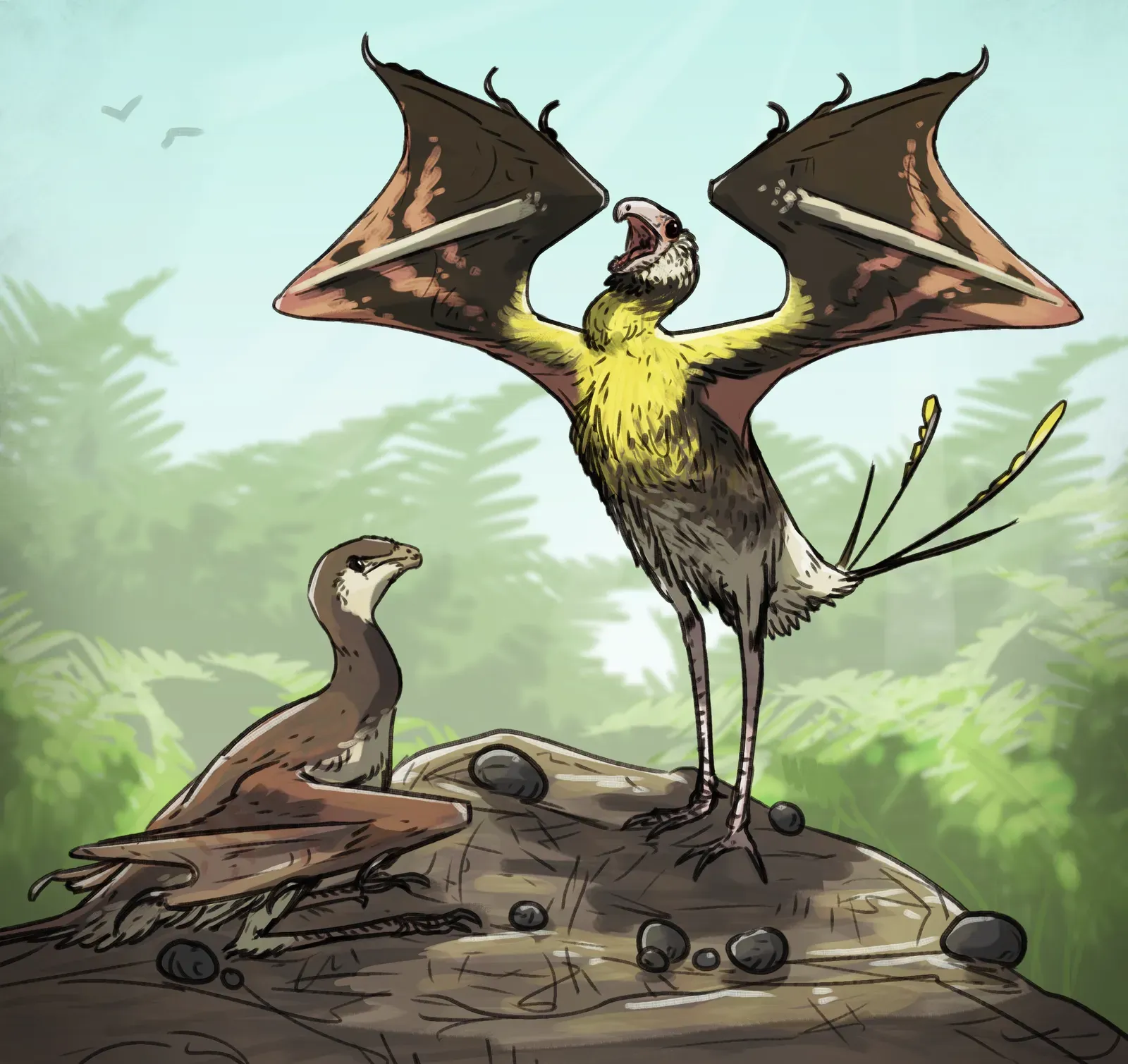
Let’s be real, we tend to imagine dinosaurs grunting and roaring with no particular subtlety. But the truth is far more interesting. The wide diversity of visual display structures among fossil dinosaur groups, such as horns, frills, crests, sails, and feathers, suggests that visual communication has always been important in dinosaur biology. These weren’t just decorations. They were language. Physical features such as crests, frills, and horns played a significant role in signaling dominance, age, or attracting potential mates, designed to catch the attention and interest of others, either as a form of courtship or as a means of intimidation towards rivals.
The discovery of pigment-containing structures in fossilized feathers has confirmed that many dinosaurs sported vivid colors and patterns, and ceratopsians like Triceratops had large, ornate frills that may have served as visual signals to others of their kind, potentially changing color during mating seasons. Think of it like a peacock’s tail, but baked into the bones themselves. Features like crests, horns, or spikes are fairly honest signals of fitness in animals, since you simply cannot grow the biggest ones without having good genes, and that is what female animals typically look for.
Some Dinosaurs Could Literally Sing to Each Other
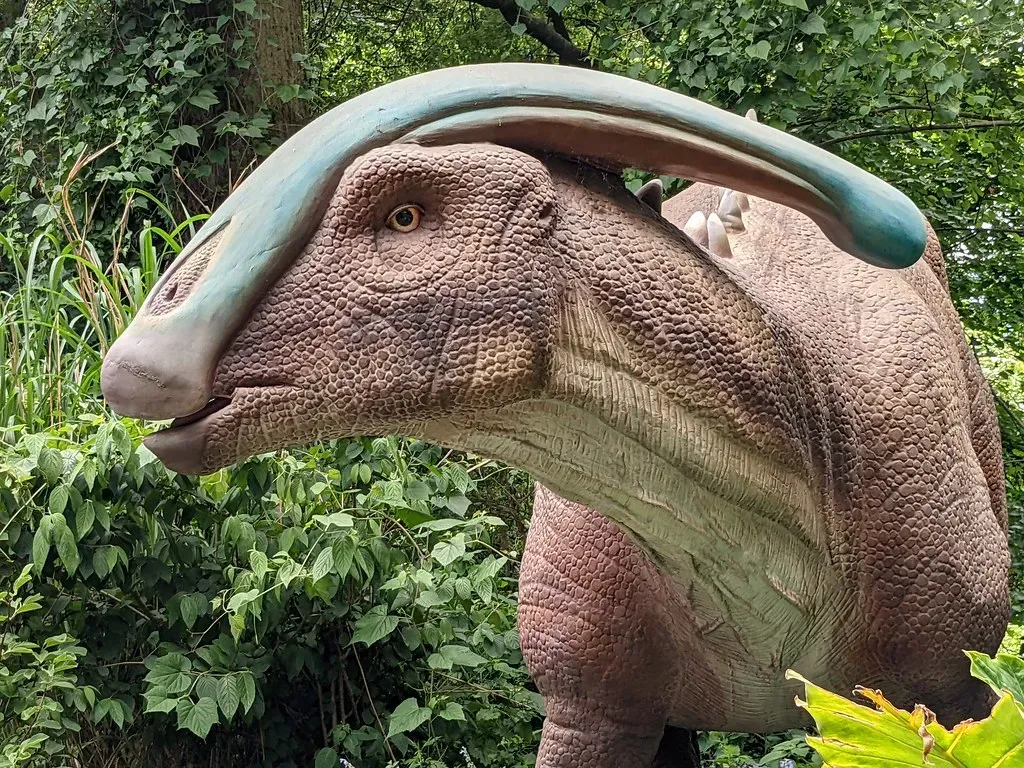
This one sounds almost too wild to believe. Some duck-billed dinosaurs, called hadrosaurs, had elaborate crests that contained long and resonant extensions of the breathing tracts, and researchers found that these crests are naturally resonant and could easily produce low-frequency sounds. We’re talking about a living instrument built directly into a dinosaur’s skull. These hadrosaurs had elaborate hollow crests formed from their skull bones that may have served not only as visual display signals, but allowed them to produce loud, resonating calls in order to communicate with each other.
A 2016 study concludes that some dinosaurs may have produced closed-mouth vocalizations, such as cooing, hooting, and booming. Picture a massive Parasaurolophus standing in a Cretaceous floodplain, sending a low, resonant boom rolling across the landscape. The crest of Parasaurolophus likely permitted both species identification and sexual identification by shape and size, essentially giving each individual a unique acoustic and visual identity recognizable to others across a considerable distance. That’s remarkable social sophistication by any measure.
Carnivores May Have Hunted Together, Though the Debate Rages On
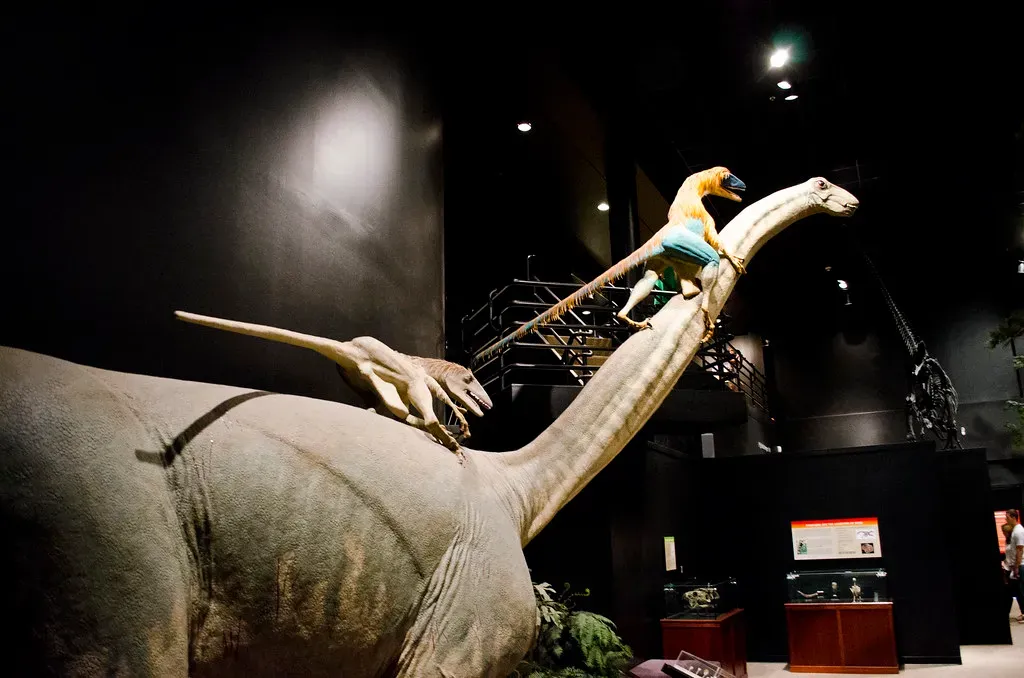
Hollywood loves a raptor pack, but does science back it up? Somewhat. Carnivorous dinosaurs such as the fearsome Deinonychus may have exhibited complex cooperative hunting behaviors. Fossil sites have provided important insights, and the presence of multiple individuals of the same species in close proximity suggests that these dinosaurs may have hunted in packs, a cooperative hunting strategy that would have allowed them to take down larger prey and defend their territories effectively.
Here’s the thing though: it isn’t so simple. The taphonomic evidence suggesting mammal-like pack hunting in theropods such as Deinonychus and Allosaurus can also be interpreted as the results of fatal disputes between feeding animals, as is seen in many modern diapsid predators. So those multiple Deinonychus fossils near a single kill? They might be rivals fighting over a carcass rather than teammates taking one down together. While there is some evidence to suggest that certain types of dinosaurs may have hunted in packs, the idea remains controversial, and fossil evidence is limited and difficult to interpret. It’s a genuinely open question, and I find that uncertainty fascinating.
Dinosaurs Fought Each Other for Dominance, Leaving Scars Behind
It wasn’t always peaceful in the herd. Dinosaurs fought. Hard. Fossil evidence strongly supports aggressive interactions, with Triceratops skulls frequently exhibiting puncture wounds, broken horn tips, and healed fractures that match the dimensions of other Triceratops horns. A particularly noteworthy specimen shows a Triceratops horn tip embedded in another Triceratops’ frill, providing indisputable proof of violent confrontations between these herbivores. That’s not accidental. That’s combat.
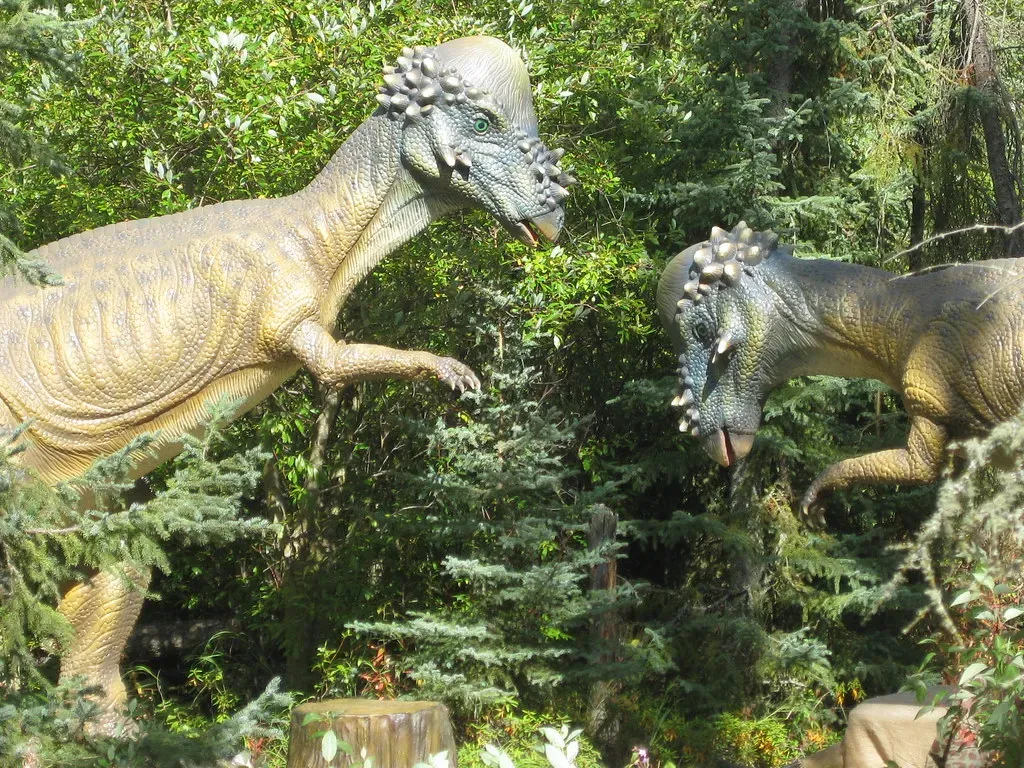
Pachycephalosaurs, with their distinctive dome-shaped skulls, show evidence of head-butting behaviors similar to modern bighorn sheep. CT scans of these “bone-headed” dinosaurs reveal healing fractures and lesions consistent with repeated high-impact collisions. Healing fractures are key here. A healed injury means the animal survived, which means the social group was stable enough to allow a wounded individual to recover. Several dinosaur skeletons have been found with serious injuries such as broken legs that have healed, which means that while the injured dinosaur was unable to hunt for food, another dinosaur was bringing it something to eat.
Social Behavior in Dinosaurs May Have Driven Their Evolutionary Success
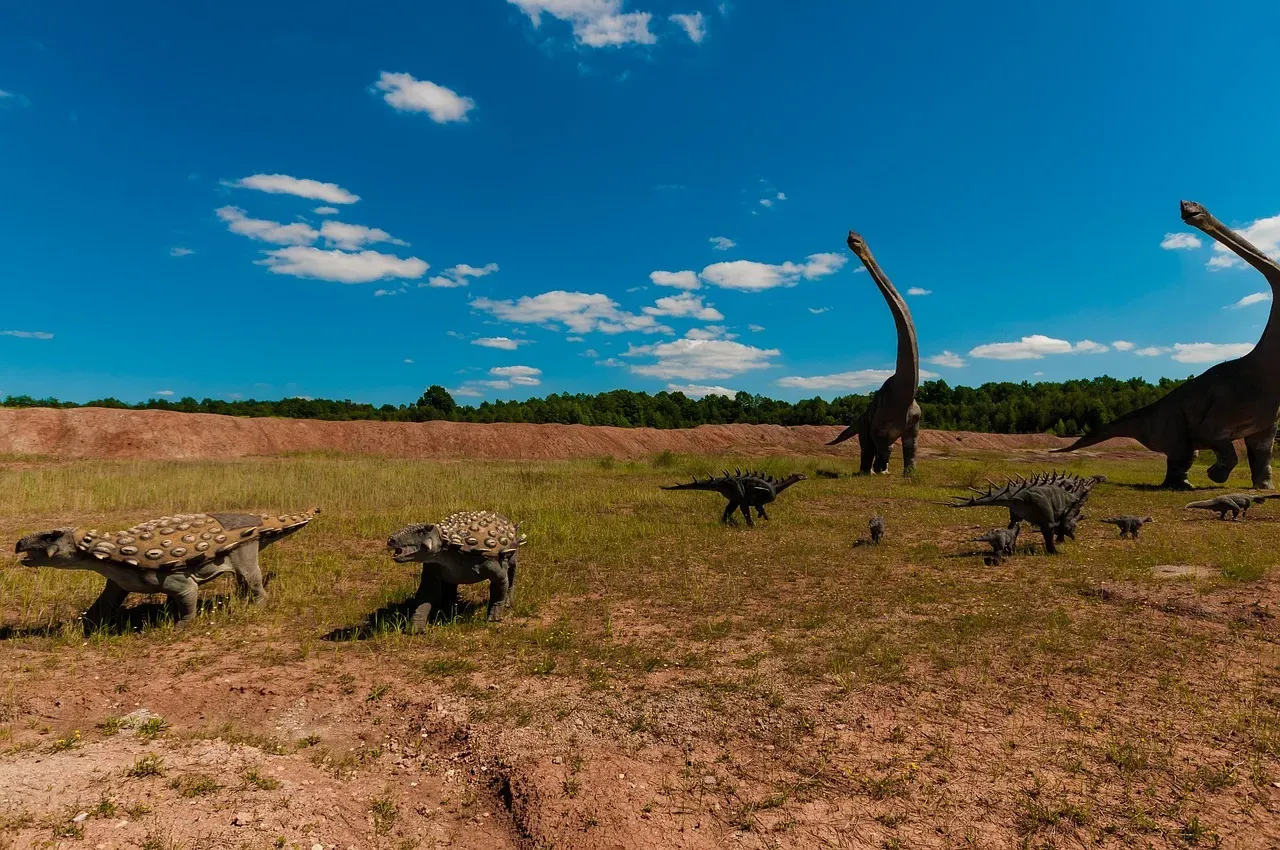
Here’s the big picture question that researchers are genuinely wrestling with: did being social actually help dinosaurs conquer the world? Most research conducted since the 1970s has indicated that dinosaurs were active animals with elevated metabolisms and numerous adaptations for social interaction. That’s a long way from the sluggish, cold-blooded loners they were once assumed to be. Social organization, it turns out, has enormous survival advantages.
Living in herds could have given early dinosaur species a leg up in the evolutionary game. Hatchlings could grow from tiny egg-sized newborns into large adults, and herding behavior could have protected the tiny hatchlings from predation until they grew up. Living in herds might also have allowed a species to collectively find more food to fuel their large bodies. Protection, food, reproduction, dominance: all of it was shaped by social life. Discoveries from Patagonia indicate the presence of social cohesion throughout life and age-segregation within a herd structure, in addition to colonial nesting behaviour, providing the earliest evidence of complex social behaviour in Dinosauria.
Conclusion

If you walked away from your childhood dinosaur books thinking these creatures were lonely, brutish, and simple, you were working with an incomplete picture. The dinosaurs that actually roamed this planet for over 160 million years were nurturing parents, organized herders, sophisticated communicators, and fierce social competitors. They returned to the same nesting grounds year after year. They sang to each other. They healed each other’s wounds. They built societies in ways that, honestly, look a lot like some of the animal communities we cherish today.
The fossil record is still revealing its secrets, and every new dig site has the potential to rewrite what we think we know. In a way, we are only now learning to truly listen to what the bones are saying. So the next time you stand before a museum skeleton and feel that familiar sense of awe, remember: you’re not looking at a monster. You’re looking at a social creature, with relationships, habits, and a place in a community. Did you ever imagine dinosaurs were this complex?