Imagine nearly everything alive on Earth simply vanishing. Not a slow decline over millions of years, but a geological eyeblink in which the planet’s oceans go dark, its forests char away, and the air itself becomes a slow poison. That is the story of the Great Dying – a catastrophe so absolute it makes the extinction of the dinosaurs look mild in comparison.
The Permian–Triassic extinction event, colloquially known as the Great Dying, occurred approximately 251.9 million years ago, at the boundary between the Permian and Triassic geologic periods. What followed was a silence unlike anything Earth had experienced before or since. Let’s dive in – because the details of how this happened are as jaw-dropping as the event itself.
The Scale of the Catastrophe: Numbers That Defy Imagination
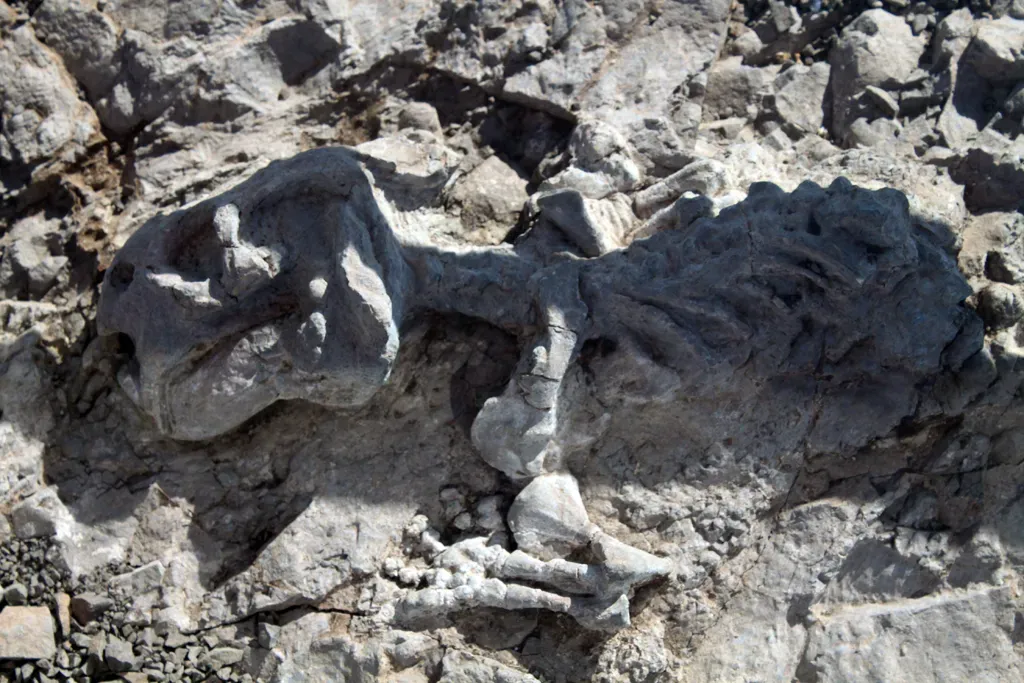
Let’s be real: most people know about the asteroid that killed the dinosaurs. It dominates movies, documentaries, and late-night curiosity searches. Yet that event, as dramatic as it was, was not even close to what happened at the end of the Permian Period. Whatever happened during the Permian–Triassic period was far worse – no class of life was spared from the devastation. Trees, plants, lizards, proto-mammals, insects, fish, mollusks, and microbes were all nearly wiped out, with roughly nine in ten marine species and seven in ten land species vanishing completely.
It is Earth’s most severe known extinction event, with the extinction of the vast majority of biological families, genera, marine species, and terrestrial vertebrate species – and it also holds the grim distinction of being the greatest known mass extinction of insects, ranking first among the so-called “Big Five” mass extinctions of the Phanerozoic. Think about that for a moment. Even the insects, famously resilient creatures that have outlasted almost everything, were nearly wiped off the face of the Earth.
The Siberian Traps: Earth’s Most Violent Volcanic Chapter
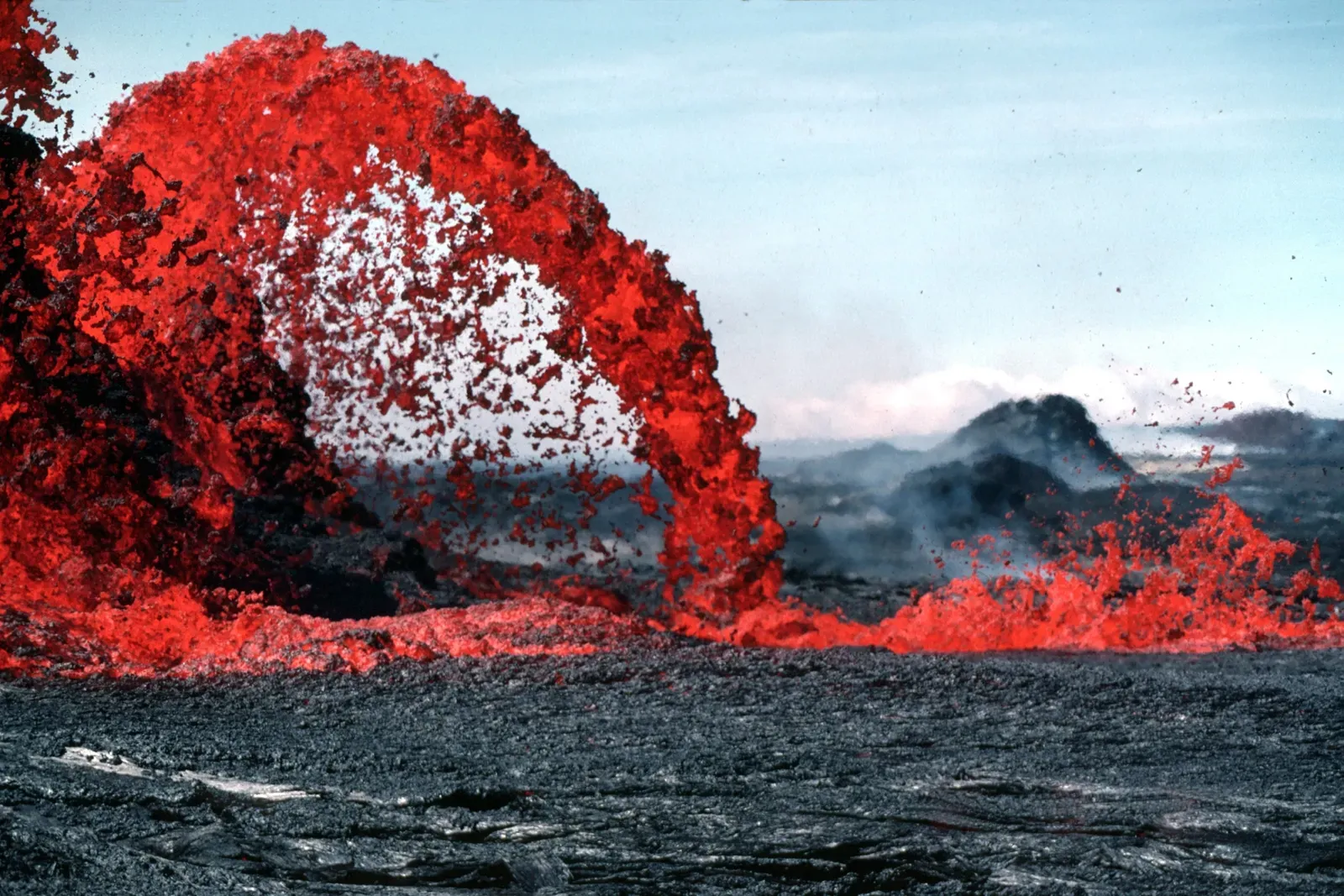
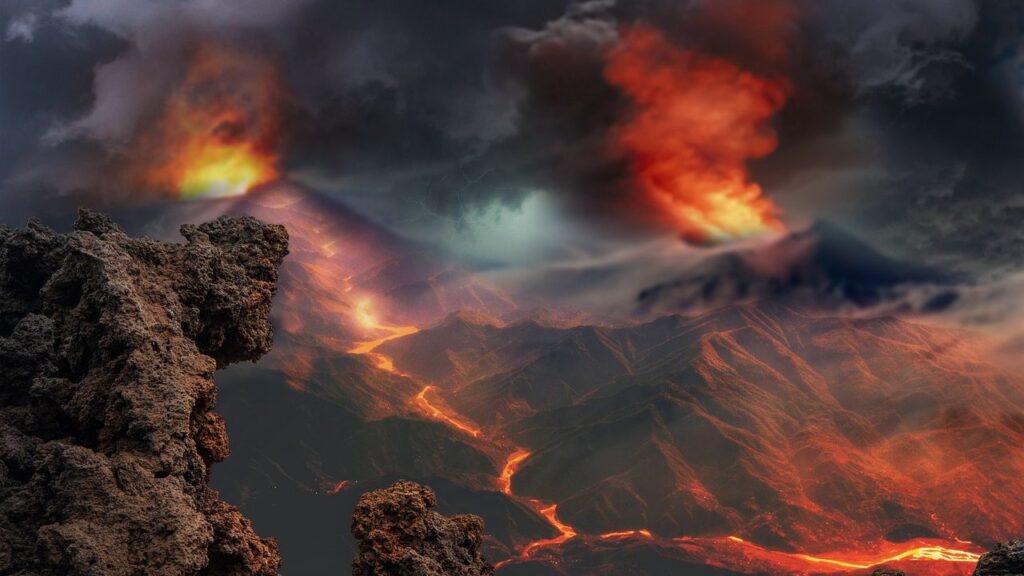
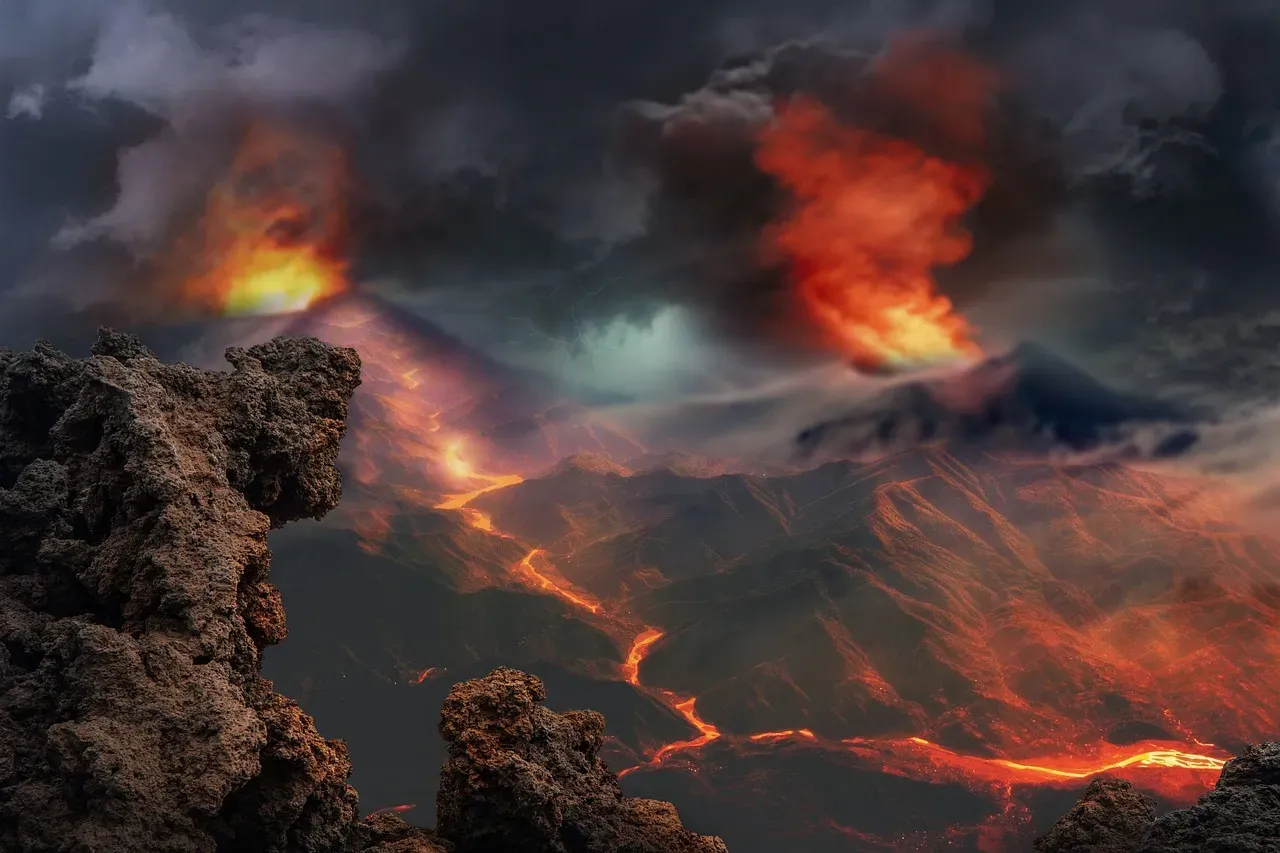
Here is the thing about the Great Dying – at its core, the primary suspect has a name: the Siberian Traps. The chief catalyst of this extinction event was a series of massive volcanic eruptions known as the Siberian Traps, which over the course of roughly one million years produced flood basalt eruptions that covered over seven million square kilometers with an almost incomprehensible volume of lava. Picture a volcanic event so large it would swallow all of Western Europe in molten rock.
MIT researchers have determined that the Siberian Traps, that massive era of volcanic activity on Earth, erupted at exactly the right time, and for the right duration, to have been a likely trigger for the end-Permian mass extinction. The Siberian Traps caused one of the most rapid rises of atmospheric carbon dioxide levels in the geologic record, with the rate of carbon dioxide emissions estimated as five times faster than during the preceding catastrophic Capitanian mass extinction. That is an almost terrifying rate of change for a planetary climate system.
A World Choking on Greenhouse Gases
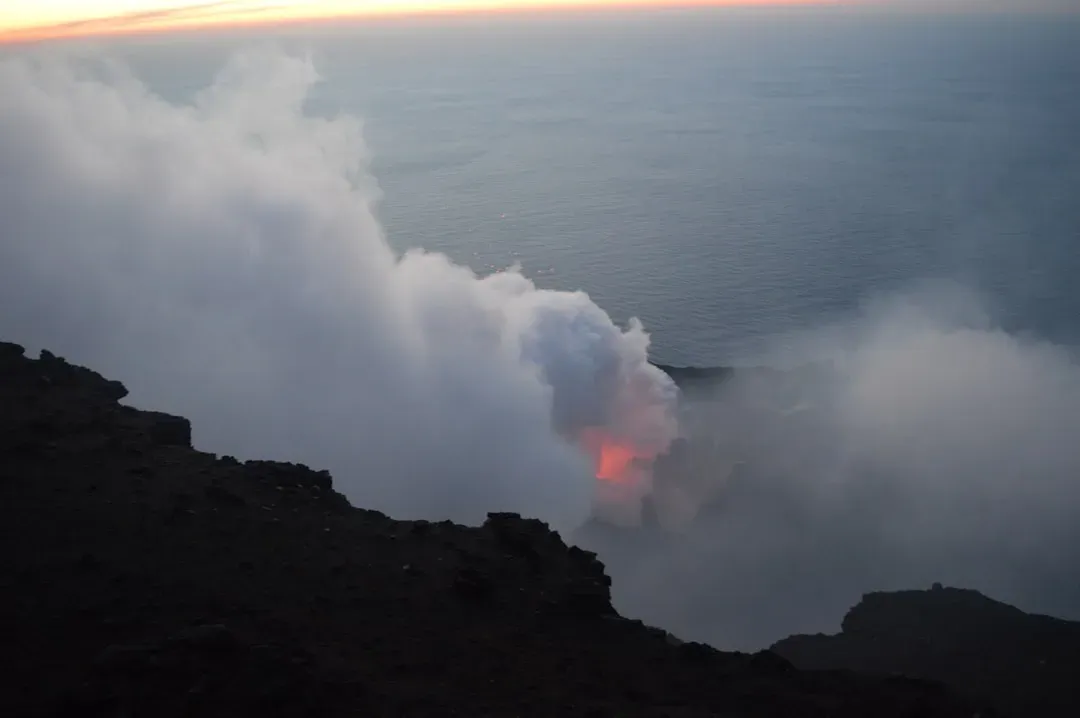
The molten rock was hot enough to melt surrounding rocks and release massive amounts of carbon dioxide into Earth’s atmosphere over a period as short as 50,000 years – and this rapid increase in carbon dioxide and the resulting temperature rise is thought to be the primary kill mechanism for much of life at the time. On land, surface temperatures are thought to have increased by as much as six to ten degrees Celsius, far too rapid for many life forms to evolve and adapt.
The sulfur dioxide and carbon dioxide poisoned the air with harmful chemicals, while ash and soot from the eruptions blocked sunlight, preventing plants from being able to grow. The death of most plants disrupted entire food chains – with little greenery to eat, plant-eating animals died, and then the large predators that depended on them followed shortly after. It was a collapse that cascaded from the bottom of the food chain to the top, like pulling a single thread until the entire fabric unravels.
The Oceans Turn Deadly: Acidification and Anoxia

If things were bad on land, the oceans were arguably even worse. Research from the University of Washington and Stanford University demonstrates that the Permian mass extinction in the oceans was caused by global warming that left animals unable to breathe – as temperatures rose and the metabolism of marine animals sped up, the warmer waters could no longer hold enough oxygen for them to survive. Honest to goodness, picture suffocating in your own home with no way out. That was the reality for ocean life.
The emission of large magnitudes of carbon dioxide, sulfur dioxide, halogens, and metals by the eruptions led to global warming, oceanic anoxia, oceanic acidification, ozone reduction, acid rain and metal poisoning, triggering major extinctions in terrestrial and marine ecosystems. Nickel released by the Siberian Traps even triggered marine bacteria to produce massive amounts of methane, and combined with injections of carbon dioxide and sulfate aerosols, runaway global warming pushed ocean temperatures to extreme levels. The oceans had essentially become a toxic soup.
Mercury, Nickel, and a Poisoned Planet
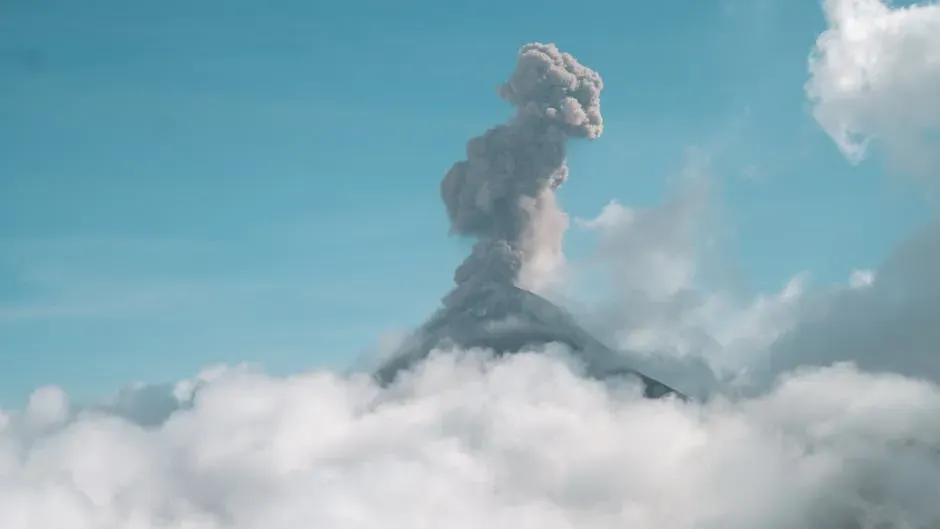
Mercury anomalies corresponding to the time of Siberian Traps activity have been found in many geographically separate sites, indicating that volcanic eruptions released significant quantities of toxic mercury into the atmosphere and ocean, causing even larger terrestrial and marine die-offs. Although the initial mercury loading on land is linked to enhanced wildfires, the subsequent surge in mercury has been directly linked to volcanism – a series of surges raised environmental mercury concentrations by orders of magnitude above normal background levels.
Using precise scientific instruments, scientists documented anomalous peaks of nickel in regions ranging from the Arctic to India at the time of the Great Permian Extinction – distributions suggesting these nickel anomalies were a worldwide phenomenon. This evidence of a global nickel fingerprint convinced scientists that the volcanic upheaval in Siberia produced intense global warming and other environmental changes that led to the disappearance of the vast majority of all species. I know it sounds staggering, but a volcano in Siberia essentially poisoned every ocean on the planet at once.
The Long Road Back: Recovery That Took Millions of Years
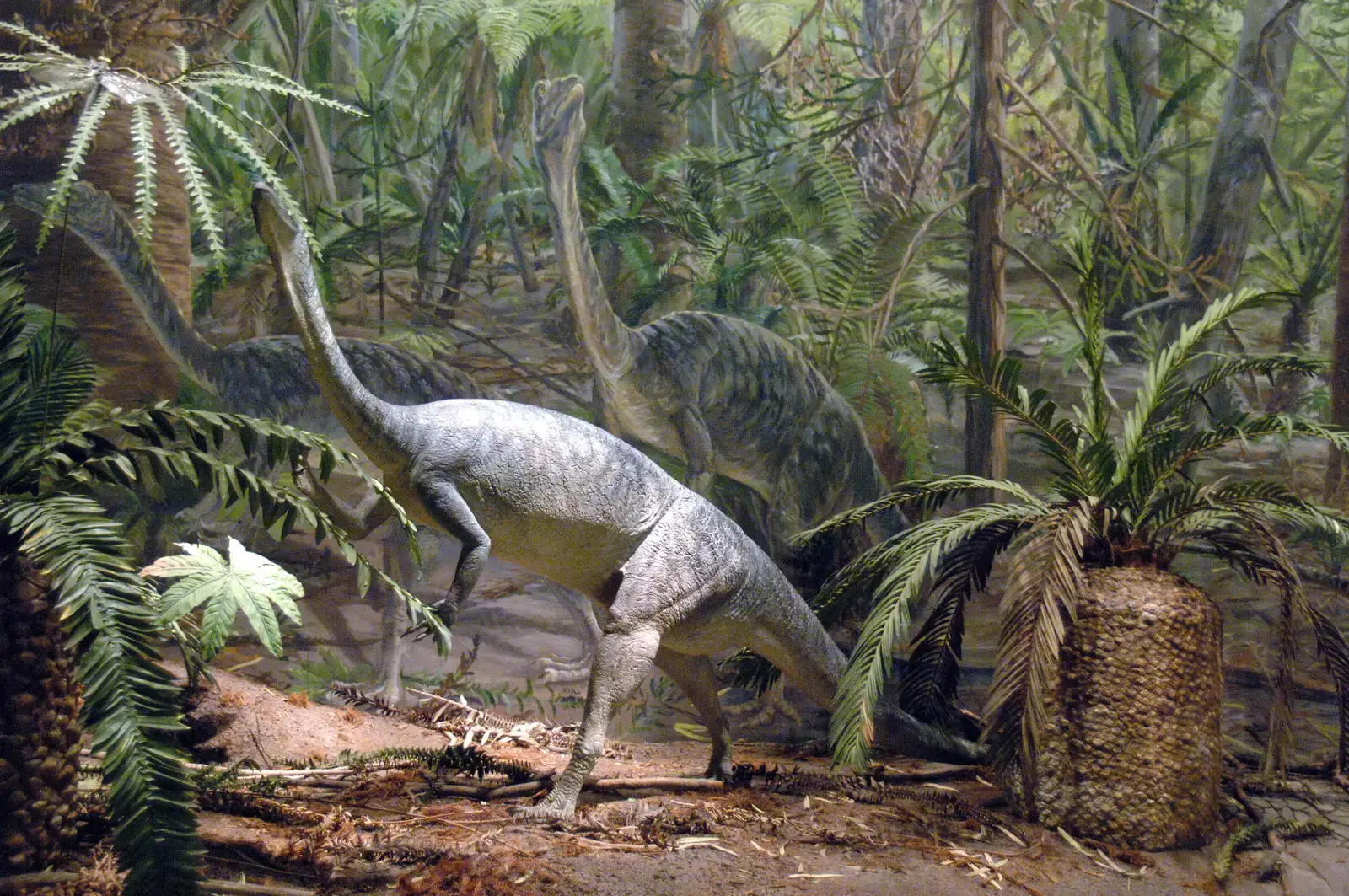
The crisis was triggered by a number of physical environmental shocks including global warming, acid rain, ocean acidification, and ocean anoxia, and some of these were repeated over the next five to six million years. Some groups like ammonoids diversified relatively quickly, within one to three million years, but extinctions continued through the Early Triassic period, and a stable, complex ecosystem did not re-emerge until the beginning of the Middle Triassic, roughly eight to nine million years after the crisis.
A positive aspect of the recovery was the eventual emergence of entirely new groups, such as marine reptiles and decapod crustaceans, as well as new tetrapods on land – including, eventually, the dinosaurs. In the early aftermath on land, dicynodonts were among the most abundant survivors, alongside smaller carnivorous cynodont therapsids – a group that included the distant ancestors of mammals. Life, remarkably, found a way. It just took a very, very long time to rebuild anything resembling what had existed before.
Conclusion: A Mirror Held Up to Our Own Time
The Great Dying is not just a chapter in a geology textbook. It is a warning written in stone. Scientists note that this framework can be used to understand tipping behavior in the climate system in response to today’s carbon dioxide increase – and if current emission rates continue, we will reach the level of emissions that caused the Permian–Triassic mass extinction in approximately 2,700 years, a much faster timescale than the original Permian–Triassic boundary emissions.
The decline of tropical forests during the event locked Earth in a hothouse state, confirming scientists’ suspicion that when our planet’s climate crosses certain “tipping points,” truly catastrophic ecological collapse can follow. The Great Dying was the result of a planet pushed past its limits by forces that, at the time, had no intelligence, no intention, and no awareness of the consequences. Today, we do have that awareness. The real question is: what will we do with it?