Scientists probe the unique ways elephants sense and navigate time, uncovering insights that challenge traditional approaches to their protection.
Challenging Assumptions About Animal Time
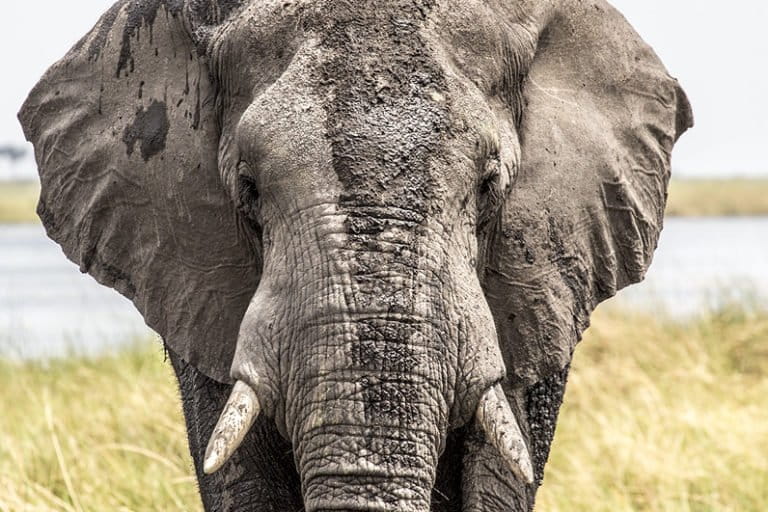
Challenging Assumptions About Animal Time (Image Credits: Imgs.mongabay.com)
Khatijah Rahmat, a postdoctoral researcher at Germany’s Max Planck Institute for the History of Science, leads efforts to legitimize the concept of animal temporality – the capacity of animals like elephants to experience time.
Her research highlights how human views of an animal’s relationship to time determine perceptions of their emotions and memories. Rahmat argues that recognizing elephants as temporal beings fosters deeper empathy and influences policy. This perspective disrupts conventional logic in conservation, where elephants often appear as mere numbers or resources.
Evidence emerges not from labs but through indirect observations of real-world behaviors. Rahmat completed her PhD on this topic at the University of Oxford in 2025, drawing from diverse knowledge systems.
Eco-Cultural Knowledge Passed Down Generations
Elephant herds rely on matriarchs as living archives of collective wisdom, a striking demonstration of their temporal depth. These elder females recall water sources from decades past, navigate inter-herd alliances, and guide safe routes during crises like droughts.
The death of a matriarch triggers herd instability, including aggression and behaviors resembling human PTSD, as noted by researcher Gay Bradshaw. Social bonds transmit this eco-cultural heritage, blending biology with learned history. Rahmat emphasizes the role of these oldest members in survival strategies.
Human Actions Warp Elephant Rhythms
Deforestation and urbanization compress elephants’ temporal landscapes, erasing paths and resource pacts forged over centuries. In Malaysia’s Belum Forest, Indigenous groups once respected elephant fruiting seasons, fostering coexistence through unspoken temporal agreements.
Rapid development forces adaptations, such as nocturnal foraging or unusual male groupings. These shifts signal psychological strain, with orphaned juveniles exhibiting trauma responses like attacks on other species. Rahmat warns that such disruptions threaten long-term herd dynamics.
Personal Histories Shape Elephant Lives
Individual elephants carry biographies marked by memory, anticipation, and emotion, illuminating their inner worlds. Instances of mourning or targeted retaliation – such as one elephant pelting a researcher with pineapples after an incident – reveal awareness of cause and consequence over time.
These stories challenge views of animals as timeless or instinct-driven. Time allows personalities to emerge, much like in humans. Rahmat posits that this illumination extends to minds enriched by past experiences.
Three Pillars of Evidence
Rahmat structures her findings around core evidences of elephant temporality:
- Eco-cultural heritage, sustained by matriarchal knowledge transmission.
- Human-impacted time, where anthropogenic changes provoke behavioral pivots.
- Individual biographies, capturing personal traumas and responses.
These elements interconnect, forming a holistic view of elephants as dynamic temporal actors.
Key Takeaways
- Preserve matriarchs to safeguard herd knowledge.
- Account for temporal disruptions in habitat planning.
- Integrate psychological wellbeing into protection efforts.
Embracing elephant temporality demands conservation evolve beyond counts and corridors to honor intangible legacies and heal unseen wounds. Policies must stabilize habitats, support rewilding, and promote coexistence attuned to these giants’ rhythms. What do you think about viewing elephants through the lens of time? Share in the comments.