Peru – The Inter-American Commission on Human Rights granted precautionary measures on March 1, 2026, to shield members of the Kakataibo Indigenous people living in voluntary isolation within the Kakataibo North and South Indigenous Reserve.
Escalating Dangers from Illegal Encroachment
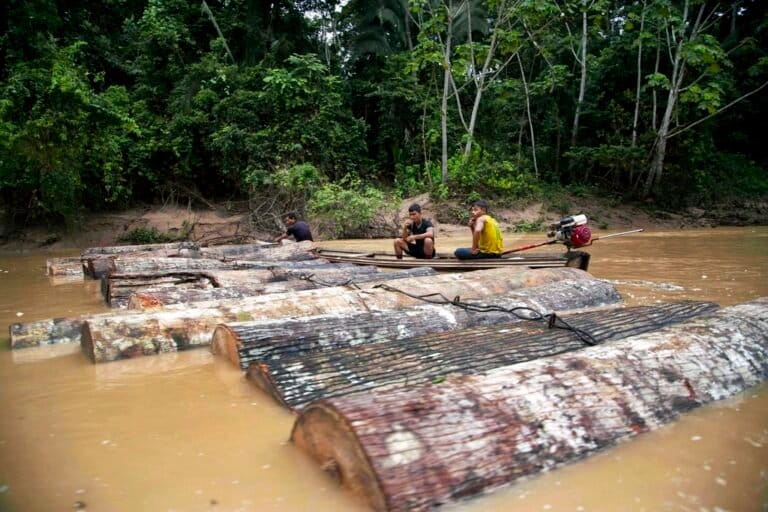
Escalating Dangers from Illegal Encroachment (Image Credits: Imgs.mongabay.com)
Violent clashes and environmental destruction have intensified risks for the uncontacted Kakataibo, with reports of murders underscoring the peril. In 2023, Indigenous leader Benjamín Flores Ríos fell victim to assailants linked to illegal coca cultivation. The following year, defender Mariano Isacama Felícito suffered a brutal death marked by bullet wounds and signs of torture.
Deforestation has ravaged over 2,000 hectares since 2021, while illicit coca plots expanded by 124% between 2021 and 2022. Clandestine airstrips, unauthorized roads, and irregular settlements facilitate drug trafficking and logging. These intrusions not only fragment the 149,000-hectare reserve but also threaten water sources with contamination from agrochemicals. Julio Cusurichi, a Shipibo-Conibo leader with AIDESEP, warned that such contacts expose the group to deadly diseases and conflict. “These communities are highly vulnerable,” he stated. “Any contact could lead to the death of all these people.”
Official Recognition and Persistent Vulnerabilities
The Peruvian government recognized the isolated Kakataibo in 2017 and established the reserve in 2021 through Supreme Decree No. 015-2021-MC. This territory spans Ucayali, Huánuco, and Loreto departments, safeguarding around 500 individuals committed to the no-contact principle. A Protection Plan, approved in 2022, outlined defenses against invasions, yet implementation faltered amid coordination gaps.
Alerts from the Ministry of Culture since 2020 highlighted ongoing threats, including overlapping logging concessions and new mining permits issued as late as December 2024. Neighboring communities reported traps, kidnappings, and forced displacements, amplifying fears of forced interaction. The IACHR emphasized the Kakataibo’s extreme susceptibility to respiratory illnesses and loss of subsistence resources.
IACHR’s Specific Directives to Peru
The commission determined that the Kakataibo faced grave, urgent risks to life, personal integrity, and health, warranting immediate intervention under Article 25 of its rules. Petitioners AIDESEP, ORAU, and FENACOKA urged action after years of inadequate response.
Peru must now prioritize these steps:
- Implement culturally sensitive safeguards respecting no-contact protocols.
- Expel illicit actors and enforce the Protection Plan through coordinated patrols and monitoring.
- Assess and restore water quality in reserve-linked areas.
- Foster dialogue via existing management committees with Indigenous representatives.
- Investigate incidents and report progress within 20 days.
Challenges Ahead and State Efforts
Peruvian authorities have stationed monitoring posts, conducted patrols, and held inter-agency meetings, yet acknowledged persistent threats and coordination shortfalls. The state detailed some Protection Plan advances but stressed the need for broader action against deforestation and violence.
Cusurichi expressed skepticism, noting that without swift enforcement, loggers would continue endangering lives. Overlapping concessions, such as the “El Dragón” forest grant fully within the northern reserve, complicate territorial integrity. The IACHR’s resolution, detailed in its press release, signals a critical juncture for upholding Indigenous rights in the Amazon.
Key Takeaways
- IACHR granted measures on March 1, 2026, citing irreparable risks from third-party invasions.
- Reserve covers 149,000 hectares; threats include 2,000+ ha deforested and rising coca cultivation.
- Peru ordered to prioritize no-contact protection, water monitoring, and expulsion of intruders.
This decision reinforces the international duty to preserve isolated peoples’ autonomy amid Amazon exploitation. Will Peru rise to the challenge? What do you think about it? Tell us in the comments.