
Dinosaurs have been gone for roughly 66 million years, yet somehow, they keep surprising us. You would think that after nearly two centuries of digging, scanning, and theorizing, scientists would have a pretty solid picture of what these creatures were, how they lived, and what their world looked like. Honestly, you would be wrong.
Dinosaurs may be long extinct, but recent years have made it abundantly clear that they are anything but settled science. New fossils, reanalyses of famous specimens, and increasingly sophisticated tools have continued to upend what we thought we knew about how these animals lived, moved, fed, and evolved. The pace of discovery is almost dizzying. So if you thought the dinosaur chapter was closed, prepare to have that idea flipped completely on its head. Let’s dive in.
1. Nanotyrannus Is Real – and T. rex Wasn’t Alone
Uploaded by FunkMonk, CC BY-SA 2.0)
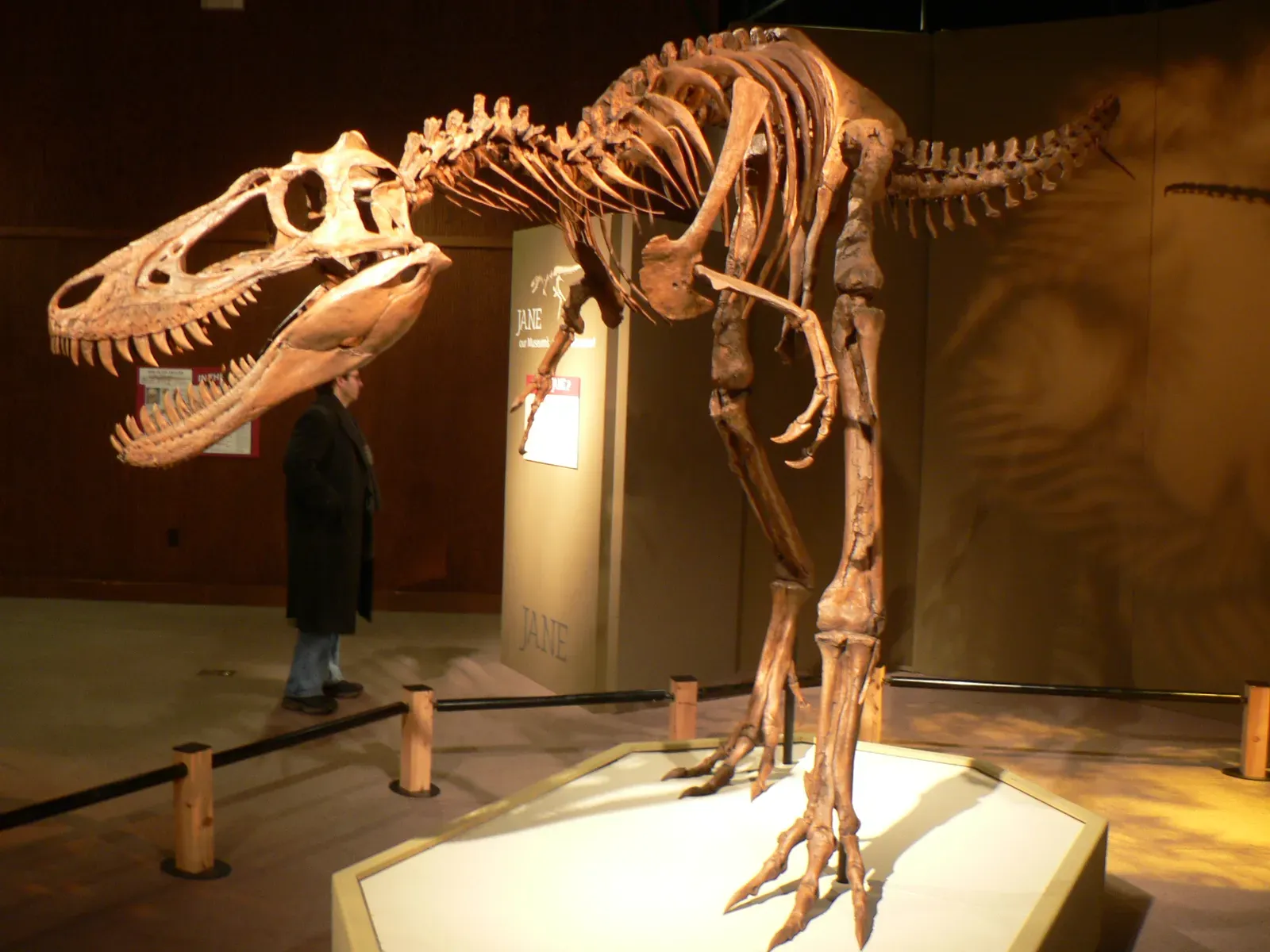
Imagine being in a 35-year argument with colleagues about whether a fossil is a completely new animal or just a teenager. That was the Nanotyrannus debate, and it was one of the fiercest in all of paleontology. For many years, one of the fiercest debates in dinosaur paleontology has been about Nanotyrannus, a 66-million-year-old predator from Montana. It was first named in 1988 and suggested to be a small tyrannosaurid, around 5 meters long, that lived alongside the giant Tyrannosaurus rex. Many paleontologists disagreed, arguing that Nanotyrannus fossils were just young individuals of T. rex.
The fossil, part of the legendary “Dueling Dinosaurs” specimen unearthed in Montana, contains two dinosaurs locked in prehistoric combat: a Triceratops and a small-bodied tyrannosaur. That tyrannosaur is now confirmed to be a fully grown Nanotyrannus lancensis, not a teenage T. rex as many scientists once believed. Using growth rings, spinal fusion data, and developmental anatomy, researchers demonstrated that the specimen was around 20 years old and physically mature when it died. Its skeletal features, including larger forelimbs, more teeth, fewer tail vertebrae, and distinct skull nerve patterns, are features fixed early in development and biologically incompatible with T. rex.
Together, the studies end a 35-year-long controversy and reveal Nanotyrannus as a slender, agile pursuit predator, built for speed. Think of it like discovering that lions and cheetahs were once thought to be the same animal. We now know multiple tyrannosaur species coexisted in the last million years before the asteroid impact, suggesting a richer, more competitive ecosystem than previously imagined.
2. Blood Vessels Found Inside a T. rex Rib Bone

Here’s the thing: when you think of a fossil, you probably picture stone. Just rock replacing bone, all biology long gone. So what do you do when preserved blood vessel structures show up inside a 66-million-year-old rib? You probably stare at the screen for a while. A Canadian research team uncovered preserved blood vessel structures inside the rib of Scotty, the famous Tyrannosaurus rex excavated in Saskatchewan during the 1990s. The discovery offers new insights into dinosaur biology, specifically how these prehistoric giants may have healed after injuries.
The powerful synchrotron X-rays produced by the Canadian Light Source at the University of Saskatchewan enabled researchers to create a detailed 3D model of both the T. rex bone and the soft tissue structures inside, without damaging the fossil. Using chemical analysis, the researchers then determined what elements and molecules make up the vessel structures, allowing them to hypothesize how the structures were preserved over millions of years. Scotty’s rib fracture was still healing when the dinosaur died just a few months later, and this incomplete healing is probably why scientists were able to see the blood vessels millions of years later.
This discovery could lead to evolutionary information comparing the vessel structures in Scotty to other dinosaur species, as well as modern relatives like birds. The results may also help future fossil exploration by guiding scientists to target bones that show signs of injury or disease, potentially increasing the chances of discovering more preserved soft tissues. Science, sometimes, is just incredible.
3. The Dragon Prince: Mongolia’s Missing Tyrannosaur Link
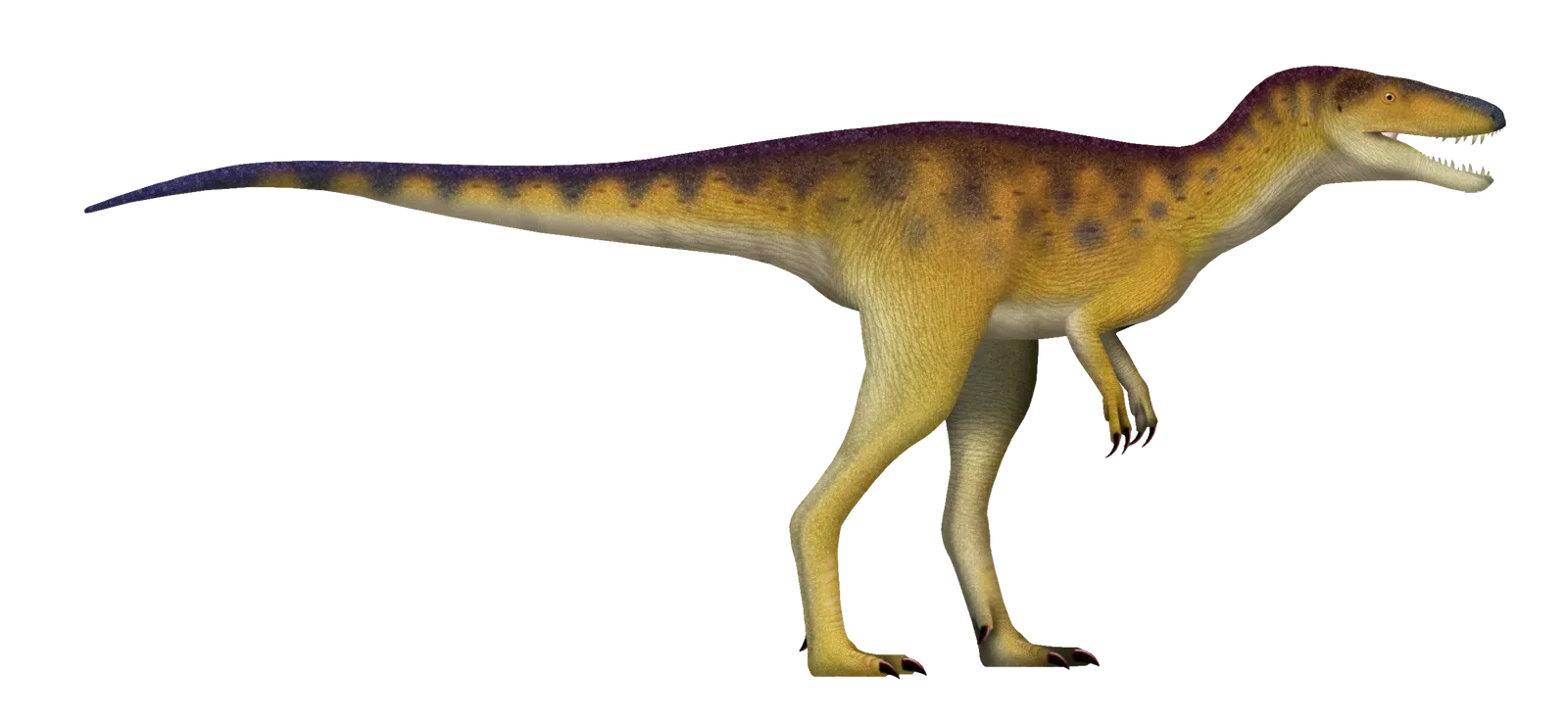
This year brought a big discovery for tyrannosaurs: the naming of a new, early tyrannosaur from Mongolia that helps rewrite the broader story of these “tyrant lizards.” Named Khankhuuluu, which roughly translates to “dragon prince,” the small carnivore lived about 86 million years ago in what is now the Gobi Desert. It sounds like the title of a fantasy novel, and honestly, the story is just as dramatic.
It is how Khankhuuluu adjusts the tyrannosaur family tree that makes it a standout specimen. The study of the dinosaur, published in June in Nature, details multiple tyrannosaur migrations, millions of years apart. Khankhuuluu was part of a burst of tyrannosaur evolution that led to slender, agile creatures crossing into prehistoric North America around 85 million years ago and proliferating there. So your beloved T. rex? It has deeper, stranger roots than you probably ever imagined.
4. The World’s Largest Dinosaur Tracksite Found in Bolivia
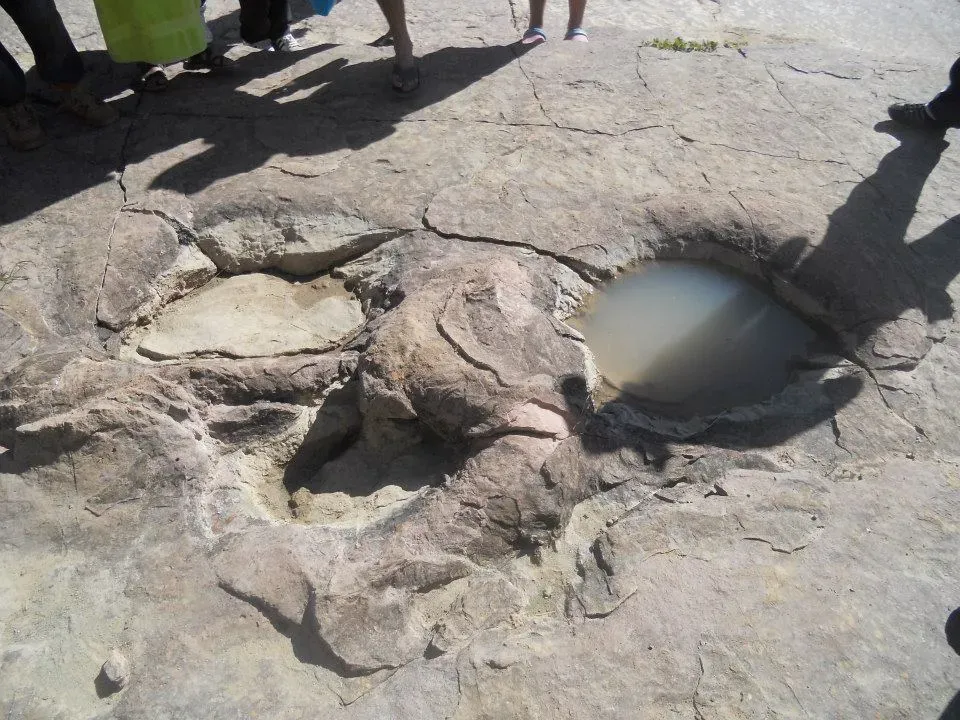
Forget finding a few footprints in the mud. What researchers uncovered in Bolivia’s Torotoro National Park is something on a scale that genuinely stops you in your tracks. Scientists recently counted 16,600 theropod tracks, more than any other trackway site, at the Carreras Pampas tracksite in Bolivia. The theropods stamped their feet into the soft, deep mud between 101 million and 66 million years ago, toward the end of the Cretaceous period.
Print shapes and the distance between footprints revealed how the animals were moving. Some strolled at a leisurely pace, while others sprinted through the muddy shoreline, and more than 1,300 tracks preserved evidence of swimming in shallow water. Several trackways also included drag marks from the theropods’ tails, and varying lengths and widths suggested the dinosaurs ranged greatly in size. Researchers suggest the area may once have served as a major travel route for dinosaurs, a dino highway of sorts. It is the prehistoric equivalent of a highway rest stop, and it is absolutely mind-bending.
5. North America’s Oldest Dinosaur Rewrites the Origin Story
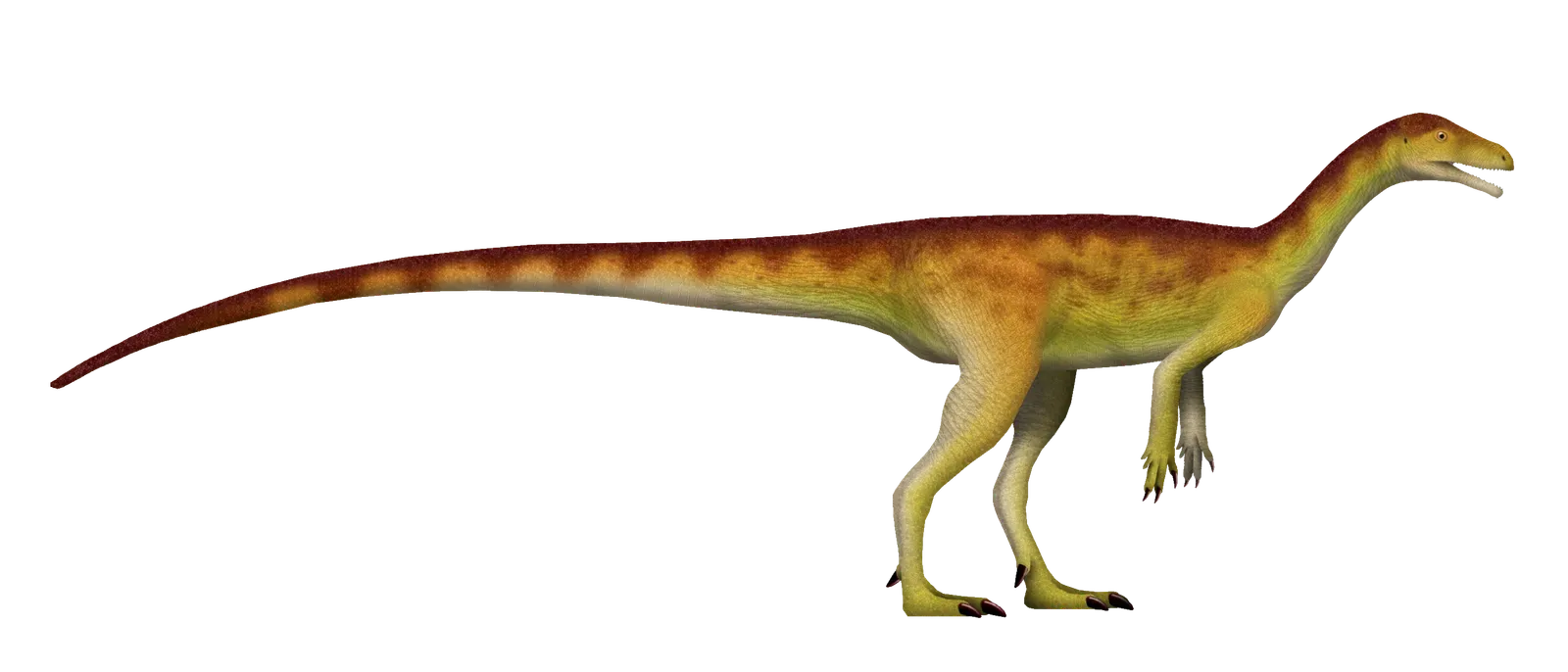
For decades, the widely accepted story went like this: dinosaurs originated in the southern supercontinent Gondwana and slowly spread north. Clean, simple, settled. The widely accepted belief was that dinosaurs first originated on Gondwana, the southern portion of the ancient supercontinent Pangaea. For millions of years, their existence was thought to be confined to this region before they gradually spread to Laurasia, the northern part. This theory suggests dinosaurs established themselves in the south long before leaving evidence in the Northern Hemisphere.
Researchers identified fossils in Wyoming as belonging to a new dinosaur species: Ahvaytum bahndooiveche. This dinosaur, estimated to be 230 million years old, is now the oldest known dinosaur from Laurasia, challenging the idea that dinosaurs only thrived in the Southern Hemisphere during this time. Older tracks in the same region suggest that dinosaur-like creatures were present there even earlier, challenging previous beliefs that dinosaurs originated solely in the Southern Hemisphere before spreading northward. One fossil from Wyoming. One huge rethink of everything.
6. Sauropods Were Colorful, Not Just Gray and Brown
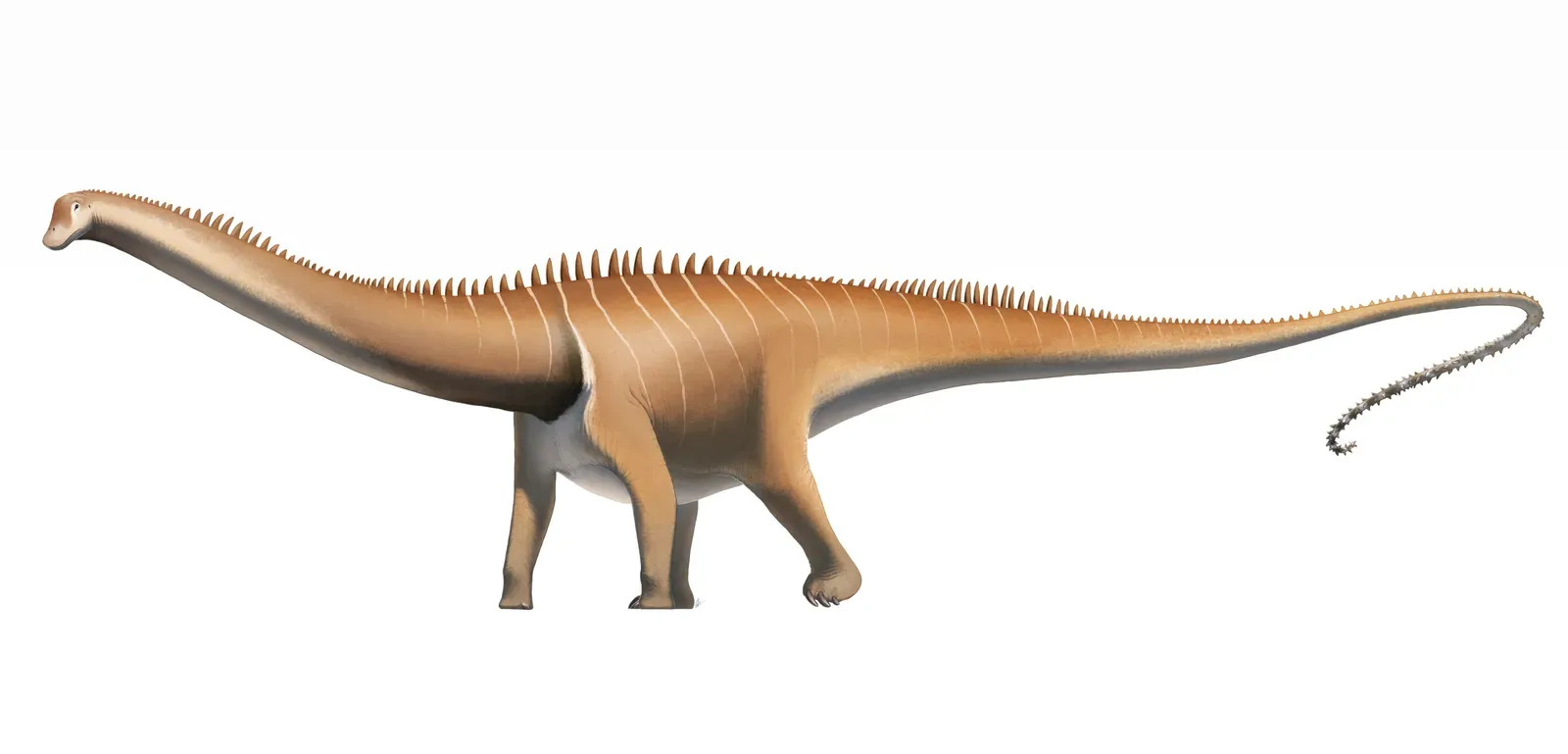
You have probably seen dinosaur illustrations your whole life: big, gray sauropods lumbering through misty forests. It turns out that image might be about as accurate as imagining modern elephants with polka dots. Well, actually, maybe those giant plant-eaters did have something equally striking going on. Beyond their familiar skeletons, the external appearance of sauropods has not been well known, as sauropod skin impressions and soft tissue fossils are very rare. From the Jurassic rocks of Montana’s Mother’s Day Quarry, however, paleontologists uncovered fossils of sauropod skin so delicately preserved that they include impressions of pigment-carrying structures called melanosomes.
While researchers were reluctant to fully reconstruct the color of the juvenile Diplodocus the skin came from, they detected that the dinosaur would have had conspicuous patterns across its scales. The finding suggests sauropod dinosaurs were not uniformly gray or brown, but had complex color patterns like other dinosaurs, birds, and reptiles. I think this is one of those discoveries that changes how you picture entire prehistoric landscapes. It is humbling, and oddly beautiful.
7. The “Punk Rock” Ankylosaur That Rewrote Armor History
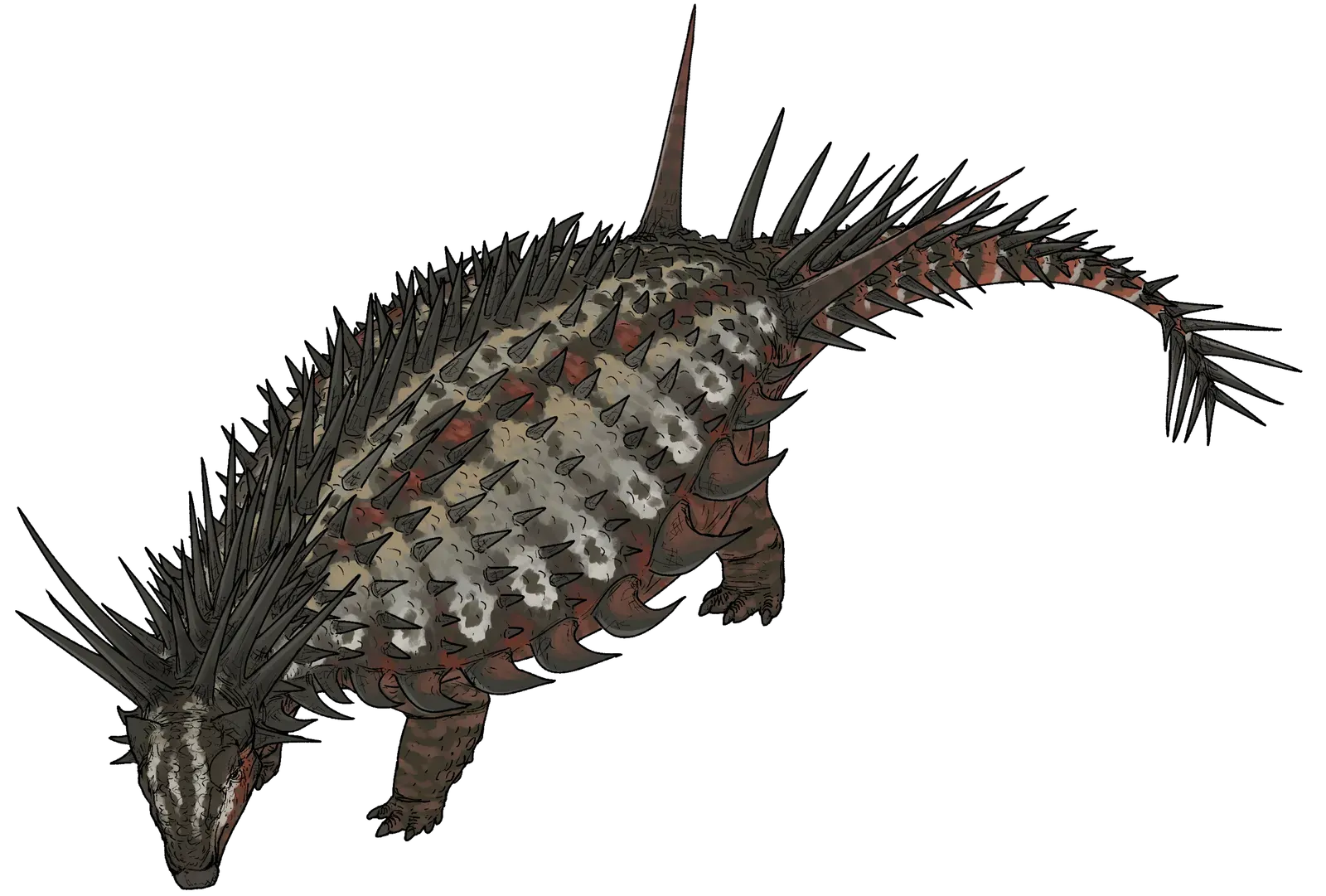
The Spicomellus is a dinosaur that sounds like it was designed by someone who really, really wanted to make an impression. Spicomellus was initially named in 2021 based on an incomplete rib from 165-million-year-old rocks in Morocco. It is a rib unlike that in any other animal, alive or extinct, with a series of long spines fused to its surface. When a more complete skeleton was studied in 2025, scientists got the full picture, and it was extraordinary.
The new fossils show that Spicomellus is the oldest known member of the ankylosaurs, heavily armored, low and squat plant-eaters. Spicomellus is characterized by its bizarre armor, bristling with long spines all over the body, including a bony collar around the neck with spines the length of golf clubs sticking out. Dubbed the “punk rock dinosaur” by the BBC, Spicomellus is changing our understanding of ankylosaur evolution while also highlighting the importance of the Moroccan fossil record. If you thought ankylosaurs were already strange, Spicomellus just took that to a whole new level.
8. A Second Jurassic Bird Changes the Story of Flight
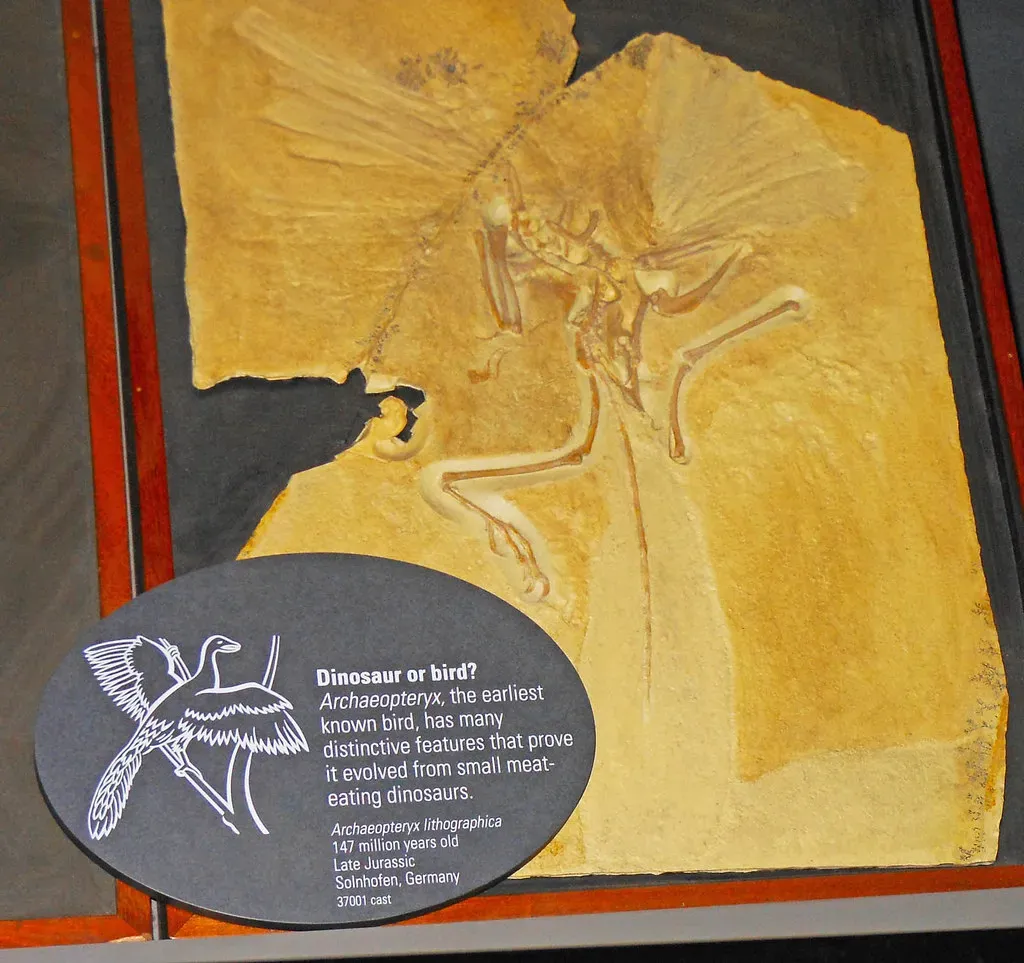
For nearly 160 years, the Archaeopteryx was the only Jurassic bird paleontologists had. One lonely fossil connecting the dots between feathered dinosaurs and modern birds. Then 2025 gave us a companion discovery that no one was quite expecting. Researchers in China published a study detailing the fossil discovery of a second Jurassic bird: Baminornis zhenghensis. Dating shows that this specimen was nearly as old as Archaeopteryx and had a short tail, which is unique as it is more like birds are today. Other than this, such short-tailed fossils do not begin to appear in the fossil record until the Cretaceous Period.
It is like finding a twin of your rarest antique, hidden in a museum basement for decades. Researchers also published findings on the Chicago Archaeopteryx, the 14th specimen described of the famous ancient bird-like dinosaur. That specimen had features not preserved in previous Archaeopteryx specimens, sitting between the wing and the body. Researchers believe these features helped the dinosaur’s aerodynamics and have been observed only in birds, not in non-bird dinosaurs. Flight, it seems, had multiple early experiments happening at once.
9. The Oldest Dome-Headed Dinosaur Found in the Gobi Desert
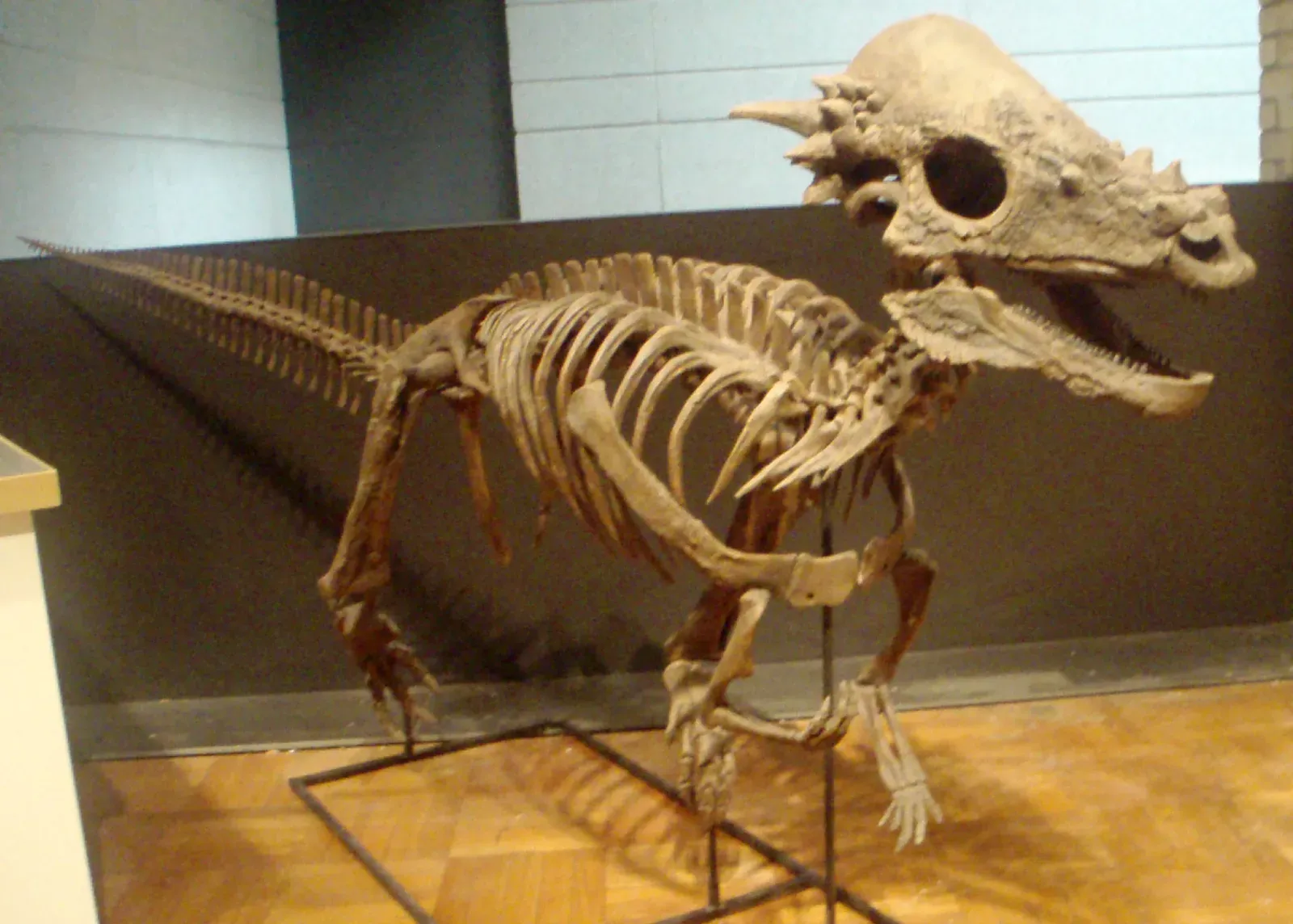
There is something almost theatrical about a dinosaur that uses its head as a battering ram. Pachycephalosaurs, with their thick, dome-shaped skulls, have fascinated scientists for years. Now, a discovery in Mongolia has pushed their evolutionary clock back further than anyone expected. The stunning skeleton of this one-meter-long plant-eating dinosaur was discovered in 110-million-year-old rocks in the Gobi Desert of Mongolia, described by paleontologist Tsogtbaatar Chinzorig and colleagues.
It is the oldest pachycephalosaur ever discovered. The development of the dome on the specimen suggests that these dinosaurs were perhaps learning to headbutt one another while young, a behavior they likely used to compete for mates. It also rewrites the history of pachycephalosaurs, since most found previously were all in North America. Named Zavacephale, it is the oldest known member of the pachycephalosaurs, a group famed for their domed skulls, probably used to butt heads like today’s bighorn sheep. The discovery of Zavacephale is critical to understanding their early evolution, and its skull suggests that the domes of pachycephalosaurs grow more quickly than the rest of their body.
10. A Tiny Two-Pound Dinosaur That Challenges Everything We Know About Dinosaur Evolution
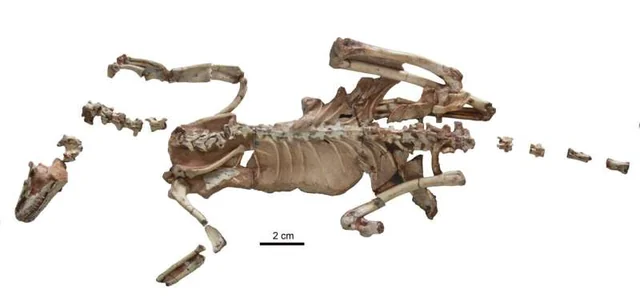
It is hard to say for sure which discovery hit scientists hardest in recent months, but a two-pound dinosaur rewriting the rules of herbivore evolution is certainly up there. A nearly complete dinosaur skeleton discovered in Patagonia is helping scientists crack the mystery of alvarezsaurs, a bizarre group of bird-like dinosaurs. The fossil of Alnashetri cerropoliciensis reveals that these animals became tiny before developing their later specialized features, such as stubby arms and ant-eating adaptations. Weighing under two pounds, the dinosaur is one of the smallest known from South America.
By studying additional alvarezsaur fossils preserved in museum collections across North America and Europe, the team found evidence that these animals appeared much earlier than scientists previously believed. Their widespread distribution likely occurred when the continents were still connected as the supercontinent Pangaea. The later breakup of Earth’s landmasses explains how the animals became scattered across the globe rather than migrating across oceans. A creature you could hold in two hands, yet one that reshapes a chapter of evolutionary history. Let’s be real: that is extraordinary.
Conclusion: The Age of Discovery Is Far From Over

Every one of these discoveries shares something in common. They did not come from brand new dig sites in unknown corners of the world. Many came from fossils already sitting in museum drawers, from bones that had been studied for decades, from landscapes scientists had visited countless times before. A golden era in dinosaur science is driving an extraordinary fascination with these creatures. Around 1,400 dinosaur species are now known from more than 90 countries, with the rate of discovery accelerating in the last two decades.
The real lesson in all of this is not just about dinosaurs. It is about how much we assume we already know, and how a single new technique, a fresh perspective, or a closer look at an old bone can shatter that assumption completely. From reinterpretations of iconic predators to ancient trackways that capture fleeting moments of Jurassic life, recent research has shown how much information is still locked inside bones, teeth, and footprints studied for decades. Paleontology is not about dusting off the past, but opening new windows to peer into it.
So next time you walk past a dinosaur exhibit and think you’ve seen it all before, think again. The bones haven’t finished talking yet. Which of these discoveries surprised you the most? Tell us in the comments.