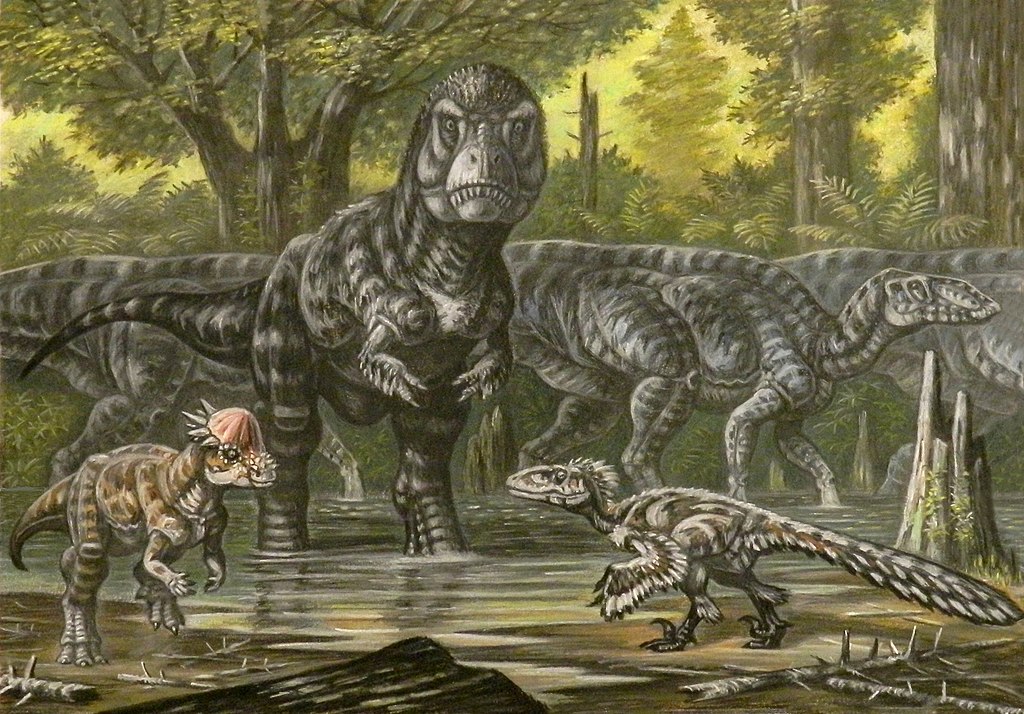
You probably think you know dinosaurs pretty well. You’ve seen the movies, flipped through the books, maybe even dragged a kid through a natural history museum or two. Giant scaly reptiles, cold and savage, roaming a prehistoric world in lone brutality. Right? Well, honestly, prepare to have that image shattered. Modern paleontology has been quietly rewriting everything we thought we knew about these ancient creatures, and the truth is far more fascinating than any blockbuster film ever dared to show. Let’s dive in.
1. Some Dinosaurs Were Devoted, Attentive Parents
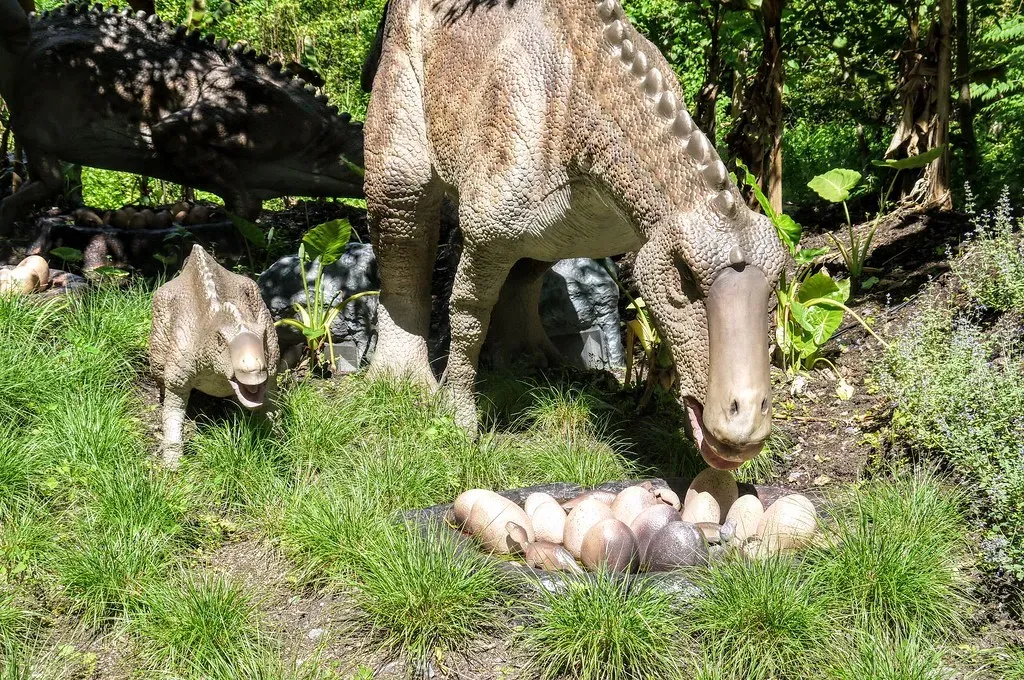
If you’ve always pictured dinosaurs as cold-blooded loners who laid eggs and never looked back, you’d be wrong. The Maiasaura, commonly known as the “good mother lizard,” is a prime example of dinosaur parental care. These dinosaurs lived during the Late Cretaceous period, around 80 to 75 million years ago, and exhibited remarkable nurturing behaviors, with fossil evidence suggesting they nested in large colonies, creating a social structure similar to modern-day birds.
The discovery of trampled eggshells and plant matter in the nests suggests that Maiasaura parents may have fed and cared for their young before they were old enough to leave the nest. Think about that for a second. These creatures, which many assume were primitive and indifferent, were doing something that looks suspiciously like grocery runs for their babies. The Maiasaura’s nesting colonies also indicate a social structure that involved multiple adults working together to raise the young, and this level of cooperative care is quite rare in the animal kingdom.
2. They Brooded Their Eggs Like Modern Birds
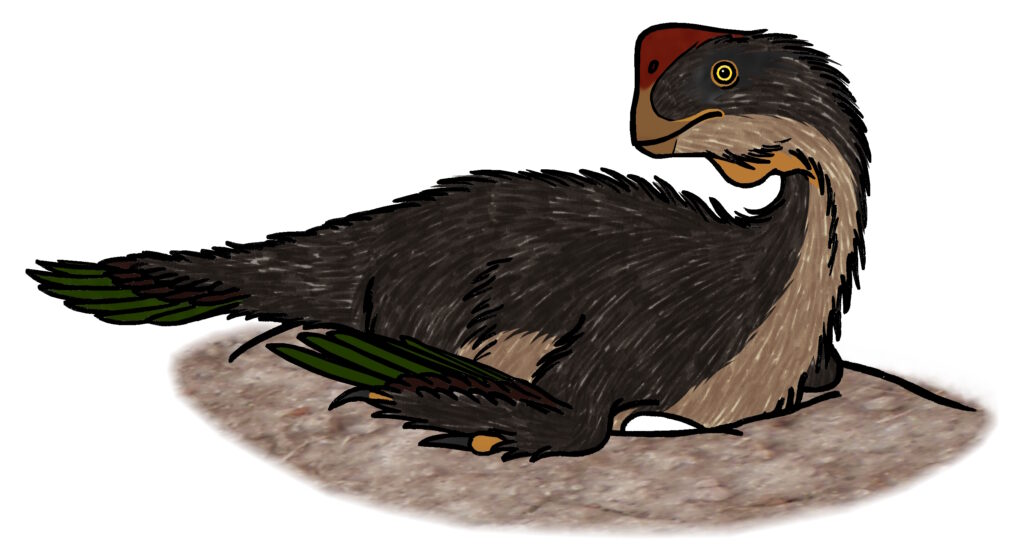
Here’s something that probably never crossed your mind: some dinosaurs literally sat on their nests, wings stretched protectively over their eggs, in a posture almost identical to what you’d see in a barnyard chicken today. Researchers found a 75-million-year-old Mongolian dinosaur fossilized sitting right on top of a nest, dubbed “Big Mama.” They sit on those nests in a very bird-like way, with their bodies positioned in the center of the nest and their arms held over the eggs to help protect them, and their bodies would have been covered in large, down-like feathers that would have helped conceal and insulate the eggs.
In 1993, the American Museum of Natural History uncovered Citipati, an oviraptorosaur brooding a clutch of elongated eggs, and changed the narrative of a previously held scenario – the so-called “egg thief” was in fact displaying parental care, a behavior for which evidence has been reinforced by the discovery of seven clutch-adult associations. What’s remarkable is that Oviraptor had been wrongly accused of stealing eggs for decades before this discovery cleared its name. It wasn’t a thief at all. It was a devoted parent.
3. Young Dinosaurs Formed Social Groups Without Their Parents
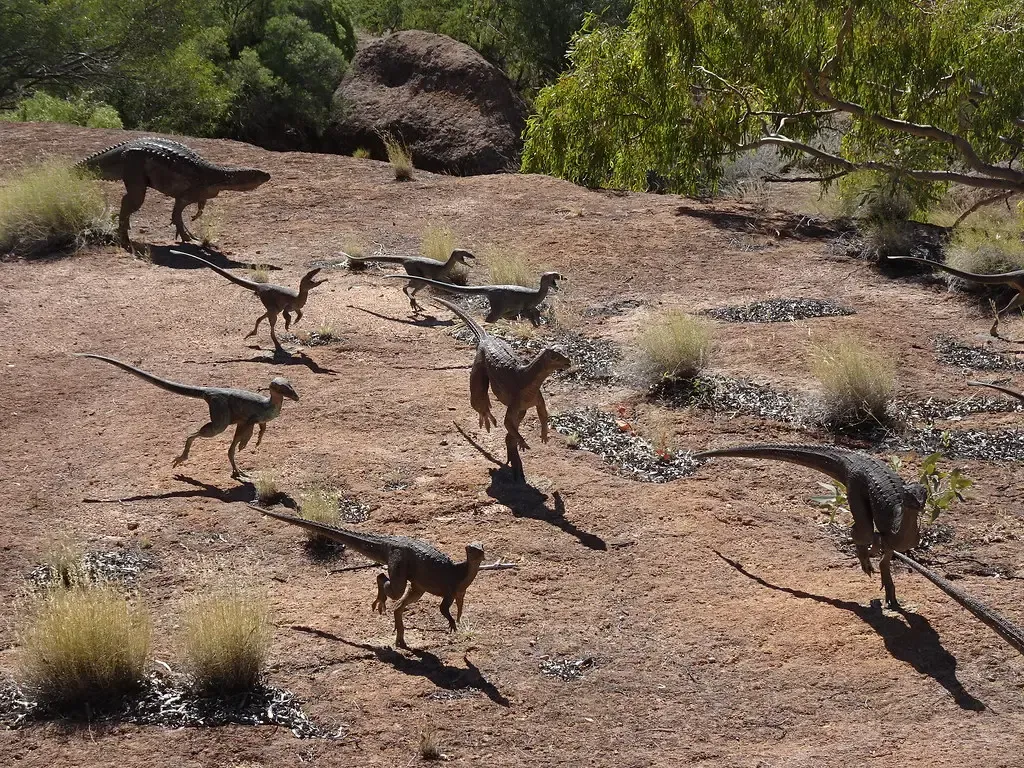
Picture a school of fish, or a herd of young wildebeest traveling together across the savannah. Now replace those animals with dinosaurs. At various sites around the world, paleontologists have found bonebeds containing young dinosaurs of the same species. A trio of Triceratops, an array of Alamosaurus, and a squad of Sinornithomimus appear to indicate that young dinosaurs of various species grouped together as they navigated their youth.
Adolescent dinosaurs forming cross-species social groups makes sense given what we know about how harsh life in the Mesozoic could be. More eyes meant a better chance of spotting a predator before it was too late. This may mean the young were not following their parents in a small family structure, suggesting instead a larger community structure where adults shared and took part in raising the whole community. It’s a deeply communal lifestyle that challenges the “every dinosaur for itself” stereotype most of us grew up with.
4. Herding Behavior Emerged Much Earlier Than Scientists Thought
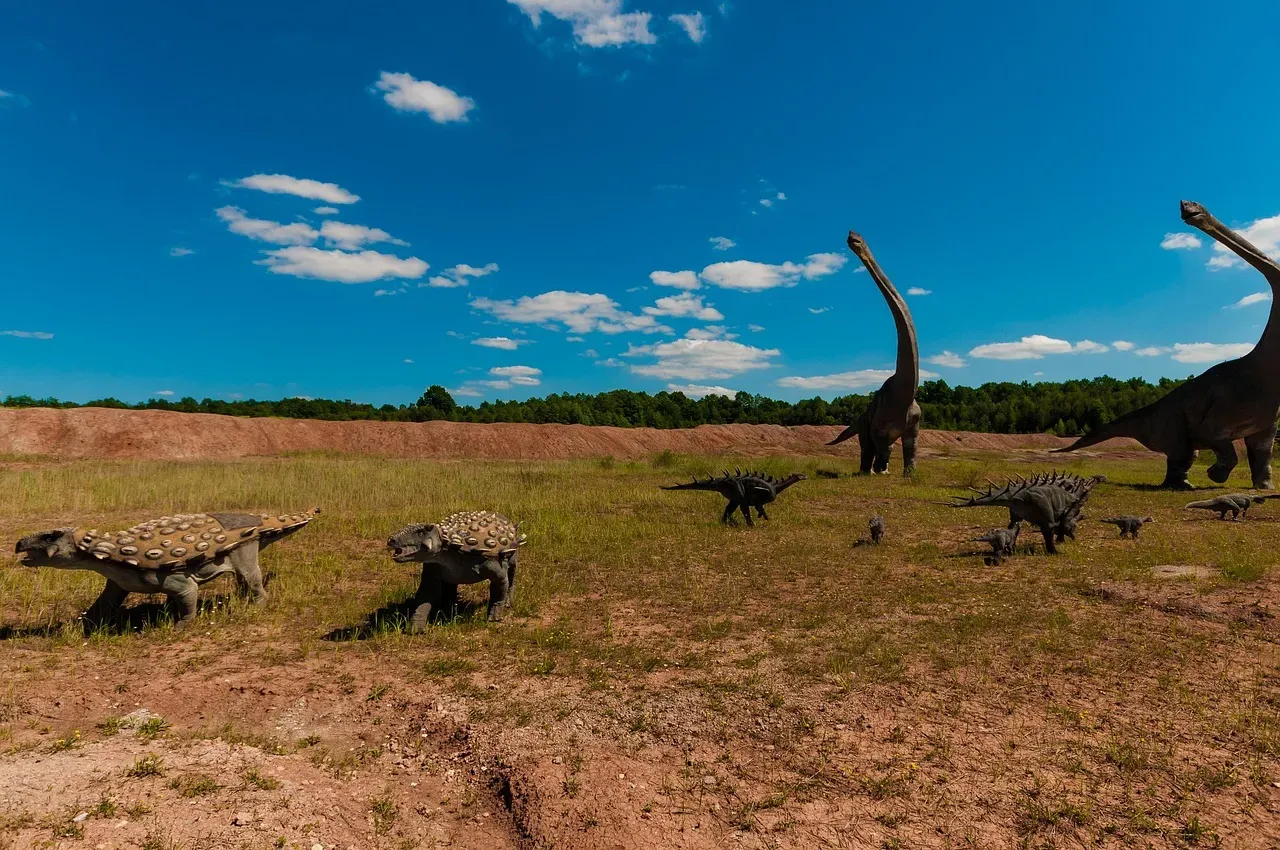
For a long time, paleontologists thought large-scale herding in dinosaurs was a relatively late evolutionary development. Then came Patagonia. A new study shows that prehistoric creatures lived in herds much earlier than previously thought. Researchers from MIT, Argentina, and South Africa detailed their discovery of an exceptionally preserved group of early dinosaurs that shows signs of complex herd behavior as early as 193 million years ago – 40 million years earlier than other records of dinosaur herding.
The discoveries indicate the presence of social cohesion throughout life and age-segregation within a herd structure, in addition to colonial nesting behavior, providing the earliest evidence of complex social behavior in Dinosauria, predating previous records by at least 40 million years. That’s not a minor adjustment to the timeline – that’s a seismic shift. The idea is that this type of social behavior may have actually contributed to the evolutionary success of dinosaurs. In other words, teamwork wasn’t just for the mammals.
5. Some Dinosaurs Were Colorful and Used Visual Display
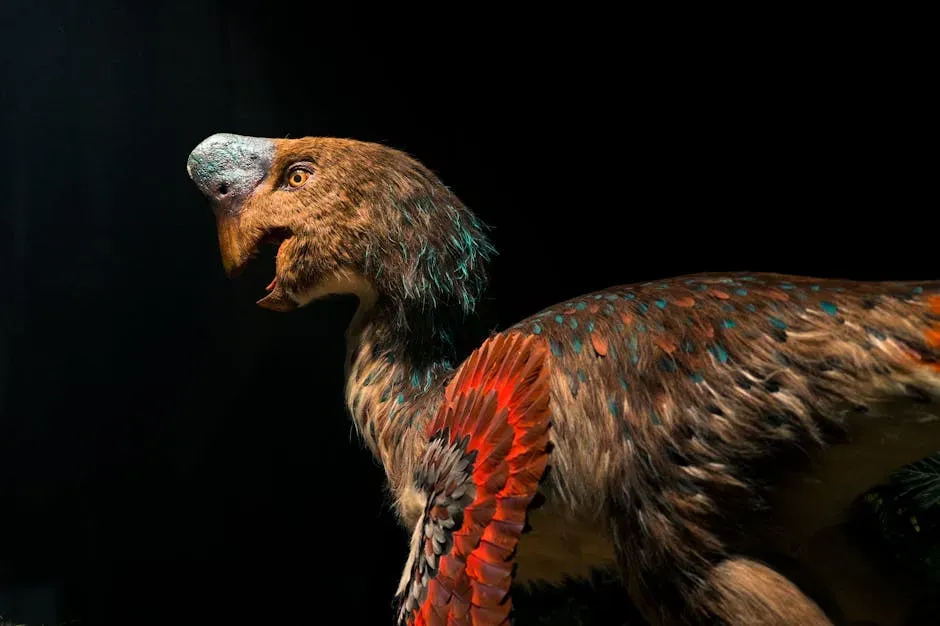
You’ve always seen dinosaurs painted in dull greens and muddy browns. I think that’s one of the biggest disservices paleontology pop culture has done to these animals. The reality? Paleontologists have recently pieced together the colors and patterns of some feathered dinosaurs, using electron microscopes to see tiny preserved structures that used to contain the pigments of the animals in life.
Using high-powered scanning electron microscopy, researchers examined 125-million-year-old feathers found in the Jehol group in northeastern China. One of the animals analyzed, the Sinosauropteryx, a small meat-eating dinosaur, appears to have had alternating bands of dark and light along its tail. Beyond that, researchers postulate that these ancient reptiles had a highly developed ability to discern color, and their hypothesis is that the evolution of feathers made dinosaurs more colorful, which in turn had a profoundly positive impact on communication, the selection of mates, and on dinosaurs’ procreation. Suddenly, dinosaurs stop looking like lizards and start looking a lot more like peacocks.
6. Some Dinosaurs Were Cannibals

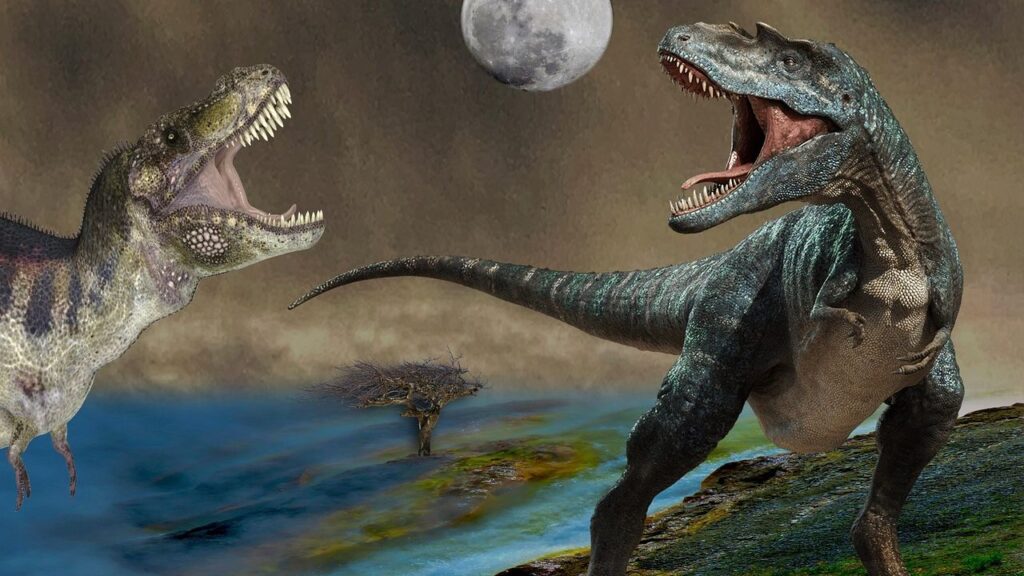
Alright, this one is genuinely disturbing. It turns out that some of the most famous dinosaurs weren’t just eating other species – they were eating each other. Examination of museum collections revealed specimens of Tyrannosaurus rex that bear tooth marks made by large carnivorous dinosaurs. Because Tyrannosaurus is the only large carnivore known from the Late Maastrichtian of western North America, these marks are interpreted as feeding traces and record instances of cannibalism – and given the low preservation potential of this behavior, cannibalism seems to have been surprisingly common in Tyrannosaurus.
T. rex wasn’t alone in this habit. Intensely tooth-marked elements from multiple individuals show that Majungatholus defleshed dinosaur carcasses and clearly fed upon not only sauropods, but also conspecifics, making it a cannibal. Cannibalism is a common ecological strategy among extant carnivores, but until this discovery the evidence in relation to carnivorous dinosaurs had been sparse and anecdotal. It’s hard to say for sure whether this was a regular dining habit or an opportunistic survival strategy, but either way, it adds a whole new layer to your mental image of a T. rex.
7. Many Dinosaurs Had Feathers Long Before Flight Was Possible
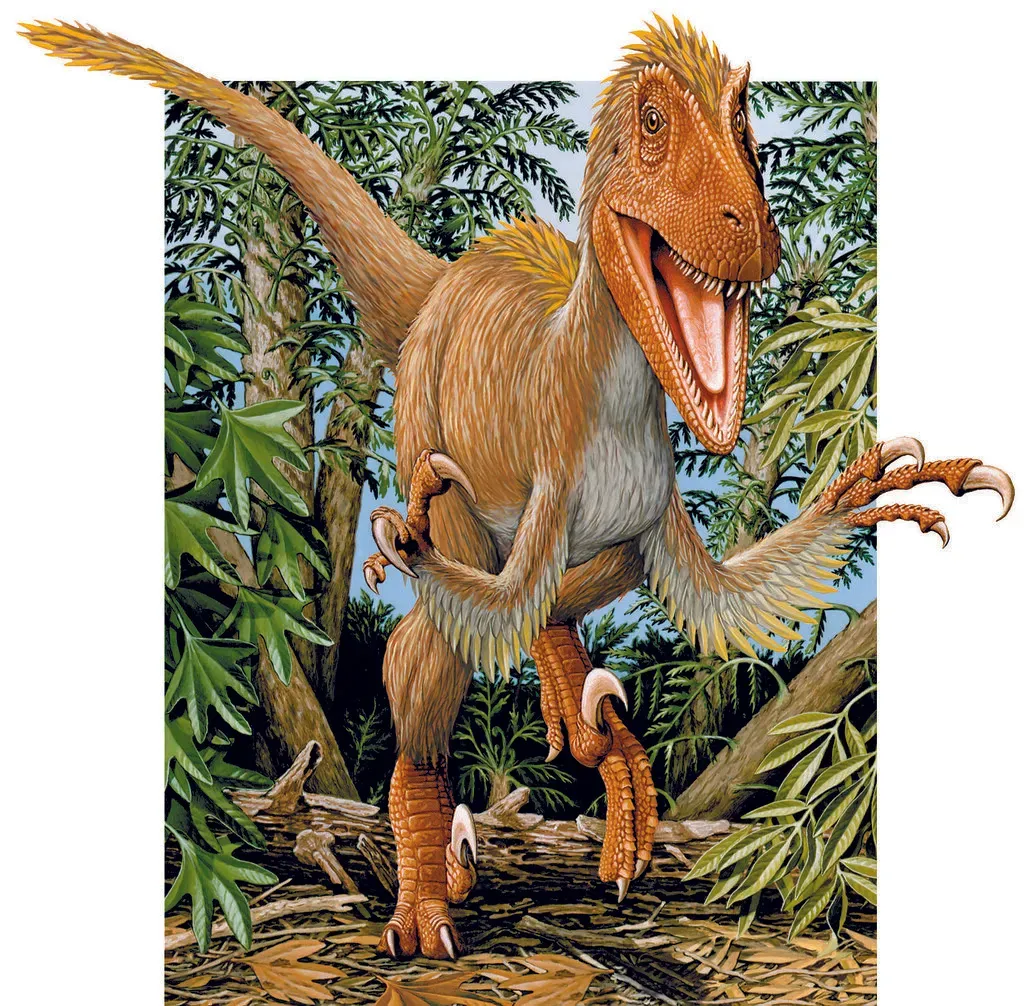
Most people still imagine dinosaurs as scaled, reptilian creatures. That image is increasingly outdated. More feathered dinosaur fossils began to emerge in the wake of early discoveries, and today roughly 40 species of feathered dinosaur are known, ranging from the Middle Jurassic to the Late Cretaceous, with the majority coming from Chinese deposits and a smaller number from Mongolia, Siberia, Germany, and North America.
The fascinating thing is that feathers didn’t evolve for flight. Feathers are not restricted to birds, but are also found in some non-avian dinosaurs, and they probably did not originally evolve for flight, but rather in some other functional context such as insulation, display, or camouflage. Think of it like a Swiss Army knife of evolution. Large flat feathers solved the shortcoming of earlier hair-like structures by providing both the display of color and heat insulation at the same time. These weren’t proto-birds cautiously inching toward the sky – they were already using feathers for a rich array of social and thermal purposes millions of years before anything took flight.
8. Some Dinosaurs Were Nocturnal or Operated at Dawn and Dusk
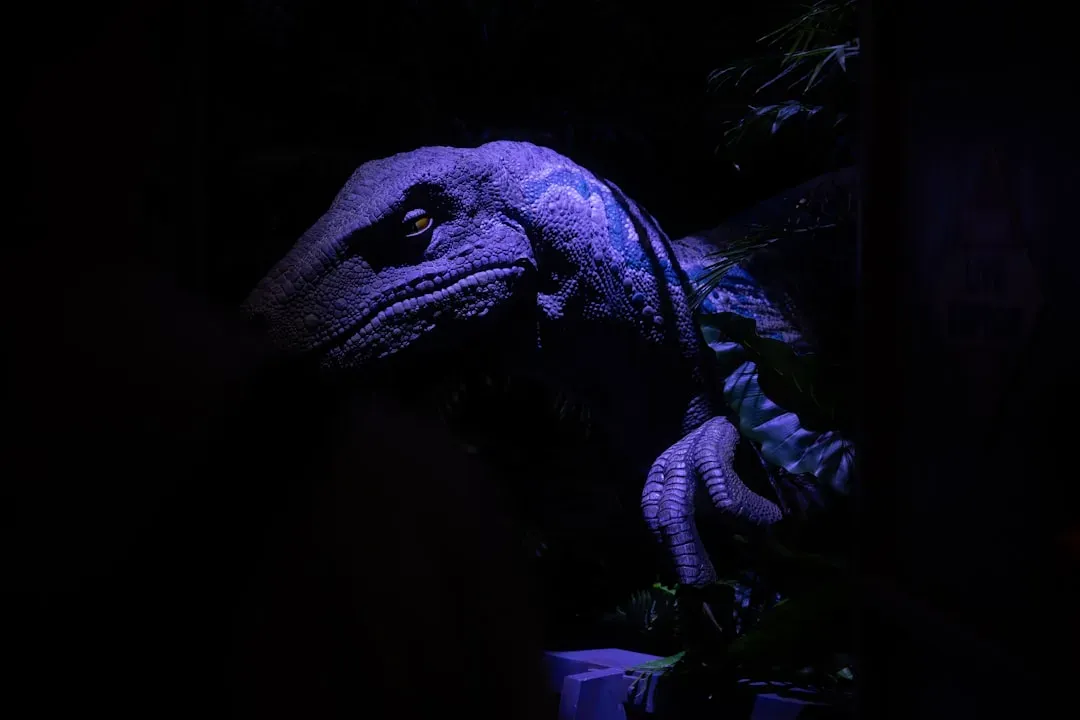
You might assume all dinosaurs were daytime creatures, stomping around under blazing Mesozoic sunlight. Let’s be real, though: the picture is far more nuanced than that. Other traits dinosaurs likely shared with today’s animals include being active at night and being active during the day. Theories surrounding these traits come from the shape of a dinosaur’s eye on the skull bone, and dinosaurs with larger eyes or wider scleral ring openings were more likely to be nocturnal, as these features helped them see better in low-light conditions.
We know a few dinosaurs that have disproportionately large eyes compared to their body size, including Velociraptor, the chicken-sized predator that lived in Asia during the Late Cretaceous, and the Troodontid, a small theropod. This tells us that they could have been nocturnal animals that did most of their sleeping during the day. Velociraptor hunting at night is a fundamentally different and more unsettling image than what any movie has shown you. The animals of today all sleep in different ways depending on the species, and this was likely true of dinosaurs – some curled up, some burrowed, some slept standing, and others spread out.
9. Dinosaurs Engaged in Fierce, Ritualized Combat

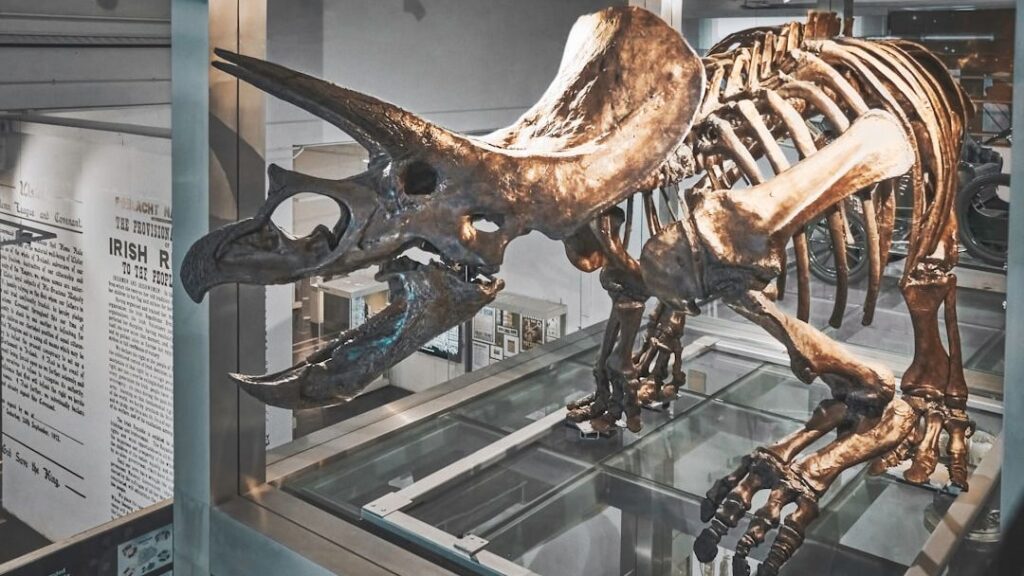
Combat among dinosaurs wasn’t just mindless violence. Evidence suggests it was structured, strategic, and often had clear social purposes, much like antler-clashing among modern deer. The elaborate frills and horns of ceratopsian dinosaurs like Triceratops have long been thought to serve display and combat functions, and fossil evidence now strongly supports this theory, with multiple specimens showing damage patterns consistent with aggressive interactions. Triceratops skulls frequently exhibit puncture wounds, broken horn tips, and healed fractures that match the dimensions of other Triceratops horns, and a particularly noteworthy specimen shows a Triceratops horn tip embedded in another Triceratops’ frill, providing indisputable proof of violent confrontations between these herbivores.
Paleontologists believe these elaborate head ornaments evolved through sexual selection pressures, with the most dominant individuals gaining reproductive advantages through combat success, similar to modern deer and antelope species whose horns and antlers serve both as weapons and status signals. What’s even more remarkable is that many injuries show signs of healing, which means these battles weren’t always to the death. Particularly striking are Tyrannosaurus rex specimens bearing bite marks that match the tooth pattern of other T. rex individuals, and these marks often show signs of healing, indicating that the attacked dinosaur survived the encounter. Survival of the fittest, ancient edition.
10. Giant Sauropods Likely Slept Standing Up
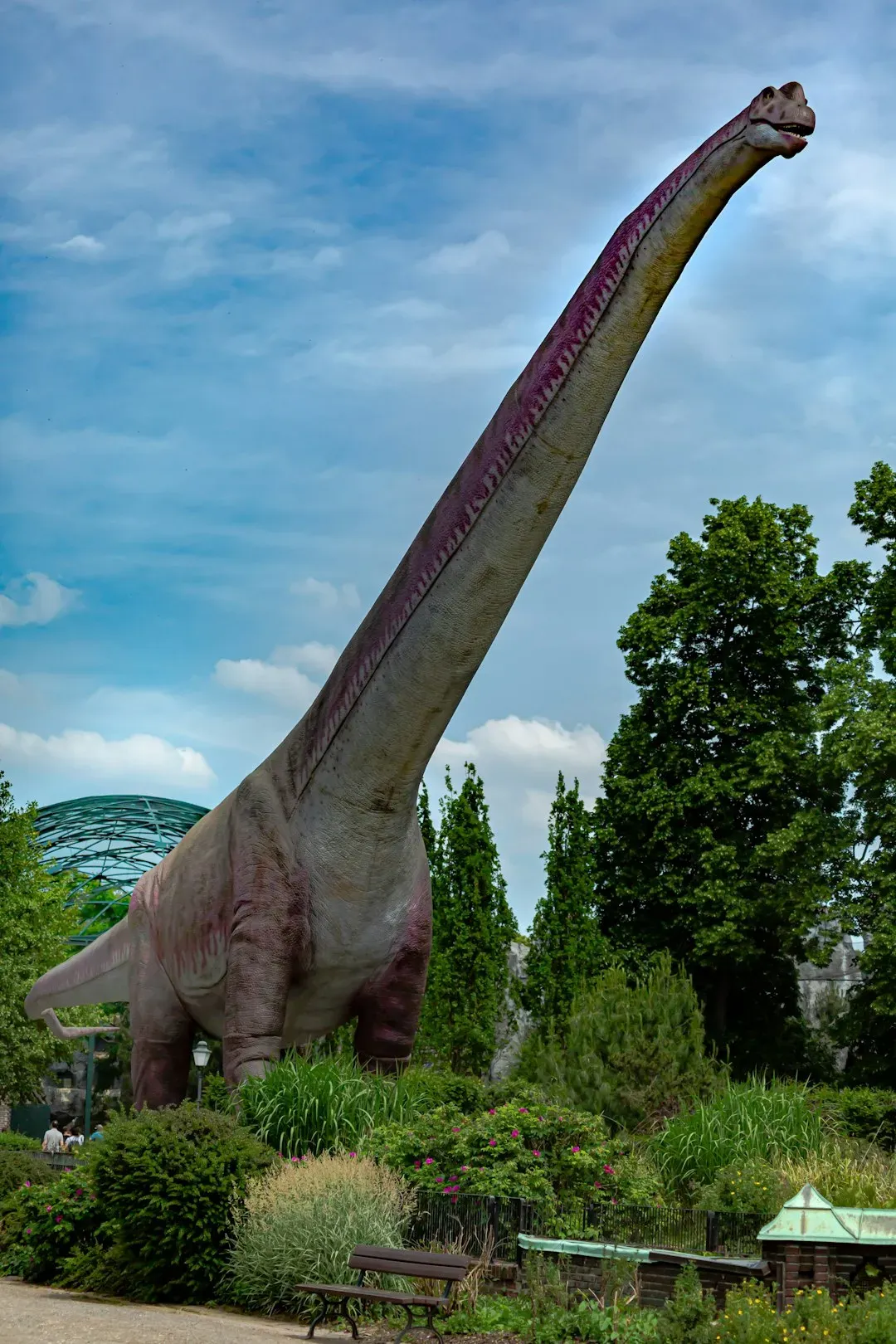
Here’s a habit that sounds almost comical until you think about it carefully. Sauropods were believed to have slept standing up rather than lying down due to their sluggishness in getting their large bodies off the ground, and although we cannot say for sure, there is fascinating evidence that suggests that sauropods were nocturnal and that they might have slept with their eyes open. Imagine an animal the size of a five-story building, just standing still in the dark of a Jurassic forest.
Partial-bodied rest through short bouts of standing sleep or semi-locked limb postures, analogous to the “stay apparatus” in horses, are plausible for sauropods. Staying upright minimizes the risk and metabolic cost of getting up, and fully lying flat for long sleep would have made rising dangerous and time-consuming for very large sauropods. Fossil trackways and the rarity of articulated “lying” sauropod skeletons suggest prolonged prone sleep was uncommon for adults. In a way, it makes perfect sense. Sauropods were among the most diverse lineages of dinosaurs, with an ample geographic distribution throughout the Mesozoic, and their evolutionary success is largely attributed to neck elongation and its impact on feeding efficiency. Being able to respond to threats instantly, without the vulnerability of lying down, would have been a crucial survival trait for animals that could not afford to be caught off guard.
Conclusion: Dinosaurs Were Far More Complex Than We Ever Imagined
Every single habit on this list points to the same powerful truth: dinosaurs were not the primitive, cold-blooded, lumbering monsters that old-school science and Hollywood once sold us. They were social, communicative, emotionally complex in their own ancient way, capable of nurturing their young, forming communities, engaging in display, and even grieving their fallen rivals by eating them – okay, maybe that last one is still pretty monstrous.
Our understanding of dinosaur behavior has long been hampered by the inevitable lack of evidence from animals that went extinct more than sixty-five million years ago. Today, with the discovery of new specimens and the development of new and cutting-edge techniques, paleontologists are making major advances in reconstructing how dinosaurs lived and acted. The story isn’t over. Every new fossil, every new scan, every new analytical technique rewrites a page of the prehistoric record.
The dinosaurs you thought you knew? You’ve only just started meeting them. What surprises you most – the devoted parenting, the colorful feathers, or the fact that T. rex may have occasionally snacked on its own kind? Tell us in the comments.