
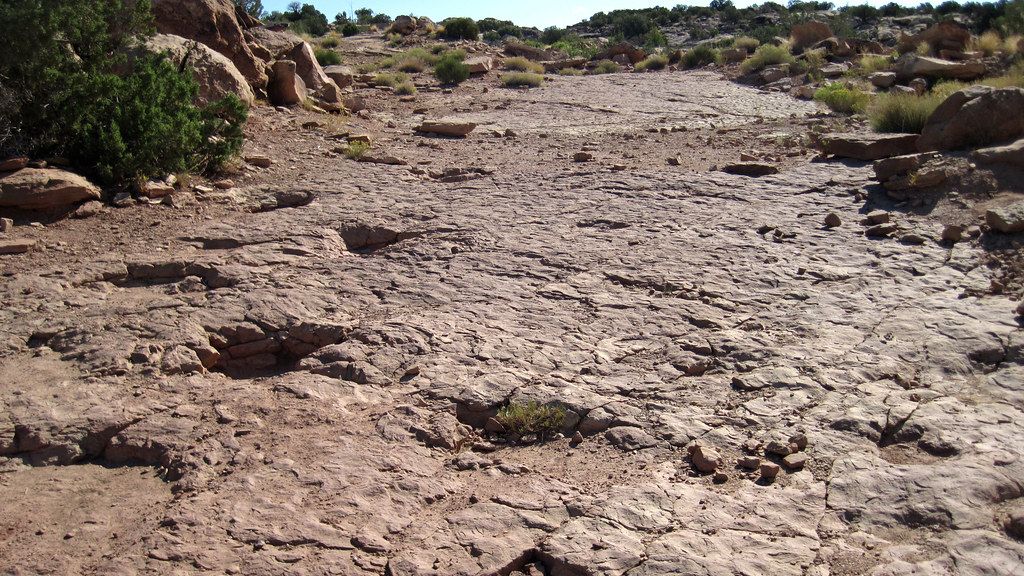
Imagine driving a digger across a limestone quarry on an ordinary workday, only to feel strange bumps beneath your machine that turn out to be the footsteps of creatures that walked the Earth over 166 million years ago. That is essentially what happened in Oxfordshire, England, kicking off one of the most electrifying paleontological stories of recent years. Pair that story with the equally jaw-dropping discovery of footprints dating back a staggering 225 million years in Thailand, and you’ve got a full picture of just how dramatically our understanding of ancient life is shifting right now.
These aren’t just dusty academic discoveries buried in science journals. They rewrite what you know about when, where, and how some of the most powerful creatures to ever roam our planet left their mark. Let’s dive in.
A Quarry Worker Felt Something Unusual Beneath His Feet
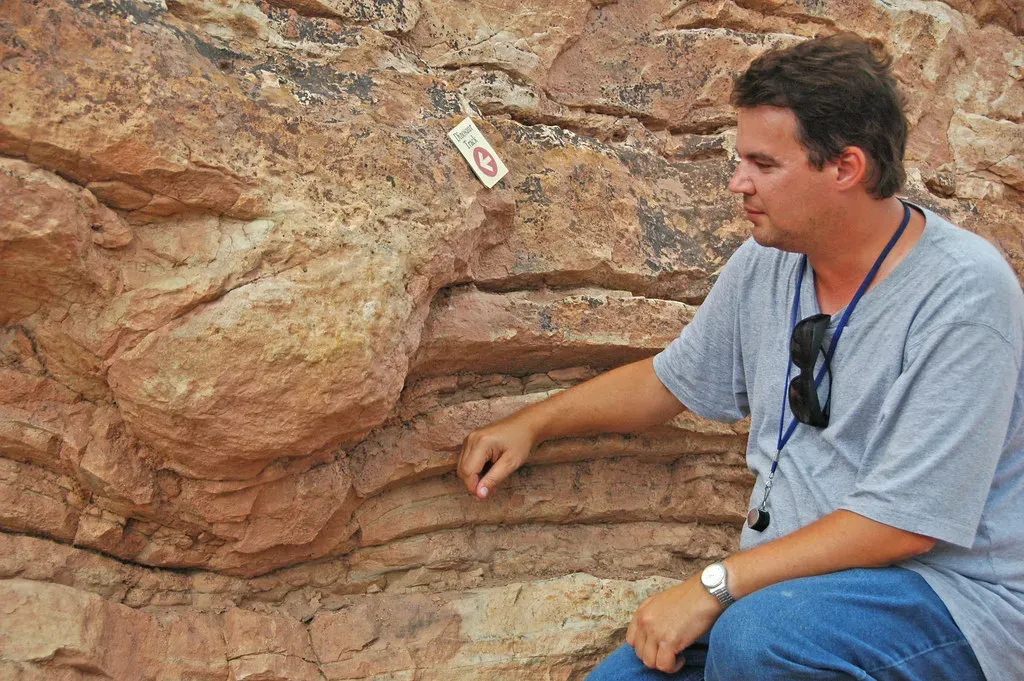
Sometimes the greatest discoveries in human history happen completely by accident, and this is one of those cases. The remarkable find was first spotted in 2023 when quarry worker Gary Johnson sensed “unusual bumps” on the ground while extracting limestone for road construction. Think about that for a second. A man doing a day’s work, totally unaware that he was literally driving over one of the most important prehistoric sites on Earth.
The footprints were first noticed by quarry worker Gary Johnson when he felt unusual bumps a few metres apart while driving his digger. After contacting experts at the University of Birmingham and Oxford, a team of over 100 people worked to uncover the footprints during a week-long excavation in June 2024. That accidental moment of curiosity triggered a scientific operation of impressive scale, transforming a working quarry into one of the most talked-about dig sites on the planet.
The Scale of the Discovery Will Genuinely Surprise You
The UK’s biggest-ever site of dinosaur footprints was discovered in a quarry in Oxfordshire, with multiple trackways revealing the comings and goings of these ancient reptiles as they wandered across the area during the Jurassic Period. This wasn’t a single footprint, or even a handful. It was essentially a prehistoric road, a route walked by enormous animals hundreds of millions of years before any human set foot on this planet.
During the excavation, scientists uncovered five extensive trackways, with the longest continuous pathway measuring more than 150 meters in length, roughly 492 feet. To put that in perspective, that’s longer than one and a half American football fields of uninterrupted dinosaur tracks. The site, dating back 166 million years to the Middle Jurassic Period, reveals a “dinosaur highway” featuring the tracks of both herbivorous and carnivorous species, including the fearsome predator Megalosaurus.
Which Dinosaurs Were Actually Walking Here?
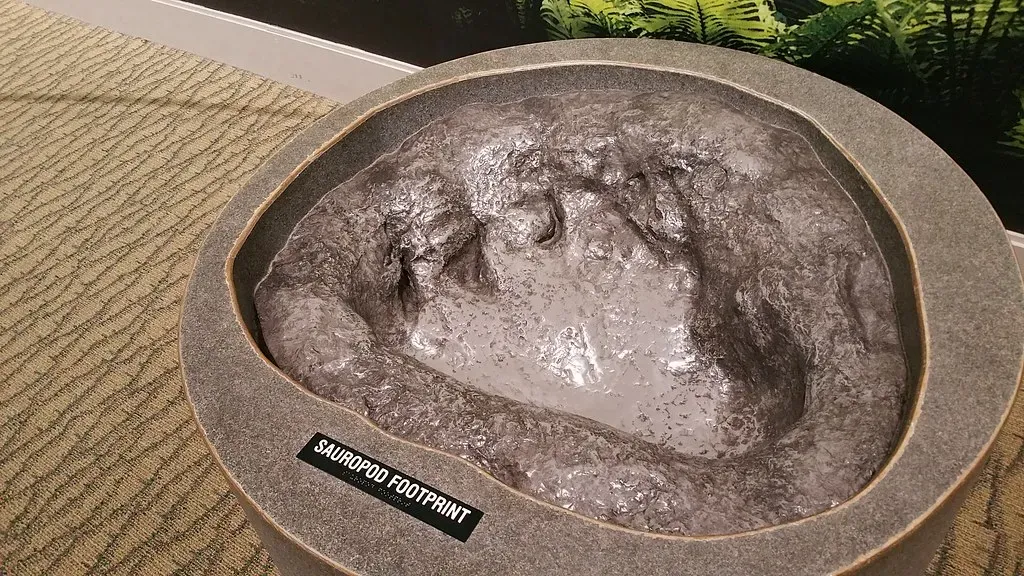
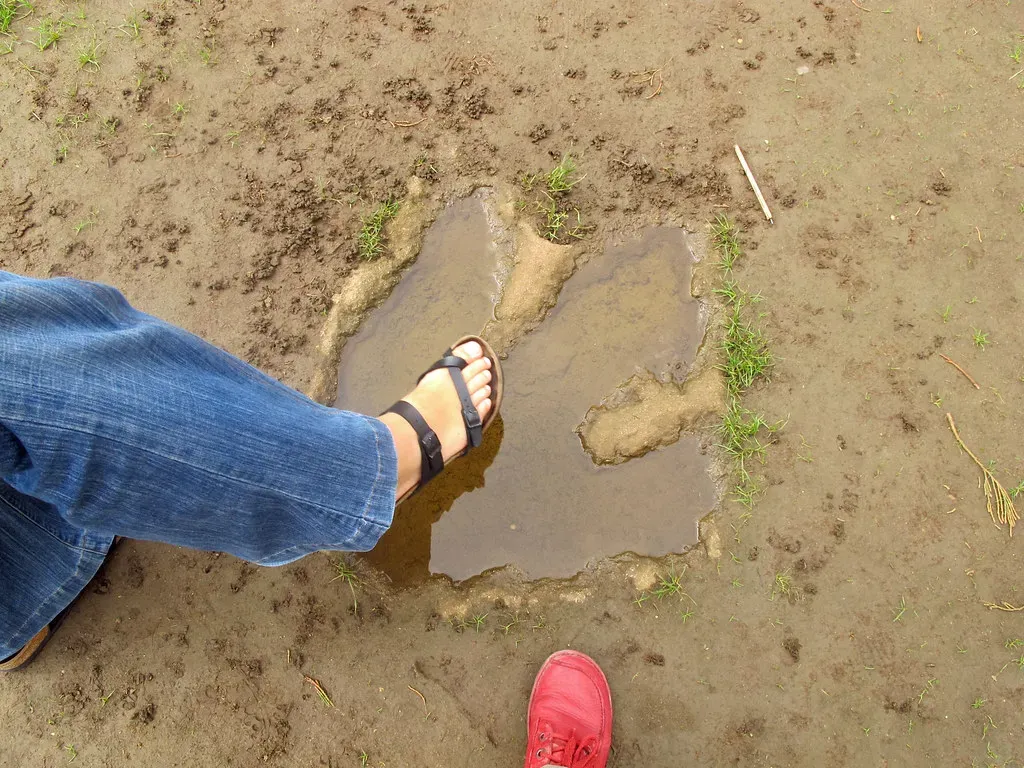
Four of the trackway paths contained tracks from colossal, long-necked, four-legged herbivorous dinosaurs of the subgroup known as sauropods, most likely Cetiosaurus, which reached up to 18 meters in length, with the largest tracks measuring about 90 centimeters long. Ninety centimeter footprints. That’s nearly the height of a five-year-old child, pressed into ancient mud by something with a neck like a crane and a body the size of a bus.
The fifth trackway was made by Megalosaurus, a ferocious carnivore that would have been around six to nine metres long. Megalosaurus was an agile hunter that walked on two legs and was the largest known predatory dinosaur in Jurassic Britain. Honestly, the idea of a two-legged predator prowling along a lagoon shoreline 166 million years ago, leaving behind perfect three-toed prints in the mud, is the kind of image that keeps you thinking long after you’ve read about it.
The Environment These Dinosaurs Walked Through Was Nothing Like England Today

Today, Oxfordshire is famous for its green fields and rolling hills, but wind the clock back to the Middle Jurassic and it would have looked very different. These dinosaurs would have been wandering across a muddy lagoon on the shores of a shallow sea in a more tropical climate. It’s a bit like learning that your local park was once a steaming tropical coast. The England of 166 million years ago had more in common with the Caribbean than with modern Britain.
The preservation of such an expansive ancient trackway is rare and was made possible by the unique conditions of the land during this time frame of the Jurassic Period. The distinct footprints indicate the area was once covered in soft sediment, with an ideal amount of water to conserve the impressions. The tracks were also quickly covered, likely by a storm, protecting them from erosion caused by wind, water or other animals. Nature essentially sealed these footprints into a time capsule, and it took 166 million years and one curious quarry worker to finally open it.
How Scientists Captured Every Detail of These Ancient Steps
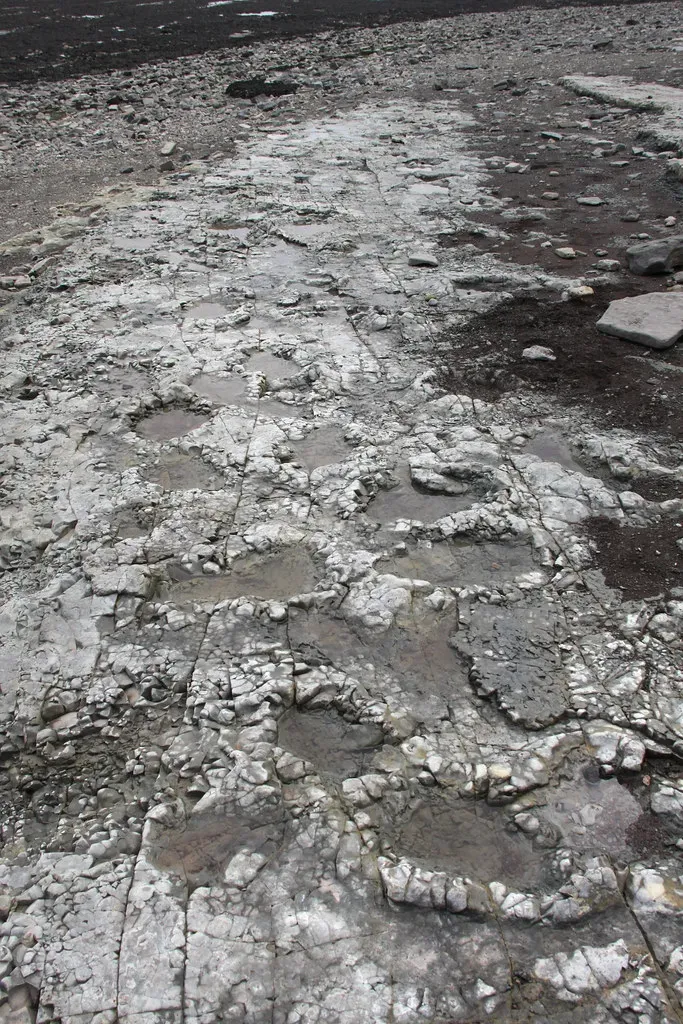
During the excavation, researchers captured more than 20,000 images of the footprints with aerial drone photography. The team will use these images to create detailed 3D models to further investigate the interactions and biomechanics of the dinosaurs. This is where modern science truly earns its keep. No chisel and notebook could do what a drone and a 3D model can do today. Every curve, every claw impression, every slight depression in ancient mud is now digitally preserved forever.
The preservation of these fossils is so detailed that researchers can see how the mud was deformed as the dinosaurs trod across the soft ground. The scientists have taken more than 20,000 images of the footprints, which will allow them to find out more about the lives of these reptiles, such as how they walked, how fast they were travelling, how large they were, and whether they were alone or in a group. That’s the beauty of footprints over bones. A skeleton tells you what an animal looked like. A trackway tells you what it was actually doing on a specific Tuesday 166 million years ago.
Thailand’s Footprints Go Even Further Back in Time
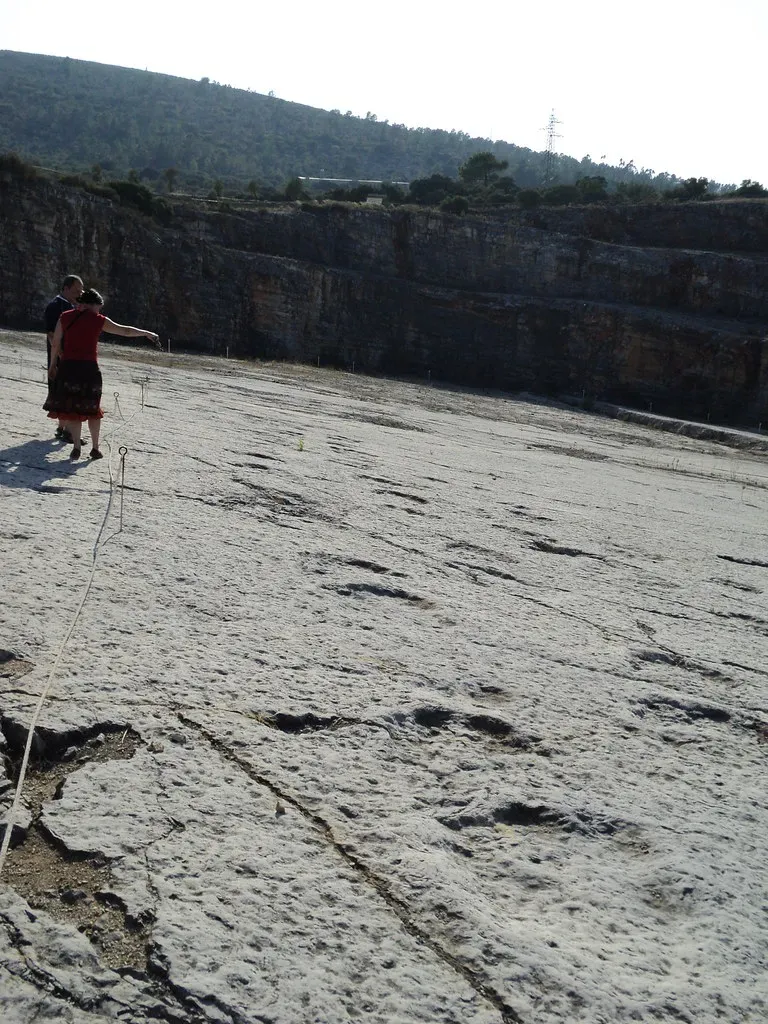
If you thought 166 million years was ancient, here’s where things get truly mind-bending. Thailand has made a colossal leap in paleontology with the discovery of the oldest dinosaur footprints ever found in the country, and possibly in Asia. The significant find dates back over 225 million years, situating it in the late Triassic period. This monumental discovery occurred at the border between Phetchabun and Khon Kaen provinces. That’s nearly 60 million years older than the English “dinosaur highway.”
The first two sets of tracks belonged to a sauropod, a group of long-necked, herbivorous dinosaurs dating back to the late Triassic period, between 225 to 220 million years ago. The footprints are the oldest animal footprints found in Thailand. The Phu Pha Man National Park in Thailand contains one of the oldest dinosaur tracks discovered in Asia. Discovered in January 2024, paleontologists from the Department of Mineral Resources have dated the tracks to around 225 to 220 million years old, in the late Triassic period, and the track contains traces of a variety of dinosaurs including theropods, sauropods, and archosaurs. It’s hard to say for sure which is more astonishing: the footprints themselves, or the fact that we’re still only now finding them.
What These Footprints Reveal That Bones Never Could
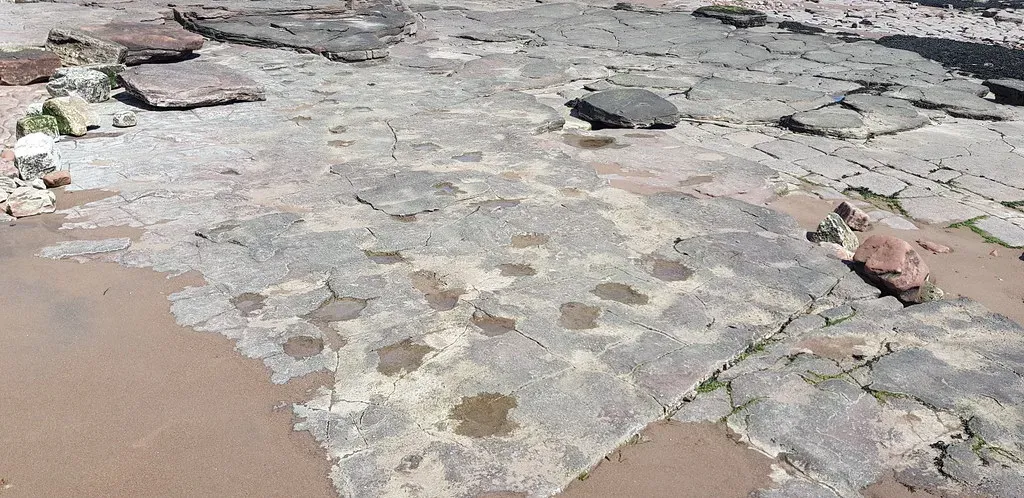
There’s an ongoing debate in paleontology about what gives us more insight into dinosaur life: bones or tracks. Honestly, the case for tracks is stronger than most people realize. While Jurassic bone discoveries often draw significant attention, dinosaur tracks provide more specific insights into the lives of these extinct animals. Unlike bones, which can be transported to different areas by wind, water or scavengers, footprints remain in the exact locations where they were made. Tracks not only indicate the size of the dinosaurs but also provide clues about their behavior, such as group dynamics and predator-prey interactions.
Although we don’t have the remains of the animals that made the tracks, scientists can learn a lot about the lives of dinosaurs from the footprints they left behind. Trackways are important because they preserve fossilised behaviour, something that is impossible to get from the bones of an animal alone. In fact, discoveries like the Oxfordshire site even hint at possible interaction between species. One area of the excavation site showed the Megalosaurus and sauropod tracks crossing over, raising questions about how and if the two species interacted. A predator and prey walking through the same muddy lagoon, their paths literally crossing in the sediment. That’s not a bone. That’s a story.
The Historical Significance Goes Beyond the Footprints Themselves
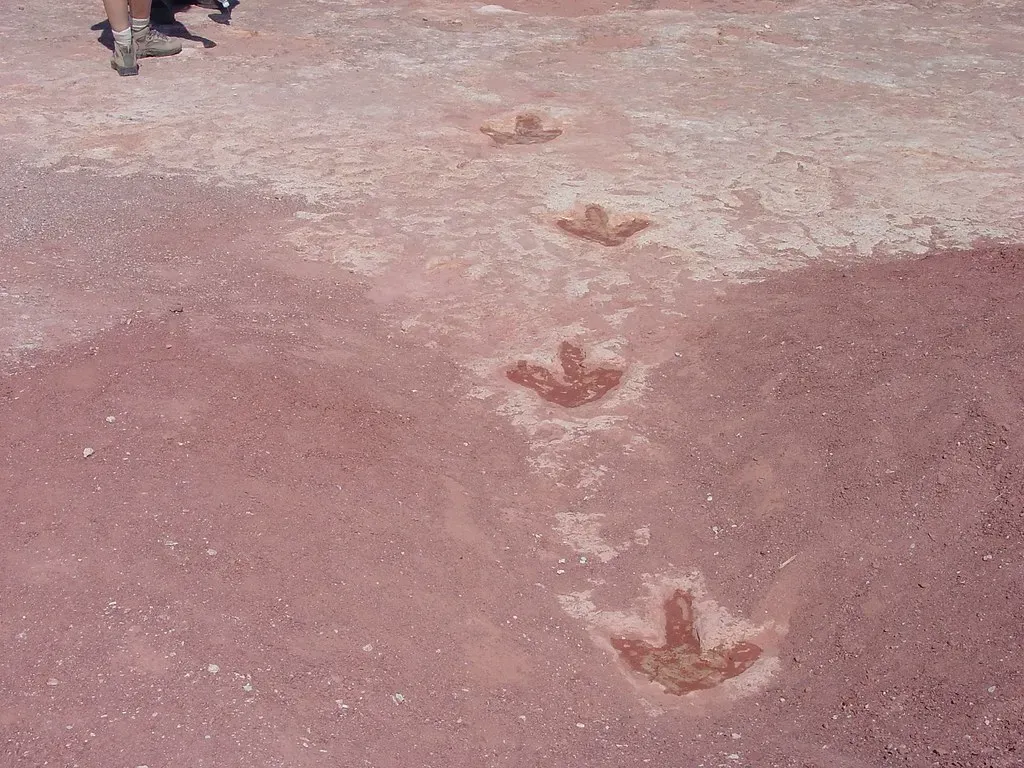
There’s a pleasing symmetry to the Oxfordshire discovery that goes beyond pure science. Megalosaurus was the first dinosaur to ever be scientifically named, in 1824, by Oxford geologist William Buckland. Buckland’s unusual fossil discovery kicked off what is now more than 200 years of dinosaur research. So in a way, the region that gave the world the very concept of the dinosaur has now gifted us one of its most spectacular track sites.
While other Jurassic pathways have been documented globally, the recent “highway” discovery in Oxfordshire is the largest known dinosaur track site in the United Kingdom. This site in Oxfordshire is the largest dinosaur track site in the UK, and arguably now the largest mapped dinosaur track site in the world when considering finds dating back to the 1990s. There’s something deeply poetic about a place that named dinosaurs for the modern world also holding the ground that dinosaurs walked on millions of years ago.
The Excavation Isn’t Over Yet
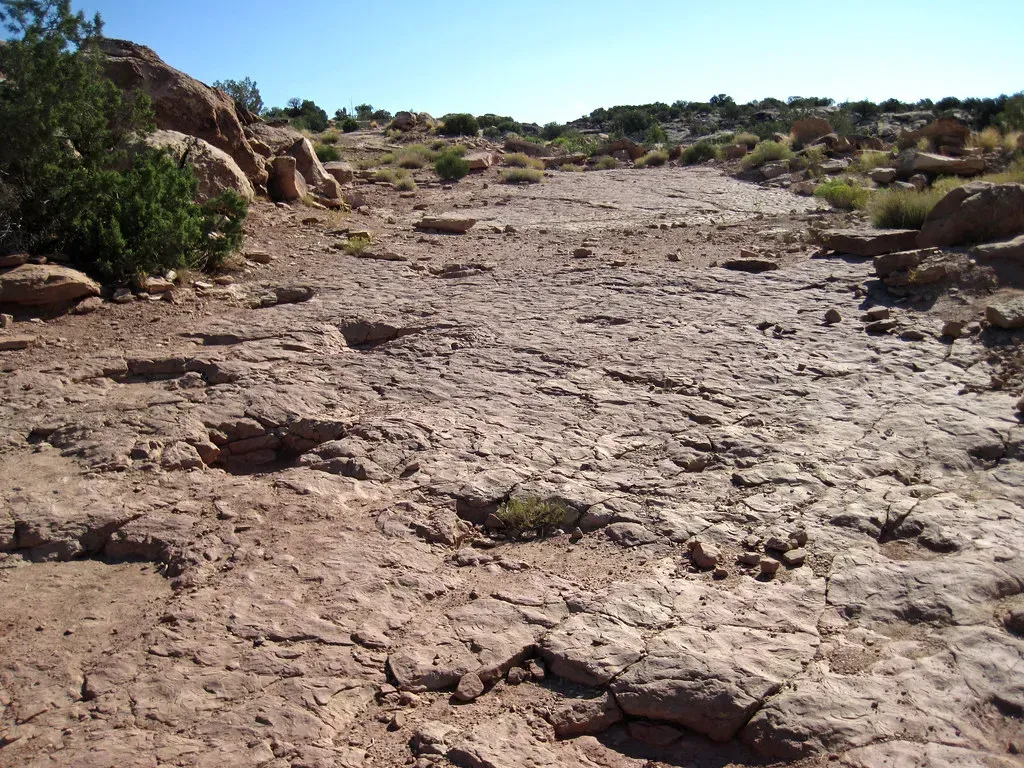
Here’s what makes this story even more exciting: we haven’t seen everything yet. Researchers went back to the Oxfordshire site after the initial 2024 dig, and the rewards were immediate. The track site was expanded as a new area at Dewars Farm Quarry containing dinosaur trackways was uncovered by teams from the Universities of Oxford, Birmingham, and Liverpool John Moores, who joined forces for another week-long dig. The team painstakingly uncovered around 200 more footprints making up four trackways.
New findings from the excavation include Europe’s longest sauropod dinosaur trackway, which spans approximately 220 metres from the first to the last exposed footprint. The four new trackways found at the Oxfordshire site were each made by sauropod dinosaurs, like Cetiosaurus, that made their way along an exposed mudflat on the edge of a lagoon some 166 million years ago during the Middle Jurassic Period. More of the footprint surface is likely to be exposed over the coming years, and a full description of the significance, new scientific discoveries and potential for future preservation of the site is expected soon. There’s more waiting beneath the surface, and that thought alone is extraordinary.
Conclusion
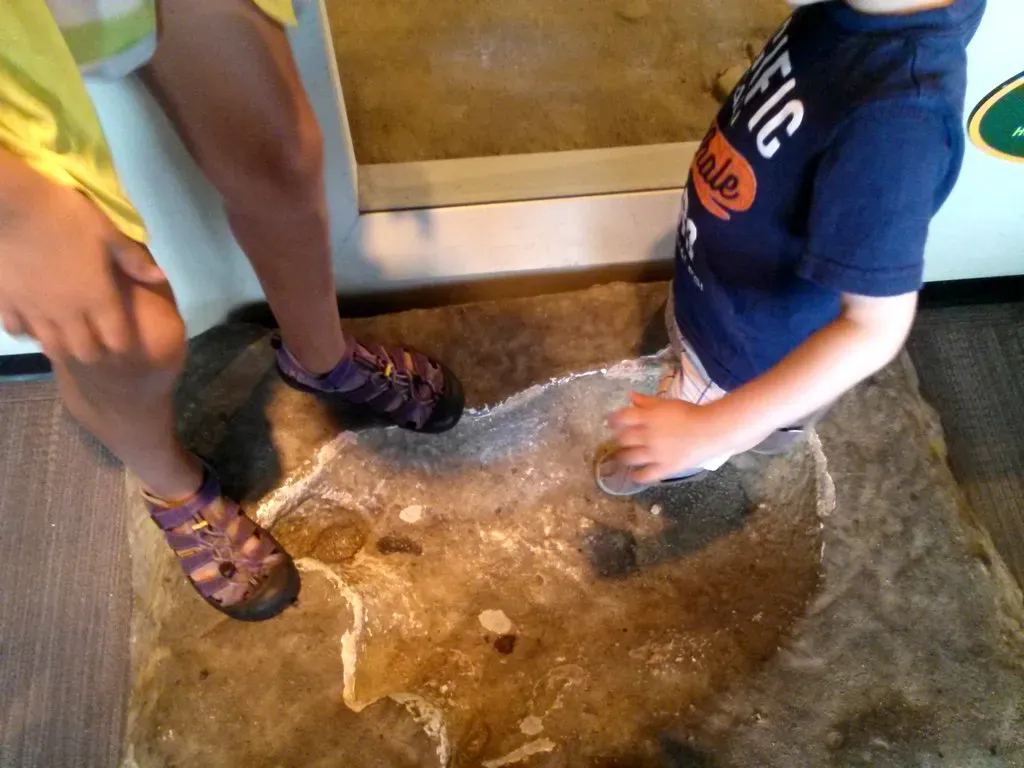
The discovery of the world’s oldest dinosaur footprints isn’t just a win for paleontology. It’s a reminder that the planet we live on is still full of astonishing secrets, buried just beneath the surface, waiting for the right moment and the right pair of eyes to bring them back to light. From a quarry worker in Oxfordshire noticing an odd bump under his digger, to scientists in Thailand dating mudstone tracks to a time before the modern world’s continents had even fully formed, these discoveries carry a quiet kind of wonder that’s hard to shake.
The footprints aren’t just ancient. They’re alive with behavior, interaction, and environmental context in a way that bones simply cannot replicate. A skeleton is a record of what was. A footprint is a record of what was happening. There’s a difference, and it’s a profound one.
Next time you walk through mud or soft earth, you’re doing something dinosaurs did for hundreds of millions of years. What other secrets do you think are still buried beneath our feet, waiting to be found?