
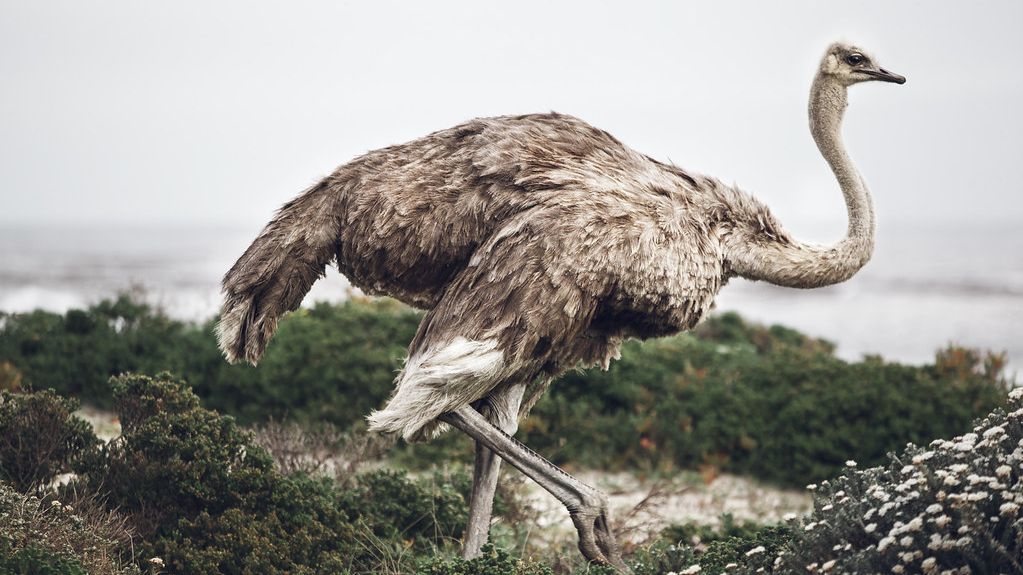
Every time you watch a sparrow dart between branches or hear a crow’s raspy call, you’re actually witnessing a living dinosaur in action. It sounds like something out of a science fiction movie, but it’s one of the most thoroughly supported conclusions in all of paleontology. The creatures that ruled the Earth for over 150 million years didn’t simply disappear. They transformed, shrank, grew feathers, and took to the sky.
This is not a new theory cobbled together from wishful thinking. Decades of fossil discoveries, genetic research, and comparative anatomy have stacked up an overwhelming case. So if you’ve ever marveled at a hawk circling overhead and thought it looked almost prehistoric, trust that instinct. It absolutely is. Let’s dive in.
The Theropod Connection: Where It All Begins
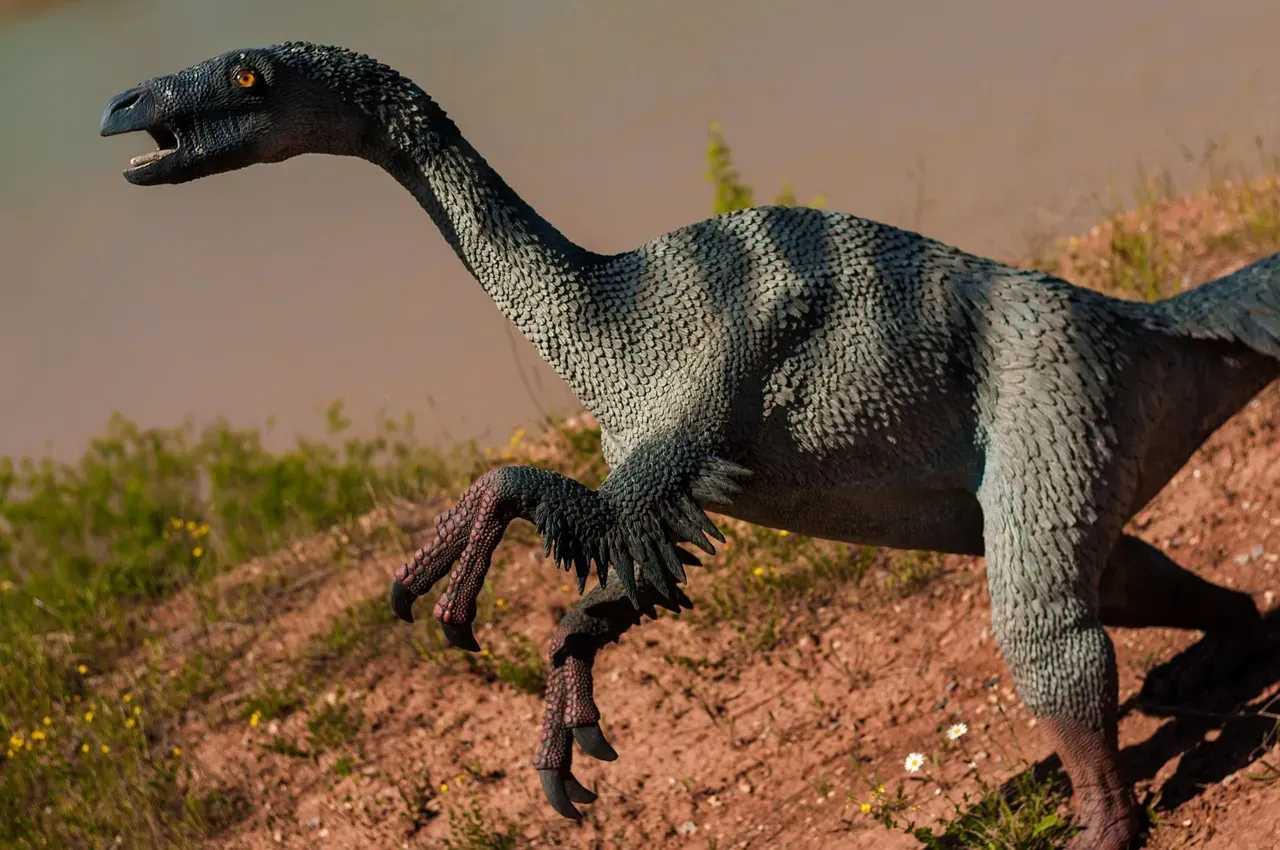
Modern birds descended from a group of two-legged dinosaurs known as theropods, whose members include the towering Tyrannosaurus rex and the smaller velociraptors. That’s a wild family reunion, when you think about it. The same broad evolutionary group that produced the most fearsome predator in Earth’s history also gave us the humble house sparrow.
The present scientific consensus is that birds are a group of maniraptoran theropod dinosaurs that originated during the Mesozoic era. Honestly, that sentence deserves to be read twice. Birds aren’t just related to dinosaurs. They are dinosaurs, still very much alive, still evolving, still filling the skies with over 10,000 known species today.
Archaeopteryx: The Creature That Changed Everything
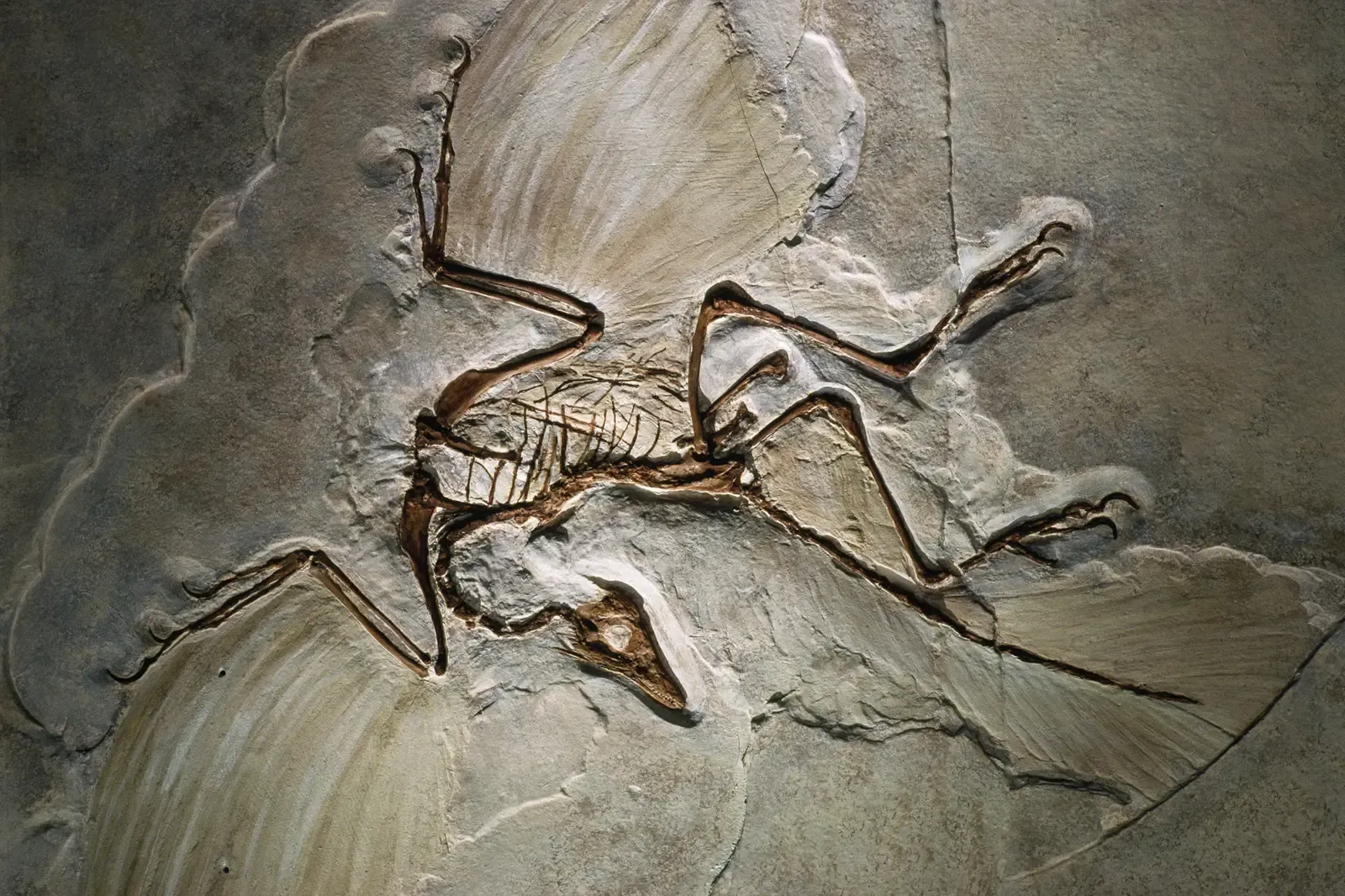
Archaeopteryx, the first good example of a “feathered dinosaur,” was discovered in 1861. The first specimen was found in the Solnhofen limestone in southern Germany, a rare and remarkable geological formation known for its superbly detailed fossils. Archaeopteryx is a transitional fossil, with features clearly intermediate between those of non-avian theropod dinosaurs and birds. It was, quite literally, the missing link that science had been waiting for.
Archaeopteryx had feathers, hollow bones and wings. It was roughly the size of a raven and had a wishbone, or furcula, a hallmark feature of birds today. It also had a mouth full of sharp teeth and a long, bony tail. Think of it like a creature stuck perfectly in between two worlds. Half the bird you know, half the monster from a prehistoric nightmare. It lived around 150 million years ago in the Jurassic period. While other dinosaurs had also evolved feathered wings before then, Archaeopteryx is the first known example of an animal that likely used those adaptations to fly.
Feathers: Not Just a Bird Thing
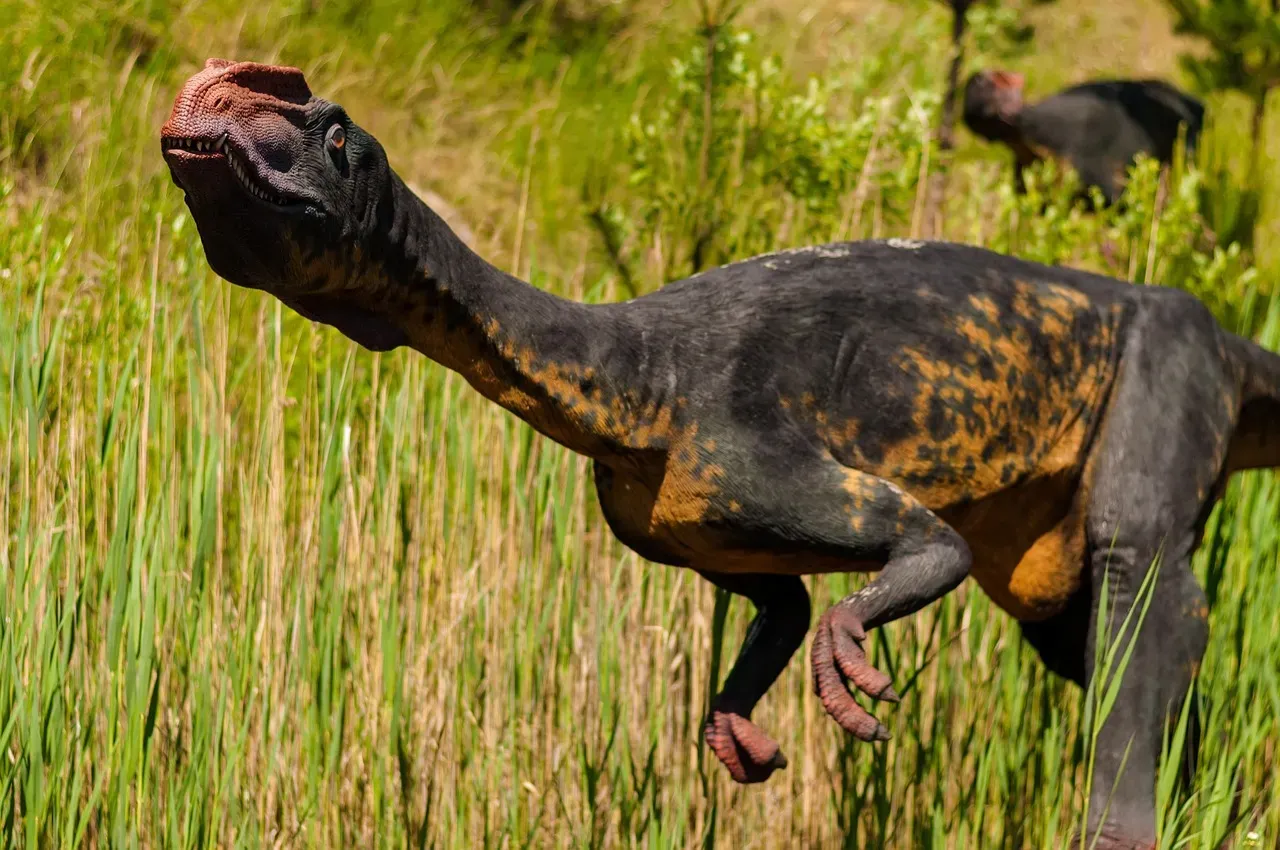
Discoveries have shown that bird-specific features like feathers began to emerge long before the evolution of birds, indicating that birds simply adapted a number of pre-existing features to a new use. Feathers, as it turns out, were never exclusively a bird invention. They were a dinosaur invention first. Think of it like fire being discovered long before the light bulb was ever designed.
The evolution of feathers likely began in the earliest dinosaurs, or perhaps even in the closest relatives . A variety of primitive theropods, such as Sinosauropteryx and the tyrannosaurs Dilong and Yutyrannus, and a growing number of plant-eating ornithischian dinosaurs, are now known from spectacularly preserved fossils covered in simple, hair-like filaments called “protofeathers” that are widely considered to be the earliest stage of feather evolution. You can picture these early feathered theropods less as prehistoric birds and more as fluffy, fast-running predators with body fuzz that kept them warm.
The Fossil Record From China: A Game-Changer
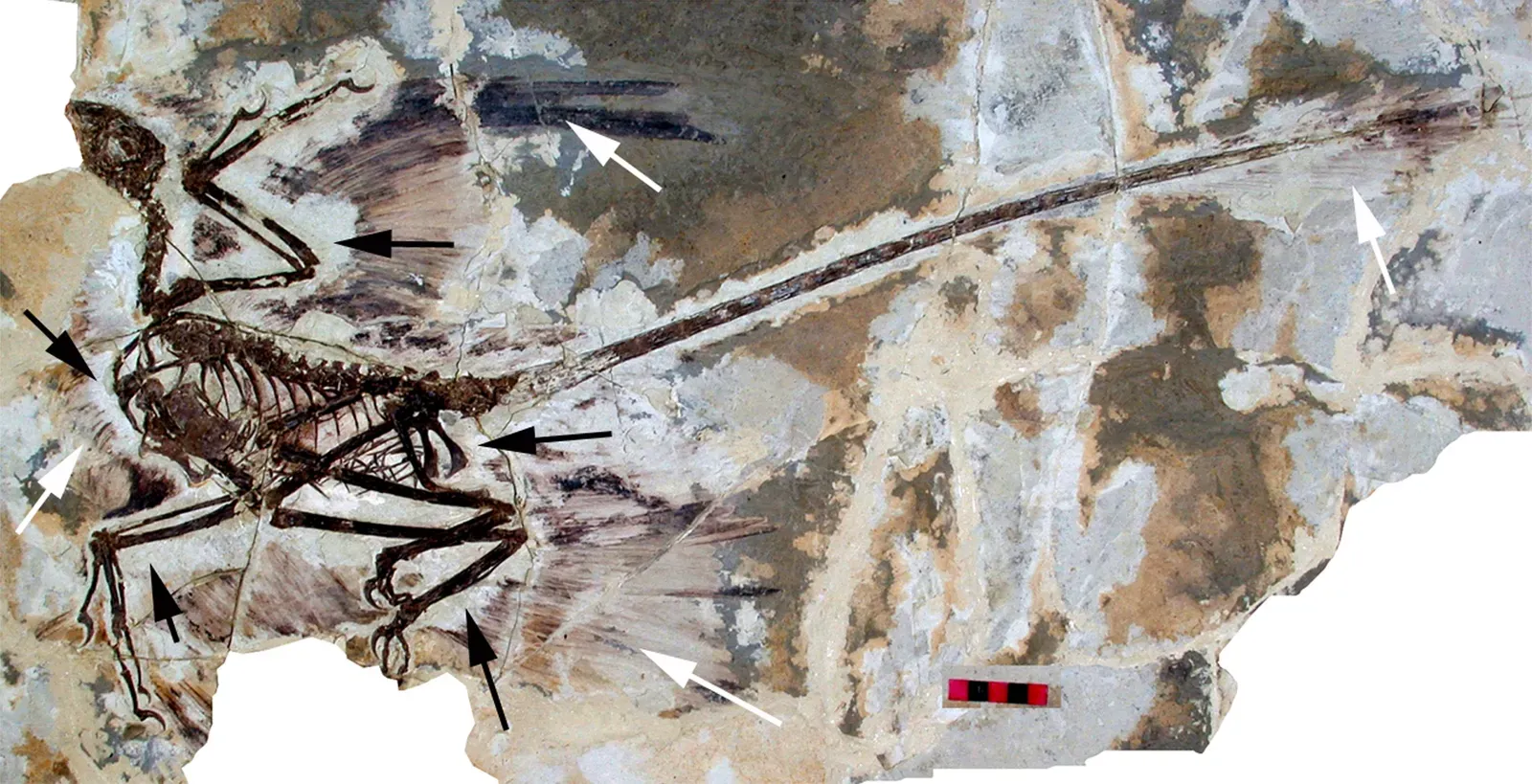
The discovery that birds evolved from small carnivorous dinosaurs of the Late Jurassic was made possible by recently discovered fossils from China, South America, and other countries, as well as by looking at old museum specimens from new perspectives and with new methods. The Liaoning Province in northeastern China, in particular, became the most thrilling dig site on Earth for anyone interested in this story.
The discovery in the late 1990s in China of fossils from thousands of bona fide dinosaurs covered in feathers provided the most definitive visual evidence for the dinosaur-bird link, convincing most of the remaining skeptics. Fossils of more than thirty species of non-avian dinosaur with preserved feathers have been collected. There are even very small dinosaurs, such as Microraptor and Anchiornis, which have long, vaned arm and leg feathers forming wings. It’s hard to argue with that kind of evidence staring you in the face.
Shared Skeletal Traits: The Bones Don’t Lie
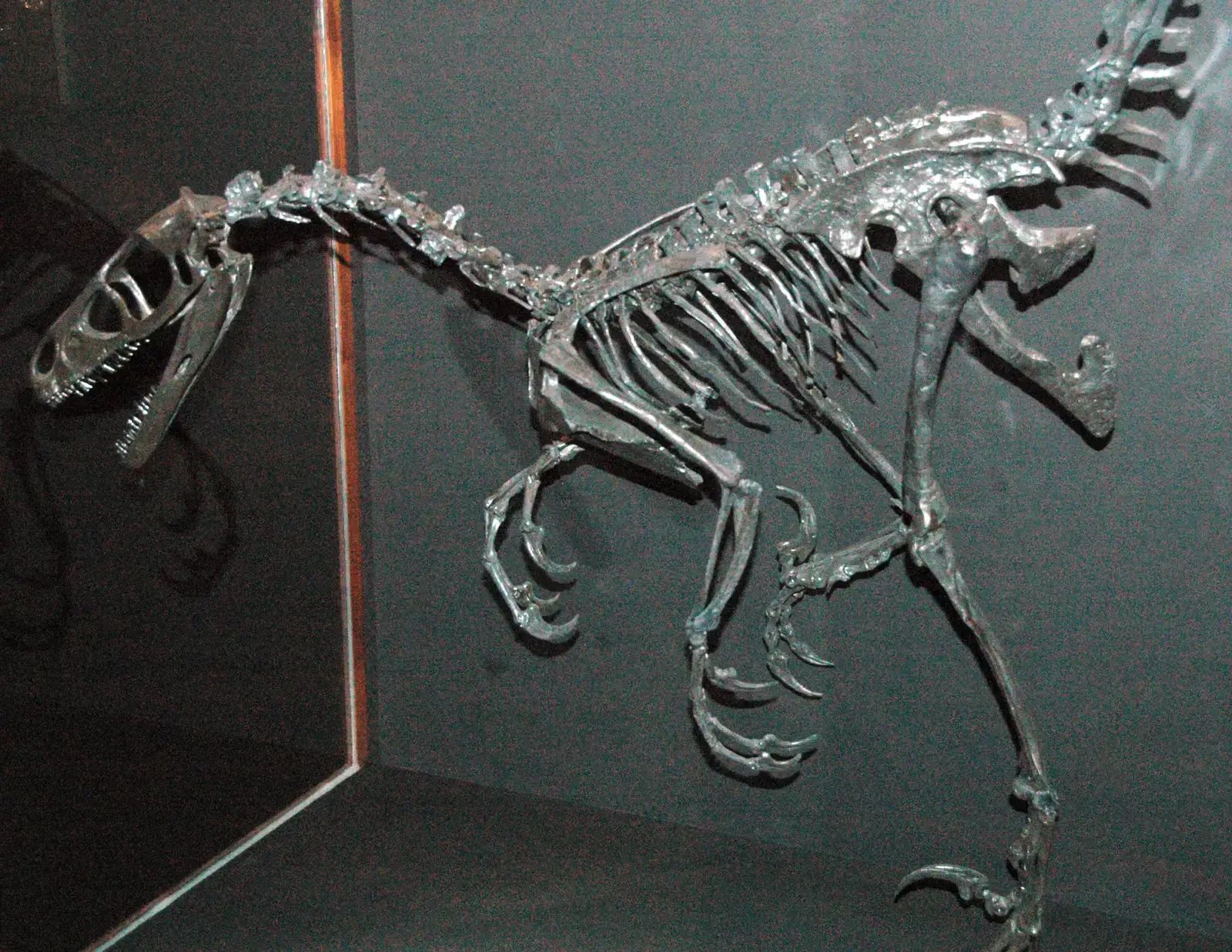
Skeletal similarities include the skull, tooth build, neck, uncinate processes on the ribs, an open hip socket, a retroverted long pubis, flexible wrist, long arms, three-fingered hand, general pectoral girdle, shoulder blade, furcula, and breast bones. That is a striking list. When you line up a theropod skeleton next to a bird skeleton, the similarities are so strong they’re almost uncomfortable. It’s like comparing a grandfather and his grandchild.
Once thought unique to birds, wishbones started turning up in some bipedal, meat-eating dinosaurs, such as Velociraptor, almost as soon as scientists started looking. Fossil evidence also demonstrates that birds and dinosaurs shared features such as hollow, pneumatized bones, gastroliths in the digestive system, nest-building, and brooding behaviors. These aren’t superficial similarities. They’re deep structural and behavioral echoes that no amount of coincidence can explain away.
The Great Shrinking Act: How Giants Became Sparrows
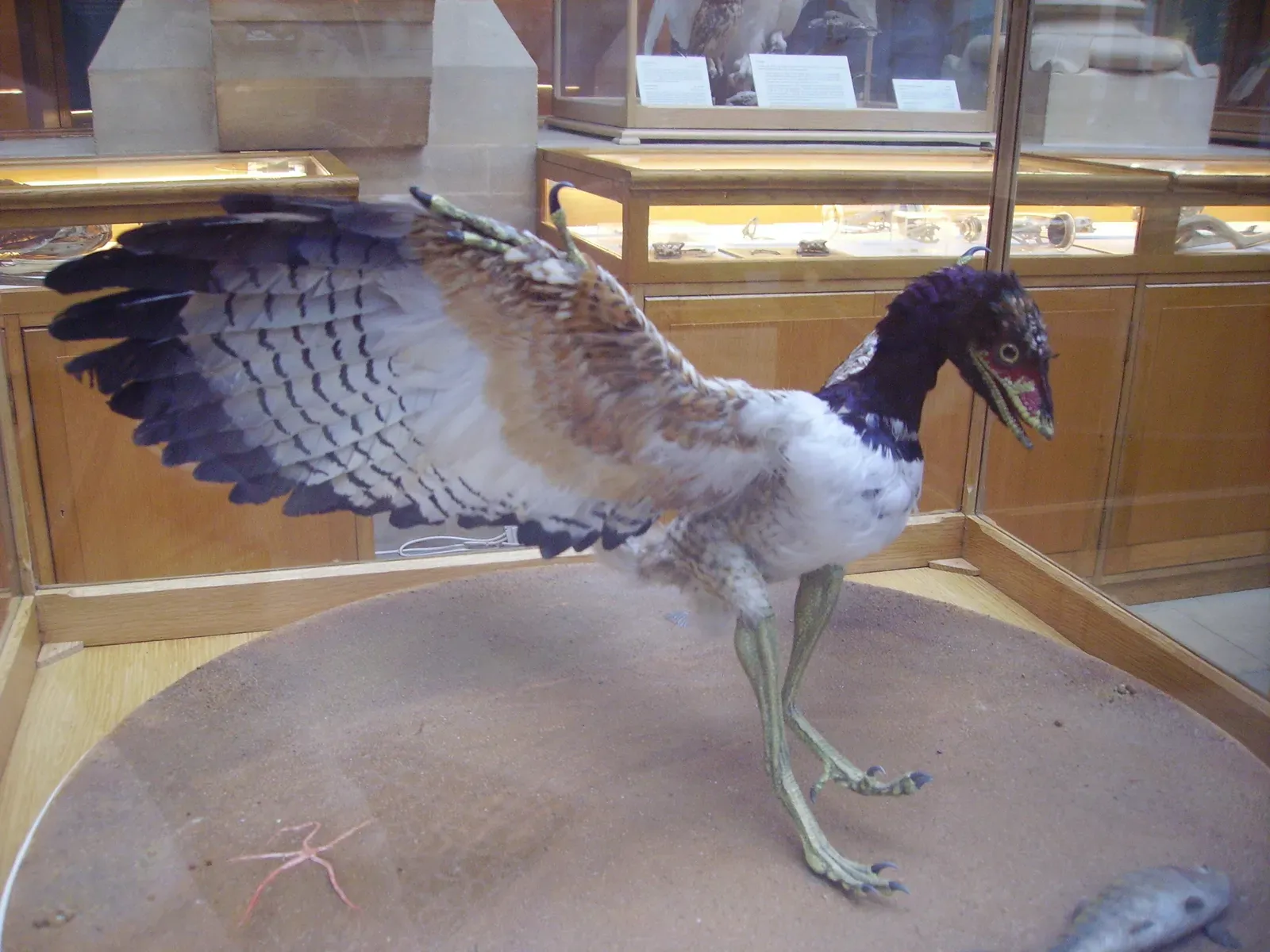
Birds evolved from theropod dinosaurs during the Jurassic, around 165 to 150 million years ago, and their classic small, lightweight, feathered, and winged body plan was pieced together gradually over tens of millions of years of evolution rather than in one burst of innovation. I think this is one of the most underappreciated parts of the whole story. We’re not talking about a sudden transformation. This was a slow, patient, evolutionary masterwork.
A study reveals why this lineage has been so successful: birds started downsizing well before the rest of the dinosaurs disappeared. “This is a very impressive piece of work and by far the most comprehensive analysis of dinosaur body size that has been conducted,” says Stephen Brusatte, a paleontologist at the University of Edinburgh. “The study shows that birds didn’t just become small suddenly, but were the end product of a long-term trend of body size decline that took many tens of millions of years.” It’s evolution playing a very long game, and it paid off spectacularly.
Behavioral Echoes: Sleeping, Nesting, and Brooding Like Dinosaurs
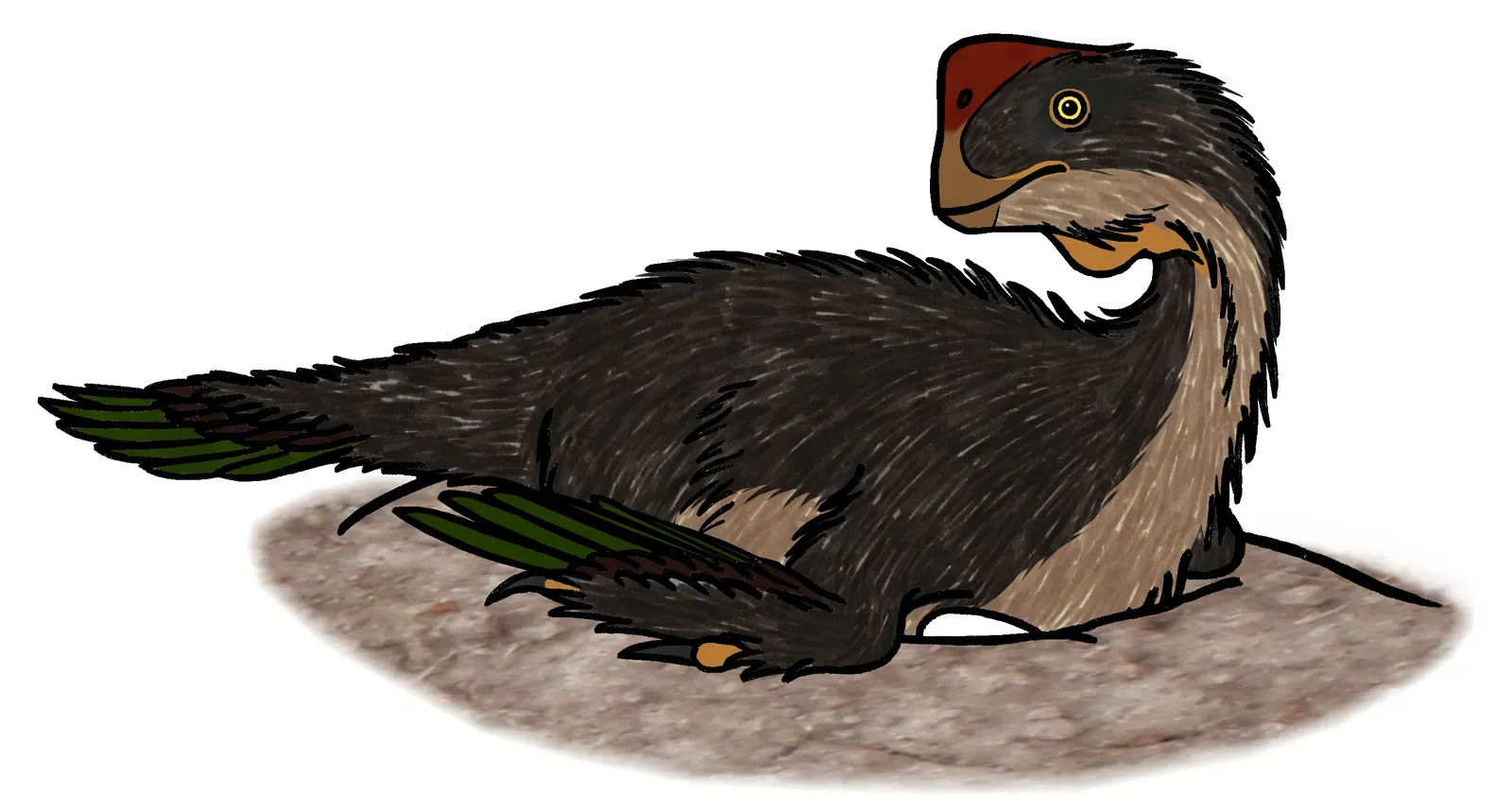
Fossils from as early as 128 million years ago have shown dinosaurs sleeping in a distinctly bird-like position, with folded limbs and their head tucked under one arm. This curled position is a way for birds, as well as other warm-blooded animals, to retain heat while they sleep, and could indicate that dinosaurs were warm-blooded, too. That detail is almost poetic. The same instinct that makes a goose tuck its beak under its wing on a cold night was present in dinosaurs over a hundred million years ago.
Dr. Jack Horner’s discovery of dinosaur nesting grounds indicated that dinosaurs cared for their young and laid eggs, similar behaviors found in modern birds. Birds possess a highly efficient respiratory system involving air sacs that allow for continuous airflow through the lungs, a feature that enhances oxygen exchange and supports high metabolic demands. Evidence suggests that some theropod dinosaurs had a similar air sac system, pointing to a shared physiological adaptation that may have supported their active lifestyles. The behavioral continuity between ancient dinosaurs and modern birds is, quite frankly, astonishing.
Surviving the Apocalypse: Why Birds Made It and Others Didn’t
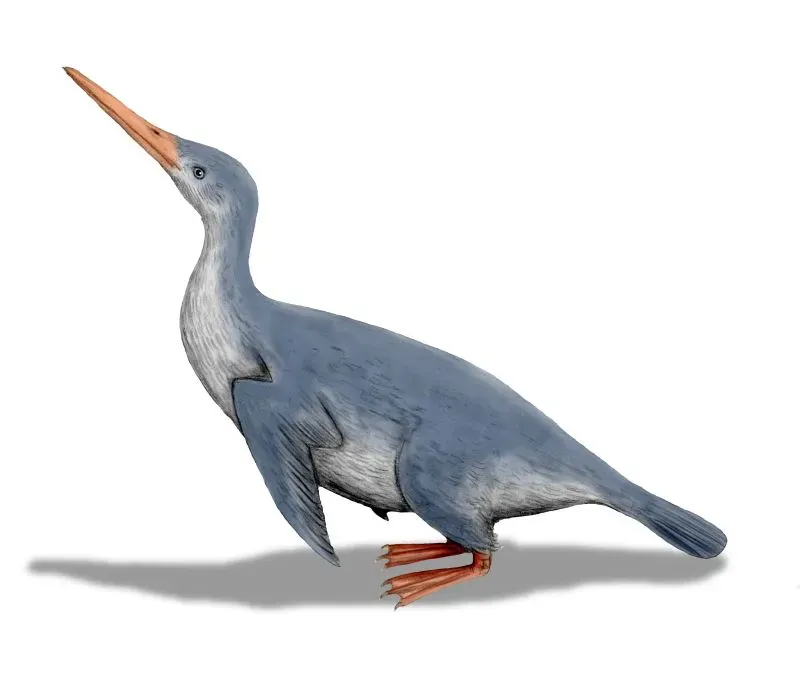
An asteroid more than 6 miles across struck what’s now the Yucatan Peninsula, triggering the fifth mass extinction in the world’s history. More than 75 percent of species known from the end of the Cretaceous period didn’t make it to the following Paleogene period. Yet somehow, amid all that chaos and destruction, a small group of feathered theropods held on. It’s one of the most dramatic survival stories in the history of life on Earth.
These derived birds had replaced their teeth with a beak, and many of them were probably seed-eaters. Seeds can withstand even the nastiest catastrophes, and seed-eating birds are some of the first species to move back in when things start to heal. The answer to why birds survived probably lies in a combination of things: their small size, the fact they can eat a lot of different foods and their ability to fly. Their flexibility, in the most literal evolutionary sense, saved the entire lineage.
The Explosive Diversification: From Survivors to Rulers of the Sky
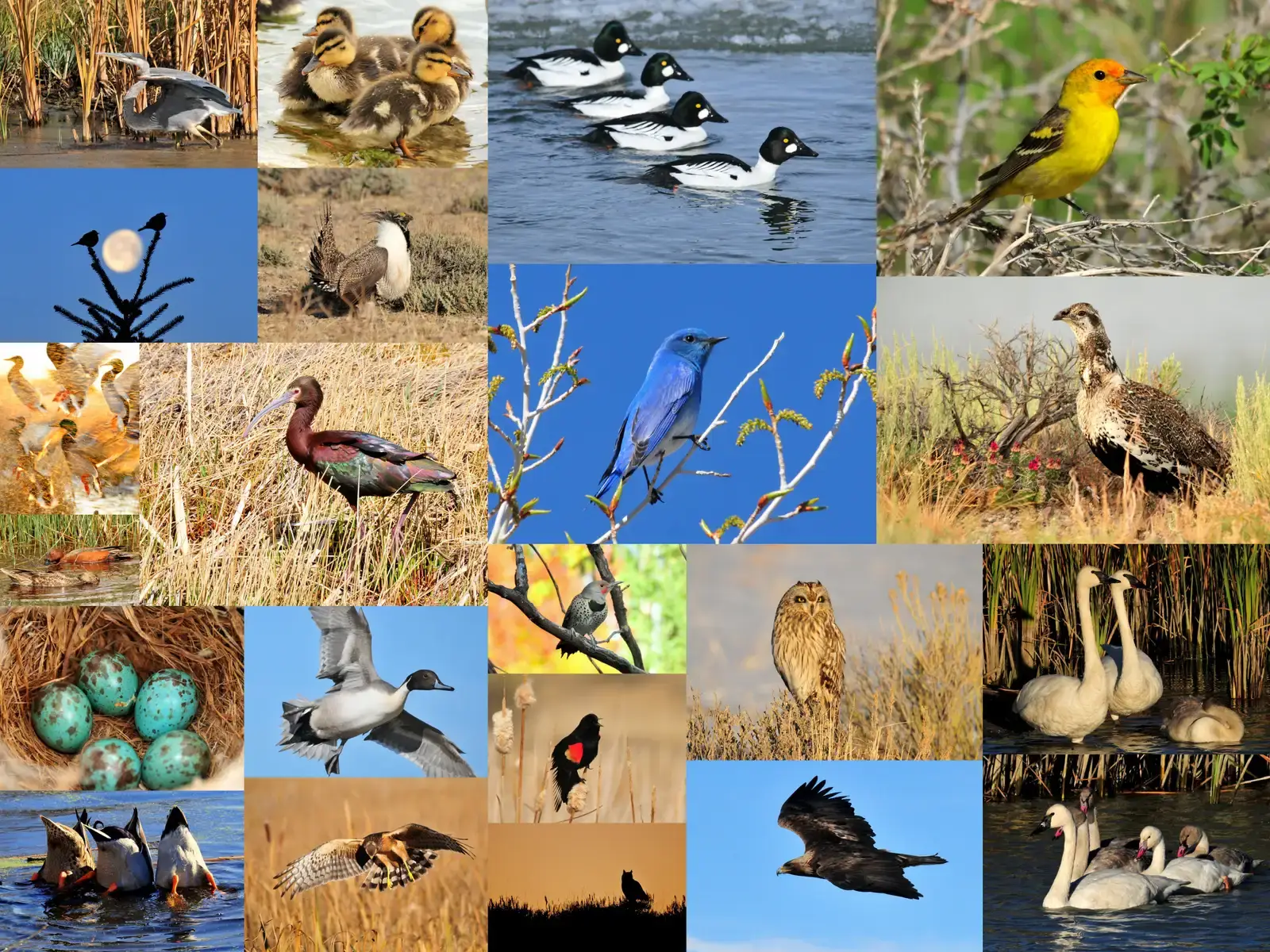
Early birds diversified throughout the Jurassic and Cretaceous, becoming capable fliers with supercharged growth rates, but were decimated at the end-Cretaceous extinction alongside their close dinosaurian relatives. After the mass extinction, modern birds explosively diversified, culminating in more than 10,000 species distributed worldwide today. From shorebirds to eagles, from penguins to hummingbirds, all of that jaw-dropping diversity grew from the tiny handful of survivors that clawed through the post-apocalyptic Paleogene world.
Birds evolved from dinosaurs and have a deep evolutionary history, during which their signature body plan evolved piecemeal over approximately 100 million years of steady evolution alongside their dinosaurian forebears before many of the modern groups of birds explosively diversified after the non-avian dinosaurs went extinct 66 million years ago. Modern birds are now studied not just in their current ecological contexts but also through the lens of their deep evolutionary history. This has led to deeper insights into their behavioral, anatomical, and physiological adaptations, providing a more comprehensive understanding of avian species diversity and evolution.
Conclusion: The Dinosaurs Never Left
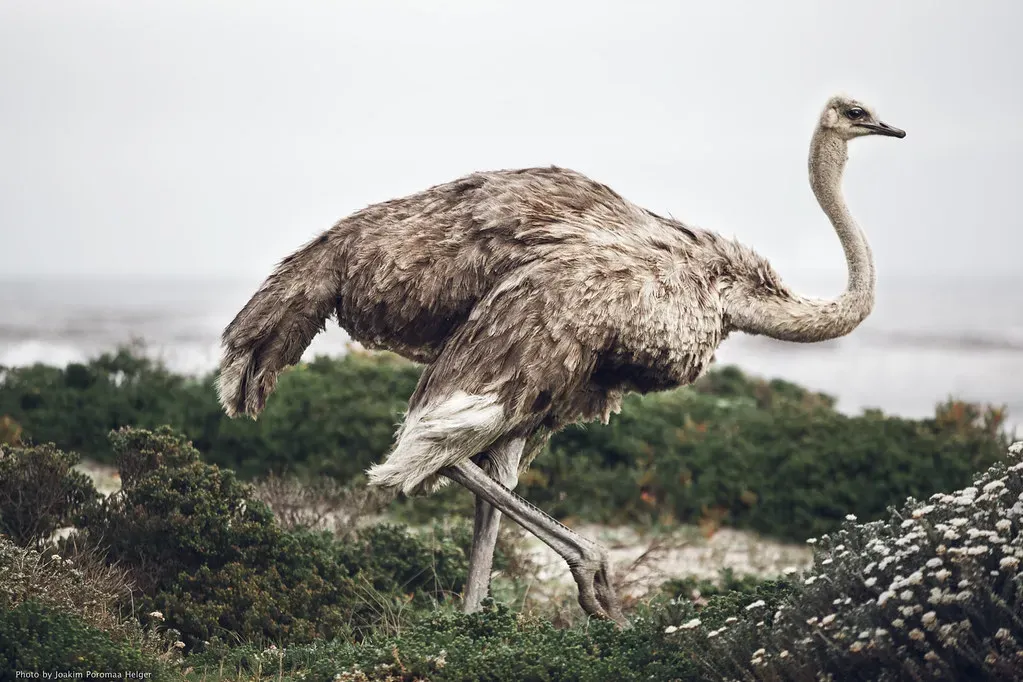
Here’s the thing that gets me every single time I think about it: the dinosaurs never truly went extinct. They changed form, they shrank, they grew hollow bones and flight feathers, and they survived one of the worst catastrophes this planet has ever endured. Every time you hear birdsong in the morning, you’re essentially hearing a 66-million-year-old lineage still humming along.
The science is overwhelming, the fossil record is stunning, and the behavioral and genetic evidence keeps piling up year after year. There’s no longer really any doubt that birds are a type of dinosaur. These days, the debate is about details. The next time you shoo a pigeon off your lunch table, maybe take a moment to marvel at what it actually is. A feathered, warm-blooded, highly intelligent direct descendant of creatures that once shook the Earth with every step.
Does it change the way you’ll look at birds the next time you step outside? It probably should.