
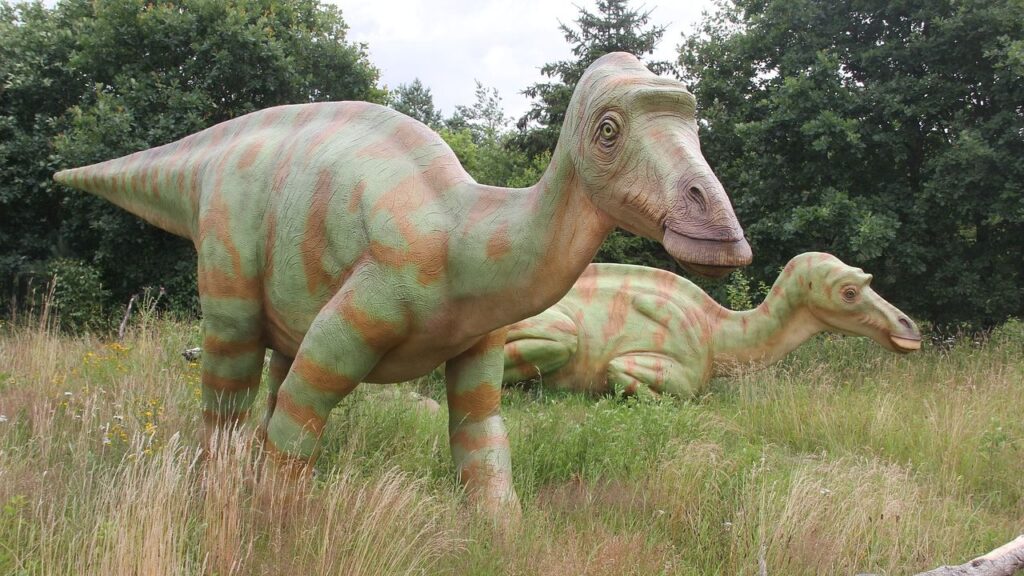
When most people picture dinosaurs, they imagine solitary, lumbering giants or razor-toothed predators hunting alone through primordial jungles. It’s a dramatic image, sure, but science tells a very different story. Turns out, some dinosaurs were surprisingly… social. Like, impressively, almost eerily social in ways that mirror the behavior of modern elephants, wildebeest, and even certain birds.
The deeper paleontologists dig, literally, the more they uncover a world where ancient creatures communicated, cooperated, raised their young together, and structured their communities with a kind of prehistoric sophistication nobody expected. Buckle up, because what the fossil record has revealed about dinosaur society will genuinely surprise you. Let’s dive in.
The Shocking Discovery That Rewrote Dinosaur History
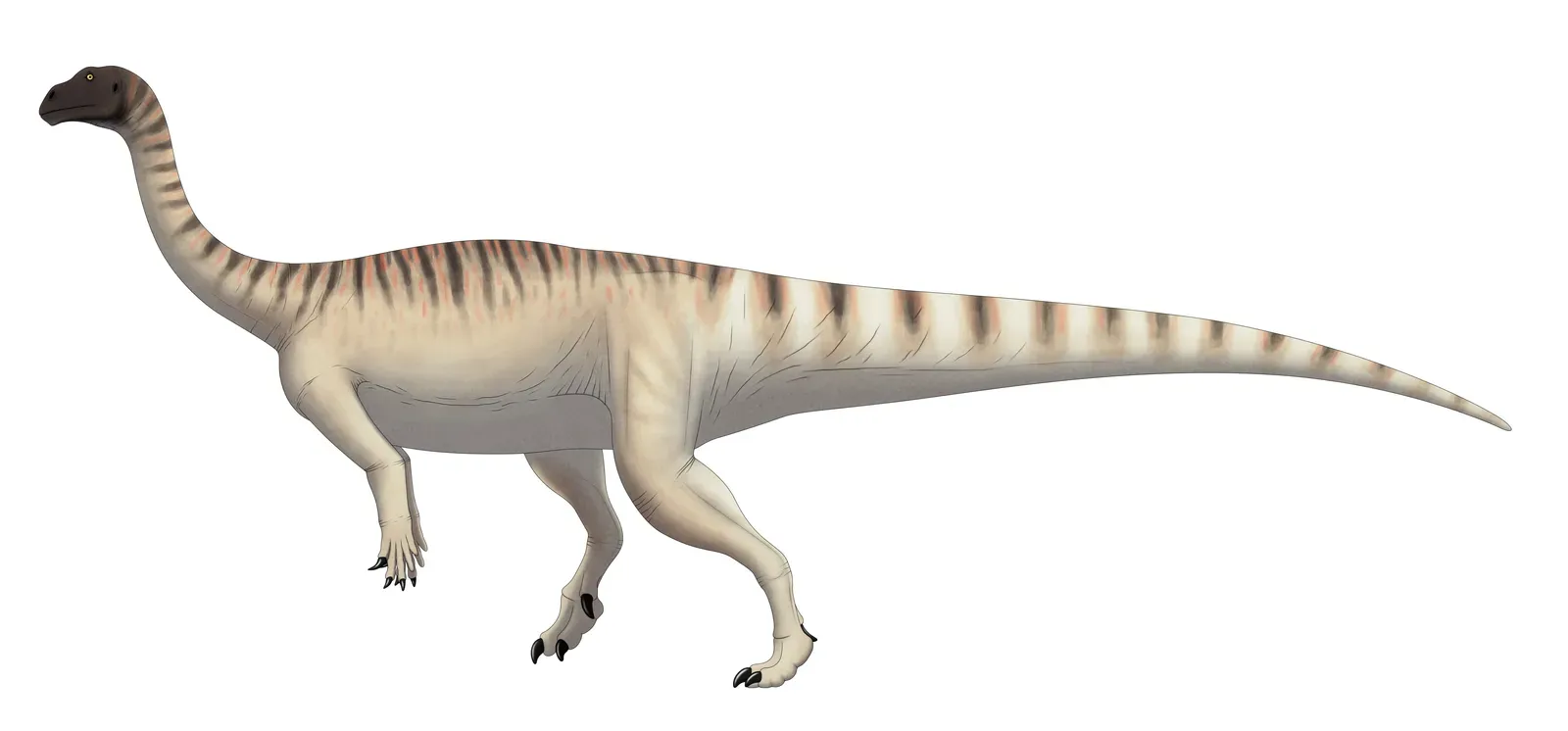
Here’s the thing – for a long time, scientists assumed complex herding behavior in dinosaurs was a relatively “late” development, something that only showed up in large herbivores during the final stretch of the Cretaceous period. That assumption was shattered in 2021 when a landmark study changed everything. Researchers from MIT, Argentina, and South Africa concluded that Mussaurus patagonicus may have lived in herds as early as 193 million years ago – roughly 40 million years earlier than other records of dinosaur herding.
The team reported an exceptional fossil occurrence from Patagonia that includes over 100 eggs and skeletal specimens of 80 individuals of the early sauropodomorph Mussaurus patagonicus, ranging from embryos to fully-grown adults, with an Early Jurassic age determined by high-precision U-Pb zircon geochronology. Think about that for a second. You’re looking at an entire community, frozen in time, preserved for nearly 200 million years. The discoveries indicated the presence of social cohesion throughout life and age-segregation within a herd structure, in addition to colonial nesting behavior, providing the earliest evidence of complex social behavior in Dinosauria, predating previous records by at least 40 million years.
Age Segregation: Dinosaur Society Had Rules
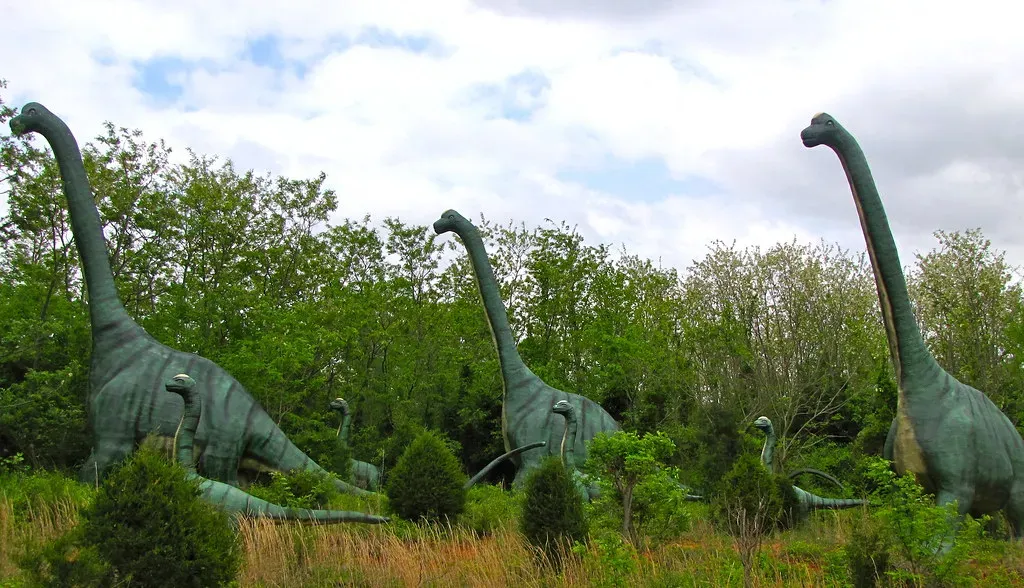
One of the most fascinating details to emerge from the Patagonian discovery is the idea that dinosaur herds weren’t just random clusters of the same species wandering around together. They were organized. Deliberately. Eggs and hatchlings were found in one area, adolescents nearby, and grown-ups scattered throughout, alone or in pairs – a segregation that is typical of a complex social structure, with dinosaurs working as a community and laying their eggs in a common nesting ground.
Evidence suggests that Mussaurus optimized foraging potential during the early Jurassic via age-based social partitioning, with neonates, juveniles, and adults apparently foraging and perishing in age-based groups. Honestly, this is like discovering that ancient creatures had something resembling a school system. Young ones stayed together while the adults foraged and kept watch. The results point to herd-like behavior among the dinosaurs, where the adults likely foraged for food and collectively helped raise the younger ones, which grouped together in schools.
Maiasaura: The Dinosaur That Earned the Name “Good Mother Lizard”
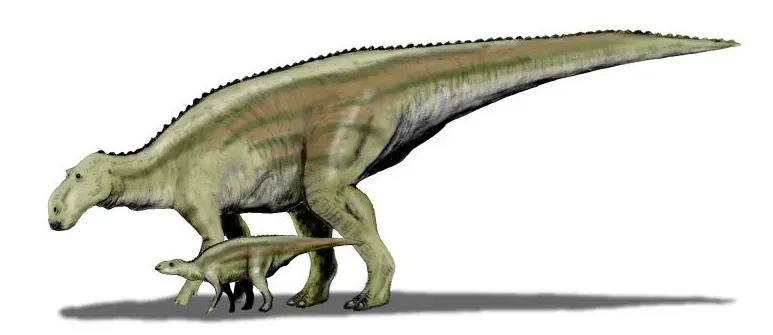
If you want a single dinosaur that represents the case for advanced social behavior most powerfully, look no further than Maiasaura. The duck-billed Maiasaura, a name that means “good mother lizard,” is one of the best-known examples of parental behavior, with these Late Cretaceous dinosaurs thought to have nested in large colonies. The discovery of their nesting grounds in Montana in the late 1970s fundamentally changed how scientists thought about dinosaur intelligence and family life.
Horner and colleagues found evidence that adult Maiasaura returned to the same nesting spot year after year, showing enough intelligence to remember the place and appreciate its favorable character. Their nests in the ground were spaced about seven metres apart, suggesting that like modern communally nesting birds, they liked to be close – but not so close that they would bicker. I think that detail is quietly remarkable. These creatures weren’t just surviving; they were managing social relationships with the kind of spatial awareness that looks almost calculated.
Colonial Nesting: Building Communities Across Millions of Years
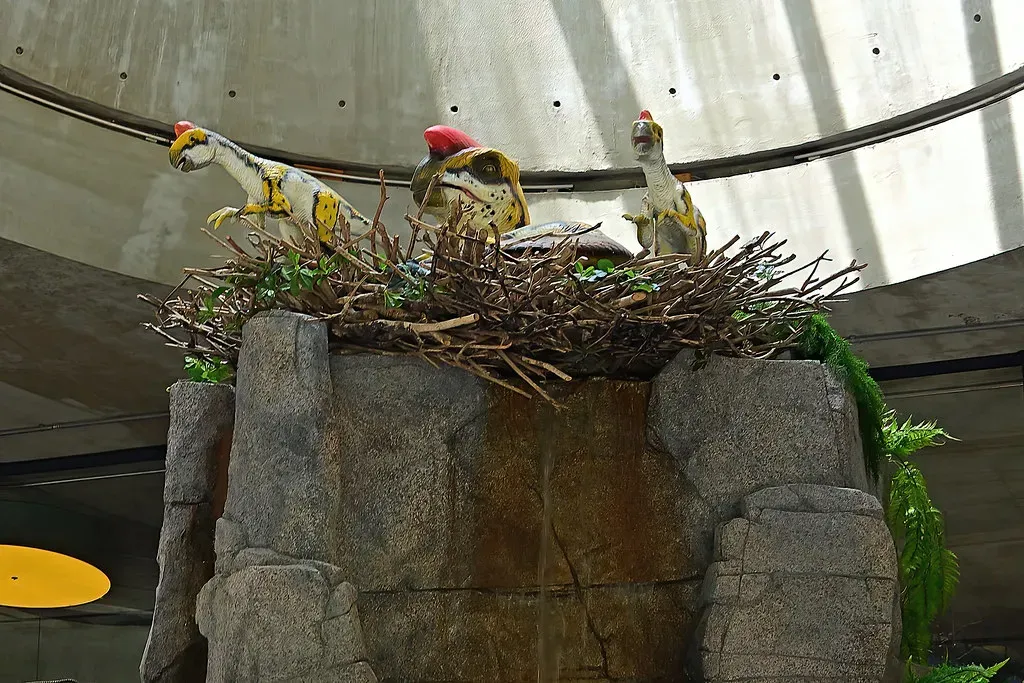
You might assume communal nesting was a rare, isolated quirk of one or two species. The evidence says otherwise. Previous studies reported colonial nesting in the similarly aged early sauropodomorphs Lufengosaurus from China and Massospondylus from South Africa, with Massospondylus also showing evidence of site fidelity in its nesting habits, as in Mussaurus. Three separate dinosaur lineages, on three separate continents, all doing the same thing. That’s not coincidence.
The presence of sociality in different sauropodomorph lineages suggests a possible Triassic origin of this behavior, which may have influenced their early success as large terrestrial herbivores. Think of it like a blueprint that was so effective it got passed down across millions of years and thousands of miles. The fossils were found in several layers of sediment, suggesting that the dinosaurs returned to the same site year after year to nest, a common behavior of many modern social animals.
Mixed-Species Herding: When Different Dinosaurs Traveled Together
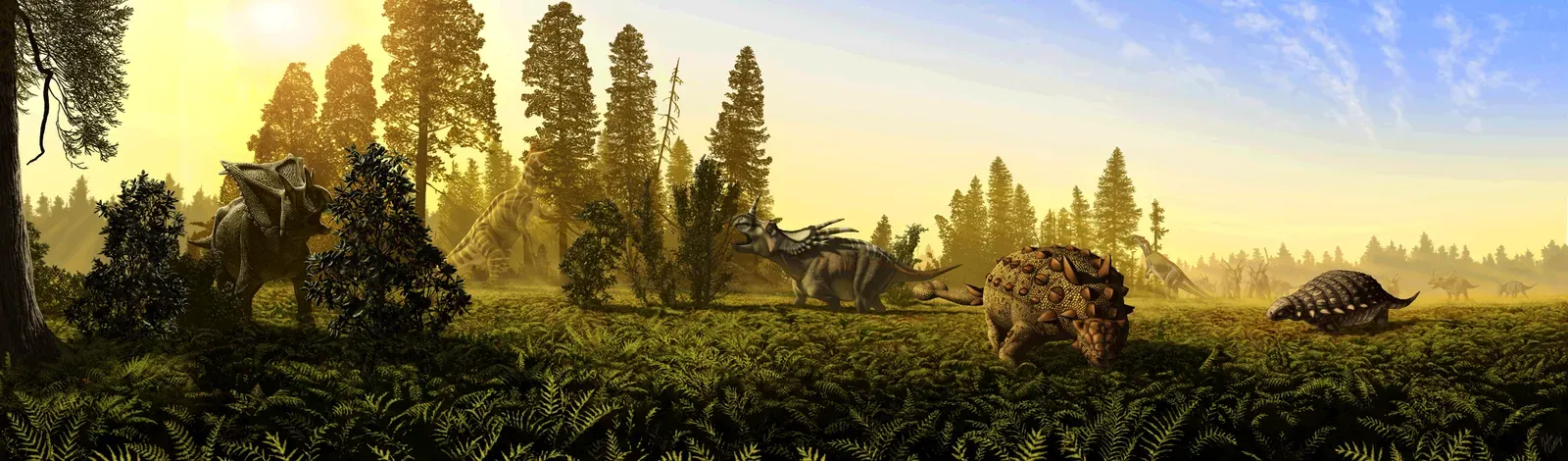
Here’s where things get really wild. Recent fossil evidence suggests that some dinosaurs didn’t just herd with their own kind. They may have mingled across species lines. The presence of various dinosaur footprints found together has led researchers to believe that certain trackways could show the first evidence of mixed-species herding behavior in dinosaurs. This discovery was made at Dinosaur Provincial Park in Canada, one of the world’s most significant fossil sites.
This would have been similar to how modern wildebeest and zebras travel together across the African plains, and the presence of two T. rex footprints also raises the prospect that multi-species herding may have been a defense strategy against common apex predators. Let’s be real – if a giant tyrannosaur was following your herd, joining forces with a different species starts looking like a very smart idea. Congregating into herds may have evolved for defense, for migratory purposes, or to provide protection for young.
Parental Care: Raising Young With Dedication and Purpose
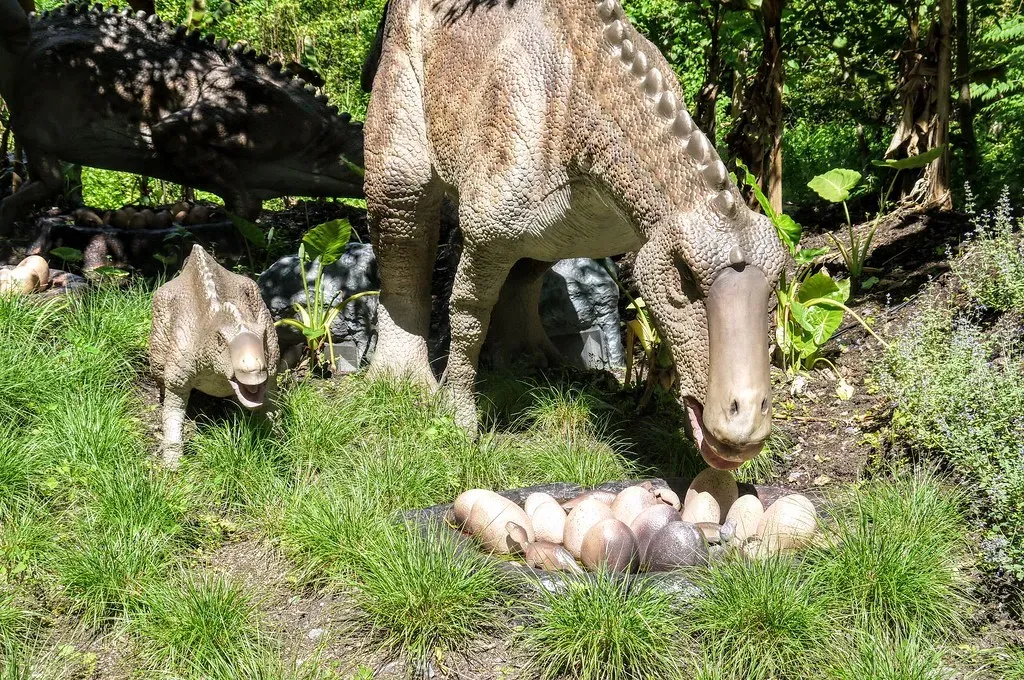
The image of a dinosaur as a cold, abandoning parent was always more assumption than fact. Modern evidence paints a dramatically different picture. In Montana’s Two Medicine Formation, excavations revealed Maiasaura nests containing hatchlings with underdeveloped leg bones but well-developed arm and shoulder features, suggesting these babies remained in the nest while adults brought food to them. That’s not cold-blooded reptile behavior. That’s dedicated, attentive parenting.
Maiasaura’s nesting colonies indicate a social structure that involved multiple adults working together to raise the young, a level of cooperative care quite rare in the animal kingdom. The discovery of trampled eggshells and plant matter in the nests suggests that Maiasaura parents may have fed and cared for their young before they were old enough to leave the nest. Meanwhile, the discovery of adult Psittacosaurus fossils surrounded by juveniles all of similar age suggests long-term family groups or possible “daycare” arrangements. Prehistoric daycare. Honestly, I find that one of the most charming details in all of paleontology.
Social Behavior as an Evolutionary Superpower
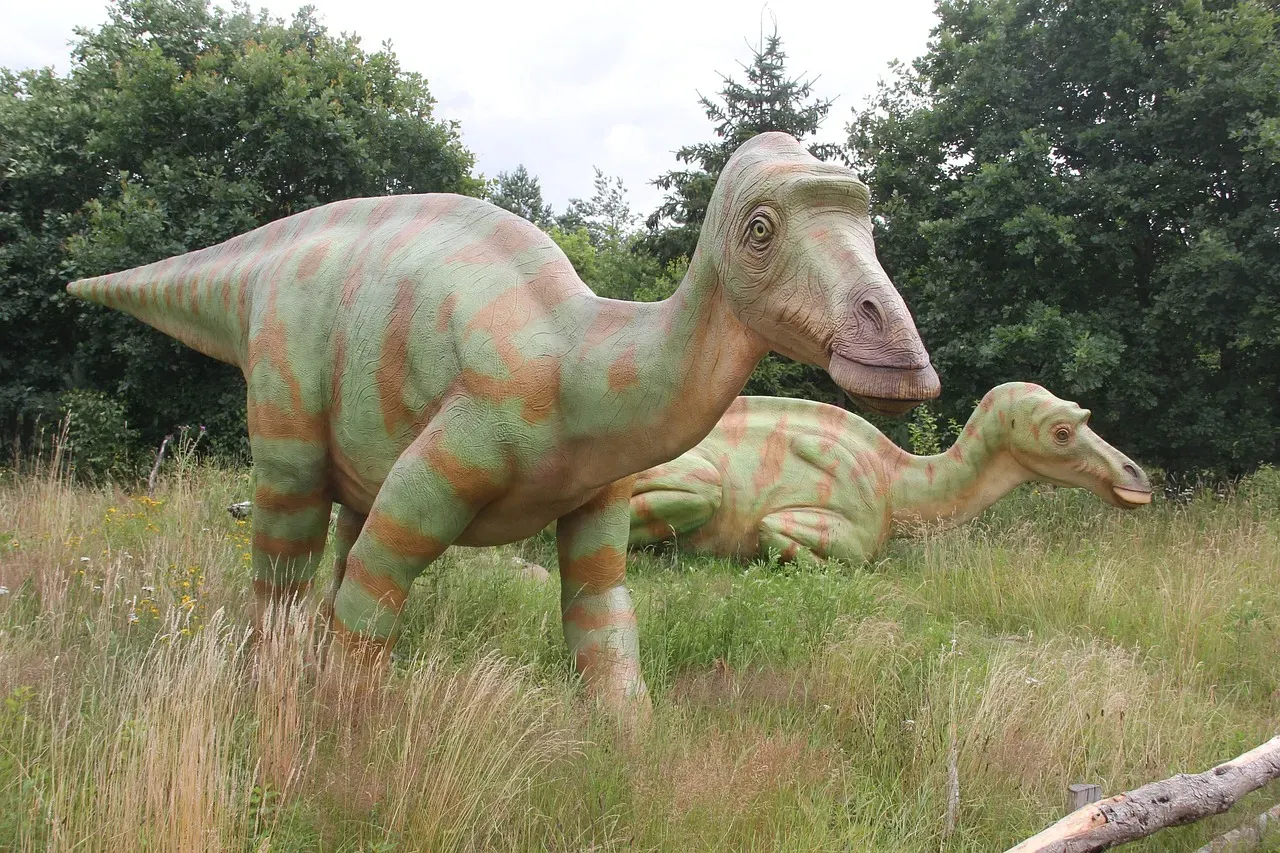
Here’s a bigger question worth sitting with: did living socially actually give certain dinosaurs a survival edge? The science suggests yes, emphatically. Living in herds may have given Mussaurus and other sauropodomorphs an evolutionary advantage. These early dinosaurs originated in the late Triassic, shortly before an extinction event wiped out many other animals – yet sauropodomorphs held on and eventually dominated the terrestrial ecosystem in the early Jurassic.
Data show that herd behavior and age-segregation structure in Mussaurus indicates sociality may have influenced the early success of the first global radiation of large-bodied herbivorous dinosaurs. In other words, being social wasn’t just a lifestyle choice – it may have been what kept an entire lineage alive through catastrophic extinction pressure. This view has been controversial for years, but the evidence is piling up: dinosaurs were warm-blooded, feathered, fast-moving, and had sophisticated behavior. The more we look, the more we find a prehistoric world that mirrors the social complexity of life today.
Conclusion
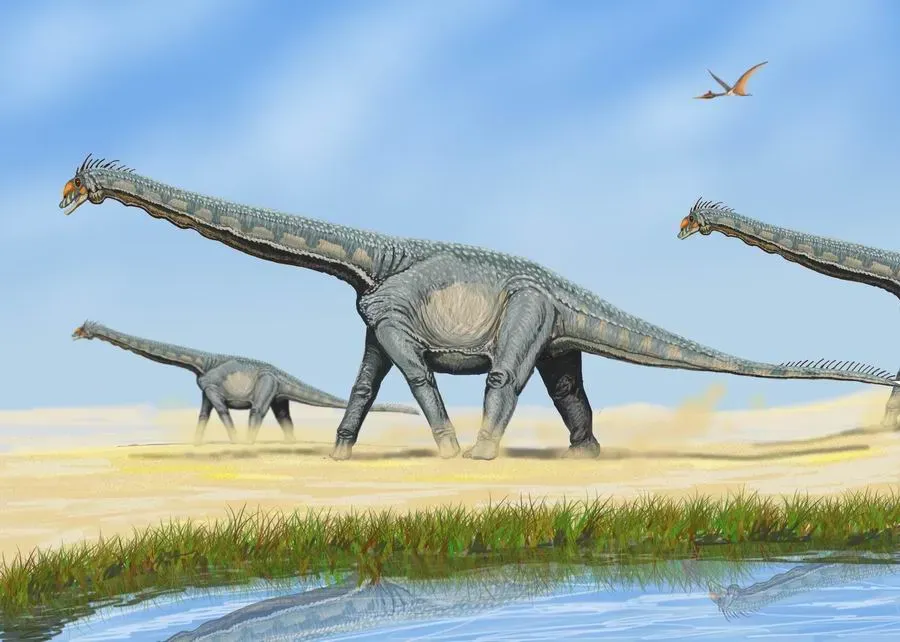
The picture of dinosaurs that has emerged over the past few decades is nothing short of revolutionary. These were not mindless, solitary machines of destruction. Some of them formed herds with remarkable internal organization, returned to the same nesting sites year after year, raised their young cooperatively, and may have even forged bonds across species lines for mutual protection.
What’s perhaps most striking is how much of this social intelligence mirrors behaviors we see in modern animals right now – elephants gathering around their young, wildebeest migrating in massive mixed herds, birds nesting in tight colonial groups. The dinosaurs were there first. And as paleontology continues advancing, with CT scanning, chemical fossil analysis, and new excavations opening up every year, there is little doubt that even more surprises are waiting beneath the earth.
Think about what it means: creatures that walked this planet nearly 200 million years ago were, in some ways, not so different from the social animals sharing our world today. Does that change how you see them? It probably should.