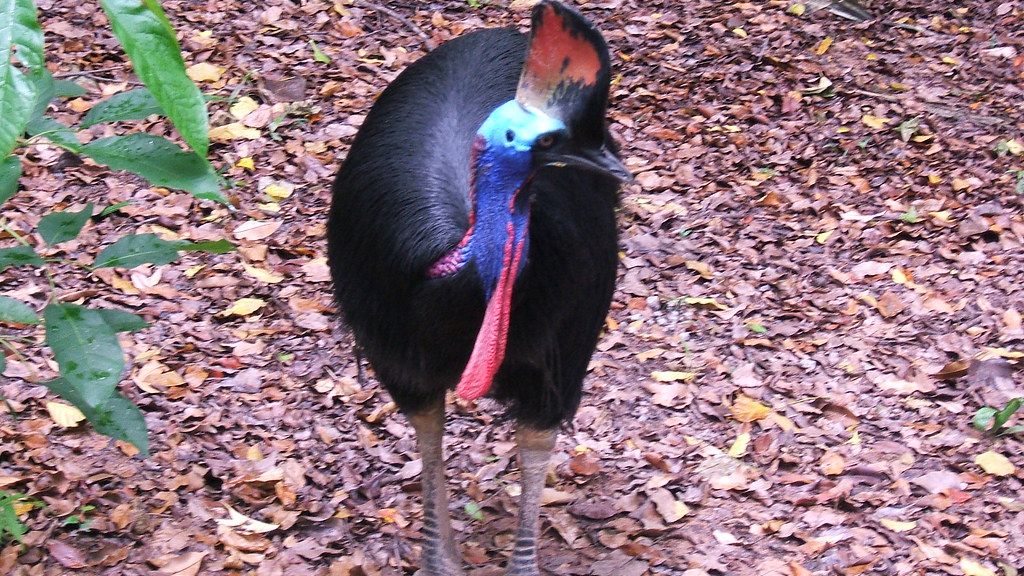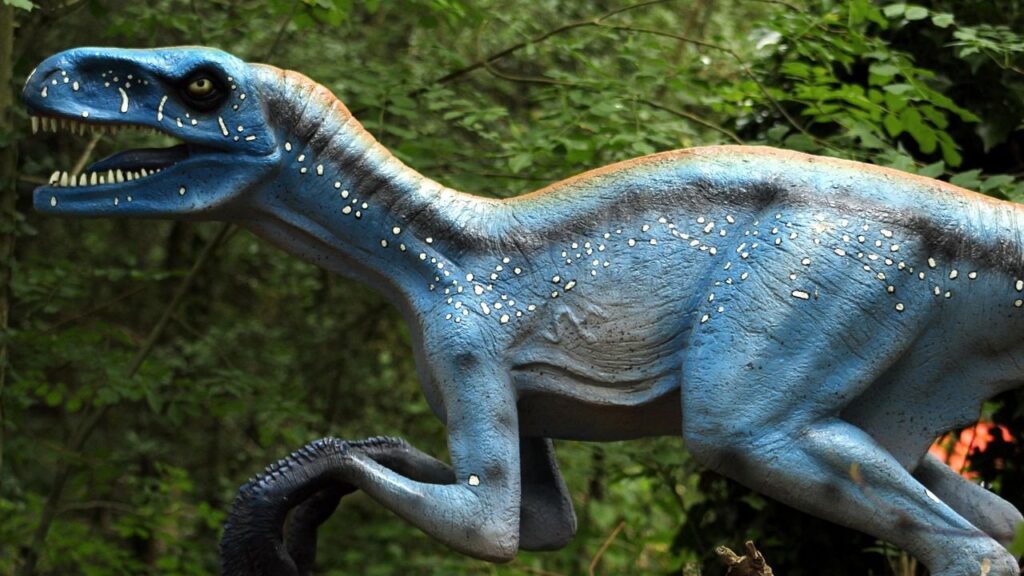
For decades, the image of the dinosaur was simple: enormous, lumbering, and about as intellectually stimulating as a traffic cone. Pop culture loved the idea of a beast all muscle and no mind. Then science started catching up – and honestly, what it found was far stranger, far more fascinating, and in some ways even more surprising than the old Hollywood stereotypes ever dared to be.
The truth is that dinosaur brains were not just “small” or “big.” They were wildly varied, evolutionarily distinct, and loaded with sensory capabilities that would leave many modern animals jealous. So whether you think you know your T. rex from your Thescelosaurus, prepare to have your assumptions challenged. Let’s dive in.
What We Actually Know About Dinosaur Brains – and How We Know It
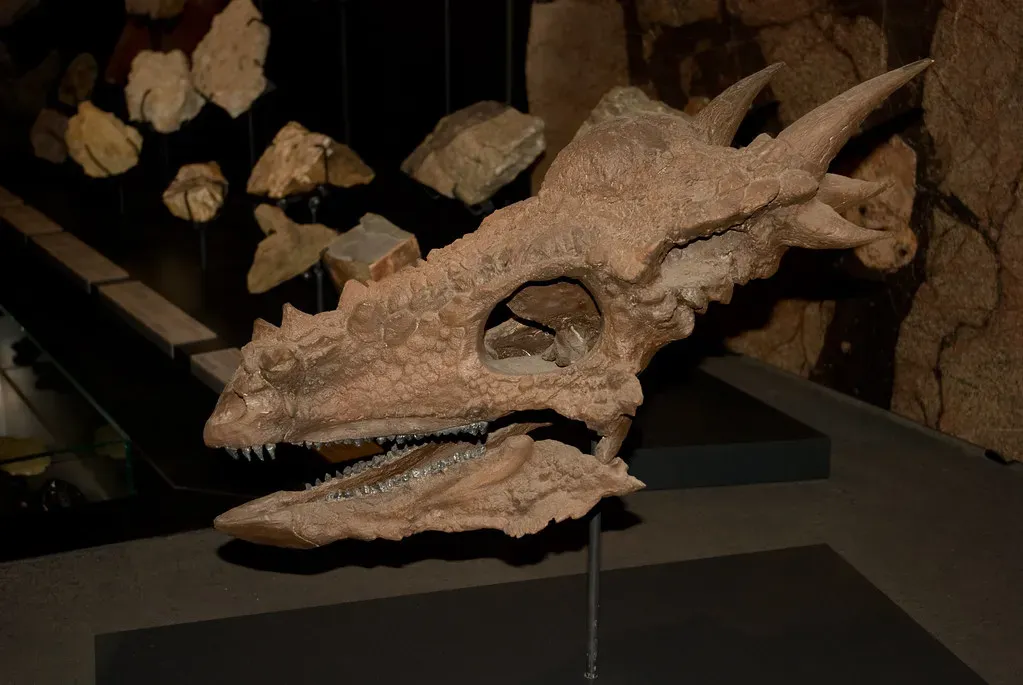
Information on dinosaur brains comes from mineral infillings of the brain cavity, termed endocasts, as well as the shapes of the cavities themselves. Think of an endocast like a plaster mold of the inside of a skull – nature’s own fossil replica of a brain’s shape. It is an imperfect window, but it is truly the best window we have.
With the advent of new technologies, such as micro computed tomography (CT) scanning, scientists can now reconstruct the volume and surface topography of brains without having to depend entirely on rare natural endocasts, greatly expanding the number of species available to study. This is genuinely revolutionary. We went from cracking open skulls and guessing to running fossils through scanners and building detailed 3D digital models of brain cavities – without damaging a single priceless bone.
CT scans help reveal the development of different lobes of the brain, as recorded in the endocast. The structure of vertebrate brains is fairly conserved across the clade, so researchers can identify which sections apply to which function. It is almost like reading a blueprint. Scientists can follow the map of lobes, nerves, and blood vessel channels to piece together a surprisingly detailed picture of how these ancient animals processed their world.
The Great Intelligence Debate: Were Dinosaurs Smarter Than We Think?
Early assumptions pegged dinosaurs as unintelligent, based on their relatively small brain sizes compared to their bodies, aligning them with reptiles. Advancements in paleontology, particularly the development of the encephalization quotient (EQ) in the 1970s, shifted these views. The EQ was a genuine turning point – suddenly, scientists had a framework for comparing brain size relative to body mass across wildly different animals, including long-extinct ones.
Biologist and neuroscientist Suzana Herculano-Houzel of the Vanderbilt Brain Institute published a study that suggested theropods had telencephalic neurons similar to modern-day primates, suggesting a higher level of intelligence than previously thought, perhaps even as advanced as humans. That claim sent shockwaves through the paleontology world. The idea of a monkey-brained T. rex was simultaneously thrilling and deeply controversial. I’ll be honest – my first reaction was equal parts fascination and skepticism.
An international team of palaeontologists, behavioural scientists and neurologists re-examined brain size and structure in dinosaurs and concluded they behaved more like crocodiles and lizards. That rebuttal study, published in 2024, essentially pumped the brakes on the primate-intelligence narrative. Researchers found that T. rex had between 250 million and 1.7 billion neurons, similar to the count in crocodiles – not baboons. Still formidable. Just not what the headlines had promised.
Brain Architecture: Why Structure Matters More Than Size
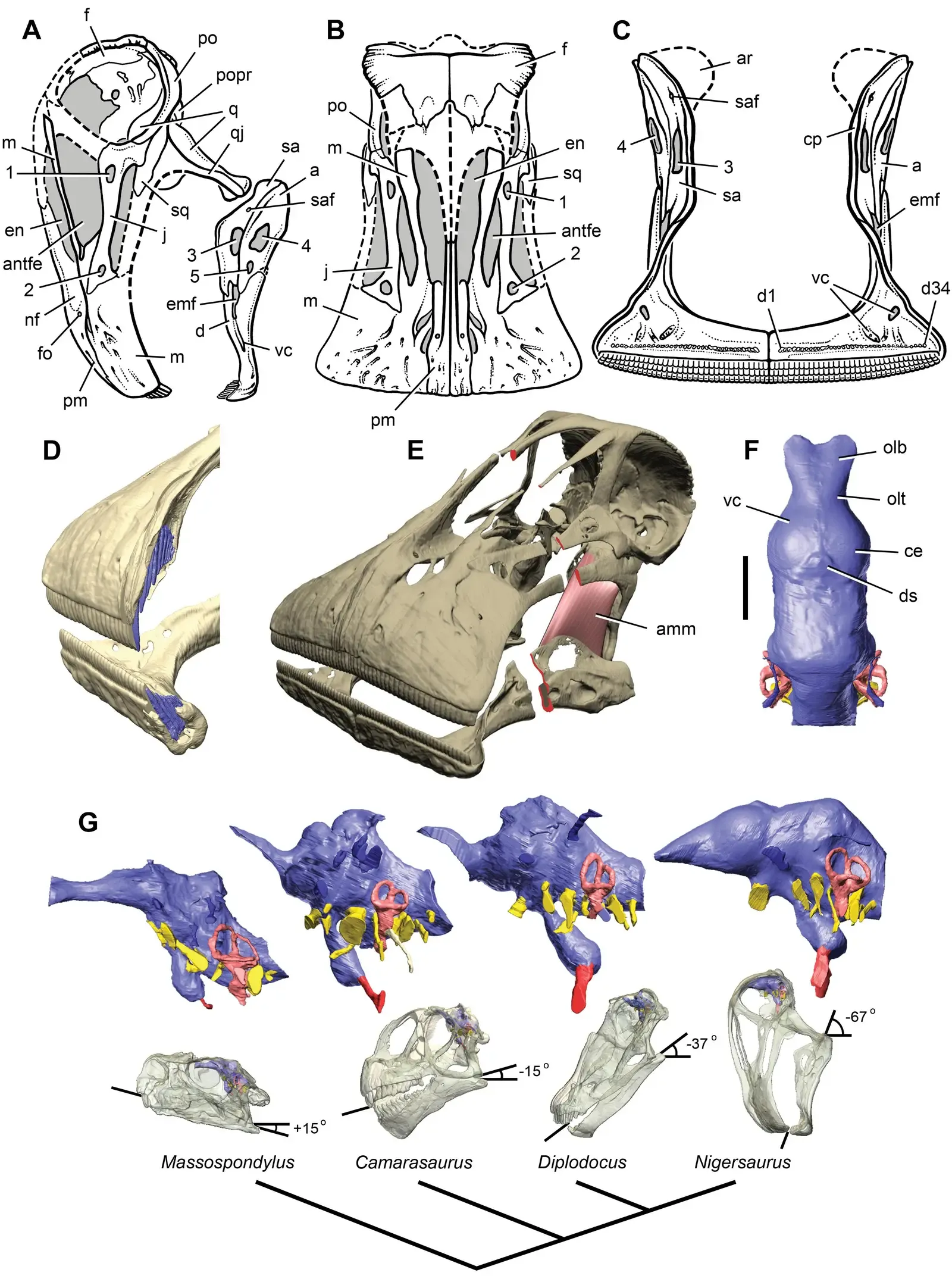
Over 350 million years of separate evolution, mammals and dinosaurs found two rather different ways to organize cognitive functions. The mammalian brain developed the so-called neocortex, in which neurons are organized in a relatively thin layer formed by compact columns. Think of it like the difference between a traditional library with long corridors and a modern digital database – same information, radically different architecture. The path to complex thought depends heavily on which blueprint evolution chose to follow.
Although the pallial regions of dinosaurs were extremely likely to have different designs – nuclear in dinosaurs like in extant birds versus cortical in mammals – the nuclear design in and of itself works as well as the cortical. So the dinosaur brain was not necessarily inferior, just structured differently. The cognitive strengths and achievements of dinosaurs could have been very different from our own – yet equally spectacular. That is a thought worth sitting with for a moment.
Senses Over Smarts: The Hidden Powers of the Dinosaur Brain
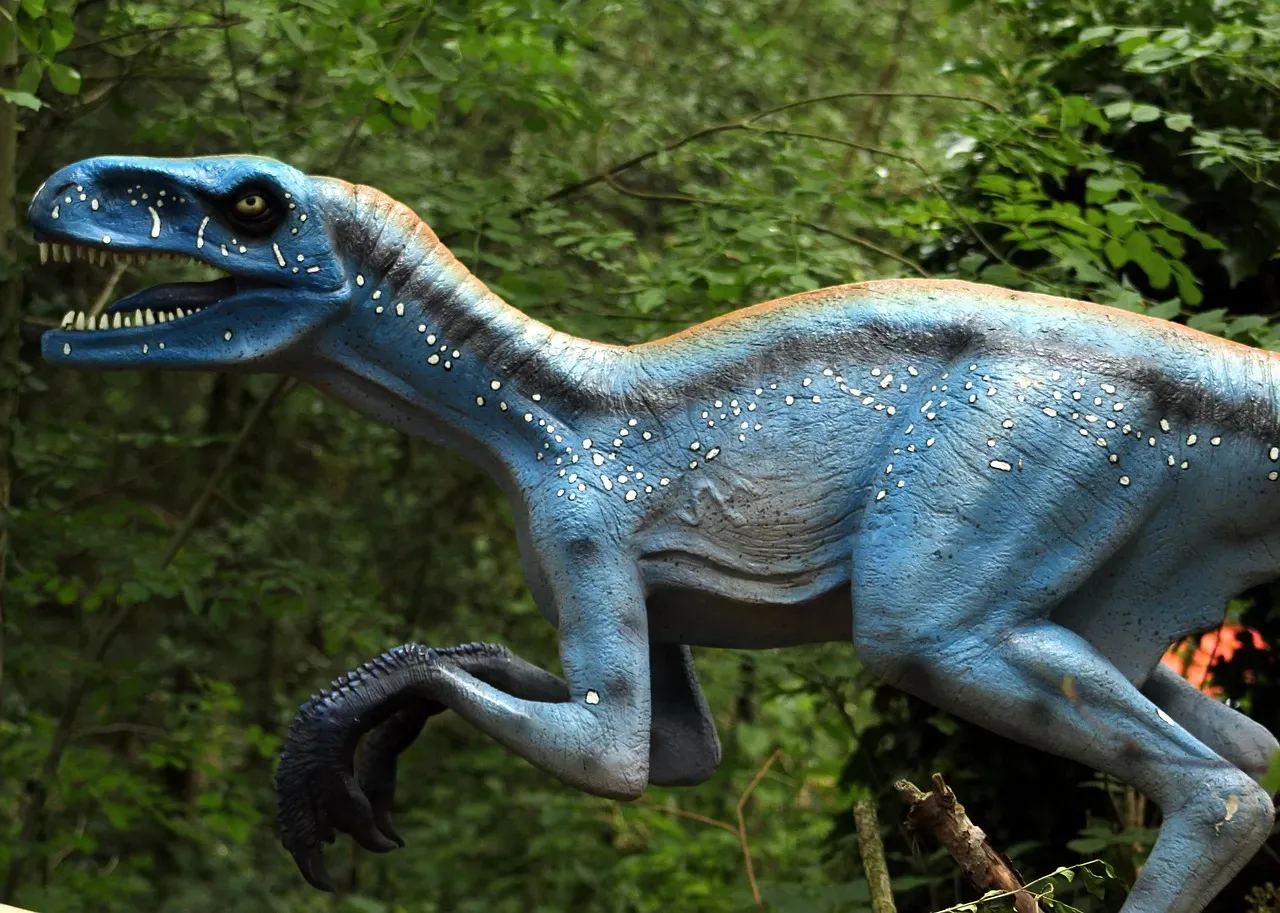
Sauropodomorphs, tyrannosaurids, dromaeosaurids, and some hadrosaurids had exceptionally large olfactory bulbs, and thus likely a good sense of smell. Here is the thing – when you cannot rely on raw intelligence, you evolve other tools. A razor-sharp sense of smell in a 12-meter predator is arguably more useful in the field than higher cognitive reasoning. Evolution is brutally practical that way.
A 2023 CT scan study of the often-overlooked dinosaur Thescelosaurus revealed something genuinely jaw-dropping. A CT scan of the plant-eating dinosaur’s skull revealed that while it may not have been all that “brainy,” it had a unique combination of traits associated with living animals that spend at least part of their time underground, including a super sense of smell and outstanding balance. The work was the first to link a specific sensory fingerprint with this behavior in extinct dinosaurs. That is not a boring animal. That is a highly specialized survivor.
By virtually slicing up endocasts and isolating the optic lobes, researchers found that the relative sizes of these structures were similar in extinct theropods and living birds. Birds therefore must have inherited their visual acuity from their nonbird ancestors. The sharp-eyed hunter was not a myth. It was a biological legacy passed down across millions of years – right to the eagles and falcons we watch soaring over us today.
The Bird Brain Connection: From Dinosaur to Modern Avian Intelligence
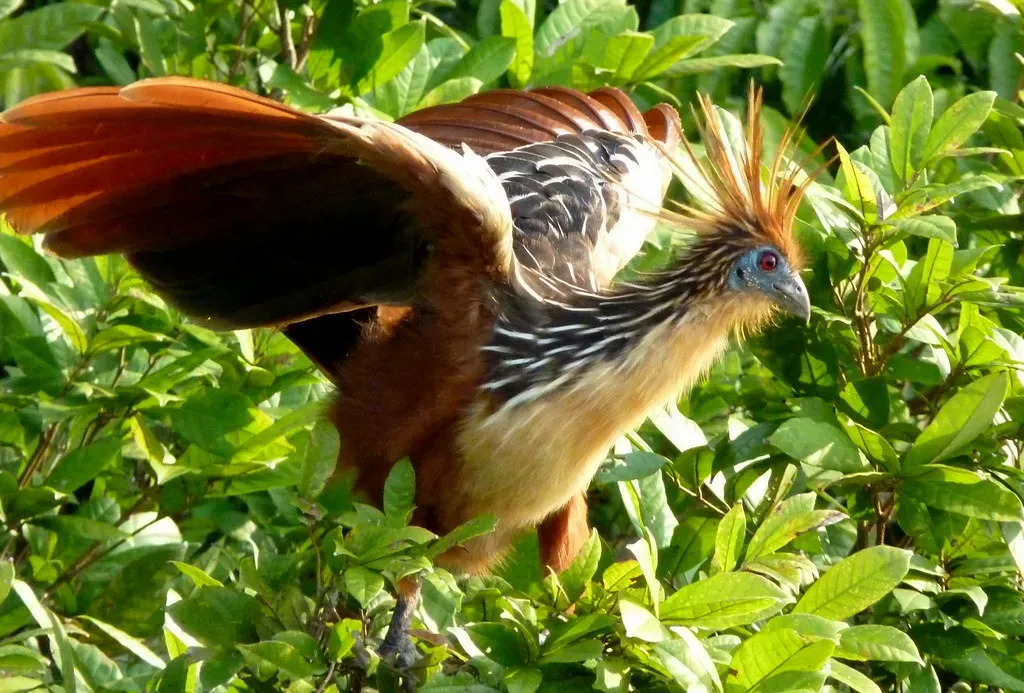
A major study published in the journal Current Biology reveals that prior to the mass extinction at the end of the Cretaceous Period, birds and non-avian dinosaurs had similar relative brain sizes. That fact alone is stunning. The creatures sharing airspace with T. rex were essentially operating on the same cognitive hardware as their massive, land-bound cousins. They were not particularly smarter – not yet.
After the extinction, things changed dramatically and the brain-body scaling relationship rapidly shifted as some types of birds underwent an explosive radiation to re-occupy ecological space vacated by extinct groups. Necessity, as always, became the mother of invention. The birds that survived the asteroid’s aftermath had to be adaptable, resourceful, and increasingly clever. The geniuses of the bird world are two groups that evolved relatively recently: parrots and corvids. These birds show tremendous cognitive capacity, including the ability to use tools and language, and remember human faces. Their brilliance has deep dinosaur roots.
New Fossils, New Tools, New Revelations Still Coming
The extraordinary three-dimensional preservation of the skull of a fossil bird named Navaornis hestiae allowed researchers, led by the University of Cambridge and the Natural History Museum of Los Angeles County, to digitally reconstruct its brain. Navaornis lived approximately 80 million years ago in what is now Brazil, before the mass extinction event that killed all non-avian dinosaurs. It’s hard to say for sure, but discoveries like this one suggest we are truly just scratching the surface.
The fossil fills a 70-million-year gap in our understanding of how the brains of birds evolved: between the 150-million-year-old Archaeopteryx, the earliest known bird-like dinosaur, and birds living today. Navaornis had a larger cerebrum than Archaeopteryx, suggesting it had more advanced cognitive capabilities than the earliest bird-like dinosaurs. That gap in the evolutionary record just got significantly smaller, and it paints a picture of gradual, spectacular cognitive growth across deep time.
A 2025 study of endocranial morphology of Gorgosaurus libratus during its ontogeny reports that endocasts of juvenile Gorgosaurus show better defined details of the brain morphology compared to mature specimens. Even within a single species, brain development during growth is now being traced in fossil detail. Instead of relying on neurological estimates when reconstructing Mesozoic dinosaur biology, researchers argue that integrative studies are needed to approach this complex subject. Science is growing more honest – and more sophisticated – in its methods with every passing year.
Conclusion: The Dinosaur Brain Rewrites What We Know About Intelligence
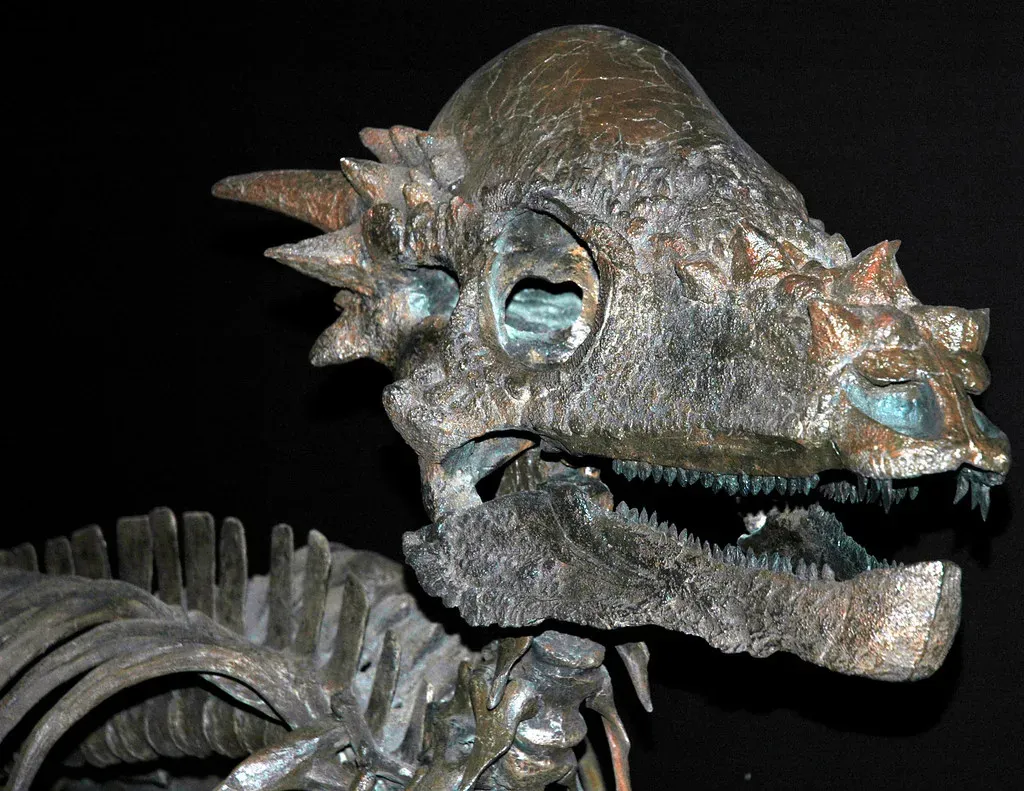
The story of dinosaur brains is ultimately a story about assumption versus evidence. For generations, we assumed these creatures were dim, brutish, and simple. What the science actually shows is a far more nuanced picture – animals with diverse, specialized, and sometimes surprisingly powerful brains, built for worlds we can barely imagine.
You were never wrong to be fascinated by dinosaurs. You were just fascinated for the wrong reasons. Their brains were not primitive failures of evolution. They were elegant, purposeful designs – honed across hundreds of millions of years into instruments perfectly tuned for survival, predation, and a sensory experience of the world that in some ways puts ours to shame. What is clear from research is that dinosaurs were among the most complex and intelligent animals in the Mesozoic and their ancestors, the birds, have evolved into some of the most intelligent animals in the modern world. The next time a crow solves a puzzle or a parrot speaks your name, remember – you are looking at a dinosaur brain that never stopped evolving. What does that make you think?