
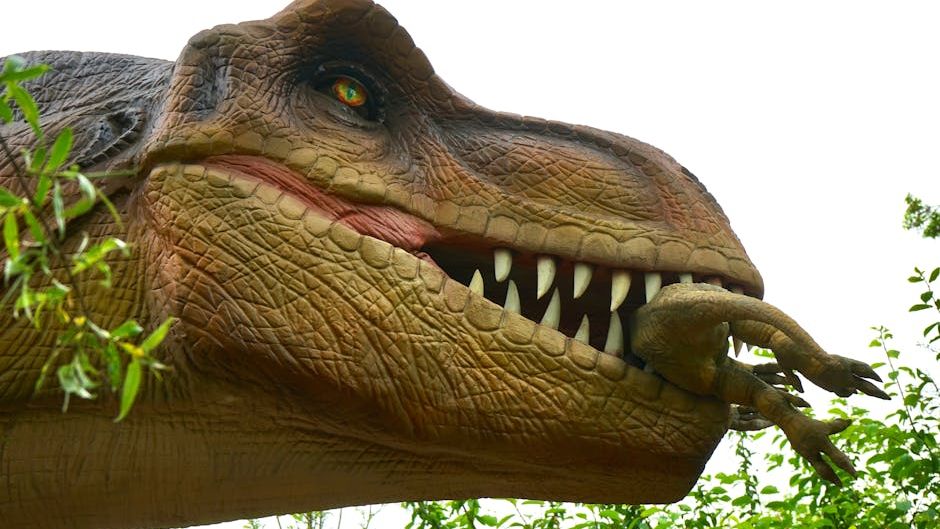
There is something deeply unsettling about the idea that the creatures which once ruled this planet are mostly unknown to you. Not just by name, but by nature, by behavior, by the sheer terror they must have stirred in the ancient world. The fossil record is a broken puzzle, and every now and then, a new piece surfaces that redraws the entire picture.
What you’re about to discover is not a simple list of scary old animals. It is a journey through time, across oceans and continents, into ecosystems so different from today they barely seem real. Some of these hunters had no true teeth. Some were cold-blooded giants that swallowed crocodiles whole. Others were stealthy mammalian nightmares that dominated the land long before lions or wolves ever existed. So let’s dive in.
Anomalocaris: The World’s First Killing Machine
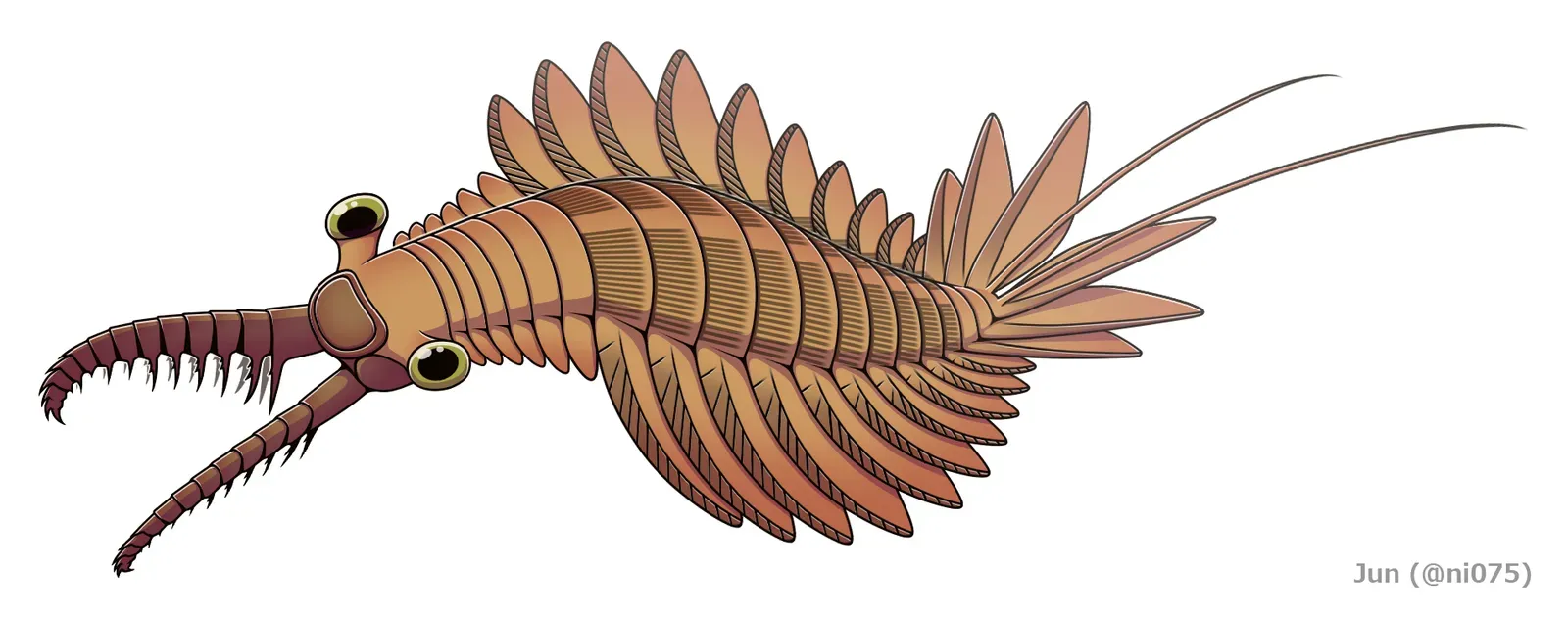
More than half a billion years ago, long before the first dinosaurs walked the Earth and long before forests covered the land, the planet’s oceans were home to creatures so strange that even modern scientists struggled to recognize them when their fossils were first discovered. Among the most extraordinary of these ancient animals was Anomalocaris, a predator that ruled the seas during one of the most dramatic evolutionary moments in Earth’s history. Honestly, the idea that predation itself had to be “invented” is extraordinary when you stop and think about it.
With its large compound eyes, grasping frontal appendages, circular mouth, and powerful swimming body, Anomalocaris was unlike anything that had existed before it. In many ways, it was the world’s first apex predator. Fossilized compound eyes discovered in deposits such as the Emu Bay Shale in Australia reveal that these organs were remarkably sophisticated, with some specimens containing more than 16,000 individual lenses. Such complexity suggests that Anomalocaris possessed one of the sharpest visual systems of any animal in the Cambrian oceans. That kind of visual precision, in a world before proper eyeballs even existed widely, is nothing short of astonishing.
Dunkleosteus: The Armored Nightmare of the Devonian Seas
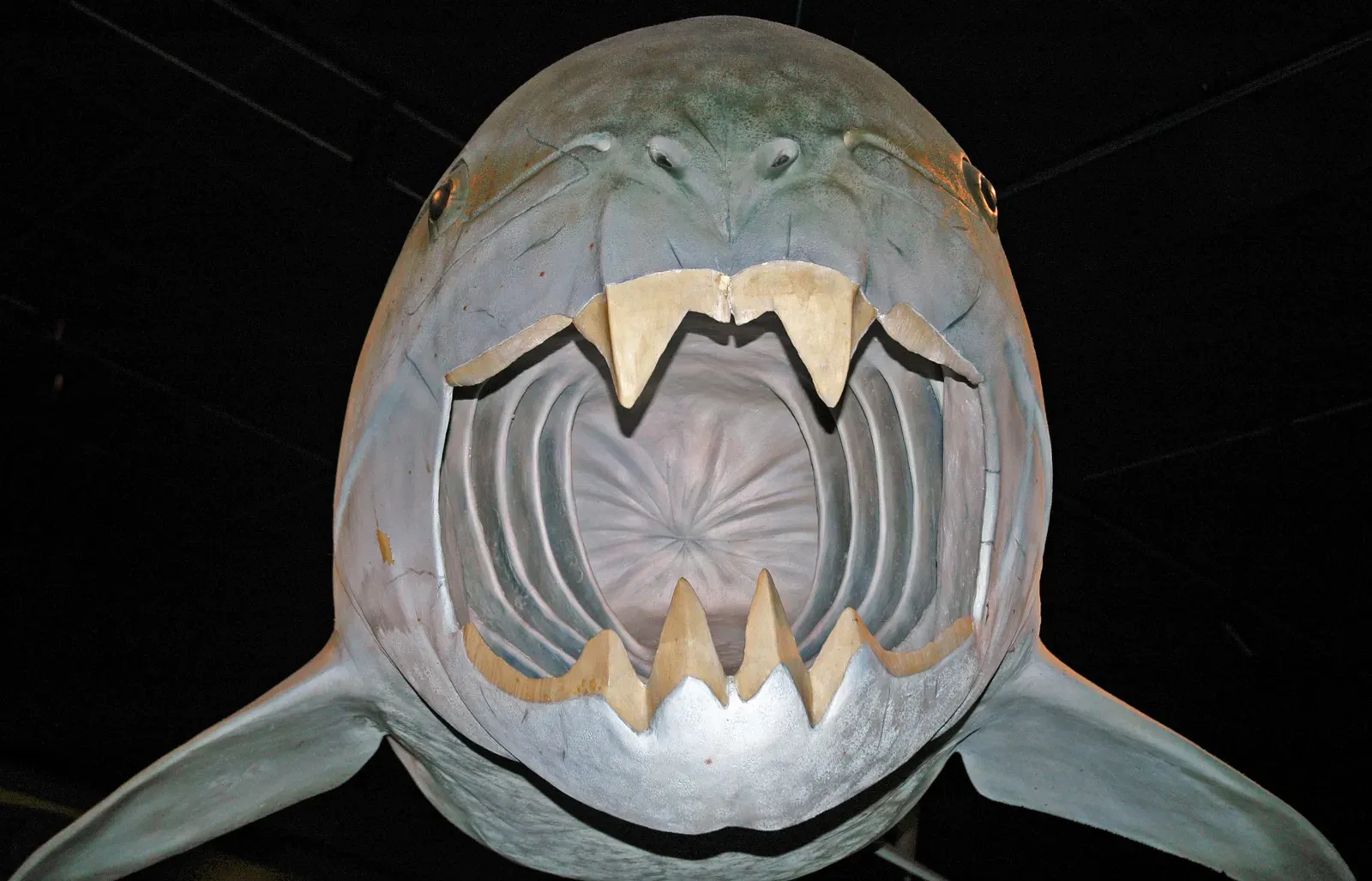
Dunkleosteus is an extinct genus of large arthrodire fish that existed during the Late Devonian period, about 382 to 358 million years ago. It was a pelagic fish inhabiting open waters and one of the first vertebrate apex predators of any ecosystem. Picture an animal that looks like a tank crossed with a shark, and you are only halfway there.
Like all placoderms, Dunkleosteus possessed thick, interlocking bony armor that formed a protective shield over its head, jaws, and thorax. Unlike modern sharks, it lacked true teeth; instead, it used self-sharpening bony jaw plates capable of delivering an extraordinarily powerful bite. Biomechanical studies estimate Dunkleosteus had a bite force of up to 8,000 pounds per square inch, making it one of the most powerful bites of any known fish and capable of crushing armored prey. What makes this creature particularly haunting is that even the bones of its own kind bear deep bite marks, suggesting it was not shy about cannibalism when prey ran short.
Megamastax: The Ancient Predator That Rewrote Evolution
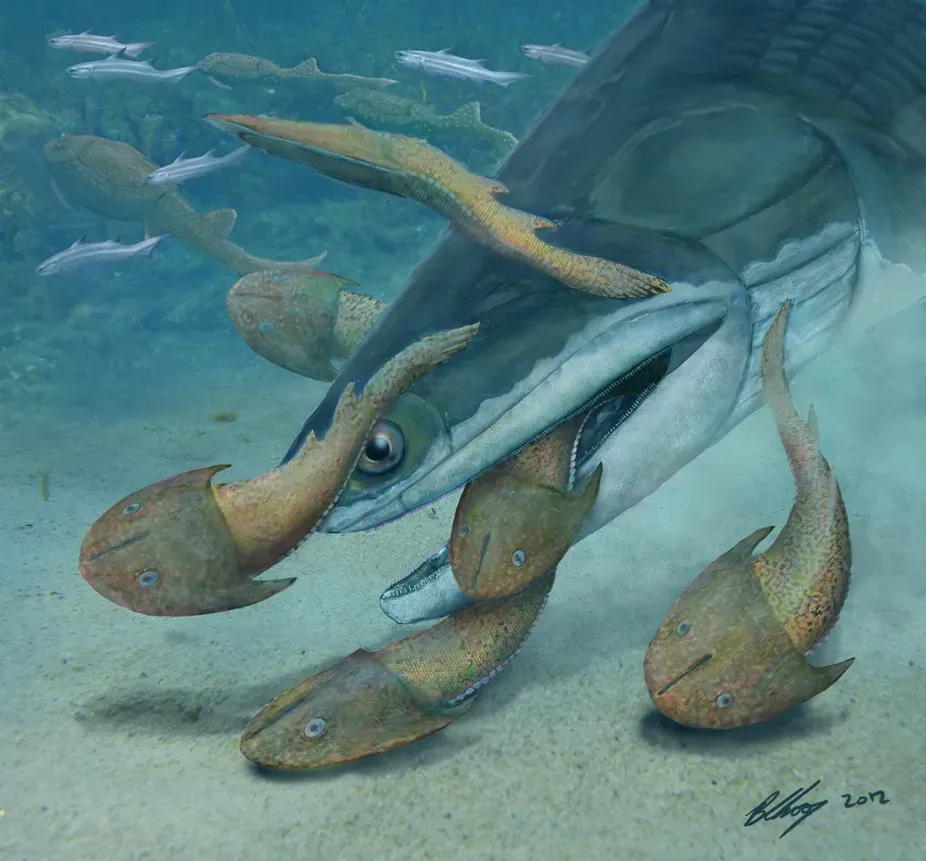
Here is one you almost certainly have never heard of, and the 2026 discovery surrounding it is genuinely shocking. Long extinct, this predatory fish, Megamastax amblyodus, was an ancient forerunner of all animals with a skeleton and a backbone alive today, and was the world’s oldest known vertebrate apex predator that lived at the top of the food chain in its environment. That means you, in the most literal biological sense, are descended from a lineage that this creature helped define.
The largest jaw would have been 17 centimeters long when complete, suggesting an animal roughly one meter long that was, and still is, the largest known jawed fish from the Silurian period. While there were sharp, conventional teeth on the biting margins of the mouth, the inner surface of the lower jaw displayed a row of big semicircular lumps unlike anything seen before. These were identified as an inner row of large blunt teeth, presumably for crushing armored prey, and so the new fossil was named Megamastax amblyodus, meaning “big mouth with blunt teeth.” That word “unprecedented” gets overused in science journalism, but in this case it genuinely applies. It was likely the earliest vertebrate apex predator in the fossil record.
Smilodon: The Saber-Toothed Hunter With a Social Secret
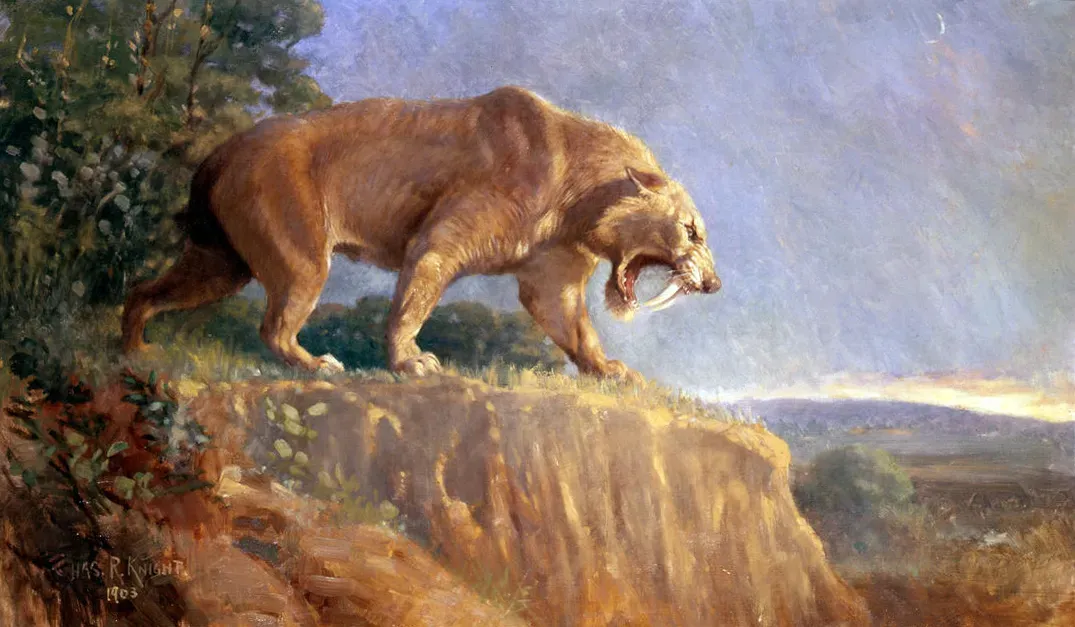
The iconic saber-toothed cat prowled North and South America throughout the Pleistocene, from 2.5 million years ago until just 10,000 years past. Built like a muscular tank with robust forelimbs, Smilodon wielded saber-like canines that could reach 28 centimeters in length. You might think you already know this animal. You probably don’t know it as well as you think.
Evidence of healed injuries in fossil specimens suggests these fearsome predators may have cared for injured pack members, hinting at complex social behaviors. Humans lived alongside Smilodon for thousands of years, competing with them for similar prey such as mammoths, bison, and camels. Some think Smilodon may have even preyed on humans, though no direct evidence has yet been found. The idea that your ancient ancestors lived in direct competition, perhaps even direct terror, of this animal is something that rarely gets discussed enough.
Hyaenodon and Bastetodon: The Forgotten Kings Before Cats and Dogs
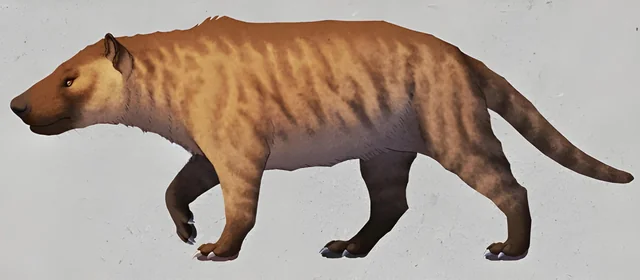
Long before lions and wolves ruled the land, a terrifying predator named Hyaenodon dominated ancient landscapes. This massive carnivore roamed Earth between 42 and 5.3 million years ago, sporting bone-crushing jaws and razor-sharp teeth that made it one of history’s most formidable hunters. You would never have guessed from the name that this creature had nothing to do with hyenas.
Hyaenodonts were an ancient group of four-legged flesh-eaters that spread from ancient Europe through Africa, Asia, and North America between 56 and about 5 million years ago. Most were small, comparable to a medium-sized dog, but the largest weighed more than 3,000 pounds and were larger than polar bears. These large species were the apex predators when the ancestors of cats and dogs were still small creatures. Even more remarkable is a 2025 discovery in Egypt. A 30 million-year-old nearly complete skull fossil found in Egypt revealed a newfound species of hyaenodonta, an ancient apex carnivore. The researchers named the leopard-size species Bastetodon syrtos as a nod to the cat-headed ancient Egyptian goddess Bastet because of the species’ unique shorter snout compared with other hyaenodonts.
Titanoboa: The Colossal Serpent of the Post-Dinosaur World
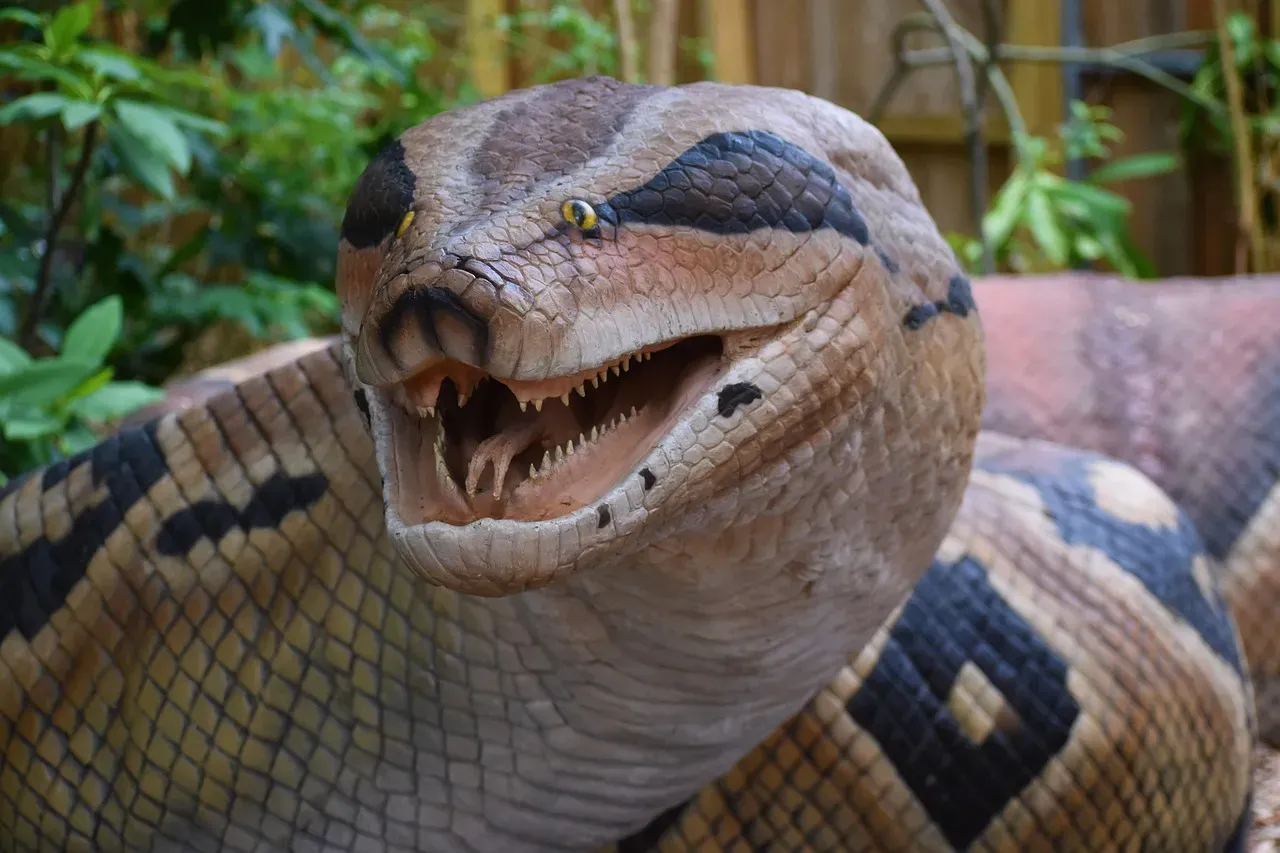
Let’s be real. Nothing quite prepares you for the mental image of a snake that makes an anaconda look like a garden hose. Titanoboa evolved after the extinction of all non-avian dinosaurs, making it one of the largest reptiles to appear following the Cretaceous-Paleogene extinction event. Nature, it seems, really does hate a vacuum.
This massive snake holds the record as the largest snake ever discovered, reaching estimated lengths of 42 to 50 feet and weighing up to 2,500 pounds. For comparison, that is more than twice the length of the largest anacondas alive today. Evidence strongly suggests it relied on ambush predation, using its bulk and camouflage to surprise unsuspecting prey rather than chasing it down. Its size also allowed it to tackle exceptionally large prey. Titanoboa primarily hunted smaller crocodiles, large fish, and other snakes. Think about that for a second. It hunted crocodiles. For lunch.
Spinosaurus: The Semi-Aquatic Giant That Broke All the Rules
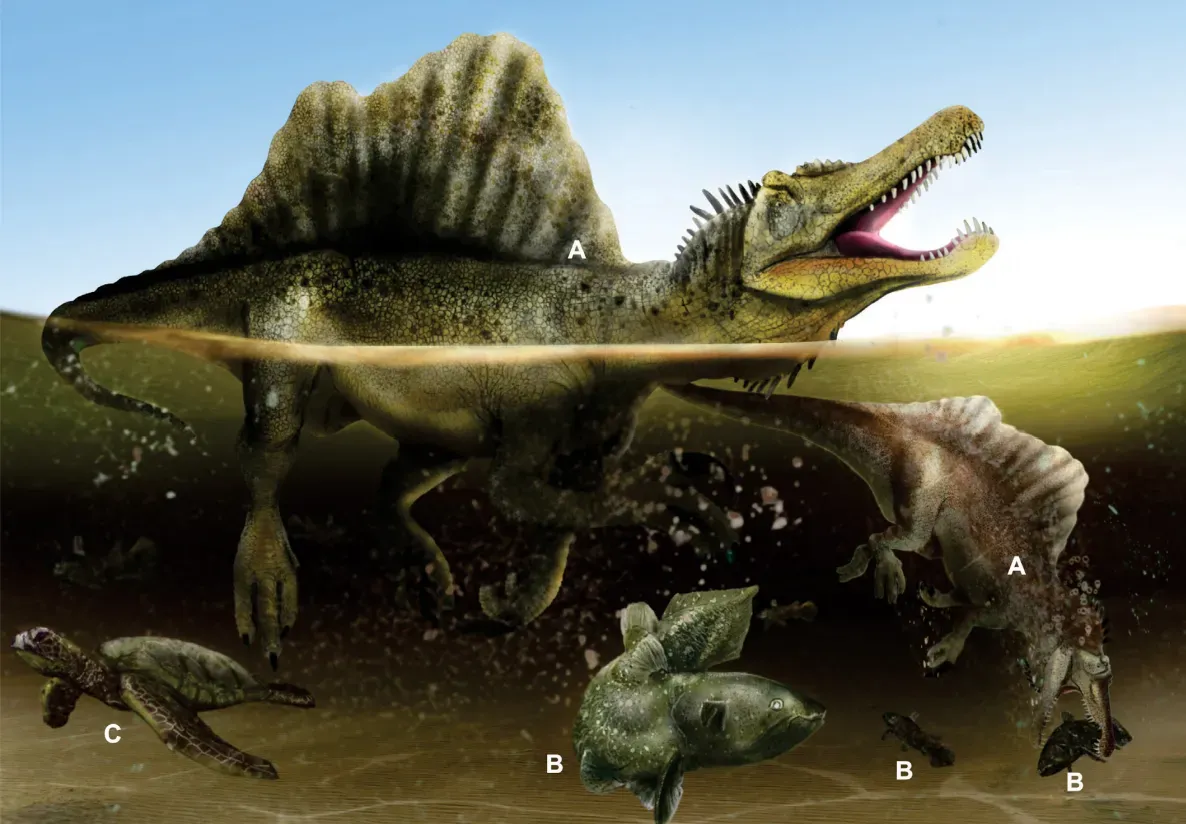
Reaching 15 meters in length, Spinosaurus sported a distinctive 1.6-meter-tall sail along its back and a narrow, crocodile-like snout packed with conical teeth perfect for snatching fish. Revolutionary discoveries now suggest this massive theropod may have been the first dinosaur capable of walking on all fours when hunting on land. Everything you thought you knew about how dinosaurs were built gets complicated the moment Spinosaurus enters the room.
Living during the mid-Cretaceous period approximately 97 to 93.5 million years ago, Spinosaurus reached lengths of 41 to 59 feet and weighed an estimated 7 to 20 tons, making it potentially larger than even Tyrannosaurus rex. What makes Spinosaurus remarkable is its suite of adaptations for an aquatic lifestyle: dense bones for buoyancy control, paddle-like feet, and a tall sail-like structure on its back that may have helped with swimming or display. Paleontologists now believe Spinosaurus spent much of its time hunting in rivers and wetlands across North Africa, pursuing large fish, including the car-sized Onchopristis, a prehistoric sawfish. The image of the largest predatory dinosaur ever, wading into an ancient river to fish, is both bizarre and completely captivating.
Megalodon: The Ocean Titan Whose Legend Still Refuses to Die
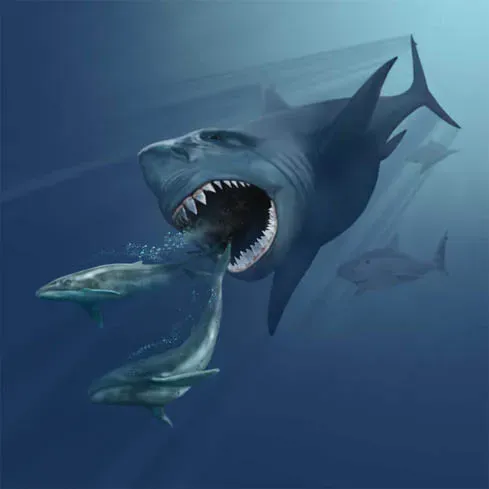
This colossal shark terrorized the world’s oceans between 23 and 3.6 million years ago, stretching up to 18 meters in length. Unlike the sleek predators we know today, Megalodon possessed a more robust build similar to modern lemon sharks, armed with hundreds of razor-sharp teeth that could slice through whale bone. It is hard to fully visualize that scale. Imagine a bus, but with jaws.
Recent studies suggest its slower, energy-efficient hunting style may have ultimately sealed its fate when oceans cooled and faster great whites emerged as competitors. There are many different theories about why it died out, with climatic changes associated with a colder period being the most likely killer. That said, recent studies have suggested that great white sharks and tiger sharks, which overlapped with Megalodon, may have outcompeted them and contributed to their eventual extinction. It’s hard to say for sure, but the fall of Megalodon may be one of the most consequential extinction events for the history of ocean life as we know it today.
Conclusion
What you’ve just traveled through is not just a catalog of extinct monsters. It is a story about how life on Earth constantly reinvents the predator, over and over again, across hundreds of millions of years, in every environment imaginable. From the first armored fish snapping its bone-plate jaws in a Devonian sea, to a 50-foot snake silently stalking crocodiles in a post-dinosaur jungle, the art of being a predator has always been about relentless adaptation.
The most humbling part of all this? We are still finding them. As recently as early 2026, brand-new ancient apex predators are being pulled from the ground and redescribed, reshuffling the family tree of life itself. These creatures were not unseen because they were unimportant. They were unseen because the Earth keeps its oldest secrets buried deep. Every dig, every cracked fossil, every CT scan of an ancient skull peels back one more layer of a story that, honestly, is far more dramatic than anything we could have invented. What do you think came before the ones we haven’t found yet?