
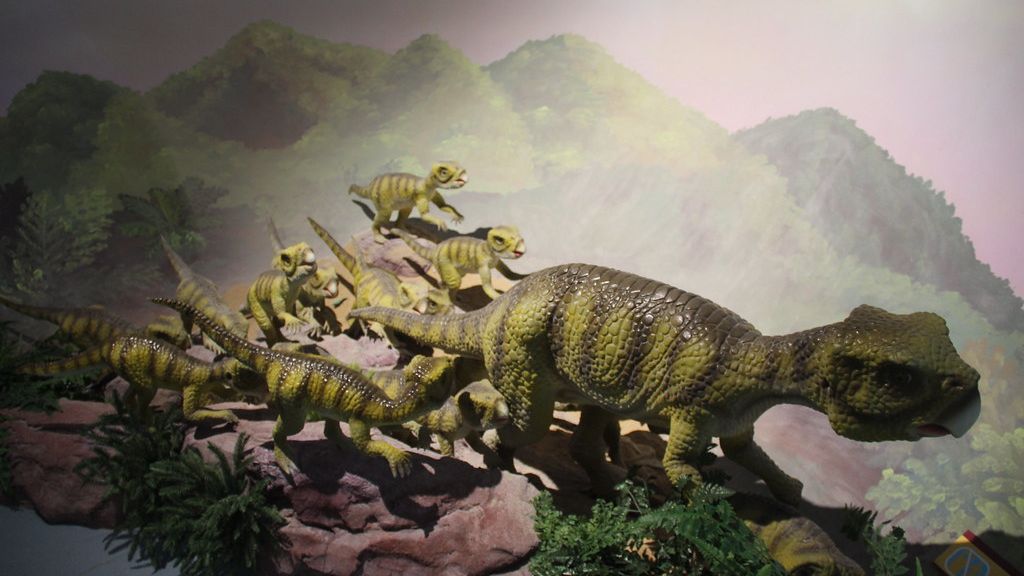
If you grew up thinking dinosaurs were just giant, scaly monsters stomping around alone, your mental picture is about to be shaken up. Over the past couple of decades, scientists have uncovered fossils and traces that reveal a surprisingly tender, complicated side to . You are no longer just looking at enormous predators and lumbering plant-eaters; you are peeking into a world of nests, parents, siblings, and even what feels a bit like ancient daycare.
As you walk through these discoveries in your mind, it starts to feel less like a dry science lesson and more like flipping through a prehistoric family photo album. You see parents guarding their eggs, youngsters huddling together, and entire herds moving like tightly knit communities. Once you see dinosaurs this way, it is very hard to go back to the old image of cold, mindless reptiles. You start to realize you share more with them than you ever imagined.
Dinosaur Nests That Changed Everything
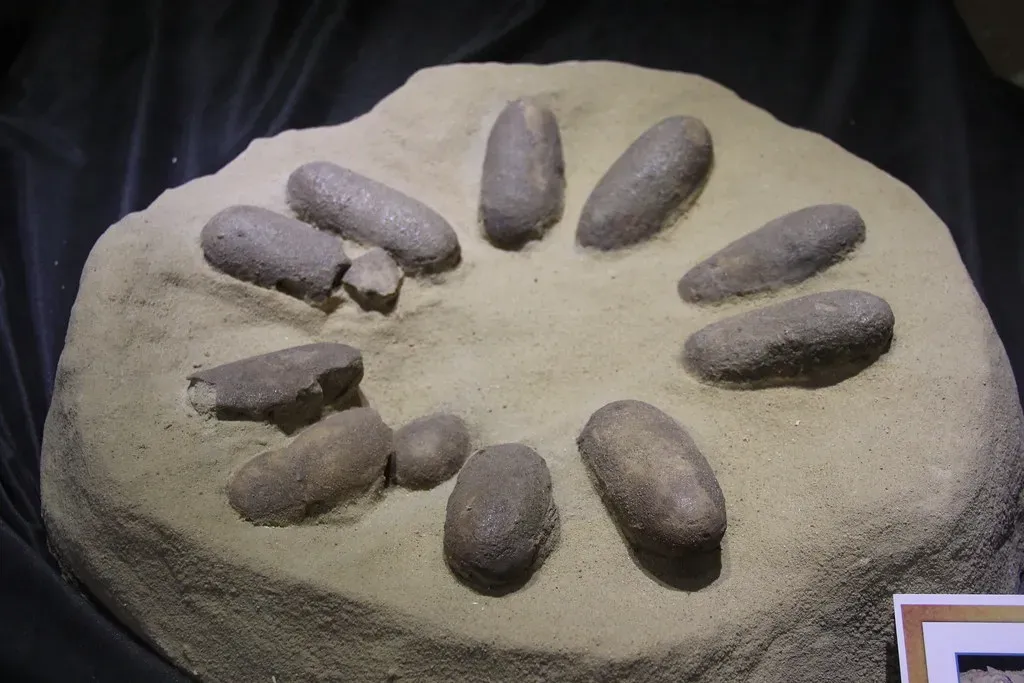
You might be surprised to learn that some of the strongest evidence for comes from simple circles of eggs fossilized in stone. When you see a fossil nest, you are not just looking at eggs; you are staring at a frozen moment of care and planning. In several sites around the world, you find multiple nests grouped together, arranged in patterns that suggest the adults picked specific spots and reused them over and over again, much like birds returning to the same nesting grounds each year.
Some nests even show eggs arranged in neat rings or carefully stacked layers, which tells you the parents were not just dropping eggs at random. They seemed to be thinking about how to keep them safe and warm, perhaps using soil, vegetation, or even their own bodies to regulate temperature. When you picture a massive dinosaur carefully placing eggs inside a nest, it immediately smashes the old idea that they were clumsy and careless. Instead, you begin to see deliberate behavior, planning, and maybe even a touch of affection.
Parents That Stuck Around Instead of Walking Away
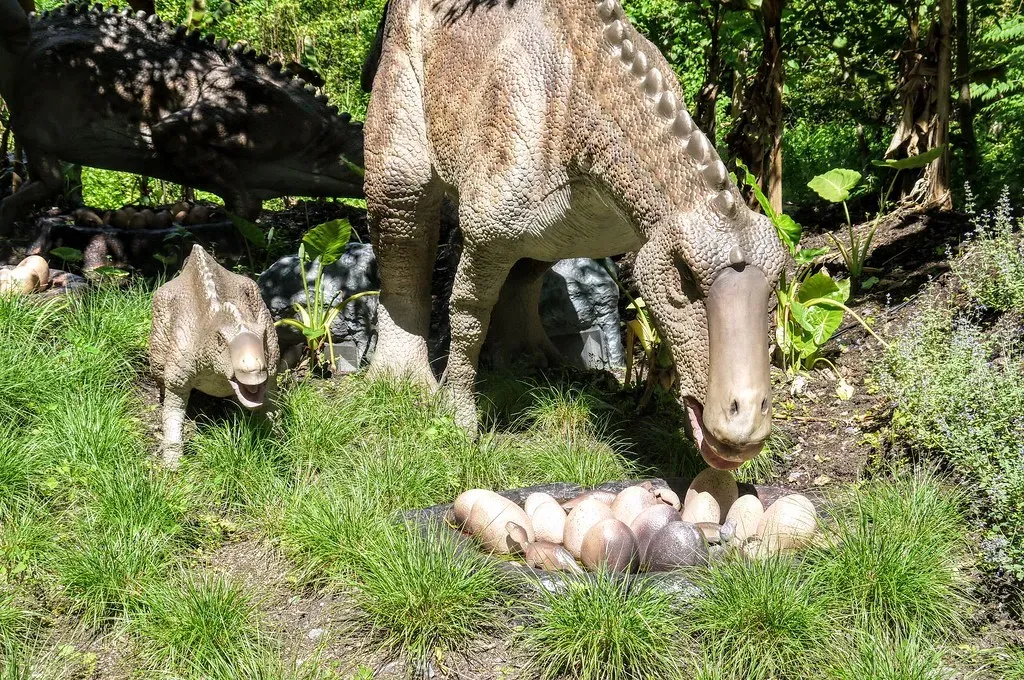
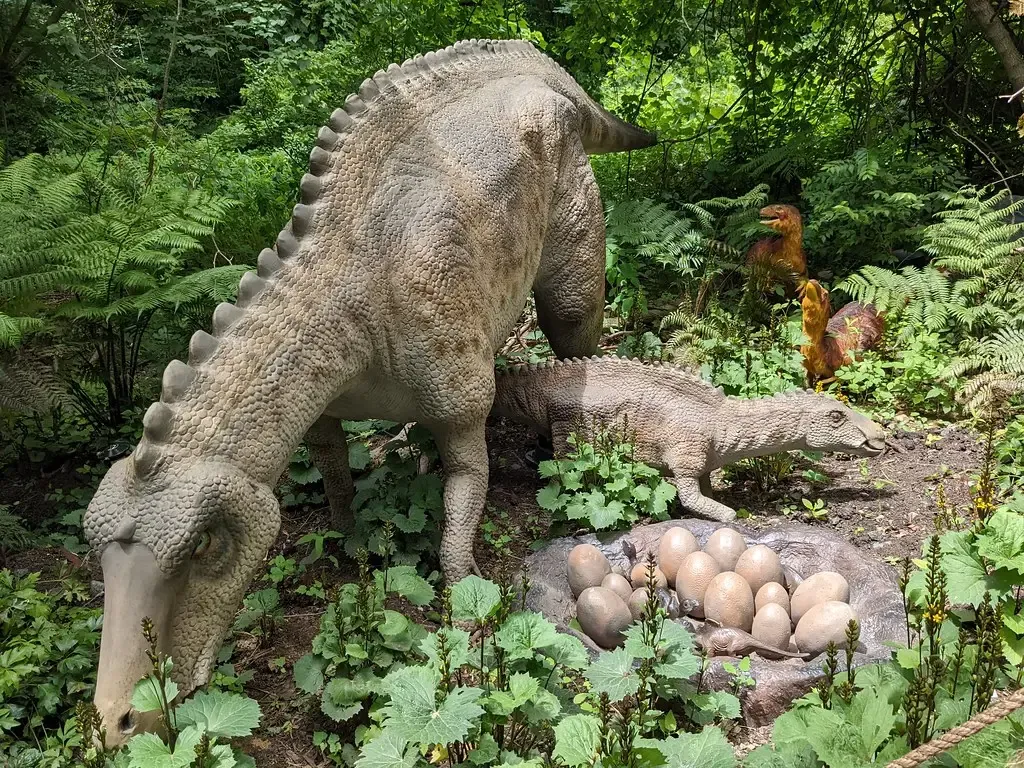
For a long time, the common belief was that most dinosaurs laid their eggs and then left the scene, letting the hatchlings fend for themselves. But fossils have flipped this assumption on its head. In some remarkable finds, adult dinosaurs have been discovered sitting directly on top of nests, their bones positioned in a way that looks very similar to how modern birds brood over their eggs. You get this powerful image of a parent staying put, enduring weather and danger, just to protect the next generation.
There are also sites where you see evidence that hatchlings stayed in or near the nest for a while instead of scattering immediately. That suggests the adults may have brought food, guarded the nest, or at least stayed close enough to provide some kind of protection. When you imagine these scenes, you are no longer picturing distant, indifferent animals. You are seeing something you recognize from your own world: the instinct to stay, to shield, and to sacrifice comfort for the sake of your young.
Herds, Creches, and Prehistoric “Daycare”
When you look at large bonebeds packed with many individuals of the same species, it is hard not to think of a crowd scene frozen in time. Some of these sites contain dinosaurs of different ages grouped together, from juveniles to full-grown adults. That mixed-age pattern suggests that these animals moved as a herd, much like modern elephants or bison. You are seeing a community, not just a random pile of bones. It hints at long-term social bonds, shared movement, and possibly shared responsibilities.
Even more intriguing are places where you mostly find young dinosaurs together, with fewer adults in the mix. This kind of distribution looks oddly like the ancient equivalent of a kids’ playgroup or a nursery, where juveniles may have stuck together for safety and learning. Adults could have been nearby, guarding the perimeter or showing them how to feed and move. When you think about it that way, you start to realize that structured family and group life is not something your species invented; it is something life on Earth has been experimenting with for a very long time.
Teen Dinosaurs: Awkward Growth and Sibling Dynamics
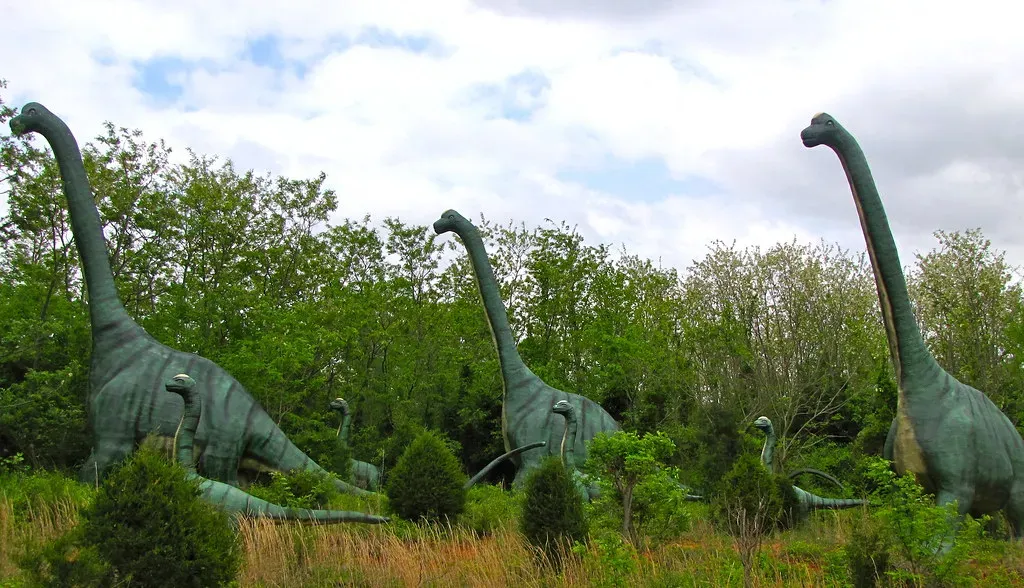
You tend to imagine dinosaurs as either tiny hatchlings or gigantic adults, but fossil evidence has opened a window into their middle years. Juvenile and “teenage” dinosaurs often show different body proportions, bone structures, and even likely behaviors compared with adults. In some species, younger individuals have features that seem better suited for speed and agility, while adults are built more for power. That suggests young dinosaurs may have played different roles within family or herd groups, perhaps acting as scouts or quick responders to danger.
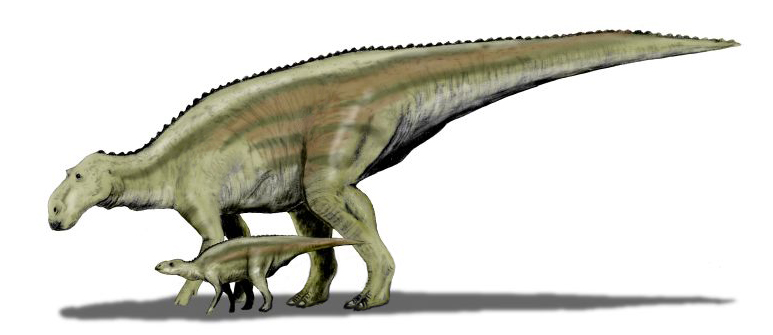
When several young individuals of the same species are found together, you can almost see the outlines of sibling relationships. They might have grown up side by side, learning how to forage, play-fight, and communicate, just like lion cubs or wolf pups do today. You can picture them racing around, testing boundaries, and maybe even getting into trouble under the watchful eye of nearby adults. Thinking of teen dinosaurs this way makes them feel far less like museum objects and far more like living, breathing youngsters coping with all the chaos of growing up.
Communication: Calls, Displays, and Family Signals
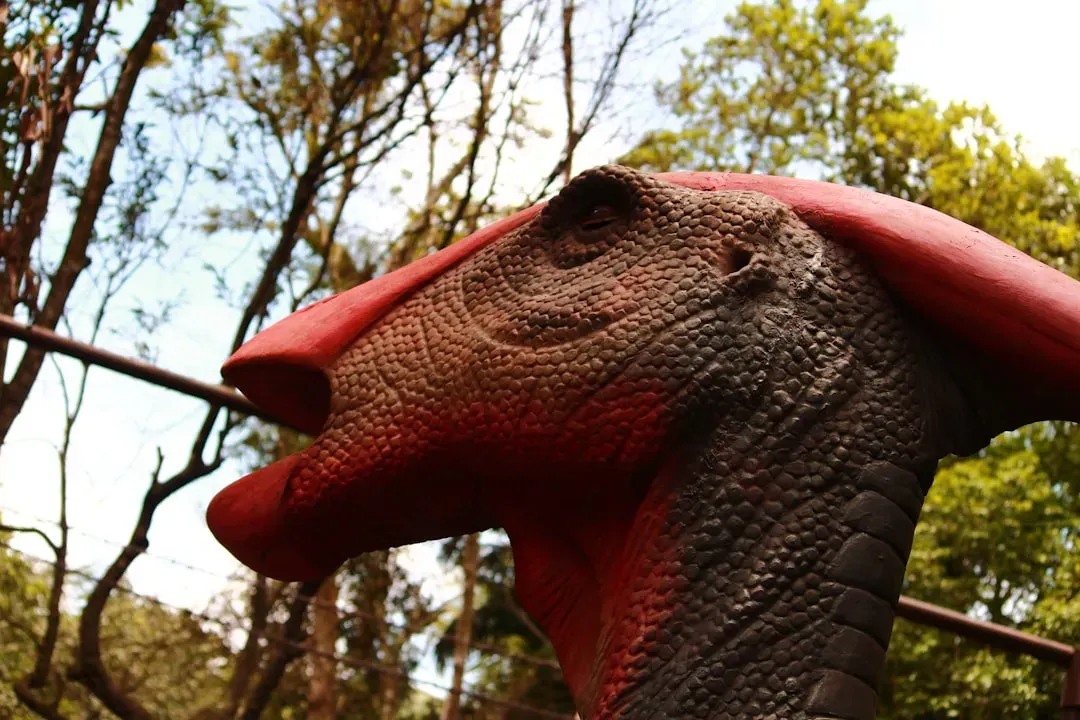
Even though you can not hear a dinosaur call directly, fossils give you subtle clues that they were far from silent. Hollow crests on some species, expanded nasal passages, and specialized skull shapes hint that many dinosaurs could produce deep, resonant sounds or complex calls. It is easy to imagine parents and offspring using low rumbles or bellows to stay in touch across long distances, the way elephants communicate through vibrations that travel through the ground.
On top of sound, many dinosaurs had elaborate frills, horns, crests, or bright patterns that likely played a role in visual signaling. You can picture a parent raising its head, flashing a crest, or striking a particular pose to warn youngsters of danger or reassure them that it is safe. In family groups, these signals would have helped maintain order, reduce conflict, and strengthen bonds. The more you think about this, the less you see dinosaurs as mute brutes and the more you see them as animals living in a rich sensory and social world.
Feathered Families and the Bird Connection
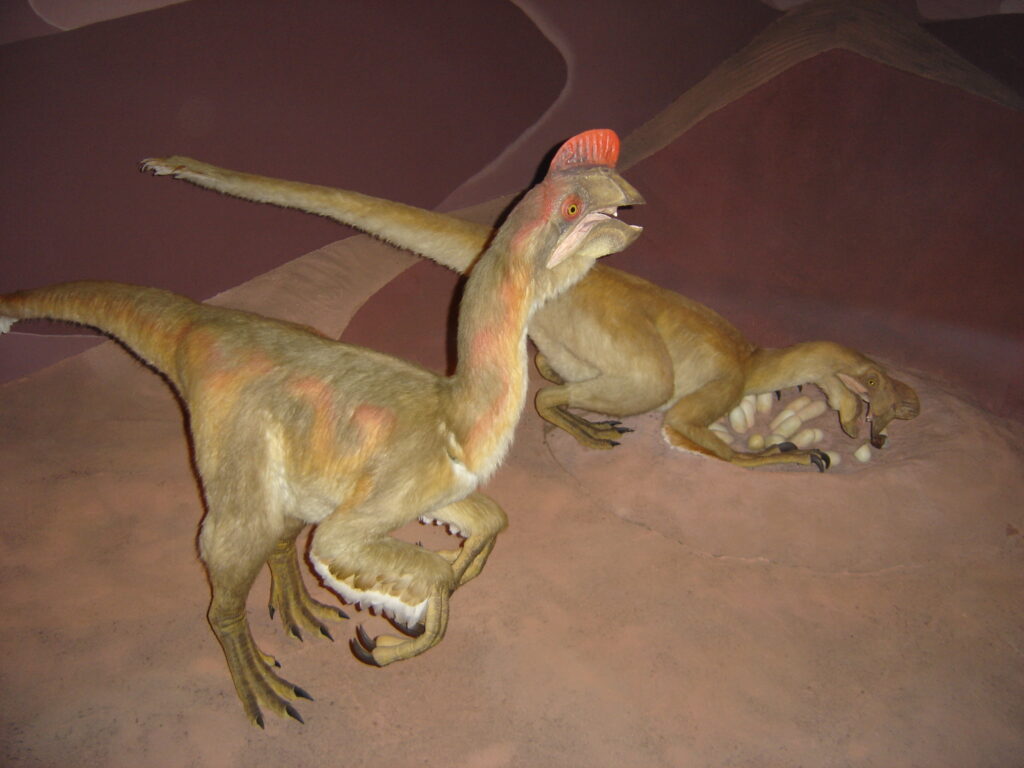
Feathered dinosaur fossils are some of the most striking pieces of evidence linking ancient dinosaurs to modern birds, and they also tell you a lot about family life. Feathers likely started out as simple filaments for insulation, which would have been especially important for eggs and hatchlings. If you imagine a feathered parent wrapping its body around a clutch of eggs, you start to see how warmth and protection were not just nice extras but essential tools for survival. That image feels oddly familiar if you have ever watched a bird carefully tuck its chicks under its wings.
Some fossils show feather impressions around nesting sites or on individuals found in crouched, brooding positions. When you look at these, it becomes almost impossible not to draw a straight line from dinosaur family behavior to that of modern birds. In many bird species, you see shared parenting, feeding of chicks, elaborate teaching, and long-lasting bonds. Once you accept that birds are living dinosaurs, you suddenly realize you are watching echoes of right outside your window every time you see a robin feeding its young.
Climate, Catastrophe, and the Risks of Raising a Family
Raising a family in the age of dinosaurs was not a gentle, peaceful affair. The environment could shift dramatically with volcanic eruptions, changing sea levels, and sudden climate events. In some nesting sites, you see evidence of repeated flooding or ash falls, hinting that parents had to continually adapt and sometimes rebuild their nests. You can almost feel the tension of trying to raise fragile eggs in a world that would not stop shifting beneath your feet.
Mass death sites that include both adults and juveniles tell a harsh story about the risks of living in close family and social groups. A drought, storm, or sudden catastrophe could wipe out an entire herd in one brutal event. Yet the very fact that these groups stayed together despite the risks suggests there were powerful advantages to family life: better protection, more eyes to spot danger, shared knowledge of feeding grounds, and safer environments for the young. You see a constant balance between danger and cooperation, a balancing act that your own species still navigates today.
How These Discoveries Change Your View of Dinosaurs – and Yourself
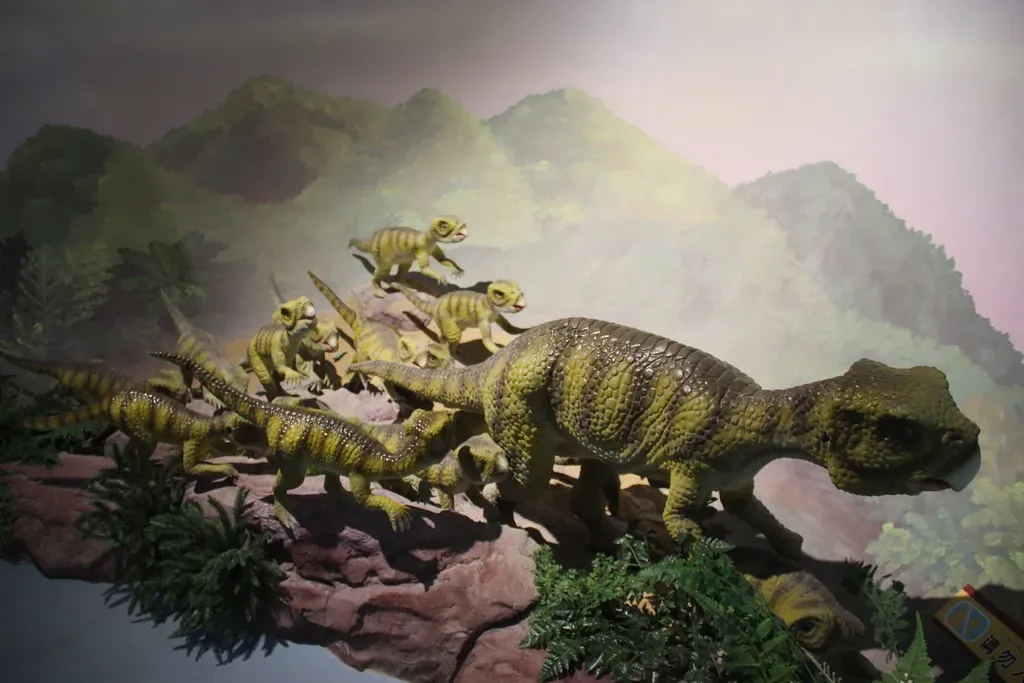
Once you absorb all this evidence, it becomes very hard to cling to the old cartoon image of dinosaurs as mindless monsters. Instead, you start seeing them as complex animals with parenting strategies, social ties, communication systems, and long, fragile childhoods. You realize that the basic story of caring for young, building homes, and sticking together in groups is not uniquely human at all. It is a deep, ancient pattern that stretches back tens of millions of years before you ever appeared on the scene.
When you look at it that way, dinosaurs stop being distant curiosities and start feeling like part of your extended family tree of life. You share the same planet, the same struggles to protect the next generation, and the same reliance on cooperation and care. The next time you see a fossil in a museum, you can picture not just a skeleton, but a parent watching a nest, a youngster calling for help, or a herd on the move. It is a quiet but powerful shift in perspective that leaves you asking yourself: if dinosaur families were this rich and complex, what else about the ancient world have you been underestimating?